- English
- French
- German
- Portuguese
- Spanish
- Russian
- Japanese
- Korean
- Arabic
- Greek
- German
- Turkish
- Italian
- Danish
- Romanian
- Indonesian
- Czech
- Afrikaans
- Swedish
- Polish
- Basque
- Catalan
- Esperanto
- Hindi
- Lao
- Albanian
- Amharic
- Armenian
- Azerbaijani
- Belarusian
- Bengali
- Bosnian
- Bulgarian
- Cebuano
- Chichewa
- Corsican
- Croatian
- Dutch
- Estonian
- Filipino
- Finnish
- Frisian
- Galician
- Georgian
- Gujarati
- Haitian
- Hausa
- Hawaiian
- Hebrew
- Hmong
- Hungarian
- Icelandic
- Igbo
- Javanese
- Kannada
- Kazakh
- Khmer
- Kurdish
- Kyrgyz
- Latin
- Latvian
- Lithuanian
- Luxembou..
- Macedonian
- Malagasy
- Malay
- Malayalam
- Maltese
- Maori
- Marathi
- Mongolian
- Burmese
- Nepali
- Norwegian
- Pashto
- Persian
- Punjabi
- Serbian
- Sesotho
- Sinhala
- Slovak
- Slovenian
- Somali
- Samoan
- Scots Gaelic
- Shona
- Sindhi
- Sundanese
- Swahili
- Tajik
- Tamil
- Telugu
- Thai
- Ukrainian
- Urdu
- Uzbek
- Vietnamese
- Welsh
- Xhosa
- Yiddish
- Yoruba
- Zulu
How to Import a Plastic shredder: Step-by-Step Guide
Make sure that when you buy a plastic shredder, your recycling or manufacturing business gets reliable tools that work well. This can only be done with careful planning and smart decisions. To do these things, you need to know what kind of handling you need, where to find qualified providers, how to ship abroad, and the right steps to take for customs clearing. This full guide teaches buying workers how to speed up the import process and stay away from common mistakes that can slow things down, cost more, or cause issues with how the equipment works.
Understanding Plastic Shredders and Their Market Demand
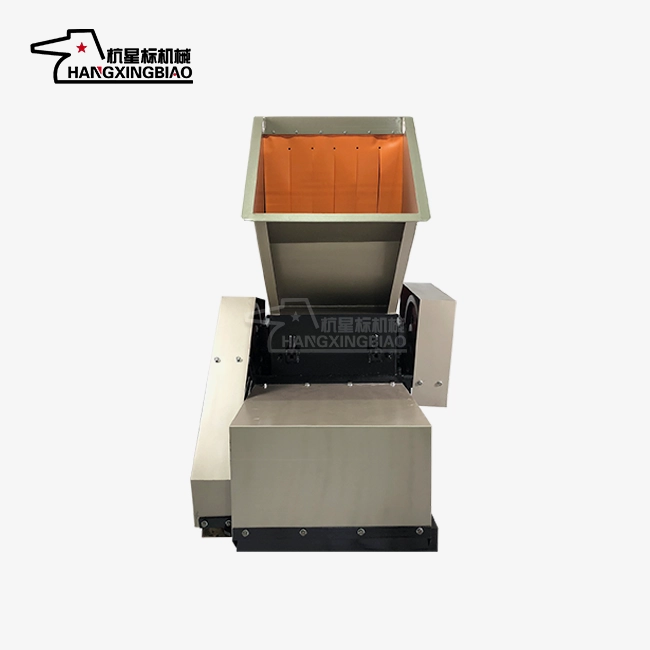
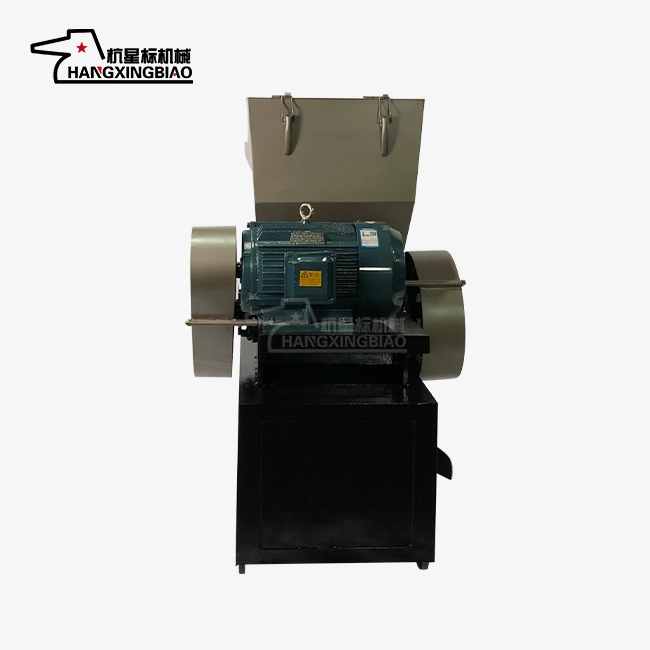
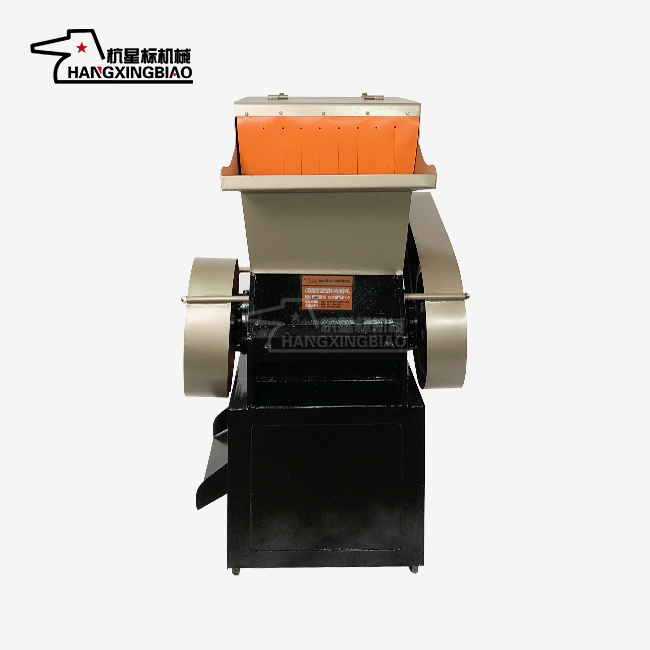
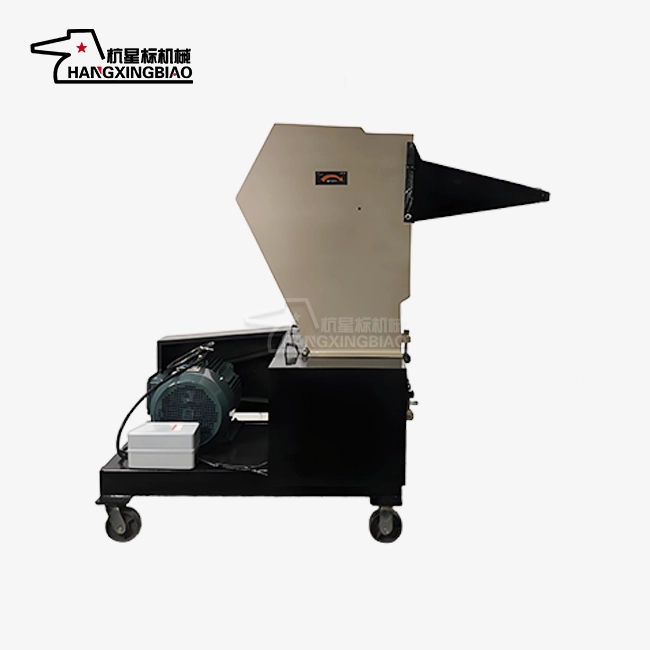
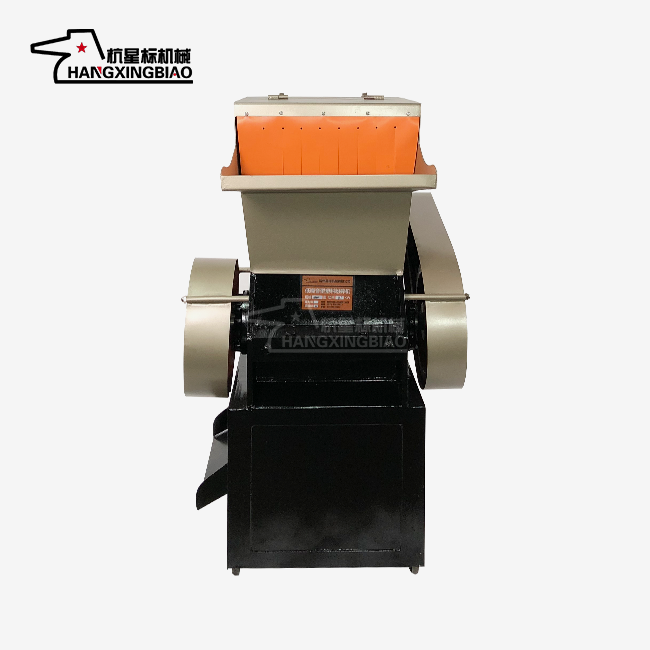
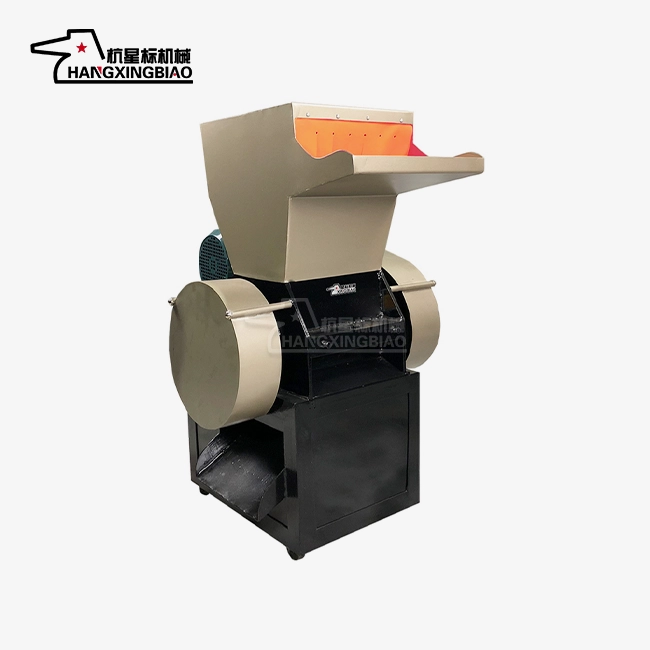
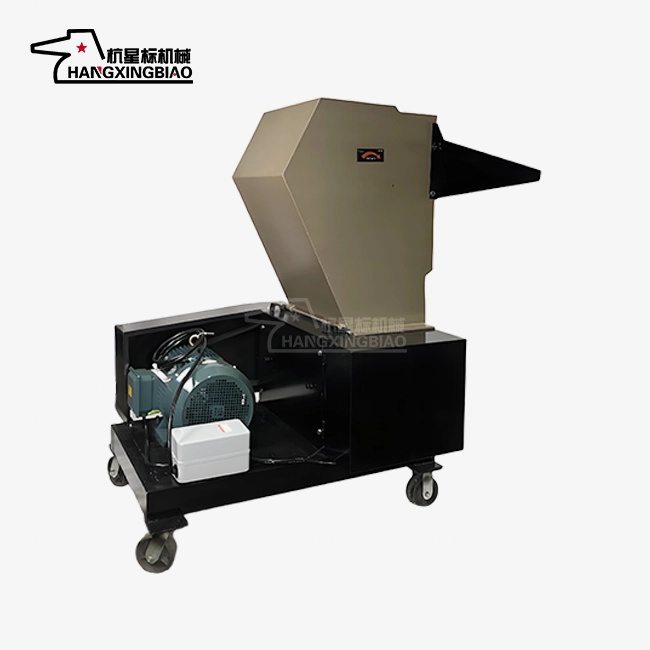
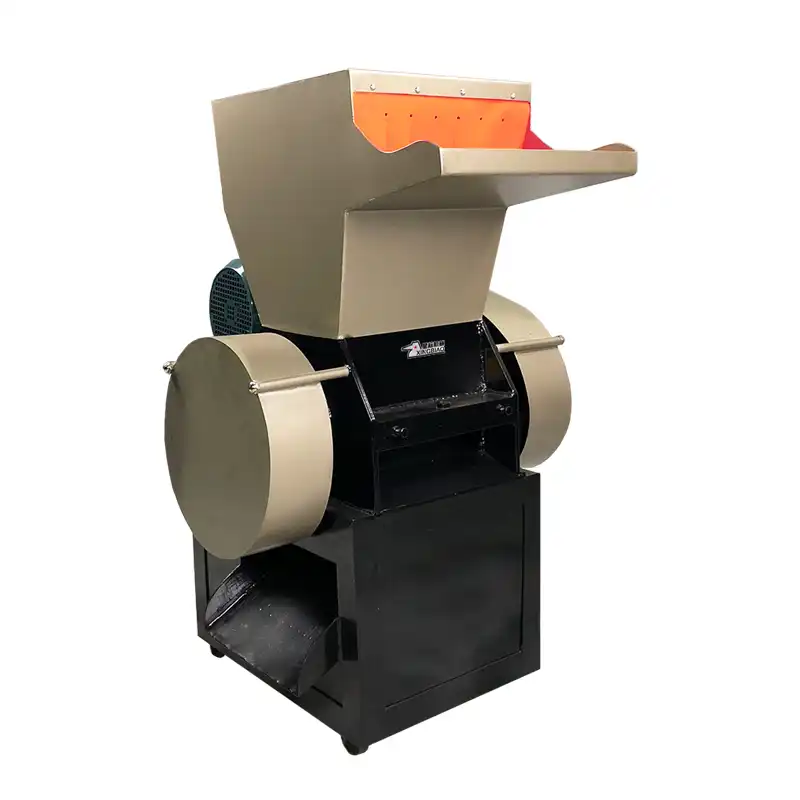
Technology for grinding has come a long way, and now it can handle a lot more types of materials than older pulverizers could. Shredders today can quickly and easily cut through almost anything that isn't metal, but not metal or rock. Plastic, rubber, wood, paper, cloth, foam, traditional Chinese medicine, food, feed, chemical raw materials that don't rust, fruit and veggie waste, and empty boxes are some of these things. Modern cutting machines are very adaptable, so they can work with blocks, flakes, fibers, and things that aren't round. Also, they can safely break down things bigger than 2 mm for coarse and medium grinding. Special screens that can cover an area from 2 to 50 mm make it easy to change the size of the particles that are released. This means that they can be used in many cases where different sizes of materials are needed.
Single-Shaft vs. Dual-Shaft Configurations
Single-shaft shredders are great for cutting HDPE lines, PVC profiles, and injection-molded parts into regular pieces because they have a center rotor and hydraulic pushing systems. These tools are great for small to medium-sized recycling businesses because they get the job done quickly and don't cost too much. Two-shaft designs work better than one-shaft designs for tough materials and heavy-duty jobs. Because they spin slowly and have high power, they can handle dirty materials, big items, plastic drums, boxes, and different types of polymers. These strong tools are often found in recycling sites that need to sort through a lot of stuff before it can be ground up.
Market Applications and Industry Trends
The need for versatile shredding solutions that can be used in many situations has grown because of the growth of the global recycling market. These solutions can be used to prepare trash for recycling, process industrial waste, make feed, and even slice Chinese herbal medicine. The "one machine, multiple material crushing requirements" are really met by this equipment for pieces bigger than 2 mm.
Preparing for Import: Defining Your Procurement Needs
To bring in a plastic shredder that works well, you must first do a full working review and list of requirements. The first thing you need to do to choose tools and sources is to know exactly what you need to process, what the material is made of, and how much you want to make.
Capacity and Performance Requirements
How much working power do you need? Think about how much you go through every day, how much you need at peak times, and how you want to grow in the future. When you work with plastic, think about what kinds it is and how thick, hard, and dirty it might be. Check to see if your company needs to be able to do things all at once or in groups. Different shredders of different sizes and types need very different amounts of power. With electric types, the performance is more stable, and they need less maintenance. A hydraulic device, on the other hand, can move things with more force. This is to make sure that the electricity parts and power source of your building will work.
Budget Planning and Financial Considerations
It's not just the cost of the tools themselves that you include in a full budget plan. You also include the costs of shipping, customs taxes, installation, training, and ongoing maintenance. Before you go through customs, find out how much the shredder you want to buy costs in your country. This way, you won't have to pay extra. Think about how you can pay for the equipment. You could rent it, get credit from the seller, or find a deal on buying a lot of it at once. See what the warranty covers, if extra parts are available, and what kind of customer service is offered after the sale. It takes a lot more to run the business, and the equipment doesn't last as long because of these things.
Regulatory Compliance and Safety Standards
Each country has its own safety rules, laws about the environment, and rules for bringing in industry tools. Find out about the safety rules in your area or the standards that apply, such as CE marks for the European market or UL approval for activities in North America. Environmental compliance is becoming more and more important when deciding what to buy, especially when it comes to how much energy something uses, how loud it is, and how easy it is to clean up after. If you don't want to break the law while the equipment is being used, make sure it meets or goes beyond local building and environmental standards.
Researching and Selecting Reliable Suppliers
The tools you get, the service you get, and the long-term success of your business will all depend on the provider you choose. When you carefully consider possible providers, you should check out how they seem, how good their professional skills are, and how good their customer service is to make sure you can work well with them.
Evaluating Supplier Credentials and Experience
Call customer recommendations, industry groups, and third-party verification services to find out about a supplier's past. Breaking equipment technology has been developed over many years, giving companies like Hangzhou Xingbiao Machinery Co., Ltd. a lot of specialized knowledge. They stick to a plan of success in a single area as their main goal. Research and development teams at well-known companies are often made up of the best engineers. These teams work with universities and other large companies to do research. With this much scientific knowledge, products are better designed, more reliable, and new ideas are always being thought of. All of these things help end users by making goods work better and cheaper.
Technical Specifications and Quality Assessment
Pay close attention to the knife's materials, construction, and design features that determine how well it works and how long it lasts. Good shredders use SKD-11/D2 mold steel and Cr12MoV special steels for the inside of their bodies. You heat these steels in a vacuum and freeze them to make them as hard and wear-resistant as possible. Blade shapes and hollow structures that are better matched to the motor can help break more objects with more than 20% more efficiency while using less energy. Screens that can be changed quickly and designs that are open make it easy to clean and fix problems, which cuts down on downtime.
Product Range and Customization Capabilities
Before you buy from someone, look at the products they sell to make sure they meet your wants and have room to grow. For big plastic parts, full-service manufacturers usually have large-diameter crushers. They also have high-power units that can be used for injection molding, standard models made for soft plastics like films and woven bags, and custom solutions for specific uses. Ask for specifics about the types that interest you, like how much power they need, what size particles they produce, and how they can be customized. When the needs of your business change over time, suppliers who have a lot of goods can often help you and help you get better in the long run.
Logistics, Shipping, and Import Process
Lots of heavy industrial equipment has to be moved around the world. To make sure it arrives on time and in good shape, the whole process has to be carefully planned out. When you know about your shipping options, the paperwork you need, and the customs process, you can avoid delays and extra costs.
Shipping Options and Cost Considerations
The easiest and most cost-effective way to ship a big plastic shredder or the sale of a lot of different pieces of equipment is by Full Container Load (FCL). When you do it this way, you can have a container all to yourself. This lowers the chance of damage during transport and gives you more control over when deliveries happen. Fewer pieces of equipment can be shipped with less than a container load (LCL), but it takes more work at consolidation points, which makes damage more possible. It's faster to ship by air, but it costs a lot more. Most of the time, it's only used to press replacement parts or smaller pieces.
Documentation and Customs Procedures
When you have the right papers, you can skip the lines at customs and go straight through the clearance process. Along with commercial bills that clearly describe and value the goods, packing lists that show what's inside and how much it weighs are also very important. You should also have certificates of origin and any necessary safety or environmental certifications. Working with customs brokers who have done this before and know how to handle tools that are being brought in can speed up the process and help you understand the rules better. These professionals can help you do your job better and make sure you're following all the rules.
Installation and Commissioning Services
Before the equipment comes, set up services for installation and testing. This will help keep downtime for operations to a minimum. Professional support is something that many providers offer. This can include help with setting up the equipment on-site, teaching staff how to use it, and testing it to make sure it works well. Full-service packages from good companies promise to answer customer questions 24 hours a day, help with installation, provide training on how to use the equipment, offer regular follow-up visits, and provide enough spare parts to keep things going.
Post-Import Considerations and Optimization
To get the most out of your tools and the best return on your investment, you need to keep up with maintenance, make sure your business runs smoothly, and smartly use seller support services. Good post-import management ensures long-term reliability and low costs of running.
Maintenance and Performance Monitoring
Set up regular repair plans based on what the company that made it says and what the company needs. Preventive repair keeps machines in good shape and extends their useful lives. Regular checks for issues find them before they affect work. Show the working staff the right way to use tools, how to fix simple problems, and how to follow safety rules. People who have been taught well can quickly find and fix small problems and know when they need help from a professional.
Operational Optimization Strategies
Change the settings on the machine so that it works best with the different types of materials and processing needs. This will help you get the most work done with the least amount of energy. Modern shredders have a lot of settings that let users fine-tune how well the machine works for different jobs. It is important to carefully plan how the system will fit in with present production workflows so that materials move easily and the system works as efficiently as possible. When you optimize a process, you need to think about things like moving materials, conveyor systems, and the ability to do more work further down the line.
Leveraging Supplier Support and Warranty Benefits
Stay in touch with the companies that make your gear so that you can get professional help, guarantee services, and chances to get new gear. If you talk to people ahead of time, you can solve problems quickly and be sure you can get real extra parts and expert help. You can back up guarantee claims with written data on working conditions, upkeep jobs, and performance. This will help you make better decisions about future purchases. This knowledge is very useful for planning how many tools you can use and how long they will last.
Conclusion
To successfully import a plastic shredder, you need to plan, carefully evaluate possible sellers, and be very careful about how you handle and improve the machine after it arrives. A lot of useful things happen when you buy good tools that can work with different non-metallic materials and let you change the particle size from 2 mm to 50 mm. The cutting technology of today is better than it used to be, so the same piece of equipment can be used for many different jobs. If procurement staff follow this thorough plan and work with experienced suppliers who offer full-process service support, they can be sure that the equipment they buy works well, makes operations more efficient, and helps the company grow over the long run.
FAQ
What safety features should I prioritize when importing shredding equipment?
Fire safety systems, safety interlocks that stop operation with open guards, overload protection circuits, and making sure the electricity is properly grounded are all important safety features. Find gear that has been approved by UL or CE to meet safety standards from other countries. You should also think about features that cut down on noise and gather dust to make sure workplaces are safe.
Should I consider importing used plastic shredding equipment?
When you buy used equipment, you can save money, but you need to make sure you know how long it will last, how well it was taken care of in the past, and how easy it is to find new parts. It's a good idea to have professionals look it over and find out what the guarantee covers and how much changes might cost. Most of the time, new equipment is better in the long run because it works better, comes with a warranty, and has more up-to-date safety elements.
How do I choose between single-shaft and dual-shaft shredder configurations?
It's easy to work with regular materials and get results of the same size every time with a single-shaft shredder. This makes them great for small amounts of clean plastic trash. When working with a lot of different materials, dirty trash, and jobs that need to be done quickly and with a lot of force, dual-shaft types are better. When you make this choice, think about what your item is made of and how it needs to work with.
Partner with Xingbiao for Your Plastic Shredder Import Needs
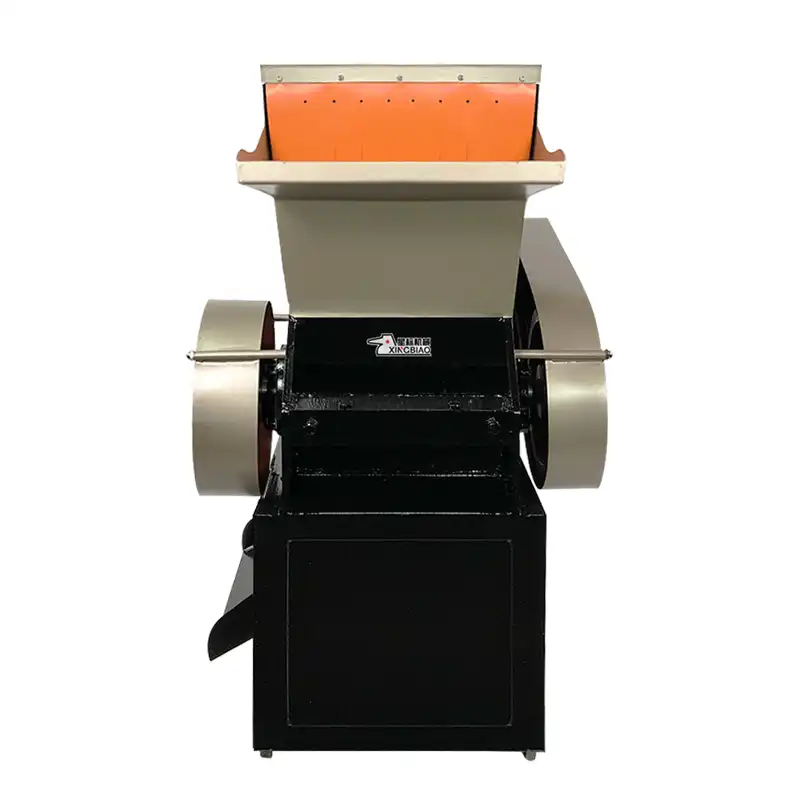
You can trust Xingbiao to be your trusted plastic shredder maker for import needs because we've been making cutting tools for 30 years. Like older machines, our state-of-the-art tools can work with more than one kind of material. It works quickly and well with many non-metallic materials, and you can change the powder size from 2 mm to 50 mm to suit your needs. Our strong construction, which includes SKD-11/D2 mold steel blades that have been vacuum-heated and high-strength steel plates that have been treated to ease stress, ensures that the product will work well and last for a long time. You can get all the help you need with our 20-person senior engineering team and full-service support, which includes 24-hour response times, installation advice, and ongoing technical help. Send us an email at xingbiaocrusher@xingbiaocrusher.com to talk about your specific needs and find out why top manufacturers choose Xingbiao as their first choice for buying plastic shredders.
References
1. Global Plastic Recycling Market Analysis and Import Trends 2024, International Trade Commission Industrial Machinery Report.
2. Customs Procedures and Documentation Requirements for Industrial Machinery Imports, World Trade Organization Guidelines.
3. Safety Standards and Certification Requirements for Plastic Processing Equipment, International Organization for Standardization.
4. Logistics and Supply Chain Management for Heavy Machinery Imports, Maritime Transport Efficiency Studies.
5. Post-Import Equipment Optimization and Maintenance Best Practices, Industrial Equipment Management Association.
6. Supplier Evaluation and Risk Assessment in Global B2B Procurement, International Procurement Research Institute.
Learn about our latest products and discounts through SMS or email