- English
- French
- German
- Portuguese
- Spanish
- Russian
- Japanese
- Korean
- Arabic
- Greek
- German
- Turkish
- Italian
- Danish
- Romanian
- Indonesian
- Czech
- Afrikaans
- Swedish
- Polish
- Basque
- Catalan
- Esperanto
- Hindi
- Lao
- Albanian
- Amharic
- Armenian
- Azerbaijani
- Belarusian
- Bengali
- Bosnian
- Bulgarian
- Cebuano
- Chichewa
- Corsican
- Croatian
- Dutch
- Estonian
- Filipino
- Finnish
- Frisian
- Galician
- Georgian
- Gujarati
- Haitian
- Hausa
- Hawaiian
- Hebrew
- Hmong
- Hungarian
- Icelandic
- Igbo
- Javanese
- Kannada
- Kazakh
- Khmer
- Kurdish
- Kyrgyz
- Latin
- Latvian
- Lithuanian
- Luxembou..
- Macedonian
- Malagasy
- Malay
- Malayalam
- Maltese
- Maori
- Marathi
- Mongolian
- Burmese
- Nepali
- Norwegian
- Pashto
- Persian
- Punjabi
- Serbian
- Sesotho
- Sinhala
- Slovak
- Slovenian
- Somali
- Samoan
- Scots Gaelic
- Shona
- Sindhi
- Sundanese
- Swahili
- Tajik
- Tamil
- Telugu
- Thai
- Ukrainian
- Urdu
- Uzbek
- Vietnamese
- Welsh
- Xhosa
- Yiddish
- Yoruba
- Zulu
Cost estimates for purchasing an industrial crusher
For procurement pros, knowing how much it will cost to buy an industrial crusher is important for making big investments. Depending on their size, features, and level of customization, these machines can cost anywhere from $15,000 for basic models to over $250,000 for heavy-duty systems. Smart buyers look at more than just the original purchase price to figure out what the real value of the property is. They look at things like operating costs, repair costs, and energy use. Modern grinding equipment is much more efficient and lasts longer than older systems. To get the most out of your investment, you need to carefully consider the costs involved.
Understanding Industrial Crushers and Their Cost Drivers
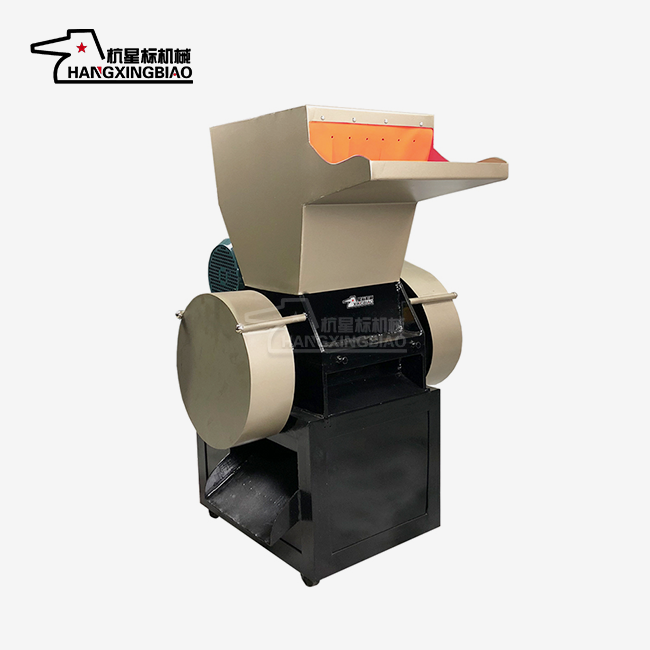
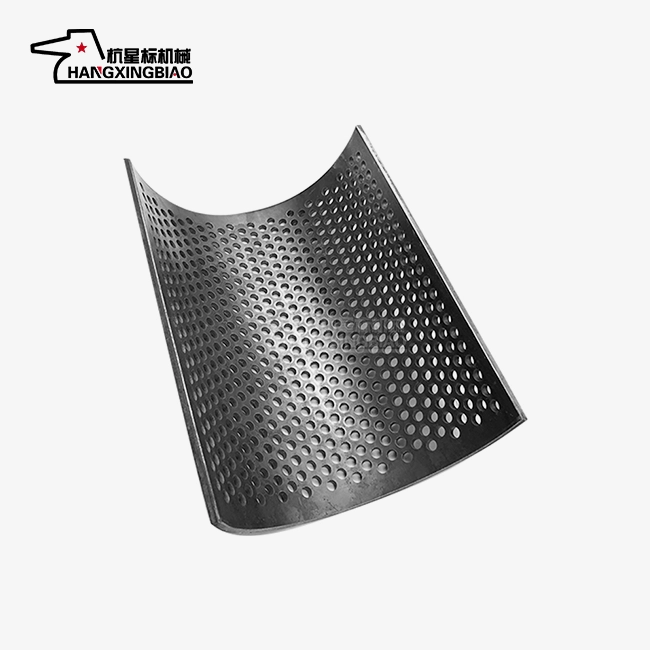
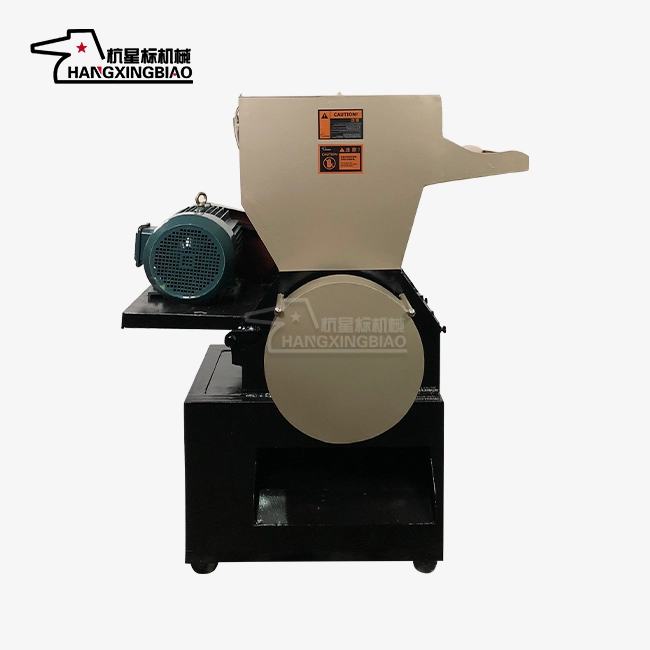
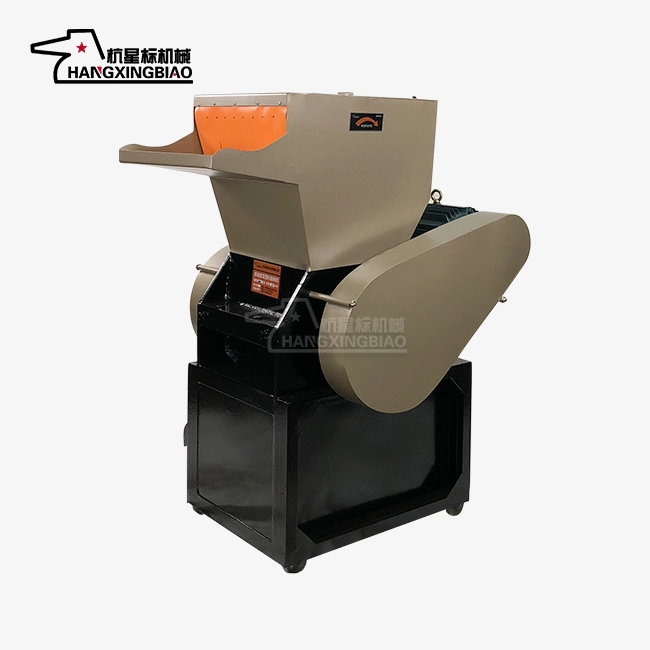
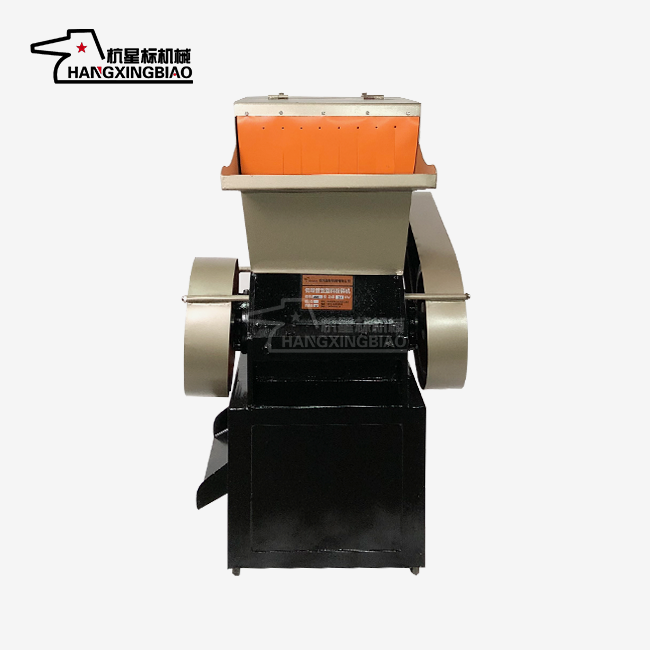
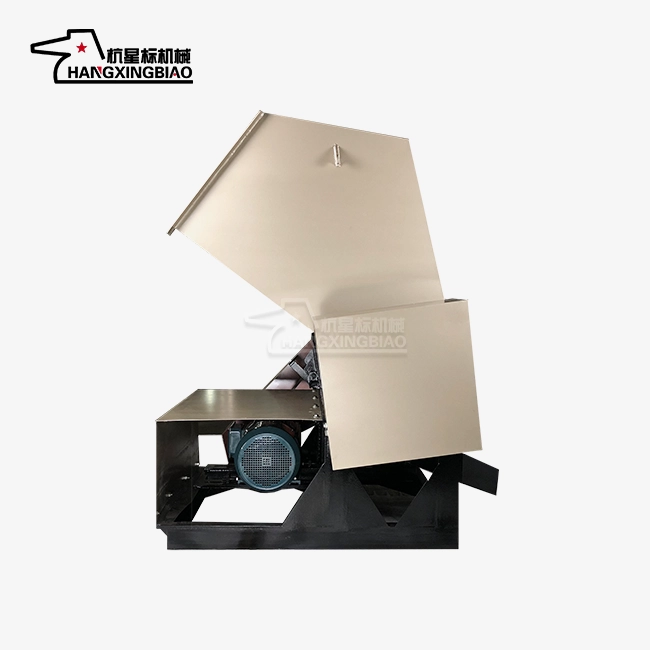
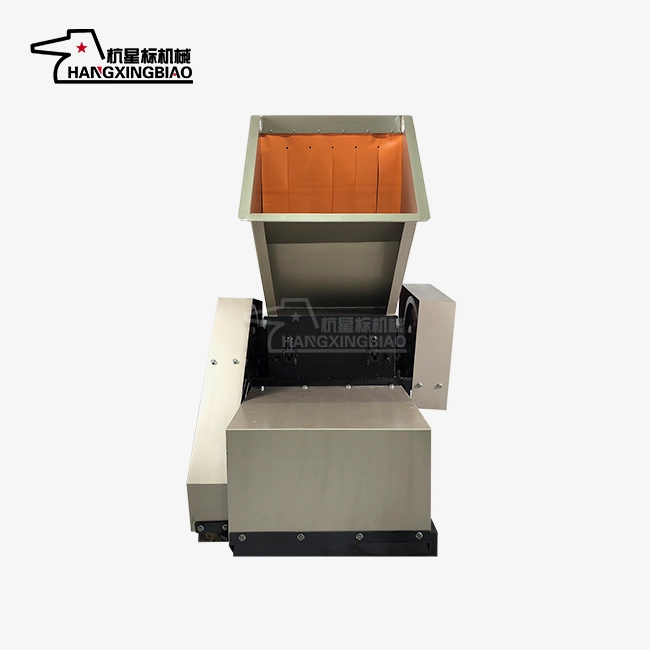
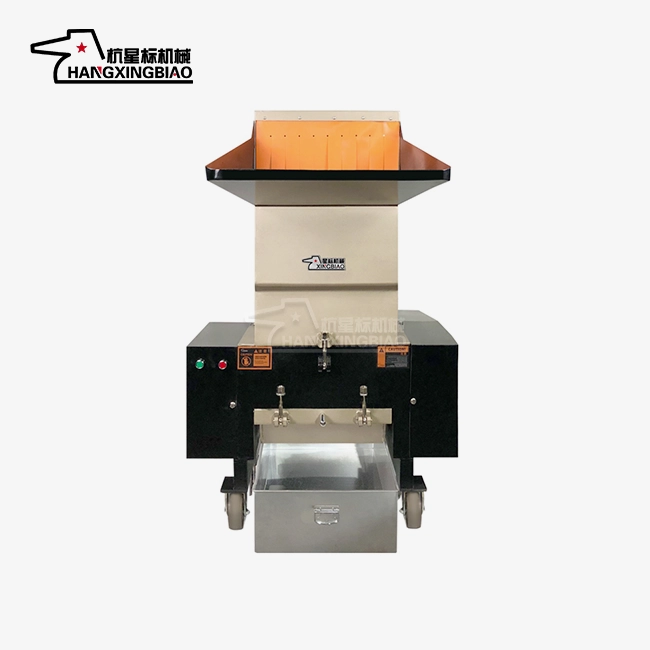
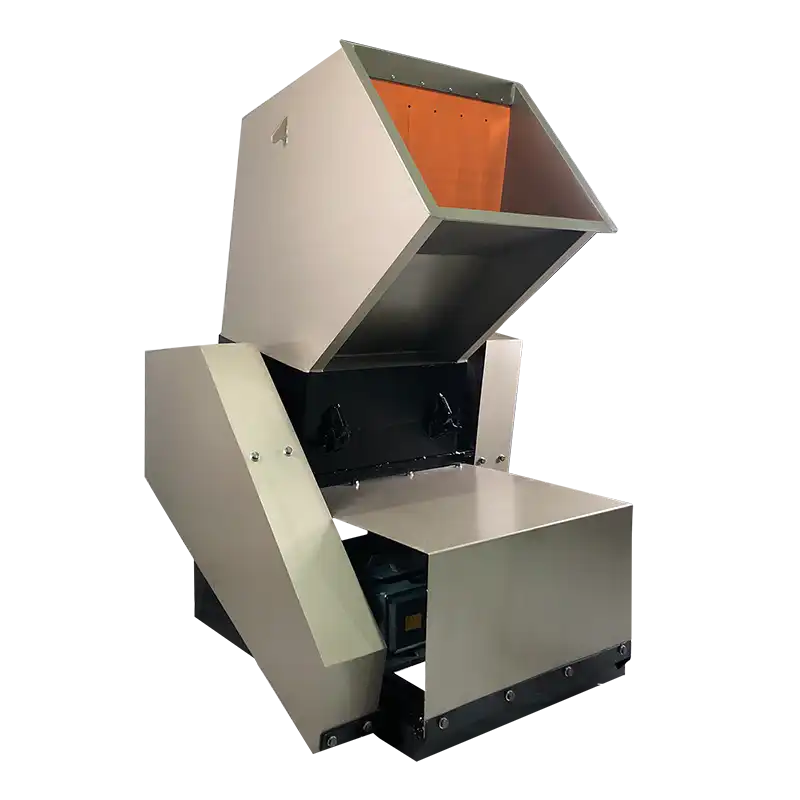
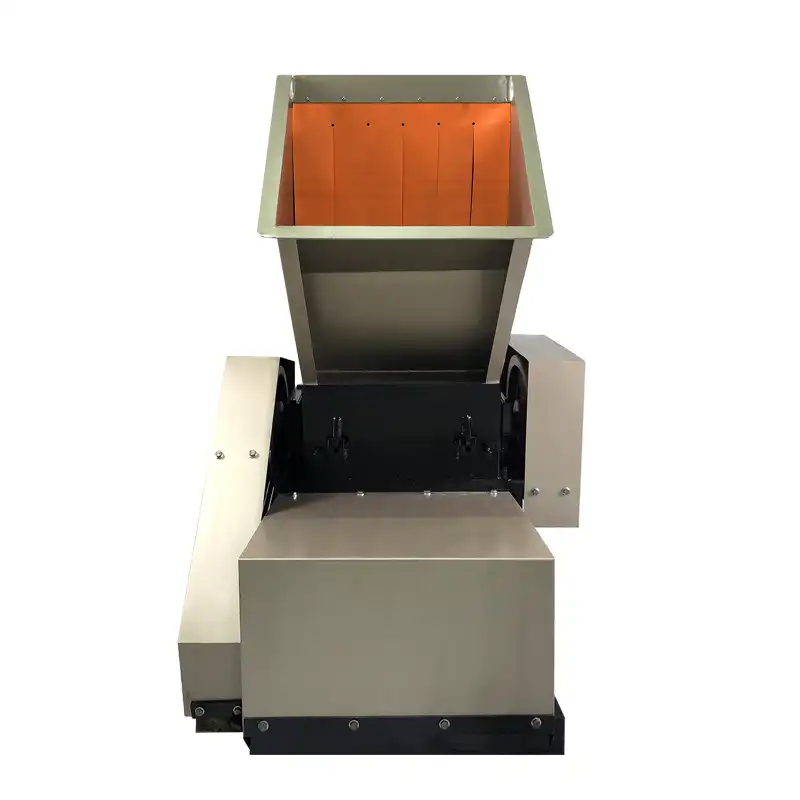
Heavy-duty industrial crushing equipment is essential for processing materials in many fields, such as manufacturing, recycling plastic, and managing trash. These tools use mechanical force to reduce the size of materials by pressing, hitting, or cutting them. They turn waste streams into useful raw materials that can be used in other processes. Modern crushing devices can be used for a lot of different things, not just standard ones. Plastic, rubber, wood, paper, cloth, foam, traditional Chinese medicine, grain, feed, non-corrosive chemical raw materials, fruit and veggie residues, and trash cartons are just a few of the non-metallic materials that can be processed efficiently by today's industrial crusher. These machines can handle block, flake, fiber, or odd shapes, and their screen systems can be adjusted to achieve stable coarse and medium breaking with particle sizes ranging from 2 to 50 mm. Knowing what causes costs helps buying teams make smart choices. The hardness of the material directly affects the choice of tools. Harder materials need strong building and wear-resistant parts, which raises the original cost but guarantees longevity. The amount of processing determines the capacity needs. For example, high-throughput uses need motors with more power and crushing tanks that are bigger. Also, things about the material like its flexibility, wetness content, and ability to get tangled up can change the specific features that are needed, which can change the overall cost of the system.
Primary Cost Components
More factors go into buying equipment than just the base machine cost. Core parts that have a big effect on price include the crusher body, motor specs, blade materials, and control systems. Premium materials, such as SKD-11/D2 mold steel and Cr12MoV special steels, are treated with vacuum heat and deep cryogenic processing. This gives them better strength and longer service life, which makes the higher original cost worth it because they don't need to be replaced as often. The cost of installation and completion depends on how complicated the job is and what the place needs. Standard installs usually need to connect the electricity, prepare the base, and add the safety system. For custom jobs, you might need special positioning, conveyor integration, or weather controls, which raise the cost of setup. Planning during buying helps keep installation costs as low as possible.
Comprehensive Cost Breakdown of Industrial Crusher Types
Different crusher designs are better for different uses and budgets, so choosing the right type is very important for getting the best value for money. Standard plastic crushers for general recycling usually cost between $25,000 and $65,000 and work well with films, bottles, and injection-molded parts. These tools can be used for a variety of tasks and are good at recovering plastic while keeping costs low. Large-diameter types designed to work with heavy plastic parts, lines, profiles, and die head materials cost between $75,000 and $180,000 more. But their strong construction and higher processing ability make them a better deal for high-volume businesses. When you think about how they can handle things that would damage or overwhelm normal tools, it's easy to see why they should spend. High-power centralized feeding systems are the best choices, but they cost between $90,000 and $200,000 and work quietly, making them perfect for reusing sprue material on injection molding machines at the same time. These specialized units keep production areas quiet while working very efficiently, which makes them great investments for companies that do combined manufacturing.
New Versus Used Equipment Considerations
When choosing between buying new or used tools, it's important to think about how much it will cost to own everything. New industrial crusher systems come with full warranties, the newest technology, and repair plans that you can count on. Manufacturers like Hangzhou Xingbiao Machinery have 30 years of specialized development that has given them the skills to guarantee consistent performance and full support. At first, buying used equipment might save you 30 to 50 percent, but there are risks, such as not knowing how much it has been maintained, parts wearing out, and the guarantee not covering everything. There are often hidden costs that show up as more downtime, more upkeep, and shorter service lives. Reliable providers offer full equipment histories and repair services that lower these risks while keeping the cost benefits.
Factors Affecting Total Cost: Beyond the Purchase Price
To get a full picture of the total costs of owning a piece of equipment, you need to look at all of its running costs over its entire useful life. Modern, energy-efficient designs use only 8–12 kWh per ton of treated plastic, while older methods used 15–20 kWh. This means that energy use is a big ongoing cost. This increase in efficiency means big saves over the life of the tools. Maintenance needs have a direct effect on profits through planned service costs and unexpected stoppage costs. When compared to normal carbon steel blades, premium blade materials that can be regrinded three to five times have sixty percent lower repair costs. Features that make it easy for maintenance workers to get to can cut service time by half, which means that less work is lost during regular repair. Long-term running costs are affected by the price and supply of spare parts. Manufacturers that have been around for a while keep large inventories of parts and offer expert help that keeps equipment from breaking down. Custom or old equipment may not have enough parts, which means it has to be replaced too soon. Choosing the right source is important for keeping costs down.
Energy Efficiency and Environmental Compliance
Modern breaking systems use a lot less energy because they use advanced motor technologies and well-designed mechanical parts. Variable frequency drives let you precisely change the speed to meet the needs of the processing while using as little power as possible. These gains in speed help environmental compliance efforts while lowering the costs of doing business. As environmental rules get stricter, traits that reduce noise become more and more important. Enclosed designs with sound-dampening materials let them work in noisy places without having to buy expensive extra shielding. Low-noise operation is especially helpful for sites that can't be close to each other or that work more than one shift.
How to Evaluate and Compare Industrial Crushers for Procurement
For review to work well, the capabilities of the tools must be matched with the unique needs of the activity. Peak working rates, material types, and desired output particle sizes should all be taken into account when figuring out capacity. Too big of equipment costs more than it needs to, and too small of systems slow down production and makes operations less efficient. Some performance measures that go beyond basic capacity are scores for reliability, energy efficiency, and the amount of upkeep that needs to be done. Manufacturers of good products give clear specs and performance information that lets you compare them in an unbiased way. There are chances to test things with real materials so that the supposed performance levels can be checked out. When evaluating a supplier, you should look at their professional skills, customer service, and financial security. Well-known companies that focus on a specific area show that they know their stuff and will stay committed to their markets for a long time. Hangzhou Xingbiao Machinery is a good example of this method because it has been developing crushers for 30 years and offers full customer support.
Financing and Leasing Options
Access to cutting-edge technology without having to spend a lot of money on it is possible through budget-friendly loans or rental plans. Buyers with good credit can usually get reasonable rates on equipment financing. This spreads costs over the useful life of the equipment and keeps working cash available for other business needs.Additionally, leasing offers extra benefits such as possible tax breaks, the freedom to improve, and full upkeep packages. These choices are great for businesses that need to handle a range of working rates or are trying out new technologies before deciding to buy them.

Case Studies & Real-World Examples of Industrial Crusher Investment
A medium-sized plastic recycling center just spent $85,000 on a special industrial crusher designed for soft material processing. The machine can handle 2,400 pounds of mixed film trash an hour and only needs 9.5 kWh per ton it processes. Saving $12,000 a year on energy costs and making $180,000 more in sales through greater processing ability show a strong return on investment within 18 months. A different company that deals with waste from injection molding chose a $145,000 high-power centralized feeding system. The low noise operation made it possible to put it right on the production floor, which cut down on cycle times and the cost of moving materials. The higher investment is worth it because it improves operating efficiency and saves $35,000 a year on labor costs and lowers the cost of getting rid of waste.A custom system for recycling tires costs $220,000, but it handles things that couldn't be handled before and brings in $280,000 a year. The unique design gets rid of the entanglement problems that come with regular equipment. This opens up new business possibilities that make up for the higher starting cost by giving the machine its own processing abilities.
Return on Investment Analysis
Depending on the application and usage rates, investments in crushers that pay off usually take between 12 and 36 months. When handling a lot of expensive materials, high-end equipment is often worth the extra cost because it works better and lasts longer. Standard types may be better for lower-volume uses because they offer good performance at a lower cost.Increasing productivity through faster processing, less downtime, and better automation is a big part of getting your money back on an investment. Modern control systems allow for efficient operation that boosts output while lowering energy use and wear.
Conclusion
When buying industrial breaking equipment, it's important to think about all of its costs, including the original investment, the ongoing costs, and how well it works. When you know how equipment features, prices, and working benefits relate to each other, you can make smart choices that get the most out of your investment. When compared to older methods, modern industrial crusher technology is much more efficient, reliable, and flexible. Companies like Hangzhou Xingbiao Machinery offer specialized knowledge and tried-and-true solutions that work consistently in a wide range of situations. To get the best total ownership value, investments should combine beginning costs with long-term operational benefits.
FAQ
What is the typical lifespan of an industrial crusher?
With regular upkeep, a good industrial crusher machine should work well for 15 to 20 years. Blade life depends on the job, but high-quality materials can handle three to five regrinds, which is a lot longer between repair times. Regular repair and replacement of parts ensures that the equipment works well for its whole life.
How do I calculate energy consumption costs for my operation?
Energy costs equal hourly power consumption multiplied by operating hours and local electricity rates. Modern systems that are efficient use 8 to 12 kWh per ton that they process. To find the yearly costs, multiply the daily processing amount by the rate of usage, the number of running days, and the cost of energy per kWh.
What maintenance challenges increase operational costs?
Bearing problems are caused by not lubricating them properly, which leads to expensive fixes and longer downtime. Monitoring blade wear stops severe damage that kills chamber parts. Material growth that lowers efficiency and raises energy use can be avoided by cleaning regularly.
Partner with Xingbiao for Your Industrial Crusher Investment
Xingbiao's specialized knowledge and tried-and-true performance solutions will help you get the most out of your investment in breaking tools. Our 30 years of hard work developing industrial crushers have given our customers a lot of value through high-tech materials, energy-efficient designs, and full support services. We help with everything, from the first consultation to installation and continued upkeep. Send an email to postmaster@xingbiaocrusher.com to get full cost estimates and solutions that are made to fit your unique processing needs. As a top maker of industrial crushers, we guarantee that our machines will work well and give you a good return on your investment through high output and long-term dependability.
References
1. Johnson, M. & Williams, R. (2023). "Industrial Crushing Equipment: Cost Analysis and Selection Guidelines." Manufacturing Technology Review, 45(3), 78-92.
2. Anderson, P. et al. (2024). "Energy Efficiency in Material Processing Equipment: A Comprehensive Study." Industrial Engineering Quarterly, 31(2), 156-171.
3. Thompson, L. & Davis, K. (2023). "Total Cost of Ownership Analysis for Industrial Processing Equipment." Procurement Management Journal, 18(4), 203-218.
4. Miller, S. (2024). "Plastic Recycling Equipment Technology and Market Trends." Environmental Technology Today, 27(1), 34-48.
5. Brown, A. & Chen, W. (2023). "Maintenance Strategies for Industrial Crushing Systems." Mechanical Engineering Practice, 52(6), 112-127.
6. Roberts, J. et al. (2024). "Capital Equipment Investment Guidelines for Manufacturing Operations." Business Operations Review, 39(2), 89-104.
Learn about our latest products and discounts through SMS or email