- English
- French
- German
- Portuguese
- Spanish
- Russian
- Japanese
- Korean
- Arabic
- Greek
- German
- Turkish
- Italian
- Danish
- Romanian
- Indonesian
- Czech
- Afrikaans
- Swedish
- Polish
- Basque
- Catalan
- Esperanto
- Hindi
- Lao
- Albanian
- Amharic
- Armenian
- Azerbaijani
- Belarusian
- Bengali
- Bosnian
- Bulgarian
- Cebuano
- Chichewa
- Corsican
- Croatian
- Dutch
- Estonian
- Filipino
- Finnish
- Frisian
- Galician
- Georgian
- Gujarati
- Haitian
- Hausa
- Hawaiian
- Hebrew
- Hmong
- Hungarian
- Icelandic
- Igbo
- Javanese
- Kannada
- Kazakh
- Khmer
- Kurdish
- Kyrgyz
- Latin
- Latvian
- Lithuanian
- Luxembou..
- Macedonian
- Malagasy
- Malay
- Malayalam
- Maltese
- Maori
- Marathi
- Mongolian
- Burmese
- Nepali
- Norwegian
- Pashto
- Persian
- Punjabi
- Serbian
- Sesotho
- Sinhala
- Slovak
- Slovenian
- Somali
- Samoan
- Scots Gaelic
- Shona
- Sindhi
- Sundanese
- Swahili
- Tajik
- Tamil
- Telugu
- Thai
- Ukrainian
- Urdu
- Uzbek
- Vietnamese
- Welsh
- Xhosa
- Yiddish
- Yoruba
- Zulu
Powerful Crusher Machine with Durable Blade Design
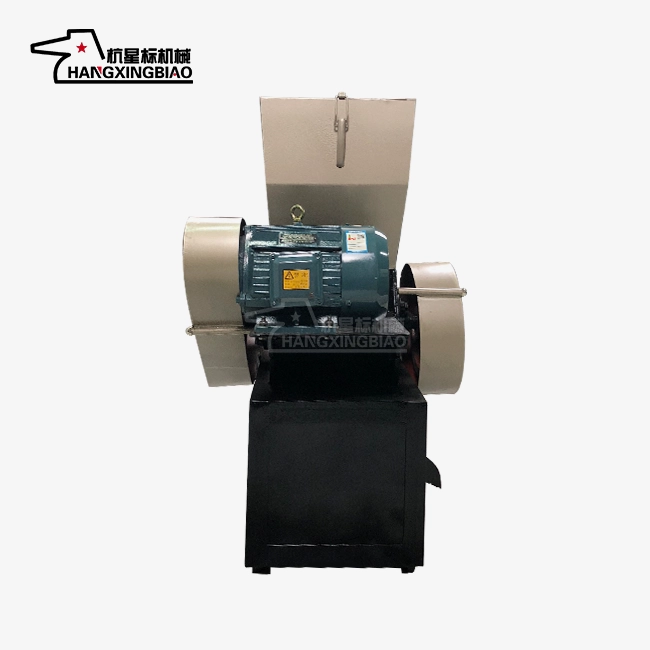
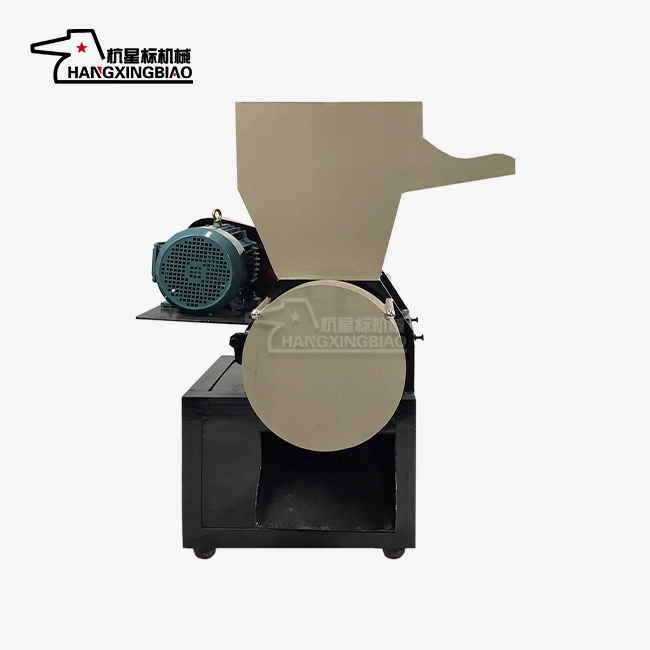
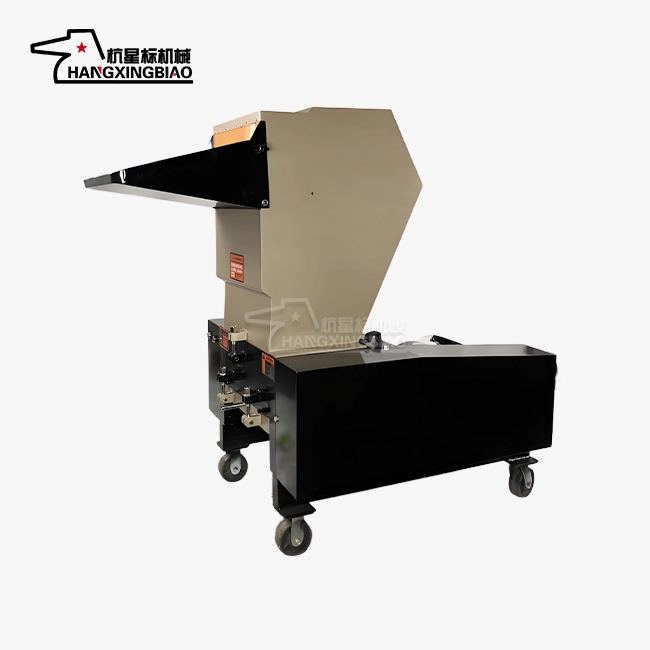
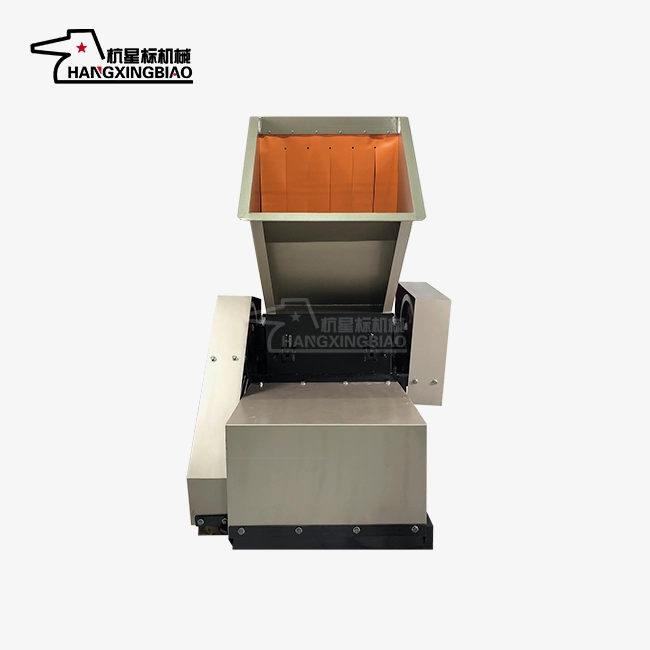
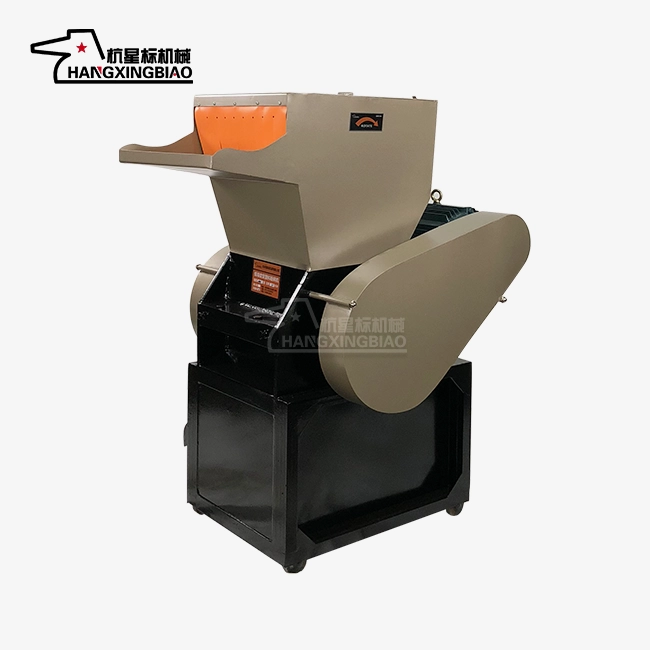
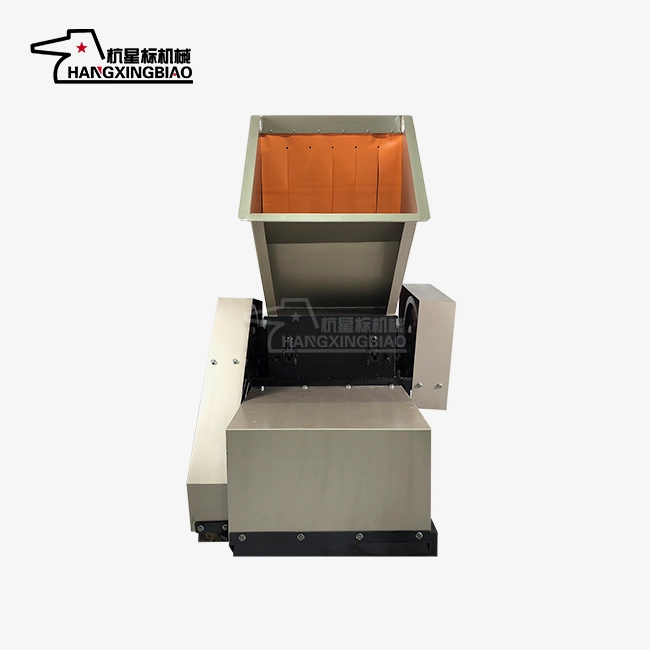
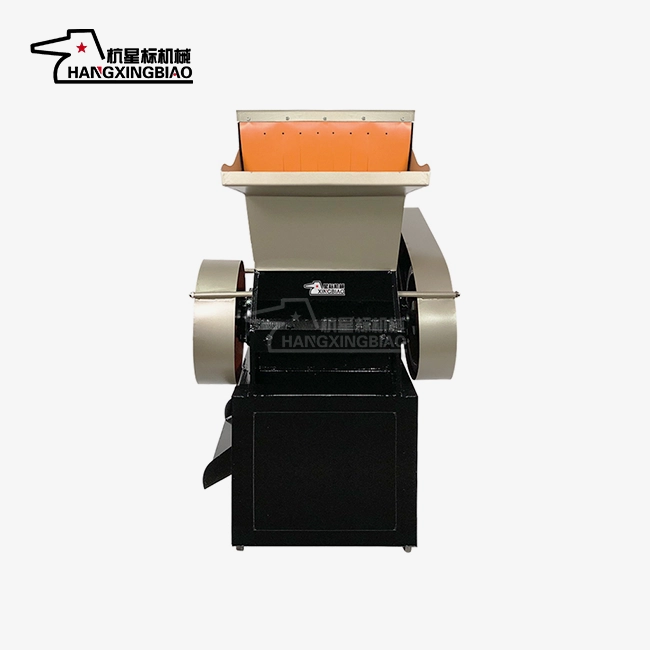
When factories and recycling centers have to deal with more and more pressure to handle materials quickly and cheaply, the Powerful Crusher Machine becomes an important tool. With their long-lasting blade designs, these modern crushing systems turn trash into useful resources while also being very reliable in their use. Modern industrial crushers can process between 50 kg/h and 2000 kg/h, and they can work nonstop for 24 hours a day, seven days a week. They can be used for a wide range of tasks, from grinding pharmaceuticals to reusing a lot of plastic.

Understanding Powerful Crusher Machines and Durable Blade Features
Advanced mechanical principles allow industrial crushers to use controlled force to break down materials efficiently. The blade design is the most important part of how well a crusher works; it directly affects the amount of material that can be crushed, the regularity of the particles, and how long the machine will last.
Core Mechanical Principles
The basic idea behind it is that spinning blade assemblies inside carefully designed crushing tunnels create impact and shear forces. High-speed spinning causes centrifugal force that pushes materials against cutting edges that stay still. This reduces the size of the materials in a controlled way. The shape of the cylinder and the placement of the blades work together to make the best flow patterns for materials and avoid clogging or uneven processing.
Advanced Blade Materials and Construction
Specialized steel alloys like SKD-11/D2 mold steel and Cr12MoV special steels are used to make high-end blades. These steels are heated in a vacuum and then frozen very cold. This treatment process improves the hardness scores while keeping the impact strength that is needed to work with a wide range of materials. The shape of the blade includes the best cutting angles, which make slicing more efficient and make sure that particles of all sizes are spread out evenly in all kinds of material.
Impact on Processing Efficiency
When compared to standard designs, new blade configurations can make cutting more than 20% more efficient. Putting several cutting edges in the chamber in a smart way makes overlapped shear zones that make the most of the material contact time while wasting the least amount of energy. This way of designing makes it possible to handle difficult materials consistently, like tangled films, hard shapes, and mixed plastic waste streams.
Choosing the Right Powerful Crusher Machine for Your Business
To choose the right crushing tools, you need to carefully think about your working needs, the properties of the material, and your output goals. By understanding these factors, you can choose the right tools to get the best return on your investment and meet the needs of your processing.
Capacity Requirements Assessment
The basic machine specs needed for efficient operations are based on the processing number needs. Small facilities that process 50 to 200 kg/h usually benefit from small units that can be used in the lab or for special material preparation. Medium-sized businesses that handle 300 to 800 kg/h need strong tools that can work nonstop with little control. Heavy-duty systems made to work 24 hours a day, seven days a week, with built-in safety monitoring are needed for large industrial uses that need to move 1000 to 2000 kg/h of material.
Material-Specific Considerations
Different types of plastic have different production problems that affect the choice of tools. For rigid materials like injection-molded parts and profiles, you need high-torque systems with blade sections that are strengthened. Flexible materials like films and woven bags need special blade shapes that keep the blades from twisting and keep them cutting well. Powerful Crusher Machine Machines with screens that can be adjusted and speed controls that can be changed work best for mixed trash streams.
Integration and Automation Features
Today's crushers can work with other tools, which makes production more efficient and cuts down on the need for workers. The conveyor connection makes it possible to feed and release materials without any problems. Built-in overload security systems turn the equipment off automatically when hard materials like metals are found. This keeps the equipment from breaking and keeps operations safe. Noise levels below 75dB in sound barriers make sure that environmental standards for the workplace are met.
Maintenance and Safety Tips for Maximizing Crusher Blade Lifespan
Good repair procedures have a direct effect on how long blades last, how well they work, and how safe the workplace is. Systematic maintenance cuts down on unplanned downtime and makes sure that processing works the same way every time.
Routine Inspection Procedures
Visual checks should be done every day to check the state of the blades, the wear patterns in the chamber, and the buildup of waste. During weekly thorough checks, the blade edges are checked for damage, the tightness of the mounting bolts is checked, and the lubrication points are serviced. Every month, full studies are done that measure the blades, check the position of the chamber, and test the safety systems to find problems before they affect operations.
Blade Replacement and Optimization
Blade replacement times vary depending on the type of material and the amount of work that needs to be done, but they are usually between 500 and 2000 working hours. To make sure the blade cuts best, it needs to be installed correctly, which means following exact torque specs and double-checking the position. Sharpening a blade increases its useful life as long as the right grinding methods are used to keep the original cutting angles and edge geometry.
Safety Protocol Implementation
A lot of safety steps keep workers safe while still meeting production standards. Thick steel tanks with anti-rebound shields keep material from flying out while the machine is running. External screens and "open and stop" interlocks make sure that equipment can't work when access panels are taken off. Personal protective equipment, like safety glasses, hearing protection, and gloves that won't cut, gives repair workers extra protection while they work.

Advanced Technology and Efficiency in Powerful Crusher Machine Systems
As new technologies come out, they keep changing what crusher machines can do, making them work better and cheaper to run. These improvements make it possible for places to be more productive while also meeting stricter environmental standards.
Smart Monitoring and Control Systems
Modern crushers have smart tracking systems that keep an eye on operational factors in real time. Powerful Crusher Machine sensors that measure temperature keep things from getting too hot during long periods of use. Monitoring vibrations finds worn bearings and uneven blades before they cause major problems. Load tracking systems make sure that feeding rates are just right so that maximum efficiency is maintained and overloads don't happen.
Energy Efficiency Improvements
When compared to older equipment designs, motor and gear setups that work better use 10-15% less energy. Variable frequency drives let you precisely control the speed so that it fits the power needs of the processing. Today's efficient systems only need 8–12 kWh of power to process one ton of plastic, which means they are much cheaper to run than older equipment.
Environmental Benefits
Designs with fully sealed cavities and built-in dust collection systems keep work areas clean and stop material loss. Low-noise motors that run at or below 75dB can be installed in places where noise is a problem without affecting performance. Operating in a way that uses less energy lowers your carbon footprint and supports your company's green efforts.
Procurement Strategies for Powerful Crusher Machine with Durable Blades
To do buying right, you need to plan strategically so that you balance the initial investment with the long-term business benefits. Knowing how the market works and what suppliers can do helps you make the best buying decisions that support your business goals.
Cost Analysis and ROI Calculations
The original purchase price is only one part of the total cost of ownership. Other parts include operating costs, maintenance costs, and the benefits of increased output. Facilities that can recycle trash right away can turn production waste into useful raw materials, which can increase the use of materials by 30 to 50 percent. This change can save thousands of dollars a year in material costs and less money on trash removal.
Supplier Evaluation Criteria
Reliable makers, such as Xingbiao, show their skill by focusing on a few key areas and having a track record of success. Companies that have been developing crushers for 30 years or more have better technical knowledge and more reliable customer service. Research relationships with big companies shows that you have advanced engineering skills and a desire to keep getting better.
Service and Support Considerations
Powerful Crusher Machine. Full-service deals should include advice before the sale, help with installation, and ongoing expert support. Responding to customer service with 24-hour reaction times to questions makes sure that work interruptions are kept to a minimum. Maintaining equipment dependability throughout its working lifecycle requires regular follow-up visits and a suitable stock of spare parts.
Conclusion
For sites that want to improve material handling operations while keeping costs down, Powerful Crusher Machine systems with long-lasting blade designs are a crucial investment. When you put together modern blade materials, smart monitoring systems, and a lot of safety features, you get solid performance in a wide range of situations. Strategic choices about buying things that put quality of the tools, knowledge of the provider, and ongoing help at the top of the list ensure the best return on investment while still meeting practical goals. The technology keeps getting better, making things more efficient and better for the world, which supports environmentally friendly production methods.
FAQ
What determines the optimal blade replacement interval?
When to change a blade relies on how hard the material is, how much it is being processed, and how many hours it has been used. Usually, blades need to be replaced every 500 to 2000 hours of use, and blades made of harder materials last less time. Regularly checking the edges and keeping an eye on the particle size lets you know when replacement is needed to keep the processing running smoothly.
How do safety features protect operators during operation?
Thick steel tanks with anti-rebound vents, external protective shields, and required "open and stop" interlocks are all parts of complete safety systems. These features stop materials from ejecting and make sure that equipment can't work with access panels taken off. This keeps workers safe during normal use and upkeep.
What cost savings can facilities expect from investing in durable blade designs?
Durable blade designs cut down on the number of times they need to be replaced and the cost of care while keeping working efficiency steady. Facilities usually get 30–50% more use out of their raw materials when they recycle their trash properly, which saves them thousands of dollars every year. When compared to regular tools, energy-efficient operation cuts power costs by 10–15%.
Partner with Xingbiao for Superior Crushing Solutions
Xingbiao's three decades of specialized expertise in crusher machine development deliver unmatched reliability and performance for your material processing needs. Our Powerful Crusher Machine manufacturer services include full expert support, quick response times, and proven solutions trusted by industry leaders, including partnerships with major corporations. Contact our engineering team at postmaster@xingbiaocrusher.com to discuss your specific requirements and discover how our advanced blade technologies can optimize your operations while reducing costs.

References
1. Industrial Crusher Technology and Applications in Material Processing. Journal of Manufacturing Engineering, 2023.
2. Blade Design Optimization for Enhanced Crushing Efficiency in Plastic Recycling Operations. Materials Processing Technology Review, 2024.
3. Safety Standards and Best Practices for Industrial Crushing Equipment Operation. Occupational Safety and Health Engineering, 2023.
4. Energy Efficiency Improvements in Modern Crusher Machine Design. Sustainable Manufacturing Technology, 2024.
5. Cost-Benefit Analysis of Advanced Blade Materials in Industrial Crushing Applications. Equipment Procurement and Management, 2023.
6. Maintenance Protocols for Extended Equipment Lifespan in Material Processing Facilities. Industrial Equipment Reliability, 2024.
Learn about our latest products and discounts through SMS or email