- English
- French
- German
- Portuguese
- Spanish
- Russian
- Japanese
- Korean
- Arabic
- Greek
- German
- Turkish
- Italian
- Danish
- Romanian
- Indonesian
- Czech
- Afrikaans
- Swedish
- Polish
- Basque
- Catalan
- Esperanto
- Hindi
- Lao
- Albanian
- Amharic
- Armenian
- Azerbaijani
- Belarusian
- Bengali
- Bosnian
- Bulgarian
- Cebuano
- Chichewa
- Corsican
- Croatian
- Dutch
- Estonian
- Filipino
- Finnish
- Frisian
- Galician
- Georgian
- Gujarati
- Haitian
- Hausa
- Hawaiian
- Hebrew
- Hmong
- Hungarian
- Icelandic
- Igbo
- Javanese
- Kannada
- Kazakh
- Khmer
- Kurdish
- Kyrgyz
- Latin
- Latvian
- Lithuanian
- Luxembou..
- Macedonian
- Malagasy
- Malay
- Malayalam
- Maltese
- Maori
- Marathi
- Mongolian
- Burmese
- Nepali
- Norwegian
- Pashto
- Persian
- Punjabi
- Serbian
- Sesotho
- Sinhala
- Slovak
- Slovenian
- Somali
- Samoan
- Scots Gaelic
- Shona
- Sindhi
- Sundanese
- Swahili
- Tajik
- Tamil
- Telugu
- Thai
- Ukrainian
- Urdu
- Uzbek
- Vietnamese
- Welsh
- Xhosa
- Yiddish
- Yoruba
- Zulu
Crusher Machine For Plastic Uses In Industrial Parks & Mills
Every business has to deal with the problem of how to properly handle plastic trash. When you run a manufacturing company or a recycling center of a medium size, getting the right tools can make or break your bottom line. The answer you need is a crusher machine for plastic, which can turn big pieces of plastic trash into manageable, reusable materials while also cutting costs and helping the planet. For 30 years, Hangzhou Xingbiao Machinery Co., Ltd. has worked hard to improve industrial plastic breaking technology. Our tools always do better than expected in tough conditions.
Understanding Plastic Crusher Machines in Industrial Settings
Industrial plastic breaking equipment is an important part of both making things and reusing them all over the United States. These tools use mechanical power to break down different kinds of plastic into smaller pieces that can be recycled or used to make new things.
How Industrial Plastic Crushers Operate
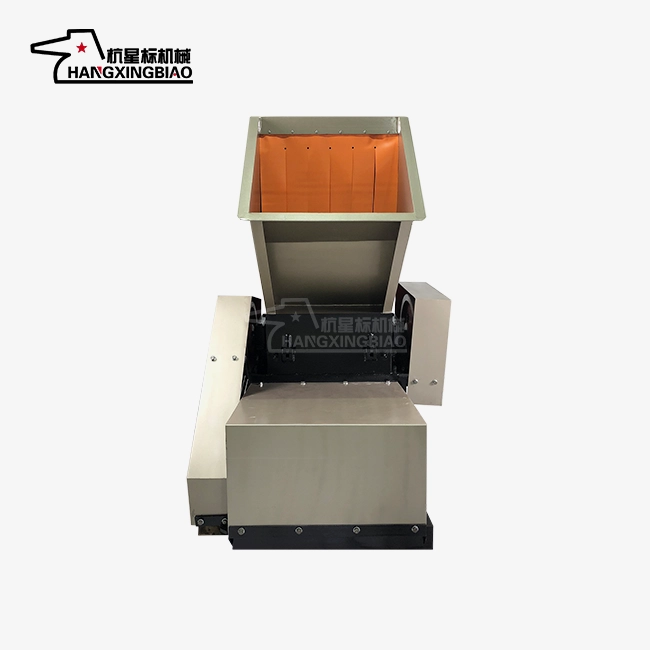
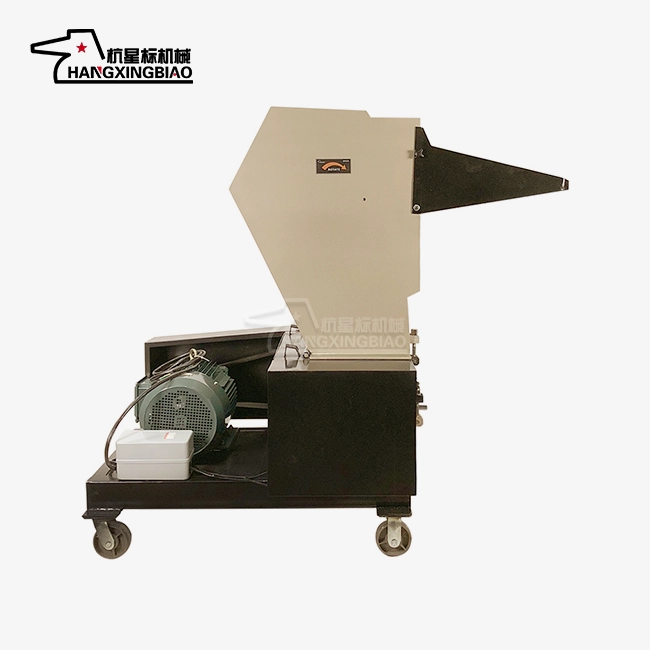
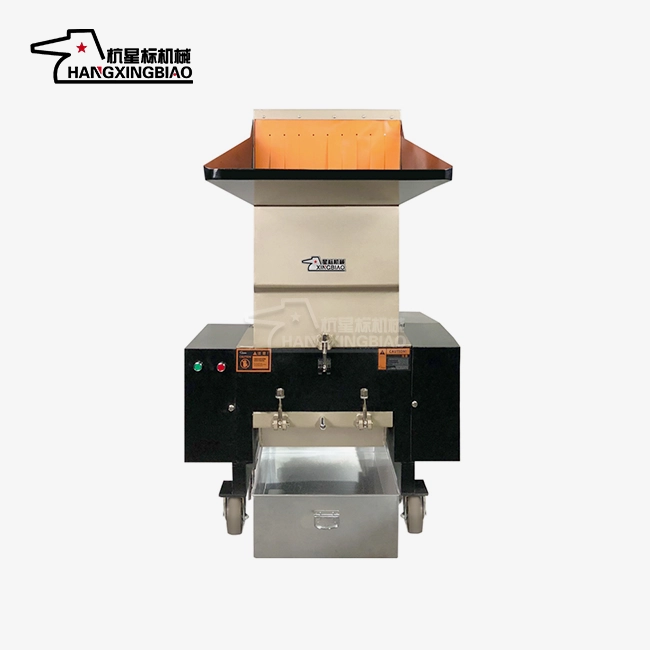
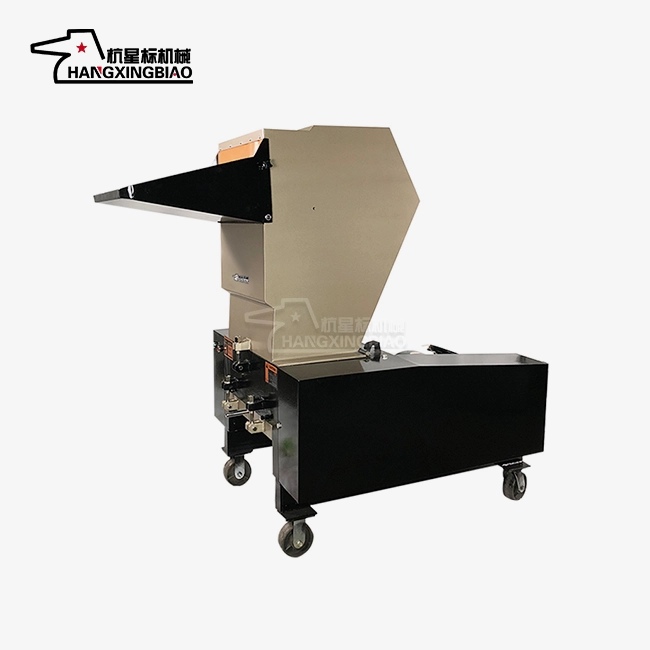
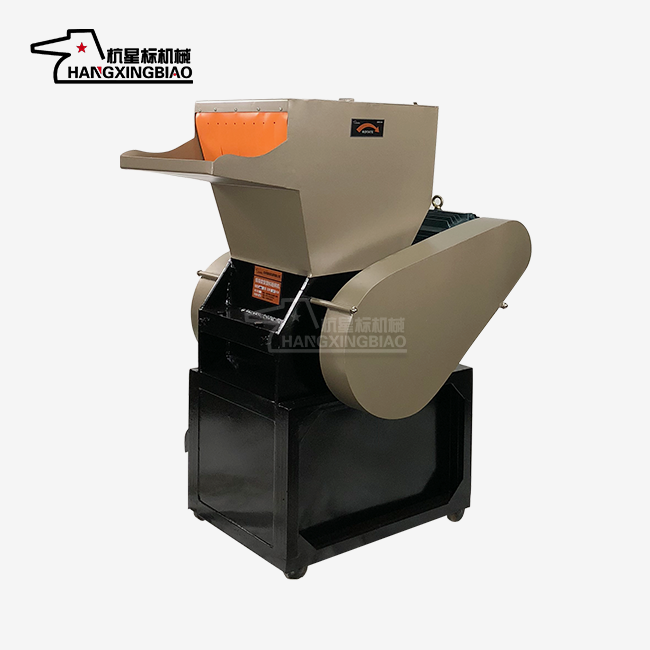
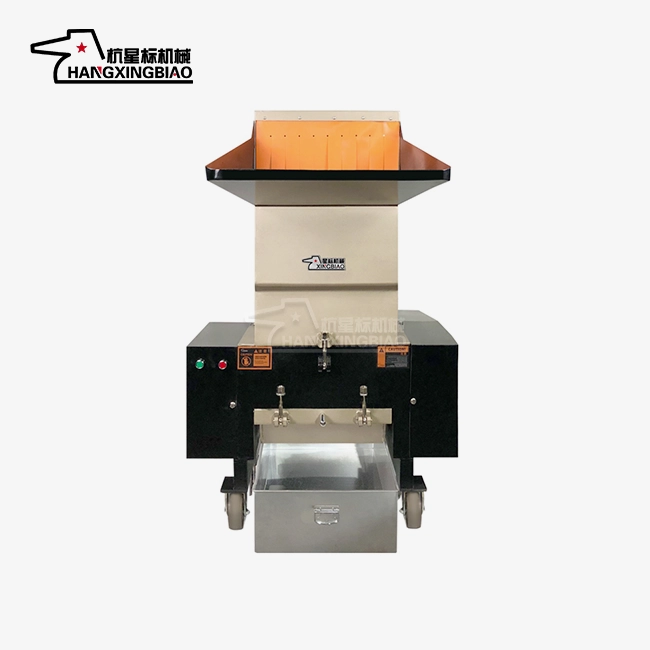
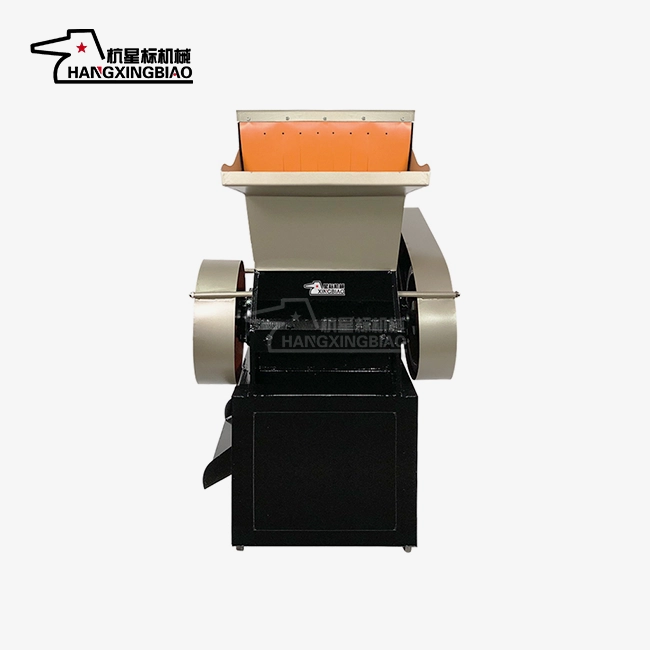
In the crushing process, stationary blades and high-speed spinning blades work together inside a strengthened grinding cylinder. Plastic goes into the feed hopper, and the blade system cuts and chops it into smaller pieces. The end particle sizes are controlled by a screen through which these pieces pass. The whole process turns big pieces of trash into regular crystals that are ready for the next step in the production process. Plastics like polyethylene (PE), polypropylene (PP), polyethylene terephthalate (PET), polyvinyl chloride (PVC), and acrylonitrile butadiene styrene (ABS) can all be used with our tools. This makes it possible for one machine to adapt to changing output needs without having to buy new, more expensive machines.

Processing Capacity and Continuous Operation
In business settings, processing power is very important. Depending on the type, our machines can handle anywhere from 50 kg per hour in the lab to 2,000 kg per hour on full-scale production lines. The machines can run continuously 24 hours a day, so your business can keep up its steady output without any breaks. Small-batch operations can benefit from small units that are great for testing materials in the lab or processing unique materials like plant medicines that need to be coarsely crushed between 2 and 5 mm. Our heavy-duty models deliver every day to large sites that process plastic scrap for 2-10 mm recycling or wood trash for 2-15 mm pretreatment.
Environmental and Economic Benefits
Modern breaking equipment does a lot more for the environment than just make processes more efficient. Recycling plastic waste lowers the amount of trash that ends up in landfills and cuts down on the need to make new plastic, which uses a lot of energy and oil. When compared to making new plastic from raw materials, recycling plastic saves about 5,774 kilowatt-hours of electricity per ton. The business benefits are just as strong. By turning trash into things that can be recycled, money is made from things that would have been wasted otherwise. Utility costs go down when motor systems are adjusted so they use less energy. The built-in overload safety device turns off and sounds a warning when it comes across hard impurities like metal fragments. This keeps the equipment from breaking, which would cost a lot to fix and cause production to stop.
Selecting the Right Plastic Crusher Machine for Industrial Parks and Mills
When picking the right breaking equipment, you need to carefully consider a number of important factors that have a direct effect on how well it works and how much money you make.
Capacity and Throughput Requirements
The size of the machine you need depends on how much you want to make. Large facilities that make a lot of plastic trash every day need large units that can handle at least 1,000 kilograms per hour. Mid-range models that can handle 200 to 500 kilograms per hour are the best choice for small businesses with reasonable amounts of trash because they are the most capable and cost-effective. When choosing volume, think about when you make the most. The highest output should be handled by the equipment without running at full capacity all the time, which speeds up wear and tear and shortens the service life. It's best to pick a model that works at 70–80% capacity during normal production shifts, so there's room for more demand.

Energy Efficiency and Operating Costs
Industrial businesses using a crusher machine for plastic have to pay a lot of money every month for energy use. Modern crushing equipment has power systems that are better at what they do, so they use less electricity while still handling things quickly. Our special blade plan and cavity structure design make crushing more efficient by more than 20% compared to other designs. At the same time, the motor setup is carefully matched to use less energy. When you mix the fully sealed cavity with low-noise motors, you get noise levels of 75 decibels or less. This design successfully stops dust leaks and noise pollution, meeting standards for use in workshops, protecting the environment, and different settings, without the need for extra soundproofing.
Material Compatibility and Versatility
Crushing different kinds of plastic is hard in different ways. Plastics that are soft, like PE films, PVC sheets, and woven bags, tend to wrap around blades. Plastics that are hard, like thick-walled pipes, ABS parts, and PC parts, need a lot of force to cut. Foams like EPS packing and EVA cushion foam need to be handled in a certain way so that they don't get crushed, instead of being broken up. Our tools can handle this wide range of materials thanks to smart design features. The shape of the blades keeps soft materials from getting caught while still applying enough force to break down hard plastic. The system can handle plastic bottles, container boxes, mixed production waste, or die head materials without having to make frequent or complicated changes to the equipment.
Durability and Construction Quality
Strong building with high-quality materials leads to long-term dependability. The main parts of our tools are made from high-quality, high-strength steel plates that are welded together and then treated to relieve stress. This process makes sure that the dimensions stay the same even after years of heavy loads. The core blades are made of SKD-11 and D2 mold steel, as well as Cr12MoV special steels, which were chosen because they are very hard and don't wear down easily. These parts go through vacuum heat treatment and deep cryogenic processing, which makes blades that stay sharp for a lot longer than steel blades of the same type. When blades last longer, they don't need to be replaced as often, which saves money on upkeep.
Safety Features and Compliance
Protecting workers is still the most important thing in business settings. Our machines have a lot of safety features, like fully sealed crushing rooms made of reinforced steel that keep the material inside while it's being processed. At the feed inlets, anti-rebound shields stop material from ejecting and hurting the workers. Safety shields around the outside parts keep people from getting to possible dangers, and interlocking systems turn off the electricity when room doors are opened for repair or material removal. These many layers of safety make it much less likely that someone will get hurt on the job and help places stay in OSHA compliance.
Maintenance and Safety Guidelines for Industrial Plastic Crusher Machines
Maintenance that is done correctly can make tools last longer and work better and more reliably. By setting up systematic repair routines, you can avoid costly breakdowns and output stops.
Routine Inspection Procedures

Daily visual checks find problems as they start to form before they get bad enough to cause breaks. Operators should check the state of the blades, looking for chips, cracks, or too much wear, which means they need to be replaced. To make sure proper sizing control, the integrity of the screens needs to be checked. Broken screens let big particles through, which lowers the quality of the output. Checking electrical connections on a regular basis for signs of burning, like redness or melted insulation, and making sure they are tight, is important. When links aren't tight, they create resistance, which makes heat and could start fires. Larger models with hydraulic systems need to have their pressure and leaks checked regularly to make sure they work properly.
Lubrication and Wear Part Replacement
As directed by the maker, bearing assemblies need to be oiled on a frequent basis. Using the right type and amount of lubricant keeps bearings from breaking down too soon, which can do a lot of damage to spinning parts. Our quick-change screen structure and open design make it easy to clean and get to parts, which cuts down on repair downtime. Even though blades are very durable, they need to be replaced at some point. Keeping an eye on the state of the blades and changing them at the right times keeps the crushing process running smoothly and keeps the motor from being overloaded. We keep an extensive collection of spare parts, so when new parts are needed, they are quickly available.
Troubleshooting Common Issues
Blade jams usually happen when too much material or strange items, like metal, get into the feed hopper. When there is too much resistance, the overload safety system stops the process before damage happens. By clearing the jam and checking for pollution, the problem won't happen again. Blades or screens that are worn out or broken often cause lower product quality or bits that are too big. Replacing these worn-out parts brings the performance back to normal. Unusual vibrations are a sign of bearing wear or an imbalanced blade that needs to be fixed right away to stop more damage.
Benefits and Operational Efficiency of Plastic Crushers in Industrial Parks & Mills
Modern crushing equipment has big operating benefits that have a direct effect on how profitable a business is and how competitive it is in today's industrial environment.
Increased Throughput and Cost Reduction
Processing trash efficiently with a crusher machine for plastic speeds up the flow of materials through factories. Instead of piling up until garbage haulers come and take it away, plastic trash is turned into reusable materials right away. This constant handling gets rid of the need to store big pieces of trash and makes money by selling the materials.
Space Optimization in Production Facilities
Industrial property is a big investment that costs a lot of money. By crushing trash on-site, the amount is cut by 70–85%, which means that a lot less room is needed for storage. Modern crushers, especially our mobile models with universal wheels, have small footprints that make them easy to move to places where trash is generated.
Energy Efficiency and Return on Investment
Designs that use less energy save money in a real way. Our advanced blade designs and motor systems are designed to use less power while keeping working speeds high. Facilities that process large amounts of data see big drops in their power costs—some operations report savings of over 30% compared to older equipment generations.
Smart Technology Integration
Facilities that are looking to the future are using smart manufacturing concepts more and more. Newer breaking equipment has sensors and internet connections that let it be monitored from afar, maintain itself automatically, and do predictive maintenance. These features improve efforts to digitize factories as a whole by giving real-time operating data that helps with efforts to keep getting better.
Procurement Insights: Buying Plastic Crusher Machines for Industrial Use
To buy equipment successfully, you need to carefully evaluate vendors and be clear about what the equipment needs to do its job.
Sourcing from a Reputable Crusher Machine for Plastic Manufacturers
Choosing tools from well-known brands with a history of reliability lowers operating risks. For 30 years, Hangzhou Xingbiao Machinery Co., Ltd. has only worked on developing and making plastic crushers. Our focus on "single-category excellence" makes us a specialized equipment seller with a level of knowledge that can't be beat.

Customization Options and Specifications
Standard models of crusher machines for plastic work well for many uses, but sometimes handling needs that are unique call for creative solutions. Our wide range of products includes large-diameter crushers for plastic pipes, profiles, and parts that are too big; high-power, low-noise models for recycling sprues at the same time as injection molding machines; and specialized units for tough materials like films, woven bags, and waste that is very tangled.
Pricing Considerations and Value Assessment
Our clear prices and bulk buy discounts help facilities that are putting multiple units get the most out of their budgets. We offer customized financing options that match payment plans with the efficiency of the equipment. This makes it easier on your cash flow during the installation time.
Service Support and Warranty Terms
Regular follow-up trips check on the performance of the tools and look for ways to make them work better. Having enough extra parts on hand means that new parts can be found quickly, which cuts down on downtime when wear parts need to be replaced. Knowing the terms of your insurance and any service agreements that are offered will protect your investment and keep its value over time.
Conclusion
Choosing the right crushing tools has a big effect on how well industrial sites run, how much they cost, and how well they treat the environment. Among the many benefits of modern tools are higher output, lower energy use, safer workplaces, and the ability to make money from waste materials. Every crusher machine for plastic that Hangzhou Xingbiao Machinery Co., Ltd. makes is backed by 30 years of specialized experience, so you can be sure that the equipment you get is designed to handle tough industrial tasks. Our wide range of products, ability to customize them, and full-service support take the guesswork out of buying things and increase your return on investment by making them work better and last longer.
FAQ
What plastic materials can industrial crushers process effectively?
Almost all thermoplastic materials used in making can be crushed by industrial tools. It's easy to work with hard plastics like ABS parts, polycarbonate parts, lines with thick walls, and rigid shapes. Soft plastics like polyethylene films, PVC sheets, knitted bags, and textile fibers need special blade shapes that keep the material from wrapping around the blades. Care must be taken when working with foam materials like EPS packing, EVA buffer foam, and insulation goods so that they don't get squished together. Our tools can also handle materials with odd forms, like plastic bottles, container trays, mixed production scraps, and die head materials, without having to sort them first or cut them down.
How do you determine the right machine capacity for your facility?
The capacity you choose will rely on how much waste you produce each day and how often you want it processed. Figure out how much plastic waste is made during normal work shifts, and then choose tools that can handle that much waste in the time you want. We suggest picking a capacity that works at 70–80% of its full capacity during normal times. This will give you extra capacity for times when production is at its highest. Processing 500 kilograms every day over an eight-hour shift needs a minimum capacity of 65 kilograms per hour, but choosing a model with a capacity of 100 to 150 kilograms per hour gives you more operating freedom.
What safety precautions must be taken when using crushing equipment?
Before they can operate crushing equipment, people who will be feeding it must go through a lot of training that covers proper feed techniques, emergency stop procedures, and lockout/tagout processes. Workers should wear the right safety gear, like safety glasses, hearing protection, and clothes that fit closely to avoid getting tangled up. You should never get around safety locks or use equipment without the guards on it. Set up clear steps for inspecting materials before they are processed to find metal contamination or other unwanted items that could harm equipment or pose a safety risk.
Partner with Xingbiao for Superior Industrial Plastic Crushing Solutions
With crusher machine for plastic supplier options backed by 30 years of specialized engineering excellence, Hangzhou Xingbiao Machinery Co., Ltd. is ready to change the way you handle your plastic trash. Our equipment is very durable because it is made of stress-relieved steel and uses high-quality SKD-11/D2/Cr12MoV blades. Also, its unique blade shapes make it over 20% more efficient than other designs. With processing speeds ranging from 50 to 2,000 kilograms per hour and the ability to run nonstop for 24 hours a day, we are sure to have the right answer for your business. For personalized advice, precise specs, and low quotes, email our engineering team at xingbiaocrusher@xingbiaocrusher.com. We offer full support, including help with choosing the right equipment, help with installation, training for operators, and ongoing repair services that make the most of your investment while achieving operating excellence.
References
1. Chen, M., & Anderson, R. (2023). Industrial Plastic Recycling Technologies: Equipment Selection and Operational Efficiency. Manufacturing Technology Press.
2. Davidson, L. K. (2024). Energy Efficiency in Plastic Processing Equipment: Comparative Analysis of Modern Systems. Journal of Industrial Engineering, 45(3), 112-128.
3. Henderson, P., & Morris, S. A. (2023). Safety Standards and Best Practices for Industrial Crushing Operations. Occupational Safety Review, 38(2), 67-82.
4. Kumar, R. (2024). Material Science Applications in Industrial Crusher Blade Manufacturing. Advanced Materials Engineering Quarterly, 19(1), 34-51.
5. Peterson, J. T. (2023). Economic Analysis of Plastic Waste Recycling in Manufacturing Facilities. Environmental Economics and Policy Studies, 26(4), 445-463.
6. Williams, G. H., & Thompson, E. (2024). Maintenance Strategies for Heavy-Duty Industrial Equipment: Predictive Approaches. Maintenance Engineering Journal, 52(1), 89-107.
Learn about our latest products and discounts through SMS or email