- English
- French
- German
- Portuguese
- Spanish
- Russian
- Japanese
- Korean
- Arabic
- Greek
- German
- Turkish
- Italian
- Danish
- Romanian
- Indonesian
- Czech
- Afrikaans
- Swedish
- Polish
- Basque
- Catalan
- Esperanto
- Hindi
- Lao
- Albanian
- Amharic
- Armenian
- Azerbaijani
- Belarusian
- Bengali
- Bosnian
- Bulgarian
- Cebuano
- Chichewa
- Corsican
- Croatian
- Dutch
- Estonian
- Filipino
- Finnish
- Frisian
- Galician
- Georgian
- Gujarati
- Haitian
- Hausa
- Hawaiian
- Hebrew
- Hmong
- Hungarian
- Icelandic
- Igbo
- Javanese
- Kannada
- Kazakh
- Khmer
- Kurdish
- Kyrgyz
- Latin
- Latvian
- Lithuanian
- Luxembou..
- Macedonian
- Malagasy
- Malay
- Malayalam
- Maltese
- Maori
- Marathi
- Mongolian
- Burmese
- Nepali
- Norwegian
- Pashto
- Persian
- Punjabi
- Serbian
- Sesotho
- Sinhala
- Slovak
- Slovenian
- Somali
- Samoan
- Scots Gaelic
- Shona
- Sindhi
- Sundanese
- Swahili
- Tajik
- Tamil
- Telugu
- Thai
- Ukrainian
- Urdu
- Uzbek
- Vietnamese
- Welsh
- Xhosa
- Yiddish
- Yoruba
- Zulu
Energy-Efficient Industrial Shredder for Modern Recycling
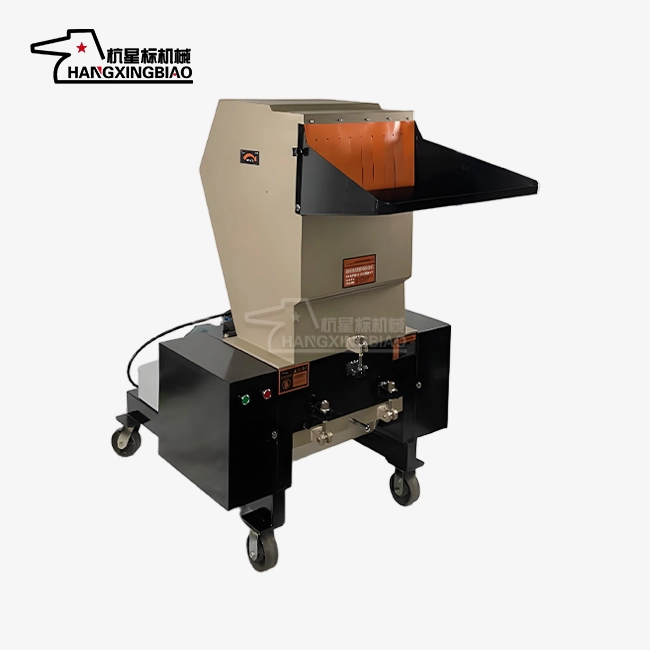
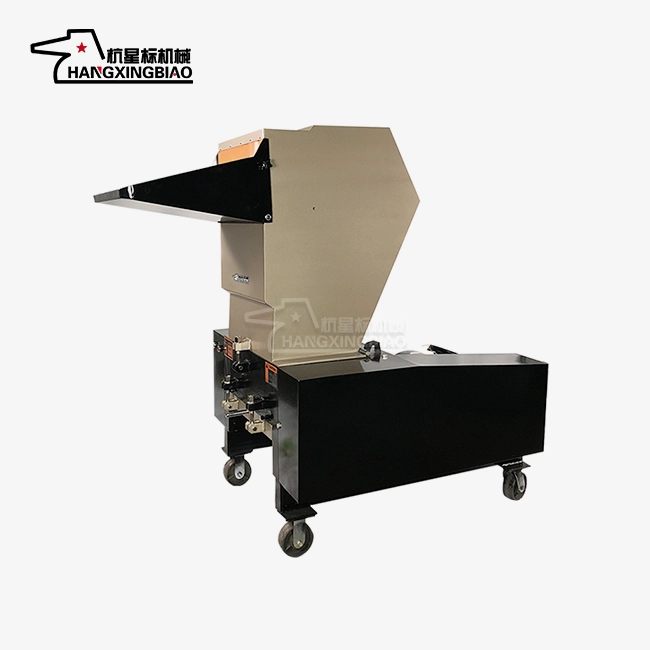
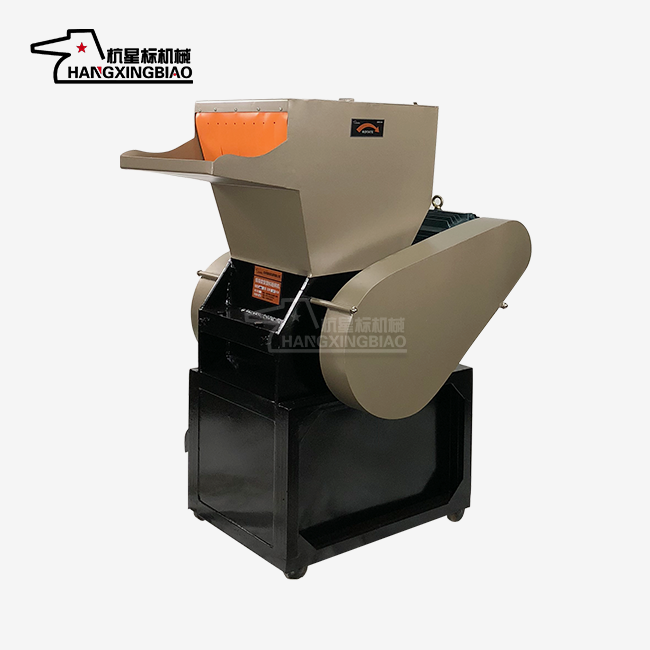
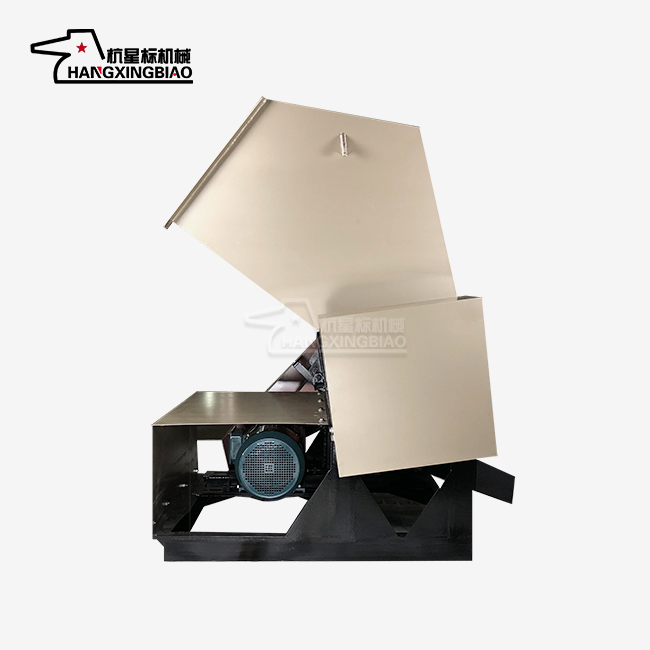
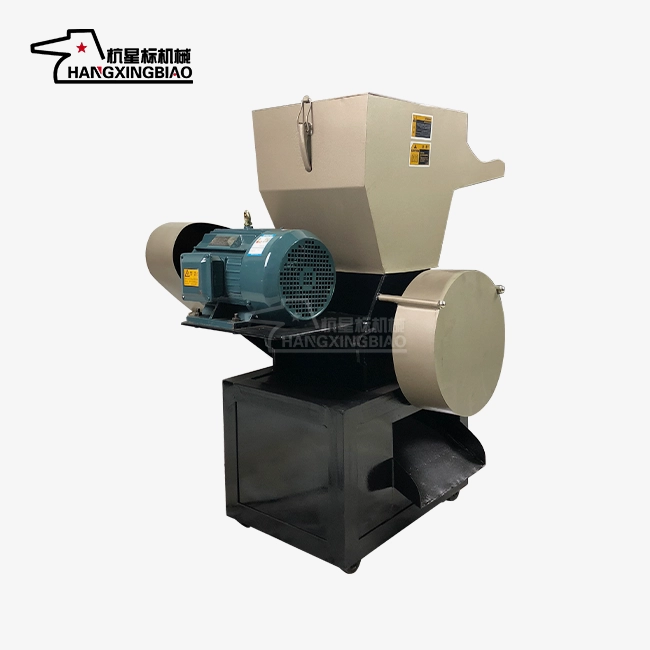
Are you having a hard time with all the plastic trash and the rising cost of materials? The answer you need is an Industrial shredder. These powerful tools are made to be as reliable and efficient as possible. They turn trash into useful resources while lowering costs. Modern crushers have stable discharge, high compatibility, and excellent cost performance that help users improve crushing efficiency and lower material processing costs. For example, they can break down cardboard boxes and plastic bottles into 2-20 mm pieces for easy transport, break down rubber and plastic into 2-8 mm particles for direct mixing with new material production, or prepare feed materials.
Understanding Energy-Efficient Industrial Shredders
Modern equipment for handling trash works by automatically breaking down trash into smaller, easier-to-handle pieces while using the least amount of power possible. There have been big changes in the technologies behind these tools over the last 30 years, bringing about solutions that help the environment and lower prices.
How Shredding Mechanisms Impact Energy Use
There are different ways that different cutting devices use power. Single-shaft designs can work with uniform materials like plastics and fabrics because they can go faster with less power. When working with steady lines of material, these tools use less energy and make clean cuts with fine output. Double-shaft designs cut with high power and low speed, which makes them better at dealing with dirty or mixed trash. This method keeps the motor from getting overworked and lowers energy spikes during use, especially when working with tough materials like tangled films or woven bags. The pattern of the blades and the structure of the cavities have a direct effect on how quickly the material goes through the crushing chamber. Optimized designs make crushing more efficient by more than 20%, and motor specs that match make sure that very little power is lost. Modern technology only needs 8–12 kWh to process one ton of plastic, which saves 10–15 percent of the energy used by traditional methods.

Material-Specific Considerations for Energy Optimization
B2B clients can gain from looking at trends of energy use based on the types of materials they use. For example, blades need to be set up differently for hard plastics like injection-molded parts and rigid shapes than for soft plastics like films and farm trash. Mixed trash streams need tools that can handle a range of loads without drawing too much power. Knowing the properties of your material lets you choose the right size tools. When handling small amounts, machines that are too big waste energy, while machines that are too small put stress on motors and raise repair costs. Matching the shredder's capacity to output needs makes sure that everything is in sync and that no extra energy is wasted. This sets the stage for long-term operations that are both profitable and good for the environment.
Key Benefits of Using Energy-Efficient Industrial Shredders in Recycling
Adopting more advanced Industrial shredder technology leads to measured gains in several operating areas. Cost savings aren't the only benefit; safety at work, following the rules, and long-term tools' dependability are also benefits.
Direct Cost Savings and Extended Equipment Life
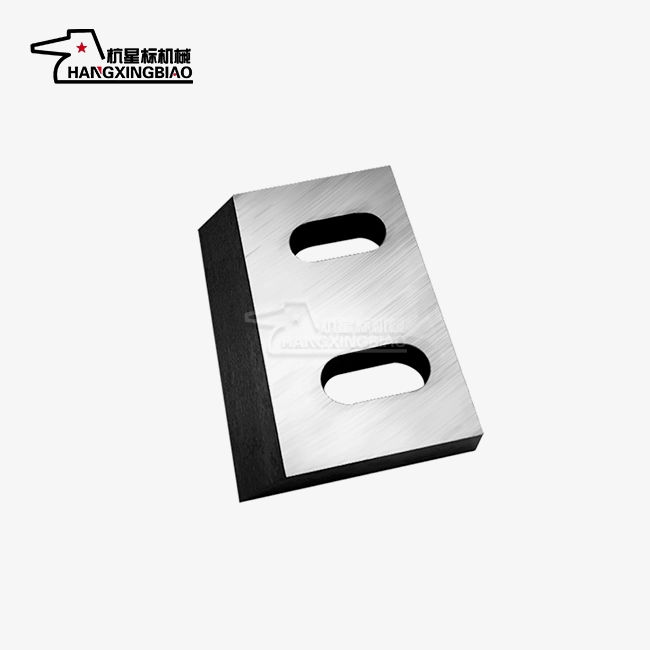
Cutting down on power use immediately brings in extra money. Power bills go down every month because of motors and transmissions that use less energy. These saves add up over years of use. When equipment works at its best, it doesn't have to deal with the stress that leads to early wear, so maintenance-related downtime goes down. To get HRC55–60 hardness, high-quality blade materials like SKD-11, D2 mold steel, and Cr12MoV special metals are vacuum-heated and frozen. With normal plastics, these cutting frames can work for 3,000 to 5,000 hours, and blades can be resharpened three to five times, which cuts down on replacement costs by 60%. The main body is made from high-quality, high-strength steel plates that are bonded together. It then goes through a stress relief process, which makes sure that it doesn't deform during long-term use, even when it's under constant high loads.
Environmental Compliance and Operational Reliability
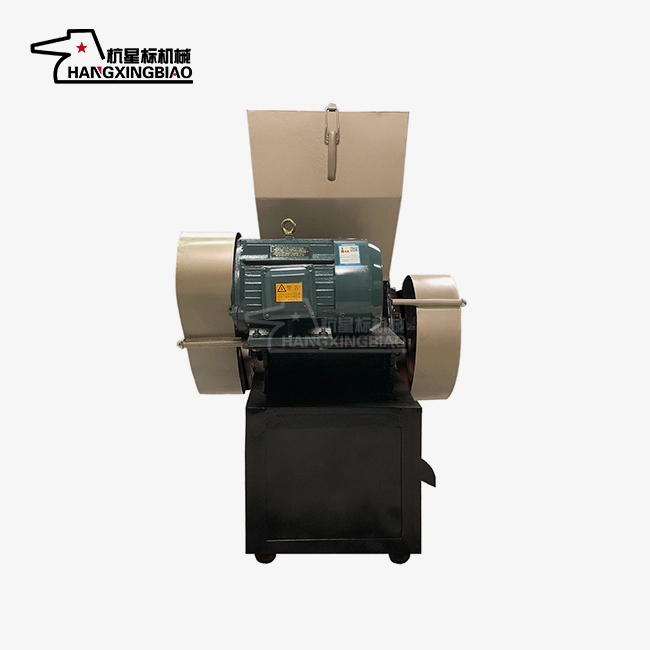
Environmental goals are becoming more and more important in the United States when it comes to buying things. Companies can meet their environmental goals and follow strict disposal rules with equipment that lowers their carbon footprints. Energy-efficient shredders help reach these goals by using less electricity and getting more of the material back. Operational dependability keeps the flow of materials steady while lowering shaking and noise, which makes the workplace safer and more comfortable for workers. Operators are kept safe by fully sealed designs made of thick steel plates, anti-rebound baffles, and safety covers. Some models have locking systems that turn off the power immediately when the chambers open. This keeps people from getting hurt and makes the workplace safer. These things make the business case stronger for sourcing teams, which means that technical specs lead to a better return on investment (ROI) when buying new shredding equipment.
How to Choose the Best Energy-Efficient Industrial Shredder for Your Recycling Needs
A well-organized analysis of working needs is needed to choose the best crushing tools. Because the choice will affect how well production works, how much it costs to maintain, and how profitable it is in the long run, it is important to think carefully about it before investing resources.
Assessing Material Types and Throughput Requirements
The right tool setups depend on the properties of your material. Businesses that make plastic products and deal with scrap materials and broken items like injection-molded parts, pipes, and profiles need equipment that is built to last and can be used continuously. Large-diameter crushers can handle these tough jobs and handle large amounts of material without too much downtime. Recycling and reprocessing businesses that deal with large amounts of plastic trash need machines that can handle unique problems. Films, braided bags, and threads often get stuck around regular blades, which slows them down and wastes time. Specialized standard crushers can handle twisted materials because their blades are made to work with soft plastics, so they can keep up their output.

Considerations about volume are very important. Medium-sized to large manufacturing companies need large-scale breaking equipment that can be used with injection molding tools or in production lines. Customized solutions take into account each person's space limitations and material working needs. Standard types that can handle a variety of waste materials and put cost-effectiveness and ease of upkeep at the top of their list of priorities are good for small to medium-sized recycling plants.
Evaluating Manufacturer Reputation and Support Services
Leading makers of industrial shredders can be told apart from basic equipment sellers by the latest technological advances. Thirty years of specialized experience in crushing technology shows a dedication to constant growth and a deep comprehension of the problems customers face. Senior engineers work on research and development teams, and big companies work with universities to do research. These things show that companies are seriously investing in new ideas. Support services, such as warranties, installation help, operation training, regular follow-up visits, and enough extra parts, lower output risks over the life of the equipment. Professional engineers who offer selection help and solutions before a buy make sure that the right specifications are met. Promises to answer customer questions within 24 hours show that you can be relied on to provide reliable service that keeps things running smoothly.
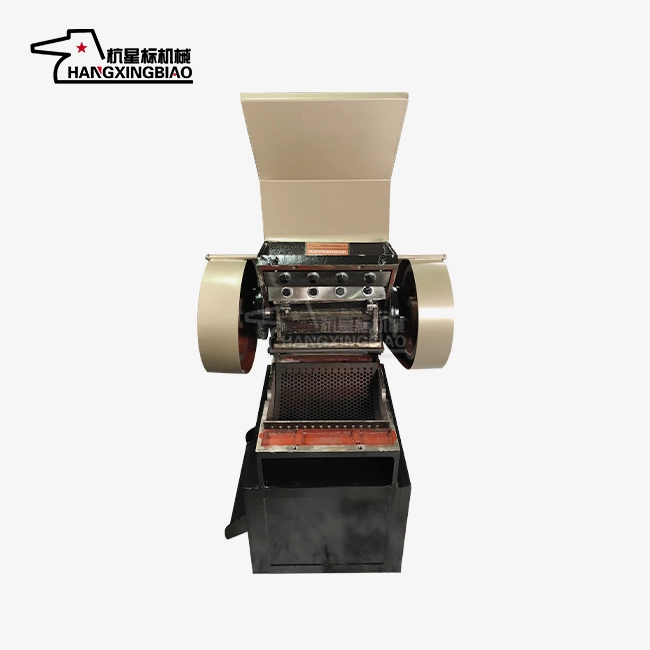
Maintenance time is cut down by quick-change screen structures and open designs that make cleaning easier. This lets you get more work done in less time. Reasonable equipment design turns technical ability into operating benefits that have a direct effect on profit. This all-around method lets buyers find the best total cost of ownership while still meeting business goals. This way of doing things turns buyers into partners instead of just buying from vendors.
Best Practices for Maintaining Energy Efficiency in Industrial Shredders
To keep energy economy at its highest level, repair and operator practices must be followed religiously. Maintaining equipment properly is the only way to get the most out of it. Small investments in maintenance can stop big drops in output and power use.
Essential Maintenance Routines
When you lubricate your motor at the right time, you stop friction losses that raise the load and power needs. Maintenance on the blade keeps the cutting edges sharp so they can cut through things smoothly instead of breaking them. Motor checks find problems with electrical issues, worn bearings, and the cooling system before they cause the power to go out or the motor to fail. Setting repair schedules based on working hours instead of calendar dates makes sure that the right amount of care is given based on how the equipment is actually being used. Installations that are only used occasionally need to be serviced less often than those that handle a lot of work. Recording maintenance tasks makes historical records that can be used to find trends and predict what will be needed in the future. This lets you order parts ahead of time, which avoids unplanned downtime.
Operator Training and Energy-Conscious Practices
The way equipment workers do their jobs every day has a big effect on how much energy is used. Training that stresses the right way to feed materials keeps cutting chambers from getting jammed and motors from being overloaded. Knowing about the properties of the material helps workers change the feed rates so that they get the best output without using too much power. Safety training keeps workers safe and makes operations more affordable. If operators notice strange sounds, noises, or changes in performance, they can let repair teams know about them before small problems get worse. Workers who know how their actions affect both business costs and the environment will naturally do things that save energy.
Leveraging Monitoring Technology
IoT-enabled monitoring tools for industrial shredders let you keep an eye on how much energy is being used in real time, so you can make changes based on facts that improve performance. When you compare how much power is used across shifts, materials, and working situations, you can find waste and find ways to make things better. Predictive maintenance frameworks look at patterns of vibration, temperature changes, and power shifts to see when parts will break down so that fixes can be planned for when the system isn't being used, and not when it breaks down suddenly. Case studies from leaders in the industry show how these techniques extend the life of tools and help companies meet their sustainability goals. Comprehensive repair plans have been shown to cut unplanned downtime by 15–25% and increase energy economy, which proves that investing in systematic machine care is a good idea.
Future Trends and Technological Innovations in Energy-Efficient Industrial Shredders
The grinding equipment industry changes quickly, with new, cutting-edge technologies that fix problems with wasted energy and improve how the machines work. Knowing about new technologies helps people who work in buying make spending decisions that will be useful for the life of the equipment.

AI-Powered Control Systems and Predictive Maintenance
Control systems that automatically change motor speed, feed rate, and cutting settings based on material properties are examples of how artificial intelligence changes the way equipment works. These systems learn from practical data and keep getting better without any help from a person. Predictive maintenance frameworks keep an eye on hundreds of data points, finding small changes that mean a part is about to break and planning maintenance work to be done before it does. Improvements in strong, lightweight materials lower the amount of power machines need to run by lowering the amount of energy needed to speed up moving parts. Composites and advanced metals made of carbon fiber make them stronger than regular steel while also being lighter. This lets them run faster with less strain on the motor.
Regional Demand and Green Procurement Initiatives
North America's growing demand for low-noise, environmentally friendly tools is largely due to government benefits that encourage green purchasing. Companies that invest in energy-efficient technologies are rewarded with tax credits, faster depreciation schedules, and grant programs. These changes improve the project's economics in more ways than just saving money on operations. Environmental rules are getting stricter all the time. Tougher limits on emissions, rules on where to put trash, and longer producer responsibility programs are making it easier for current tools to meet the rules. Forward-thinking B2B buying strategies focus on making sure that their purchases are in line with new technologies and sustainability plans. They do this by working with makers to offer scalable solutions and ongoing support for innovation, which protects investments for the future.
Conclusion
Energy-efficient crushing technology changes the economics of garbage handling and helps the Earth at the same time. Better operational efficiency, lessened power consumption, and longer equipment life all add up to a strong financial case for replacing old equipment or increasing operating capacity. Material-specific solutions solve problems that are unique to making plastic, reusing it, and using it in many other industries. Long-term equipment partnerships are different from simple machinery purchases because of the name of the manufacturer, the availability of a wide range of support services, and the dedication to constant innovation. As rules get stricter and promises to sustainability grow, businesses that invest in modern shredding solutions will be better prepared for the future of the market and will see instant operating benefits.
FAQ
What materials can energy-efficient shredders process effectively?
Modern tools for crushing can handle a wide range of materials, such as hard plastics, soft films, woven bags, rubber parts, and mixed garbage streams. Different blade shapes and chamber designs can be used for different types of materials, and some models are even made to handle difficult tasks like fibers that are twisted or contaminated scrap. Depending on the screen specs, the particle size output runs from 2 to 20 mm, meeting needs ranging from easy transportation to direct production mixing.
How do upfront costs compare with long-term energy savings?
Premium equipment costs more up front, but it saves you money in the long run by using less power, needing less upkeep, and lasting longer. Ten to fifteen percent less energy is used to make one ton of plastic, which adds up over many years of use. Longer-lasting blades cut the cost of replacement by 60%, which increases the return on investment even more. Total cost of ownership estimates usually show payback times of 18 to 36 months, but this can change based on how often the materials are used and what kind they are.
What maintenance protocols sustain optimal performance?
Regular cleaning, greasing, inspection, and sharpening of the blades, as well as checks on the motor system, keep the machine's performance from dropping. Safety and effectiveness are both maintained by teaching operators how to properly feed materials and spot when something isn't working right. Recording maintenance tasks and keeping an eye on changes in power usage allow for predictive maintenance that fixes problems before they happen.
Partner With Xingbiao for Advanced Crushing Solutions
Three decades of experience have helped Hangzhou Xingbiao Machinery Co., Ltd. make plastic crushers that always work better than other options. Twenty top engineers on our research and development team work with partners in the industry, such as Nongfu Spring and KFC, to make tools that help production and recycling operations solve real problems. As a dedicated Industrial shredder provider, we offer strong machines with SKD-11 and D2 mold steel blades that don't wear down easily, energy-efficient motor systems that cut power use by 10–15 percent, and a lot of safety features to keep your workers safe. We answer all questions within 24 hours, offer full installation instructions and user training, and keep a large stock of extra parts to make sure that production stops as little as possible. Email us at xingbiaocrusher@xingbiaocrusher.com to talk about your unique crushing needs and find custom solutions that will help you process materials more efficiently.
References
1. Smith, J.R. & Anderson, M.K. (2022). Industrial Waste Processing: Technologies and Applications for Modern Recycling Operations. Cambridge Industrial Press.
2. Thompson, R.L. (2023). Energy Efficiency in Material Recovery Facilities: Equipment Selection and Optimization Strategies. Journal of Waste Management Technology, 45(3), 178-196.
3. Wilson, D.C., Parker, H.N. & Stevens, K.M. (2021). Sustainable Manufacturing Practices: Reducing Operational Costs Through Advanced Equipment Technology. McGraw-Hill Professional.
4. Martinez, C.A. & Chang, L.W. (2023). Predictive Maintenance in Industrial Equipment: AI Applications and Performance Outcomes. International Journal of Manufacturing Systems, 38(2), 245-267.
5. Peterson, S.H. (2022). Plastic Recycling Infrastructure in North America: Trends, Challenges and Technology Solutions. Environmental Science Publishers.
6. Roberts, K.J., Franklin, B.D. & Morrison, T.L. (2023). Total Cost of Ownership Analysis for Industrial Processing Equipment: A Procurement Guide for Manufacturing Enterprises. Industrial Equipment Quarterly, 52(4), 89-112.
Learn about our latest products and discounts through SMS or email