- English
- French
- German
- Portuguese
- Spanish
- Russian
- Japanese
- Korean
- Arabic
- Greek
- German
- Turkish
- Italian
- Danish
- Romanian
- Indonesian
- Czech
- Afrikaans
- Swedish
- Polish
- Basque
- Catalan
- Esperanto
- Hindi
- Lao
- Albanian
- Amharic
- Armenian
- Azerbaijani
- Belarusian
- Bengali
- Bosnian
- Bulgarian
- Cebuano
- Chichewa
- Corsican
- Croatian
- Dutch
- Estonian
- Filipino
- Finnish
- Frisian
- Galician
- Georgian
- Gujarati
- Haitian
- Hausa
- Hawaiian
- Hebrew
- Hmong
- Hungarian
- Icelandic
- Igbo
- Javanese
- Kannada
- Kazakh
- Khmer
- Kurdish
- Kyrgyz
- Latin
- Latvian
- Lithuanian
- Luxembou..
- Macedonian
- Malagasy
- Malay
- Malayalam
- Maltese
- Maori
- Marathi
- Mongolian
- Burmese
- Nepali
- Norwegian
- Pashto
- Persian
- Punjabi
- Serbian
- Sesotho
- Sinhala
- Slovak
- Slovenian
- Somali
- Samoan
- Scots Gaelic
- Shona
- Sindhi
- Sundanese
- Swahili
- Tajik
- Tamil
- Telugu
- Thai
- Ukrainian
- Urdu
- Uzbek
- Vietnamese
- Welsh
- Xhosa
- Yiddish
- Yoruba
- Zulu
Expert Guide to Industrial Crushers Selection & Sizing
Getting the right crushing tools has a direct effect on how much you make, how much it costs, and the quality of the stuff you make. Industrial Crushers are very important pieces of equipment in the industrial, plastic recycling, and waste management industries. They break down big materials into regular pieces that are 2 mm to 100 mm in size. If you choose the right tools, you can get the most out of your recycling, save energy, and make sure that the particles are all the same size, whether you're processing injection-molded scrap, bulk plastic trash, or mixed recyclables. This guide shows you different kinds of crushers, how to figure out their sizes, performance factors, and criteria for judging suppliers. This will help you make sure that the purchases you make are in line with your business goals and your budget.
Understanding Industrial Crushers: Types, Functions & Technology Trends
Core Working Principles and Components
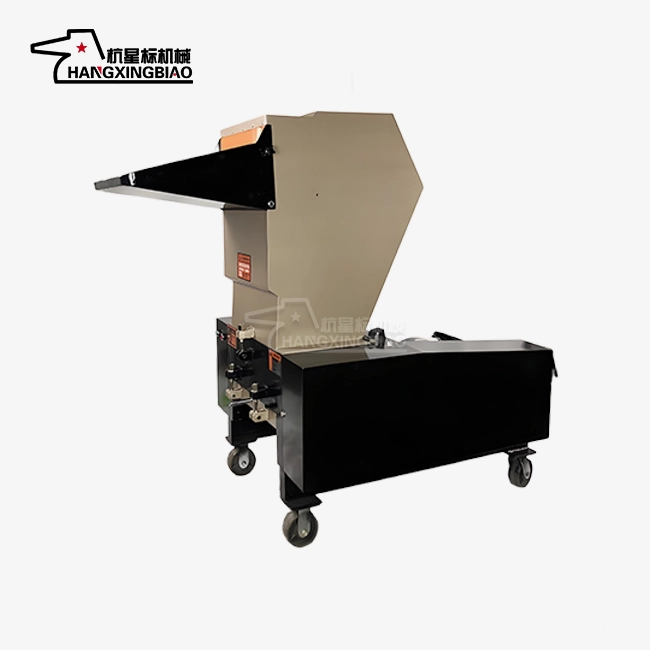
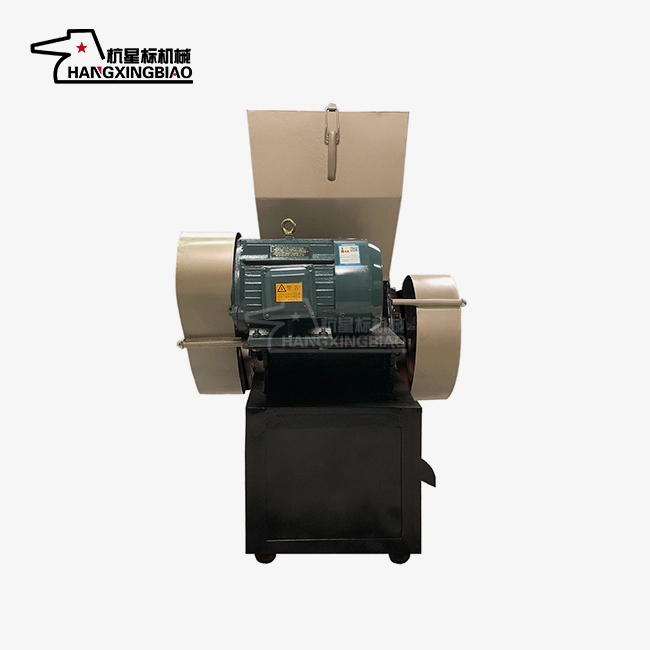
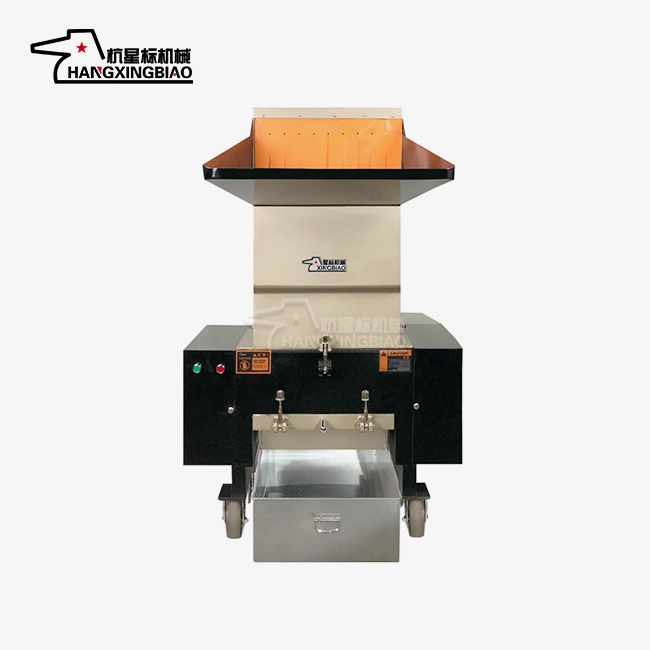
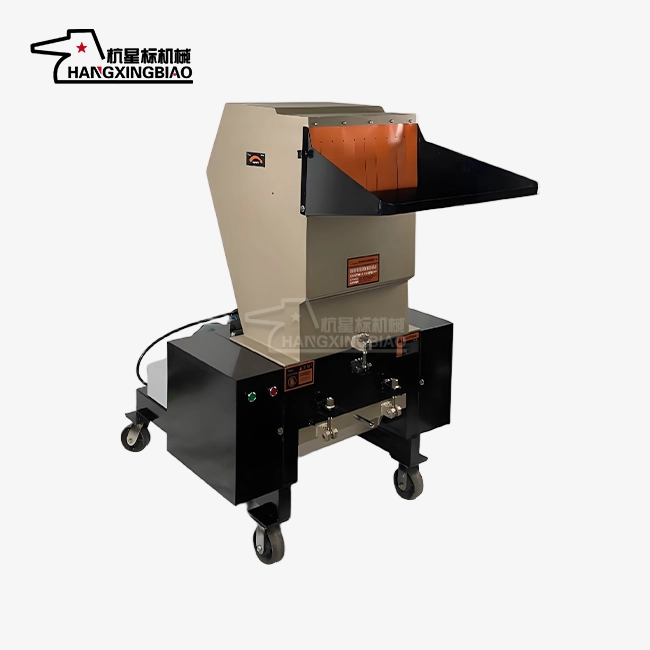
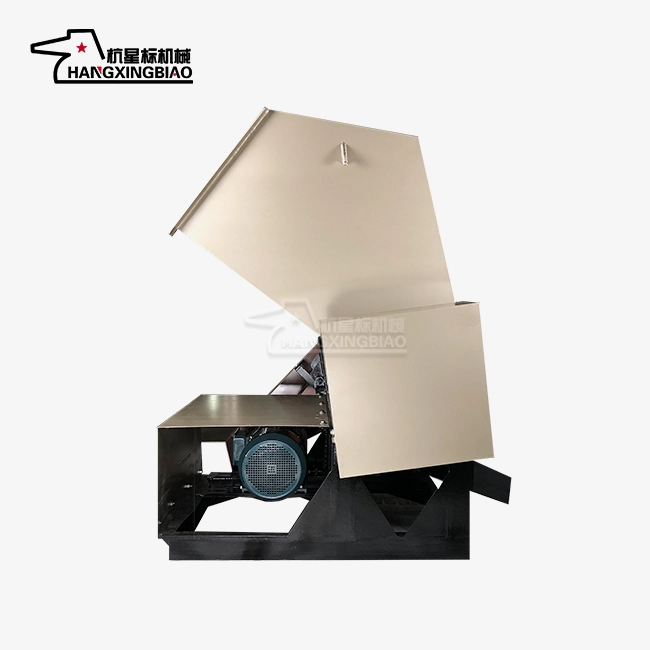
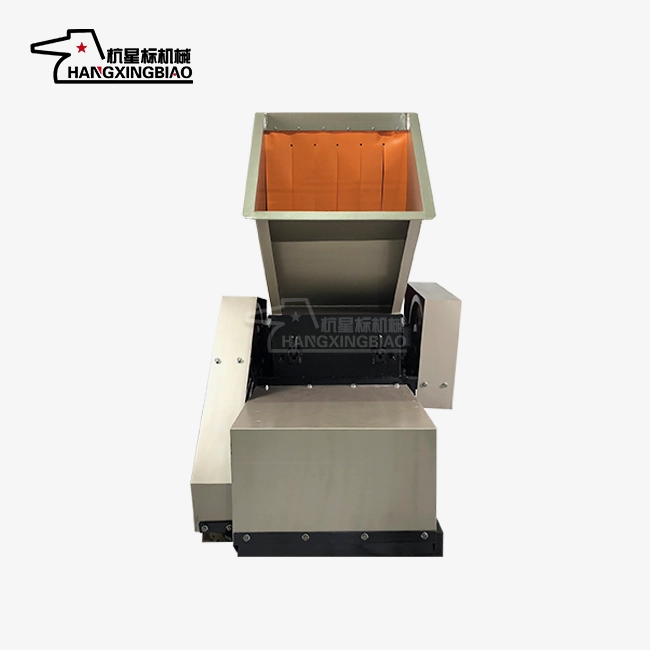
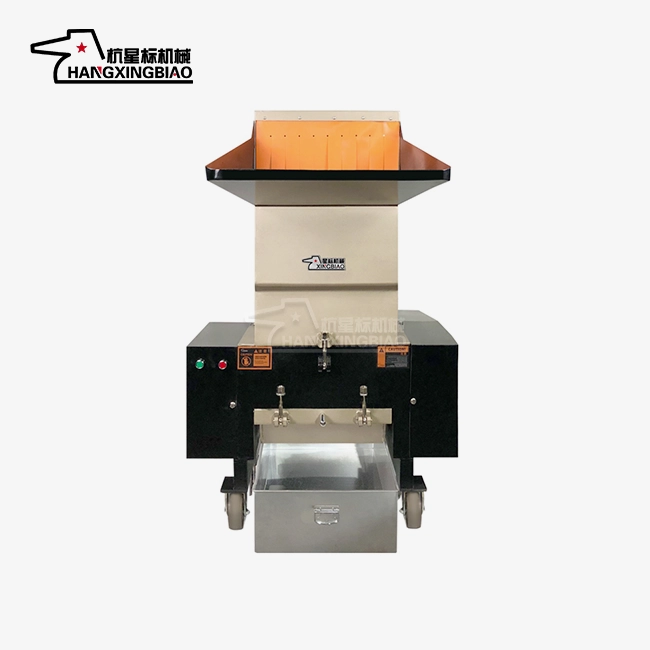
Modern Industrial Crushers operate through mechanical force—cutting, shearing, or impact—to break materials into smaller dimensions. At the heart of every machine lies a blade assembly, motor system, feeding mechanism, and screening structure. High-quality units feature stress-relieved welded steel frames that maintain structural integrity during continuous operation. The blade assembly, typically crafted from SKD-11 or Cr12MoV tool steel, undergoes vacuum heat treatment and cryogenic processing to achieve HRC55-60 hardness, ensuring 3,000 to 5,000 hours of service life before replacement. The feeding mechanism moves the material into the cutting chamber, where rotating blades and fixed knives work together to cut the plastic into fragments. Below the blade assembly, interchangeable screens control final particle size. Advanced designs incorporate soundproofing enclosures, dust collection ports, and safety interlocks that halt operation when access panels open, addressing both environmental compliance and operator protection.

Primary vs. Secondary Crushing Applications
Primary units handle large-format input materials—plastic barrels, thick-walled pipes, and pallet components—reducing them to 20-50mm fragments. These machines feature wide feed openings and robust blade configurations to accommodate bulky, irregular shapes without jamming. Secondary units refine these fragments further, producing 2-12mm particles suitable for reprocessing or direct material mixing. Understanding this distinction helps match equipment to your production workflow, whether you need standalone primary units at a recycling center or integrated secondary units beside injection molding machines.
Technology Advancements Driving Efficiency
New technologies are making things more efficient. Recent innovations focus on energy conservation and operational intelligence. Compared to conventional designs, optimized motor matching reduces power consumption by 10-15%, while improved blade geometry boosts throughput by over 20%. Some manufacturers now offer monitoring systems that track vibration levels, temperature, and runtime hours, alerting operators to maintenance needs before failures occur. These smart features reduce unplanned downtime and extend component lifespan, lowering your total cost of ownership across multi-year operations.
How to Choose the Right Industrial Crusher for Your Business
Material Characteristics Assessment
The type of material you have determines the Industrial Crushers' requirements more than any other factor. Soft plastics like PE films, woven bags, and flexible packaging demand specialized blade arrangements and anti-entanglement features to prevent wrapping around rotating components. Hard plastics—ABS casings, PC sheets, rigid pipes—require high-torque motors and wear-resistant blades to handle brittle fracture patterns. Foam materials need gentle crushing to avoid compression, while mixed waste streams benefit from versatile designs that process diverse shapes without frequent configuration changes. Evaluate your feedstock's physical properties: Is it uniform or mixed? Does it contain contaminants like metal fasteners or labels? Will moisture levels vary seasonally? Answering these questions guides you toward equipment with appropriate blade clearances, screening options, and protection systems. Materials that tangle or compress need larger cutting chambers with staggered blade timing to maintain steady flow and prevent clogs.
Capacity and Throughput Planning
Matching equipment capacity to production volume prevents bottlenecks and wasted investment. Calculate your hourly processing requirement by measuring current waste generation or forecasting material flow from production schedules. Add 20-30% buffer capacity to accommodate peak periods and future growth. Units rated at 50 kg/h suit small workshops and beside-the-machine recycling, while 500-1,000 kg/h units handle mid-scale recycling operations. Large reprocessing plants processing multiple tons daily require heavy-duty models capable of 3-10 t/h throughput with continuous-duty motors and reinforced drive systems. Feed size also matters. Measure your largest typical input dimension and select equipment with 1.5-2x that opening capacity. Oversized feed openings reduce pre-cutting labor and speed material loading, directly improving labor productivity.
Energy Efficiency and Operating Costs
Electricity represents a significant ongoing expense in crushing operations. Energy-efficient designs with precision-balanced rotors, optimized blade angles, and variable-speed drives can reduce power draw substantially. Compare kWh per ton processed across models—differences of 15-20% translate to thousands in annual savings for high-volume operations. Beyond motor efficiency, consider mechanical losses: quality bearings, properly aligned shafts, and balanced blade assemblies minimize friction and vibration, converting more input power into productive work. Maintenance accessibility affects both uptime and labor costs. Quick-change screen systems allow mesh swaps in minutes rather than hours. Hinged access panels simplify blade inspection and replacement. These design features reduce labor requirements and shorten changeover times when switching between product specifications.
Safety and Compliance Requirements
OSHA regulations and industry standards mandate specific safety features. Emergency stop buttons must be easily accessible, interlocked guards should halt operation when opened, and anti-rebound baffles prevent ejected fragments from reaching operators. Enclosed designs with sound-dampening protect workers from noise exposure, particularly important when equipment operates near production floors where staff spend extended periods. Verify that equipment carries appropriate certifications for your market—UL listing, CE marking, or equivalent standards compliance. These certifications confirm that electrical systems, guarding, and structural elements meet safety benchmarks, protecting your business from liability and regulatory penalties.

Crusher Sizing and Capacity Explained for Optimal Performance
Key Capacity Metrics Defined
Throughput measures the mass processed per hour, directly indicating production capability. Feed size defines the maximum input dimensions that the Industrial Crushers accept without jamming. Output particle size, controlled by screen mesh, determines final product specifications. Understanding how these metrics interact helps you match equipment to requirements precisely. Capacity depends on material density and hardness. Processing lightweight films achieves higher volumetric throughput than dense rubber or thick-walled plastics, even when hourly mass remains constant. Similarly, hard materials wear blades faster and may require reduced feeding rates to maintain particle uniformity and extend blade life. Manufacturers typically rate capacity based on standard test materials—confirm whether published specifications reflect your actual feedstock characteristics.
Calculating Required Crusher Capacity
Start by quantifying material flow. If your molding operation produces 250 kg of daily sprue waste across an 8-hour shift, you need approximately 32 kg/h capacity. Adding 30% buffer yields a 42 kg/h minimum requirement, placing you in the compact beside-the-press category. Recycling centers processing 4 tons daily across two shifts require 250 kg/h minimum capacity, suggesting mid-range equipment. Account for material bulk density and compression during feeding. Loosely compacted films occupy more volume than dense injection-molded parts, potentially limiting feeding rates despite equipment capacity. Bulky materials may require larger hoppers and feed openings to maintain consistent flow, even when mass throughput seems adequate on paper.
Balancing Primary and Secondary Stages
Multi-stage crushing optimizes energy usage and particle uniformity. Primary units handle size reduction from large formats to intermediate fragments with robust blades and wide clearances that tolerate contaminants. Secondary machines refine these fragments to final specifications using precision screens and tighter blade clearances. This staged approach reduces wear on secondary units by eliminating oversized chunks and distributing mechanical stress across multiple machines rather than overloading a single unit. Evaluate whether integrated single-stage crushing meets your needs or if staged processing offers better performance. Single-stage units simplify operations and reduce capital costs, but may struggle with extreme size reduction—crushing a 500mm trash bin directly to 5mm particles taxes even heavy-duty equipment. Staged systems require more floor space and capital investment yet deliver superior particle consistency and lower per-ton energy consumption.
Maintenance, Safety, and Energy Efficiency: Optimizing Performance
Preventive Maintenance Best Practices
Regular inspections prevent costly failures and extend equipment lifespan. Check blade sharpness weekly in high-volume operations—dull blades increase energy consumption and produce irregular particles. Inspect bearings monthly for excessive play or unusual noise, replacing them before failure damages shafts. Examine screen mesh for tears or blockages that reduce throughput and force unprocessed material back through the cutting chamber. Lubrication schedules vary by model, but bearing assemblies typically need regreasing every 500-1,000 operating hours. Keep detailed maintenance logs tracking blade rotations, bearing replacements, and unusual wear patterns. These records reveal whether material characteristics or operating conditions accelerate component degradation, guiding adjustments to feed rates or blade materials.

Clean crushing chambers monthly to remove accumulated fines and material buildup that restrict airflow and increase friction. Many designs feature hinged access panels and quick-release fasteners specifically to simplify cleaning—take advantage of these features to maintain peak efficiency for your Industrial Crushers between major service intervals.
Safety Protocols and Operator Training
Comprehensive training reduces accidents and improves equipment performance. Operators should understand material limitations, proper feeding techniques, and emergency procedures. Emphasize that machines cannot process metal objects, glass, or materials outside specified hardness ranges—contaminants damage blades and create ejection hazards. Teach recognition of abnormal sounds or vibrations indicating bearing failure, blade damage, or foreign objects in the cutting chamber. Personal protective equipment requirements include safety glasses, hearing protection in high-noise environments, and cut-resistant gloves during blade changes. Establish lockout/tagout procedures for maintenance activities, ensuring energy isolation prevents accidental startup during service. Post emergency shutdown locations prominently and verify that all personnel know how to activate emergency stops.
Energy Optimization Strategies
Monitor energy consumption regularly to identify efficiency degradation. Increasing power draw without corresponding throughput gains indicates dull blades, worn bearings, or material buildup. Addressing these issues promptly restores efficiency and prevents further damage. Variable-speed drives allow matching motor RPM to material characteristics—softer materials process effectively at lower speeds, saving energy without sacrificing throughput. Optimize feeding practices to maintain consistent material flow. Intermittent feeding with periods of empty running wastes energy, while overfeeding causes jams and motor strain. Use conveyors or hoppers that deliver steady material volume, keeping the cutting chamber at optimal capacity. These operational adjustments, combined with quality equipment, minimize electricity costs while maximizing productive output.
Top Crusher Brands and Suppliers: Trust & Quality Assurance
Evaluating Manufacturer Credentials
Focused expertise for 30 years often signals deeper engineering knowledge than diversified conglomerates spreading resources across multiple equipment categories. Specialized manufacturers invest more heavily in blade metallurgy research, chamber geometry optimization, and application testing. Look for evidence of industry-university partnerships and collaboration with major end-users—these relationships drive innovation addressing real-world processing challenges rather than theoretical performance claims. Research and development team size and qualifications matter. A 20-engineer R&D department can tackle complex material challenges and customize solutions for unusual applications. Ask potential suppliers about testing facilities and whether they can process samples of your specific materials before purchase, confirming equipment will deliver expected results rather than relying on generic specifications.
Warranty Coverage and After-Sales Support
Comprehensive warranties demonstrate manufacturer confidence in build quality. Standard coverage should include structural components for multiple years and wear items like blades for specified operating hours. Clarify what voids warranties—improper materials, unauthorized modifications, or neglected maintenance often exclude claims. Extended warranties for critical components like gearboxes and motors protect against expensive repairs during peak production periods. After-sales support separates exceptional suppliers from adequate ones. Response times matter—24-hour acknowledgment of technical inquiries keeps minor issues from escalating into production stoppages. Installation guidance and operator training ensure correct startup procedures, while regular follow-up visits catch developing problems early. Verify spare parts availability and delivery timeframes; expedited shipping for common wear items minimizes downtime when replacements become necessary.

Local Dealer Networks and Service Accessibility
Authorized dealer networks provide accessible support across geographic regions. Local representatives familiar with your industry offer faster response than distant manufacturers. They maintain parts inventory, reducing lead times from weeks to days. Evaluate dealer technical capabilities—can they perform on-site repairs and blade changes, or do they simply facilitate communication with the manufacturer? Hands-on service capability accelerates problem resolution and reduces shipping costs for heavy components. Beware of unauthorized resellers offering steep discounts. Counterfeit or gray-market equipment lacks warranty protection and genuine replacement parts, ultimately costing more through frequent failures and incompatible components. Verify dealer authorization directly with manufacturers before committing to purchases. Authentic equipment supported by trained technicians and genuine parts delivers lower total cost across equipment lifecycles despite potentially higher initial pricing.
Conclusion
Selecting the right Industrial Crushers requires balancing material characteristics, capacity needs, energy efficiency, and supplier reliability. Plastic recyclers, manufacturers managing production scrap, and waste processors all face unique challenges that specific equipment designs address most effectively. Understanding equipment types, sizing calculations, and performance factors empowers you to make informed decisions that optimize productivity while controlling operational costs. Quality construction using hardened steel frames and heat-treated blades ensures years of reliable service, while energy-efficient designs reduce electricity expenses across thousands of operating hours. Partner with specialized manufacturers offering comprehensive support—from initial consultation through installation, training, and ongoing maintenance—to protect your investment and maintain consistent performance. The right crushing solution transforms waste streams into valuable resources, improving your bottom line while supporting sustainability goals.
FAQ
What particle sizes can crushing equipment achieve reliably?
Good crushers equipped with interchangeable screens produce particles from 2mm to 100mm, with over 90% uniformity, eliminating secondary screening needs. Simply swap screen mesh to match your specification requirements—5-50mm fragments for logistics optimization or 2-12mm fines for direct reprocessing. Screen selection depends on blade configuration and chamber design, working together to create consistent particle distribution.
How do I determine the right capacity for my operation?
Calculate hourly material volume from production records or waste generation data, then add 20-30% buffer capacity for peaks and growth. Processing 200 kg of daily scrap across eight hours requires approximately 32 kg/h capacity, but selecting a 50 kg/h unit accommodates fluctuations and prevents bottlenecks. Higher-volume operations processing tons daily need equipment rated for 1-10 t/h, depending on shift structure and material density.
What distinguishes specialized plastic crushers from general-purpose units?
Plastic-specific designs incorporate features addressing unique material behaviors—anti-entanglement blade patterns for films, soundproofing for beside-the-press installation, and screening systems controlling precise particle sizing. Blade materials and heat treatments target plastic hardness ranges rather than rock or metal, optimizing wear resistance and edge retention. Specialized manufacturers understand processing challenges like static buildup, moisture sensitivity, and contamination issues that general equipment producers overlook.
Partner with Xingbiao for Superior Plastic Crushing Solutions
Hangzhou Xingbiao Machinery Co., Ltd. stands as your trusted industrial manufacturer, dedicated exclusively to the production of Industrial Crushers for three decades. Our specialized focus delivers engineering depth that diversified equipment suppliers cannot match, addressing the toughest processing challenges in recycling and manufacturing environments. We've engineered units handling everything from tangled films to rigid pipes, producing precise 2-20mm particles that integrate seamlessly into your material streams. Collaborating with industry leaders like Nongfu Spring and KFC, our 20-engineer R&D team continuously refines blade geometry, chamber design, and screening systems to boost your efficiency while reducing energy consumption. Every unit features stress-relieved steel construction and cryogenically treated blades, achieving HRC55-60 hardness for exceptional durability. Reach out today at xingbiaocrusher@xingbiaocrusher.com to discuss your specific requirements. We'll recommend the optimal solution from our comprehensive range—heavy-duty models for large parts, quiet beside-the-press units, specialized film processors, or custom designs for unique materials. Let our expertise and proven track record transform your waste management challenges into profitable material recovery opportunities.
References
1. Peterson, R.L. & Chang, M. (2022). Industrial Size Reduction Equipment: Design, Selection, and Applications. McGraw-Hill Professional Engineering Series.
2. Thompson, K.A. (2021). Optimizing Throughput in Plastic Recycling Operations. Journal of Polymer Processing Technology, 47(3), 215-234.
3. Martinez, J.D. & Roberts, S.E. (2023). Energy Efficiency in Material Size Reduction: Contemporary Approaches and Technologies. Industrial Equipment Engineering Quarterly, 18(2), 88-107.
4. Anderson, P.W., Liu, H., & Yamamoto, T. (2022). Blade Metallurgy and Heat Treatment for Industrial Cutting Applications. American Society for Materials International.
5. Williams, C.R. (2021). Safety Standards and Best Practices for Industrial Crushing Equipment. Occupational Safety in Manufacturing, 34(4), 412-431.
6. National Association of Recycling Equipment Manufacturers. (2023). Crusher Selection and Sizing Guidelines for Plastic Waste Processing Facilities. Technical Standards Publication NAREM-2023-14.
Learn about our latest products and discounts through SMS or email