- English
- French
- German
- Portuguese
- Spanish
- Russian
- Japanese
- Korean
- Arabic
- Greek
- German
- Turkish
- Italian
- Danish
- Romanian
- Indonesian
- Czech
- Afrikaans
- Swedish
- Polish
- Basque
- Catalan
- Esperanto
- Hindi
- Lao
- Albanian
- Amharic
- Armenian
- Azerbaijani
- Belarusian
- Bengali
- Bosnian
- Bulgarian
- Cebuano
- Chichewa
- Corsican
- Croatian
- Dutch
- Estonian
- Filipino
- Finnish
- Frisian
- Galician
- Georgian
- Gujarati
- Haitian
- Hausa
- Hawaiian
- Hebrew
- Hmong
- Hungarian
- Icelandic
- Igbo
- Javanese
- Kannada
- Kazakh
- Khmer
- Kurdish
- Kyrgyz
- Latin
- Latvian
- Lithuanian
- Luxembou..
- Macedonian
- Malagasy
- Malay
- Malayalam
- Maltese
- Maori
- Marathi
- Mongolian
- Burmese
- Nepali
- Norwegian
- Pashto
- Persian
- Punjabi
- Serbian
- Sesotho
- Sinhala
- Slovak
- Slovenian
- Somali
- Samoan
- Scots Gaelic
- Shona
- Sindhi
- Sundanese
- Swahili
- Tajik
- Tamil
- Telugu
- Thai
- Ukrainian
- Urdu
- Uzbek
- Vietnamese
- Welsh
- Xhosa
- Yiddish
- Yoruba
- Zulu
Powerful Pulverizer Machine: Features, Uses & Benefits
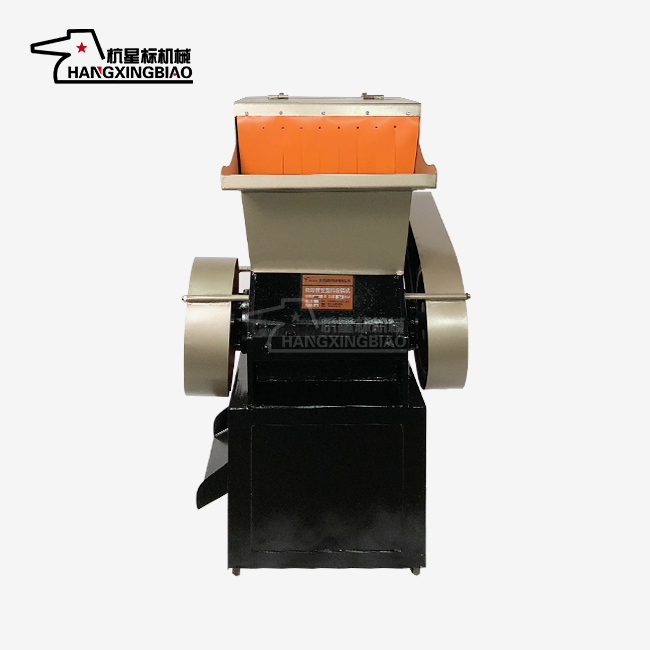
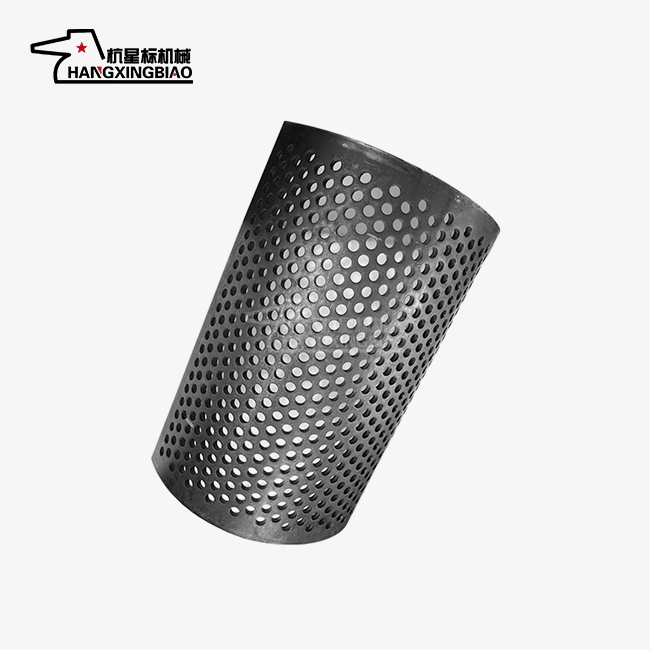
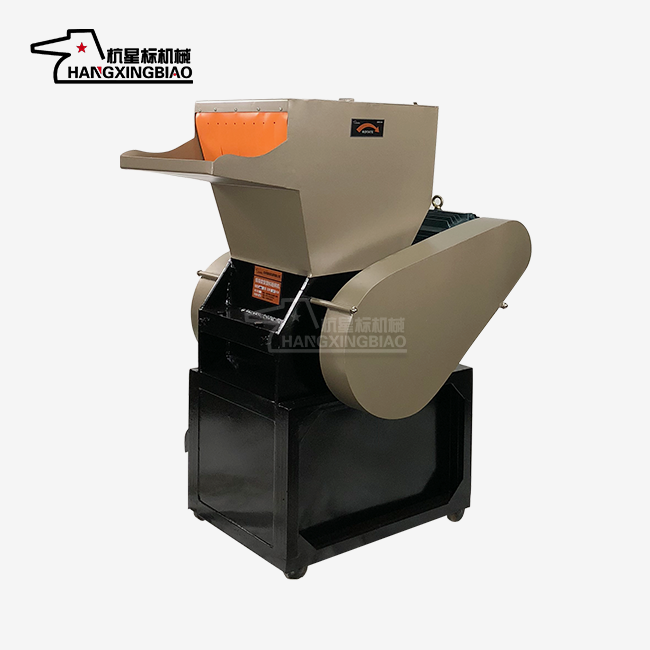
When funds are tight and the amount of trash plastic manufacturers and recycling centers have to deal with keeps growing, they need the right crushing tools to make money. Single-material compatibility is no longer a problem with a powerful pulverizer, which can quickly and efficiently break down almost all non-metallic materials into uniform bits. These include plastics, rubber, wood, paper, foam, and industrial trash. With its replaceable screens, this crushing system can produce stable coarse and medium powder outputs ranging from 2 to 50 mm. It can handle a wide range of operating needs, from recycling injection molding scrap to pretreatment of bulk trash, without the need for constant equipment changes.
Understanding Powerful Pulverizer Machines: Features and Working Principles
Modern breaking equipment is more than just tools for reducing the size of things. It's become complex systems that combine high-tech engineering ideas with real-world operating needs.
Core Functionality and Design Architecture
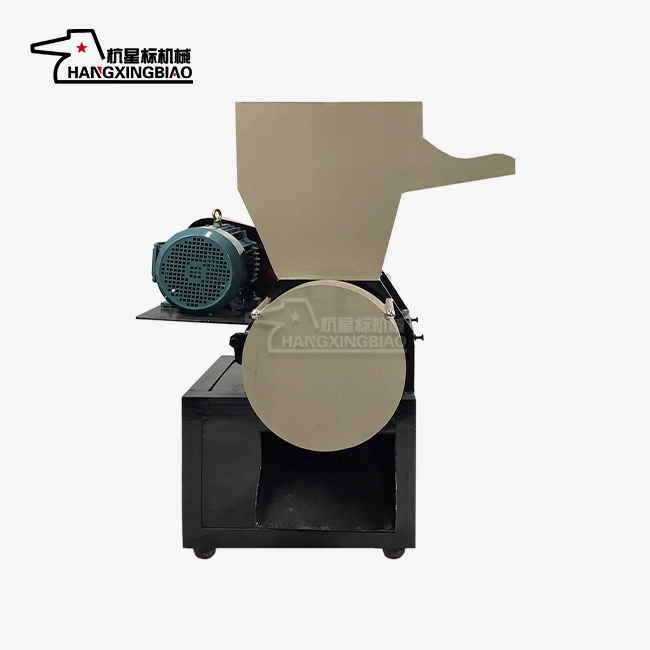
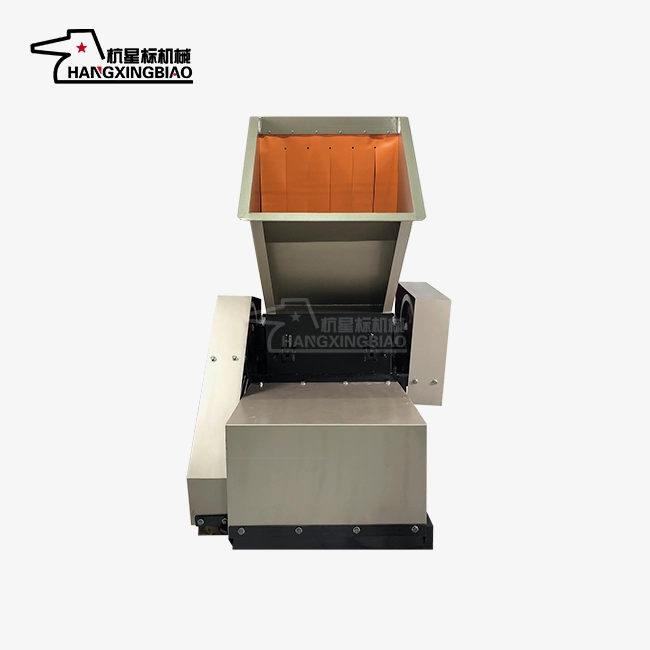
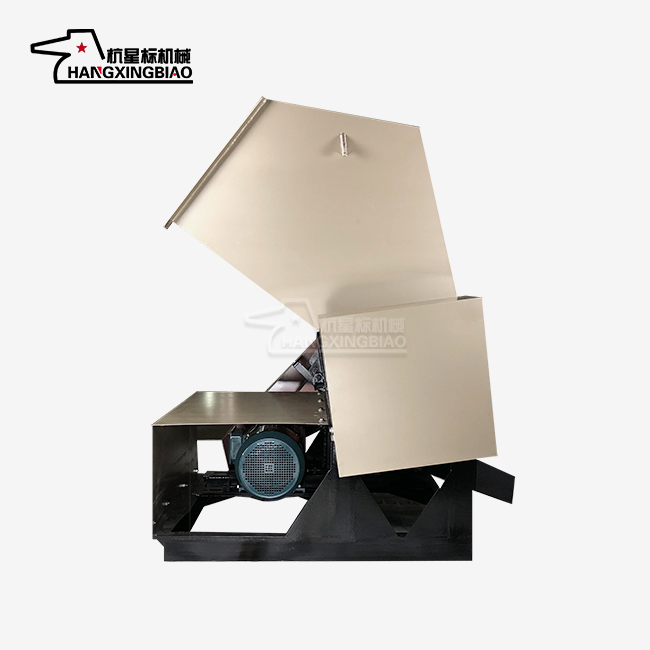
Industrial crushing machines use coordinated mechanical forces to turn big pieces of trash into materials that can be used again. The system is made up of carefully designed rotors, cutting blades that have been strengthened, screens that can be adjusted, and motors that have been tuned to work together. When the machine is working, raw materials go into the crushing room, where blades that spin quickly apply impact and cutting forces. The special arrangement of the blades makes several cutting zones that gradually reduce the size of the material until the particles can pass through preset screens. This multi-stage process makes sure that the quality of the result is always the same and that the flow is high for all types of materials.

Key Structural Components
Construction that is strong is the key to effective crushing performance. Heavy-duty steel tanks made from high-strength plates that have been bonded together go through a stress relief process to keep them from warping while they are in use. Core cutting tools are made from special alloys like SKD-11 mold steel and Cr12MoV. These alloys are heated in a vacuum and then frozen very cold to make them HRC 55–60 hardness ratings. These materials don't wear down over long periods of time; they can be sharpened many times and last between 3,000 and 5,000 hours. Precision bearings and transmission gears that have been strengthened keep the line stable and reduce friction losses. Dynamic balance testing makes sure that the amount of shaking stays below 0.1 mm. This lowers mechanical stress and makes parts last longer.
Advanced Operating Principles
Advanced systems use devices that combine compression, shearing, and friction to do more than just simple impact breaking. When material goes into the feed bin, centrifugal force spreads it out across the spinning disk. When particles hit the blade array, they are cut and torn at the same time, which breaks chemical bonds effectively. The improved hollow shape makes turbulent flow patterns that keep material from building up and make sure that processing is done evenly. This advanced method boosts throughput by more than 20% compared to traditional designs while lowering energy use by motor matching and transmission tuning that work better.
Advantages and Industrial Uses of Powerful Pulverizer Machines
Better breaking technology gives operations real benefits that have a direct effect on production costs and environmental compliance.
Exceptional Material Versatility
Breaking free from standard single-material restrictions is a big step forward for powerful pulverizer sites that deal with a lot of different types of waste. Along with hard plastic lines, thick profiles, foam packing, and bottles with odd shapes, these systems can handle soft films and woven bags that get tangled up in normal equipment. Due to this wide flexibility, there is no need for multiple specialized tools, which saves money and floor space. Plastic recycling businesses that deal with different kinds of trash can combine their operations into one flexible unit instead of keeping separate machines for each type of trash.
Enhanced Production Economics
Processing speed directly leads to making money. For smaller jobs, compact units can handle 50–500 kg per hour, while industrial setups can handle 1–10 tons per hour 24 hours a day, seven days a week. Because it is 15-20% more efficient than regular equipment, it moves materials faster and costs less to hire workers. By choosing the right motors and making the drive better, energy use drops by 10 to 15 percent. Only 8–12 kilowatts of power are needed to process one ton of plastic, which greatly reduces running costs. By crushing runners and broken parts for quick recycling, injection molding facilities that recycle production waste can use 30–50% more raw materials, which leads to big annual cost savings.
Precision Output Control
In recycle markets, the value of materials is based on how consistent their sizes are. Screens with diameters ranging from 2 to 100 mm can be switched out and used to precisely adjust the output to meet the needs of later processes. With over 90% uniformity without extra screening, operators can make coarse particles (5–50 mm) for initial processing or medium granules (2–12 mm) for straight reuse. This accuracy gets rid of waste from particles that are too big and need to be reprocessed and dust that is too small and doesn't have any market value. This controlled sizing feature is especially useful for feed makers who are making ingredient mixes and pharmaceutical producers who are sizing herbal materials.
Real-World Industrial Applications
Modern breaking devices are useful in many fields that have to deal with similar problems when moving materials. Plastic product makers use scrap, broken parts, pipes, and shapes made during production for injection casting. Recycling centers take care of large amounts of trash, like films, weave bags, tire rubber, and mixed city plastics. Chemical companies grind up non-corrosive raw materials, and farms process feed ingredients and organic garbage. Mills that make paper crush cardboard trash, and companies that make traditional medicines cut up herbs. The main benefits for all applications are the same: they work reliably, produce stable quality results, and cost less to handle.

Choosing the Right Powerful Pulverizer: Comparison and Decision-Making Guide
To choose the best grinding tools, you need to make sure that the technical specs match your business's needs and your plans for future growth.
Capacity Planning Considerations
The right tool size is based on the amount of production. For testing labs that need to handle 50 kg per hour, small benchtop units are needed. For big recycling operations that need to handle 10 tons per hour, industrial-scale systems with built-in conveying and sorting tools are needed. Medium-sized factories usually have units that can process between 500 kg and 2 tons of material every hour. They have to balance output with budget and floor space limits. If you plan your capacity correctly, you can avoid delays and avoid having too much capacity, which drives up the costs of capital and operations.
Material Compatibility Assessment
Different types of trash put different mechanical demands on tools used for crushing. Blade shapes that keep soft materials like films and foam from wrapping around rotors are needed. Hard materials like plastics and rubber, on the other hand, need higher cutting forces and tools that don't wear out easily. Shearing designs that keep fibrous materials from getting stuck work best. The procurement teams should check to see if standard blade setups can handle the mix of materials they have or if special tooling arrangements work better. When a manufacturer offers more than one blade pattern and screen choice, it gives you more operating freedom.
Integration and Installation Factors
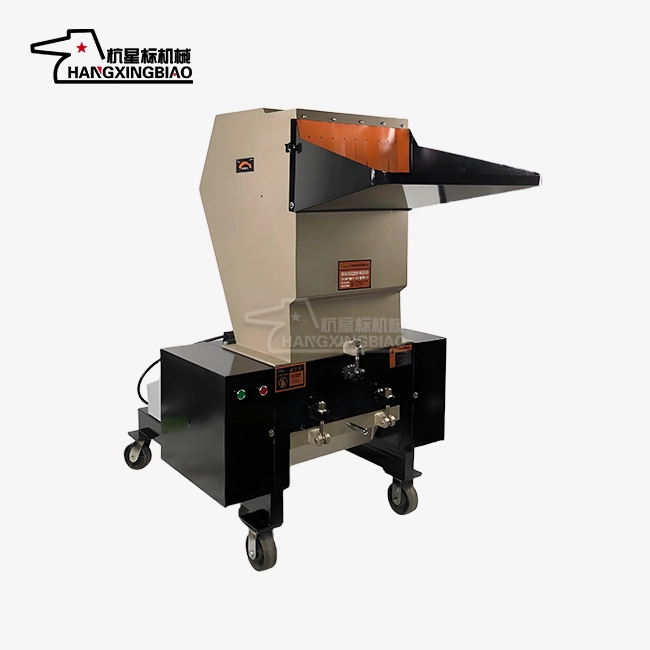
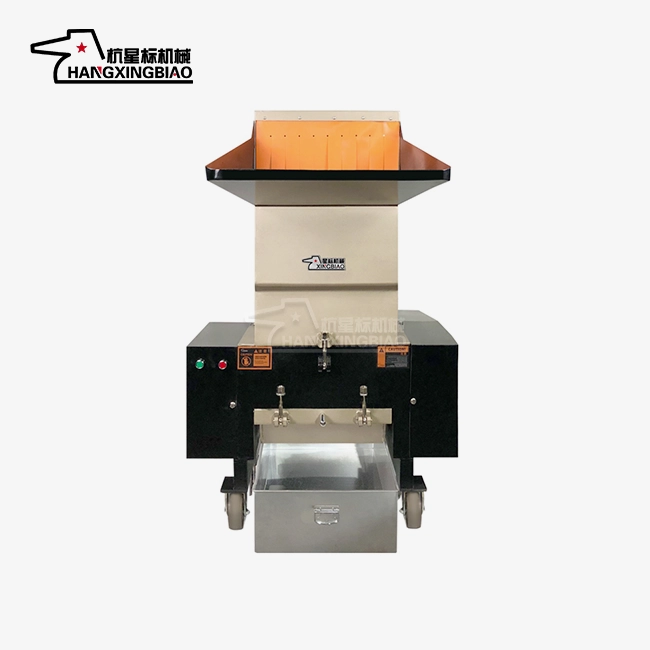
The equipment has to work with the way things are already made. Mobile units on wheels can be placed easily next to injection molding tools so that scrap can be recycled right away. Fixed medium-sized models can be added to processing lines with conveyor links to make the flow of materials more automatic. In large systems, crushers are linked to granulators, wash stations, and pelletizers to make full recovery loops. Planning an installation is affected by things like the amount of noise, electrical needs, and the best ways to do upkeep. Facilities that don't have a lot of downtime need designs that let them quickly change blades and screens without having to take the whole thing apart.
Total Cost of Ownership Analysis
The equipment's initial buy price is only a small part of its long-term costs. Using a lot of energy during operation has a big effect on making money, especially for centers that handle a lot of work. Maintenance budgets are affected by how often and how much it costs to replace blades. For example, expensive tools that last 3,000 to 5,000 hours cost more at first but save 60% on yearly replacement costs compared to cheaper options. Unplanned downtime costs are affected by things like warranty coverage, the availability of spare parts, and the quality of expert help. Instead of just looking at the price of the tools, procurement managers should look at how well the seller can provide all kinds of services.
Procurement Tips: How to Buy Powerful Pulverizer Machines
Strategic buying makes sure that powerful pulverizer machines work as planned and gets the help it needs for as long as it is in use.
Identifying Reliable Manufacturers
Makers that only make breaking equipment usually have better engineering than makers that make a lot of different kinds of machinery. Companies that have been in the business for decades, have dedicated research and development teams, and work with big end users to show that they care about product quality. Certifications from well-known standards groups back up claims about design safety and performance. Referrals from current customers who use similar materials and production scales can tell you a lot about how reliable the equipment is and how quick the maker is.

Evaluating Supplier Capabilities
Comprehensive service offers set exceptional providers apart from basic equipment sellers. As part of the pre-sales meeting, application engineering should look at the properties of the material, the throughput needs, and the integration limitations in order to suggest the best designs. Installation help, training for operators, and testing help make sure that the startup goes smoothly. After-sales service that responds to questions 24 hours a day, 7 days a week keeps problems to a minimum. Long-term performance is maintained by regular repair visits, spare parts that are easy to find, and expert help for troubleshooting. On-site help can be provided faster by suppliers with area service networks or approved partners than by manufacturers far away.
Negotiating Commercial Terms
When you buy in bulk, you can often get wholesale prices, especially if you need more than one unit for larger activities or to make sure that all of your sites have the same equipment. Buyers' interests are protected by payment terms, insurance length, and performance promises. Misunderstandings can be avoided by having clear specs that list capacity ratings, material compatibility, particle size ranges, and energy usage. Delays that cost a lot of money can be avoided by planning delivery times around building construction or production changes. International buyers should be clear about who is responsible for shipping, clearing customs, overseeing installation, and following local rules.
Maintenance and Safety: Ensuring Long-Term Performance
Systematic upkeep and strict safety rules protect both the people who use the tools and the people who own it.
Preventive Maintenance Schedules
Inspections done on a regular basis for powerful pulverizer find wear patterns before they cause problems. Every day, you should check for things like low lube, strange noises, changes in sound, and damage that you can see on the guards or electrical connections. Weekly checks check the state of the blades, the stability of the screens, and the temperatures of the bearings. Maintenance is done once a month and includes thorough cleaning, checking the balance, and replacing worn-out parts. As part of an annual repair, all parts are taken apart, measured against tolerance standards, and old parts are replaced. Compared to complicated equipment that needs to be taken apart in large pieces, simple designs with maintenance places that are easy to reach and quick-change screen structures cut service time in half.
Operator Safety Training
Comprehensive training programs make sure that workers know how to use safety tools and how to avoid getting hurt. Multiple layers of safety are provided by thick steel tanks, anti-rebound dampers, external shields, and electrical interlocks that stop the machine from running without the guards in place. Operators learn the right way to start up and shut down the machine, add materials, know what to do in an emergency, and know what safety gear they need to wear. Regular repeat training helps people remember to be safe and adds new safety features as tech gets better.
Troubleshooting Common Issues
Material clogs usually happen when feed things are too big or have too much moisture in them. Most jamming problems can be avoided by properly preparing and checking the feed. Less output means that the blades are dull and need to be sharpened or replaced. More shaking means that the bearings are wearing out or the rotor isn't balanced, which needs to be fixed right away. Higher energy use could mean that mechanical friction is happening because drive parts aren't lined up right or there is a buildup of trash. Systematic testing methods based on patterns of symptoms allow problems to be fixed quickly, which keeps production from stopping.
Conclusion
Choosing the right breaking equipment has a huge effect on how well plastic makers and recycling centers can run their businesses, keep costs down, and follow environmental rules. Advanced systems that can work with a lot of different materials, precisely control particle size, use little energy, and are built to last give clear benefits like less waste, lower processing costs, and higher material recovery rates. To make execution work, you need to carefully plan for capacity, carefully evaluate suppliers, and commit to best practices for upkeep. As rules get stricter and materials get more expensive, it's important to invest in reliable, flexible breaking technology to stay competitive and keep the business going.
FAQ
What materials can powerful pulverizer machines process effectively?
Plastics (both hard and flexible), rubber, wood, paper, cardboard, foam, textiles, and organic waste are just some of the non-metallic items that modern systems can handle. The machine can handle blocks, sheets, fibers, and odd shapes without needing groups of a single material. This makes it perfect for places that deal with mixed trash streams.
How frequently does crushing equipment require maintenance?
Visual inspections are done every day for 10 to 15 minutes to check for wear and greasing. It takes 30 to 60 minutes to do weekly detailed checks. Depending on how rough the material is and the quality of the tool, blades need to be sharpened or replaced every 500 to 5,000 hours. With premium metal blades that last between 3,000 and 5,000 hours, you can avoid a lot of upkeep and save a lot of money each year.

What safety certifications should buyers prioritize?
The electricity safety standards, mechanical safety rules, and noise pollution limits for the working area should all be met by the equipment. Complete guarding, emergency stop systems, and electrical interlocks that stop access during operation are all important safety features that keep workers safe and lower legal risks.
Partner with Xingbiao for Industrial Crushing Solutions
Hangzhou Xingbiao Machinery Co., Ltd. has 30 years of experience in plastic breaking technology and can help producers and recyclers who need reliable, high-performance equipment. Twenty top engineers on our engineering team work with big names in the industry, like Nongfu Spring and KFC, to make systems that solve real-world production problems. Understanding your unique material properties, throughput needs, and interaction requirements is the foundation of every powerful pulverizer provider relationship we develop. Our tools have SKD-11 and Cr12MoV metal blades, are made of stress-relieved steel, and have cutting shapes that are 20% more efficient. We answer all questions within 24 hours, give full installation instructions and user training, and keep a large stock of spare parts to keep activities running smoothly. Get in touch with our team at xingbiaocrusher@xingbiaocrusher.com to talk about how our unique crushing solutions can help you save money on handling costs and get more material back.
References
1. Smith, J. & Anderson, P. (2023). Industrial Size Reduction Technology: Principles and Applications. Manufacturing Press.
2. Thompson, R. (2024). "Advances in Plastic Recycling Equipment Design." Journal of Polymer Processing, 45(3), 127-145.
3. International Association of Plastics Recyclers. (2023). Equipment Selection Guide for Recycling Facilities. IAPR Technical Publications.
4. Chen, L. & Martinez, A. (2024). "Energy Efficiency in Industrial Crushing Operations." Industrial Engineering Quarterly, 38(1), 56-71.
5. National Safety Council. (2023). Safety Standards for Industrial Crushing Equipment. NSC Guidelines Series.
6. Williams, D. (2024). Cost-Benefit Analysis of Recycling Equipment Investments. Environmental Economics Press.
Learn about our latest products and discounts through SMS or email