- English
- French
- German
- Portuguese
- Spanish
- Russian
- Japanese
- Korean
- Arabic
- Greek
- German
- Turkish
- Italian
- Danish
- Romanian
- Indonesian
- Czech
- Afrikaans
- Swedish
- Polish
- Basque
- Catalan
- Esperanto
- Hindi
- Lao
- Albanian
- Amharic
- Armenian
- Azerbaijani
- Belarusian
- Bengali
- Bosnian
- Bulgarian
- Cebuano
- Chichewa
- Corsican
- Croatian
- Dutch
- Estonian
- Filipino
- Finnish
- Frisian
- Galician
- Georgian
- Gujarati
- Haitian
- Hausa
- Hawaiian
- Hebrew
- Hmong
- Hungarian
- Icelandic
- Igbo
- Javanese
- Kannada
- Kazakh
- Khmer
- Kurdish
- Kyrgyz
- Latin
- Latvian
- Lithuanian
- Luxembou..
- Macedonian
- Malagasy
- Malay
- Malayalam
- Maltese
- Maori
- Marathi
- Mongolian
- Burmese
- Nepali
- Norwegian
- Pashto
- Persian
- Punjabi
- Serbian
- Sesotho
- Sinhala
- Slovak
- Slovenian
- Somali
- Samoan
- Scots Gaelic
- Shona
- Sindhi
- Sundanese
- Swahili
- Tajik
- Tamil
- Telugu
- Thai
- Ukrainian
- Urdu
- Uzbek
- Vietnamese
- Welsh
- Xhosa
- Yiddish
- Yoruba
- Zulu
Plastic Bottle Crusher for Recycling Line Optimization
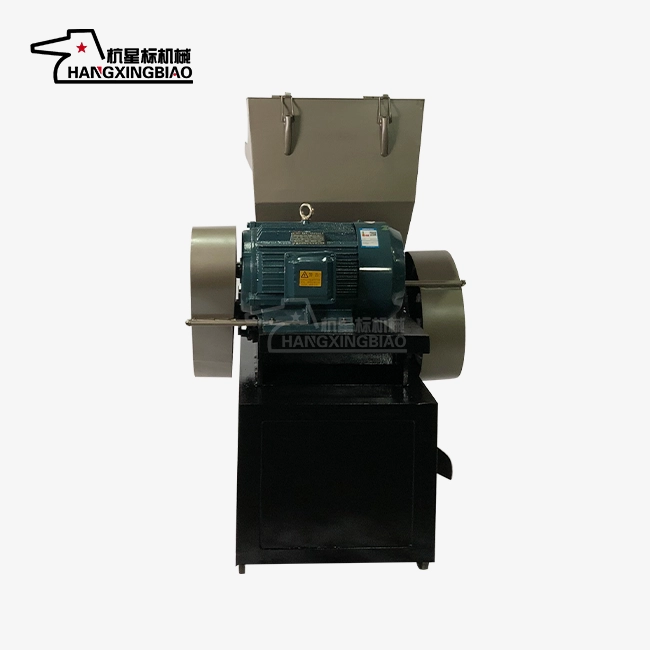
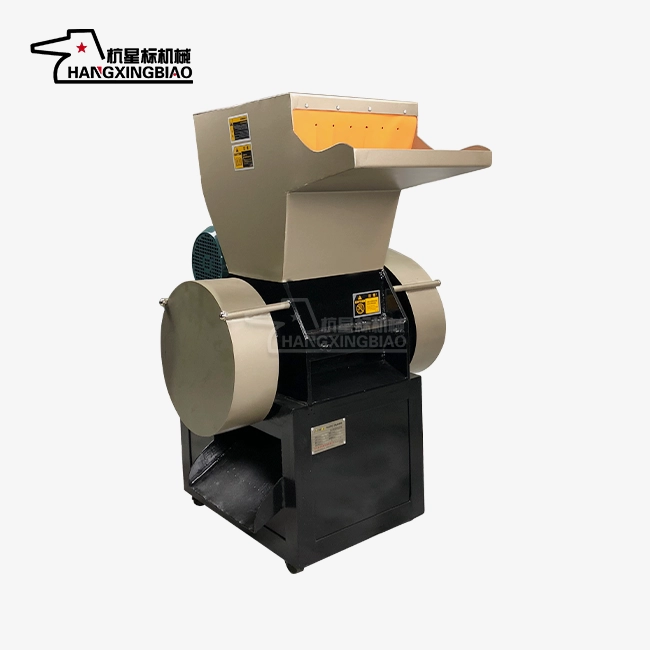
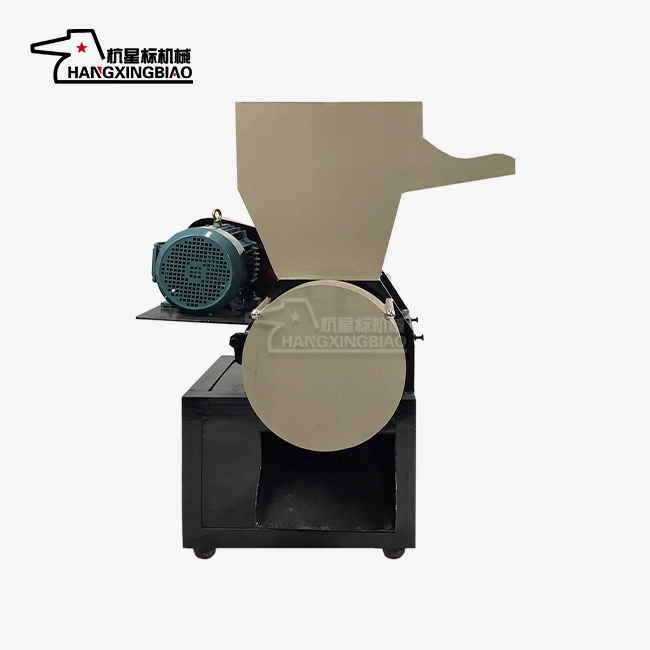
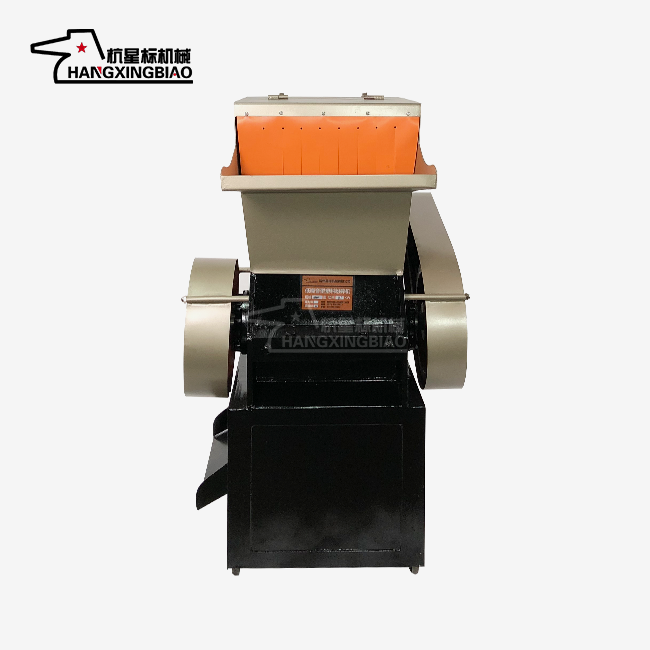
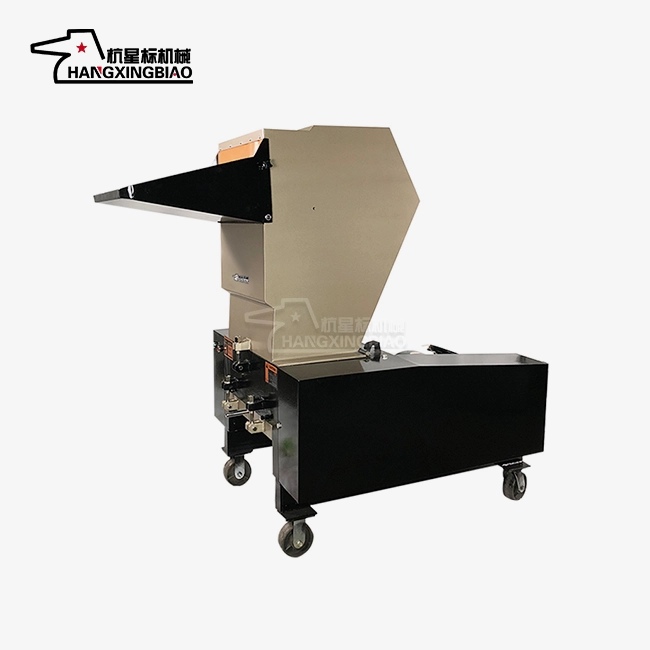
A Plastic bottle crusher is an important part of modern recycling because it turns large amounts of trash into smaller, more manageable pieces that can be used again. Up to 90% of the volume of plastic bottles is cut down by these tools, which turn PET containers, HDPE jugs, and other plastic trash into uniform particles that can be reused. The process of breaking gets rid of storage problems and gets materials ready for the next step in the recycling line. This makes these units essential for companies that want to be environmentally friendly and run efficiently.
Understanding Plastic Bottle Crushers in Recycling Lines
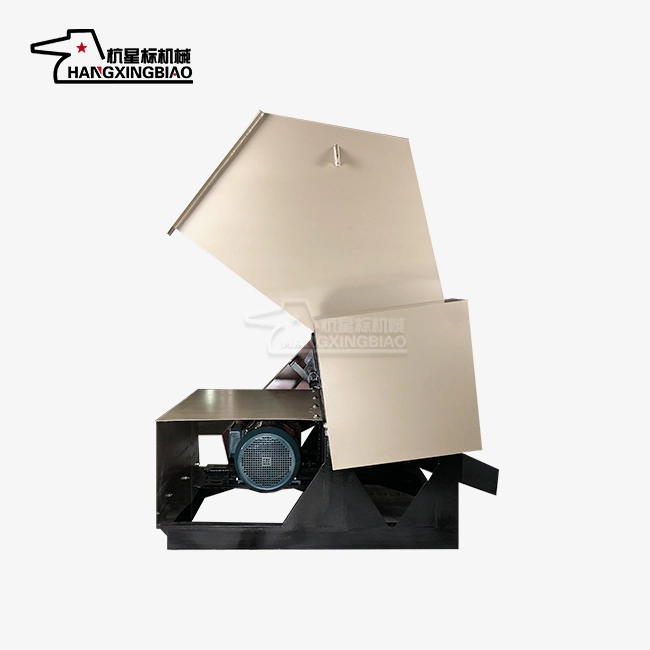
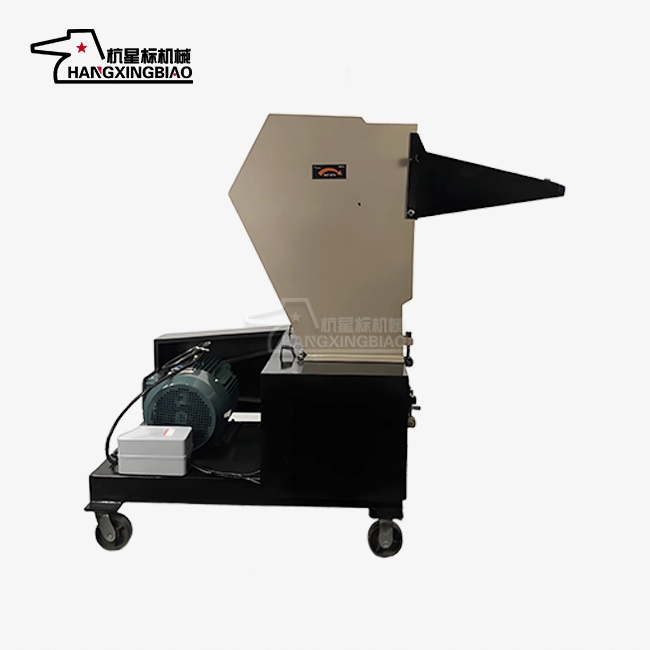
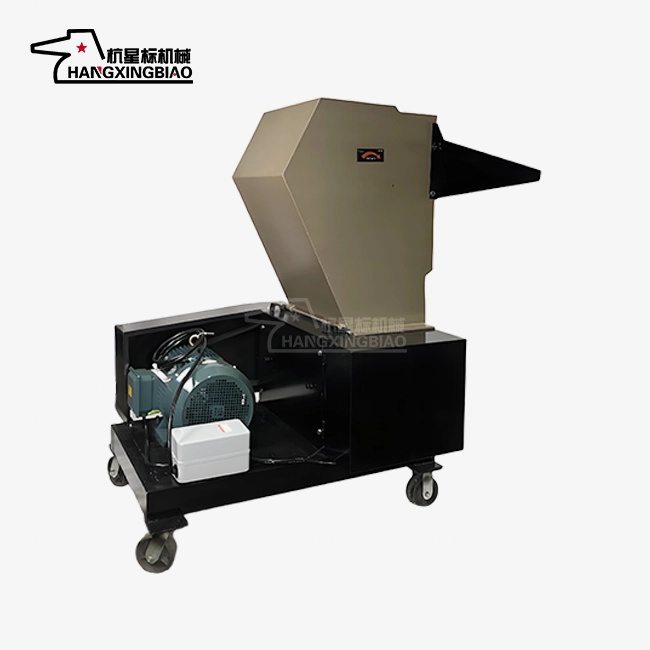
Plastic bottle crusher equipment works on a simple but effective principle: inside a reinforced grinding cylinder, high-speed rotating blades rub against fixed blades to shred plastic into controlled particle sizes. The crushed product goes through screens that can be changed to set the end granule size. This makes sure that all batches are the same.
Working Mechanisms Behind Efficient Crushing
The crushing box has a rotor with several cutting blades that spin at speeds ranging from 500 to 1,500 RPM, based on the task. As the plastic bottles go into the filling bin, they are pulled into the cutting zone by centrifugal force and the shape of the blades. When the rotating blades hit the stationary blades placed on the room walls, they cut like scissors. This two-blade method makes clean cuts instead of tears, which means it makes regular particles without making too much dust or breaking down the material.
Categories of Crushing Equipment
Electric crushers are most common in industrial settings. They can handle up to 2,000 kg/h for high-volume recycling sites or 50 kg/h for small-batch processes. Manual crushers work well in labs or small companies that only need to process small amounts of trash, but they don't have the output needed for commercial recycling. Commercial-grade units fill in the gaps; they have a modest capacity and a small size, making them perfect for factories that deal with their own scrap. Industrial systems are built to last and have motors that run continuously and automatic feeding systems that are made to work 24 hours a day.

Benefits That Transform Recycling Operations
Modern crushing systems make real gains in several operating areas. Better blade shapes that handle materials 20% faster than regular designs lead to higher throughput. A lot less work needs to be done because automatic feeding and discharge systems get rid of the need for human handling. When big bottles are turned into free-flowing powders that move easily through air systems or conveyor belts, it makes moving things easier. When these benefits are added together, they directly help recycling companies lower their costs and make more money.
Identifying and Overcoming Bottlenecks in Plastic Bottle Crushing
When the output of the Plastic bottle crusher doesn't match the speeds of sorting upstream or processing downstream, there are production bottlenecks. If you know about these limitations early on, they won't cause problems further down the recycling line.
Common Performance Obstacles
Clogging often happens when handling bottles that still have liquid in them or when the rate of feed is too high for the breaker to handle. When the crushing room gets too full of material that hasn't been fully handled yet, it has to be shut down in an emergency. Particle sizes aren't always the same when blades are worn or screen holes aren't matched up right, which leads to quality problems that mean whole batches have to be thrown out. These issues are made worse by machine downtime, especially when maintenance plans are behind what the maker suggests or when extra parts are not accessible during critical breakdowns.
Diagnostic Approaches for Bottleneck Identification
During normal production runs, compare your crusher's real throughput to its stated capacity. When throughput drops below 80% of stated capacity, it means that problems are starting to happen. To check the particle size distribution, take a sample of the crushed product every two hours and compare it to the specs. If the changes are more than 15%, it means that the blades or screens are damaged. Track the motor's amperage while it's running; numbers that get close to the maximum rated current mean that the motor is mechanically binding or overloading, which needs instant attention.
Optimization Strategies That Deliver Results
Controlled material introduction systems that keep the chamber loaded properly get rid of feeding problems that happen randomly when a process is automated. Upstream magnetic filters catch metal contaminants before they reach the cutting blades, keeping them from doing a lot of damage. When you upgrade to crushers with overload safety devices, the system will shut down automatically when hard impurities enter it. This keeps the equipment from breaking and lets operators know to check the arriving materials. Regular maintenance times, like inspecting the blades every 200 hours of use and lubricating the bearings every 500 hours, keep the equipment running at its best for longer.
Choosing the Right Plastic Bottle Crusher for Your Business Needs
Before you buy grinding tools, you need to carefully think about your business's size, the type of material you'll be working with, and how it will grow. The right machine strikes a mix between the initial cost of purchase and the ongoing costs of running it. It should also be able to meet present capacity needs while still leaving room for growth.
Capacity Requirements Across Business Scales
Small recycling businesses that process 200 to 500 kg per day can use small Plastic bottle crushers that can handle 50 to 100 kg per hour. These units take up very little floor room but have enough space for new businesses or specialized recycling streams. Crushers with a capacity of 200 to 500 kg/h are good for medium-sized facilities that handle 1,000 to 3,000 kg per day because they give them extra capacity during busy times without too much downtime. Large recycling centers that handle more than 5,000 kg of trash every day need industrial systems that can continuously process 800 to 2000 kg of trash. These centers often use more than one unit to make sure that processing doesn't stop during repair times.
Critical Selection Parameters
When you size a crusher, you have to make sure that the chamber dimensions match the sizes of your usual bottles. For example, units that handle small soda bottles need different shapes than units that handle big detergent containers. Energy efficiency has a direct effect on operating costs. For example, new motor designs use 10-15% less power than older crusher models, which means that high-capacity businesses can save $2,000 to $5,000 a year on energy. The length of downtime depends on how easy it is to do maintenance. Tool-free access panels and quick-change blade systems cut service times from hours to minutes.
Comparing Manual Versus Electric Systems
Manual crushers work well in labs or small businesses that don't make a lot of plastic trash, but they can only handle 5–10 kg/h, which means they can't be used in companies. Industrial uses are dominated by electric systems, which have higher speed, can be operated automatically, and consistently produce high-quality results. Small electric units that take up less than 2 square meters are used to crush production waste next to injection molding machines in factories. Larger crushers, on the other hand, need specialized 4-6 square meter installations with concrete structures that can support the weight of multiple tons of equipment.

Sourcing From Reliable Equipment Suppliers
Manufacturers you can trust show their dedication by offering long warranties, keeping extra parts on hand, and keeping records of service histories that go back decades. When problems happen out of the blue, equipment providers with expert response times of 24 hours or more keep production from stopping. Following certification rules, such as CE marking and electricity safety standards, keeps you from being sued and makes sure the workplace is safe. Hangzhou Xingbiao Machinery Co., Ltd. has set a high bar for dependability by developing specialized crushers for 30 years, keeping a large stock of spare parts, and providing quick technical support that keeps production lines running.
Maintenance, Safety, and Environmental Considerations
When you take care of your tools properly, you can make it last longer, keep people safe, and help the world. Structured maintenance programs stop problems before they happen instead of fixing them after they happen.
Essential Maintenance Protocols
Cleaning the room walls every day gets rid of dust and plastic fines that have built up, which stops material buildup that slows down cutting. Every week, the edges of the blades are checked for chips or excessive wear. If the cutting edges show rounding of more than 0.5 mm, they should be replaced. Monthly checks of the bearings make sure they have the right amount of oil and listen for noises that could mean they are wearing out. Every three months, the screens are checked for tears or bigger holes that make it harder to control the particle size. These organized steps keep tools working well and find small problems before they become big, expensive problems.
Workplace Safety Guidelines
When working near Plastic bottle crushers, people who are operating them must wear safety glasses, hearing protection, and gloves because spinning equipment is dangerous in many ways. Placement of emergency stop buttons within two meters of feeding stations is required so that they can be quickly turned off in case of danger. Lockout-tagout methods keep workers safe from moving parts by stopping accidental starts-ups during repair. Modern crushers have overload safety systems that automatically shut down the machine when metal contaminants enter the chamber. These systems keep the blades from getting damaged and let workers know when they need to do an inspection.
Environmental Impact and Sustainability
Efficient breaking processes help the environment by getting the most material back and using the least amount of energy. Modern crushers have totally sealed rooms with dust gathering ports that keep airborne particles from getting out, which helps keep air quality standards. Motors with low noise levels (below 75 dB) can be installed in a variety of settings without interfering with nearby operations. The output that is crushed is used to make new products, which closes the recycling loop and cuts down on the use of new plastic. One ton of plastic can be processed with motor designs that use only 8–12 kWh of energy. This shows how the choice of tools affects total sustainability performance.

Procurement and Installation of Plastic Bottle Crushers
A successful buy of equipment includes more than just the price. It also includes the warranty coverage, the supplier's ability to assist, and the quality of the installation. A thorough review stops mistakes that cost a lot of money and builds the foundations for long-term operating success.
Navigating the Procurement Process
Standard warranties that last between 12 and 18 months cover flaws in the making process. For important production tools, longer warranties may be worth considering. When you buy a lot of units at once, you can use bulk purchase agreements to get better prices, longer payment terms, or better service packages. When judging a supplier's dependability, you should look at how long they've been in business, customer references, and signs of financial health that show how items will be available and service will continue in the future.
Installation and Integration Considerations
For 300–3,000 kg Plastic bottle crushers, shipping operations require careful planning of delivery access, unloading tools, and placement routes. Professional installation services make sure that the equipment is level, that the electrical connections meet code requirements, and that the first operating testing confirms that the system works. For integration with current recycling lines, it might need special feeding conveyors, dust collection ductwork, or automatic release systems that can only be set up by trained professionals. After-sales help is very important during the learning curve, when operators are getting used to how the equipment works and repair teams are setting up routines for service.
Building Supplier Partnerships
Long-term relationships with equipment providers provide benefits beyond the original purchases. These benefits include faster access to services, technical advice for improving processes, and early notice of product changes. Getting in touch with providers through specific inquiry forms that list capacity needs, material types, and practical limitations helps them suggest the best solutions. By asking for site visits, you can let providers look at the installation conditions and come up with unique configurations that work with your facility's limitations. These ways of working together help everyone understand each other better, which leads to better project results.
Conclusion
Plastic garbage management can be turned from a cost center into a value-generating process by choosing the right Plastic bottle crushers and operating them correctly. The tools choices you make now will affect how well your business runs for years to come, so it's important to do a full evaluation. Modern crushing systems have the dependability, capacity, and speed that recycling businesses need to grow. They also care about the environment by using less energy and recycling as much material as possible. Technical help from skilled makers makes sure that the equipment works well from the start and continues to work well for a long time.
FAQ
Can plastic bottle crushers handle different bottle sizes efficiently?
Modern Plastic bottle crushers have adjustable feeding systems and breaking rooms that are the right size for bottles ranging in size from 250ml to 5 liters. Instead of measuring the size of the inputs, the screening system decides the end particle size. This lets mixed bottle streams make uniform output.
How does energy consumption compare between crushers and shredders?
Due to their different ways of cutting, shredders need 15–25 kWh for the same amount of output as crushers, which is 8–12 kWh per ton of treated plastic. Because they use 30–50% less energy, crushers are more cost-effective for high-volume businesses where the cost of power has a big effect on profits.
What safety measures are necessary during crusher operation?
Safety glasses, hearing protection, and gloves that won't tear are some of the personal protective equipment that operators need. Within two meters of all feeding points, emergency stops must always be easy to get to. When metal contaminants or too much pressure are detected, overload safety systems turn off the equipment automatically. This stops damage and keeps people safe from unexpected equipment behavior.
Partner With Xingbiao for Superior Crushing Solutions
Hangzhou Xingbiao Machinery Co., Ltd. has been a top maker of Plastic bottle crushers for 30 years and makes machines that are tough enough to work in industrial settings. Our wide range of products includes models that can handle 50 to 2,000 kg/h and have SKD-11 tool steel blades, overload safety systems, and fully sealed rooms that keep noise levels below 75 dB. We help you succeed by providing expert support 24 hours a day, 7 days a week, and having large stockpiles of spare parts that reduce downtime.
Connect with our engineering team at xingbiaocrusher@xingbiaocrusher.com to discuss your specific crushing requirements. We'll recommend optimal configurations based on your material characteristics, throughput targets, and integration needs. Explore our complete equipment lineup and technical specifications at www.xingbiaocrusher.com, where detailed product documentation and case studies demonstrate real-world performance. Request your customized quotation today and discover how proven breaking technology can improve the efficiency of your recycling line.
References
1. Miller, R. & Thompson, K. (2021). Industrial Plastic Recycling Equipment: Design and Application Principles. Manufacturing Technology Press.
2. Chen, L. et al. (2022). "Energy Efficiency Analysis of Plastic Waste Processing Equipment," Journal of Sustainable Manufacturing, 15(3), 234-251.
3. American Society of Mechanical Engineers (2020). Safety Standards for Plastic Processing Machinery: ASME B151.8-2020. ASME International.
4. Davidson, P. (2023). Optimizing Recycling Operations: A Practical Guide for Facility Managers. Environmental Engineering Publications.
5. International Recycling Association (2022). "Best Practices in Plastic Bottle Recycling: Technical Guidelines and Equipment Selection," IRA Technical Report Series, Report No. 2022-18.
6. Zhang, W. & Kumar, S. (2021). "Comparative Study of Crushing Technologies for Post-Consumer Plastic Waste," Recycling Technology Review, 8(2), 145-162.
Learn about our latest products and discounts through SMS or email