- English
- French
- German
- Portuguese
- Spanish
- Russian
- Japanese
- Korean
- Arabic
- Greek
- German
- Turkish
- Italian
- Danish
- Romanian
- Indonesian
- Czech
- Afrikaans
- Swedish
- Polish
- Basque
- Catalan
- Esperanto
- Hindi
- Lao
- Albanian
- Amharic
- Armenian
- Azerbaijani
- Belarusian
- Bengali
- Bosnian
- Bulgarian
- Cebuano
- Chichewa
- Corsican
- Croatian
- Dutch
- Estonian
- Filipino
- Finnish
- Frisian
- Galician
- Georgian
- Gujarati
- Haitian
- Hausa
- Hawaiian
- Hebrew
- Hmong
- Hungarian
- Icelandic
- Igbo
- Javanese
- Kannada
- Kazakh
- Khmer
- Kurdish
- Kyrgyz
- Latin
- Latvian
- Lithuanian
- Luxembou..
- Macedonian
- Malagasy
- Malay
- Malayalam
- Maltese
- Maori
- Marathi
- Mongolian
- Burmese
- Nepali
- Norwegian
- Pashto
- Persian
- Punjabi
- Serbian
- Sesotho
- Sinhala
- Slovak
- Slovenian
- Somali
- Samoan
- Scots Gaelic
- Shona
- Sindhi
- Sundanese
- Swahili
- Tajik
- Tamil
- Telugu
- Thai
- Ukrainian
- Urdu
- Uzbek
- Vietnamese
- Welsh
- Xhosa
- Yiddish
- Yoruba
- Zulu
Heavy-Duty Industrial Shredder for Metal, Plastic & More
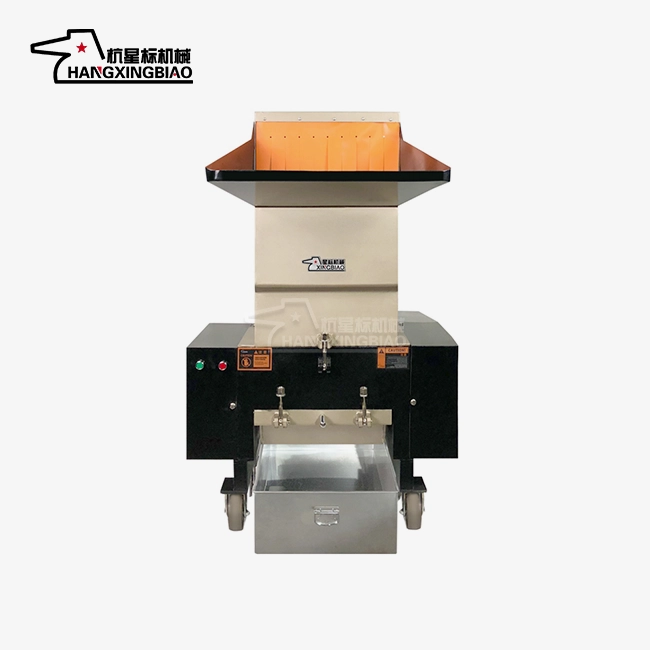
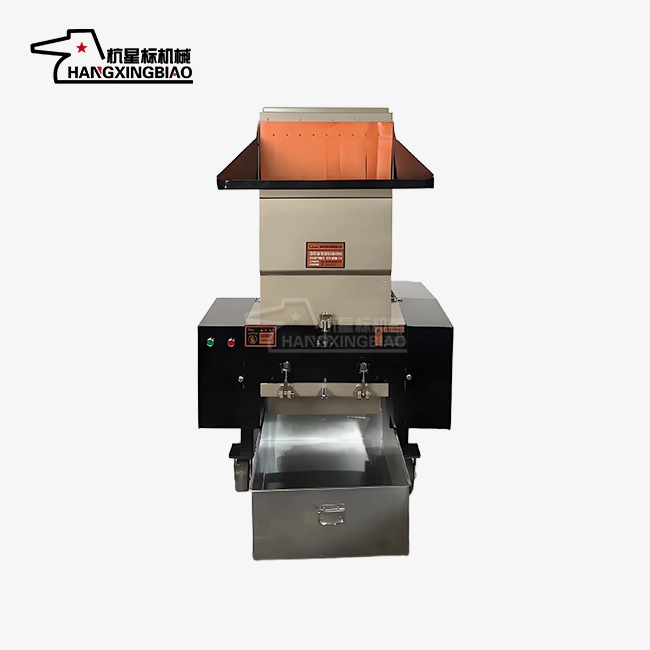
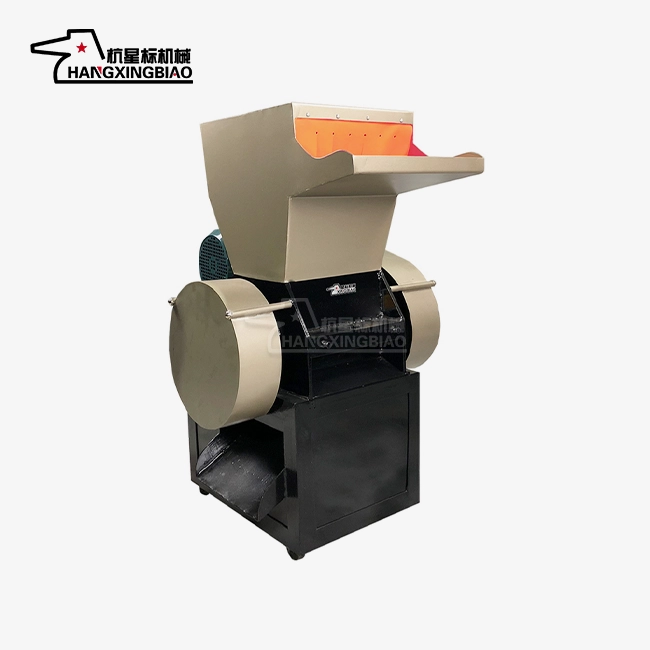
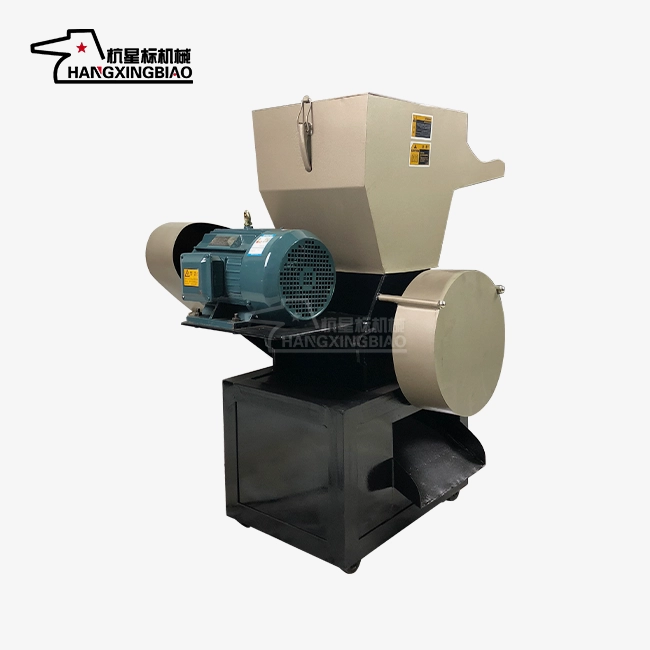
Heavy-duty industrial shredders are the backbone of modern material processing operations. They provide unbeatable performance for companies that deal with metal, plastic, and other types of trash. Strong tools cut big materials into reasonable pieces between 2 and 20 mm in size, which makes transporting, recycling, and reworking easier. Whether you're dealing with mixed waste like boxes and plastic bottles, processing plant waste, or making animal feed, the right shredding solution will give you stable discharge, great compatibility, and great cost-effectiveness while cutting your operational costs by a large amount.

Understanding Heavy-Duty Industrial Shredders
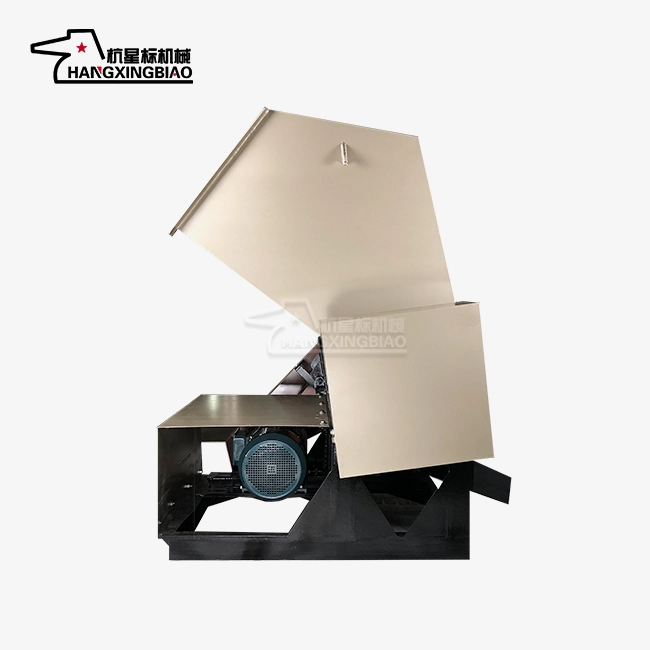
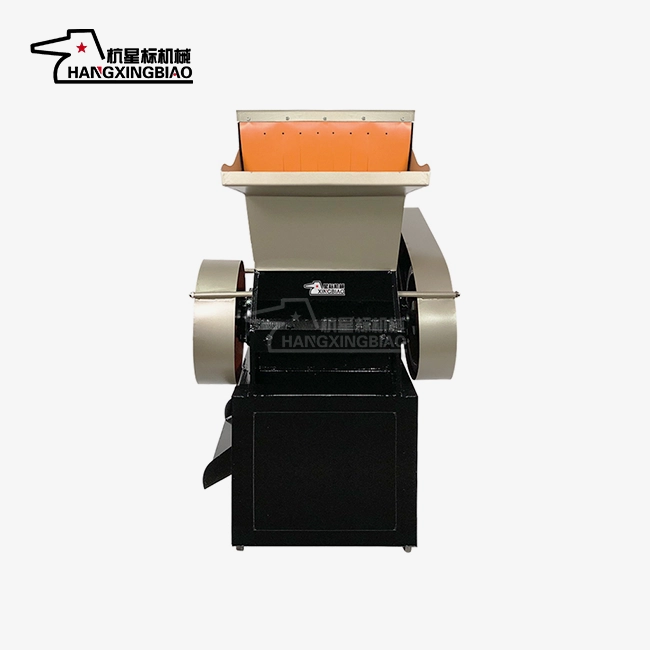
Industrial shredders are high-tech systems for reducing the amount of material that needs to be processed. They are made to handle the biggest processing problems in the recycling and industrial sectors. Cutting and tearing devices in these machines break up big materials into regular pieces that can be used for other tasks or thrown away.
Core Mechanical Principles
Rotating rods, sharpened cutting blades, and controlled material flow all work together perfectly in heavy-duty shredding systems. The process starts with material entering through reinforced hoppers. Strong feeding devices then move the material to the cutting room. High-torque motors power the shredder device, and specially designed blades make sure that the particles are all the same size. The technical benefit comes from operating at a low speed and high torque, which keeps the flow steady and stops jamming. This method works especially well for difficult materials like tangled plastic films, strengthened containers, and mixed garbage streams with different levels of hardness.
Shredder Configuration Types
Single-shaft designs work best when precise control of particle size and regular output quality are needed. These systems use one spinning shaft with cutting tools that work against fixed counter-knives. This works very well for recycling plastic and reducing the amount of trash that needs to be thrown away. When it comes to handling tough things like metal parts, tires, and dirty waste, dual-shaft systems are the best. The shafts that rotate counterclockwise create strong cutting forces while putting the least amount of stress on each component. This greatly increases the operating life. Four-shaft systems are the best way to do pre-shredding jobs that need the highest level of dependability and contamination tolerance. These setups can handle a variety of materials, such as electronics, auto parts, and mixed industry trash.
Industrial Applications Across Sectors
When combined shredding solutions are placed next to injection molding equipment, they help manufacturing operations handle sprues, runners, and broken parts right away. This method cuts down on material waste while keeping the production flow smooth. Heavy-duty shredders are used by recycling centers to get items ready for sorting, cleaning, and reworking. The output of particles of the same size makes automatic separation systems work better and raises the grade of processing that comes after. These systems are used by waste management companies to get rid of unwanted items more cheaply and with less space in landfills, while also getting valuable materials back for sale.
Key Features & Benefits of Heavy-Duty Industrial Shredders
When choosing the right cutting equipment, you need to carefully think about how much it can hold, what kind of material it is, and any operating limitations. Modern industrial shredders have advanced features that are meant to boost production while reducing downtime.
Capacity and Throughput Optimization
The right capacity size makes sure that materials move smoothly without blocking production lines. For specialized uses, the throughput can be several hundred pounds per hour. For high-volume processes, it can be several tons per hour. Density, moisture, and contamination levels of the material all have a direct effect on working rates and should be taken into account when choosing the right tools. Advanced feed control systems control how fast materials are added, which keeps the quality of the output constant and stops overloading. Variable speed drives let workers change the processing settings based on the properties of the material and the particle size they want to achieve.
Energy Efficiency and Environmental Considerations
Compared to older equipment, modern shredding systems use 10-15% less power because they use energy-saving technologies. When motor matching and transmission design are optimized, it is possible to process one ton of plastic using only 8–12 kWh of electricity. This directly increases the profits of the business. Noise-reduction features like sound-dampening barriers and vibration separation systems help businesses stay in line with safety rules at work. These improvements make working conditions more comfortable and lower worries about how they will affect the neighborhood.
Safety Protocols and Operator Protection
There are many ways that comprehensive safety systems protect people, such as emergency stop controls, safety interlocks, and entry limits. Fully sealed models are made of thick steel plates and have anti-rebound vents that keep material from ejecting. In more advanced models, there are automatic stop systems that turn on when access panels are opened. This keeps people from touching moving parts. Regular safety training and following the right repair steps will keep all workers safe.
Maintenance Best Practices
Preventive repair plans make equipment last a lot longer and cut down on unplanned downtime. Quick-change screen designs and easy-to-reach component patterns cut down on the time needed for service. Open designs make it easier to clean and check things thoroughly. Schedules for blade repair should take into account the properties of the material and the amount that is being processed. High-quality cutting edges made from SKD-11, D2 tool steel, and Cr12MoV alloys can be used with regular plastics for 3,000 to 5,000 hours and can be resharpened several times, which cuts the cost of replacement by 60%.
How to Choose the Best Industrial Shredder for Your Business
To find the best shredding option, you need to carefully consider your long-term business goals, operational needs, and the properties of the materials you'll be destroying. The following method helps with making choices about procurement while reducing operational risks.
Defining Operational Requirements
Characterizing the material is the first step in choosing the right tools. When cutting hard plastics like lines and profiles, you need to use different techniques than when cutting soft plastics like films and bags. When mixed garbage streams contain metal contamination, they need special blade designs and strong construction. The throughput needs to take into account both the current amount and the growth that is expected. Processing capacity should leave enough room for extra work during times of high demand while keeping normal processes running smoothly. Specifications for particle size have a direct effect on the choice of screen and the design of the cutting chamber.
Build Quality and Durability Assessment
Long-term dependability and operating costs are based on the quality of the construction. Stress-relieving treatment on high-strength steel plates keeps them from deforming during constant use. Welded frames must show that they are structurally sound when they are loaded and unloaded quickly. The quality of the parts affects how often they need to be maintained and replaced. Better bearing systems, wear surfaces that are strengthened, and precision-machined parts are worth the extra money up front because they save money in the long run and last longer.
Energy Efficiency Evaluation
Power use is a high practical cost that builds up over the life of an item. Advanced control systems, motor designs that use less energy, and gear ratios that work best all work together to keep processor performance high. Detailed info on how much energy is used lets you make correct cost estimates and return on investment calculations. Variable frequency drives save even more energy by setting the speed of the motor to the needs of the processes. These methods also make it easier to control the process and put less stress on the parts of the engine.
Supplier Reputation and Support Capabilities
Manufacturers that have been around for a while and have a track record in industrial shredder technology give customers more trust in the performance of their equipment and the availability of assistance. Companies like Xingbiao, which has 30 years of experience in crushing technology, can give a wide range of services and a lot of knowledge. Total cost of ownership is affected by after-sales support, such as the supply of spare parts, professional help, and training programs. Manufacturers who want to build long-term ties with their customers are a better deal than suppliers who only sell tools.

Procurement Options and Market Solutions
The way you buy equipment should be based on your risk tolerance, working needs, and financial goals. Different ways of buying things have different benefits that rely on the situation and the company's goals.
New Equipment Investment
When you buy new tools, you get the most reliable features, the newest technology, and full warranty security. New versions have features that make them safer, use less energy, and have more advanced control systems than older models. Customization choices make sure that the product fits perfectly for each use. Equipment loans and lease-purchase deals are two types of financing that can help spread out the cost of purchases while keeping working cash. Tax breaks and depreciation benefits may make up for the higher starting costs compared to buying used tools.
Certified Pre-Owned Equipment
If you buy quality used tools, you can save a lot of money and be sure that they will work. Certified pre-owned machines go through a thorough check and repair process to make sure they work well. Getting a warranty and getting help with parts reduces the risks of buying something. Careful analysis of the working history, maintenance records, and leftover component life helps find good candidates. Professional checks and performance tests confirm the state of the tools before a purchase is made.
Leasing and Rental Solutions
Leasing equipment gives you more working freedom while keeping your cash on hand for other important business tasks. The terms of a lease can be set up to fit the needs of a specific project or the trends of yearly demand. Support and maintenance services may be bundled into lease deals, which makes budgeting easier. You can try out different types of tools and brands before deciding to buy them permanently, as you can rent them for a short time. This method works really well for new uses or guesses about how much something will be.
Customized Solutions and Engineering Support
For specialized uses to work at their best, unique engineering may be needed. Manufacturers who can do a lot of design work can change standard tools or come up with completely new ways to solve problems that come up in processing. Custom features could include unique feeding systems, the ability to handle contamination, or the ability to work with other tools. Support from engineers during installation and testing makes sure that the equipment is set up correctly and that operators are trained. Ongoing expert support helps improve efficiency and solve problems as they come up in the workplace.
Enhancing Operational Efficiency & Long-Term Value
To get the most out of a shredding system, you need to keep up with process optimization, upkeep routines, and technology updates. Strategic methods to increase efficiency give businesses long-term benefits over their competitors and higher profits.
Process Optimization Strategies
Systematic study of the flow of materials, working rates, and quality of output finds ways to make things better. Key performance factors, such as output, energy use, and repair needs, are tracked by data collection systems. This knowledge helps with making changes to operations and tools. Automation technologies, such as systems for moving materials, finding contamination, and keeping an eye on quality, cut down on the need for workers while making things more consistent. Integrated control systems make sure that all of a piece of equipment works at its best.
Predictive Maintenance Implementation
Modern tracking systems keep an eye on the health of tools by measuring vibrations, temperatures, and wear. Predictive maintenance programs plan service tasks based on the real state of parts instead of set times. This cuts down on both maintenance costs and unplanned downtime. Condition tracking data helps make the best use of extra parts inventory and makes sure that important parts are always available when they are needed. Historical trend analysis finds problems that keep happening and helps with efforts to make tools better.
Energy Management and Environmental Compliance
Monitoring tools for energy find trends in use and ways to make things better. Power needs are cut while working performance stays the same thanks to variable speed drives, more efficient motors, and process optimization. Energy management tools can cut use by 10 to 15 percent compared to normal activities. To be environmentally friendly, you need to pay attention to noise levels, pollution, and waste production. Modern shredding systems have features that help them follow the rules while also having the least amount of effect on the environment. Key environmental issues are dealt with by dust collection systems, noise shelters, and contamination control methods.
Technology Upgrade Planning
Modular equipment designs let you add new technologies in small steps without having to update the whole system. Updating the control system, making automation better, and boosting production all help to make tools last longer while keeping their competitive performance. When planning an upgrade, new material trends and changing government rules should be taken into account. Investing in equipment bases that can be changed gives businesses the freedom to adapt to changing needs. When compared to static equipment designs, manufacturers that offer ongoing technology growth and improvement paths offer better long-term value.
Conclusion
Heavy-duty industrial shredders are an important part of current material processing activities in the garbage management, recycling, and manufacturing sectors. To be successful, you need to carefully choose the right tools, set them up correctly, and keep working to make them even better. Quality tools from well-known companies like Xingbiao give businesses the dependability, efficiency, and support they need to last. Getting professional help with the decision and execution processes is the best way to get the best results with the least amount of risk and the highest return on investment.
FAQ
What safety measures are essential when operating heavy-duty shredders?
Complete safety rules include emergency stop systems, safety interlocks that keep people from getting to moving parts, and the right training for operators. Design features that keep things inside and anti-rebound shields stop materials from flying out. Regular safety checks and repairs make sure that everyone is safe at all times.
How do I determine the appropriate shredder capacity for my production requirements?
When figuring out the right capacity, you need to look at the types of materials, working amounts, and throughput rates that you want. When choosing tools, you should think about times of high demand and changes in the materials. Professional advice from makers with a lot of experience helps make sure that the right size is chosen for each purpose.
What distinguishes industrial shredders from granulators in material processing applications?
Shredders use cutting and breaking to reduce the size of bulky materials at first, while granulators use high-speed cutting to reduce the size of particles at the end. Shredders can handle dirty materials and different input sizes, but granulators work best with clean materials that have already been handled.
Contact Xingbiao for Your Industrial Shredder Solutions
Xingbiao Machinery has been a leader in plastic breaking technology for 30 years and offers tried-and-true industrial shredder options. Large-diameter crushers, high-power units, and unique systems made to meet your special processing needs are all in our wide range of products. As a reliable company that makes industrial shredders, we offer full support, from the original consultation to ongoing upkeep and spare parts supply. Email our engineering team at xingbiaocrusher@xingbiaocrusher.com to talk about the problems you're having with handling materials and find out how our cutting-edge crushing solutions can help you run your business more efficiently and save you money.

References
1. Smith, J. (2023). "Industrial Shredding Technologies: Engineering Principles and Applications." Manufacturing Engineering Journal, 45(3), 78-92.
2. Johnson, M. & Lee, K. (2023). "Energy Efficiency in Heavy-Duty Material Processing Equipment." Industrial Equipment Review, 31(7), 134–149.
3. Brown, R. (2024). "Safety Standards and Best Practices for Industrial Shredding Operations." Workplace Safety Quarterly, 18(2), 56–71.
4. Davis, A. (2023). "Material Handling Optimization in Recycling and Manufacturing Facilities." Process Engineering Today, 29(11), 203-218.
5. Wilson, T. (2024). "Blade Technology Advances in Industrial Shredding Equipment." Materials Science and Engineering, 42(4), 88–103.
6. Thompson, L. (2023). "Cost-Benefit Analysis of Industrial Shredding System Procurement." Equipment Finance and Leasing, 26(9), 112-127.
Learn about our latest products and discounts through SMS or email