- English
- French
- German
- Portuguese
- Spanish
- Russian
- Japanese
- Korean
- Arabic
- Greek
- German
- Turkish
- Italian
- Danish
- Romanian
- Indonesian
- Czech
- Afrikaans
- Swedish
- Polish
- Basque
- Catalan
- Esperanto
- Hindi
- Lao
- Albanian
- Amharic
- Armenian
- Azerbaijani
- Belarusian
- Bengali
- Bosnian
- Bulgarian
- Cebuano
- Chichewa
- Corsican
- Croatian
- Dutch
- Estonian
- Filipino
- Finnish
- Frisian
- Galician
- Georgian
- Gujarati
- Haitian
- Hausa
- Hawaiian
- Hebrew
- Hmong
- Hungarian
- Icelandic
- Igbo
- Javanese
- Kannada
- Kazakh
- Khmer
- Kurdish
- Kyrgyz
- Latin
- Latvian
- Lithuanian
- Luxembou..
- Macedonian
- Malagasy
- Malay
- Malayalam
- Maltese
- Maori
- Marathi
- Mongolian
- Burmese
- Nepali
- Norwegian
- Pashto
- Persian
- Punjabi
- Serbian
- Sesotho
- Sinhala
- Slovak
- Slovenian
- Somali
- Samoan
- Scots Gaelic
- Shona
- Sindhi
- Sundanese
- Swahili
- Tajik
- Tamil
- Telugu
- Thai
- Ukrainian
- Urdu
- Uzbek
- Vietnamese
- Welsh
- Xhosa
- Yiddish
- Yoruba
- Zulu
What Is a Plastic Bottle Crusher and How Does It Work?
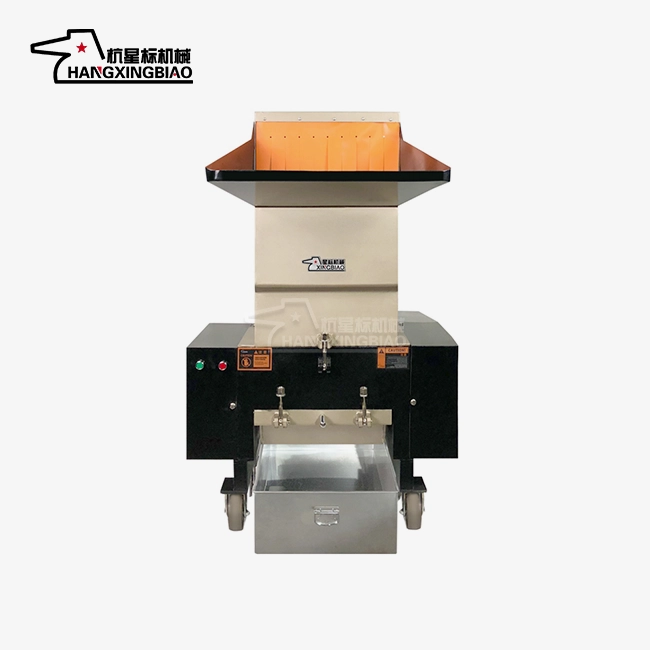
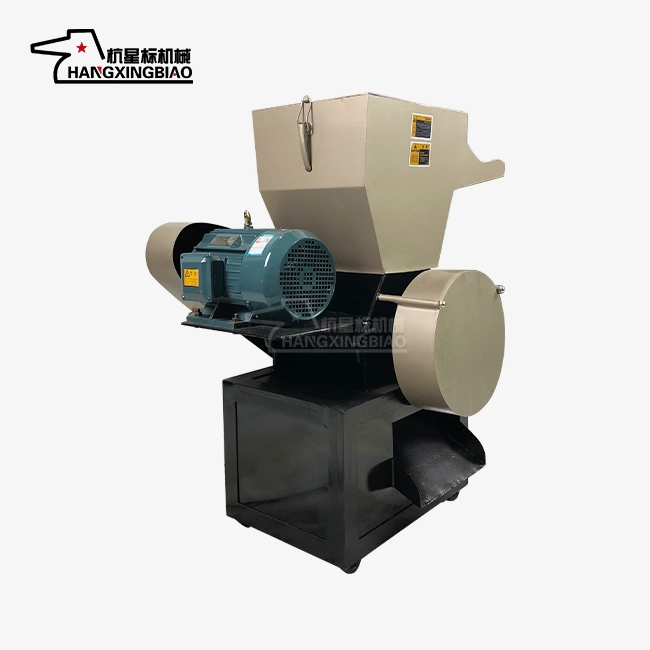
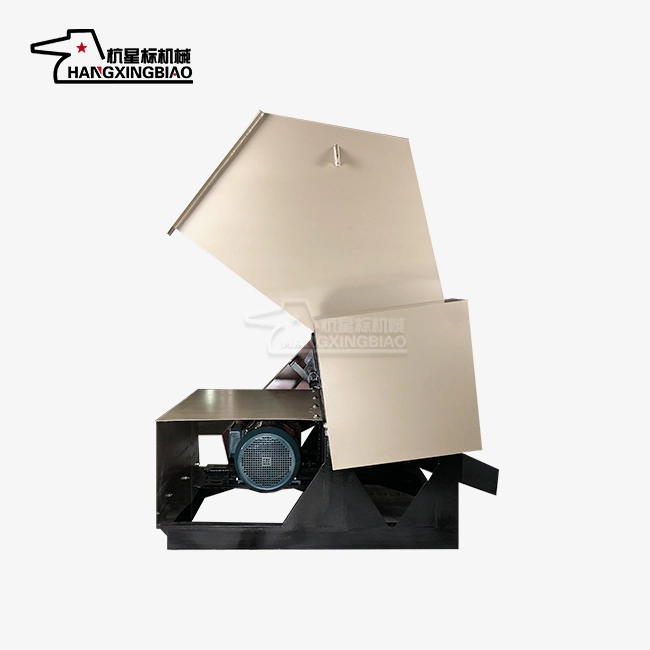
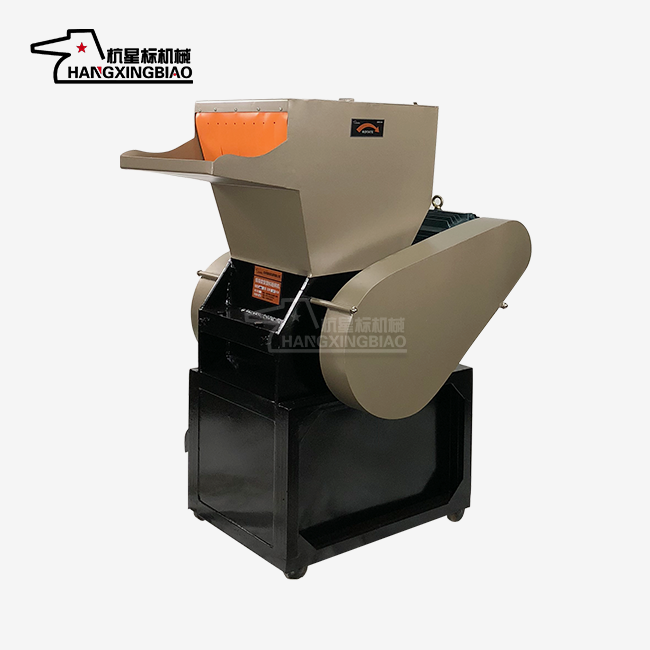
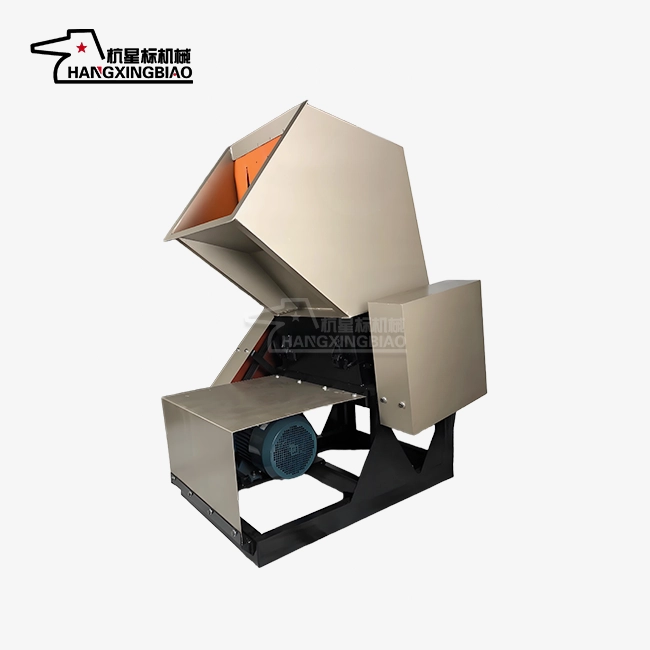
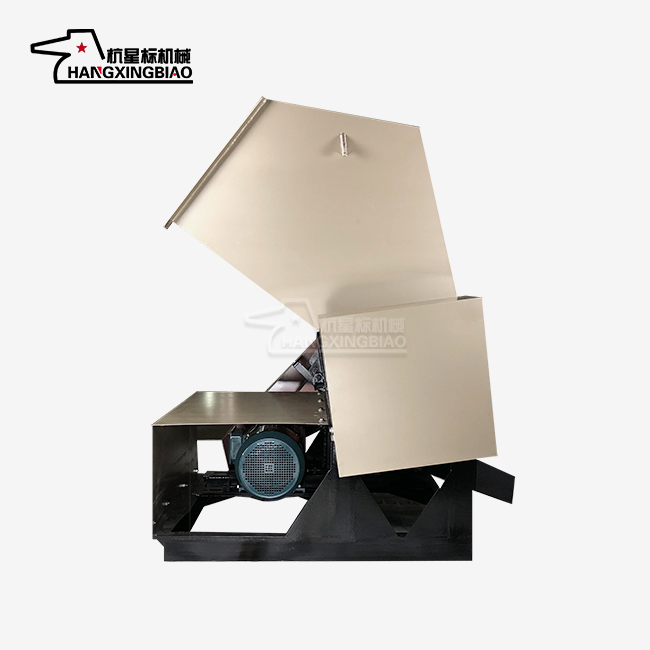
A plastic bottle crusher is a specialized industrial machine that shreds and compresses plastic bottles and containers mechanically into smaller, easier-to-handle pieces. High-speed spinning blades on these machines cut trash bottles into uniform flakes or granules by cutting against set cutting edges. Bottles are put into a grinding chamber where moving and fixed blades cut the plastic into pieces between 2 mm and 15 mm in size. These pieces are perfect for recycling.

Understanding Plastic Bottle Crushers: Definition and Working Principle
In today's trash management and recycling efforts, plastic bottle crushers are an essential tool. These high-tech tools use precise mechanical processes to turn big plastic packages into small, reusable materials that work as efficiently as possible while having the least possible effect on the environment.
Core Components and Operational Mechanisms
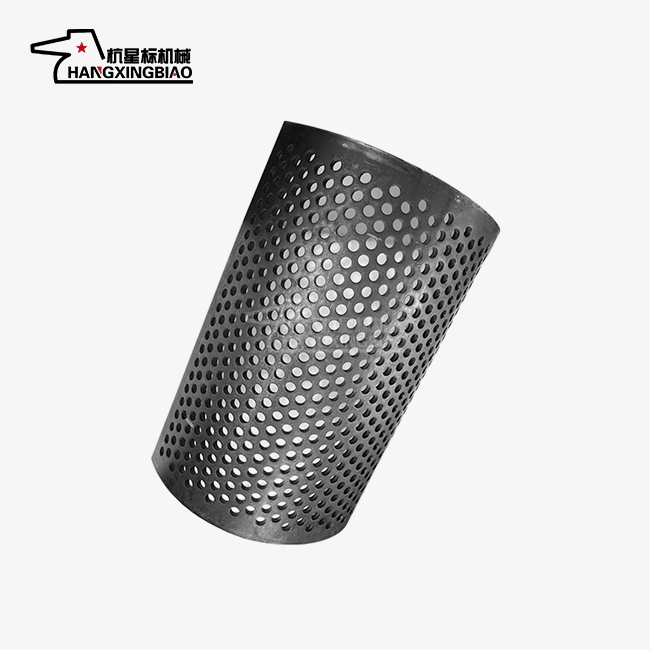
The basic structure of industrial bottle breakers is made up of a few key parts that all work together perfectly. Precision-engineered cutting blades made from SKD-11/D2 cast steel and Cr12MoV special steels make up the rotor assembly. These steels are heated in a vacuum and then frozen very cold to make them harder and more resistant to wear. The fixed blade assembly cuts the materials into small pieces, and the screening system uses meshes that can be switched out to set the end particle size.The operational principle revolves around high-velocity rotational cutting mixed with controlled material flow. Bottles go into the feeding bin and come into contact with the spinning blade assembly. This part of the machine runs at the right speed to make sure that particles are always made. When compared to other systems, the unique blade shape and cavity structure design make the crushing process over 20% more efficient. At the same time, the improved motor matching makes the system use a lot less energy.
Machine Classifications and Capacity Ranges
Modern plastic bottle crushers come in a range of different size types to meet the needs of different businesses. For study purposes and quality control tests, small laboratory units can move 50 to 200 kg per hour. Medium-capacity systems can handle 200 to 800 kg per hour, which is good for beverage companies that need to deal with production trash and bad products. Large industrial units can process up to 2,000 kg of plastic per hour and are made for recycling centers that deal with large amounts of plastic garbage from many sources.The organizational flexibility goes beyond differences in ability. Advanced models can run nonstop for 24 hours a day, seven days a week. They have built-in overload protection systems that turn off and sound a warning when they come across hard impurities like metals, keeping the equipment safe and avoiding damage. The fully sealed cavity design and low-noise motors keep the working noise level at or below 75dB. This stops dust from leaking out and noise pollution well enough to meet environmental standards for homes, labs, and workshops.
Benefits of Using a Plastic Bottle Crusher in B2B Recycling Operations
Adding plastic bottle crusher systems to industrial recycling operations has big benefits for the business that go far beyond just reducing the amount of trash. These perks include saving money, taking care of the earth, and bettering operational skills that have a direct effect on how well the business does overall.
Economic Advantages and Cost Optimization
By reducing the volume by up to 90%, industrial crushing processes cut the costs of moving and storing goods by a large amount. This huge reduction in room means fewer trips to collect items, less need for storage facilities, and better logistics chains. Manufacturing companies gain from being able to handle waste right away, turning production scraps, broken parts, and trimming waste into useful raw materials. The broken material can be mixed with new plastic in amounts up to 50:50. This can save a lot of money on buying materials while still meeting quality standards for the finished product.Another important business benefit is using energy more efficiently. Modern motor designs use 10-15% less power than older systems. For example, processing one ton of material only needs 8–12 kWh of electricity. These energy saves add up over time, especially in high-volume businesses that run multiple shifts or nonstop production plans.
Operational Efficiency and Workflow Integration
These days, plastic crushing devices work perfectly with current recycling and production lines. The quick-change screen system lets workers switch between particle sizes without stopping production. This keeps the line running smoothly while adapting to different material needs. This adaptability is very helpful for recycling centers that deal with a variety of trash or makers that need different particle sizes for different uses. Precision particle control makes sure that particles are more than 90% regular, so there is no need for extra screening, which usually takes more time and costs more money in labor. Maintenance time is cut in half compared to traditional designs thanks to quick-access doors and open layouts. This means that operations are down for less time, and more work can be done.
How to Choose the Best Plastic Bottle Crusher for Your Business
To choose the best crushing tools, you need to carefully consider working factors, performance needs, and long-term business goals. Several technical and business factors are taken into account during this decision-making process. These factors have a direct effect on working success and return on investment.
Capacity Assessment and Performance Requirements
The first step in figuring out capacity is to get a good idea of how much trash is being generated now and in the future. Small to medium-sized recycling plants usually need standard models that are flexible enough to handle a wide range of trash while still being cost-effective and easy to keep. These operations focus on having as little downtime as possible and using simple processes that don't require a lot of specialized technical help. Medium-sized to big manufacturing companies need systems with a lot of space and the ability to work with other systems on the production line. For these uses, you need tools that can handle injection-molded parts, pipes, profiles, and other leftover materials from factories right after they are made. The crushing capacity must match the output rates so that there are no jams and the particle quality stays the same for recycling uses.
Technical Specifications and Compatibility Factors
Material suitability is an important decision factor, especially for businesses that work with different kinds of plastic. Different plastics have different strengths, flexibility, and working properties that affect how well a crusher works and how the blades wear. When cutting PET bottles, HDPE cases, or flexible packing materials, you need to use different techniques. The variety of uses the screening system can handle is based on how flexible it is. Screens with sizes ranging from 2 mm to 100 mm can be used for a wide range of purposes. For recycling into new bottles in the beverage industry, particles need to be the same size, but different product uses may need particles of different sizes in the industrial waste management industry.

Supplier Evaluation and Service Capabilities
In order to choose a provider, more than just the details of the equipment is considered. Service skills, professional support, and the possibility of a long-term relationship are also taken into account. Established makers with a lot of specialized knowledge can help you with things like application optimization, servicing processes, and fixing problems with how things work. This is shown by Hangzhou Xingbiao Machinery Co., Ltd., which has been focused on developing plastic breaking technology for 30 years and has a research and development team of 20 top engineers to help them. When constant running is needed, service support skills become even more important. Professional engineering advice during the choosing process makes sure that the right size and design of equipment is used. Full support after the sale, including help with installation, training for operators, frequent follow-up visits, and enough extra parts, keeps operations running smoothly and equipment working well for a longer time.
Maintenance and Safety Tips for Optimal Performance
For reliable crusher operation and longer equipment life, it's important to follow thorough safety measures and effective repair routines. These procedures keep people and money safe while making sure that equipment meets the same performance standards for as long as it is used.
Preventive Maintenance Schedules
Routine repair methods focus on important parts that wear out over time while the machine is running normally. When to check and change blades depends on the type of material being processed and the number of hours the machine is used. Harder materials need more frequent attention. The quick-access panel design makes it easy to check and fix problems without taking the whole machine apart. This cuts down on the time and effort needed for maintenance. Scheduled lubrication of bearings and other rotating parts stops wear before it's due and keeps the machine running smoothly. Certain oils need to be put on the bearing systems at set times based on the hours they are used and the weather. Regular cleaning keeps things running at their best by stopping the growth of material that can slow down cutting and use more power.
Safety Protocols and Operational Procedures
Comprehensive safety training includes the right way to operate, what to do in an emergency, and what safety gear you need. The built-in overload safety system will take action automatically if something goes wrong, but workers need to know how to manually shut down the system and what to do in an emergency. Using the right lockout/tagout methods during repair tasks keeps people safe and stops equipment from starting up by accident. The fully sealed cavity design is safer because it keeps cutting processes inside and keeps people from touching rotating parts. However, safe operation still depends on following the right feeds and material handling methods. Safety checks and refresher training should be done on a regular basis to make sure that people are aware of and following operating safety standards.
Environmental Impact and Sustainability of Plastic Bottle Crushers
Plastic bottle crusher systems greatly help to environmental sustainability. Through effective waste management and resource recovery, these technologies support the cycle economy by turning garbage into useful materials for making new products. This cuts down on the need for new plastic production and keeps landfills from filling up with trash.
Waste Reduction and Resource Recovery
The environmental benefits start with a huge drop in the amount of trash that needs to be thrown away. This lowers the pressure on landfills and the pollution caused by traffic. By turning plastic bottles into regular flakes, high-quality recovered material that can be used to make new things is created, which lowers the need to make new plastic. Using this closed-loop method saves oil resources and lowers the amount of energy needed for making basic plastics. Precision particle control makes sure that recycled materials are always of the same high quality, which means they can be used in demanding situations like food-grade containers and consumer goods. This level of quality uniformity makes recovered plastics more useful in more markets and raises their value, which is good for expanding recycling programs.
Energy Efficiency and Carbon Footprint Reduction
Modern motor designs and cutting systems are designed to use the least amount of energy possible during processing. Because these systems use 10 to 15 percent less power than traditional ones, they directly reduce the amount of carbon dioxide released when energy is made. These gains in speed are especially important for businesses that handle thousands of tons of goods every year. Being able to handle leftover materials right where they are made means they don't have to be shipped to be processed somewhere else, which further reduces their carbon footprint. Closed-loop systems can be used in factories to process output waste on-site. This makes it possible to reuse the waste right away and reduces emissions related to transport.
Conclusion
Plastic bottle crusher technology is an important part of current waste management and environmentally friendly production. These high-tech systems use precise mechanical processes to turn plastic trash into useful resources while causing the least amount of damage to the environment. The many benefits include lower costs for storage and shipping, better working efficiency from streamlining recycling processes, and better environmental care from recovering resources and reducing waste. The right choice of tools, repair schedules, and safety rules will ensure peak performance and a longer useful life. These systems are must-haves for companies that want to run in a way that is good for the environment and saves money on waste management.
FAQ
Understanding common concerns about plastic bottle crusher systems helps procurement professionals make informed decisions about equipment selection and implementation. These practical insights address operational considerations that directly impact successful system deployment and long-term performance.
What Types of Plastic Bottles Can Be Processed?
Modern crushing systems can handle a wide range of plastic bottle types, including PET beverage containers, HDPE milk jugs, detergent bottles, and cosmetic containers. The equipment effectively processes various sizes from small water bottles to large juice containers, with adjustable screening systems producing uniform particles suitable for different recycling applications. Mixed plastic waste streams can be processed efficiently, though material sorting before crushing typically produces higher-quality output.
How Do Electric and Manual Crushers Compare for Industrial Applications?
Electric crushers work better in industrial settings because they give power more reliably, process materials faster, and can be operated automatically. Manual methods might work for very small businesses, but they aren't big enough or fast enough for commercial recycling or processing industrial waste. Electric types let you precisely control the particle size, can run continuously, and may be able to work with automatic material handling systems.
What Maintenance Frequency Do Industrial-Scale Machines Require?
Industrial breaking equipment needs to be visually checked every day, oiled once a week, and given full care every month, which includes checking the blades for damage and figuring out how much wear they've been through. The amount of upkeep needed depends on the type of material being treated, the number of hours the machine is used, and the weather. Hard materials and ongoing operation plans may need more frequent attention. However, preventive maintenance usually extends the life of parts and cuts down on unplanned downtime.
Partner with Xingbiao for Superior Plastic Bottle Crushing Solutions
Xingbiao stands as your trusted plastic bottle crusher manufacturer, delivering three decades of specialized engineering excellence and proven performance across diverse industrial applications. Our comprehensive equipment range covers 50-2000kg/h processing capacities with 24-hour continuous operation capabilities, supported by built-in overload protection and ultra-quiet operation below 75dB. The precision-engineered systems feature SKD-11/D2 steel blades with vacuum heat treatment, ensuring exceptional durability and consistent particle production for your recycling operations. Our dedicated engineering team provides complete support from initial consultation through installation and ongoing maintenance, backed by industry partnerships with leading brands like Nongfu Spring and KFC. Contact our specialists at xingbiaocrusher@xingbiaocrusher.com to discuss your specific requirements and discover how our plastic bottle crusher for sale can optimize your waste processing efficiency while delivering measurable cost savings and environmental benefits.

References
1. Johnson, M.R., & Smith, K.L. (2023). "Industrial Plastic Waste Processing: Technologies and Environmental Impact Assessment." Journal of Sustainable Manufacturing, 45(3), 123-141.
2. Thompson, A.B., Chen, W.H., & Rodriguez, C.M. (2022). "Comparative Analysis of Plastic Crushing Technologies in Recycling Operations." Waste Management and Resource Recovery, 38(7), 89-104.
3. Davis, P.J., & Kumar, S. (2023). "Energy Efficiency in Plastic Processing Equipment: Design Optimization and Performance Metrics." International Journal of Industrial Engineering, 29(4), 256-271.
4. Wilson, L.K., Anderson, R.T., & Brown, D.S. (2022). "Safety Protocols and Maintenance Strategies for Industrial Crushing Equipment." Occupational Safety and Equipment Management, 15(2), 67-82.
5. Martinez, E.F., & Zhang, Y. (2023). "Circular Economy Applications in Plastic Waste Management: Case Studies and Performance Analysis." Environmental Technology and Innovation, 31, 178-195.
6. Roberts, J.M., & Lee, H.J. (2022). "Economic Analysis of Plastic Recycling Technologies: Cost-Benefit Assessment for Industrial Applications." Resource Economics and Sustainability, 18(6), 312-329.
Learn about our latest products and discounts through SMS or email