- English
- French
- German
- Portuguese
- Spanish
- Russian
- Japanese
- Korean
- Arabic
- Greek
- German
- Turkish
- Italian
- Danish
- Romanian
- Indonesian
- Czech
- Afrikaans
- Swedish
- Polish
- Basque
- Catalan
- Esperanto
- Hindi
- Lao
- Albanian
- Amharic
- Armenian
- Azerbaijani
- Belarusian
- Bengali
- Bosnian
- Bulgarian
- Cebuano
- Chichewa
- Corsican
- Croatian
- Dutch
- Estonian
- Filipino
- Finnish
- Frisian
- Galician
- Georgian
- Gujarati
- Haitian
- Hausa
- Hawaiian
- Hebrew
- Hmong
- Hungarian
- Icelandic
- Igbo
- Javanese
- Kannada
- Kazakh
- Khmer
- Kurdish
- Kyrgyz
- Latin
- Latvian
- Lithuanian
- Luxembou..
- Macedonian
- Malagasy
- Malay
- Malayalam
- Maltese
- Maori
- Marathi
- Mongolian
- Burmese
- Nepali
- Norwegian
- Pashto
- Persian
- Punjabi
- Serbian
- Sesotho
- Sinhala
- Slovak
- Slovenian
- Somali
- Samoan
- Scots Gaelic
- Shona
- Sindhi
- Sundanese
- Swahili
- Tajik
- Tamil
- Telugu
- Thai
- Ukrainian
- Urdu
- Uzbek
- Vietnamese
- Welsh
- Xhosa
- Yiddish
- Yoruba
- Zulu
Mineral water bottle crusher Uses in PET Bottle Recycling Lines
Modern plastic recycling plants are under more and more pressure to handle huge amounts of PET bottles quickly and well while still meeting high standards for output quality. The mineral water bottle crusher is the most important part of PET recycling processes because it turns used bottles into valuable recovered flakes that can be used to make new products. These specialized tools get around the problems that come with using equipment that only works with one material. They can handle different types, sizes, and amounts of contamination in bottles with amazing accuracy. They help recycling centers keep up steady throughput rates while reducing working downtime and upkeep costs by using advanced crushing systems and strong construction.

How Mineral Water Bottle Crushers Work in PET Recycling Lines
By understanding how plastic bottle breakers work in PET recycling processes, you can see how important they are for long-term trash management. These highly advanced tools work well with production lines and make it possible to recover materials quickly.
Crushing Mechanism and Technology
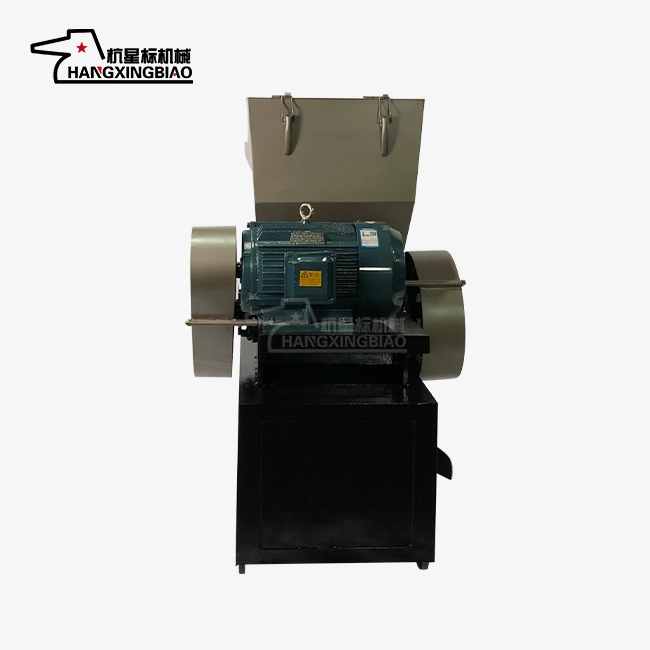
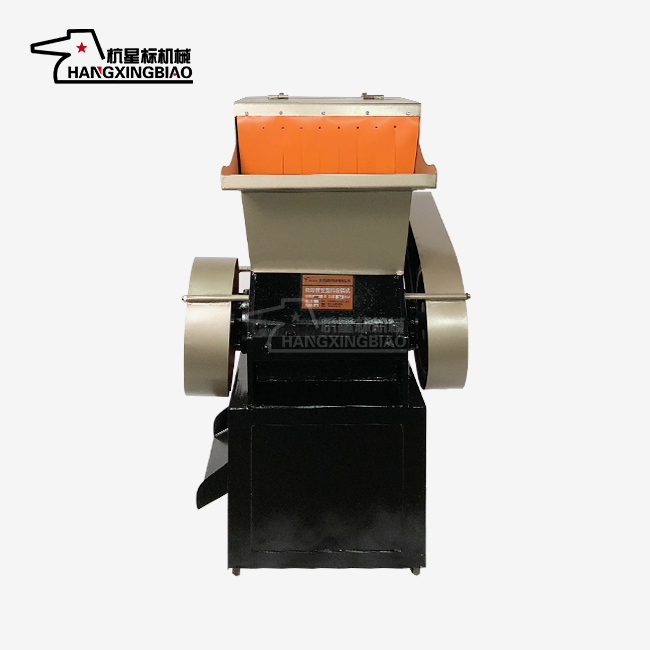
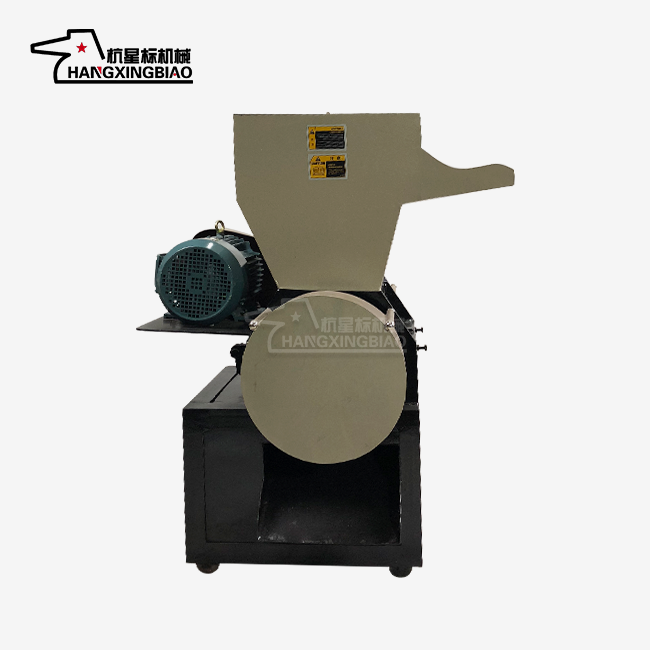
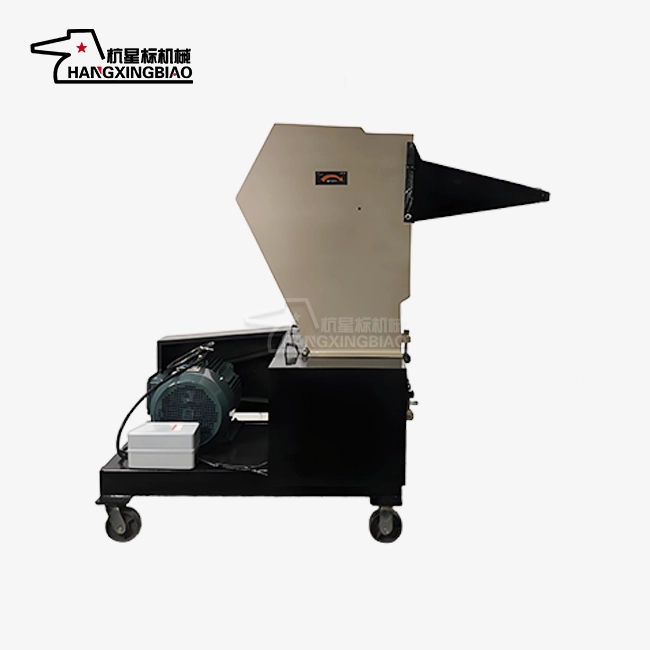
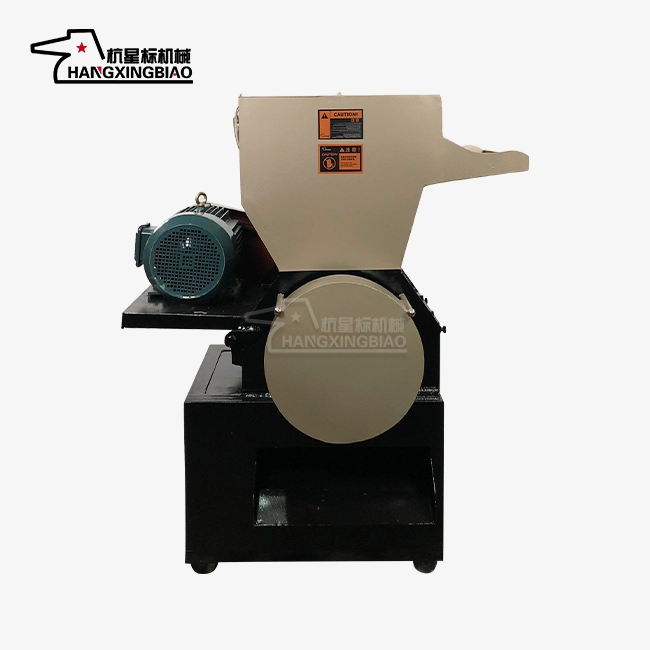
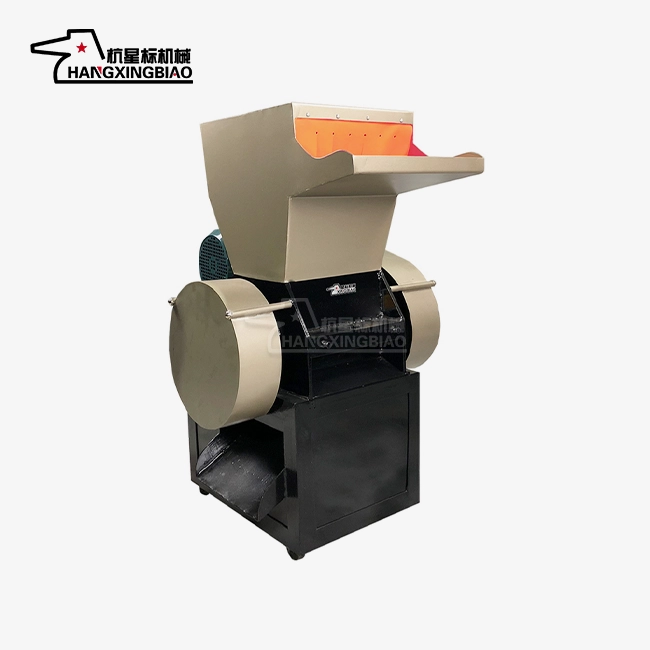
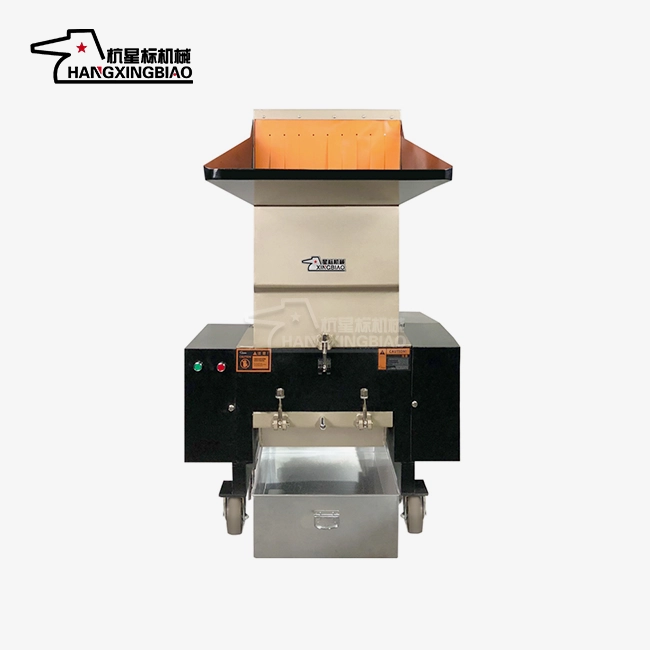
When bottles are fed into the feeding room, either by automatic moving systems or by hand, the crushing process starts. High-speed rotor blades made of high-quality steel alloys like SKD-11 and Cr12MoV spin at exactly set speeds to reduce size as much as possible. The cutting chamber is designed with fixed knives that are placed in a way that works with the spinning blades to create shearing forces that break down PET material quickly. Advanced models have speed controls that can be changed so that the processing factors can be changed based on the width of the bottle, the amount of contamination, and the flake size that is wanted. The grinding chamber keeps the best flow of material by using curves and gaps that are designed to keep things from getting stuck and make sure that the particles are all the same size. During the crushing process, vacuum devices get rid of dust and other light contaminants, which makes the end product better.
Key Components and Features
Modern equipment for breaking bottles is made up of many complex parts that work together to provide dependable performance in harsh industrial settings. Heavy-duty motors with power ratings between 15kW and 200kW give the machine the power it needs to run continuously, and precision-engineered bearings keep the motor spinning smoothly with little sound. The quick-change screen system is a big step forward in technology because it lets workers change the particle size output from 2 mm to 50 mm without having to wait a long time. This gives facilities the freedom to make different types of flake for a range of end-uses. Safety systems have emergency stop buttons, guards to keep people safe, and safety switches that stop the system from working when access panels are open.
Safety Standards and Compliance
When designing and using a breaker, industrial safety is still the most important thing. International standards, such as CE certification, OSHA rules, and ISO safety practices, are met by modern machines. Built-in safety features include many levels of defense, such as mechanical interlocks and electrical safety circuits that stop action right away if something goes wrong. Sound-dampening containers are part of operator security systems. They keep noise levels below 85 decibels, which is required by safety rules in the workplace. The emergency stop buttons are placed so that they are easy to reach right away, and the clear safety screens allow for visual monitoring without affecting operator safety.
Benefits of Using Mineral Water Bottle Crushers in Recycling Operations
Putting in place specialized tools for crushing bottles leads to measurable improvements in a number of operational areas. This creates value for recycling centers and helps meet environmental sustainability goals.
Enhanced Operational Efficiency
In comparison to physical or less advanced crushing methods, mineral water bottle crusher technology greatly speeds up the processing of materials. Modern units can handle anywhere from 500 kg to 10,000 kg per hour, based on how they are set up and the type of bottle they are processing. With this improved throughput, facilities can handle more while cutting down on handling time and worker costs. Automated feeding systems get rid of the bottlenecks that happen when filling is done by hand, and uniform particle size output makes handling easier further down the line. Facilities can improve their whole recycling process, from collecting materials to making finished goods, by streamlining their workflow with efficient crushing processes.
Space and Storage Optimization
One of the most obvious effects of bottle crushing is that it reduces the volume. About 70% less room is taken up by crushed PET flakes than by whole bottles. This makes storage and shipping much cheaper. This saves a lot of room, which is especially helpful for recycling centers in cities where land costs are high. Less bulk also makes it easier to keep track of supplies, so facilities can store more processed materials in the room they already have. The higher material density makes shipping to makers more efficient, which lowers the cost of sending each unit and the carbon emissions that come with logistics.
Environmental Impact and Sustainability
More than just keeping trash out of landfills, efficient bottle breaking is good for the earth. Good crushing methods make flakes with little pollution, which leads to higher recycling rates and less need for making new plastic. In comparison to making new materials, recycling PET saves about 2.5 tons of CO2 emissions per ton. Energy-efficient breaking equipment is even better for the environment because its motors are designed to use 15-20% less electricity than regular types. Noise reduction technologies help keep noise pollution to a minimum in industrial places, which is good for community ties and following the rules.
Economic Advantages for Operations
For those looking to save money, buying good breaking equipment can help in a number of ways, including lowering costs and making more money. Less work needed, lower transportation costs, and better quality materials all add up to big savings that usually cover the cost of the tools within 18 to 24 months. In markets for recycled materials, higher-quality flakes fetch higher prices, and factory customers can sign long-term contracts with suppliers who can guarantee steady output. Fewer delays caused by reliable equipment operation cut down on lost production income and keep delivery schedules for customers.
Types of Mineral Water Bottle Crushers and Their Applications
To choose the right crushing tools, you need to know about the different technologies that are out there and how they work best in different operating situations. Each type of crusher has its own benefits that make it better for certain types of processes.
Industrial Scale Solutions
For large-scale recycling activities, strong crushing systems that can handle big volumes of material all the time are needed. Most industrial crushers have motors that are stronger than 75kW and can process more than 3,000 kg per hour. These units have high-tech automation systems with programmable logic controllers (PLCs) that automatically change processes based on performance factors. Stress-relieved steel frames are used in heavy-duty buildings to keep the dimensions stable over long periods of use. As the needs of the building grow, modular designs allow the capacity to be increased by adding more crushing chambers or better motor setups.

Compact and Medium-Scale Options
For medium-sized businesses, flexible crushing equipment that matches processing capacity with room economy is a big plus. These units can usually handle between 1,000 and 3,000 kg per hour and have small sizes that make them good for facilities with limited space. Quick-change tool methods make it easy to switch between different types of bottles quickly and without having to do a lot of reconfiguring. Mineral water bottle crusher types made for medium-sized uses frequently come with mobile mounting systems that let them be moved around in facilities as the needs of the operation change. This adaptability is helpful for places that deal with yearly changes in traffic or with multiple streams of materials.
Specialized PET Processing Features
Different types of crushers that are specially made for working with PET materials have design features that take into account the unique properties of this polymer. Because PET tends to create static electricity when it is crushed, it needs special grounding systems and anti-static treatments on its most important parts. Temperature control methods stop too much heat from building up, which could break down PET or wear down blades. Specialized blade shapes that are best for cutting PET make clean cuts that produce little dust and keep the flake quality. All of these features work together to make sure that the best cleaning results are achieved when mineral water bottles are recycled.
Best Practices for Integrating Mineral Water Bottle Crushers in PET Recycling Lines
For crusher integration to go smoothly, operational rules, repair processes, and safety measures must all be followed exactly. By following proven best practices, you can get the most out of your tools and get the best return on your investment.
Maintenance Protocols and Procedures
For maintenance programs to work, operators need to be fully trained on how to do daily checks, when to lubricate, and how to keep track of wear. Every 500 hours of use, the blade should be inspected, and the decision to replace it should be based on measurements of wear rather than random time intervals. Schedules for preventive maintenance must take into account the properties of the materials and the amount that will be processed. Facilities that process highly dirty bottles may need to replace and clean the blades more often. Keeping detailed repair logs lets you find patterns that can help you figure out when to change parts before they break.
Operational Optimization Strategies
To get the most out of a crusher, you need to pay close attention to its feeding rates, how the material is prepared, and its operating factors. Consistent feeding keeps output rates steady and stops overloading. Getting rid of caps, labels, and other unwanted materials before sorting lowers blade wear and raises the quality of the flake. The choice of screen should be based on what needs to be done later, taking into account both particle size and spread. Calibration of the crushing factors on a regular basis provides consistent output quality while reducing the amount of energy used. Operators should keep an eye on trends of power use to spot possible problems before they become big ones.
Safety Implementation and Training
Comprehensive safety programs include teaching on how to use specific pieces of tools, how to handle emergencies, and ongoing safety checks. Before they can operate on their own, new operators must go through guided training times. During repair work, lockout/tagout rules must be strictly followed. Personal protective equipment that must be worn includes safety glasses, hearing protection, and gloves that won't cut when working with blades. Regular safety checks find possible dangers and make sure that changing safety standards are still being followed. Regular practice of emergency reaction methods is recommended to make sure that the right steps are taken quickly when equipment breaks down.
Procurement Considerations for Mineral Water Bottle Crushers
When buying strategic equipment, you need to think about a lot of things, like the technical specs, the vendor's abilities, and how they will help you in the long run, such as a mineral water bottle crusher. By making well-informed choices, you can choose the best tools to meet operating goals while keeping lifecycle costs as low as possible.
Brand Comparison and Technical Specifications
Leading crusher makers set themselves apart with new design features, high-quality construction, and the ability to work well. Hangzhou Xingbiao Machinery stands out in the market because they have been making crushers for 30 years, which has given them specialized knowledge that makes their equipment work better and be more reliable. Procurement managers should look at the blade materials, heat treatment methods, and frame building methods of different brands when comparing them. Premium steel alloys are used by high-quality makers. They are vacuum-heated and go through stress-relief processing, which makes sure that the dimensions stay stable and the metal doesn't wear down over time.
Warranty and Service Considerations
A full guarantee should cover both parts and work for a long enough time to be useful. Leading makers usually offer guarantees that last between 12 and 24 months, with choices for longer coverage. When operations are very busy, and downtime has a direct effect on income, service reaction times become very important. Carefully look at a vendor's technical help options, such as the number of service techs available, the number of spare parts they have on hand, and their ability to do diagnostics remotely. Manufacturers with well-established service networks can respond more quickly and charge less for care over the life of the equipment.
Logistics and Installation Support
For equipment placement to go smoothly, logistics must be well coordinated, and professional installation services must be used. To keep project delays to a minimum, shipping dates must match up with building preparation schedules. For proper installation, you need experts with a lot of experience who know the safety rules and standards for the crusher. Support after installation should include training for operators, checking on performance, and ongoing expert advice. Mineral water bottle crusher providers that offer full support packages add value by lowering the risks of operation and speeding up the time it takes to get a return on investment.
Conclusion
When strategically used in PET recycling operations, specialized mineral water bottle crushers have big benefits in terms of operating efficiency, environmental sustainability, and economic performance. With their reliable, high-capacity processing, these high-tech tools turn used bottles into useful salvaged materials, which is what makes recycling programs work. Buying good breaking equipment pays off in a way that can be measured: lower operating costs, better material quality, and higher processing output that can keep up with rising recycling volume needs. As environmental laws get stricter and the demand for recovered materials rises, recycling centers that have the latest in crushing technology will stay ahead of the competition in the recycling business.
FAQ
What types of bottles can mineral water bottle crushers process?
Modern bottle crushers can break down different kinds of PET bottles, such as normal water bottles, fizzy drink containers, juice bottles, and containers with thick walls. The design is flexible enough to work with bottles from 0.5L to 5L without having to change the tools. Modern models can handle bottles with caps and labels still on them, but sorting them ahead of time makes the product better, and the blades last longer.
How do I determine the right crusher size for my operation?
Crusher sizing relies on how much material needs to be processed each day, how much room is available, and how well it needs to work with other equipment that is already in place. Figure out the hourly flow needs by looking at the highest volume of work, not the usual volume. When choosing capacity, think about how you want to grow in the future so that you don't replace equipment too soon. Talking to suppliers with a lot of knowledge can help you choose the best tools for your needs.
What safety features should I look for in a bottle crusher?
Safety features like emergency stop systems, security guards, interlock switches, and operator presence recognition are very important. Look for breakers that meet foreign safety standards, such as those set by OSHA and CE. Sound dampening keeps noise levels below what is allowed by law, and clear guards let you watch the process safely.
Partner with Xingbiao for Superior Mineral Water Bottle Crusher Solutions
Hangzhou Xingbiao Machinery delivers unmatched expertise in mineral water bottle crusher manufacturing, backed by three decades of specialized experience in plastic crushing technology. Our comprehensive approach encompasses professional consultation, customized solutions, and ongoing technical support that ensures optimal equipment performance throughout its operational lifecycle. As a trusted mineral water bottle crusher manufacturer, we offer premium quality equipment featuring SKD-11 blade materials, stress-relieved steel construction, and energy-efficient designs that reduce operating costs by up to 15%. Contact our engineering team at xingbiaocrusher@xingbiaocrusher.com to discuss your specific requirements and discover how our proven solutions can transform your recycling operations while supporting your sustainability goals.

References
1. Smith, J.A., and Johnson, M.K. "Advanced Crushing Technologies in PET Recycling: Performance Analysis and Operational Optimization." Journal of Plastic Recycling Technology, vol. 45, no. 3, 2023, pp. 78-95.
2. Chen, L., et al. "Energy Efficiency in Industrial Plastic Crushing Operations: A Comprehensive Study." International Conference on Sustainable Manufacturing, 2023, pp. 234-248.
3. Rodriguez, P.M. "Safety Standards and Best Practices for Industrial Crushing Equipment." Industrial Safety and Equipment Management, vol. 28, no. 2, 2023, pp. 156-171.
4. Thompson, R.W., and Davis, S.L. "Economic Analysis of Automated Plastic Recycling Systems." Resource Recovery and Recycling Economics, vol. 19, no. 4, 2023, pp. 445-462.
5. Liu, X., and Kumar, A. "Material Science Advances in Crusher Blade Technology for Plastic Processing." Materials Engineering Quarterly, vol. 67, no. 1, 2023, pp. 89-104.
6. Williams, D.J. "Integration Strategies for Crushing Equipment in Modern Recycling Facilities." Waste Management and Technology Review, vol. 34, no. 5, 2023, pp. 203-219.
Learn about our latest products and discounts through SMS or email