- English
- French
- German
- Portuguese
- Spanish
- Russian
- Japanese
- Korean
- Arabic
- Greek
- German
- Turkish
- Italian
- Danish
- Romanian
- Indonesian
- Czech
- Afrikaans
- Swedish
- Polish
- Basque
- Catalan
- Esperanto
- Hindi
- Lao
- Albanian
- Amharic
- Armenian
- Azerbaijani
- Belarusian
- Bengali
- Bosnian
- Bulgarian
- Cebuano
- Chichewa
- Corsican
- Croatian
- Dutch
- Estonian
- Filipino
- Finnish
- Frisian
- Galician
- Georgian
- Gujarati
- Haitian
- Hausa
- Hawaiian
- Hebrew
- Hmong
- Hungarian
- Icelandic
- Igbo
- Javanese
- Kannada
- Kazakh
- Khmer
- Kurdish
- Kyrgyz
- Latin
- Latvian
- Lithuanian
- Luxembou..
- Macedonian
- Malagasy
- Malay
- Malayalam
- Maltese
- Maori
- Marathi
- Mongolian
- Burmese
- Nepali
- Norwegian
- Pashto
- Persian
- Punjabi
- Serbian
- Sesotho
- Sinhala
- Slovak
- Slovenian
- Somali
- Samoan
- Scots Gaelic
- Shona
- Sindhi
- Sundanese
- Swahili
- Tajik
- Tamil
- Telugu
- Thai
- Ukrainian
- Urdu
- Uzbek
- Vietnamese
- Welsh
- Xhosa
- Yiddish
- Yoruba
- Zulu
Crusher Machine For Plastic Benefits For Waste Management
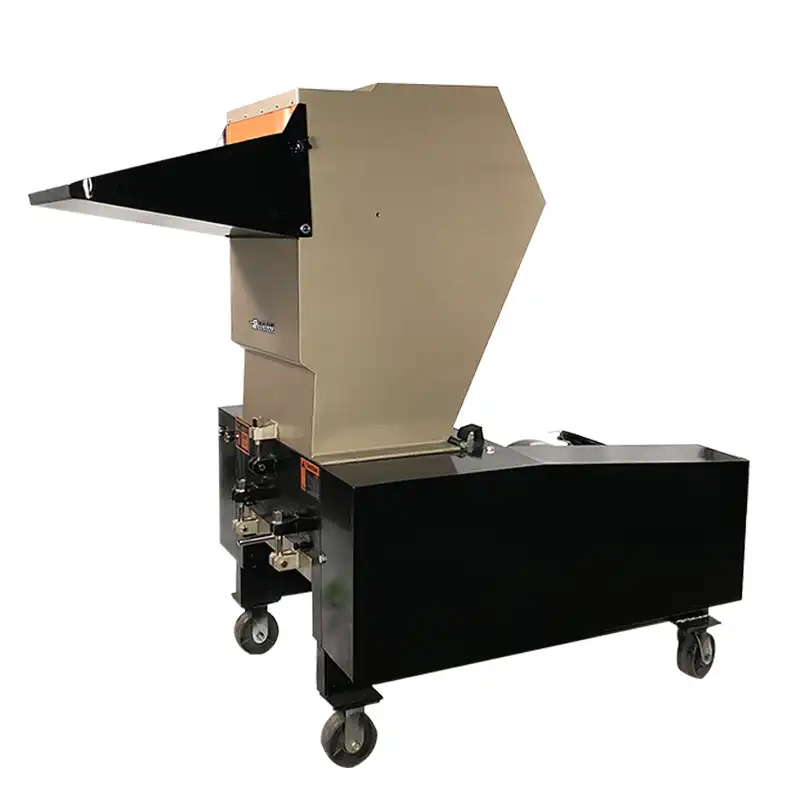
Modern manufacturing and recycling facilities face mounting pressure to implement effective waste management strategies that reduce environmental impact while maintaining operational efficiency. The key to efficiently handling plastic waste is a crusher machine for plastic, which turns big pieces of garbage into manageable, reusable feedstock. These specialized tools solve important problems like lowering the amount of waste, getting materials ready for further processing, and meeting total sustainability standards. Businesses can turn their trash into useful resources with the help of advanced plastic crushing technology. This supports the cycle economy while lowering the costs and damage to the environment.

Understanding Plastic Crusher Machines: How They Work and Their Core Benefits
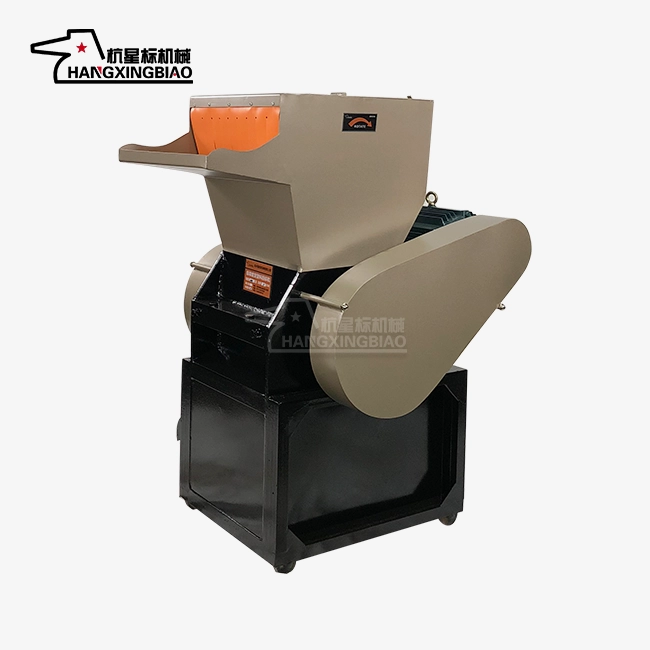
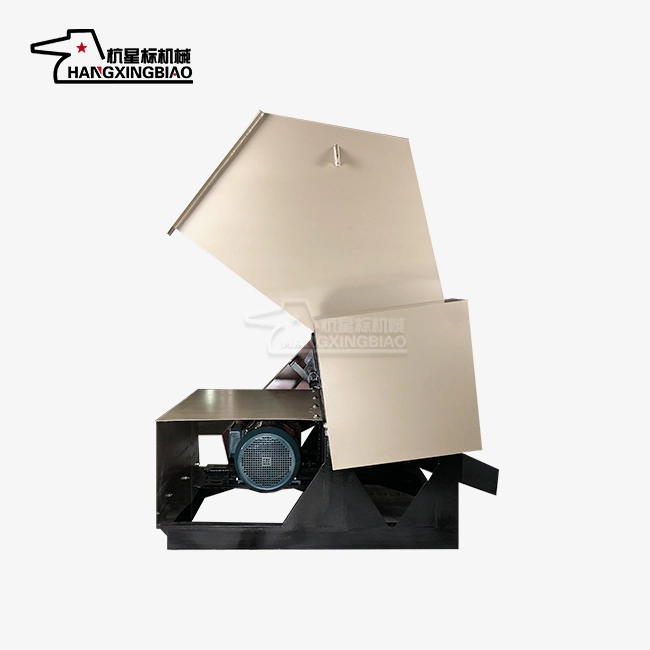
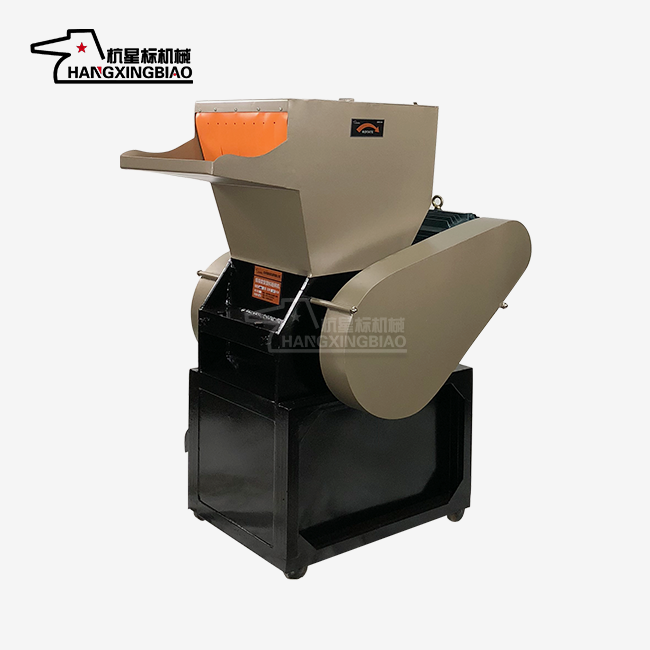
Plastic crushing technology uses a complex mechanical process to turn different types of plastic trash into uniform materials that can be used in other processes. For the main job, high-speed spinning blades cut, shear, and compress plastics against fixed blades in a strengthened crushing cavity that is strengthened. By using mechanical force, this process shrinks the material while keeping its shape in the plastic polymers.
Mechanical Operation Principles
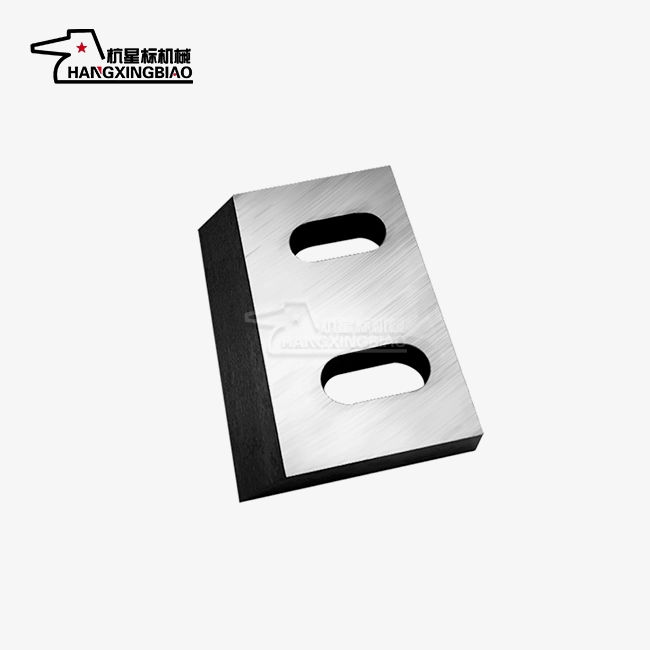
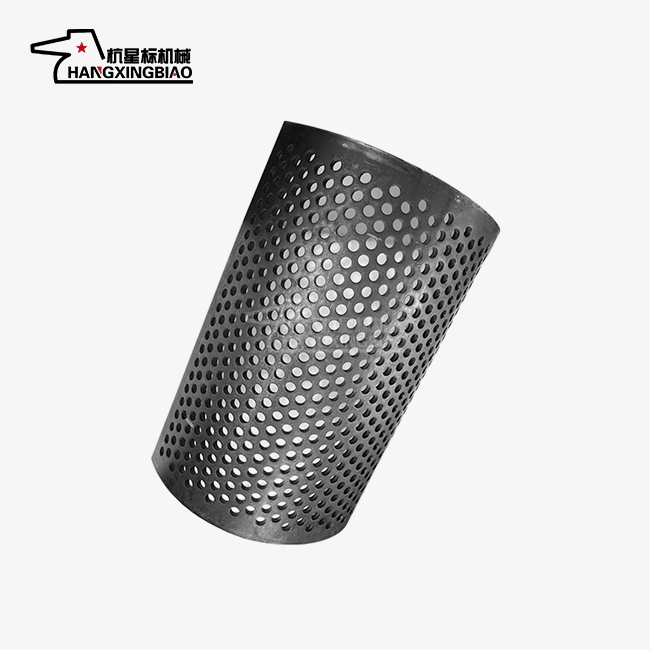
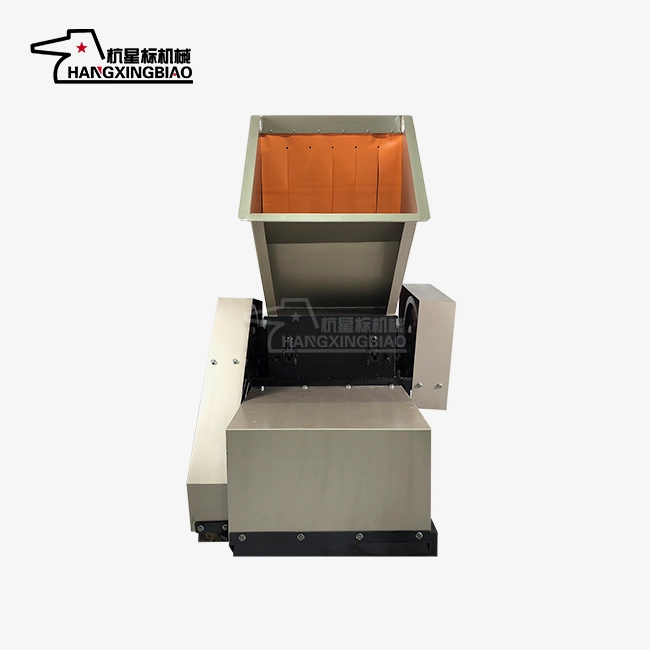
When plastic materials go into the feed bin and come into contact with the rotor assembly, which has precisely designed cutting blades, the crushing process starts. These blades are made from special steel types like SKD-11 and D2 tool steel. They keep their sharp cutting edges with advanced heat treatment methods. When spinning and fixed blade sets work together, they make a cutting action that is like scissors. This makes it easy to work with materials that range from thin films to thick-walled parts. The material that goes through the crushing chamber moves in a controlled way that is meant to cut as efficiently as possible while using as little energy as possible. The broken-down particles go through screens that can be moved to set the final particle size, which is usually between 2 and 100 mm, but can be different based on the needs of the application. This screening method makes sure that the quality of the output is always the same and gets rid of any bits that are too big to be processed further.
Core Operational Benefits
Using plastic crushing machinery has real benefits in several operating areas. The most obvious benefit is less volume, with normal compression rates saving 70–85% of room compared to waste that hasn't been treated. This huge reduction in size immediately leads to less space needed for storage, lower shipping costs, and more efficient handling of materials throughout the recycling process. The regular output from crushing improves later steps of processing by giving constant feedstock for granulating, extruding, or pelletizing. When material uniformity is more than 90%, extra screening steps are not needed. This cuts down on processing time and energy use overall. This uniformity is especially helpful for injection molding, where the quality of the result is directly affected by how uniform the materials are.
Types of Plastic Crusher Machines and Choosing the Right One for Your Needs
Because of the different types of plastic garbage and processing needs, different types of crushing tools have been made for different uses and operating scales. Because buying pros know about these differences, they can choose equipment that works best and costs the least.
Industrial-Scale Processing Solutions
Heavy-duty industrial models are the best at breaking down plastic because they can process up to 2,000 kg of plastic per hour and need to be run continuously 24 hours a day. These strong systems are made of strengthened steel and use stress-relieved bonding methods that keep the structure from deforming under long-term high loads. Overload safety devices stop processes immediately when metal contaminants or materials that are too hard threaten the integrity of the machinery. Large-diameter crushers are great for handling parts that are too big, like bumpers for cars, big containers, and sections of industrial pipes. These machines can handle inlet holes bigger than 1,200 mm, and they can keep precise control over particle size with screen systems that can be adjusted. Because they can handle a lot of materials and work well with a lot of different types, these units are perfect for recycling centers and big factories.
Mid-Range Production Equipment
Standard production units serve the needs of medium-scale operations requiring processing capacities between 200 and 1,000 kg/h. These tools can work in a variety of industrial settings because they are good at both performance and operational flexibility. The fully sealed cavity design and low-noise motors that run at ≤75dB make it possible to put it in workplaces without lowering safety or comfort standards. The quick-change screen structure makes it easy to switch between different particle size needs quickly, so there is less downtime when switching between products. This feature is especially helpful for job shops and custom makers that have to work with a lot of different types of materials and size requirements at the same time.
Compact Laboratory and Pilot Systems
Compact processing units address the needs of study centers, quality control labs, and small-batch production processes. Even though these systems are smaller than bigger industrial units, they still meet the same high standards for precise engineering and material quality. Mobile designs with universal wheel systems make it possible to move between work areas and change where they are placed as processing needs change. Processing speeds between 50 and 500 kg/h can handle preparing samples, developing new products, and making small batches of goods. These units are very useful for research and development because they can handle a wide range of materials, from Chinese herbal medicine that needs to be roughly crushed into 2–5 mm pieces to plastic samples that need to have their particles evenly spread out using a crusher machine for plastic.
Maintenance and Safety Guidelines for Optimal Plastic Crusher Machine Performance
For plastic breaking equipment to work well over time, it needs to be maintained in a way that makes it last longer and perform at the same level every time. Maintenance that is done the right way keeps equipment safe, cuts down on unexpected downtime, and lowers the cost of repairs.
Preventive Maintenance Protocols
Maintenance plans that work are built around dates for regular inspections. Once a week, you should look at the blade to see how it's doing and check for wear patterns, a sharp edge, and the right way to line it. Advanced blade materials used in high-quality crushers, such as vacuum-heated and cryogenically processed steels, last longer but need to be tracked to find the best time to replace them. Lubrication systems need to be taken care of according to the manufacturer's instructions. This usually means checking the bearings every month and changing the oil every three months. When working with products that will be used for food packaging, it may be necessary to use lubricants that are safe for food. Proper lubrication keeps bearings from breaking down too soon and saves energy by reducing friction losses.

Safety System Implementation
Full safety rules keep workers safe while keeping processes running smoothly. Fully sealed crushing rooms made of reinforced steel keep materials from flying out while still letting repair workers get to them. At the feed inlets, anti-rebound shields remove the chance of material projection during regular operation. When room doors open or safety guards are taken off, interlocking safety systems turn off the power instantly. These systems have two sets of safety circuits that keep them from starting up by chance while maintenance is being done. Setting up emergency stop systems in key places makes it possible to shut down right away in case of an operating problem. Personal protective equipment that must be worn includes safety glasses, hearing protection, and gloves that won't cut when working with blade parts. Regular safety training makes sure that workers know how to properly feed materials and spot possible dangers before they put safety or the quality of the equipment at risk.
Energy Efficiency and Environmental Impact of Plastic Crusher Machines
Modern crusher machines for plastic designs use cutting-edge energy management technologies to lower costs and promote environmental sustainability. By knowing about these efficient factors, you can choose equipment that meets both performance needs and long-term running costs.
Advanced Energy Management Features
Variable frequency drive systems make motors work better by matching the power output to the working loads. This technology cuts down on energy use when there isn't much to do, but it keeps up full power when working with thick or tough materials. Energy savings of 15–30% compared to fixed-speed systems lead to measurable cost savings over the life of the equipment. Optimized motor matching makes sure that power moves smoothly from the electrical input to the striking action. The right motor features, gear ratios, and blade designs are carefully chosen to get the best breaking results with the least amount of energy loss. When compared to standard designs, these design changes make the whole system more than 20% more efficient.
Environmental Impact Considerations
Processing activities that crush plastic help keep a lot of trash out of landfills. Crushing processes reduce the amount of garbage that needs to be moved, which makes transporting it to recycling centers more efficient and lowers the carbon emissions that come with moving waste. Recycling used plastics into new materials that can be used again supports the idea of a cycle economy by lowering the need to make new plastics. Controlling noise pollution with fully sealed hole designs and choosing the right motors makes installation possible in cities and neighborhoods without breaking community standards. Operating noise levels of ≤75dB meet safety standards in the workplace and allow for multi-shift activities without worrying about noise ordinances. Modern breaking equipment lasts longer, so it doesn't need to be replaced as often. This means that making and getting rid of the equipment has less of an impact on the environment. Because they are well-made with stress-relieved steel and high-quality blade materials, they will last decades instead of years.
Market Overview and Procurement Tips: Making the Right Investment
When buying strategic tools, you need to carefully consider a lot of things, such as the original investment, the running costs, the service support, and the expected long-term performance. The market for crusher machines for plastic offers a wide range of choices, from simple machines that can crush plastic to complex automated systems that can watch and control everything.
Technology Selection Considerations
The choice between crushing and shredding methods relies on the needs and output requirements of the application. Crushing is the best way to make regular particles that can be used in injection molding and extrusion. Shredding, on the other hand, may be better for tasks that need to reduce the size quickly without controlling the particles precisely. To avoid practical bottlenecks, processing capacity needs should be based on peak production demands instead of normal flow. Facilities that run multiple production shifts or act as central processing points for multiple trash streams need to be able to run continuously 24 hours a day.
Service and Support Infrastructure
Quality equipment sellers are different from basic suppliers because they offer full-service support. Getting help from a professional expert when choosing tools makes sure that it is the right size and shape for the job. Help with installation, training for operators, and regular follow-up visits stop common operating problems that hurt the performance of equipment. The supply of spare parts has a direct effect on the continuity of operations. This makes the supplier's inventory and transportation skills important decision factors. Suppliers that have been around for a while keep large stocks of spare parts and can quickly repair key parts when needed.
Conclusion
Implementing advanced plastic crushing technology represents a strategic investment in long-term garbage management that pays off in both practical and environmental terms. A modern crusher machine for plastic can turn trash into useful materials and help companies meet their green goals. These machines are reliable, efficient, and flexible. These systems are important parts of successful garbage management strategies because they are well-designed, use little energy, and have many safety features. Facilities of all kinds can get the most out of their investments and perform at their best with the help of professional advice and full-service plans for the equipment they buy.
FAQ
What maintenance frequency is recommended for optimal crusher performance?
Visual inspections should be done once a week, oil checks for bearings should be done once a month, and full service should be done every three months. When to change a blade varies depending on the material being worked on and the number of hours it has been used. In normal situations, it should be done every 6 to 18 months.
Can crusher machines handle mixed plastic waste streams effectively?
While material sorting improves processing efficiency and product quality, modern crusher machines for plastic models can handle mixed trash streams. Different types of plastic can be processed in the same operation cycle thanks to advanced blade designs and factors that can be changed.
What energy efficiency factors should buyers prioritize?
Key factors that affect productivity are the ability to use a variable frequency drive, the best way to match the motors, and the general design of the system. Most systems use between 15 and 25 kWh of energy per ton of material they process. High-end systems use less energy because they are better engineered.
How do safety systems protect operators during normal operations?
Fully sealed crushing rooms, interlocking power disconnects, emergency stop systems, and anti-rebound material guards are just a few of the safety features that come standard. These two sets of safety systems meet or go beyond the safety standards set by the international community for industrial breaking tools.
What capacity range best serves medium-scale recycling operations?
Medium-sized businesses can usually get by with processing speeds between 200 and 1,000 kg/h. This range gives enough throughput for most production settings while still allowing for operating freedom for a wide range of material types.
Partner with Xingbiao for Superior Plastic Crushing Solutions
It has been thirty years since Xingbiao developed the first crusher machine for plastic. This gives your garbage management activities unmatched performance. Our wide range of tools, from small 50 kg/h lab units to large 2,000 kg/h production systems, can handle any processing need and have been shown to be reliable and effective. Professional technical help, a promise to respond to customers 24 hours a day, and a full supply of spare parts make sure that your investment keeps working. Send an email to xingbiaocrusher@xingbiaocrusher.com to talk to our crusher machine for plastic supplier team about unique solutions that will help you reach your green goals and improve your recycling processes.
References
1. Thompson, R.K., "Advanced Plastic Recycling Technologies: Engineering Principles and Industrial Applications," Industrial Waste Management Review, 2023.
2. Chen, L. and Martinez, S., "Energy Efficiency in Plastic Processing Equipment: Comparative Analysis of Modern Crushing Systems," Journal of Sustainable Manufacturing, 2023.
3. Williams, D.R., "Safety Standards and Best Practices for Industrial Plastic Crushing Operations," Occupational Safety in Manufacturing, 2022.
4. Anderson, M.J., "Economic Analysis of Plastic Waste Processing Equipment: ROI and Operational Considerations," Recycling Economics Quarterly, 2023.
5. Zhang, H. et al., "Material Science Applications in Plastic Crusher Blade Design: Metallurgy and Performance Optimization," Materials Engineering Journal, 2022.
6. Rodriguez, P.L., "Environmental Impact Assessment of Plastic Crushing vs. Alternative Waste Processing Methods," Environmental Technology Review, 2023.
Learn about our latest products and discounts through SMS or email