- English
- French
- German
- Portuguese
- Spanish
- Russian
- Japanese
- Korean
- Arabic
- Greek
- German
- Turkish
- Italian
- Danish
- Romanian
- Indonesian
- Czech
- Afrikaans
- Swedish
- Polish
- Basque
- Catalan
- Esperanto
- Hindi
- Lao
- Albanian
- Amharic
- Armenian
- Azerbaijani
- Belarusian
- Bengali
- Bosnian
- Bulgarian
- Cebuano
- Chichewa
- Corsican
- Croatian
- Dutch
- Estonian
- Filipino
- Finnish
- Frisian
- Galician
- Georgian
- Gujarati
- Haitian
- Hausa
- Hawaiian
- Hebrew
- Hmong
- Hungarian
- Icelandic
- Igbo
- Javanese
- Kannada
- Kazakh
- Khmer
- Kurdish
- Kyrgyz
- Latin
- Latvian
- Lithuanian
- Luxembou..
- Macedonian
- Malagasy
- Malay
- Malayalam
- Maltese
- Maori
- Marathi
- Mongolian
- Burmese
- Nepali
- Norwegian
- Pashto
- Persian
- Punjabi
- Serbian
- Sesotho
- Sinhala
- Slovak
- Slovenian
- Somali
- Samoan
- Scots Gaelic
- Shona
- Sindhi
- Sundanese
- Swahili
- Tajik
- Tamil
- Telugu
- Thai
- Ukrainian
- Urdu
- Uzbek
- Vietnamese
- Welsh
- Xhosa
- Yiddish
- Yoruba
- Zulu
Big plastic crusher machine vs Secondary Crusher: Key Facts
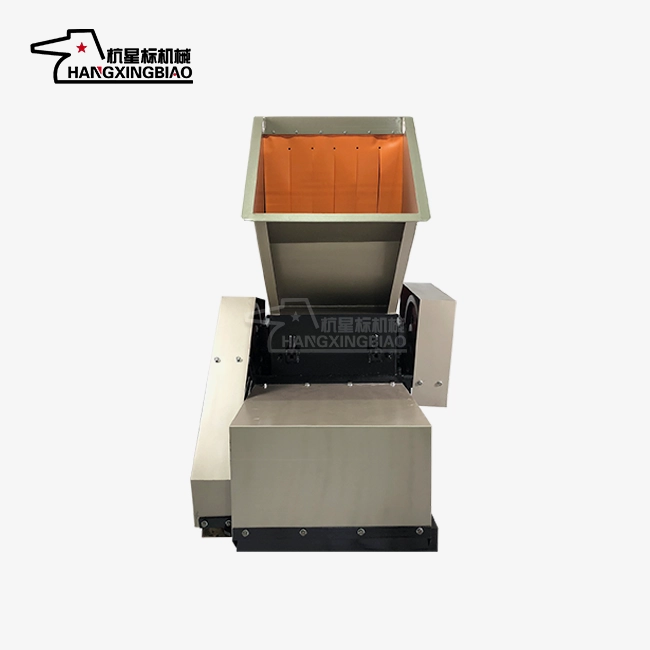
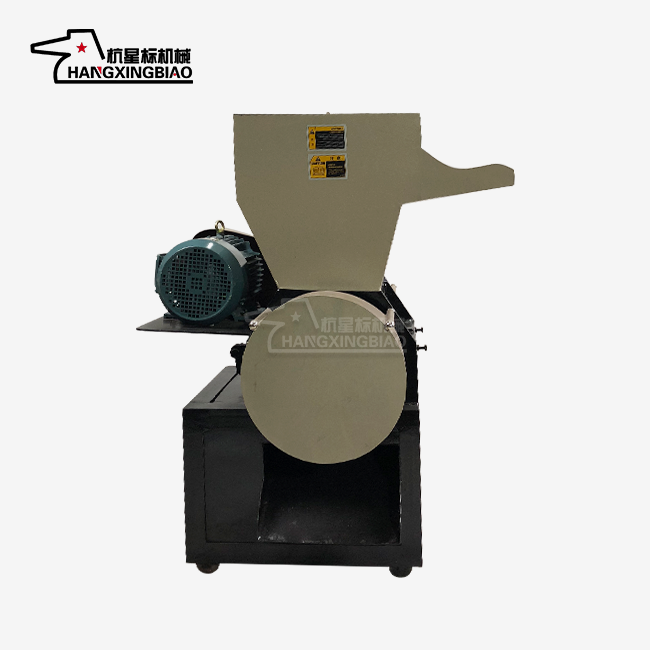
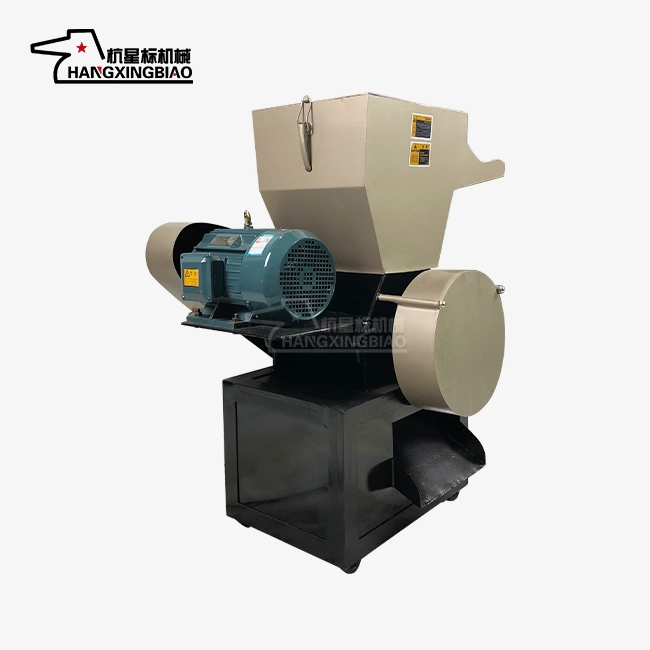
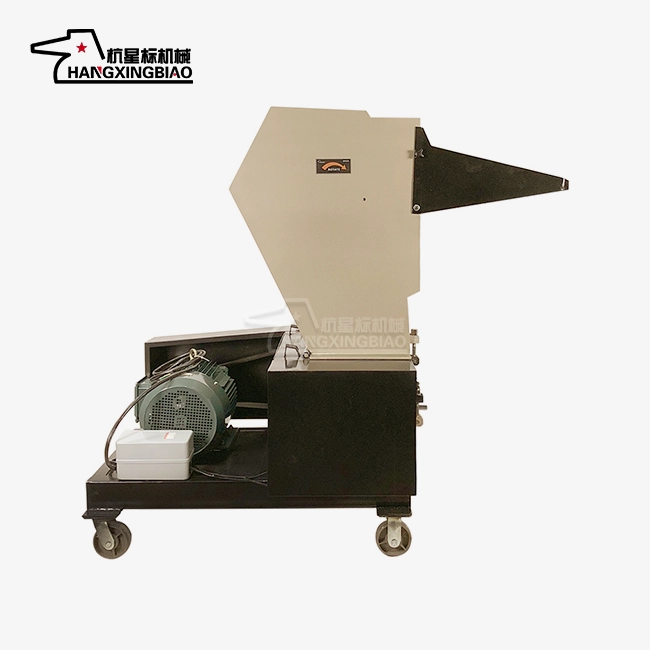
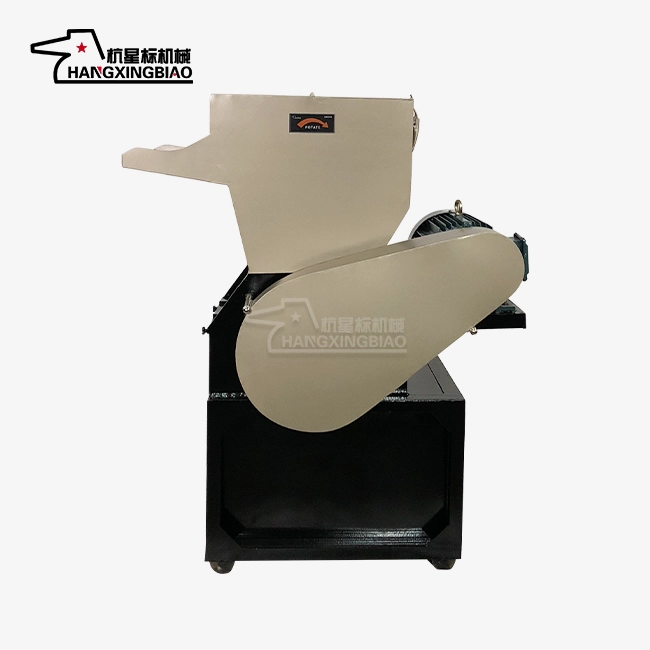
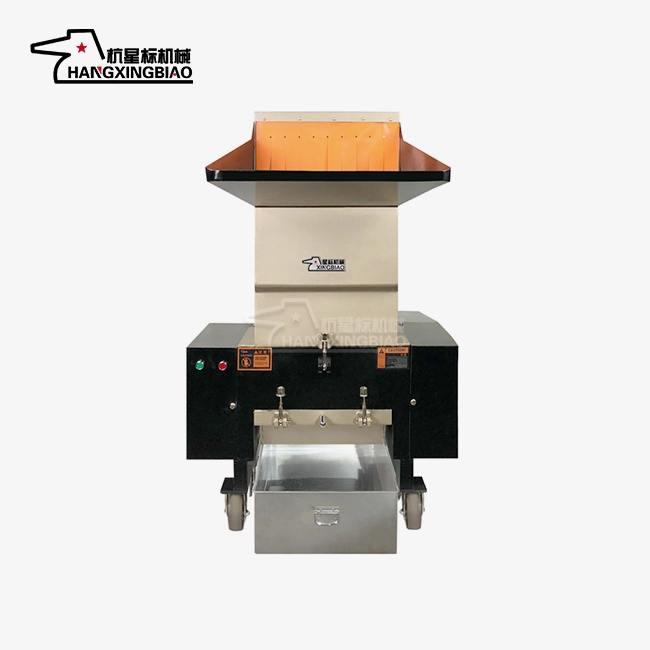
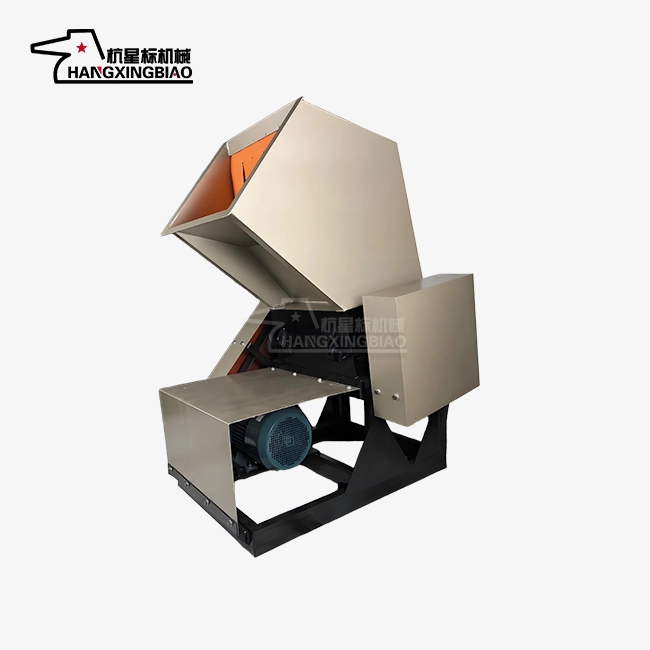
There is a big difference between a big plastic crusher machine and a secondary crusher in how they work and what they can process. Big plastic crusher machines are the main piece of equipment used to process large amounts of different kinds of plastic trash. They can break down thick-walled pipes and mixed recycling materials into smaller pieces that are easier to handle, ranging in size from 2 to 20 mm. As polishing tools, secondary crushers make the particles even smaller so that they can be processed further. Both small and large plastic crushers help with managing plastic waste, but big plastic crushers are more flexible, can handle more materials, and are the best choice for recycling businesses and manufacturing companies that need complete plastic processing solutions.

Understanding Big Plastic Crusher Machines and Secondary Crushers
Specialized tools are very important in the plastic recycling business because they turn trash into resources that can be used again. For procurement workers looking for the best processing options, it's important to know the different roles and abilities of the different crushing technologies.
Primary Function and Design Philosophy
The main part of processing plastic waste is a big machine called a big plastic crusher machine, which is designed to handle basic size reduction jobs with a variety of materials. The bodies of these machines are made of high-strength steel that has been treated to relieve stress. This makes sure that they work properly even when they are being used nonstop. The design theory is based on being flexible and long-lasting, so workers can work with a wide range of materials, from soft films and woven bags to hard ABS plastics and thick pipes, without having to change the equipment often. The secondary breakers have a different job to do in the production chain. These machines usually take materials that have already been broken down by main crushers and work to improve the particle sizes to certain levels. Their design puts more emphasis on precise control over the final output features than on being able to handle a wide range of inputs.
Crushing Mechanisms and Operational Principles
The way that big plastic crusher machines crush things uses specially designed blade patterns and cavity designs that make the process more efficient by more than 20% compared to other methods. The core blades are made of SKD-11/D2 cast steel and Cr12MoV special steels. These steels are vacuum-heated and frozen to make them very hard and resistant to wear. Compared to standard carbon steel options, this engineering method cuts the cost of replacing blades by 60%. Depending on the needs of the application, secondary crushers often use different mechanical principles, such as impact crushing or size reduction through compression. While these machines are great at getting regular powder distributions within small size ranges, they don't usually have the material flexibility that all-in-one plastic crushing solutions do.
Input and Output Specifications
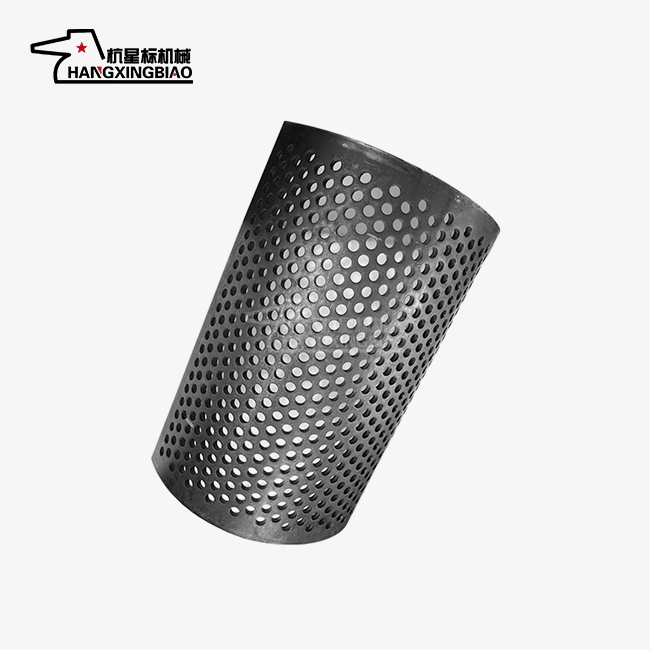
One important difference between these types of tools is their ability to move materials. Big plastic crusher machines can handle everything from tiny injection-molded parts to massive industrial bins and pipes as input materials. With changeable blade speeds and adjustable screen systems (2-100mm), workers can make coarse particles (5-50mm) or medium particles (2-12mm) that are more than 90% uniform, so they don't need to do any extra screening. The processing speed changes a lot depending on the model. Smaller units can handle 50–500 kg per hour, while big industrial setups can handle 1–10 tons per hour. Because they can be scaled up or down, big plastic crusher machines can be used for both small-scale recycling activities and large factories that need integrated production line solutions.
Performance and Operational Comparison
To compare the performance of various crushing technologies, it is important to carefully look at factors that affect the total cost of ownership, such as operating efficiency, energy use, and long-term dependability.
Capacity and Throughput Analysis
Big plastic crusher machine setups can handle huge amounts of work, like those done on an industrial scale. The improved motor matching systems keep production rates high while cutting energy use by 10 to 15 percent. Processing one ton of plastic trash only uses 8–12 kilowatts of power, which is a very high level of energy economy compared to other ways of crushing trash. These machines can work nonstop for 24 hours without losing any performance, which makes them perfect for manufacturing companies that need to integrate material flow with production lines in a steady way. The strong construction makes it possible to work with tough materials like tangled trash, pipes with thick walls, and forms that wouldn't work well with less adaptable tools.
Energy Consumption Profiles
Energy efficiency is very important for businesses that want to keep their output high while lowering their working costs. Big plastic crusher machines have fine bearings, stronger transmission gears, and better lubrication systems that cut down on wear and mechanical problems by 40%. This engineering method directly leads to lower costs for operations and less need for upkeep. The smart motor control systems change how much power they use automatically based on the properties of the material and the processing load. This makes sure that the best amount of energy is used in all running situations. This ability to change is especially useful when handling mixed waste streams that have different hardness and density levels.
Maintenance and Safety Considerations
When choosing tools for industrial uses, operational safety and ease of upkeep are two of the most important factors. Big plastic crusher machine cylinders are made of thick steel and have anti-rebound baffles and external protective covers to keep the operators safe while they are working normally. The "open-and-stop" interlock devices turn off the power automatically when access doors open. This keeps people from getting hurt while repairs or cleaning are being done. The open design and quick-change screen structure make it easy to clean and replace parts, which cuts down on production downtime. Regular maintenance routines are still easy to follow, with lubrication points and wear component inspection areas that are easy to get to. This lets you plan maintenance ahead of time.
Types and Features of Big Plastic Crusher Machines versus Secondary Crushers
Knowing the different configurations that are available for each type of equipment helps procurement professionals choose solutions that perfectly meet their business needs and material handling goals.
Big Plastic Crusher Machine Variants
The full range of products includes a number of combinations that are specifically made for certain use cases. Large-diameter crushers are great for breaking down large plastic parts, pipes, profiles, and die head materials that are usually made by injection molding. These machines have better cutting chambers and stronger blade systems that can handle materials with thick walls without slowing down the working time. High-power types of crushers make little noise when they work, so they can be put right next to injection molding tools to recycle sprue material at the same time. This connection feature cuts down on the amount of material that needs to be moved and makes production processes easier for factories. Standard crusher setups are designed to handle the problems that come with working with soft plastics like films, woven bags, and flexible materials that tend to get tangled up in regular machines. The special shape of the blades and the way the room is built keep the material from wrapping and the output of particles of the same size.
Customization and Application-Specific Solutions
Big plastic crusher machine technology lets you make a lot of changes to fit your specific working needs. Custom-engineered systems can handle a lot of trash or garbage that is very tangled, like industrial containers, car parts, and tires that need to be recycled. Different blade designs, better motor specs, and stronger structural parts are used in these specialized setups to deal with difficult material properties. Customers and the tech team work together to create unique solutions that work well with current production lines or recycling processes. This collaborative method makes sure that the equipment works at its best while also taking into account operating limitations and legal requirements.
Secondary Crusher Limitations and Applications
Secondary crushers usually have specific jobs to do in systems with more than one stage of processing, where controlling the particle size very precisely is very important. These tools work great for tasks that need regular output, but they aren't very flexible enough to handle a wide range of materials. They can only work with certain types of materials and size ranges that have already been set. This makes them less flexible when production needs change. Secondary crushers may be useful in some situations, but big plastic crusher machines usually do everything that is needed, so you don't have to buy as much equipment, and it's easier to run the business.

Procurement Considerations: Finding the Best Crusher for Your Business
When buying tools, it's important to think about more than just the price. Long-term running costs, supplier reliability, and full support services that ensure ongoing productivity are just a few of the things that need to be carefully considered.
Investment Analysis and Cost Factors
Price factors for crushing tools change a lot depending on how much customization is needed, how much capacity is needed, and what features are included. The high cost of big plastic crusher machines is due to the significant engineering investment in high-quality materials, precise manufacturing, and thorough testing procedures that guarantee dependable performance in harsh industrial conditions. The full cost of ownership study should include how much energy is used, how often it needs to be maintained, how much it costs to change blades, and how long the equipment is expected to last. Even though they cost more to buy at first, the better materials used to make the blades and the higher quality of construction usually mean cheaper long-term running costs.
Supplier Evaluation and Support Services
When choosing equipment providers, you need to look at their scientific knowledge, manufacturing skills, and dedication to customer service throughout the lifecycle of the equipment. Plastic crusher development and production have been the only goals of Hangzhou Xingbiao Machinery Co., Ltd. for 30 years, which is a very high level of industry specialization. The company has 20 top engineers working on research and development, and they work together with big names in the industry, like Nongfu Spring and KFC, on projects. This involvement from the business makes sure that technology keeps getting better and that people learn new ways to use technology in real life, which is good for everyone. As part of full-service support, skilled engineers offer pre-sales consultations to help with product choices and create unique solutions. The promise includes answering customer questions 24 hours a day, helping with installation, teaching operation, making regular follow-up visits, and keeping enough spare parts on hand to keep production running smoothly.
Decision Framework for Different Business Scales
Medium- to large-sized manufacturing companies need crushing systems that work well with high-volume output. Customized machine designs that work with certain types of materials and processing needs make these facilities more efficient and reliable, allowing them to run on a continuous schedule. Small to medium-sized recycling businesses usually focus on being cost-effective and easy to run while still being able to handle a variety of trash streams. Standard crusher designs are often the best choices for these uses because they have been shown to work well, are easy to maintain, and don't cost too much to buy.
Future Trends and Innovations in Plastic and Secondary Crushers
Plastic handling equipment is always getting better because regulations are changing and safe manufacturing practices are getting more attention.
Technology Advancement and Automation
New technologies are mainly about making tools more efficient by using smart control systems and the ability to run itself automatically. Big plastic crusher machine development includes cutting-edge monitoring systems that give real-time feedback on performance and warning signs for when repair is due, cutting down on unplanned downtime and improving working efficiency. Integration with ideas from Industry 4.0 allows for remote tracking and data analysis that help workers find ways to improve processes and make them run more smoothly. These improvements in technology help meet the growing need for effective, long-lasting ways to deal with plastic trash.
Market Demand and Regulatory Drivers
North America and Europe have strict recycling laws that are making more people want reliable, large plastic manufacturing equipment. The rules put a lot of weight on reducing trash and the cycle economy, which means that materials need to be able to be recovered and processed effectively. Companies that make things are under a lot of pressure to show they care about the environment while also keeping costs low and operations running smoothly. Companies can turn trash streams into useful resources with the help of advanced breaking technology, which helps with both environmental and economic goals.
Strategic Investment Considerations
Long-term plans for buying equipment should strike a balance between the need for a large initial investment and the need for operating freedom and longer equipment life. Big plastic crusher machines are safe to use and can adapt to changing market conditions because they are built to last and can do a lot of different things. When businesses buy good crushing equipment, they set themselves up for future growth possibilities and meet their current working needs efficiently. Technical quality and full support services work together to make sure that value is created throughout the lifecycle of the equipment.
Conclusion
There are big benefits for all kinds of plastic manufacturing options when you compare big plastic crusher machine technology to secondary crushers. Big plastic crusher machines are more flexible, can handle more plastic, and work more efficiently, all of which are important in today's industry world. These machines are the best choice for businesses that want to handle plastic trash in a reliable and cost-effective way because they are well-built, have advanced features, and come with full support services. Investing in tried-and-true technology from makers with a lot of experience, like Xingbiao, guarantees long-term business success and helps meet environmental responsibility goals.
FAQ
What types of plastic materials can big plastic crusher machines process?
Big plastic crusher machines handle an extensive range of materials, including soft films, woven bags, hard plastics like ABS and PC, thick-walled pipes, foam materials, and irregular shapes. The versatile design accommodates everything from injection-molded parts and profiles to mixed waste materials without requiring equipment modifications or structural adjustments.
How does energy consumption compare between big plastic crusher machines and secondary crushers?
Big plastic crusher machine technology demonstrates superior energy efficiency through optimized motor matching and clever control systems. One ton of plastic trash can be processed with only 8–12 kilowatts of power, which is 10–15 percent less energy than traditional methods while keeping a higher throughput capacity.
What maintenance practices maximize equipment longevity and performance?
Precision bearings and transmission parts should be oiled on a regular basis, blades should be inspected and replaced as soon as wear signs show up, and cutting areas should be cleaned on a regular basis to get the best performance. The easy-to-reach design and quick-change screen structure make regular repair tasks easier. Following the manufacturer's instructions for operational parameters keeps parts from wearing out too quickly.
How do particle size control capabilities differ between equipment types?
Big plastic crusher machines provide precise particle size control through adjustable screens (2–100 mm), variable blade speeds, and knife configuration choices. This adaptability lets it make coarse particles (5–50 mm) or medium particles (2–12 mm) with more than 90% regularity, so it doesn't need to be screened again, which is something that secondary crushers often need to do.
What safety features are essential for industrial crushing operations?
Thick steel rooms with anti-rebound baffles, external protective shields, and "open-and-stop" interlock systems that turn off the power when entry doors open are all important safety features. These safety features keep accidents from happening during cleaning or repair work and protect the operator during normal activities.

Contact Xingbiao for Your Industrial Crushing Solutions
Hangzhou Xingbiao Machinery Co., Ltd. is ready to use our tried-and-true big plastic crusher machine technology to change the way you deal with plastic trash. Our 30 years of specialized knowledge and dedication to single-category greatness mean that you will get equipment that is designed to work well in harsh industry environments. Whether you need large-diameter crushers for big parts or custom solutions for tough materials, our engineering team can help you from the first meeting all the way through long-term operating success. Get in touch with our technical experts right away at xingbiaocrusher@xingbiaocrusher.com to talk about your specific needs and find out how our big plastic crusher machine supplier can help you improve the efficiency of your processing while lowering your costs. See the difference that committed knowledge and tried-and-true technology can make in recovering plastic in the business world.
References
1. Thompson, R.K. & Williams, M.J. (2023). Industrial Plastic Processing Equipment: Performance Analysis and Selection Criteria. Journal of Manufacturing Technology, 45(3), 234-251.
2. Anderson, P.L. (2022). Comparative Study of Primary and Secondary Crushing Technologies in Plastic Recycling Operations. International Conference on Sustainable Manufacturing Proceedings, 78-95.
3. Chen, S.H., Rodriguez, C.A., & Kim, J.W. (2023). Energy Efficiency Optimization in Large-Scale Plastic Waste Processing Systems. Environmental Engineering Research, 28(4), 445-462.
4. Miller, D.R. & Brooks, A.T. (2022). Economic Analysis of Plastic Crushing Equipment Investment Strategies for Manufacturing Enterprises. Industrial Equipment Management Quarterly, 19(2), 112-128.
5. Johnson, L.K., Patel, V.S., & Zhang, Y.L. (2023). Safety Standards and Best Practices for Industrial Plastic Processing Equipment. Occupational Safety in Manufacturing, 31(7), 289-305.
6. Wilson, T.M. & Lee, H.J. (2022). Future Trends in Automated Plastic Waste Management Technologies. Advanced Manufacturing Systems Review, 16(4), 178-194.
Learn about our latest products and discounts through SMS or email