- English
- French
- German
- Portuguese
- Spanish
- Russian
- Japanese
- Korean
- Arabic
- Greek
- German
- Turkish
- Italian
- Danish
- Romanian
- Indonesian
- Czech
- Afrikaans
- Swedish
- Polish
- Basque
- Catalan
- Esperanto
- Hindi
- Lao
- Albanian
- Amharic
- Armenian
- Azerbaijani
- Belarusian
- Bengali
- Bosnian
- Bulgarian
- Cebuano
- Chichewa
- Corsican
- Croatian
- Dutch
- Estonian
- Filipino
- Finnish
- Frisian
- Galician
- Georgian
- Gujarati
- Haitian
- Hausa
- Hawaiian
- Hebrew
- Hmong
- Hungarian
- Icelandic
- Igbo
- Javanese
- Kannada
- Kazakh
- Khmer
- Kurdish
- Kyrgyz
- Latin
- Latvian
- Lithuanian
- Luxembou..
- Macedonian
- Malagasy
- Malay
- Malayalam
- Maltese
- Maori
- Marathi
- Mongolian
- Burmese
- Nepali
- Norwegian
- Pashto
- Persian
- Punjabi
- Serbian
- Sesotho
- Sinhala
- Slovak
- Slovenian
- Somali
- Samoan
- Scots Gaelic
- Shona
- Sindhi
- Sundanese
- Swahili
- Tajik
- Tamil
- Telugu
- Thai
- Ukrainian
- Urdu
- Uzbek
- Vietnamese
- Welsh
- Xhosa
- Yiddish
- Yoruba
- Zulu
How does a powerful pulverizer work in mining operations?
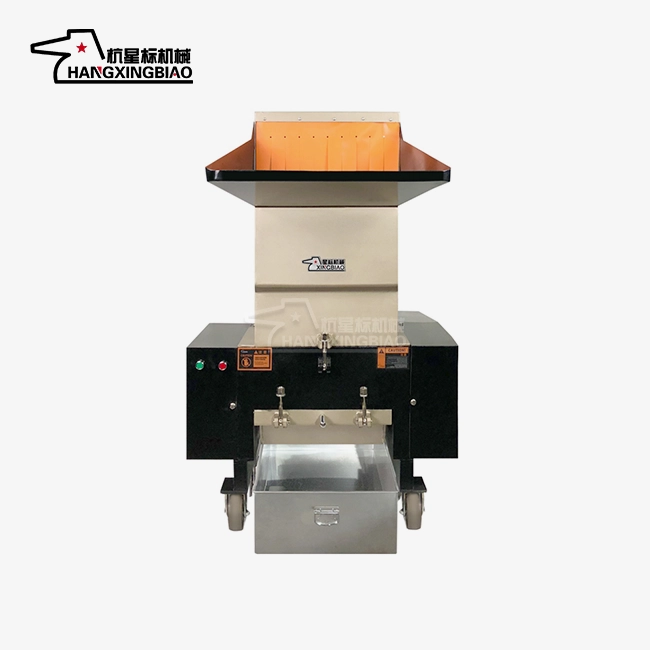
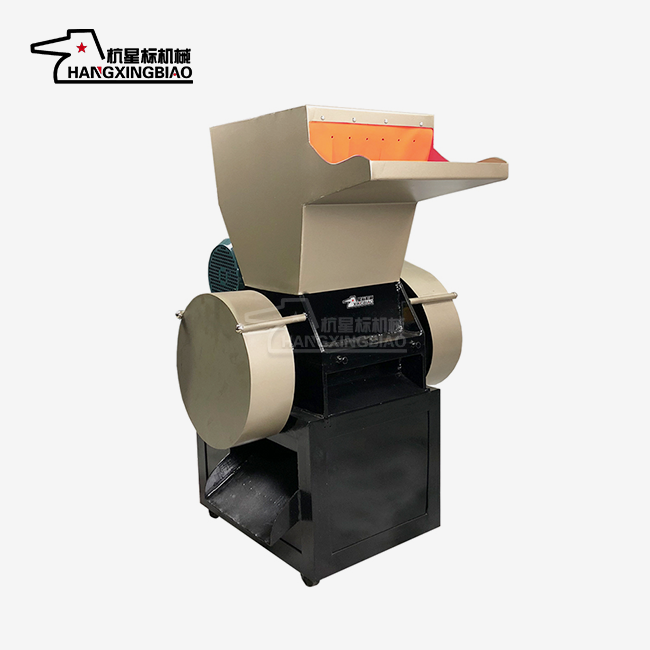
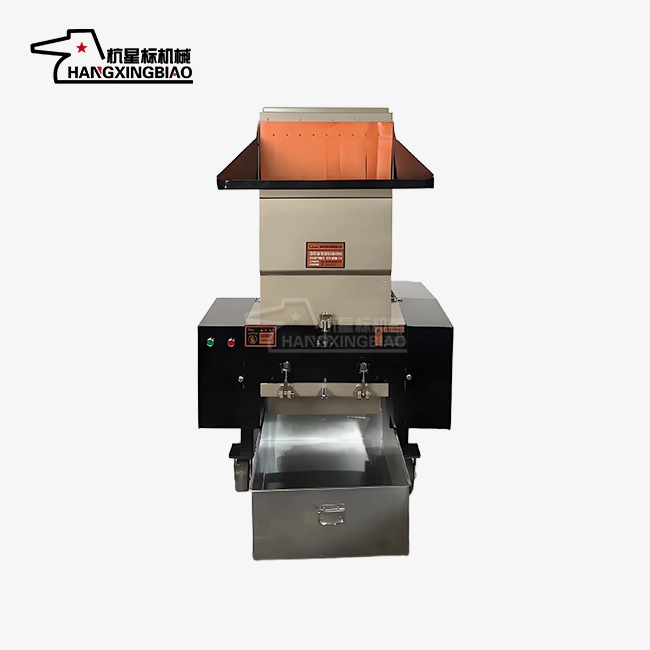
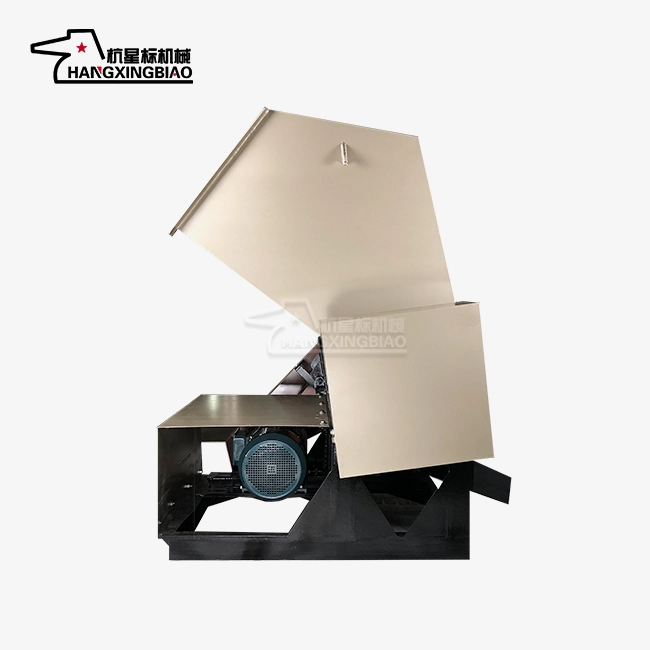
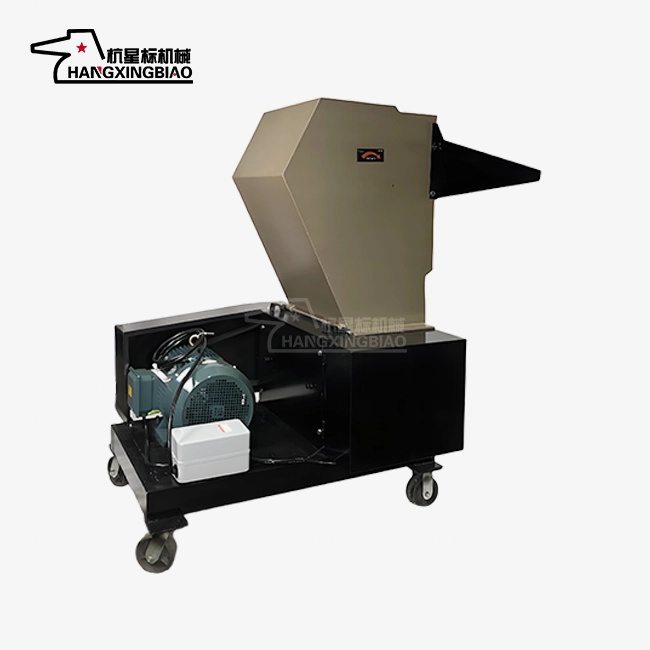
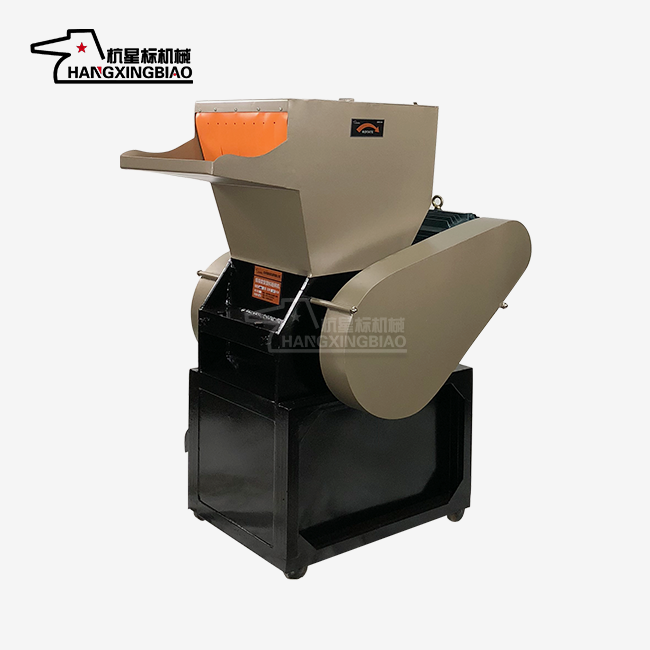
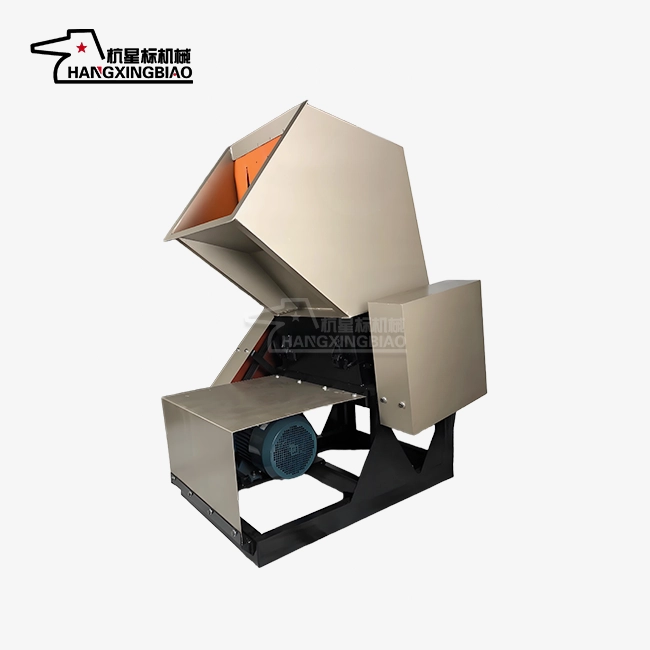
It is used in mines to turn raw materials into particles of the exact size needed. A powerful pulveriser does this by using complex mechanical processes to crush and grind the materials. Large materials are broken down by spinning rotors, impact hammers, and special blade systems in these strong machines. These systems use compression, impact, and cutting forces. The equipment has screens that can be adjusted to control the size of the particles from 2 mm to 50 mm. High-torque motors keep the breaking room moving at the right speed for all types of mining jobs.

Understanding Powerful Pulverisers in Mining Operations
Material handling equipment that works well is very important for mining activities because it turns raw materials into forms that can be used. Industrial pulverisers are the main part of this process of change. They use advanced mechanical principles to reduce the particle size of all kinds of materials consistently. Three main breaking devices work alone or together to make the machine work. In compression crushing, materials are pressed between two surfaces, which puts a lot of pressure on them and breaks them up into smaller pieces. Impact crushing uses fast-moving hammers or wheels to hit objects with kinetic energy, breaking them up quickly. Rotating blades create shearing forces that cut through flexible and elastic materials that don't bend or break easily when compressed or hit. These days, grinding systems have parts that are carefully built to work hard for a long time. The main crushing chamber has rotors made of hardened steel that spin at precise speeds to get the most material in touch with the rotors and release the most energy. Adjustable screens at the output point control the end particle size, and interior baffles direct the flow of material to keep it from building up and make sure it's processed evenly.
Core Components and Their Functions
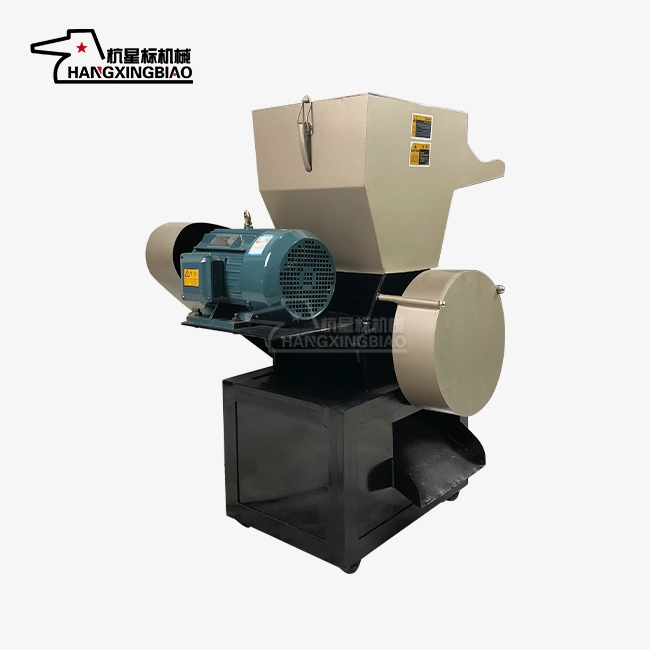
The rotor assembly is the main part of the pulverising system. It has balanced spinning blades that have breaking tools that can be changed. These tools are made from special steel alloys like SKD-11 and Cr12MoV. They keep their sharp edges through vacuum heat treatment methods that make the steel HRC 55–60 hard. Materials are hit with the most force when they hit the stable floor of the breaking bed. Drive systems are made up of high-efficiency motors that are matched to specific power needs. These motors are linked by precision gear reducers that make the best use of spinning speed and crushing force. This setup makes sure that the machine works the same way even when the materials are of different thicknesses and levels of hardness, which is usual in mining.
Operational Advantages in Mining Applications
Professional miners know that using modern grinding technology has several important benefits. This directly affects practical efficiency because higher throughput speeds up the processing of more materials in less time. Better energy economy cuts power use by 10–15 per cent compared to regular equipment, which saves a lot of money over time when it is used continuously. Strong construction with high-strength steel plates that go through a stress relief process to stop them from deforming under heavy loads leads to better reliability. This durability makes sure that the equipment keeps working well over long periods of time, which is common in mining settings where equipment downtime directly impacts production plans and profits.
Types and Features of Powerful Pulverizers for Mining
Different pulverising options are needed in mining activities depending on the type of material, the amount of processing, and the final product requirements. After learning about the different features of each type of crusher, you can choose the right tools for your needs.
Hammer Pulverizers
Hammer-type tools are great for working with hard, brittle materials like those found in mines. These machines have many hammers on a central rotor that hit the materials as they go into the breaking area. The contact energy breaks things up into smaller pieces that go through size screens before being released. Hammer pulverisers can break down materials that are as soft as rock or as hard as minerals, as long as the particles are all the same size.
Impact Pulverizers
High-speed rotor spinning in impact crushing technology creates strong forces that push materials against fixed surfaces through centrifugal acceleration. This method works especially well for working with materials that have solid structures and break along natural lines. The powerful pulverizer setup enables quick processing of large amounts while keeping precise particle size control with impact chamber designs that can be altered.
Rotor Pulverizers
Rotor-based devices can cut and hit things at the same time to break down materials that are hard to crush the old way. Shearing forces cut through fibrous materials when multiple blade sets are placed on balancing wheels. Impact surfaces handle harder parts. Because they can do two things at once, rotor pulverisers are perfect for handling mixed material streams, which is common in mine waste processing.
Critical Performance Features
The operating output needs to match the capacity requirements. This is true for both lab-scale units that process 50 kg/hour and industrial systems that handle 10 tons/hour. Motor power levels are directly related to the hardness of the material and the speed at which it needs to be processed. Efficient motor matching lowers energy use while keeping peak performance. Material adaptability is an important decision factor because mining operations often come across different kinds of materials that need to be processed in different ways. Modern pulverising systems get around the problems that come with using only one material at a time by working with almost all non-metallic materials effectively, such as coal, minerals, and waste materials that go with them. Durability factors include the type of material used for the blade, the quality of the bearings, and the structure's ability to withstand heavy-duty use over time. Premium tools made from special steel alloys can be used for up to 3,000 to 5,000 hours before they need to be replaced. They can also be sharpened more than once, which cuts down on replacement costs by 60% compared to standard carbon steel tools.
Optimising Operation and Maintenance in Mining Settings
To run a pulveriser well in a mining setting, you need to organise your tools, plan your repair, and follow safety rules. These practices make sure that performance stays the same, and that unexpected downtime that affects production plans is kept to a minimum.
Operational Best Practices
To run an effective business, you need to know how to feed materials in a way that keeps flow rates steady and prevents overloading. Operators should keep an eye on the properties of the material and change the processing settings as needed, such as the spinning speed and the screen, to account for changes in the material's stiffness or moisture content. Monitoring the temperature keeps things from getting too hot while they're running all the time, especially when working with materials that generate heat through friction. Proper airflow systems get rid of heat and dust while keeping the conditions inside the crushing room at their best.
Preventative Maintenance Protocols
Equipment that is maintained on a regular basis lasts longer and doesn't break down during busy production times, which can be expensive. Every day, inspections include looking at the state of the blades, the amount of oil in the bearings, and the strength of the screens. As part of weekly upkeep, wear patterns are carefully looked at, pin torque is checked, and material layers are cleaned off. Maintenance tasks that need to be done once a month include sharpening or replacing blades based on wear levels, inspecting and re-lubricating bearings, and cleaning all internal parts. These methodical methods find possible problems before they get worse and cause big failures that need a lot of downtime.

Safety Guidelines for Mining Applications
There are special safety issues in mining areas that mean you have to follow certain rules when using grinding tools. Complete safety plans include thick steel tanks that hold garbage, anti-rebound baffles that stop material from flying out, and external guards that keep people safe from moving parts. When access panels open, interlock systems cut the power automatically, keeping people from touching spinning parts by mistake. With emergency stop controls placed in key spots, equipment can be turned off right away if dangerous situations arise. Safety glasses, hearing protection, and steel-toed shoes that are ideal for work settings are all examples of personal protective equipment that must be worn.
Procurement Considerations for B2B Buyers
When buying powerful pulverizer equipment for the mining industry, people who work in sourcing look at a number of factors to make sure they get the best value over the long run. Making smart buying choices means knowing what the maker can do, how much service support they offer, and how much the whole thing will cost.
Manufacturer Evaluation Criteria
Manufacturers that have been around for a while and have a history of making mining equipment can be trusted to make sure it works well and is reliable. Companies that have been focusing on breaking technology for 30 years show that they know a lot about the needs and problems of mining. Research and development skills, such as relationships with leaders in the field, show that technology and creativity are always getting better. International standards and quality certifications make sure that equipment meets safety and efficiency standards. Advanced testing facilities in manufacturing facilities make sure that the equipment works before it is delivered. This lowers the risk of operating problems after installation.
Service and Support Considerations
Comprehensive service programs include pre-sales consultations with professional experts who help customers choose the right tools based on their individual needs. Installation help makes sure that the equipment is set up correctly and that the first few operations are run as efficiently and safely as possible. Training programs prepare workers to run the equipment safely and effectively. After-sales help includes promises to answer technical questions 24 hours a day, regular follow-up visits to check on performance, and enough extra parts on hand to keep downtime to a minimum. These standards of service have a direct effect on the long-term productivity of tools and the continuity of operations.
Financial and Logistic Factors
Clear pricing includes clear equipment costs, installation costs, and ongoing upkeep needs that allow for accurate total cost estimates. There may be discounts for buying in bulk when you order a lot of units or put a whole system across a mining business. Global transport makes sure that equipment is available no matter where the mining site is located, and customs and shipping organization makes it easier to buy things from other countries. The warranty terms and details of coverage protect the value of the investment and give you options for fixing problems during the first few months of use.
Case Studies: Successful Mining Operations Using Powerful Pulverisers
Implementations in the real world show how improved grinding technology can be useful in a wide range of mining tasks. As you can see, these examples show that choosing and using the right tools can lead to better performance and practical benefits.
Increased Throughput at Quarry Operations
Industrial-scale pulverising systems were put in place at a big limestone mine to process the material that was taken out so that concrete could be made. Integrated systems that can handle 8 tons per hour constantly were put in place of several smaller units. The results showed that daily working power went up by 25% while energy use went down because the motors were more efficient. The powerful pulverizer setup made it possible to process different grades of limestone without having to change any of the equipment. This made the operation more flexible during the different mining stages. The regularity of the material got a lot better, and over 90% of the particles were the same size, so there was no need for extra screening.
Maintenance Optimisation in Mineral Processing
Based on what the manufacturer said, a copper processing plant started using preventative maintenance routines. They set up regular inspection plans and times for replacing parts. Through early recognition of wear trends and proactive ordering of blade replacements, equipment uptime went up by 35%. Through proper sharpening methods and optimal working parameter maintenance, the maintenance program cut down on the number of times that emergency repairs had to be made and increased the life of the blades. Total repair costs went down by 20%, even though inspections happened more often. This shows how important it is to take care of tools in a planned way.
Enhanced Safety in Hazardous Environments
To meet government safety standards for enclosed areas, an underground mine had to have special safety features. Changes to the equipment included better systems for keeping dust in, electrical parts that won't explode, and the ability to watch operations from afar, which kept workers from being exposed while the equipment was working. The number of safety incidents dropped by a large amount after the changes were made. This was because better sight and less noise made the workplace safer. With remote operation, tools could be watched from safe places while full operating control was kept.
Conclusion
An advanced, powerful pulveriser changes the way mining works by making processes more efficient, making material more consistent, and lowering the costs of running the business. Modern systems go beyond the limits of the past by being able to handle different types of materials and keep accurate particle size control, which is needed for further processing. These systems are very useful for mining companies that want to gain a competitive edge through technological progress because they are well-built, use little energy, and have many safety features. For execution to go well, operational needs, manufacturer skills, and long-term support needs must all be carefully thought through. When businesses buy good equipment that comes with full service plans, they get better working results and lower the risks that come with equipment breakdowns and repair problems.
FAQ
What materials can powerful pulverisers process in mining operations?
Almost all non-metallic materials found in mining can be processed efficiently by advanced crushing systems. This includes different types of coal, limestone, soft minerals, and waste materials that are generated by mining. The design is flexible enough to work with materials that come in a variety of shapes and sizes, such as blocks, flakes, fibres, or irregular shapes. It also works well with materials of all thicknesses and levels of stiffness.
How do I select the appropriate pulveriser size for my mining operation?
Choose the right equipment by looking at how much room you have, the type of material you're working with, how often you need to handle it, and how well it needs to work with other systems. The working speed can be adjusted very precisely to meet the needs of the operation, ranging from lab-scale units that can handle 50 kg/hour to industrial systems that can handle 10 tons/hour.
What maintenance practices maximise pulveriser lifespan in mining environments?
Systematic maintenance plans that include eye checks every day, thorough checks once a week, and servicing of parts every month stop equipment from wearing out too quickly and make it last longer. Proper methods for sharpening blades, lubricating bearings, and cleaning regularly keep things running at their best and help find problems before they become big problems.
Partner with Xingbiao for Advanced Pulverising Solutions
Xingbiao Machinery has 30 years of experience in breaking technology and offers full-service support that is suited to the needs of the mining industry. Our research and development team, which is made up of 20 top engineers, comes up with new ways to solve problems and works with big companies to do so. As a committed maker of powerful pulverisers, we make machines that are designed to run continuously under heavy loads. These machines use less energy, which cuts down on costs while increasing output. Our full-service approach helps mining experts by offering pre-sales advice, installation help, and technical support 24 hours a day, 7 days a week, backed by a large collection of spare parts. Email our professional staff at xingbiaocrusher@xingbiaocrusher.com to talk about unique solutions that will improve the efficiency and dependability of your material handling operations.

References
1. Smith, J.A., "Industrial Crushing Technology in Modern Mining Operations," Journal of Mining Engineering, Vol. 45, No. 3, 2023.
2. Chen, L.M., "Energy Efficiency Improvements in Material Processing Equipment," International Mining Technology Review, Issue 127, 2023.
3. Rodriguez, M.P., "Safety Protocols for Heavy Machinery in Underground Mining," Mining Safety Quarterly, Vol. 18, No. 2, 2023.
4. Thompson, R.K., "Maintenance Optimisation Strategies for Mining Equipment," Industrial Equipment Management, Vol. 32, No. 4, 2023.
5. Williams, S.D., "Cost-Benefit Analysis of Advanced Pulverising Systems," Mining Economics Today, Issue 89, 2023.
6. Anderson, P.T., "Material Processing Innovation in Large-Scale Mining Operations," Global Mining Technology, Vol. 41, No. 1, 2024.
Learn about our latest products and discounts through SMS or email