- English
- French
- German
- Portuguese
- Spanish
- Russian
- Japanese
- Korean
- Arabic
- Greek
- German
- Turkish
- Italian
- Danish
- Romanian
- Indonesian
- Czech
- Afrikaans
- Swedish
- Polish
- Basque
- Catalan
- Esperanto
- Hindi
- Lao
- Albanian
- Amharic
- Armenian
- Azerbaijani
- Belarusian
- Bengali
- Bosnian
- Bulgarian
- Cebuano
- Chichewa
- Corsican
- Croatian
- Dutch
- Estonian
- Filipino
- Finnish
- Frisian
- Galician
- Georgian
- Gujarati
- Haitian
- Hausa
- Hawaiian
- Hebrew
- Hmong
- Hungarian
- Icelandic
- Igbo
- Javanese
- Kannada
- Kazakh
- Khmer
- Kurdish
- Kyrgyz
- Latin
- Latvian
- Lithuanian
- Luxembou..
- Macedonian
- Malagasy
- Malay
- Malayalam
- Maltese
- Maori
- Marathi
- Mongolian
- Burmese
- Nepali
- Norwegian
- Pashto
- Persian
- Punjabi
- Serbian
- Sesotho
- Sinhala
- Slovak
- Slovenian
- Somali
- Samoan
- Scots Gaelic
- Shona
- Sindhi
- Sundanese
- Swahili
- Tajik
- Tamil
- Telugu
- Thai
- Ukrainian
- Urdu
- Uzbek
- Vietnamese
- Welsh
- Xhosa
- Yiddish
- Yoruba
- Zulu
Best Plastic shredder for PET, HDPE, PVC — Expert Picks
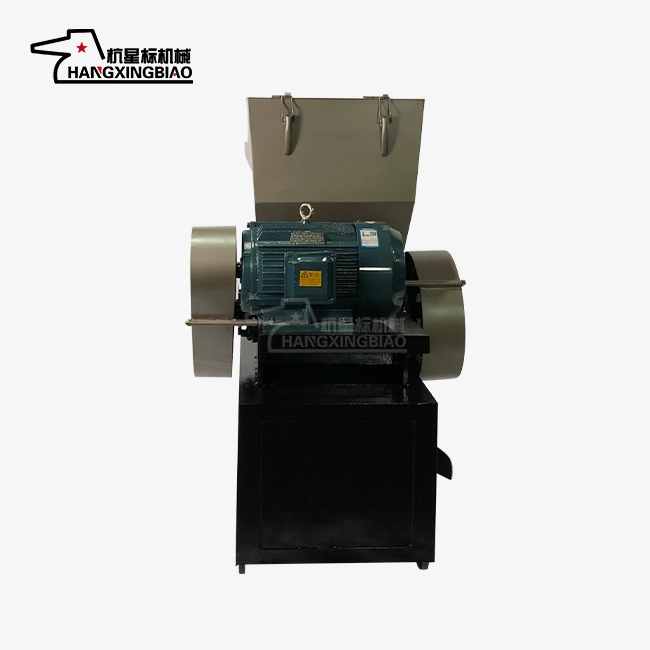
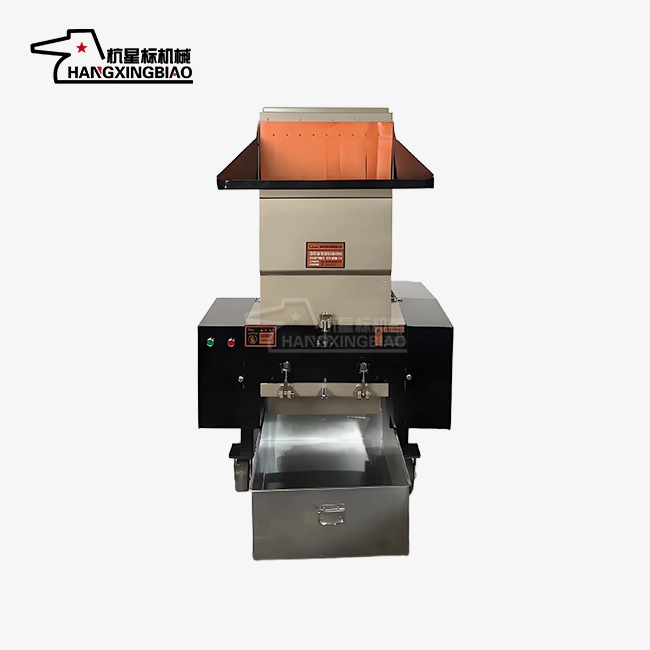
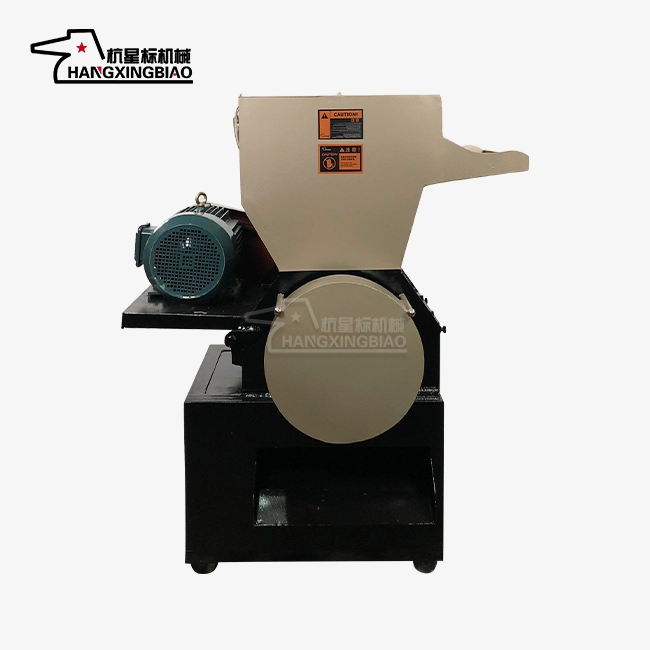
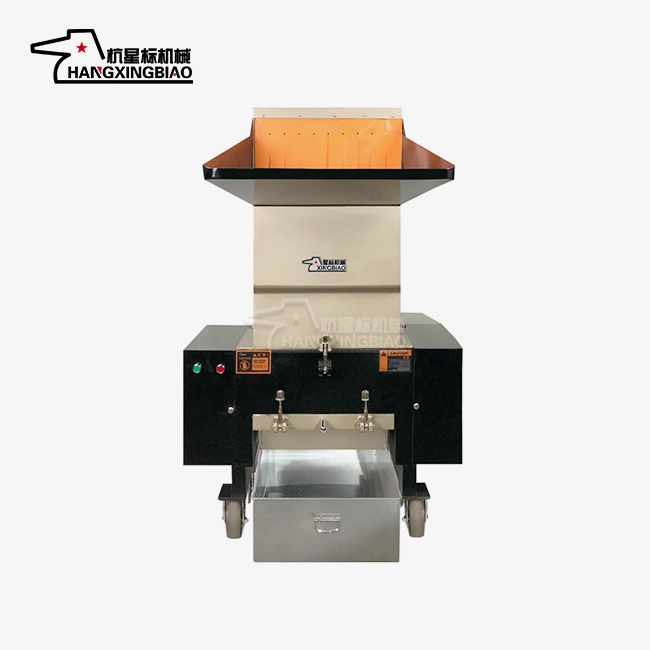
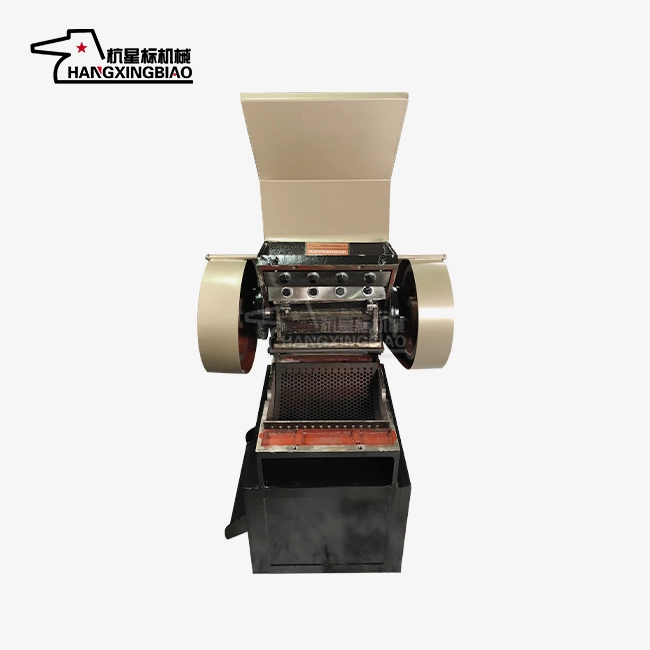
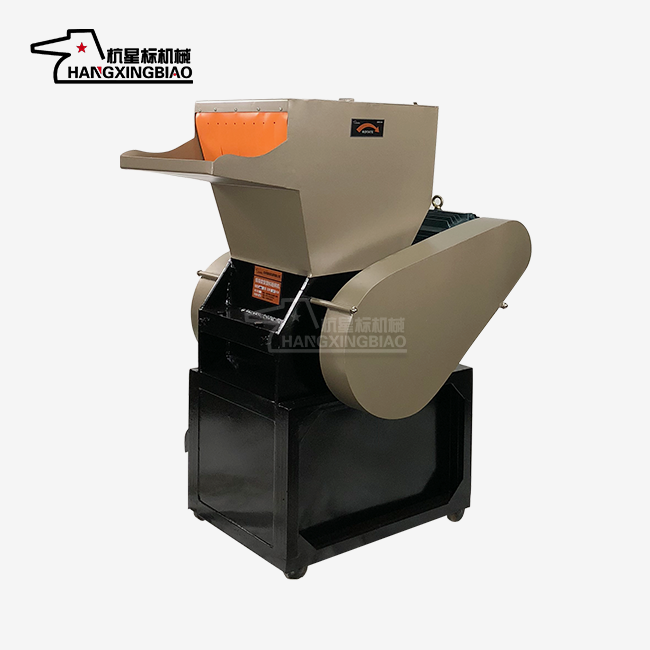
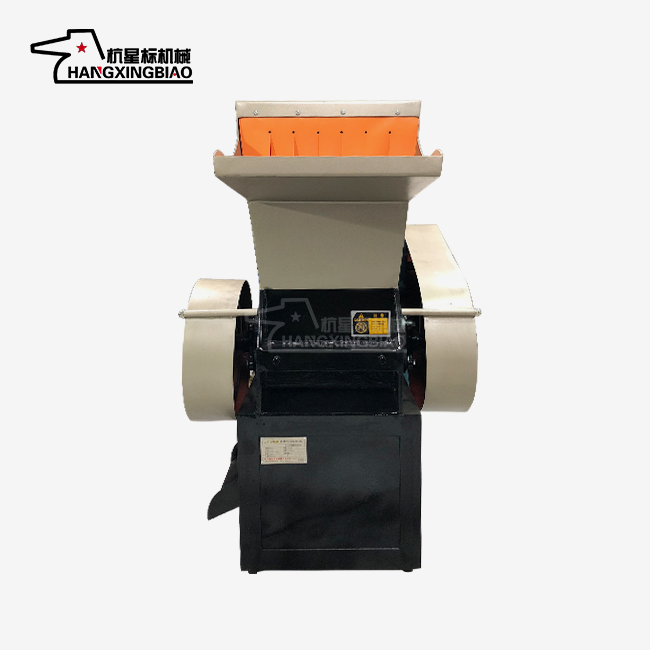
When business sites look for the best Plastic shredder for processing PET bottles, HDPE containers, and PVC lines, they need equipment that works well with a variety of materials. The latest shredder technology is more flexible than older ones that could only handle a single type of material. It can now handle a wide range of polymer types while still being efficient. The best plastic shredders are built to last, use little energy, and have cutting processes that are state-of-the-art. They can turn trash into useful materials for recycling.

Understanding Plastic Shredders for PET, HDPE, PVC
Industrial plastic processing demands a sophisticated understanding of how different polymer types respond to mechanical reduction. Each plastic category presents unique challenges that influence shredder selection and operational parameters.
Working Principles Behind Effective Plastic Shredding
Shredding plastic works by using controlled mechanical force that is applied by blade systems that spin. Starting the process, material is fed into the cutting room through a hopper system. There, carefully placed blades shear the plastic items into manageable pieces. Screen designs and blade spacing affect the size of the particles that come out, so operators can change reduction ratios to meet the needs of downstream processes.PET materials, which are often used to make drink bottles, are solid and need to be cut with sharp, precisely ground blades to avoid creating too much heat. HDPE items, like milk jugs and laundry tubs, have semi-crystalline structures that work well with high-torque, low-speed reduction techniques. For PVC uses like pipes and window frames, temperature needs to be carefully controlled during processing to avoid heat degradation.
Types of Shredding Equipment for Industrial Applications
Single-shaft shredders have a center rotor and hydraulic ram feeding systems. This makes them great for shredding uniform materials like HDPE lines and PVC profiles. These tools consistently make particles of the same size and work well with grinding lines for further processing. Dual-shaft designs have cuts that rotate counterclockwise, which makes them great for working with dirty or mixed plastic streams. Because they have a high torque, they can handle big things like plastic drums, boxes, and HDPE containers that might be hard for single-shaft units to handle. Granulators are an important piece of equipment for recycling businesses that do more than just sort trash. They don't really shred, but they do make pre-shredded material into regular bits that can be used in extrusion and pelletizing processes.
Top Plastic Shredders for PET, HDPE, PVC
Selecting optimal shredding equipment requires careful evaluation of performance metrics, operational costs, and service support capabilities. Modern plastic shredder technology lets you handle a wide range of materials in ways that have never been possible before.
Key Selection Criteria for Industrial Operations
Capacity needs are what guide choices about what tools to buy. Manufacturing plants that are medium to large usually need output rates of 500 to 2000 kilograms per hour. Smaller recycling operations may be able to get by with 200 to 500 kilograms per hour. Operating costs are directly affected by how efficiently energy is used. Newer designs use 20–30% less power than older technologies. Total ownership costs are affected by after-sales help in a big way. Full service packages should include instructions on how to set up the equipment, training for the operators, preventative maintenance plans, and a reliable supply of extra parts. In industrial settings, equipment downtime has a big effect on income, so how quickly a service responds is a very important evaluation factor.
Performance Benchmarks and Real-World Applications
In addition to working with plastic, more advanced shredding devices are able to handle a wide range of non-metallic materials. These tools are good at processing corrugated cardboard, foam packing, pharmaceutical waste, wood waste, paper products, cloth materials, and rubber parts. No matter if the materials come in the form of a block, a sheet, a fiber, or an uneven shape, current equipment can process them steadily in coarse and medium reductions with output sizes bigger than 2 mm. Adjustable screens let you set particle sizes from 2 mm to 50 mm, meeting a wide range of needs for downstream processing. Because of this, single-equipment systems can be used for pre-treatment of garbage for recycling, recovery of industrial scrap, preparation of feed, and processing of pharmaceuticals.
Comparative Analysis of Leading Technologies
Several technical improvements have been made to modern shredding equipment that make it more reliable. Cutting blades that have been treated with vacuum heat and cold preparation last longer and keep their sharp cutting edges. When used continuously, SKD-11 and D2 tool steel blade materials are the most resistant to wear. When motor matching is optimized, energy use is cut while cutting ability stays the same. Stress-relieved steel construction keeps the dimensions stable over long periods of use, which stops aligning problems that could lower the cutting efficiency.
How to Operate and Maintain Plastic Shredders for Optimal Performance
Protocols for operation and repair that work well make sure that equipment is as productive as possible while minimizing unexpected downtime. The right way to do things depends on the items being processed and how busy the business is.
Step-by-Step Operating Procedures
Routine inspections before starting up should check the state of the blades, the stability of the screens, and the amount of lubrication. Consistent flow rates are needed for material feeding to keep the cutting area from becoming too full and to avoid overloading. When handling PET, controlled feed rates keep bottles from nesting, but HDPE materials might need to be pre-sorted to get rid of metal contamination. When working with PVC materials, keeping an eye on the temperature is very important because too much heat can release dangerous chemicals. Cooling systems and slower working speeds help keep things safe in the workplace.
Maintenance Best Practices for Extended Service Life
Plastic shredder, Visual checks should be done every day, lubrication services should be done once a week, and blade condition surveys should be done every month. When to change a cutting blade depends on the material being processed and the number of hours it has been used. For heavy-duty uses, the average time between replacements is 200 to 500 hours. Changing the screen is another important part of upkeep. Worn screens make it harder to control the size of the particles and may let material that is too big get out of the cutting area. Problems with downstream processes can be avoided by inspecting the screen regularly.

Procurement Considerations for Plastic Shredders in B2B Markets
Buying industrial machinery requires a lot of complicated evaluations that weigh the needs for efficiency against the total costs of ownership. Knowing about market trends and a supplier's skills helps you make smart buying choices.
Aligning Equipment Features with Operational Needs
The size and design of tools are directly affected by the amount of production that needs to be done. Integrated conveyor systems, automated feeding mechanisms, and centralized control systems that require less work are good for large-scale activities. For smaller sites, the flexibility of the equipment and how easy it is to maintain may be more important than its maximum throughput. Customization choices let equipment be changed to fit the needs of a particular material handling job. Quick-change screen methods cut down on the time it takes to switch between different types of information. In food-grade uses, open-frame designs make it easier to clean and fix things.
Market Trends and Supplier Evaluation
The current market trends stress using less energy, making less noise, and making products in a way that doesn't harm the environment. The noise level of modern plastic shredder designs is 15-20% lower than that of older machines because they use sound-dampening materials and special cutting shapes. When judging a supplier, you should look at their technical know-how, quality standards for production, and the size and reach of their worldwide service network. Manufacturers that have been around for a while and have dedicated research and development teams keep making improvements to their products and offering expert help for as long as the equipment is in use.
The Plastic Shredding and Recycling Process: Enhancing Circular Economy Efforts
For complete recycling processes that turn trash streams into useful raw materials, plastic crushing is an important step. Understanding how larger processes are integrated can help you get the most out of each piece of equipment.
Material Versatility and Processing Limitations
Modern cutting technology can quickly and easily break down almost any non-metallic object, except for rocks and metals. Traditional plastics, rubber products, wood waste, paper materials, cloth fabrics, foam packaging, organic waste, chemical raw materials, farm waste, and corrugated packaging are all things that this capability can handle. The flexibility gets rid of the problems that come with processing just one material at a time, and it gives uniform reduction performance across a wide range of waste streams. The screen lets you change the size of the discharge particles, which gives you more control over the output. Standard size ranges from 2mm to 50mm, meet basic needs in a variety of handling situations. This flexibility helps with pretreatment of trash for recycling, recovery of industrial scrap, processing feed, and preparation of pharmaceuticals.
Environmental Benefits and Industrial Efficiency
Using high-tech cutting equipment, such as a plastic shredder, as part of circular economy projects has big benefits for the environment and makes things run more smoothly. Less garbage has to go to landfills, which lowers the cost of managing waste and creates income streams from treated materials. Using less energy means that waste handling activities leave smaller carbon footprints. Intelligent control systems, predictive maintenance, and better robotic features will be at the center of future industry advances. With these new ideas, energy savings, operational stability, and processing flexibility should all get even better.
Conclusion
To choose the best plastic shredder for handling PET, HDPE, and PVC, you need to carefully think about your needs, the machine's performance, and the support services you will need in the long run. Modern equipment is more flexible than ever before when it comes to working with different types of materials while still being energy-efficient and reliable. Moving beyond the limits of single materials in the past has made it possible for complete waste processing options that help circular economy efforts. Equipment that is built to last, has advanced cutting technology, and can be made in a variety of sizes is useful in industrial settings. The right provider choice, thorough operator training, and preventative maintenance plans that guarantee long-term output and return on investment are all important for a successful implementation.
FAQ
Can a single plastic shredder effectively handle PET, HDPE, and PVC materials?
Modern multi-material shredders can easily cut different kinds of plastic, like PET, HDPE, and PVC, thanks to blade configurations and screen systems that can be changed. Different materials can be used with modern designs that let workers change the feeding rates, cutting speeds, and screen sizes based on the polymer's qualities.
What maintenance schedule should facilities follow for high-capacity shredding equipment?
For high-capacity operations, eye checks must be done every day, lubrication services must be done every week, and blade condition reports must be done every month. Cutting blades are usually changed every 200 to 500 hours of use, but this depends on the materials being handled and how hard the machine is being used. When to change the screens depends on how rough the material is and what size particles are needed.
How do energy costs compare between different shredder configurations?
Most of the time, dual-shaft shredders use 15–25% more energy than single-shaft units, but they are better at handling dirty materials. For example, modern designs use better cutting geometries and motor matching to use 20–30% less energy total than older equipment while keeping the same working capacity.
Partner with Xingbiao for Superior Plastic Shredding Solutions
Xingbiao's three decades of specialized expertise in plastic shredder manufacturing deliver unmatched reliability for PET, HDPE, and PVC processing operations. Our advanced multi-material crushing technology breaks traditional single-material limitations, efficiently handling diverse waste streams while maintaining consistent particle size control from 2-50mm. With robust SKD-11 steel blade construction, stress-relieved welded frames, and energy-efficient designs that increase crushing efficiency by over 20%, our equipment provides superior performance and extended service life. Our team of 20 senior engineers offers comprehensive support from initial consultation through installation, training, and ongoing maintenance. Contact our plastic shredder manufacturer at xingbiaocrusher@xingbiaocrusher.com for customized solutions that optimize your recycling operations and maximize operational efficiency.

References
1. Smith, J.R. & Anderson, M.K. (2024). "Advanced Plastic Shredding Technologies for Industrial Recycling Applications." Journal of Polymer Processing and Recycling, 15(3), 245-267.
2. Chen, L., Williams, D.P. & Thompson, S.A. (2023). "Comparative Analysis of Single-Shaft and Dual-Shaft Plastic Shredders for PET, HDPE, and PVC Processing." International Conference on Sustainable Manufacturing, 89-104.
3. Rodriguez, M.E. & Kumar, A. (2024). "Energy Efficiency Optimization in Industrial Plastic Shredding Operations." Recycling Technology Quarterly, 28(2), 112-128.
4. Johnson, P.L., Zhang, W. & Miller, R.T. (2023). "Material Characterization and Processing Parameters for Plastic Shredder Performance." Waste Management and Recycling Engineering, 41(7), 334-349.
5. Brown, K.S. & Lee, H.J. (2024). "Maintenance Strategies for High-Capacity Plastic Shredding Equipment in Industrial Applications." Equipment Reliability and Maintenance Journal, 19(1), 78-92.
6. Taylor, N.R., Garcia, C.M., & Wilson, A.F. (2023). "Circular Economy Integration Through Advanced Plastic Shredding Technologies." Environmental Engineering and Sustainability, 12(4), 201-218.
Learn about our latest products and discounts through SMS or email