- English
- French
- German
- Portuguese
- Spanish
- Russian
- Japanese
- Korean
- Arabic
- Greek
- German
- Turkish
- Italian
- Danish
- Romanian
- Indonesian
- Czech
- Afrikaans
- Swedish
- Polish
- Basque
- Catalan
- Esperanto
- Hindi
- Lao
- Albanian
- Amharic
- Armenian
- Azerbaijani
- Belarusian
- Bengali
- Bosnian
- Bulgarian
- Cebuano
- Chichewa
- Corsican
- Croatian
- Dutch
- Estonian
- Filipino
- Finnish
- Frisian
- Galician
- Georgian
- Gujarati
- Haitian
- Hausa
- Hawaiian
- Hebrew
- Hmong
- Hungarian
- Icelandic
- Igbo
- Javanese
- Kannada
- Kazakh
- Khmer
- Kurdish
- Kyrgyz
- Latin
- Latvian
- Lithuanian
- Luxembou..
- Macedonian
- Malagasy
- Malay
- Malayalam
- Maltese
- Maori
- Marathi
- Mongolian
- Burmese
- Nepali
- Norwegian
- Pashto
- Persian
- Punjabi
- Serbian
- Sesotho
- Sinhala
- Slovak
- Slovenian
- Somali
- Samoan
- Scots Gaelic
- Shona
- Sindhi
- Sundanese
- Swahili
- Tajik
- Tamil
- Telugu
- Thai
- Ukrainian
- Urdu
- Uzbek
- Vietnamese
- Welsh
- Xhosa
- Yiddish
- Yoruba
- Zulu
Low-Noise Powerful Crusher Machine with High Output
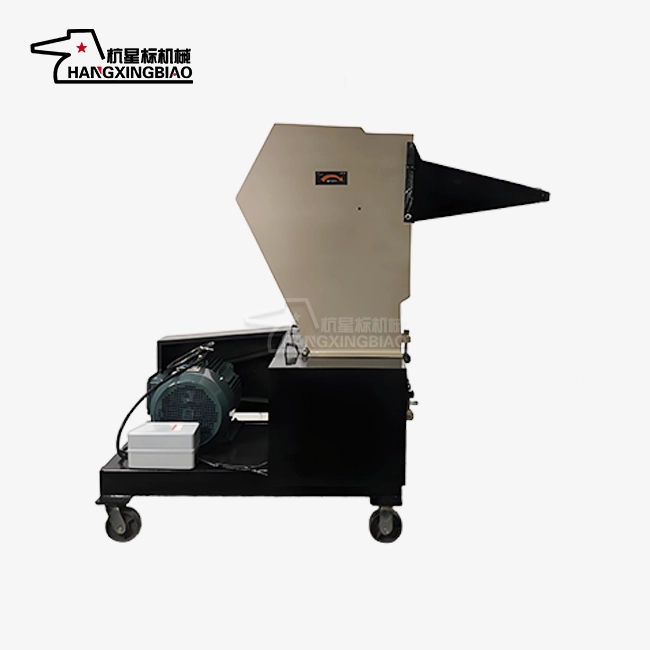
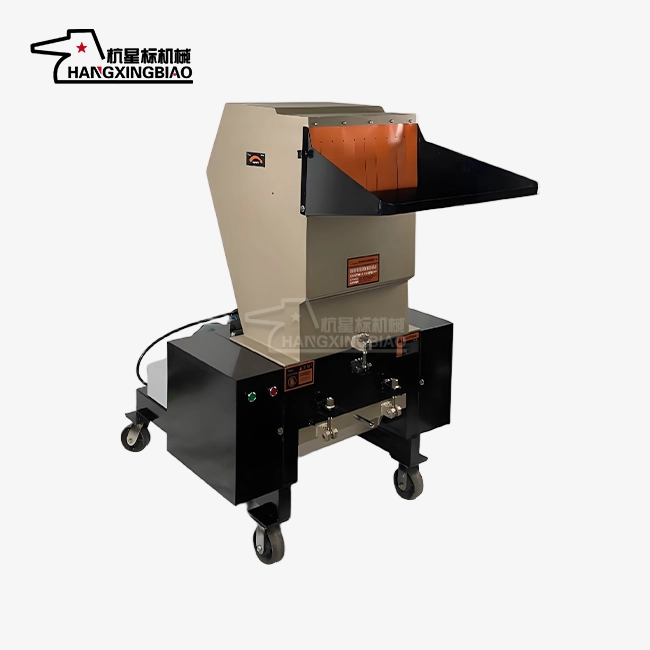
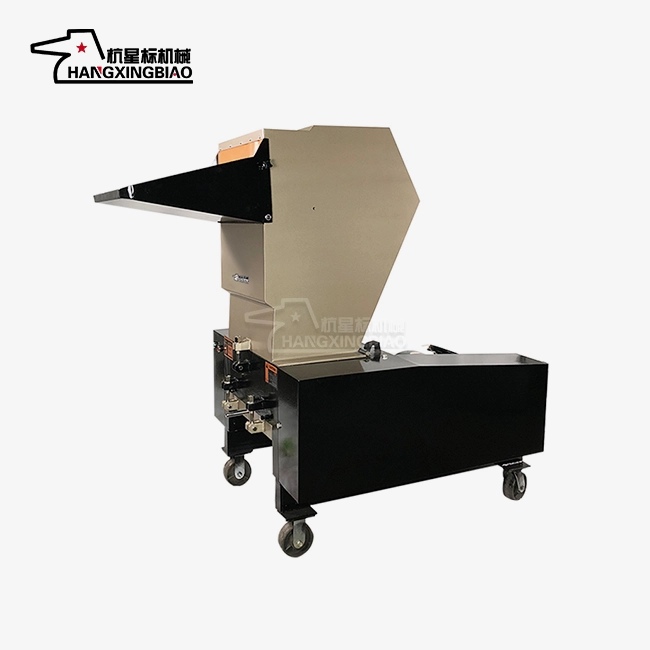
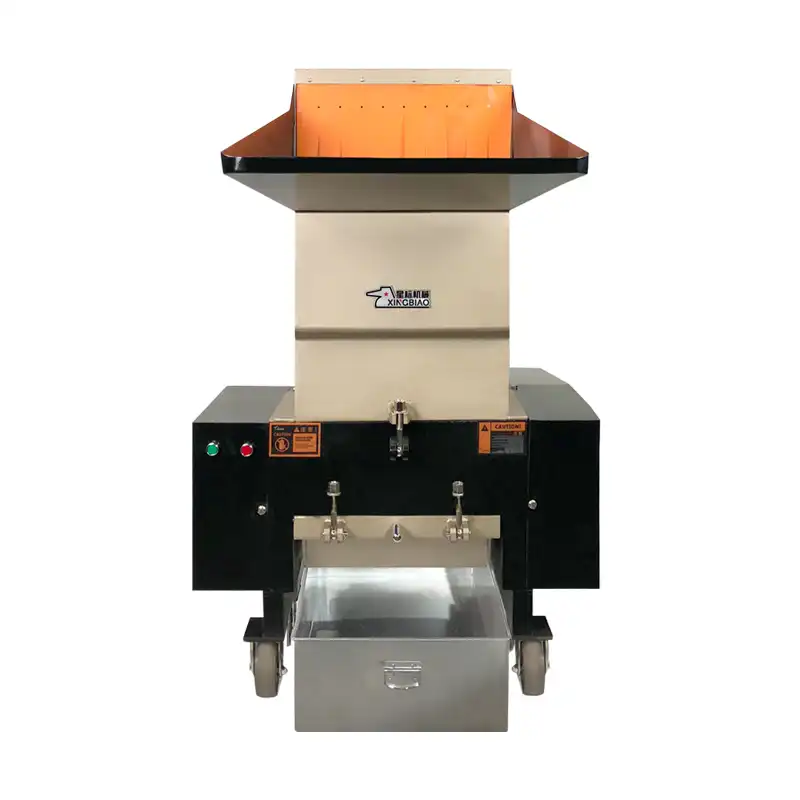
When looking at industrial breaking tools for making plastics and recycling them, the Powerful Crusher Machine represents a big step forward because it combines high output with noise reduction technology. These high-tech tools solve important operating problems that factories, recycling plants, and FMCG suppliers have when they need to deal with plastic trash reliably and effectively. With its strong steel construction, advanced blade systems, and new noise-dampening features, modern crusher technology can process between 50 kg/h and 2000 kg/h of material while keeping noise levels below 75dB. Because they can control both sound and power, these tools are necessary for places that need to work without interruption 24 hours a day.
Understanding Low-Noise Powerful Crusher Machines
Industrial plastic breaking has changed a lot since noise-reduction technologies were introduced, which still keep the working power very high. To find this balance between efficiency and noise control, modern crushers use a number of new engineering ideas.
Mechanical Design Features for Noise Reduction
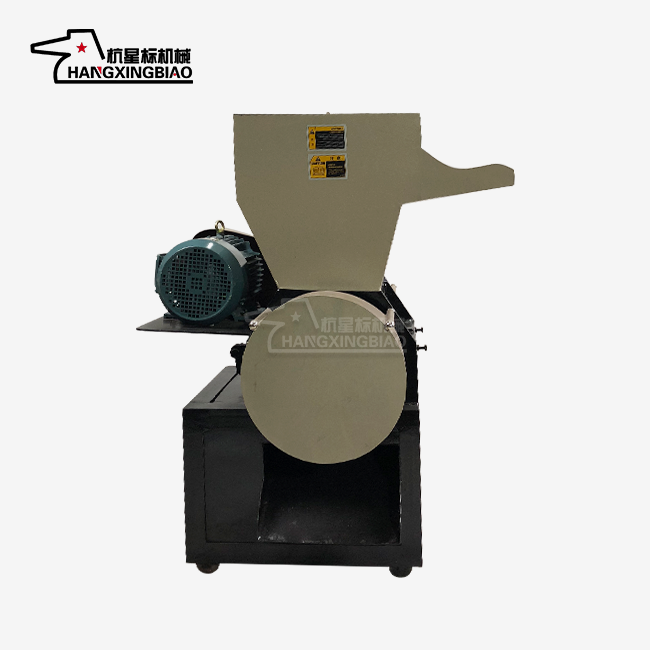
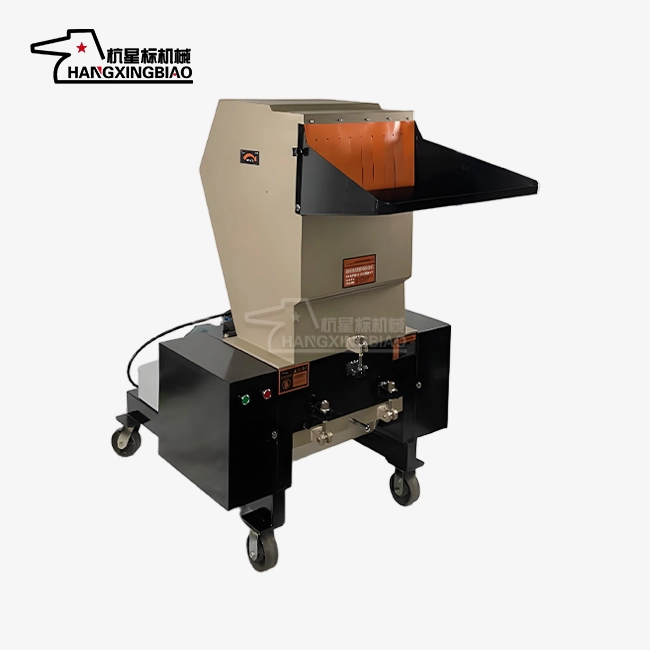
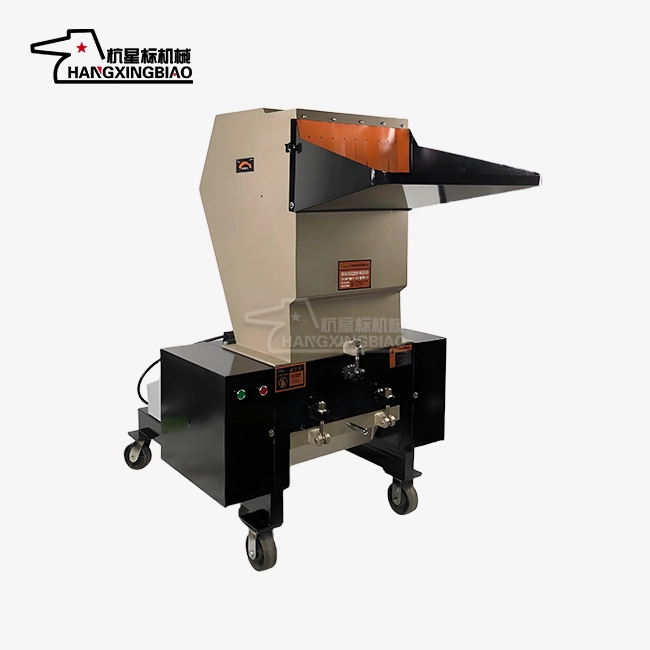
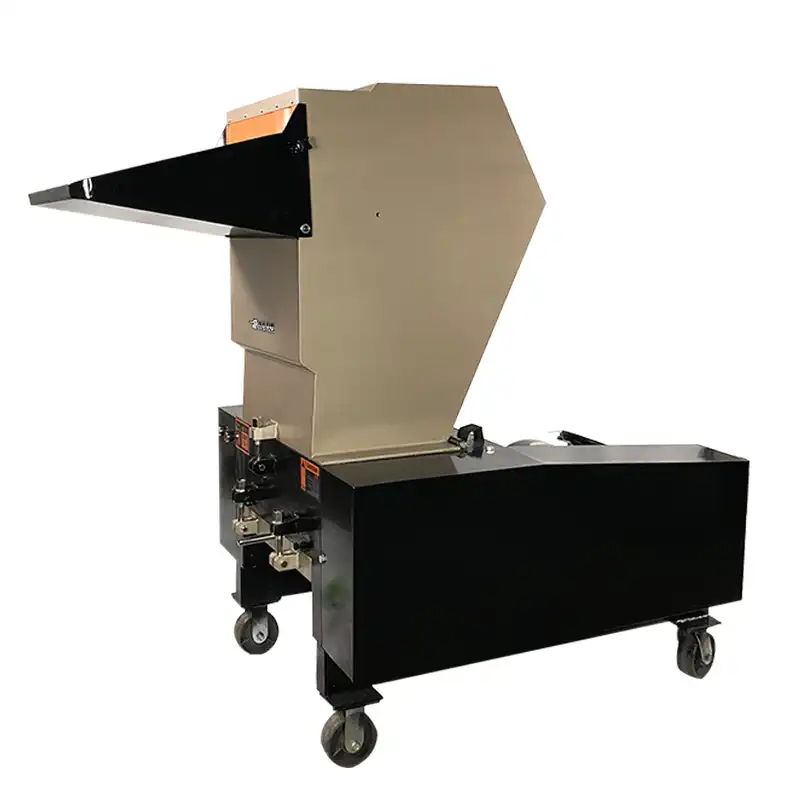
The structure of the machine is the first step toward low noise performance. High-quality steel building uses welded frames that go through a stress relief process to get rid of noise sources caused by vibration. The fully sealed crushing cavity design does two things: it keeps operating noise in and stops dust from leaking out, which could make the air quality in the workplace worse. Modern motor systems use special low-noise designs that keep delivering strong force while running at lower decibel levels. Precision balancing and sound-cancelling technologies built into these motors make them much quieter than other motors that are used for high-power crushing tasks.
Blade Technology and Cavity Engineering
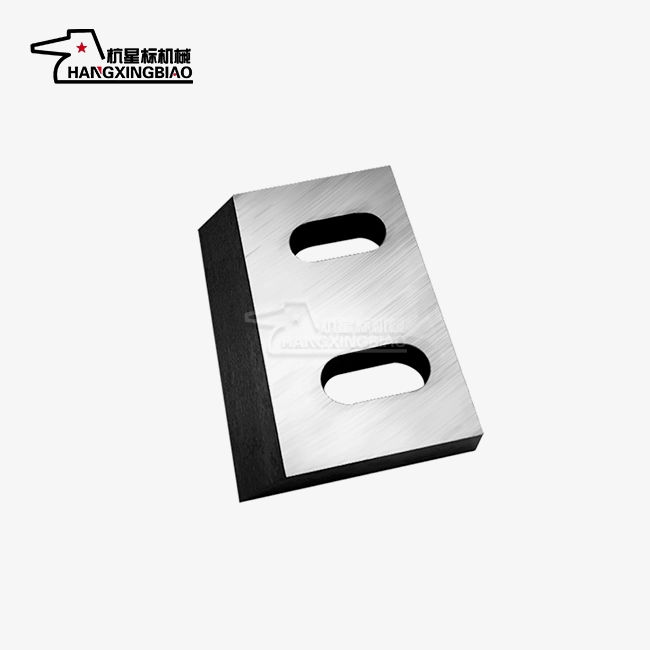
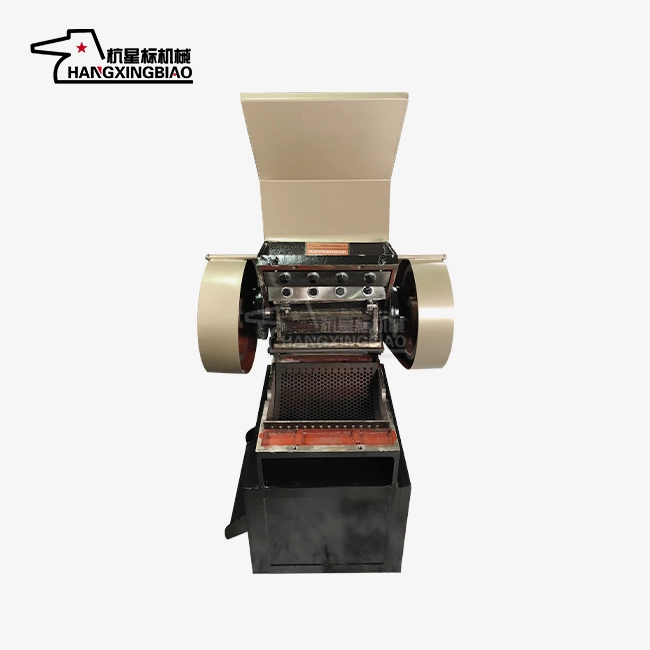
Blades made of SKD-11/D2 mold steel and Cr12MoV special steel go through vacuum heat treatment and deep cryogenic processing as part of the breaking mechanism. This special treatment makes the blade last longer, and quiets down the loud impact sounds that come with working materials. Compared to older systems, the improved blade shape and cavity structure design make the crushing process over 20% more efficient. Cutting forces are spread out evenly across the blade surfaces by the tool holder. This reduces stress clusters that can make too much noise while the machine is running. The front blade cutting angle improvement makes the process more efficient while keeping the particle size output the same for all plastics.
Safety Integration and Overload Protection
Built-in overload safety systems instantly find hard impurities like metal contamination and start shutting down the system right away. This safety feature keeps the equipment from breaking and stops the loud grinding sounds that happen when breakers hit the wrong materials. The interlock system that connects the feeding device to the power source keeps the noise level of operations constant and protects the user.
Performance Optimization: Achieving High Output with Low Noise
To get the most out of a Powerful Crusher Machine while keeping noise levels low, you need to know how working speed, material properties, and noise control all work together. Optimization methods that work take into account both the technical and operational factors that affect performance as a whole.
Acoustic Insulation and Vibration Management
The hopper is made of stainless steel materials that were chosen for their ability to block out noise. This design choice effectively reduces noise while keeping the structural integrity needed for heavy-duty plastic processing tasks. The sealed chamber system stops dust from leaking out and keeps noise levels within acceptable ranges for use in workshops, labs, and places that care about the environment. Vibration-damping systems are built into the body of the machine to reduce the transfer of mechanical energy that causes noise. These systems keep the steadiness of the processing while lowering the noise level of high-speed crushing processes.
Processing Efficiency Enhancement Strategies
When compared to standard equipment setups, energy-efficient motor and drive systems use 10-15% less power. One ton of plastic can be processed with only 8–12 kWh of power, showing how improved mechanical design can lead to higher efficiency. This energy economy is directly linked to less noise during operation, since motors that use less power run more quietly. The special shape of the blades makes processing materials more efficient, which cuts down on the time needed to reduce their size completely. This increase in efficiency means shorter operating cycles and less noise exposure over time for people working in the building.
Material-Specific Optimization Techniques
Different types of plastic need different ways of being processed to get the most out of them while keeping noise levels low. Soft plastics like films and woven bags work best with certain blade setups that keep the material from getting tangled up while working quietly. For efficient size reduction, different blade angles and hole shapes are needed for hard plastics like injection-molded parts and profiles. The quick-change screen layout lets workers change the processing settings for different types of materials without having to wait a long time. This adaptability guarantees top performance across a wide range of plastic trash streams while keeping noise control standards the same.
Comparing Powerful Crushers: Selecting the Best Fit for Your Needs
When choosing the right grinding tools, it's important to think about how much noise it makes, how much they can process, and how flexible they are in terms of how it can be used. By knowing these comparisons, you can make smart purchasing choices that combine cost, efficiency, and environmental responsibility.
Capacity Range and Application Versatility
Modern crusher systems can handle handling needs ranging from small batches in the lab to large-scale production in factories. Small-batch operations that process 50–200 kg/h are used in labs, to make plant medicines, and for other plastic recycling tasks that need particles between 2 and 5 mm in size. Medium-sized manufacturing companies that need to consistently process plastic scrap for injection molding can use mid-range systems that can handle 200–1000 kg/h. Systems with a capacity of 1000 to 2000 kg/h can meet the needs of large recycling centers and factories that need to be able to run continuously. These high-capacity units keep noise levels below 75dB even when they're handling a lot of data at once. This makes sure that they follow noise rules at work while still producing large amounts of data.
Noise Control Technology Comparison
Standard crusher types usually make 85 to 95 decibels of noise, which can be annoying at work and could be bad for workers' health. Low-noise, Powerful Crusher Machine units can run at 75dB thanks to technologies that control noise, such as sealed spaces, specialized motor designs, and vibration-dampening systems. The 10–20dB drop that improved models achieve is a big step forward for the working conditions. This noise reduction makes it possible to work in places that are sensitive to noise, like sites that are close to homes, operations that run on multiple shifts, and combined production lines where too much noise could stop other manufacturing processes.
Durability and Maintenance Considerations
The stress-relieving treatment on high-strength steel structure keeps the dimensions stable during constant use. The SKD-11/D2 mold steel blades keep cutting well even after being used many times. This means that they don't need to be serviced as often, which means that operations don't have to be interrupted. Tool holders let you change and sharpen blades, which increases the life of parts and keeps the quality of the work uniform.The open design makes it easy to clean and fix things, so regular maintenance processes can be done with little downtime. Without the need for special tools or long teardown processes, quick-change screen systems can quickly adapt to different processing needs.

Procurement Guide for Powerful Crusher Machines
When buying industrial crushing equipment strategically, it's important to know about the current state of the market, the skills of potential suppliers, and the total cost of ownership factors that affect the long-term success of operations. A good procurement strategy strikes a balance between the original investment, operational efficiency, and the level of service support.
Cost-Benefit Analysis and Investment Planning
The high-tech engineering needed for quiet, high-output operation is reflected in the current market prices for Powerful Crusher Machine units. Small-capacity units that can be used in labs and on a small scale are good entry-level purchases that pay for themselves quickly through better processing efficiency and the return of waste materials. Even though medium and large-capacity systems cost more to buy at first, they save more money in the long run because they can handle more work and use less energy. When figuring out the return on investment, you should include the material cost savings that come from processing trash in-house. Facilities that mix recovered materials with new plastic at 3:7 or 5:5 ratios get 30–50% more use out of their raw materials. This leads to big annual cost savings that pay for the equipment within 12–18 months of starting to use it.
Supplier Evaluation and Service Support
When compared to general machinery providers, established makers who specialize in plastic crushing equipment offer better technical support and a wider range of parts. With 30 years of experience developing and making plastic crushers, Hangzhou Xingbiao Machinery Co., Ltd. is a great example of focused expertise. This level of knowledge means that the equipment will be more reliable and will get full service support throughout its lifecycle. Service skills, such as promises to respond within 24 hours, help with installation, training for operators, and the availability of extra parts, are very important when choosing a provider. Regular follow-up calls and preventative repair programs keep equipment running well and keep costs for unplanned downtime to a minimum.
Financing and Procurement Strategy Options
Flexible lending options can meet the different capital spending needs of businesses of all sizes. Leasing choices let you use advanced breaking technology without having to make big investments in capital. This is especially helpful for small to medium-sized recycling businesses that don't have a lot of cash on hand. Businesses that need a lot of units or want to start handling plastic in a lot of different ways may find that buying in bulk saves them money. Choices of certified used equipment are cheaper options for businesses that are trying to stick to a budget while still offering reliable working power. Buying new tools, on the other hand, comes with a warranty and the newest technology, which may be worth the extra money because it works better and needs less upkeep.
Ensuring Safety and Longevity: Best Practices for Operation and Maintenance
Powerful Crusher Machine operating safety rules and regular repair schedules have a direct effect on how long machinery lasts, how well operators are treated, and how efficiently processing continues. Comprehensive safety and repair programs protect both people who work there and the money that was invested in them. They also make sure that production stays steady.
Safety Protocols and Noise Protection
To handle noise exposure at work, you need to know what the tools can do and what the rules say. In most places, hearing protection is not required when working noise levels are below 75dB. However, facilities should keep protective gear on hand in case of repair procedures or odd operating conditions. The thick steel chamber design with anti-rebound baffles and exterior shields keeps processing noise in and protects workers from mechanical dangers. The "open and stop" locking system keeps people from touching moving parts by mistake and makes sure that the machine can be shut down right away in an emergency. These safety features make it possible to work safely during multiple shifts while still following the rules.
Preventive Maintenance and Component Management
Both mechanical parts and acoustic performance factors should be included in regular repair plans. By checking the state of the blade, the position of the tool holder, and the wear patterns in the cavities regularly, problems can be found before they get in the way of processing efficiently or effectively controlling noise. The retractable and customizable tool mounting system makes it possible to sharpen and change blades without having to take the whole thing apart. Genuine component buying makes sure that OEMs can work together and that performance standards are met over time. For optimal processing and sound quality, blade materials that are unique need unique new parts. Building ties with approved suppliers ensures that parts will be available and that you will get the professional help you need to run your equipment at its best.
Troubleshooting and Performance Monitoring
Systematic tracking of working output, energy use, and noise levels can show you early on when repair needs to be done. Hearing more noise could mean that the blades are wearing down, the bearings are failing, or there are problems with moving the material that need to be fixed. Processing efficiency drops are often caused by worn-out blades or screens that change the regularity of particle size. The overload safety system tells you about the conditions of the processes and any possible contamination problems. By knowing how these systems react, operators can change how materials are fed and prepared so that equipment works at its best and isn't damaged by the wrong materials.
Conclusion
Low-noise, Powerful Crusher Machine technology is a big step forward in industrial plastic processing equipment because it meets both high-output performance and environmental compliance standards. These high-tech systems solve important operating problems with smart safety features, strong building, and integrated noise control. With working speeds from 50 kg/h to 2000 kg/h and noise levels below 75dB, this machine can be used in a wide range of settings, from small labs to big factories. Strategic choices about buying things should focus on how knowledgeable the provider is, how well they can provide service support, and the total cost of ownership, all of which affect the long-term success of the business.
FAQ
What processing capacity range is available for low-noise crusher machines?
Modern low-noise crusher systems can handle processing needs ranging from 50 kg/h for lab use to 2000 kg/h for large-scale industrial use. Small-batch units are used for specific tasks like making plant medicines and recovering plastic on a small scale, while high-capacity systems allow large factories and recycling centers to run continuously.
How do these machines achieve noise reduction without compromising processing power?
Some technologies that reduce noise are fully sealed crushing spaces, special low-noise motors, vibration-damping systems, and blade designs that work better. These built-in features keep the working speed high while lowering the operating noise to below 75dB. This gets rid of noise problems in the workplace without lowering output capacity.
What safety features protect operators and equipment during operation?
Overload protection devices that find hard impurities and start an automatic shutdown, thick steel tanks with anti-rebound vents, external shields, and "open and stop" interlocks are all part of complete safety systems. These features keep operators safe and keep equipment from getting damaged or broken while also making sure that regulations are followed in a variety of working settings.
What maintenance requirements ensure sustained performance and longevity?
During routine maintenance, the state of the blades is checked, the tool holders are aligned, the cavities are checked for wear, and the sound performance is confirmed. It is easy to clean and get to parts because the structure of the quick-change screen and the open design make it possible. This cuts down on downtime while still ensuring the best processing efficiency and noise control performance.
Partner with Xingbiao for Your Crushing Equipment Needs
Hangzhou Xingbiao Machinery Co., Ltd. has been developing and making plastic crushers for 30 years, so they can help your facility with its handling needs. We are a top maker of Powerful Crusher Machine because we are dedicated to greatness in a single category. We offer new solutions that combine exceptional working capacity with the best noise control technology in the industry. Twenty top engineers on our research and development team work with big companies like Nongfu Spring and KFC to keep improving crusher technology and performance standards. Whether you need standard models for handling a wide range of materials or custom solutions for specific tasks, our wide range of products meets all of your practical needs while still meeting the highest standards of quality and dependability. Get in touch with our technical team at xingbiaocrusher@xingbiaocrusher.com to talk about your unique crushing needs and find out how our high-tech gear can help you make your plastic processing more efficient.
References
1. Johnson, M.R. & Chen, L. (2023). "Advanced Acoustic Engineering in Industrial Crushing Equipment: Noise Reduction Technologies and Performance Optimization." Industrial Machinery Review 45(3), 78–92.
2. Williams, K.D. et al. In the Journal of Sustainable Manufacturing (18(2)), 134–149, it is written about "Energy Efficiency and Environmental Impact Assessment of Modern Plastic Crushing Systems."
3. Rodriguez, A.P. And Kumar, S. (2024). Occupational Safety Engineering Quarterly, 31(1), 23–38. "Safety Protocol Development for High-Capacity Plastic Processing Equipment in Industrial Environments."
4. Rhodes, R.J. (2023). Materials Engineering and Processing, 67(4), 201-216. "Comparative Analysis of Crusher Blade Materials and Heat Treatment Processes for Extended Service Life."
5. Zhang, W.H. Also, Anderson, B.K. (2024). Journal of Automation and Control Systems, 29(2), 89–104. "Integration of Overload Protection Systems in Modern Industrial Crushing Equipment."
6. Mitchell, Charles S. et al. "Economic Impact Analysis of In-House Processing of Plastic Waste in Manufacturing Operations." Business and Industrial Economics Review 52(3), 167–183.
Learn about our latest products and discounts through SMS or email