- English
- French
- German
- Portuguese
- Spanish
- Russian
- Japanese
- Korean
- Arabic
- Greek
- German
- Turkish
- Italian
- Danish
- Romanian
- Indonesian
- Czech
- Afrikaans
- Swedish
- Polish
- Basque
- Catalan
- Esperanto
- Hindi
- Lao
- Albanian
- Amharic
- Armenian
- Azerbaijani
- Belarusian
- Bengali
- Bosnian
- Bulgarian
- Cebuano
- Chichewa
- Corsican
- Croatian
- Dutch
- Estonian
- Filipino
- Finnish
- Frisian
- Galician
- Georgian
- Gujarati
- Haitian
- Hausa
- Hawaiian
- Hebrew
- Hmong
- Hungarian
- Icelandic
- Igbo
- Javanese
- Kannada
- Kazakh
- Khmer
- Kurdish
- Kyrgyz
- Latin
- Latvian
- Lithuanian
- Luxembou..
- Macedonian
- Malagasy
- Malay
- Malayalam
- Maltese
- Maori
- Marathi
- Mongolian
- Burmese
- Nepali
- Norwegian
- Pashto
- Persian
- Punjabi
- Serbian
- Sesotho
- Sinhala
- Slovak
- Slovenian
- Somali
- Samoan
- Scots Gaelic
- Shona
- Sindhi
- Sundanese
- Swahili
- Tajik
- Tamil
- Telugu
- Thai
- Ukrainian
- Urdu
- Uzbek
- Vietnamese
- Welsh
- Xhosa
- Yiddish
- Yoruba
- Zulu
How to choose a powerful pulverizer for pharmaceutical applications?
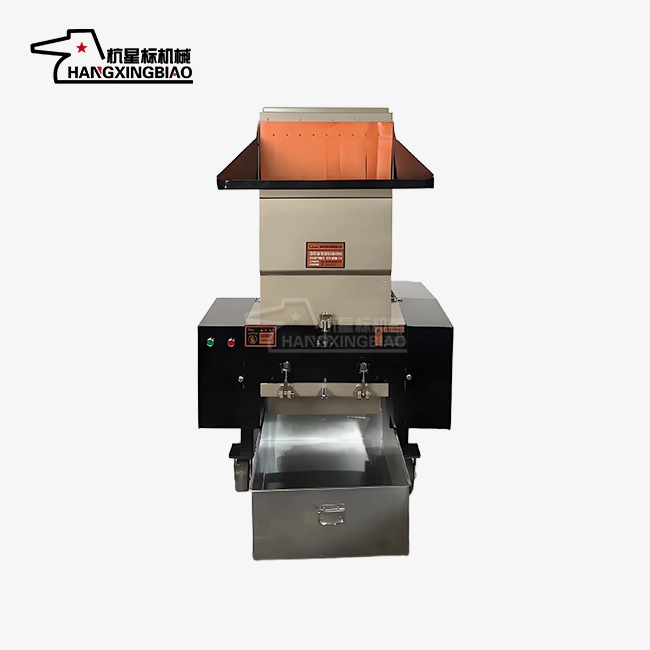
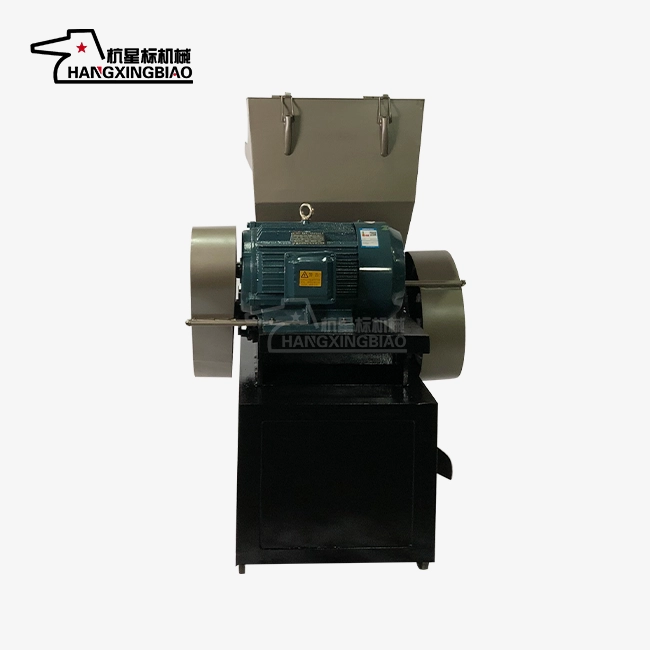
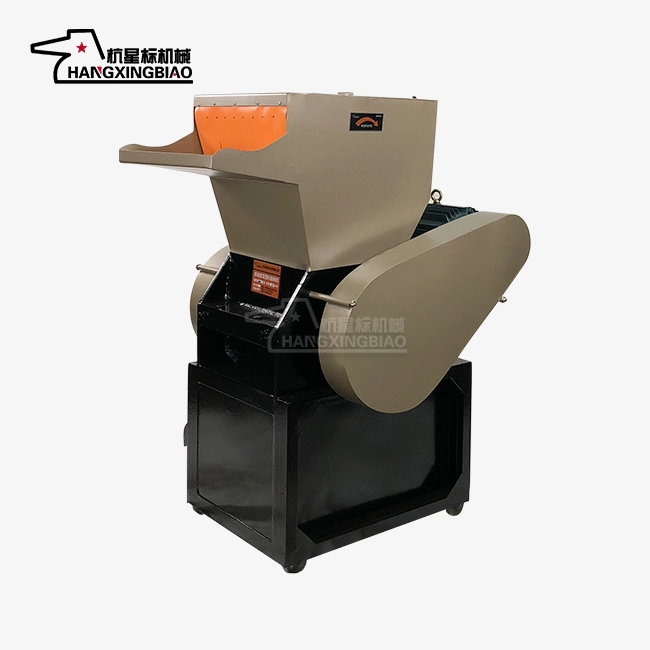
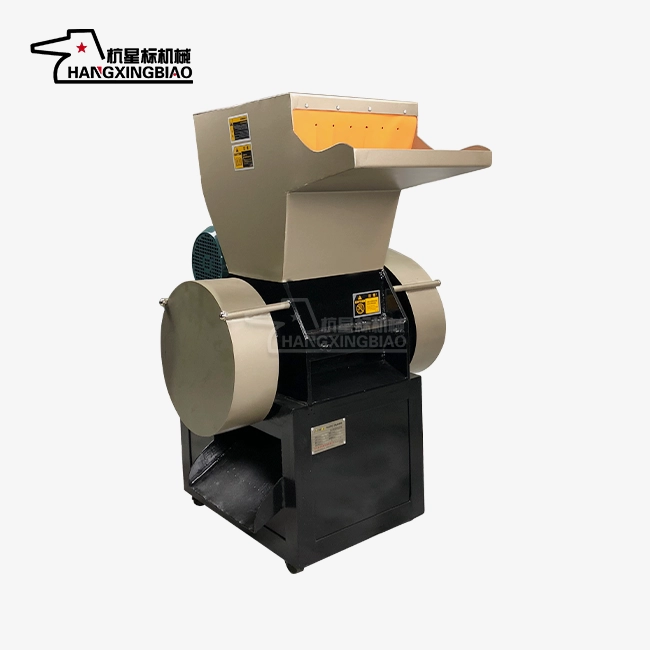
When looking for a powerful pulverizer for medicinal use, there are many things that need to be carefully thought out. These include compatibility with the materials being used, accuracy in particle size, compliance with regulations, and how well the machine works. Modern pharmaceutical manufacturing needs machines that can consistently handle active pharmaceutical ingredients (APIs), inactive ingredients (excipients), and plant materials while following strict cleanliness rules and distributing particles evenly. The best pulverizer has both modern grinding technology and features that keep the product from getting contaminated. This way, the quality of the product is maintained, and regulations are followed throughout the production process.

Understanding Powerful Pulverizers in Pharmaceutical Applications
Pharmaceutical manufacturing depends on precise material handling, and powerful pulverizer systems are essential for getting particles of the same size, which is important for the effectiveness of the drugs. These high-tech tools use different types of crushing processes, such as impact, shear, and compression forces, that are specially designed for pharmaceutical needs.
Core Working Principles and Technical Specifications
Modern grinding equipment uses more than one way to crush things to get the best results. Through high-speed moving parts, impact pulverization creates kinetic energy that breaks things into smaller pieces. Shearing machines have blades that spin and apply strong cutting forces to solid surfaces. This works best for materials that are fibrous or flexible. Compression methods use controlled pressure between surfaces and work well for hard materials that need to lose volume. Processing capacity (measured in kilograms per hour), particle size range (usually spanning 2–100 mm through interchangeable screening systems), and material compatibility (including APIs, excipients, traditional medicines, and botanical powders) are some of the most important technical specs that determine how well a piece of equipment works. Energy efficiency rates have a direct effect on running costs. For example, modern units use 8 to 12 kilowatts of power per ton of material they handle.
Benefits for Pharmaceutical Production
Implementing modern pulverizing technology has measured benefits for all steps involved in making pharmaceuticals. Consistent particle size distribution makes sure that drugs dissolve and are absorbed evenly, which is important for their treatment effectiveness. Processing speed jumps of 15 to 20 percent compared to old equipment cut down on production bottlenecks while keeping quality standards high. Specialized design features, such as stainless steel construction, easy-to-clean surfaces, and contamination prevention systems, make it possible to follow strict cleanliness and safety rules. The ability to work with a wide range of materials, such as active medicinal ingredients and plant extracts, makes the most of the equipment's use across multiple product lines.
Core Criteria for Choosing a Powerful Pulverizer for Pharmaceuticals
To choose the best pulverizing tools, you need to carefully look at your unique pharmaceutical handling needs. By understanding these factors, you can make decisions that are both operationally efficient and in line with the law.
Defining Volume and Particle Size Requirements
Processing output needs vary a lot between pharmaceutical operations, from small amounts of 50 kg/hour in the lab to large-scale production of 10 tons/hour in factories. Accurately estimating a machine's capacity stops it from being too big, which loses money, or too small, which limits production. Particle size specifications directly affect the choice of equipment. For example, pharmaceutical uses usually need exact control within 2–50 mm ranges, which can be achieved with screening systems that are adjustable. The properties of the material have a big effect on the choice of tools. To keep the chemical structure of APIs, they usually need to be handled carefully, while excipients can handle being crushed more forcefully. Understanding these material-specific needs helps choose the right technology and set the right operating settings.
Essential Evaluation Metrics
Energy economy is a very important thing to think about when running a business, especially in places where work is ongoing. Modern designs for powerful pulverizers use 10-15% less energy than older models because they have better motor matching and transfer systems. Because of this speed, business costs go down, and profit margins get bigger. Maintenance needs have a direct effect on how much output runs and how much it costs to run. Accessible service points, quick-change parts, and easy-to-follow cleaning instructions on equipment help keep it running smoothly and reduce downtime. Realistic estimates of operating costs are made by looking at repair plans, the availability of extra parts, and the level of difficulty of the service.
Regulatory Compliance and Quality Standards
Pharmaceutical equipment has to follow strict Good Manufacturing Practice rules about areas that come into contact with materials, cleaning, and keeping things from getting contaminated. For example, areas that come into contact with the product must be made of stainless steel, cleaning methods must be proven to work, and there must be a way to keep records that can be used for regulatory checks. When processing multiple goods or working with strong chemicals, features that stop contamination become even more important. The design of equipment must allow for thorough cleaning between batches and include safety features that keep workers safe and stop contamination from spreading.
Matching Pulverizer Features to Pharmaceutical Application Needs
Different pharmaceutical products and handling needs call for different types of tools and ways of using them. By understanding these connections, you can choose the best tools for a wide range of industrial situations.
Processing Method Considerations
To keep the chemical structure and effectiveness, API processing needs to be done carefully. Specialized crushing devices reduce the size of particles in a controlled way, without generating too much heat that could break down sensitive chemicals. Operators can find the best working conditions for each material by changing the speed and contact forces. Processing of excipients usually lets more active breaking methods to be used to get particles to the right size quickly. When preparing excipients, higher output and strong construction can handle the larger amounts that come with it while still meeting quality standards.
Batch Versus Continuous Operation
Batch processing systems are flexible enough to handle both small-scale production and changes in products that often happen. These systems work great in places like research and development or specialty pharmaceutical manufacturing, where the number of different products made is higher than the amount needed. It is easy to clean and quick to switch between products, which makes batch systems perfect for facilities that make more than one thing. Continuous operation systems make large-scale production settings more efficient by increasing productivity. When upstream and downstream tools can work together, it makes production lines run more smoothly, with less material handling and a lower chance of contamination. But cleaning, approval, and product changes in ongoing systems need to be carefully planned.
Customization and Integration Capabilities
Equipment that can be used with current production facilities is helpful for making pharmaceuticals today. Variable output heights, specialized feeding systems, and integration connections that connect with material handling equipment, dust collection systems, and process control networks are some of the features that can be changed to fit your needs. Integration with current production lines increases return on investment while minimizing changes to the building. When equipment providers offer full integration support and custom engineering services, they open up valuable relationship possibilities that go beyond just selling equipment.

Practical Considerations and Maintenance Tips for Pharmaceutical Pulverizers
Comprehensive maintenance plans and following set safety rules are needed for equipment to work reliably. These things have a direct effect on the standard of the products, the uptime of production, and following the rules.
Routine Maintenance and GMP Compliance
Pharmaceutical equipment upkeep is more than just making sure it works properly. It also includes making sure it meets regulations and makes sure the quality of the products it makes. Daily checks of cutting tools, weekly cleaning of bearing systems, and monthly checks of safety interlocks and emergency stop systems should all be part of scheduled maintenance programs. For pharmaceutical equipment, you need to keep repair logs, records that show how to find replacement parts, and validation records that show you're still following the set working limits. Maintenance methods must be approved and carried out by trained professionals who follow written instructions that meet regulatory standards.
Safety Guidelines and Operator Training
In pharmaceutical production settings, worker safety is the most important thing. All-encompassing training programs should cover how to use tools, what to do in an emergency, lockout/tagout processes, and what safety gear is needed. Operators must get regular refresher training to make sure they stay up to date on safety practices and new tools.
Modern pulverizing equipment, such as a powerful pulverizer, has safety features like interlocking access panels that stop the machine from working when they are opened, emergency stop systems that can be reached from multiple places, and storage systems that keep materials from being exposed while the machine is running normally. All of these features work together to make workplaces safe and keep production running smoothly.
Energy Management and Cost Optimization
For operational cost management to work, you need to pay attention to how energy is used and look for ways to make it better. When compared to older designs, new equipment with variable frequency drives and improved cutting tool shape can use a lot less energy. Monitoring trends of energy use helps find ways to save energy and identify things that need to be fixed. Strategies for managing spare parts have to balance the costs of keeping supplies with the need for output uptime. Critical parts like cutting tools, screens, and bearing kits should always have enough in stock, while non-critical items can be bought only when they are needed. Building relationships with dependable providers guarantees quick access to high-quality substitute parts.
Trusted Brands, Suppliers, and Procurement Tips for Pharmaceutical Pulverizers
Choosing trusted equipment suppliers is a big choice that will have a big effect on the long-term success of your business. Technical skills, following the rules, and ongoing support services should all be part of the evaluation factors.
Manufacturer Evaluation and Credibility Assessment
Reputable manufacturers show they know the pharmaceutical business by having the right certifications, customer references, and a history of success in regulatory settings. ISO approval, FDA registration, and following foreign quality standards give you faith in the supplier's skills and dedication to quality. Customer feedback and case studies are great ways to learn about how equipment works in the real world and how quickly a provider is. Asking for references from similar projects and building tours of current installations are good ways to get first-hand feedback that goes beyond technical specs and marketing materials.
Procurement Strategies and Financial Considerations
When buying equipment, plans should balance up-front prices with the total cost of ownership, which includes things like how much energy it uses, how often it needs to be maintained, and how long it's expected to last. Leasing and longer payment terms are two types of financing that can help your cash flow while giving you access to new technology. Delivery lead times are very different depending on how complicated the equipment is and how it needs to be customized. Standard models might be ready in a few weeks, but unique versions might take months to plan, build, and test. Planning the timing of purchases around the plans for production avoids costly delays and makes sure that everything goes smoothly.
Eco-Friendly Solutions and Sustainability
As pharmaceutical companies try to reach their sustainable goals, environmental concerns are becoming more and more important in the equipment choices they make. Energy-efficient designs lower the carbon footprint of operations, and improved filtration systems lower the amount of trash made and the damage they do to the environment. Powerful pulverizers also contribute to these efforts by optimizing material processing, which can reduce energy consumption and waste. Long-lasting and easy-to-repair equipment helps achieve sustainable goals by increasing service life and lowering the number of times it needs to be replaced. Suppliers that give programs to improve equipment and services to refurbish parts are also good for the environment and keep performance standards high.
Conclusion
To pick the best powerful pulverizer for medicinal uses, you need to find a balance between technical performance, legal compliance, and operating efficiency. During the evaluation process, equipment that has been used in the pharmaceutical business before, meets strict GMP standards, and works reliably over a long period of time should be given the most weight. Partnering with experienced suppliers who know how hard it is to make pharmaceuticals and offer full help throughout the lifecycle of the tools is key to success. When you buy good grinding equipment, you get real benefits like more consistent products, more efficient operations, and a lower total cost of ownership.
FAQ
What factors most influence pulverizer capacity in pharmaceutical applications?
The processing ability is greatly affected by the properties of the material. For example, harder materials need more energy and longer residence times. The required particle size also affects productivity, since smaller particles usually slow down the rate of processes. The highest capacity that can be reached under certain working conditions is based on the motor power, cutting tool setup, and screen specs.
How frequently should maintenance be performed to maintain GMP compliance?
The amount of maintenance needed depends on the working conditions and government rules. In pharmaceutical settings, routine maintenance includes eye checks every day, lubrication of important parts once a week, and full reviews every month. Important safety systems should be checked every three months, and they should get a full repair once a year to make sure they keep working within the approved limits.
Can pulverizers designed for chemical processing be safely used in pharmaceutical applications?
Chemical processing equipment might not meet the needs of the pharmaceutical business when it comes to material compatibility, cleaning approval, and keeping things from getting contaminated. For pharmaceutical uses, you need custom designs with the right materials, finishes, and paperwork to show that you follow the rules set by the government. Using technology that isn't made for pharmaceuticals can cause problems with regulations and the quality of the product.
Partner with Xingbiao for Superior Pharmaceutical Pulverizing Solutions
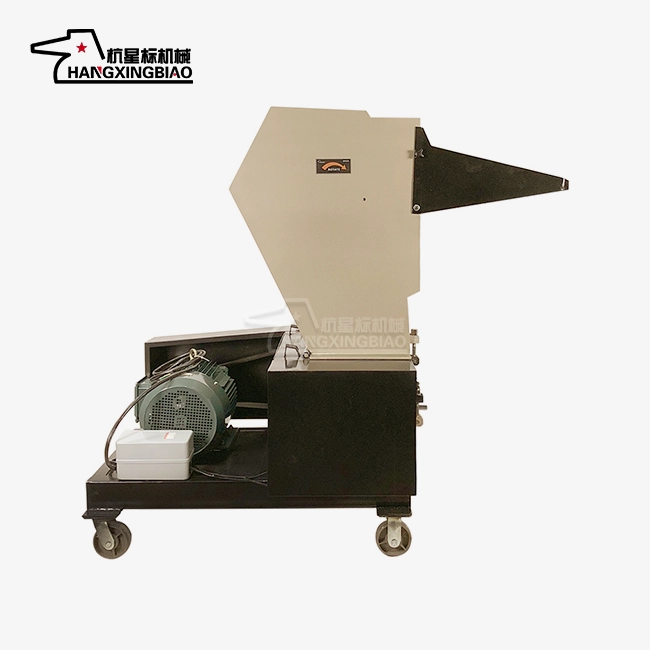
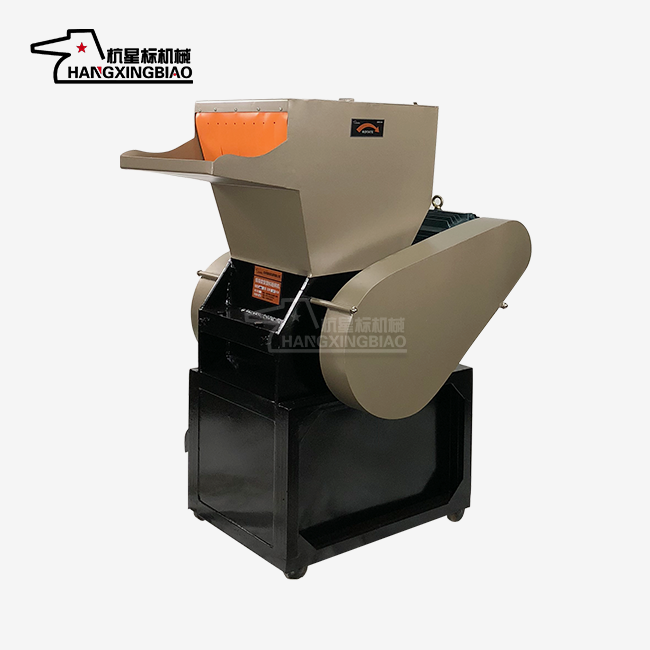
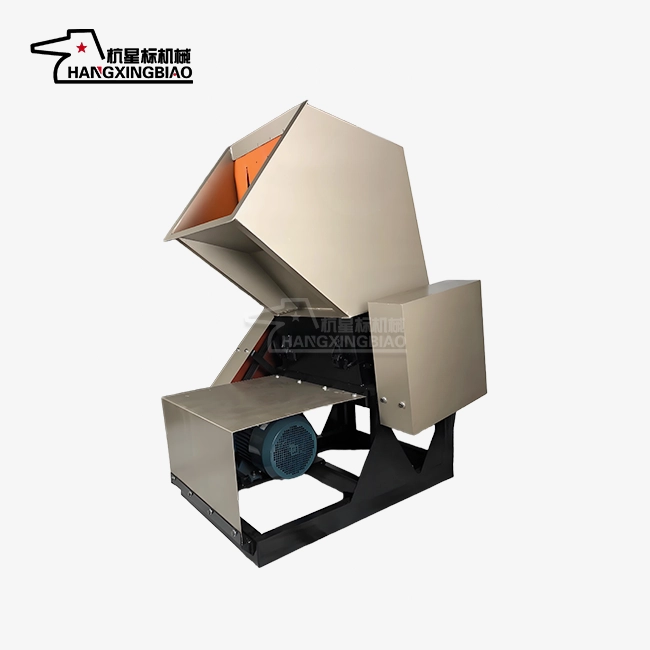
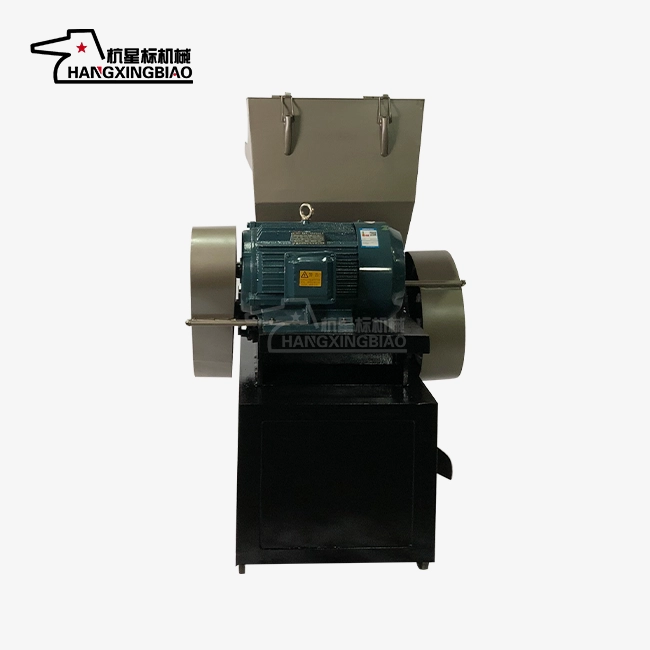
Xingbiao Machinery brings three decades of specialized expertise in developing advanced pulverizing equipment that meets pharmaceutical industry demands. Our powerful pulverizer systems combine proven reliability with innovative technology to deliver consistent particle size control and regulatory compliance. As a dedicated, powerful pulverizer manufacturer, we understand the unique challenges of pharmaceutical processing and provide customized solutions backed by comprehensive technical support. Contact our engineering team at postmaster@xingbiaocrusher.com to discuss your specific requirements and discover how our equipment can enhance your production efficiency while maintaining the highest quality standards.

References
1. Chen, W. & Liu, M. (2023). A study published in the Journal of Pharmaceutical Engineering 45(3) in 2018 looked at "Advanced Particle Size Reduction Technologies in Pharmaceutical Manufacturing."
2. Rodriguez, A. et al. The Pharmaceutical Technology Review (18.7) has articles 145–158 about "GMP Compliance Strategies for Pulverizing Equipment in Drug Manufacturing."
3. Thompson, K. & Singh, R. (2023). "Energy Efficiency Optimization in Industrial Pulverizing Systems." Process Engineering Quarterly, 29(4), 203-217.
4. Williams, S. (2022). Drug Manufacturing Today, 31(9), 112-125. "Material Compatibility and Contamination Prevention in Pharmaceutical Equipment Design." There.
5. In 2023, Anderson, P., and Kumar, V. "Industrial Maintenance Journal, 67(2), 89–103," "Maintenance Protocols for Pharmaceutical Processing Equipment."
6. Davis, L. et al. "Regulatory Requirements for Particle Size Control in Pharmaceutical Applications." Regulatory Affairs Quarterly 14(6), 234–248, June 2014.
Learn about our latest products and discounts through SMS or email