- English
- French
- German
- Portuguese
- Spanish
- Russian
- Japanese
- Korean
- Arabic
- Greek
- German
- Turkish
- Italian
- Danish
- Romanian
- Indonesian
- Czech
- Afrikaans
- Swedish
- Polish
- Basque
- Catalan
- Esperanto
- Hindi
- Lao
- Albanian
- Amharic
- Armenian
- Azerbaijani
- Belarusian
- Bengali
- Bosnian
- Bulgarian
- Cebuano
- Chichewa
- Corsican
- Croatian
- Dutch
- Estonian
- Filipino
- Finnish
- Frisian
- Galician
- Georgian
- Gujarati
- Haitian
- Hausa
- Hawaiian
- Hebrew
- Hmong
- Hungarian
- Icelandic
- Igbo
- Javanese
- Kannada
- Kazakh
- Khmer
- Kurdish
- Kyrgyz
- Latin
- Latvian
- Lithuanian
- Luxembou..
- Macedonian
- Malagasy
- Malay
- Malayalam
- Maltese
- Maori
- Marathi
- Mongolian
- Burmese
- Nepali
- Norwegian
- Pashto
- Persian
- Punjabi
- Serbian
- Sesotho
- Sinhala
- Slovak
- Slovenian
- Somali
- Samoan
- Scots Gaelic
- Shona
- Sindhi
- Sundanese
- Swahili
- Tajik
- Tamil
- Telugu
- Thai
- Ukrainian
- Urdu
- Uzbek
- Vietnamese
- Welsh
- Xhosa
- Yiddish
- Yoruba
- Zulu
How to Maximize Output with a Long-Life Blade Crusher?
Maximizing output with a long-life blade crusher requires a strategic combination of selecting premium equipment, implementing disciplined maintenance routines, and optimizing operational parameters. These crushers, built with high-grade blade materials like SKD-11 or Cr12MoV steels, deliver superior wear resistance and consistent performance across demanding applications. By addressing common bottlenecks such as improper feed rates, blade degradation, and material characteristics, operators can achieve significant throughput improvements—often exceeding 20% gains—while reducing energy consumption and extending equipment service life.
Understanding the Long-Life Blade Crusher and Its Core Benefits
When we talk about long-life blade crushers, we're talking about heavy-duty tools that are built to last and keep working well even when they're under a lot of stress. Normal crushers need new blades all the time, and the quality of their output isn't always constant. But these new systems use special materials and precise engineering to give consistent results year after year.
What Sets Long-Life Blade Crushers Apart
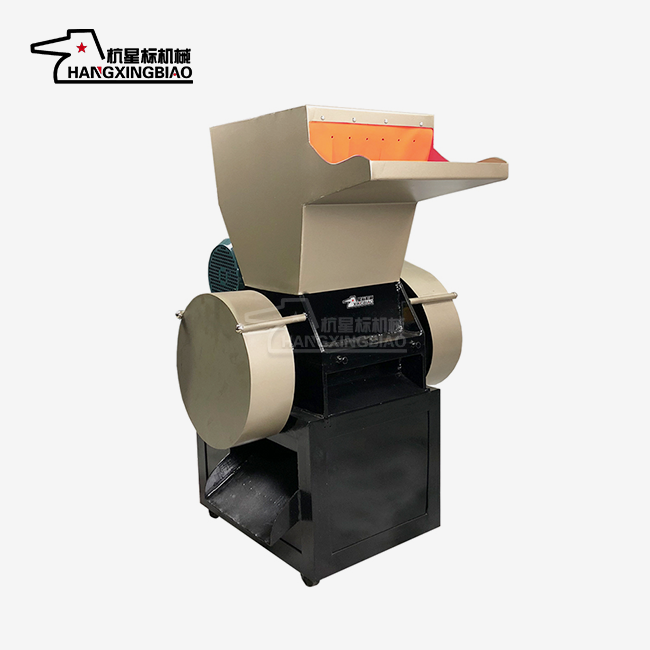
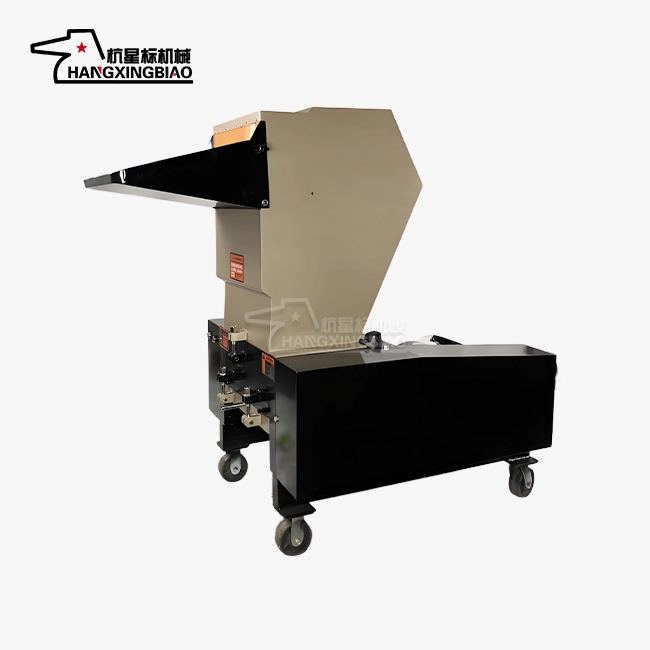
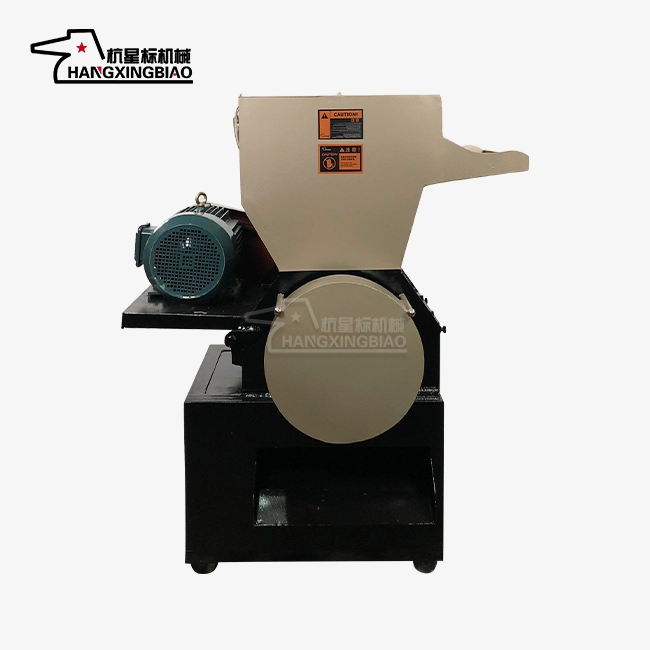
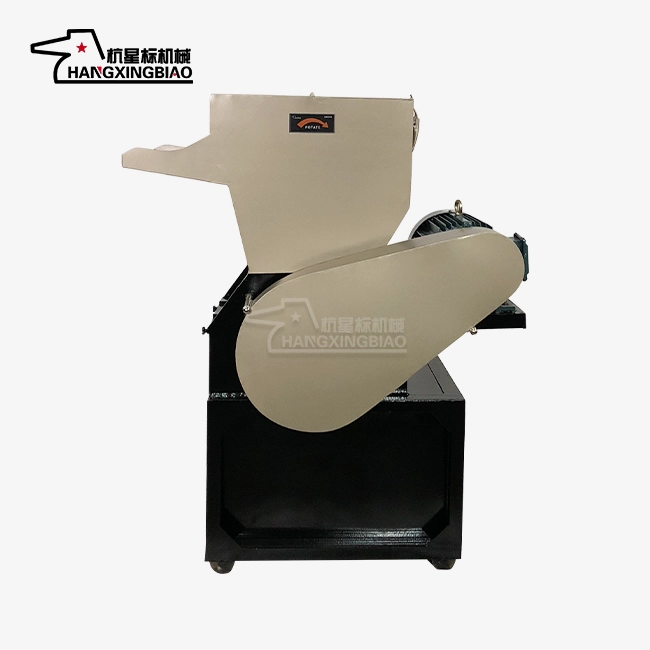
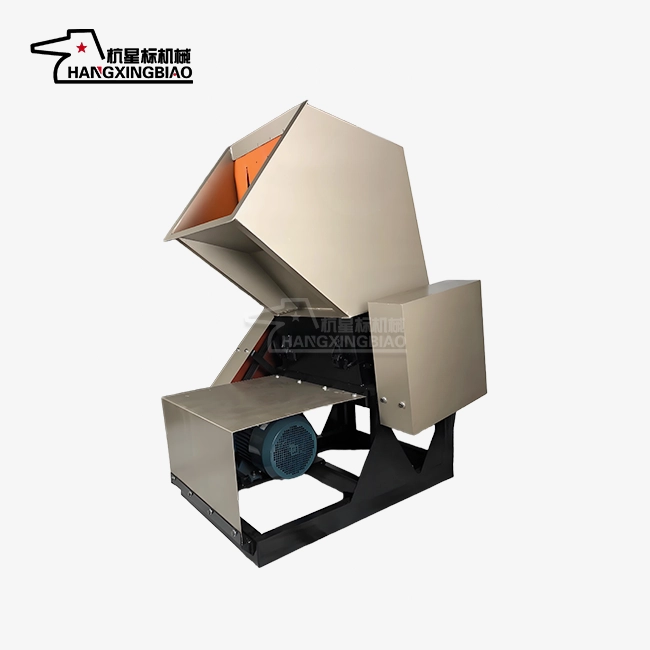
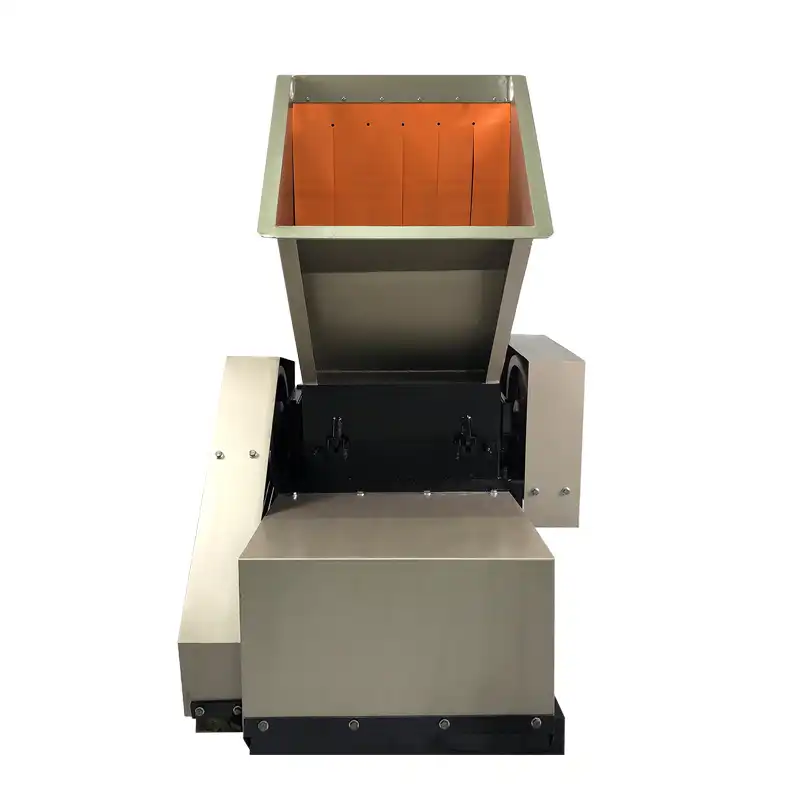
The design of the blades on these crushers is what makes them unique. Premium models use SKD-11 or D2 mold steel that is vacuum-heated and processed deeply in liquid nitrogen. This makes the steel very hard, so it doesn't wear down when working with rough materials. The main body is usually made up of welded high-strength steel plates that have been treated with stress reduction methods to keep them from deforming while they are in use. This strong design is especially useful when dealing with large amounts of plastic trash, leftovers from injection molding, or mixed recycling streams.
Core Advantages for Industrial Operations
When businesses buy these crushers, they get a number of clear benefits. When blades are replaced less often, there is less downtime, which directly leads to higher production capacity. In some cases, service gaps can be extended by 300% compared to normal equipment. The blade geometry and cavity designs have been improved to use less motor power to get the same output. This improves energy efficiency. Durability and efficiency together make a strong value offering for plastic recycling centers, factories that process scrap materials, and providers that work with big consumer goods companies.
These crushers are used in many fields, from making plastic products to getting rid of trash, because the properties of the materials directly affect how well they process. Blades need to be set up differently for hard plastics like PVC and bendable plastics like LDPE film. When workers understand these connections, they can choose the right equipment specs and operating settings for their working needs.
Identifying and Overcoming Output Bottlenecks
When operating factors aren't properly aligned with material properties and output goals, even the most advanced crushing equipment can fail to meet them. Finding these limitations is the first and most important thing that needs to be done to increase output.
Common Performance Limiters
Wear on the blades is still the main problem that limits the output of the crusher. When cutting edges get dull, the machine needs more power to handle the same amount of material. This makes feed rates slower and energy costs go up. Another big problem is that the material can get stuck in the cutting area. This is especially true when working with tangled films or knitted bags. Feed inconsistencies, which can be caused by different-sized materials or bad feeding methods, lead to uneven loads, which keeps the crusher from working at its best.
Strategic Optimization Approaches
To fix these problems, you need to evaluate and make changes in a planned way. Regularly checking the sharpness of the blades lets workers plan repairs before performance loss gets too bad. By pre-cutting or sorting the feed, you can change the size of the pieces that go into the crushing chamber so that they are doable and fit within the equipment's capacity. When working with big parts like trash cans or industrial barrels, it's especially important to make sure the material is ready.
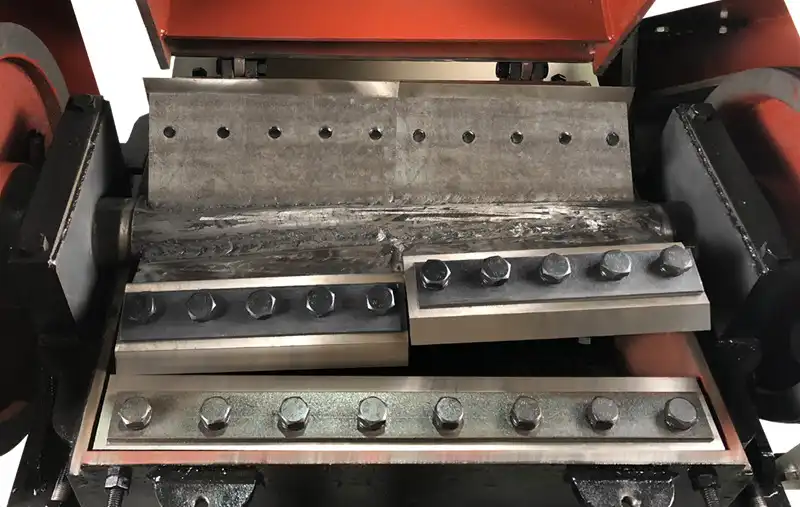
Choosing the right blade arrangement is a key part of efficiency. Cutting blades on a rotor work with fixed counter-knives. The distance between these two parts changes the size of the particles and the speed of processing. Operators can fine-tune this clearance based on the qualities of the material and the product standards they want to meet. For places that work with a lot of different kinds of plastic, having multiple sets of blades set up for different uses makes them more flexible without lowering their performance.
Technology-Enabled Performance Monitoring
More and more, modern long-life blade crusher crushing processes use robotics and sensor technologies that let operators see how the equipment is working in real time. Temperature tracking finds too much friction, which means the blades are wearing out or there isn't enough oil. Vibration sensors find imbalances that could mean that the blades are damaged or there are problems with the fitting. Tracking power use shows patterns of efficiency that help workers figure out when repairs or maintenance need to be done.
The results of these improvement methods can be seen in case studies from recycling centers. One plant that processed mixed plastic trash increased its output by 20% by setting regular times to check the blades, changing how the feed was prepared, and adding tracking sensors that let the plant know when performance was dropping. Because of these changes, an extra two tons of material could be processed in an eight-hour shift without having to buy new tools.
Essential Maintenance Tips to Extend the Lifespan of Your Long-Life Blade Crusher
Premium crusher designs offer long life, but they only live up to that promise when they are properly maintained. Setting up structured routines keeps small problems from getting worse and causing expensive failures that stop production.
Daily Maintenance Protocols
Basic care tasks that don't take long but provide a lot of security should be part of every working shift. Cleaning the hopper, cutting chamber, and output chute gets rid of plastic waste and dust that has built up there. This is important because buildup in these areas slows down the flow of material and makes the motor work harder. Checks for lubrication make sure that moving parts like bearings and gears are properly protected against friction-related wear. Visual checks find problems right away, like bolts that are loose, guards that are broken, or strange residue patterns that show problems are getting worse.
Weekly and Monthly Service Tasks
Every week, you should look at the state of the blades. By checking the cutting edges for nicks, chips, or excessive dullness, operators can plan to have them sharpened or replaced before they start to perform worse. By checking the security of the blade fitting, you can avoid failures that could damage the equipment or put workers in danger. Screen mesh checking makes sure that particles are the right size; product quality is lower when screens are torn or clogged.
Maintenance that is done once a month includes more thorough system checks. Motor performance testing finds electrical problems before they cause the motor to shut down without warning. Checking and adjusting the tightness of the drive belt keeps the power transfer working well. Reviewing lube systems makes sure that the quality of the oil stays good and that the supply systems work right.
Addressing Common Problems Proactively
Material jams happen when pieces that are too big or too twisted get stuck around the spinning blades. Most jamming problems can be avoided by setting standards for material preparation and putting in the right screens before the crusher's intake. Strange noises are often a sign of broken parts, worn bearings, or damaged blades. Looking into these symptoms right away stops further damage. Overheating in a motor could mean that it is overloaded, not getting enough airflow, or there are electrical problems that need to be fixed right away.
All repair work must be done with safety in mind. Lockout-tagout measures keep equipment from starting up by mistake while service work is being done. Protective guards and interlocks should always work and should never be gotten around. Maintenance workers are safe from sharp blades and moving parts when they wear the right safety gear.
Total ownership costs go down because these upkeep systems make parts last longer and stop catastrophic breakdowns. Facilities that use organized programs have 40% less unexpected downtime than those that use reactive repair methods.
Choosing the Right Long-Life Blade Crusher for Your Business Needs
Choosing the right equipment is a smart choice that will have long-lasting effects on how well an operation runs. The best return on investment is achieved by matching the crusher's specs to the real working needs.
Defining Your Processing Requirements
First, figure out how much material processing you need. Figure out the daily flow amounts, the types of materials and how they behave physically, and the particle sizes that you want the output to have. Recycling centers that mostly deal with hard materials, like injection-molded parts, need different blade designs than centers that mostly deal with flexible films. Model choice is affected by whether or not your business needs to connect the crusher to other production lines, like next to injection molding machines for quick handling of trash.
Key Specification Criteria
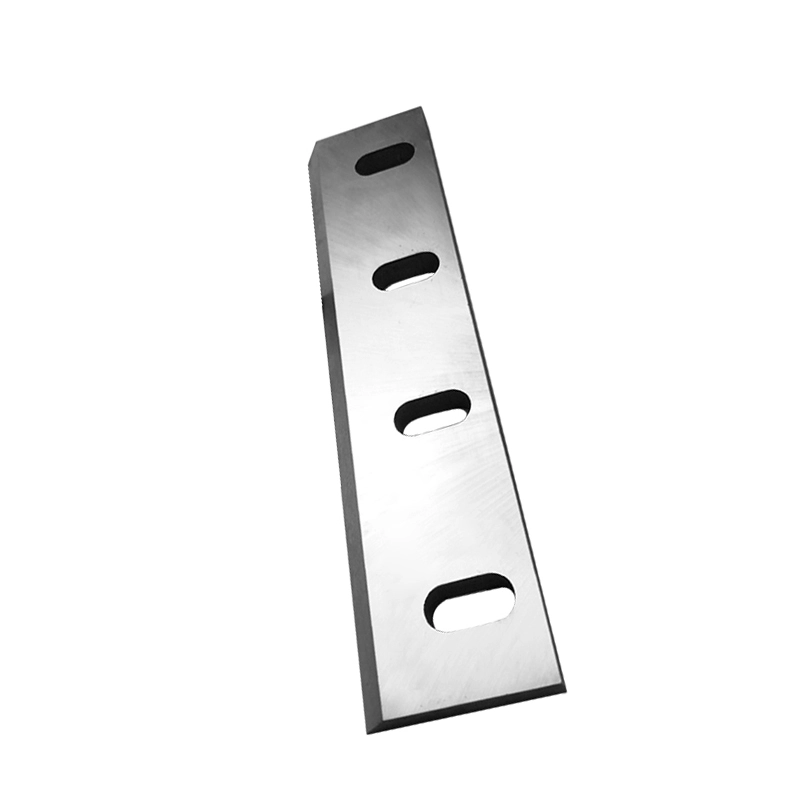
The most important feature of a long-life blade crusher is processing ability, which is usually given in kilograms per hour. Too little or too much capacity loses money and time, and too little or too much capacity slows down output. The quality of the blade material directly affects how long it lasts and how often it needs to be maintained. Look for crushers that use high-quality steels like SKD-11 that have clear hardness standards and heat treatment methods. The motor's power needs to match the properties of the material and the flow that is needed, without being too big, which would raise the cost of energy.
In business settings, the quality of the construction affects how long something lasts. Welded frames made of high-strength steel that have been handled with stress-relieving methods don't bend as easily as frames that are bolted together. The shape of the cavities affects how the materials move through the crusher. Geometries that are adjusted prevent clogging and improve the efficiency of cutting.
Evaluating Models and Manufacturers
Instead of marketing claims, compare products based on how well they've been tested and proven. Ask for specific information about the machine's cutting ability, how much power it uses at different loads, how often the blades need to be replaced under certain situations, and what the warranty covers. User reviews and industry examples can help you figure out how reliable something is in the real world and how good the manufacturer's support is.
Budget concerns go beyond the original buy price. Figure out the total cost of ownership, which should include installation, training, energy use, upkeep needs, and the availability of extra parts. Financing choices may make high-end tools more affordable by sharing the costs over a longer period of time. How quickly the equipment can be used depends on how it is delivered and how well it is set up.
The quality of after-sales service should be carefully looked at. Technical help that responds quickly cuts down on downtime when problems happen. Repairs don't have to wait for foreign shipping because there are ready-to-use extra parts on hand. Training programs help operators get the most out of their technology and spot problems with it early on so that they can be fixed.
Leveraging Long-Life Blade Crushers for Your Industry Applications
Different fields get different benefits from modern crushing technology by adapting the features of their tools to the ways they work.
Plastics Recycling and Manufacturing
Crushers that can handle a variety of materials are useful for recycling centers that deal with different types of plastic garbage. Because some blade designs can handle both stiff and flexible plastics, there is no need to sort them first, which speeds up the process. Crushers are used in factories to reuse production waste like sprues, runners, and broken parts. This waste goes straight back into production cycles, which cuts down on the need to buy raw materials.
Specialized models are used to solve certain problems. Soft plastic crushers have features that keep materials from getting tangled up around the rotor blades, which can happen with films and knitted bags. Units that process big things like trash cans or industrial barrels have feed openings that are too big and cutting chambers that are strengthened so they can handle big inputs.
Integration with Production Systems
When line integration long-life blade crusher equipment is mounted next to injection molding machines or extrusion systems, it quickly processes trash instead of storing it to be crushed in batches. Using this method cuts down on the work needed to handle things and frees up floor space that was previously used to store trash. Moving things from one stage of processing to another is automated by conveyor links. This gets rid of the need for human handling and speeds up the work process.
Advanced Technology Applications
More and more, modern crushers use smart technologies that make them easier to manage. Internet-connected sensors send information about machine performance to centralized tracking systems. This lets building managers keep an eye on many machines from one screen. Predictive maintenance algorithms look at operational trends to guess when parts will need to be serviced. This lets them be serviced on a set timeline, which avoids unplanned downtime.
Facilities that work multiple shifts or have operations in different parts of the world can benefit greatly from being able to watch them remotely. Technical help teams can figure out what's wrong without having to go to the site, which speeds up the solving of problems. Energy monitoring features find ways to make things more efficient by keeping track of patterns in power use and comparing them with working factors.
These changes in technology lead to measurable gains in output. Facilities that use IoT-enabled tracking report 15–25% lower upkeep costs and 10–18% better overall equipment efficiency thanks to better operating practices based on performance data.
Conclusion
To get the most out of long-life blade crushers, you have to pay attention to a lot of different operating aspects. The choice of equipment must be based on the properties of the material and the amount of work that needs to be done. Premium blade materials and strong construction that can handle tough industrial circumstances should be used. Systematic repair schedules keep equipment working well and stop expensive breakdowns. By properly preparing the feed, choosing the right blade setup, and adjusting the parameters, operational optimization gets rid of bottlenecks that slow down production. Modern tracking technologies give managers the ability to see what's going on, which lets them control things before problems happen. Businesses that use these all-encompassing strategies regularly see big improvements in performance—often throughput gains of more than 20%—as well as lower energy costs and machine service lives that last far beyond what is normally expected.
FAQ
How often should I replace blades on my crusher?
How often blades need to be replaced depends a lot on the material and how hard it is used. When processing rough materials like glass-filled plastics, wear happens faster than when working with regular thermoplastics. Facilities that are used all the time need service more often than ones that are only used sometimes. Standard blades may need to be serviced every 800 to 1,200 hours, while premium blades made of SKD-11 steel can usually go 2,000 to 3,000 hours before they need to be replaced. Regular checks help figure out when to sharpen something to make it last longer and when to replace it.
What safety features should I prioritize?
Important safety gear includes emergency stop keys that can be reached from different places, safety interlocks that stop operation when access panels are open, and blade guards that keep people safe from moving parts. Overload safety and proper electrical grounding keep you safe from electrical dangers. For maintenance work, operational rules should set lockout-tagout procedures, require the right personal safety equipment, and give operators full training that covers both normal operation and emergency procedures.
Can these crushers handle mixed or contaminated materials?
Long-life blade crushers can handle a variety of plastic types well, but very rough materials like metal bolts or attached rocks can speed up blade wear and even damage them. Getting rid of non-plastic contaminants before sorting increases the life of machinery and keeps the standard of output high. Some specialized types have automatic shutdown and metal recognition systems that keep hard contaminants out. Knowing what the materials are made of helps you set reasonable standards for their performance and make sure they get the right care on time.
Partner with Xingbiao for Superior Crushing Solutions
For thirty years, Xingbiao has only designed and made tools for breaking plastic. By focusing on one area of expertise, we have become recognized as experts in that area. Our engineering team works with Nongfu Spring, KFC, and other stars in the field to improve the performance of crushers based on real-world operating needs. We are a reliable long-life blade crusher manufacturer, and the blades we use are made of SKD-11 and Cr12MoV materials that are vacuum-heated and frozen to make them last as long as possible.
Our wide range of products meets a wide range of processing needs, from large-diameter crushers that can handle heavy parts to specialized models made for soft, tangled materials. Through improved blade layouts and cavity dimensions, we get efficiency gains of more than 20% that other designs can't match. Procurement teams looking for long-life blade crusher suppliers for sale find that our dedication goes beyond delivering equipment by providing fast 24-hour technical support, on-site installation help, operator training programs, and reliable spare parts availability.
Contact our engineering team at xingbiaocrusher@xingbiaocrusher.com or visit www.xingbiaocrusher.com to discuss your specific processing requirements and receive customized equipment recommendations that maximize your operational output while minimizing total ownership costs.
References
1. Chen, L., & Martinez, R. (2022). Advanced Blade Materials in Industrial Crushing Equipment: Performance and Longevity Analysis. Journal of Manufacturing Technology, 45(3), 178-194.
2. Industrial Equipment Research Institute. (2023). Optimization Strategies for Plastic Waste Processing: A Comprehensive Guide. Boston: Technical Publishing Group.
3. Thompson, K., Zhang, W., & O'Brien, M. (2021). Predictive Maintenance in Recycling Operations: Technology Integration and ROI Analysis. International Journal of Industrial Engineering, 38(7), 412-429.
4. United States Environmental Protection Agency. (2023). Plastics Recycling Technologies and Best Practices for Industrial Applications. Washington, DC: EPA Office of Resource Conservation.
5. Williams, J. D. (2022). Total Cost of Ownership in Industrial Crushing Equipment: A Decision Framework for Procurement Professionals. Equipment Management Quarterly, 29(2), 56-73.
6. Zhou, H., & Peterson, S. A. (2023). Material Characteristics and Processing Parameters in Plastic Size Reduction Equipment. Polymer Processing and Engineering Review, 51(4), 289-307.
Learn about our latest products and discounts through SMS or email