- English
- French
- German
- Portuguese
- Spanish
- Russian
- Japanese
- Korean
- Arabic
- Greek
- German
- Turkish
- Italian
- Danish
- Romanian
- Indonesian
- Czech
- Afrikaans
- Swedish
- Polish
- Basque
- Catalan
- Esperanto
- Hindi
- Lao
- Albanian
- Amharic
- Armenian
- Azerbaijani
- Belarusian
- Bengali
- Bosnian
- Bulgarian
- Cebuano
- Chichewa
- Corsican
- Croatian
- Dutch
- Estonian
- Filipino
- Finnish
- Frisian
- Galician
- Georgian
- Gujarati
- Haitian
- Hausa
- Hawaiian
- Hebrew
- Hmong
- Hungarian
- Icelandic
- Igbo
- Javanese
- Kannada
- Kazakh
- Khmer
- Kurdish
- Kyrgyz
- Latin
- Latvian
- Lithuanian
- Luxembou..
- Macedonian
- Malagasy
- Malay
- Malayalam
- Maltese
- Maori
- Marathi
- Mongolian
- Burmese
- Nepali
- Norwegian
- Pashto
- Persian
- Punjabi
- Serbian
- Sesotho
- Sinhala
- Slovak
- Slovenian
- Somali
- Samoan
- Scots Gaelic
- Shona
- Sindhi
- Sundanese
- Swahili
- Tajik
- Tamil
- Telugu
- Thai
- Ukrainian
- Urdu
- Uzbek
- Vietnamese
- Welsh
- Xhosa
- Yiddish
- Yoruba
- Zulu
Plastic Granulator Guide: Working Principle, Specs, and Use Cases
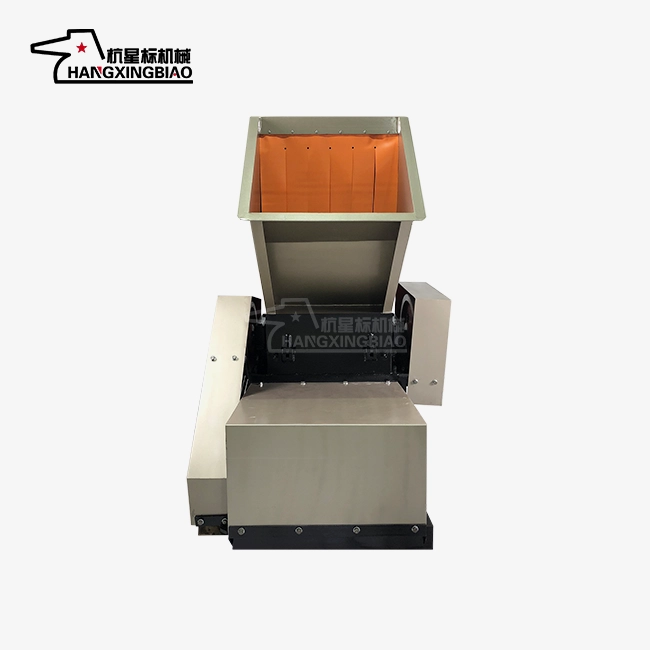
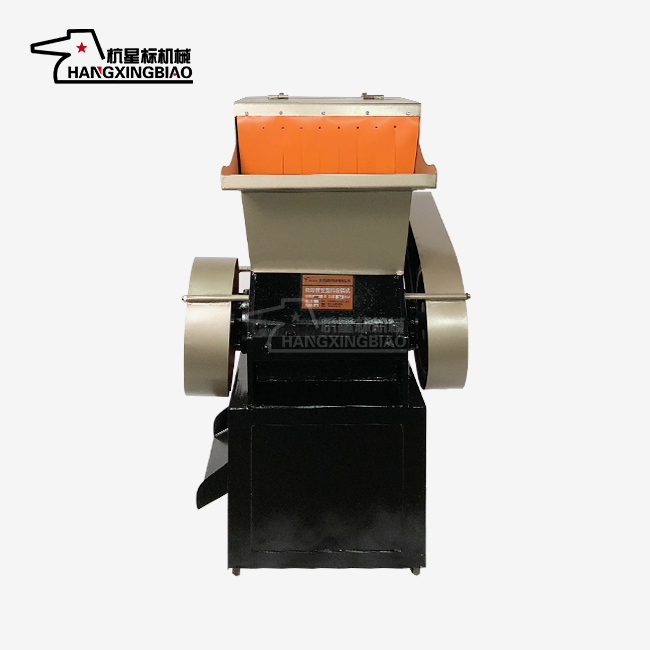
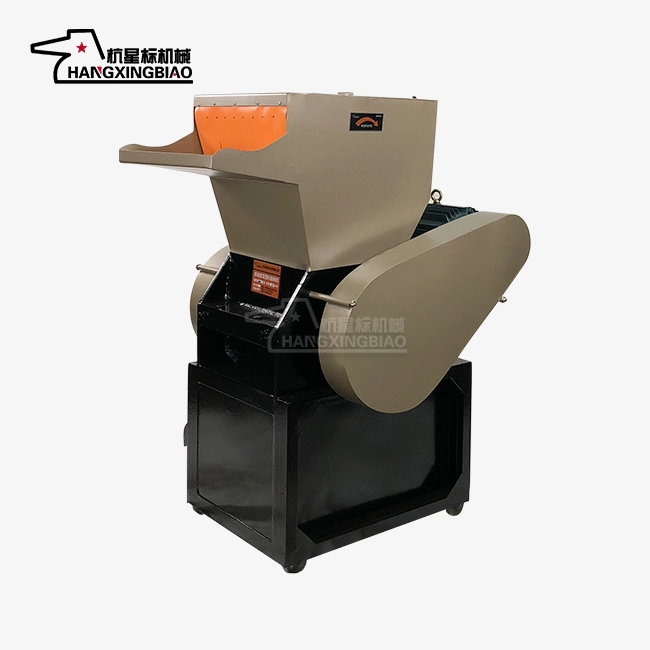
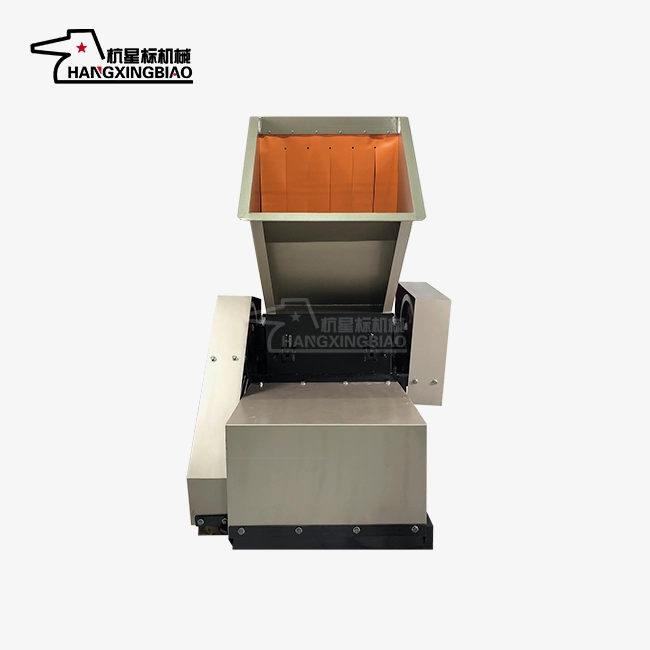
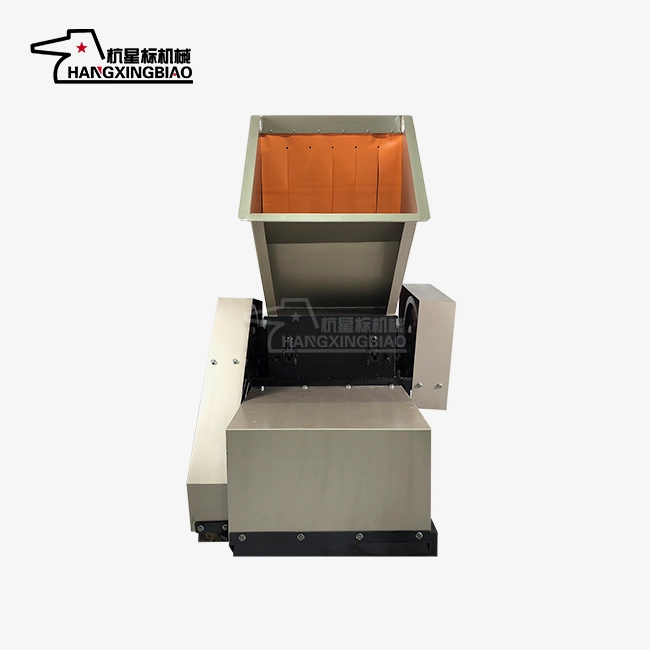
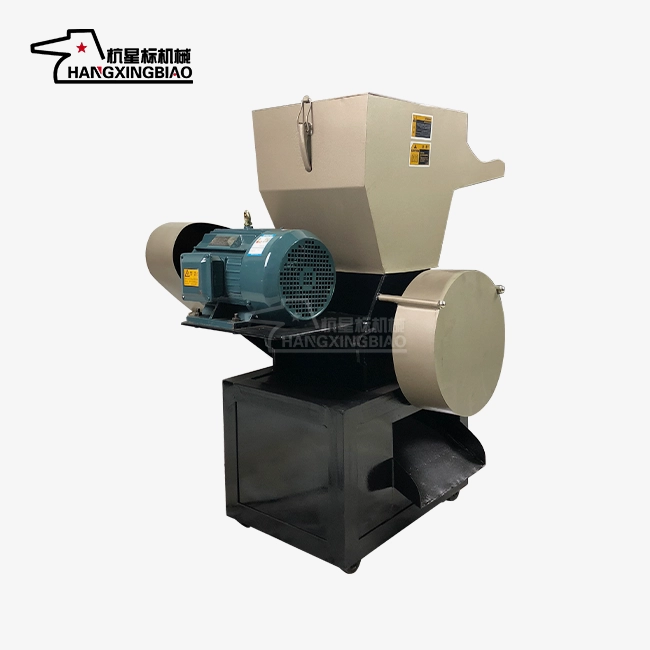
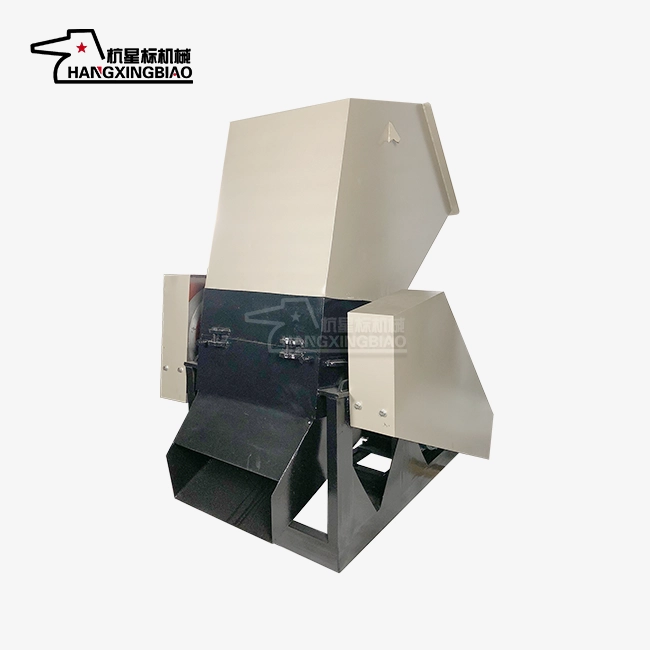
It is important to know what a plastic bottle granulator can do when you are handling plastic waste streams in production or recycling activities. These tools turn used PET bottles, rigid containers, and other plastic items into regular granules that can be used again. Choosing the right granulation equipment has a direct effect on your production efficiency, energy prices, and material quality, whether you run a medium-sized recycling business or sell materials to big consumer goods companies. This guide shows you the basic ideas, technical details, and real-world uses that will help you make smart choices about buying.
Understanding Plastic Bottle Granulators: Working Principle and Technology
How Plastic Granulators Operate
Plastic bottle granulators cut down on bottle trash by cutting and slicing the plastic into particles of the same size. Materials are fed into the cutting room of the machine through a hopper. There, spinning blades on a rotor interact with fixed bed knives. This action, which looks like scissors, cuts bottles into small flakes or crystals, usually between 8 mm and 15 mm in size, based on the screen mesh chosen. Granulators produce uniform output that can be used in washing lines and pelletizing systems, while shredders tear materials into uneven strips.
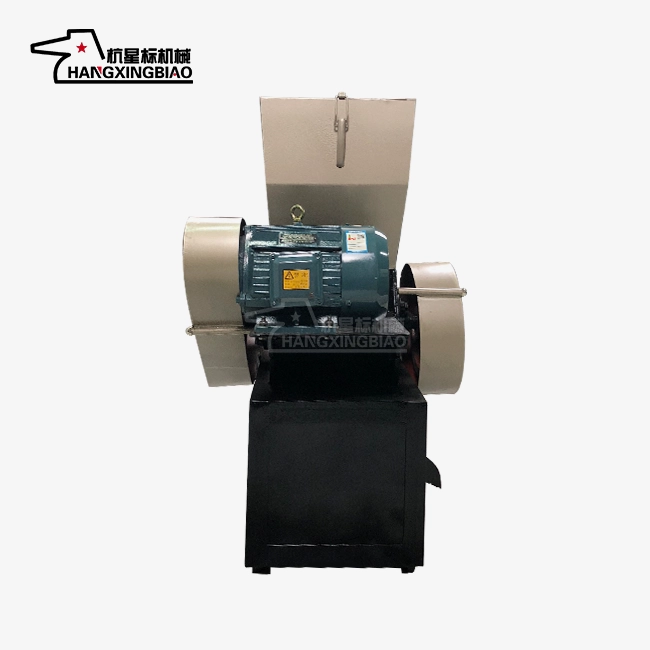
The feeding method is a very important part of managing output. For materials that don't stick together, gravity-fed hoppers work best. For forms and twisted waste, forced-feed systems work better. Cutting force and steady operation are both affected by motor power. Industrial units usually run from 15HP for small models to 150HP for heavy-duty production lines.
Key Components and Their Functions
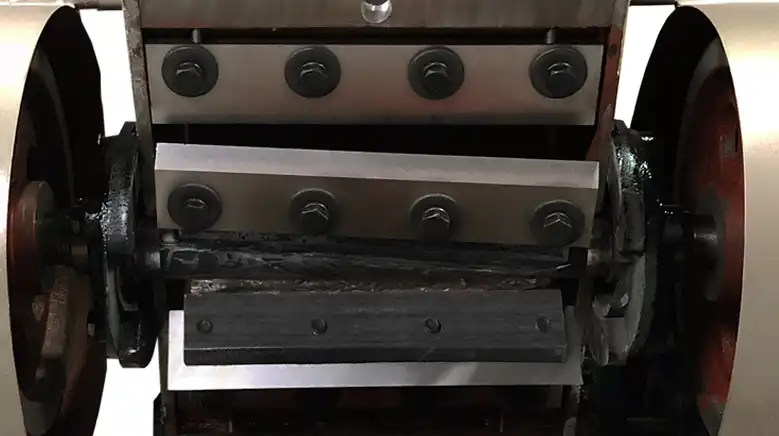
The blade section is the most important part of any granulation device. SKD-11 or D2 tool steel rotor blades can take repeated contact and still keep their sharp tips. We've seen that vacuum heat treatment and cryogenic processing make blades last 40% longer than blades that are hardened the usual way. The cutting box is made of stress-relieved steel that is strengthened so that it doesn't warp when it's under constant high loads.
Screen devices decide what size particles are in the end. Quick-change screen designs cut down on downtime during repair, which is especially helpful when working with different types of materials during different jobs. For most bottle recycling tasks, perforated screens with 10 mm to 20 mm holes work well, but smaller sizes can be used for certain situations.
Technological Advancements in Modern Equipment
New inventions have solved some of the most common problems that come up when handling bottles. Optimized blade shape raises the cutting efficiency by more than 20% while lowering the amount of energy needed per ton of material handled. Noise levels are kept below 85 decibels with sound-dampening chambers and vibration isolation mounts. This meets safety standards in the workplace without losing efficiency.
Magnetic detectors find metal contamination before they get to the cutting chambers, which keeps expensive blade damage from happening. Overload safety systems instantly change the direction of the rotor or turn off motors when they sense too much resistance. This makes parts last longer and reduces the number of times they need to be serviced. Motors that use less energy and have variable frequency drives change speed based on the density of the material. This makes the best use of power for all trash streams.
Types and Specifications of Plastic Bottle Granulators
Equipment Categories for Different Operations
Small businesses that handle 100 to 300 kg of bottle trash an hour can use compact plastic bottle granulators. These units can be put next to injection molding machines to recycle scrap right away. This cuts down on the number of steps needed to move materials and the amount of floor space needed. Mid-range models can handle 300 to 800 kg/hour and are good for recycling centers that have to deal with mixed plastic streams from city pickup programs.
Heavy-duty industrial granulators can handle more than 1000 kg per hour and are made to work nonstop in big business recycling centers. These machines are made with stronger materials, have two motors, and have automatic feeding systems that keep the output steady without any help from an operator. We make special models for handling PET bottles that have pre-washing features and systems that get rid of moisture. This makes the product cleaner for equipment further down the line.
Critical Technical Specifications
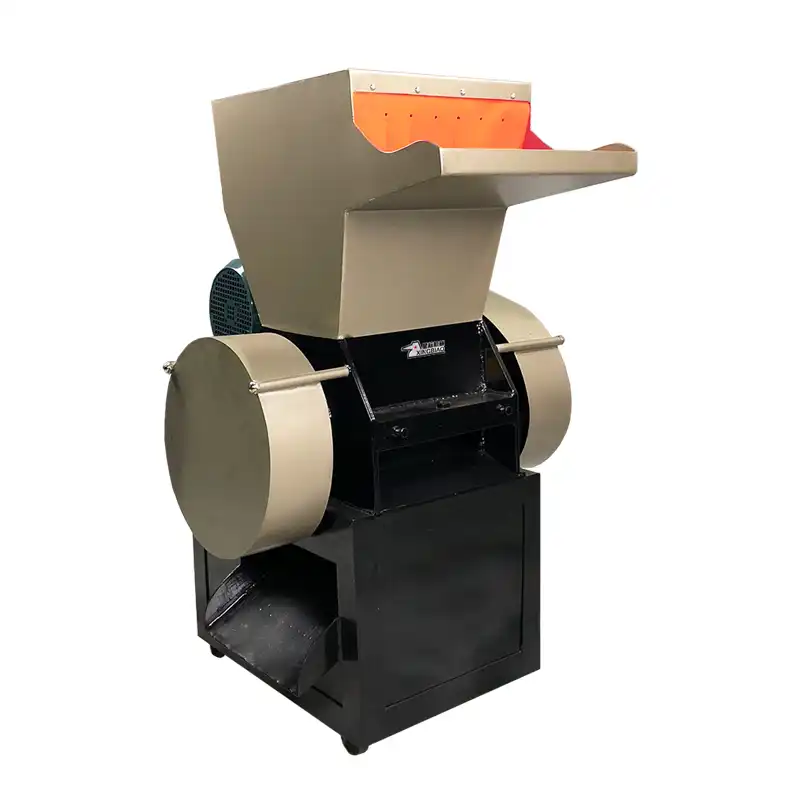
The amount of motor power needed depends on the material and the output goals. Cutting stiff HDPE containers takes more force than cutting thin-walled PET bottles. For general use, our normal crusher line has motors with 22–45 kW, and our high-power models have up to 110 kW of power for processing big containers and bundled materials.
It depends on the density of the material, the width of the bottle wall, and the amount of output that is wanted. When making 12mm pellets, a 37 kW granulator can usually handle 400 to 500 kg/hour of mixed bottle trash. Raising the screen hole size to 18mm can increase capacity by 25 to 30 % when it's not necessary for the next step of processing to have a uniform size spread.
Controlling noise is important in sharing production spaces. Our tools can work at 78 to 82 dB because sound-absorbing materials are strategically placed and vibration sources are cut off. Environmental controls include dust collection ports that can work with industrial vacuum systems. This keeps work areas clean and collects the fine particles that are made when cutting.
Maintenance Requirements for Reliable Operation
Regularly checking the blades keeps them in good shape and avoids unplanned downtime. We suggest eye checks every 100 hours of use and professional sharpening or replacement every 800 to 1200 hours, based on how rough the material is. We came up with a quick-change blade system that lets tools be changed out in less than 30 minutes, so work doesn't stop too often.
Screen care includes cleaning the screen every so often to keep material from building up and slowing down the process. Fixed locations are harder to get to than rotating screen designs. Manufacturers recommend that bearings be oiled every 500 hours for sealed designs and once a month for open designs. Vibration analysis is used to keep an eye on the state of motors and find problems before they become catastrophic.
Comparison and Selection Guide: Choosing the Best Plastic Bottle Granulator
Granulators Versus Alternative Size Reduction Equipment
Knowing how plastic bottle granulators and shredders work differently can help you choose the right tools for your processing needs. Shredders are great at reducing the initial size of large things and dirty trash by making 25–50mm-sized uneven flakes. Granulators spread out particles evenly, which is needed for controlled feeding systems in washing and processing lines. Many places use both technologies at the same time. Shredding lowers the amount of space needed for shipping, and granulation prepares the material for reprocessing that is sensitive to quality.
Energy levels are very different. Because they cut with more force and rotate more slowly, shredders use 50 to 70 kWh per ton of material they process. Granulators work at faster speeds and use precise cutting patterns to get 30-45 kWh per ton of similar materials. This edge in efficiency means big cost savings in situations where the machine is always running.
Upstream process stability is affected by how consistent the output is. When they are well taken care of, granulators make 85–95% of pieces that are within the goal size range. Shredded material is spread out more evenly, so it needs more screening steps. Granulators are worth the extra money they cost at first, but they're worth it for facilities that want automatic material handling and uniform extrusion feed rates.
Key Considerations for Equipment Selection
Matching machine specs to real production rates and growth predictions for the future is called capacity matching. Too big of equipment loses energy and floor space, and too small of equipment causes bottlenecks that slow down the facility's flow. We look at the properties of your materials, your working plans, and your integration needs to come up with the right-sized solutions.
In corporate buying, you can't say enough about how important certification is. CE marking shows that the product meets European safety and environmental standards, and UL listing shows that it meets North American safety standards for electrical products. When a company gets ISO 9001 certification, it means they are committed to consistent quality control. These credentials give you peace of mind when reviewing foreign suppliers and make it easier to keep up with regulations.
When evaluating a supplier's credibility, things like manufacturing experience, expert help, and the supply of spare parts are looked at. Companies that have been selling only plastic processing tools for many years usually have more knowledge than companies that sell a wide range of machines. Hangzhou Xingbiao Machinery Co., Ltd. has been developing and making crushers exclusively for 30 years. They have gained a lot of application knowledge by working with big names in the industry, such as Nongfu Spring and KFC. Because we are specialists, we can deal with complex handling problems that general equipment makers often miss.
Use Cases and Practical Applications for B2B Clients
Integration with Recycling Process Workflows
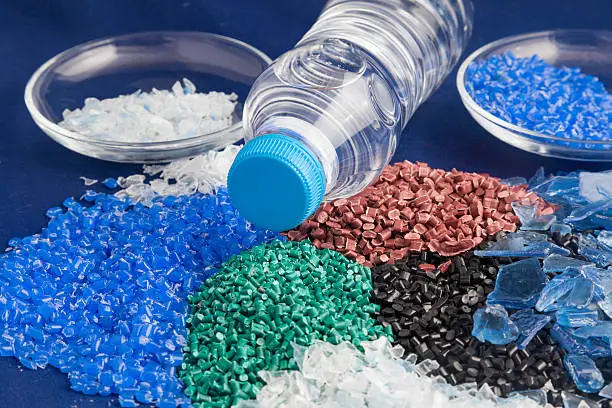
Plastic bottle granulators are put in place right after sorting and label removal in bottle recovery sites. The constant output of granules makes the next cleaning steps easier by making sure that the granules stay in friction washers and float-sink separation tanks for the same amount of time. Before going into pelletizing extruders, the material goes through hot washing systems that are 160–180°F and mechanical drying equipment. This combined method keeps output high while removing as much contamination as possible.
Granulators are put next to injection molding tools so that waste and runners can be recycled right away. This closed-loop system cuts the need for new materials by 15–25%, based on the rate of rejection and the security of the process. Our small, high-power crusher series works quietly enough to be used on the factory floor, so you don't need different rooms for grinding and systems for moving materials.
Application Examples Across Industry Segments
Bottlers of drinks that process their own production scrap have special needs. When cutting PET preforms and clipped bottle necks, you need to use a different setup than when cutting post-consumer mixed bottles. We've made unique blade geometries for large bottling companies that improved the capacity of preform processing by 35% while lowering the production of fines that made downstream filtering more difficult.
Contract recyclers who work with city gathering programs have to deal with mixed streams that are dirty and contain caps, labels, and leftover goods. Our normal crusher types have reinforced screens and coatings on the blades that don't wear down easily, so they last longer even in rough conditions. Material pre-washing gets rid of surface dirt before granulation, which protects cutting parts and makes the result cleaner.
Electronics companies that recycle hard plastic housings and internal parts need granulators that can handle different kinds of resin at the same time. We offer flexible design guidelines that can work with blends of ABS, polycarbonate, and flame-retardant materials without having to switch out tools. This gives sites that handle different types of waste more working freedom.
Scalability for Growing Operations
Small recycling shops that can handle 200 to 300 kg per hour can increase their output by adding bigger cutting rooms and motors without having to buy whole new machine frames. Our modular construction method saves the original investment in tools and helps the business grow. Automated feeding systems and online tracking make it easier for mid-sized businesses to switch to multi-shift scheduling while also reducing the need for staff and improving process consistency.
Large business recycling sites that handle several tons of trash every hour need coordinated equipment systems with centralized controls. We plan granulator banks with synchronized feeds and shared dust gathering systems that make the best use of floor space. Energy management systems keep track of how much power is used by machine and type of material. They then look for ways to improve efficiency that can cut costs by 8–12% in most cases.
Conclusion
Plastic bottle granulators are an important part of current production and recycling processes. By knowing how things work, what they're supposed to do, and what they're used for, you can make choices about what to buy that are in line with your production goals. Technical factors like blade materials, motor size, output capacity, and ease of upkeep have a direct effect on how well the machine works and how much it costs to own. Working with specialized makers that offer proven knowledge, high-quality building, and full support services will protect your equipment investment and make sure it works well for a long time. The granulation technology and service method described in this guide are the basis for successful businesses in a wide range of industries that deal with plastic trash.
FAQ
How often should granulator blades be maintained?
How often blades need to be serviced depends on how rough the material is and how many hours they are used. Every 100 hours, visual checks show how wear patterns are changing. For most bottle handling tasks, the blades need to be sharpened or replaced by a professional every 800 to 1200 hours. 30 to 40 percent less service life is gained from harder materials like glass-filled plastics. We suggest keeping extra sets of blades on hand so that they can be replaced right away. This way, repair events can be turned into short changeovers instead of production stops.
What safety features are essential for workplace compliance?
Modern plastic bottle granulators today have a lot of safety features built in. All user positions must be able to reach the emergency stop buttons. When cutting rooms are open, interlocked entry doors stop the machine from working. Overload safety turns motors off immediately when there is too much resistance. Magnetic filters get rid of metal particles that could hurt the blades before they do. Sound barriers keep noise below 85 dB so that OSHA rules are followed. Proper guarding of moving parts and electricity lockout features finish off full safety packages.
Can granulators process plastics beyond PET bottles?
Good granulators can work with different kinds of plastic, like HDPE, PP, PVC, and industrial resins. The properties of the material affect how well it can be processed. For example, soft plastics may need special blade designs, while hard materials can be processed easily with standard setups. Mixed-resin streams are easy to handle when the makeup stays mostly the same. We look at examples of your materials to make sure they are compatible and then suggest the best machine setups for your needs.
Partner with Xingbiao for Your Plastic Bottle Granulator Needs
Don't look any further than Xingbiao for your plastic bottle granulator needs. Hangzhou Xingbiao Machinery brings 30 years of experience as a specialist in crushers to every job. Our engineering team, which is made up of 20 top professionals with a lot of experience in recycling and production, can help you make the right choice based on the properties of your materials and your throughput goals.
We build our machines to very high standards, using high-strength steel and high-quality blade materials like SKD-11, D2, and Cr12MoV alloys. Cryogenic processing and vacuum heat treatment make things very hard and resistant to wear. Compared to other designs, ours has a unique blade pattern and chamber shape that make crushing over 20% more efficient while using less energy. Quick-change screen structures and easy-to-reach maintenance places cut down on downtime, which addresses the practical reliability issues that are at the heart of your production planning.
Products are available in all possible specifications. Our line of large-diameter crushers can handle heavy crates and scrap metal from factories. High-power types can run continuously, which is needed for placement next to another machine. Soft plastics are hard to work with, but standard crushers can handle the job. Customized designs can be used for specific tasks, like making parts for cars or farming film. No matter how big or small your business is—from small workshop units to industrial systems that weigh many tons—we can design solutions that meet your capacity needs and integration limitations.
Our customer ties are set apart by our full-service support. Professional experts answer questions within 24 hours and give thorough technical advice on how to choose equipment, oversee installation, and train operators. We keep a large stock of extra parts ready to ship right away, so there aren't any long breaks in production. Regular follow-up calls will make sure that your equipment keeps working at its best for as long as it's being used. This all-around support method, from the first meeting to ongoing practical help, makes you feel good about your equipment investment and provider relationship.
Email us at xingbiaocrusher@xingbiaocrusher.com right now to talk about your needs for a plastic bottle granulator. Our application engineers will look at examples of your materials and your production goals to come up with the best solutions for you. We're happy to hear from plastic bottle granulator suppliers who want to work with us on a long-term basis and welcome questions about large orders.
References
1. Hopewell, J., Dvorak, R., & Kosior, E. (2009). Plastics recycling: challenges and opportunities. Philosophical Transactions of the Royal Society B: Biological Sciences, 364(1526), 2115-2126.
2. Al-Salem, S. M., Lettieri, P., & Baeyens, J. (2009). Recycling and recovery routes of plastic solid waste (PSW): A review. Waste Management, 29(10), 2625-2643.
3. Ragaert, K., Delva, L., & Van Geem, K. (2017). Mechanical and chemical recycling of solid plastic waste. Waste Management, 69, 24-58.
4. Eriksen, M. K., Pivnenko, K., Olsson, M. E., & Astrup, T. F. (2018). Contamination in plastic recycling: Influence of metals on the quality of reprocessed plastic. Waste Management, 79, 595-606.
5. Schyns, Z. O., & Shaver, M. P. (2021). Mechanical recycling of packaging plastics: A review. Macromolecular Rapid Communications, 42(3), 2000415.
6. Zheng, J., & Suh, S. (2019). Strategies to reduce the global carbon footprint of plastics. Nature Climate Change, 9(5), 374-378.
Learn about our latest products and discounts through SMS or email