- English
- French
- German
- Portuguese
- Spanish
- Russian
- Japanese
- Korean
- Arabic
- Greek
- German
- Turkish
- Italian
- Danish
- Romanian
- Indonesian
- Czech
- Afrikaans
- Swedish
- Polish
- Basque
- Catalan
- Esperanto
- Hindi
- Lao
- Albanian
- Amharic
- Armenian
- Azerbaijani
- Belarusian
- Bengali
- Bosnian
- Bulgarian
- Cebuano
- Chichewa
- Corsican
- Croatian
- Dutch
- Estonian
- Filipino
- Finnish
- Frisian
- Galician
- Georgian
- Gujarati
- Haitian
- Hausa
- Hawaiian
- Hebrew
- Hmong
- Hungarian
- Icelandic
- Igbo
- Javanese
- Kannada
- Kazakh
- Khmer
- Kurdish
- Kyrgyz
- Latin
- Latvian
- Lithuanian
- Luxembou..
- Macedonian
- Malagasy
- Malay
- Malayalam
- Maltese
- Maori
- Marathi
- Mongolian
- Burmese
- Nepali
- Norwegian
- Pashto
- Persian
- Punjabi
- Serbian
- Sesotho
- Sinhala
- Slovak
- Slovenian
- Somali
- Samoan
- Scots Gaelic
- Shona
- Sindhi
- Sundanese
- Swahili
- Tajik
- Tamil
- Telugu
- Thai
- Ukrainian
- Urdu
- Uzbek
- Vietnamese
- Welsh
- Xhosa
- Yiddish
- Yoruba
- Zulu
The Complete Guide to Buying Solid Waste Shredders
To choose the right solid waste shredder machine, you need to carefully think about your long-term business goals, working needs, and the type of material you'll be shredding. A good shredder cuts big pieces of plastic trash, broken products, and recycled materials into smaller pieces that are easier to handle. This lowers the cost of storage, speeds up shipping, and makes reprocessing easier. This guide will talk about the technical aspects, practical issues, and strategic insights that procurement professionals need to know before buying cutting equipment for factories that make plastic, recycling centers, or supply chain operations.
Understanding Solid Waste Shredders: Types, Working Principles, and Benefits
Learn about the different kinds of solid waste shredder machines, how they work, and the benefits they offer.
How Solid Waste Shredders Work
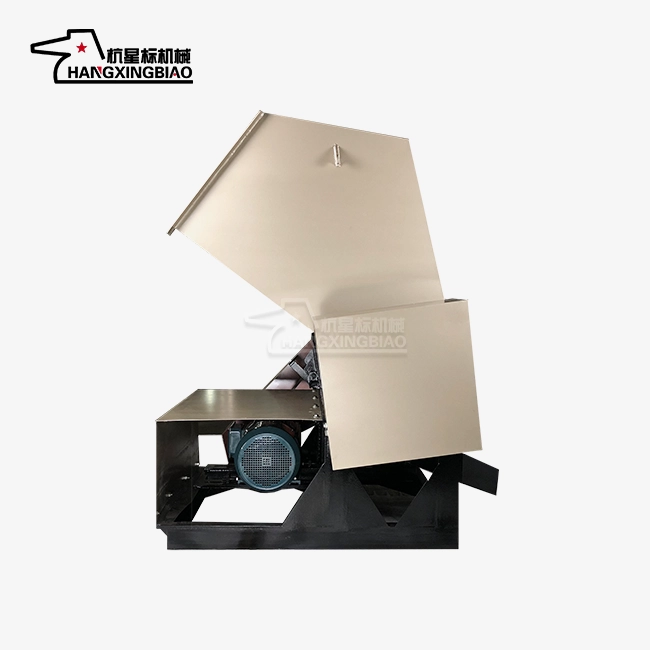
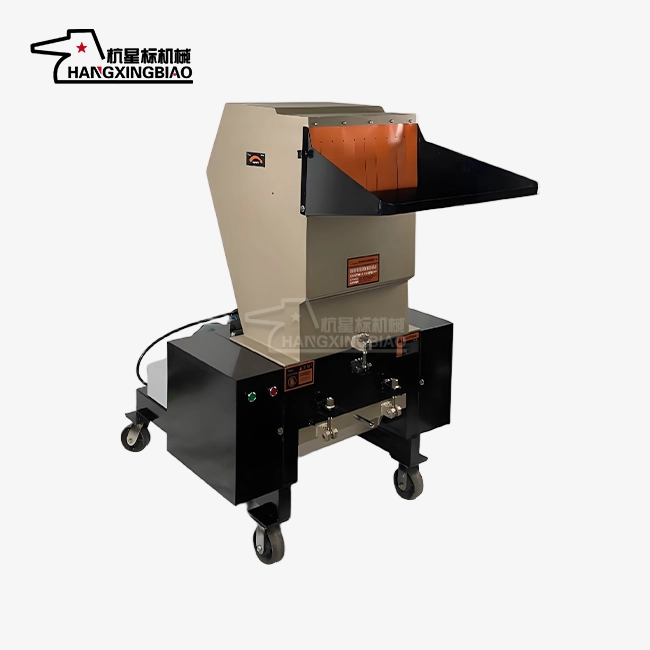
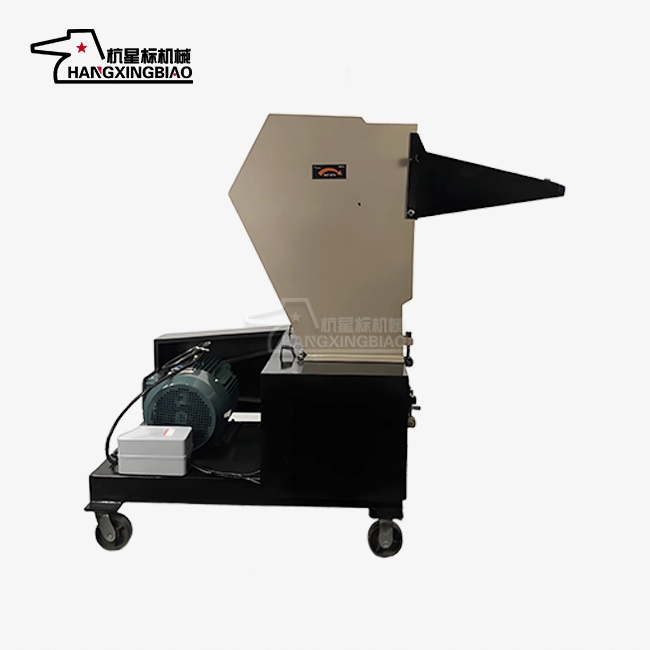
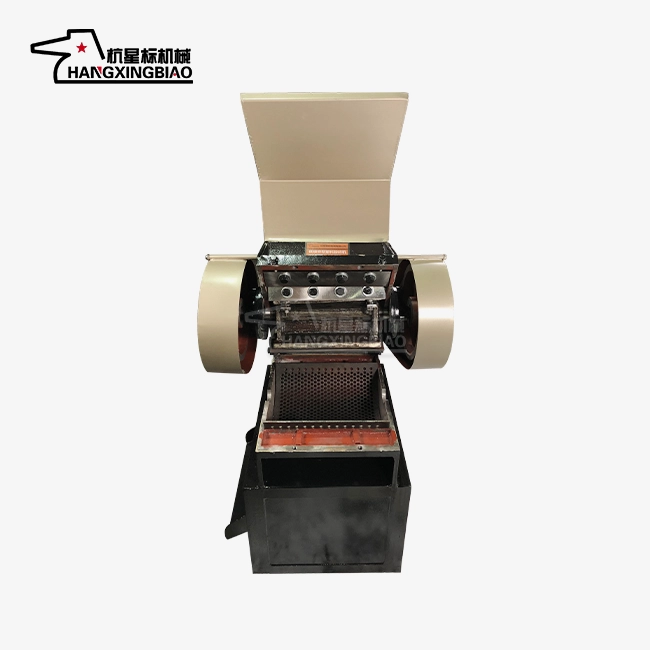
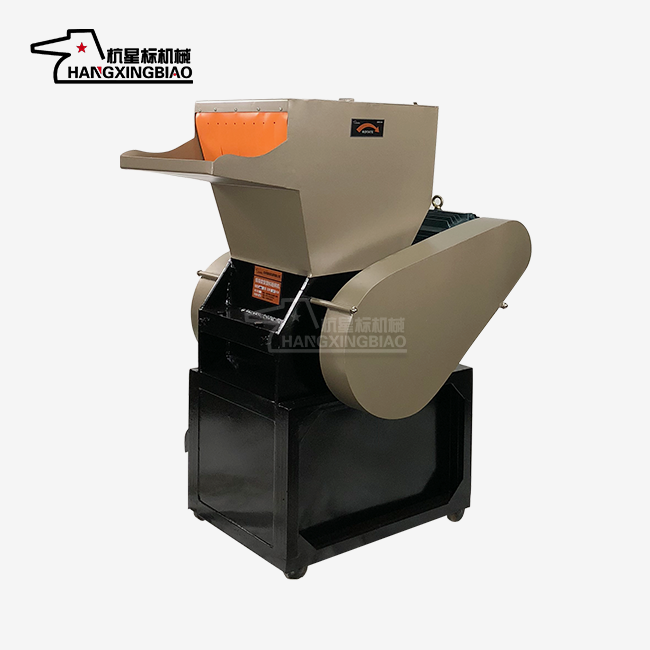
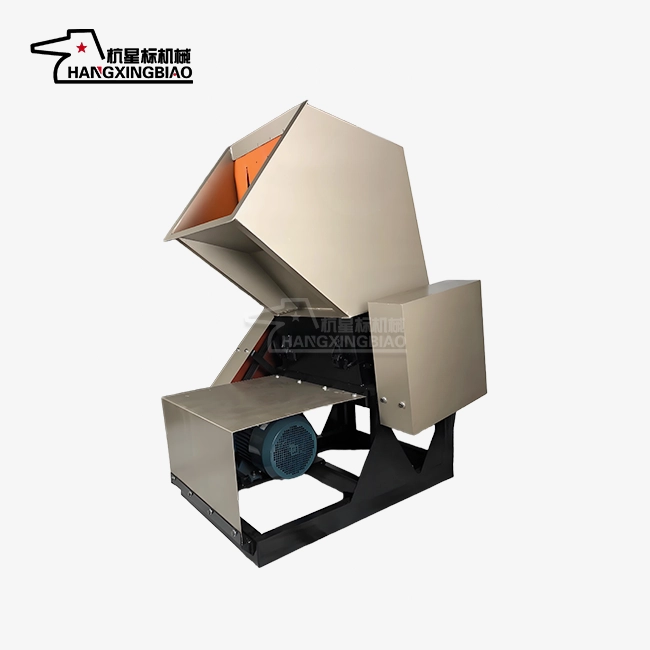
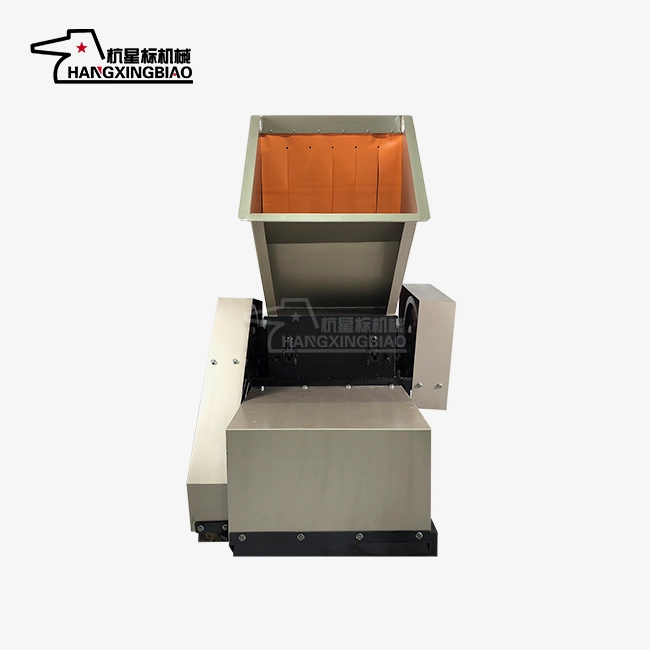
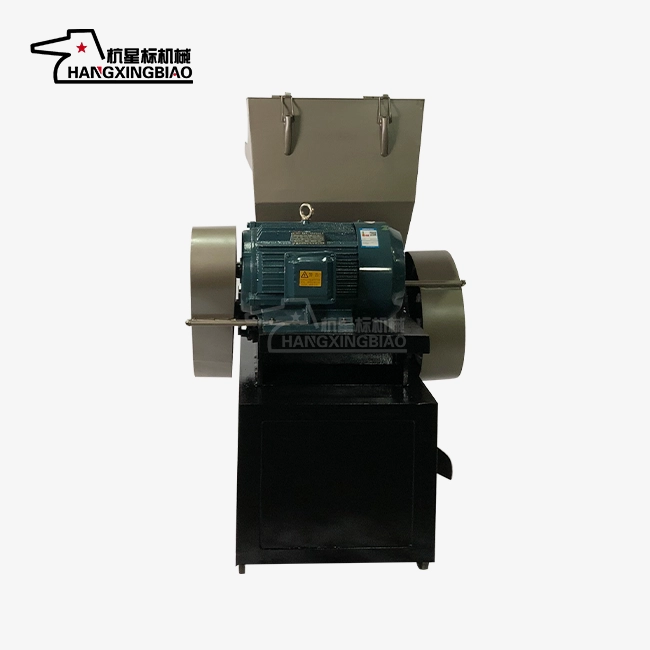
Waste shredders work by spinning shafts that have sharpened steel blades that tear, cut, and further break down materials into smaller pieces. The material goes into a cutting room where rods that spin in opposite directions or one direction pull the material through blade arrays. The motor's power sends force to the cutting rods through drive systems. Specialized screen plates control the size of the particles that come out of the machine. The strong construction can handle constant use in tough conditions, handling everything from hard plastic films to injection-molded parts that are rigid.
Primary Shredder Types and Their Applications
In plastic processing and recycling processes, different shredder designs are used for different tasks. Single-shaft shredders have one spinning shaft and fixed knives placed around the chamber's edge. They can be used for plastics, wood, and organic materials that need to be cut down to a modest size. Dual-shaft types have two shafts that rotate counterclockwise and have intermeshing blades that give more torque for tough jobs like processing tires, metal-contaminated waste, and thick-walled plastic items. Four-shaft designs improve accuracy for tasks that need consistent output with few fines. Granulators make smaller particles by spinning a rotor quickly against knives that stay in place on a bed. This makes flake sizes that are constant, which is great for recycling uses.
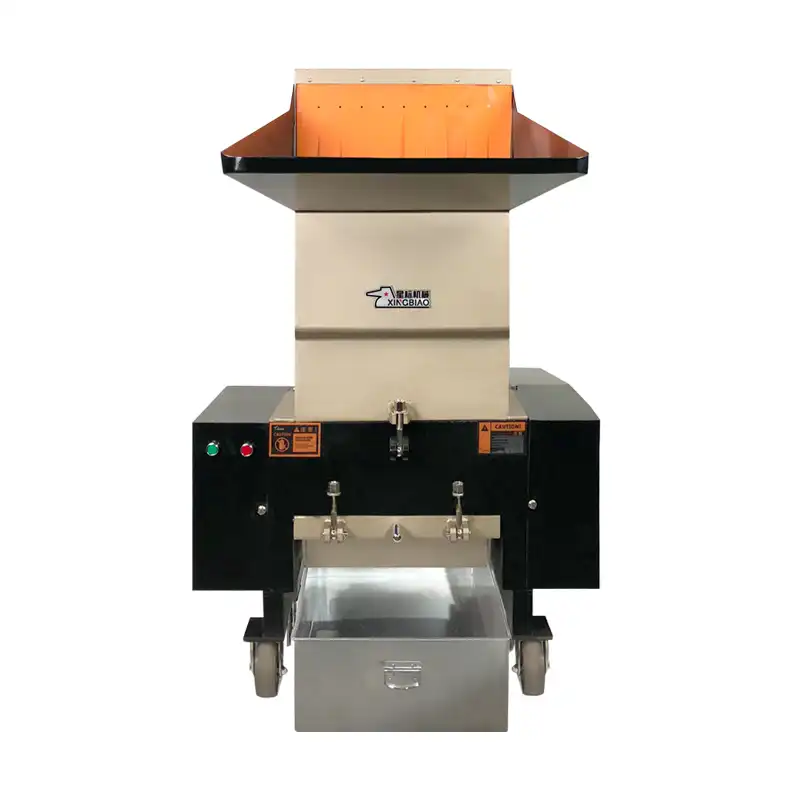
Each arrangement solves a different set of material problems. Knowing the main types of trash you have will help you choose equipment that gets the job done as quickly and efficiently as possible while also requiring the least amount of wear and upkeep.
Key Benefits for Industrial Operations
Getting shredding equipment that works well gives your business real benefits in many areas. Reducing the volume saves money on shipping costs and landfill fees while making the best use of building space. When shredders get plastics, metals, and other resources ready for sorting and recycling, material recovery can be done on a budget. Designs that use less energy have lower running costs because they match motors better and use less power per ton handled. When the right methods are in place for dealing with trash, it's easy to follow environmental rules. Over the life of the tools, these benefits add up, increasing the return on investment while also meeting sustainability goals.
Comparing Solid Waste Shredder Machines: Making the Right Choice for Your Needs
Shredders Versus Alternative Waste Processing Equipment
Sometimes, procurement teams mix up solid waste shredder machine units with crushers, grinders, or balers, but they all do different jobs in the waste management process. Shredders are great at getting rid of mixed trash streams and tangled materials, while crushers usually deal with harder materials and make rougher output. Balers flatten trash so it's easier to move, but they don't make the pieces smaller. Knowing these differences helps businesses choose equipment that works with other equipment to handle more than one stage of the handling. Integrated systems that pair shredders with granulators or conveyors that move materials automatically from production lines to size-reduction equipment are useful in many places.
Electric Drive Systems and Operational Considerations
The choice of drive system affects how well it works, how much upkeep it needs, and how much it costs to own the whole thing. Electric motor-driven shredders are the most common type used in industry because they are reliable, offer consistent power, and have simple upkeep schedules. Modern electric systems use variable frequency drives that change speed and power based on the resistance of the material. This keeps parts safe from shock loads and makes the best use of energy. When it comes to mobile uses or places that need explosion-proof equipment, hydraulic systems are better, but they usually need more specialized upkeep knowledge.
Critical Evaluation Criteria
The equipment decision is based on how much capacity is needed. The daily or hourly throughput needs must match the specs of the solid waste shredder machine, taking into account changes in material density and possible delays to operations. Noise pollution is a problem in places that are close to neighborhoods or where workers' comfort affects their ability to do their jobs. Energy efficiency has a direct effect on running costs, especially in apps that work nonstop and work multiple shifts. Maintenance downtime is affected by how easy it is to get to blades and how they are replaced. When handling different types of material that need different output sizes, operational freedom is affected by how easy it is to change the screens.
How to Buy Solid Waste Shredder Machines: Procurement Considerations for B2B Buyers
Assessing Your Material Characteristics and Volume
A thorough study of the waste is the first step in choosing the right tools. Write down information about the materials that go into your solid waste shredder machine, such as their hardness, thickness, stiffness, and moisture level. Flexible films act differently than stiff pipe sections, and jumbled woven bags are harder to work with than injection-molded parts. Instead of depending on predictions, which could lead to buying equipment that is too small or too big, measuring the actual amount of trash over sample time periods gives accurate capacity needs. When estimating future needs, you should take weather changes and expected production increases into account.
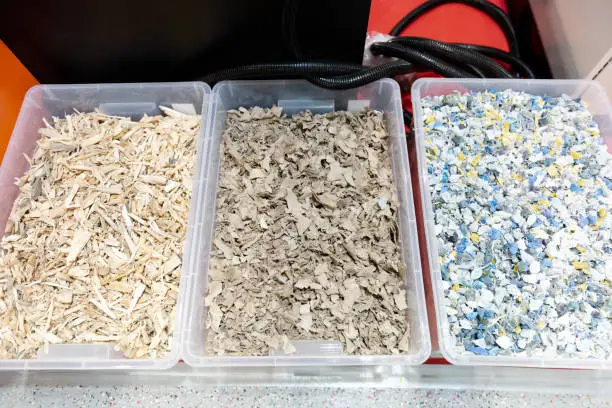
No matter how carefully you prepare them, contaminants are still a problem. Metal bolts, labels, dirt, and other mixed materials will always be a part of tearing. Having contaminant tolerance features in equipment like reverse functions, overload safety, and strong blade construction cuts down on unplanned downtime and repair costs.
Calculating Total Cost of Ownership
The initial buying price is only one part of analyzing an investment over the long run. Check the upkeep needs, such as how often the blades need to be replaced, the supply of wear parts, and the number of hours of work needed for regular service. Energy use changes a lot between types; figuring out the yearly cost of electricity at your local rate shows big differences over the life of the equipment. Project budgets are affected by installation costs like base work, electricity infrastructure, and safety guarding. Training needs and investments in extra parts and supplies round out the budget. Reliable providers give clear estimates of costs that help with accurate ROI calculations.
Supplier Evaluation and Partnership Quality
The knowledge and support system of the manufacturer has a big impact on how reliable the equipment is. Check the supplier's track record by calling current customers who use similar apps and asking for references. The terms of the warranty show that the company that made the product is confident in its reliability. How quickly problems are fixed depends on how well the company handles things like expert hotlines, field service, and the handling of spare parts. For thirty years, Xingbiao has only made plastic crushing equipment. This shows that they have the specialized knowledge and technical tools to make their products work better and provide better customer service.
Customization and Installation Services
While standard equipment works well for many tasks, some processes are better off with custom solutions that take into account specific material properties or interaction needs. When shredders are placed next to injection molding machines, they need to be set up differently than when they are installed separately in a recycling plant. Turnkey services that include evaluating the site, designing the base, installing the equipment, teaching the operator, and checking the performance make the project easier to handle while still getting the best results. Talking to tech teams about your particular needs will show you if changes can increase throughput, lower noise, or make upkeep easier.
Best Practices for Using and Maintaining Solid Waste Shredder Machines
Safety Protocols and Operational Guidelines
Comprehensive safety steps are needed to keep people safe around heavy industry equipment. The emergency stop buttons must be easy to reach from a number of places. When the guards are open, the interlocked access screens stop the solid waste shredder machine from working. Proper feeding methods, the need for personal safety equipment, and lockout/tagout processes for maintenance work should all be covered in training classes. Do not get around safety features or try to clear jams while the equipment is running. By setting clear rules and regularly reviewing them through training, you can make your workplace a place where safety is not taken for granted.
Routine Maintenance Schedules
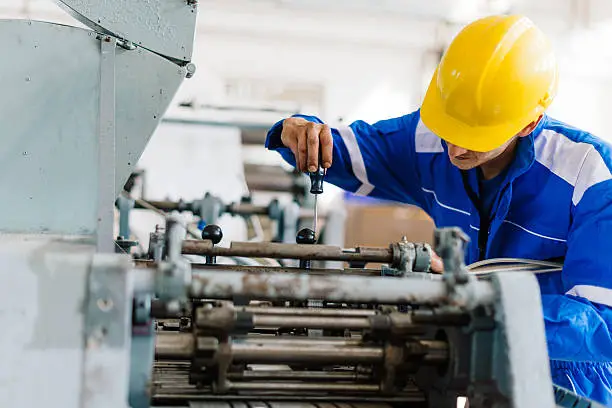
Preventive maintenance greatly increases the life of machinery and lowers the number of surprise breakdowns that stop production. Every day, checks should be made for strange noises, movements, or temperature rises that could mean problems are starting to form. As part of weekly chores, you may need to clean out rooms and make sure that all fasteners are tight. As part of monthly maintenance, bearings need to be greased, drive belts or chains need to be checked, and wear patterns on the blades need to be looked at. Cutting efficiency is kept up by rotating the blades or replacing them at regular times. This also keeps the motor from being overloaded. Keeping records of maintenance tasks helps with warranty claims and finds trends that point to changes that need to be made to how things are run.
Troubleshooting Common Issues
By spotting early signs of a problem, you can take quick action to fix it before it gets worse. Less output is often a sign that blades are getting dull and need to be rotated or replaced. Too much shaking could mean that the wheels aren't balanced, that parts are loose, or that the bearings are worn out and need to be fixed. Strange noises could mean that there are foreign items stuck in the cutting areas or that drive parts are failing. Motor warming could mean that there isn't enough airflow, the material feed rate is too high, or there are electrical problems that need to be looked into. Building ties with equipment makers makes sure that you can get technical help when you're trying to fix complicated issues.
Optimizing Performance and Efficiency
By fine-tuning operational factors, you can increase output while keeping costs low. Feed rate optimization keeps output and motor load in balance, so the machine doesn't keep going back and forth between overload and rest. The choice of screen changes the spread of particle sizes and the throughput. For example, finer screens make particles smaller but lower the throughput. The amount of wetness in the material affects how well it cuts. Materials that are too wet may need to be drained before they can be crushed. By keeping an eye on how much energy is used, you can find ways to make things more efficient by making changes to the drive system or the time of operations that take advantage of lower electricity rates.
Conclusion
Buying the right trash shredding equipment increases working efficiency, helps achieve environmental goals, and boosts the bottom line in businesses that make and recycle plastic. The technical points talked about in this guide give you a way to compare the features of the tools you're looking at to your unique materials, capacity needs, and long-term business goals. Working with specialized makers that are dedicated to engineering greatness and quick response times for customer service issues will make sure that your investment works well for a long time. Taking the time to carefully consider your requirements, evaluate the available options, and choose providers who can truly demonstrate their knowledge will set your business up for success in markets that are becoming more competitive and where environmental responsibility and efficiency create real benefits.
FAQ
What types of materials can solid waste shredders process effectively?
Good solid waste shredder machines can handle different kinds of plastic trash, like injection-molded parts, pipes, profiles, films, woven bags, and even tough things like tires and big containers. Different blade designs are better at cutting certain types of materials. For example, some designs are better at cutting hard plastics, while others are better at cutting soft, tangled trash. Talking to sellers about your specific mix of materials will help you choose tools that meet your needs.
How do I determine the appropriate shredder capacity for my facility?
Find the average and highest rates of trash production during typical work times. Think about the bulk density of the object because volume alone doesn't show how much it weighs. Think about whether working in batches or continuously works better for your business. Reputable makers can help you figure out your capacity and suggest equipment that is the right size for your current needs with room to grow.
What warranty and support should I expect when purchasing shredding equipment?
Comprehensive guarantees usually cover problems with the way the product was made for one to two years, though the exact terms depend on the seller. Technical help, operator training, regular upkeep advice, and quick delivery of extra parts should all be part of the after-sales service. Companies that only make certain types of tools, like Xingbiao, can often provide better support because they have the specialized knowledge that other makers don't have.
Partner With Xingbiao for Reliable Solid Waste Shredder Solutions
Every solid waste shredder machine that Xingbiao makes is backed by 30 years of specialized technical know-how. Because we're committed to being the best in a single area, you can benefit from constant innovation that has been honed by thousands of installations in plastic recycling and production facilities. We build machines with frames made of high-strength steel that has been treated to keep its shape under constant operation. The SKD-11 and Cr12MoV blades go through vacuum heat treatment and cryogenic processing to make them very resistant to wear. By using less energy, our special blade shape and chamber design make the breaking process more than 20% more efficient than usual. This saves money because less energy is used.
Our engineering team works together to make sure that the equipment you need fits your needs perfectly, whether you need large-diameter crushers for big parts, high-power units for installation next to a press, standard models that can handle a wide range of materials, or custom solutions for unique uses. We offer full support, from the initial assessment through installation, training, and ongoing upkeep help. Our 24-hour response guarantees keep your operations running smoothly. Get in touch with us at xingbiaocrusher@xingbiaocrusher.com to talk about how our solid waste shredder machine supplier services can help your waste management efforts by providing you with durable equipment.
References
1. Miller, J. & Thompson, R. (2023). Industrial Waste Processing: Equipment Selection and Operational Best Practices. Manufacturing Engineering Press.
2. Environmental Protection Agency. (2022). Waste Reduction and Resource Recovery in Manufacturing Facilities. EPA Technical Document Series.
3. Peterson, L. (2024). Advanced Shredding Technologies for Plastic Recycling Operations. Journal of Sustainable Manufacturing, 18(3), 245-267.
4. National Association of Waste Processors. (2023). Equipment Procurement Guidelines for Recycling Facilities. NAWP Industry Standards Publication.
5. Chen, W. & Rodriguez, M. (2023). Total Cost of Ownership Analysis for Industrial Size Reduction Equipment. Industrial Equipment Quarterly, 41(2), 112-128.
6. International Plastics Recycling Association. (2024). Best Practices in Plastic Waste Processing and Equipment Maintenance. IPRA Technical Manual.
Learn about our latest products and discounts through SMS or email