- English
- French
- German
- Portuguese
- Spanish
- Russian
- Japanese
- Korean
- Arabic
- Greek
- German
- Turkish
- Italian
- Danish
- Romanian
- Indonesian
- Czech
- Afrikaans
- Swedish
- Polish
- Basque
- Catalan
- Esperanto
- Hindi
- Lao
- Albanian
- Amharic
- Armenian
- Azerbaijani
- Belarusian
- Bengali
- Bosnian
- Bulgarian
- Cebuano
- Chichewa
- Corsican
- Croatian
- Dutch
- Estonian
- Filipino
- Finnish
- Frisian
- Galician
- Georgian
- Gujarati
- Haitian
- Hausa
- Hawaiian
- Hebrew
- Hmong
- Hungarian
- Icelandic
- Igbo
- Javanese
- Kannada
- Kazakh
- Khmer
- Kurdish
- Kyrgyz
- Latin
- Latvian
- Lithuanian
- Luxembou..
- Macedonian
- Malagasy
- Malay
- Malayalam
- Maltese
- Maori
- Marathi
- Mongolian
- Burmese
- Nepali
- Norwegian
- Pashto
- Persian
- Punjabi
- Serbian
- Sesotho
- Sinhala
- Slovak
- Slovenian
- Somali
- Samoan
- Scots Gaelic
- Shona
- Sindhi
- Sundanese
- Swahili
- Tajik
- Tamil
- Telugu
- Thai
- Ukrainian
- Urdu
- Uzbek
- Vietnamese
- Welsh
- Xhosa
- Yiddish
- Yoruba
- Zulu
High-Efficiency Screen Crusher for Recycling and Waste Management
In today's recycling and garbage management world, processing efficiency has a direct effect on both making money and being good to the earth. Companies that handle plastic trash need high-efficiency screen crushers in order to precisely reduce the size of the materials while keeping their integrity. Thanks to the fact that these special tools can both crush and screen materials, recycling centers can easily handle everything from PET bottles to industrial plastic waste. When looking for a wholesale screen crusher, business-to-business buyers want to find equipment that is durable, reliable, and easy to integrate with current production lines. Choosing a provider is a smart choice that affects the long-term success of the business.
Understanding High-Efficiency Screen Crushers in Recycling and Waste Management
The Functional Distinction of Screen Crushers
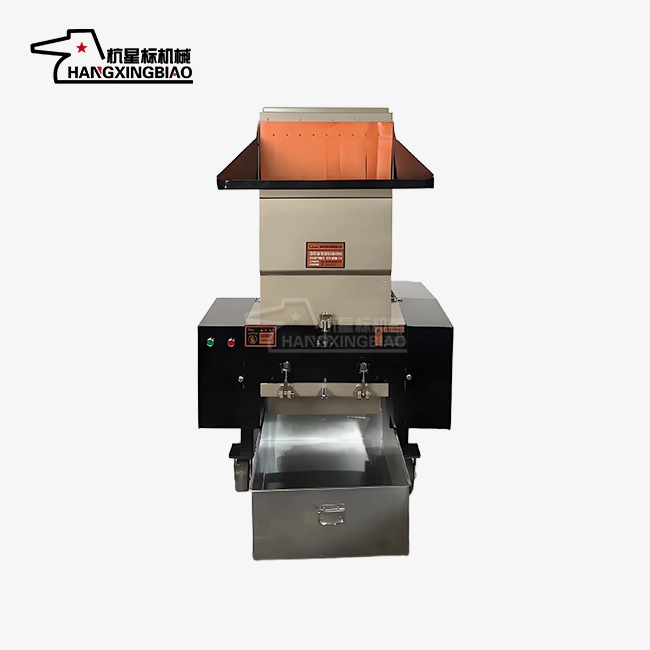
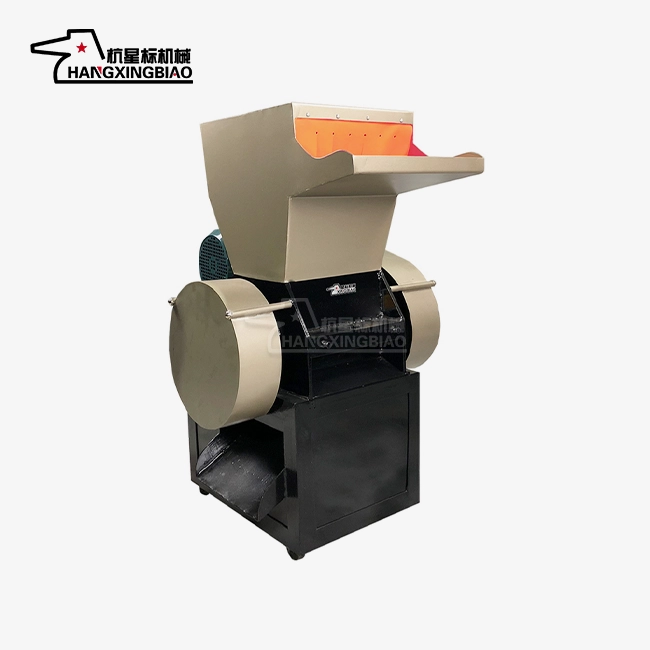
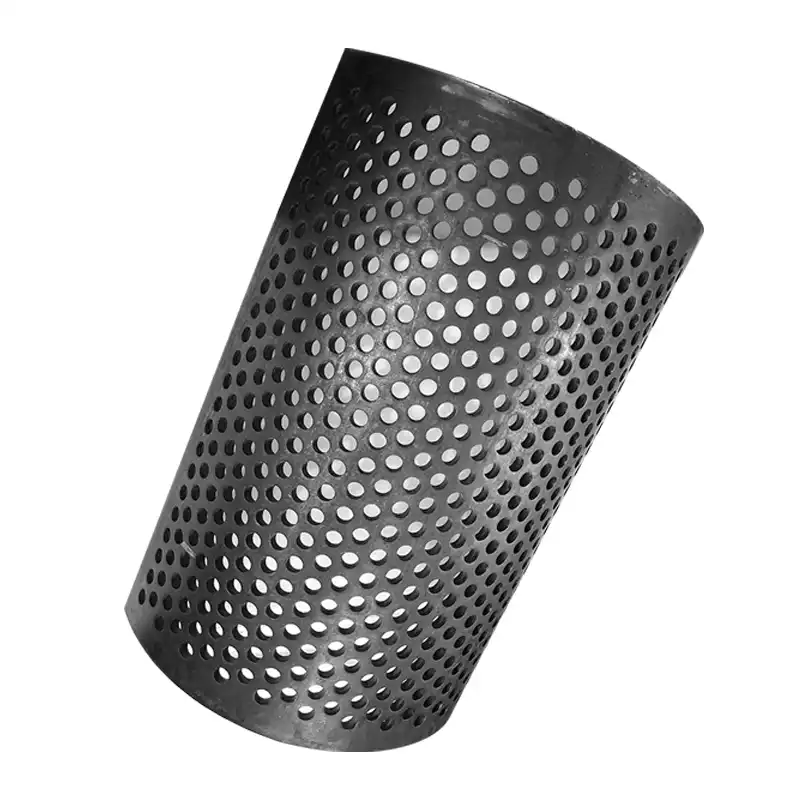
Screen crushers are an advanced type of size-reduction equipment that does two important jobs at once: they break down materials into workable particles and then screen those particles to get a regular output. Screen crushers have metal screens with holes in them that control the end particle size. This is different from regular jaw or impact crushers, which only break down material. The crushed material only leaves the cylinder when it reaches the size requirements set by the screen aperture, which, for plastic uses, is usually between 12 mm and 14 mm. This unified method gets rid of the need for different screening tools. This lowers the cost of capital and floor space while increasing process efficiency by up to 20% compared to regular two-stage systems.
Material Versatility and Application Range
Modern screen crushers are great at handling different kinds of plastic trash that are hard for older machines to handle. PET bottles, which make up a big part of post-consumer plastic trash, need to be handled in a certain way because they have thin walls and tend to create static electricity. Screen crushers with V-cut or scissor-cut rotors cut material more and more as it moves toward the center. This keeps bottle pieces from getting stuck or getting around the blades. In addition to bottles, these machines can also handle injection-molded parts, profiles, pipes, and even tough materials like woven bags and films that tend to wrap around normal crusher blades. Screen crushers are very useful for recycling operations that deal with mixed material streams because they can handle both hard and flexible plastics in the same machine setup.
Energy Efficiency and Environmental Benefits
Energy use is a big part of the costs of running recycling centers, so economy is a very important thing to think about when buying things. High-efficiency screen crushers work better because the blade shape and cavity design are better, which means less energy is needed to cut through materials. Because premium rotor designs cut like scissors, they use a lot less energy than blunt-force crushing methods. This means that power costs are lower and motors are less stressed by heat. Screen crushers are better for the environment than hammer mills and shredders because they make less dust and noise and make working conditions safer while reducing emissions that need expensive cleaning systems. Screen crushers make flake sizes that are all the same. This makes cleaning and drying processes more efficient because particles with the same size can remove contaminants more effectively and evaporate moisture faster.
Choosing the Right Screen Crusher: A Decision Support Guide for B2B Buyers
Capacity Matching and Production Integration
To choose the right breaking capacity, you need to carefully look at how much material you need to process and how the production flow works. Small to medium-sized recycling operations can get by with a screen crusher that can handle 500 kilograms per hour. Large industrial facilities, on the other hand, need equipment that can handle 1,500 kilograms per hour or more. Capacity mismatches cause practical problems. For example, crushers that are too small can't keep up with output, causing material to pile up and work to stop. On the other hand, equipment that is too big wastes money and energy by using it for no reason. Modern recycling centers put breakers next to injection molding machines or extrusion lines. This lets scrap be processed in real time, which gets rid of the need to move and store materials. Using this method of integration calls for crushers with small sizes and quick-change screen systems that cut down on repair time so that material keeps moving during all shifts.
Rotor Design and Blade Specifications
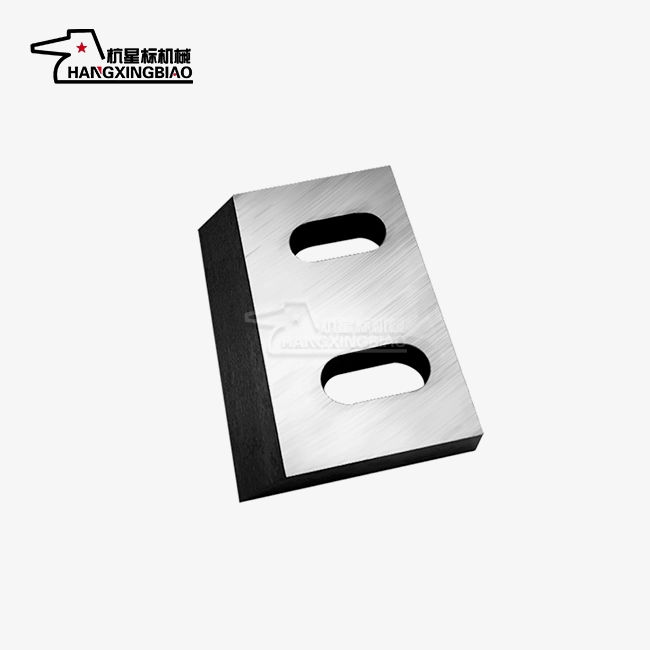
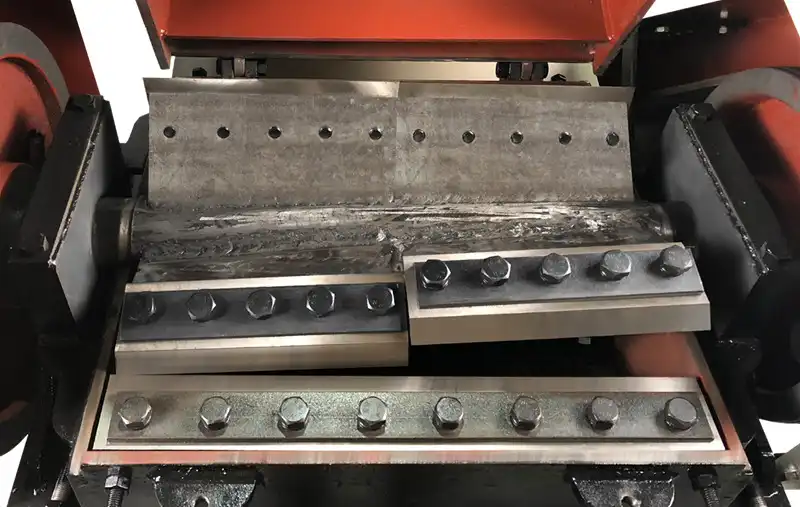
The rotor assembly is the working heart of any wholesale screen crusher. The design of the rotor assembly determines how well the material is processed and how much upkeep it needs. V-cut rotor designs put the blades at angles that cause cutting forces like scissors instead of impact forces. This makes the blades and bearings last a lot longer. The choice of blade material is also very important. High-end crushers use SKD-11 (also called D2) mold steel or Cr12MoV special steels that are vacuum-heated and processed at very low temperatures. These advanced metal processes make the surface harder than 58 HRC while keeping the core tough. This means that blades can handle how rough PET and other plastics are without having to be replaced often. By buying crushers with high-quality blades, companies that process 10,000 tons of plastic a year can cut down on the number of times they have to replace the blades from once a month to three times a year. This saves a lot of money on maintenance labor and replacement parts and keeps production running smoothly.
Frame Construction and Vibration Management
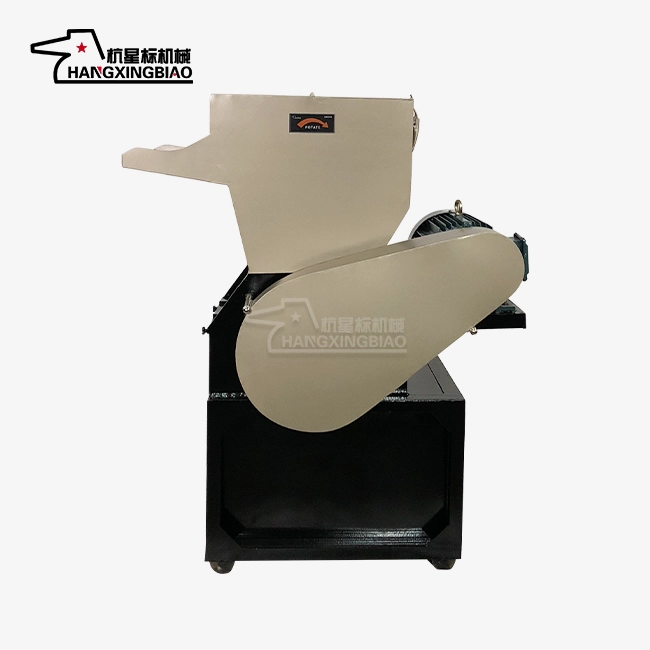
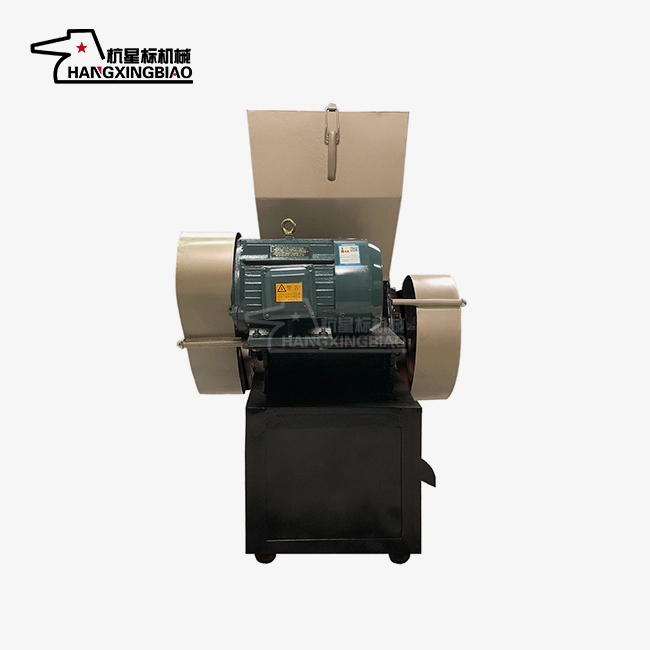
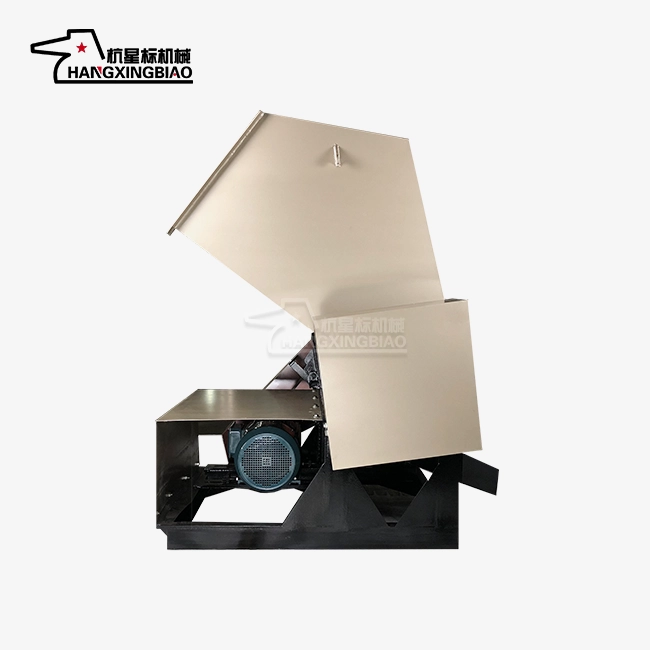
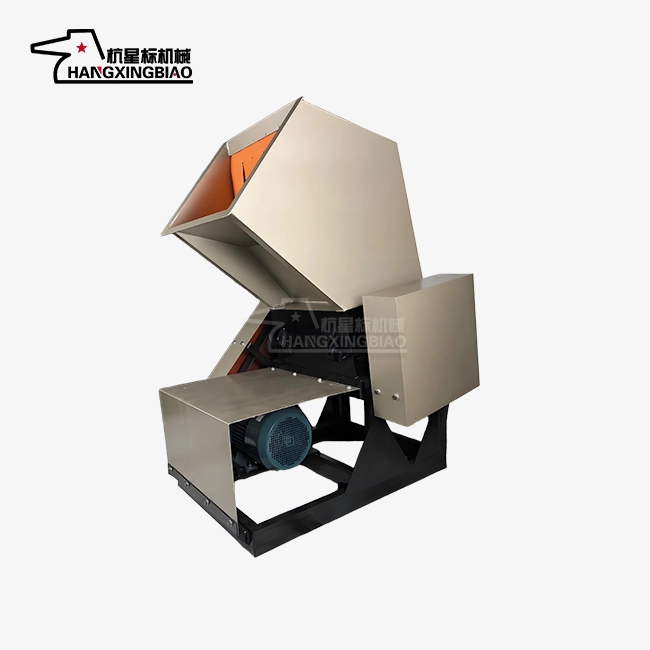
For heavy-duty use, you need strong structural engineering that can handle constant use under different load situations. Frames of high-end screen crushers are made from high-strength steel plates that are at least 12 mm thick and no more than 16 mm thick, depending on the machine's capacity. Stress-relief annealing is a thermal treatment that gets rid of the internal stresses that were formed during production and stops the frames from changing size while they are being used. The solid construction absorbs the vibrations caused by the spinning blade assembly. This cuts down on noise transfer and keeps bearings from breaking down too soon because of loads that move back and forth. Facilities that use crushers constantly for multiple shifts know that the initial investment in heavy-duty construction pays off through longer equipment life, lower upkeep costs, and practical dependability that keeps production from stopping, which costs a lot of money.
Operational Excellence: Maintenance, Safety, and Performance Optimization
Preventive Maintenance Protocols
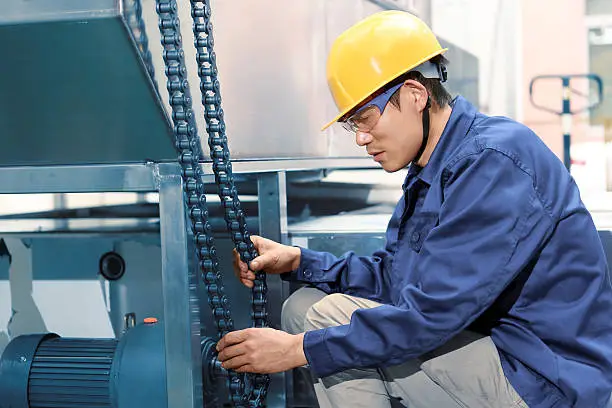
Setting up regular maintenance schedules has a direct effect on how long equipment lasts and how consistently it works. Screen breakers need to be checked visually every day to make sure the blades are in good shape, the screens are intact, and the bearing case is not too hot or too cold. Bearing parts should be oiled with greases recommended by the maker once a week, drive belt tension should be checked, and material buildup around screen holes should be cleaned. As part of their monthly routine, maintenance teams carefully check each blade using gauge tools that measure how much height is still left on the blade. This lets them plan replacements before the blades stop working as well. Modern crushers have quick-change screen frames that are held together by clamps instead of screws. This means that screens can be changed without any special tools in less than 15 minutes. This design choice cuts down on planned downtime and lets facilities keep up with their production plans during repair times. Operators should keep thorough maintenance logs that record when blades need to be replaced, when bearings need to be oiled, and any strange noises or movements. This creates data sets that can be used to plan predictive maintenance and spot performance trends before equipment breaks down.
Safety Standards and Operator Protection
There are inherent risks in using a crusher that must be addressed by thorough safety measures. All screen breakers should have interlocked safety guards that stop the rotor from turning as soon as the access panels are opened. This way, people working on or cleaning the material from the screen won't have to touch the spinning blades. There are emergency stop keys all over the machine so that it can be quickly turned off if something goes wrong. As part of proper operator training, the right way to feed materials is emphasized so that overloading doesn't happen, and the risks of trying to clear jams while the equipment is still running are emphasized. Lockout-tagout processes should be required for any repair work that involves the rotor chamber. This is to make sure that all electrical power and stored rotational energy are lost before workers can reach internal parts. Facilities that work with dusty materials should make sure that their workers have the right breathing protection and that they clean up regularly so that dust doesn't build up and become a lung danger or a possible ignition source.
Performance Optimization Strategies
To get the most out of a crusher while keeping the quality of the flake, you need to pay attention to both the operating factors and the material characteristics. Feed rate control stops the chamber from being overloaded, which slows down the rotor and causes too much heat to build up, both of which hurt working efficiency and speed up wear. Material pre-sorting gets rid of impurities like metal caps or label glue that wear down blades too quickly and cause problems with the way the material is processed. The choice of screen strikes a balance between the output size needed and the flow that can be achieved. Smaller holes make finer flakes but lower the hourly capacity, while larger openings boost throughput at the cost of less uniform particles. Progressive facilities keep an eye on the motor amperage while it's running. This sets standard usage levels that let workers find efficiency losses caused by things like blade wear or screen blinding before they become obvious. This method is based on data, which helps make proactive maintenance choices that keep output quality uniform and stop performance from dropping.
Wholesale Procurement Insights: Pricing, Ordering, and Delivery
Cost Structure and Budget Planning
Understanding the financial strategy for buying a crusher helps procurement teams decide how to best use their cash and look at the total cost of ownership instead of just the purchase price. Screen crushers for beginners that can handle 300–500 kg/hr usually cost between $5,000 and $12,000. They are good for small recycling businesses or places that don't make a lot of trash. Industrial crushers in the mid-range, with capacities of 800-1,200 kg/h, cost between $15,000 and $35,000. They are more durable and have features that make them good for medium-sized factories. Heavy-duty crushers that can handle 1,500 kg/hour or more cost more than $40,000. This is because they need to be made with high-quality materials, use advanced engineering, and be able to be customized for large-scale activities. A buyer should include in their budget not only the cost of the equipment itself, but also the costs of installation, operator training, the original stock of spare parts, and the ongoing costs of upkeep. When you buy a lot of units at once, you can often get price breaks of 10% to 20%. This means that companies with distributed production networks can save money by coordinating purchases across various sites.
Supplier Selection and Partnership Value
There are a lot of manufacturers in the wholesale screen crusher market, but the technical support, after-sales service, and parts supply of these makers vary a lot. Suppliers you can trust give you detailed technical specs that let you figure out the exact capacity of a product based on its properties and how it needs to be processed. Before a sale, technical support should help with choosing a crusher, integrating it with current production lines, and making changes to fit specific practical needs. Usually, warranties cover things for 12 to 24 months. They protect buyers against problems with the way the product was made and tell them what to expect when it comes to regular wear and tear on things like blades and screens. Long-term relationships with suppliers are valuable because they provide responsive technical support that fixes operating problems quickly, cutting down on costs that often go over the cost of buying new equipment. When suppliers keep large stocks of extra parts, facilities can get important parts within days instead of weeks. This keeps production from stopping for long periods of time when unexpected failures happen. The best relationships with suppliers include regular visits to the plant by engineering staff to check on the performance of equipment, suggest ways to make it work better, and give operators extra training.
Shipping Logistics and Installation Services
When you buy tools from another country, you have to think about logistics, which can change the total time and cost of the job. When coming from foreign manufacturers, screen crushers are usually shipped by ocean freight. Transit times vary from 25 to 45 days, based on where the ports are located and how quickly customs clearance is handled. Shipping damage can be avoided by properly packing equipment in strengthened crates, especially to precisely machined rotor parts and blade edges. When moving within the United States, most of the time, specialized machinery transport services are used. These services have liftgates or forklifts that can move equipment weighing between 500 and 2,000 kilograms. Professional installation services make sure that the equipment is mounted correctly, that the electrical connections are made according to local rules, and that the first operating testing meets all performance requirements. Facilities that don't have their own millwrights can benefit a lot from complete installation packages that include instructions on how to prepare the base, details on how to connect utilities, and performance checks after the installation. Maintenance teams can use detailed installation paperwork to find the mechanical drawings, electrical schematics, and torque specs they need for future service work.

Future Outlook and Environmental Impact of Screen Crushers in Recycling
Technological Advancement Trajectories
The development of screen crushers keeps moving toward more automation, better energy economy, and smarter operation. New control systems have variable frequency drives that change the rotor speed automatically based on the rate of material feed and the load in the chamber. This saves energy and keeps the machine from overloading. Sensor technologies track how blades wear down and can more accurately predict when they need to be replaced than time-based plans. This makes condition-based maintenance strategies possible, which cut costs and boost reliability. Using near-infrared spectroscopy, material recognition systems can tell the difference between types of plastic before they are crushed. This lets the system make automatic changes to the parameters that make processing best for each polymer. Because of these improvements, modern screen crushers are more like smart processing hubs within bigger recycling systems than simple machines. They create data streams that help facilities make decisions about operations and work on improving all the time.
Circular Economy Contributions
Wholesale screen crusher units are an important part of circular economies because they make it possible to reuse materials in a way that replaces making new plastic. Using high-efficiency crushers on each ton of recovered plastic cuts down on carbon dioxide emissions by about 1.5 tons compared to making the same amount of new material from petroleum feedstocks. Quality screen crushers make flake sizes that are more regular, which makes the next step of reprocessing more efficient. This improves the quality of recovered plastic pellets and makes them useful in more situations. Companies are under more and more pressure to use recovered materials in their goods. To support sustainable manufacturing practices, they need reliable crushing equipment. New laws in many places require plastic goods to have a minimum amount of recovered material. This keeps the demand for recycling equipment like crushers high. When companies buy high-quality screen crushing equipment, they put themselves in a good position to take advantage of these legal drivers. They also show environmental responsibility, which appeals to customers who care about sustainability.
Conclusion
High-efficiency screen crushers are smart investments for recycling centers and factories that want to get the most out of processing plastic trash while also meeting green goals. When choosing equipment, it's important to think about how much it can hold, how well it was built, and whether the seller can provide long-term practical support in addition to the initial purchase price. Hangzhou Xingbiao Machinery has been a leader in the development of crushers for 30 years. Their equipment is designed to meet the unique needs of plastic processors, showing the value of focused engineering knowledge. When you combine advanced materials, well-thought-out designs, and full service support, you get solutions that boost productivity while lowering costs. As the economics of recycling and environmental laws change, facilities with stable, high-performance crushing equipment will continue to have an edge in markets that are changing quickly.
FAQ
How do I determine the appropriate crusher capacity for my recycling operation?
Figure out your highest rate of material production across all times, taking into account changes in the seasons and expected business growth. Choose equipment that can handle 120 to 150% of your normal throughput needs. This will give you capacity headroom that keeps you from hitting jams during busy times and lets you grow in the future without having to buy new equipment right away.
What maintenance routines are essential for maximizing crusher uptime?
Visually check the state of the blades and the integrity of the screens every day. Lubricate the bearing assemblies once a week, and take thorough readings of the blades every month. Keep detailed records of all service actions in maintenance logs. This will allow predictive maintenance techniques to find performance trends before they lead to failures.
Are customized features available when purchasing wholesale screen crushers?
Reliable manufacturers allow for a lot of customization, such as different blade setups for different materials, different screen aperture sizes, different motor voltages for installations in different countries, and features that make the machines easier to use, like conveyor interfaces or automatic feed systems. During the buying process, talk about specific needs to make sure that the equipment meets practical requirements.
Partner with Xingbiao for Superior Crushing Solutions
The Hangzhou Xingbiao Machinery Co., Ltd. has been developing plastic crushers for 30 years and works with recycling centers and factories all over the United States. Our research team works with leaders in the field to make sure that the equipment we sell is strong. It has SKD-11 steel blades, stress-relieved frames, and energy-efficient designs that cut down on costs while increasing output. Whether your facility needs standard crushers for general plastic processing or special solutions for difficult materials, Xingbiao can help you with everything, from choosing the right crushers to installing them and keeping them in good shape. As a dedicated wholesale screen crusher maker, we can offer low bulk prices, a wide range of customization options, and quick technical support that keeps downtime to a minimum. You can email our team at xingbiaocrusher@xingbiaocrusher.com to talk about your unique needs and find out how our high-efficiency crushing solutions make recycling and garbage management work better.
References
1. Kumar, S., & Putchala, M. (2022). Plastic Waste Management and Recycling Technologies: Economic and Environmental Performance Analysis. Journal of Cleaner Production, 348, 131-145.
2. Thompson, R.L. (2021). Size Reduction Equipment Selection for Polymer Recycling Operations. Recycling Technology Review, 29(4), 287-302.
3. American Society for Testing and Materials. (2023). Standard Specification for Plastic Crushing and Granulating Equipment Performance Criteria. ASTM D7209-23.
4. Worrell, E., & Reuter, M.A. (2020). Handbook of Recycling: State-of-the-Art for Practitioners, Analysts, and Scientists (2nd ed.). Elsevier Publications.
5. National Waste & Recycling Association. (2023). Best Practices for Plastic Processing Equipment Maintenance and Safety Protocols. Industry Technical Report 2023-08.
6. Zhang, Y., & Chen, M. (2022). Energy Efficiency Optimization in Plastic Waste Mechanical Recycling Systems. Resources, Conservation and Recycling, 176, 105-118.
Learn about our latest products and discounts through SMS or email