- English
- French
- German
- Portuguese
- Spanish
- Russian
- Japanese
- Korean
- Arabic
- Greek
- German
- Turkish
- Italian
- Danish
- Romanian
- Indonesian
- Czech
- Afrikaans
- Swedish
- Polish
- Basque
- Catalan
- Esperanto
- Hindi
- Lao
- Albanian
- Amharic
- Armenian
- Azerbaijani
- Belarusian
- Bengali
- Bosnian
- Bulgarian
- Cebuano
- Chichewa
- Corsican
- Croatian
- Dutch
- Estonian
- Filipino
- Finnish
- Frisian
- Galician
- Georgian
- Gujarati
- Haitian
- Hausa
- Hawaiian
- Hebrew
- Hmong
- Hungarian
- Icelandic
- Igbo
- Javanese
- Kannada
- Kazakh
- Khmer
- Kurdish
- Kyrgyz
- Latin
- Latvian
- Lithuanian
- Luxembou..
- Macedonian
- Malagasy
- Malay
- Malayalam
- Maltese
- Maori
- Marathi
- Mongolian
- Burmese
- Nepali
- Norwegian
- Pashto
- Persian
- Punjabi
- Serbian
- Sesotho
- Sinhala
- Slovak
- Slovenian
- Somali
- Samoan
- Scots Gaelic
- Shona
- Sindhi
- Sundanese
- Swahili
- Tajik
- Tamil
- Telugu
- Thai
- Ukrainian
- Urdu
- Uzbek
- Vietnamese
- Welsh
- Xhosa
- Yiddish
- Yoruba
- Zulu
Best Practices for Purchasing Wholesale Plastic Particle Crusher Equipment
If you're ready to buy wholesale plastic particle crusher equipment, you should think carefully about how it will affect the efficiency and revenue of your business. With the right tools, you can cut the amount of plastic waste you produce by up to 80%, turn scrap into useful recycled materials, and save money by running your business more efficiently. Whether you're in charge of a recycling center that processes tons of mixed plastic every day or a manufacturing plant that deals with production waste, knowing the best ways to buy things will help you choose crushers that work well, match your material needs, and give you real long-term value, not just a good price at first.
Understanding Your Procurement Needs for Plastic Particle Crushers
Correctly figuring out what you need is the first step in buying the right tools. A production company that works with hard injection-molded parts has very different crushing needs than a salvage center that works with tangled plastic films. Scale is a very important factor. Medium-sized to large manufacturers often need crushers that are built right into their production lines so that ground materials can be fed back into the processes right away. On the other hand, smaller recycling operations prefer standalone units that are flexible and can handle a wide range of waste streams.
Segmenting Requirements by Scale and Application
Large-scale industrial operations usually need wholesale plastic particle crushers that can handle more than 500 kilograms of material per hour and are strong enough to work continuously during multiple shifts. These factories like automated features, the ability to connect conveyors, and uniform particle size distribution that meets tight requirements for extrusion or injection molding further down the line. On the other hand, small to medium-sized recycling plants need tools that can handle hard plastics like PVC and styrofoam one day and soft plastics like polyethylene films the next, without having to be completely rearranged.
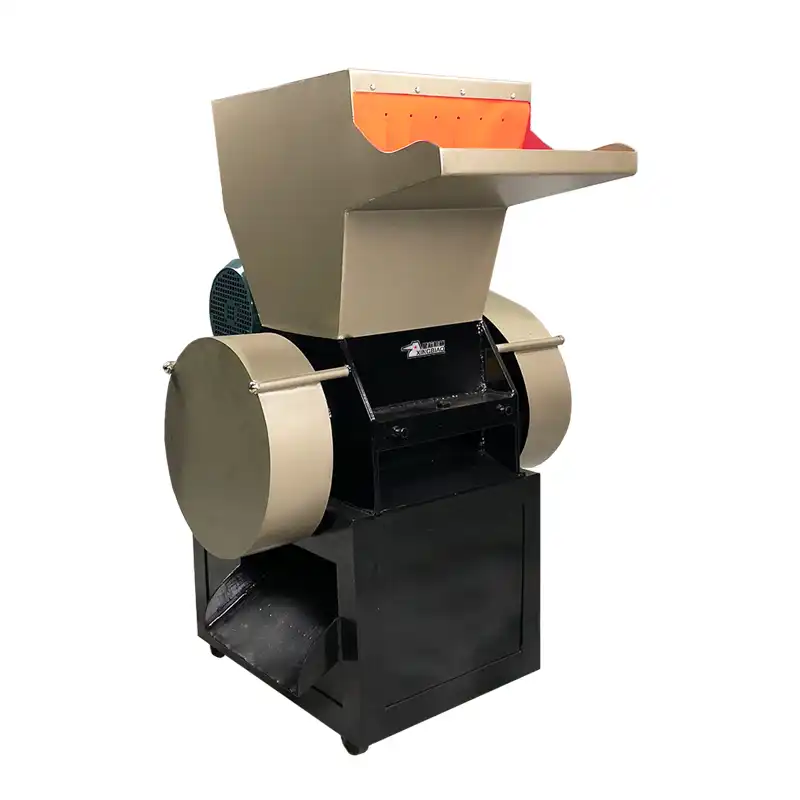
More than any other factor, the features of the material determine which tools are used. Hard plastics like PVC, polystyrene, and phenolic resins are brittle and break easily when compressed or hit. This means they can be used in hammer-style or compression wholesale plastic particle crushers. Different problems arise when working with soft, bendable materials like films and woven bags. These materials don't break easily and tend to wrap around moving parts. To avoid jamming and ensure effective particle reduction, they need specific blade designs with strong cutting action.
Critical Performance Metrics
The operational effectiveness and return on investment are directly affected by the throughput capability. When a wholesale plastic particle crusher is rated for 300 kg/hour but only manages 200 kg/hour, it slows down production and affects the whole process. Another important measure is energy efficiency, especially given how much power costs now. Modern crushers use 20–30% less energy than older models because they have better motor matching and improved blade shape. This saves thousands of dollars a year.
The amount of maintenance needed has a big effect on the total cost of ownership. Equipment that needs blade changes often, difficult adjustments, or specialized service workers raises costs and delays operations. Noise and environmental compliance must be taken into account—buildings must meet OSHA guidelines for noise exposure at work, and crushers that make a lot of dust need extra control measures.
Criteria for Selecting the Best Wholesale Plastic Particle Crusher
When you buy in bulk, both possibilities and risks are amplified. Volume prices lower the cost per unit, but if you buy a lot of machines without giving them a careful look, you might end up with equipment that doesn't work well across your whole business. To find the best balance between the initial buy price and the long-term practical value, you need to look at the full ownership picture.
Core Selection Metrics for Bulk Procurement
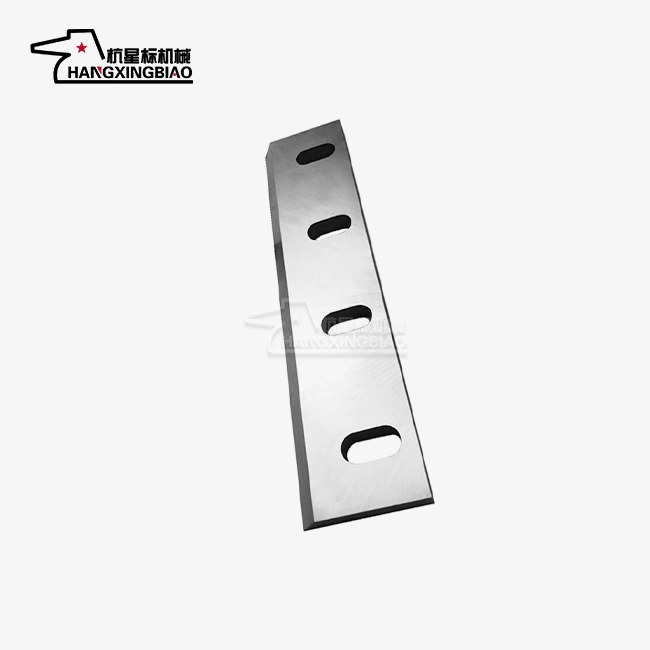
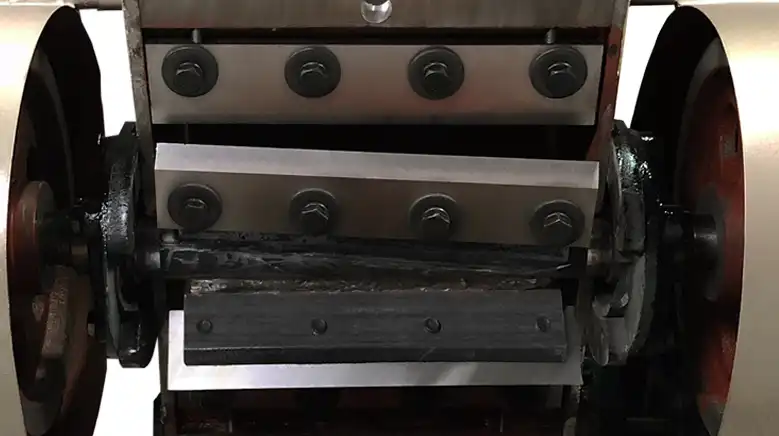
When companies run wholesale plastic particle crushers at high loads all the time, equipment longevity is the most important thing. The main way bodies are built tells us a lot about how long people expect them to last. Heavy-gauge steel plate crushers that are fully welded and stress-relieved keep their structural integrity over years of shaking and material impact. The materials used for blades directly affect how long they last and how often they need to be maintained. When high-end crushers use tool steels like SKD-11 or D2, they go through vacuum heat treatment and cold processing to make them harder than 58 HRC while still keeping their toughness so they don't chip or break.
Warranty coverage and service after the sale are what set reputable makers apart from equipment dealers who just want to make quick sales. Full guarantees that cover major parts for 12 to 24 months show that the maker trusts the quality of the build. More importantly, strong service networks make sure that problems are fixed quickly. Commitments to 24-hour reaction times, on-site expert support, and kept extra parts stockpiles keep production delays as short as possible and as cheap as possible.
Supplier approvals make sure that industrial standards are being met in an objective way. The ISO 9001 certification shows that the quality is managed in a planned way, and the CE marking shows that the product meets European safety standards, which are often higher than US standards. UL certification gives electrical parts and safety systems an extra layer of security.
Comparing Crusher Technologies
There is a big difference between rotary wholesale plastic particle crushers and hammer mills that makes them better for certain jobs. Rotary crushers use scissor-action cutting, which makes less dust and noise and more regular particle sizes. This makes them perfect for processes that need consistent material for extrusion. Hammer mills are great for quickly and thoroughly breaking down hard materials into smaller pieces, but they make more fines and are noisier when they're working.
Another choice point is between single-shaft and double-shaft designs. When you change the size of the screen on a single-shaft design with a changeable screen, you can quickly change the particle sizes that come out of the machine. When processing mixed trash streams, the automatic reverse function is very helpful because it guards against damage from contaminants that can't be crushed or too much material. Double-shaft crushers can handle heavy jobs like breaking down thick-walled barrels or tightly packed material bags because they have more power at lower speeds.
As environmental efforts become more important, choosing tools that use less energy becomes more important. With variable frequency drives, the motor speed can be changed to match the load instead of going at full power all the time. Optimized chamber shape and blade angles make cutting more efficient, which means less energy is needed per kilogram of material treated. These features usually add 10–15 percent to the price of the item at first, but they pay for themselves in less than two years because they use less electricity.
How to Evaluate Wholesale Suppliers and Brands
Choosing a supplier is just as important as choosing the right tools. The connection goes far beyond the purchase. Equipment usually lasts between 10 and 15 years, and during that time, ongoing provider support is key to keeping production high and total running costs low.
Essential Supplier Evaluation Criteria
Specialization in manufacturing shows a high level of skill and dedication to making high-quality products. Suppliers who have been developing and making wholesale plastic particle crushers exclusively for decades gain knowledge that makers of other types of machinery can't match. This skill shows up in better designs, proven dependability, and a real grasp of the problems that come up in specific applications. Investing in research and development means that products are always getting better, not staying the same. Companies that hire engineering teams and keep up relationships with other companies in the same field show that they are committed to making technology better.
When judging a person's reputation, you need to look beyond their marketing materials and at their proven track records. Case studies with specific customer uses, changes in performance, and a measurable return on investment show that the potential is real. References from businesses in the same industry as yours can help you set reasonable goals for how well the tools will work and how quickly the seller will respond. Geographic factors affect both the initial operations and ongoing support. For example, domestic providers or those with service centers in the US can react more quickly to pressing needs than foreign makers who need to ship parts and technicians across international borders.
Contract Terms and Financial Considerations
Bulk purchase deals give you more ways to negotiate than just standard prices. Volume prices usually start at 3–5 unit buys, and you can get even bigger discounts for bigger contracts. In buy agreements, it should be clear how to pay, when to send, and how to get help with installation. Financing choices help keep capital costs under control, but the real economic benefit can only be found by carefully comparing interest rates and savings for paying cash.
It's important to read the guarantee terms carefully and know exactly what parts are covered, how long each part is covered, and whether labor costs are included in warranty repair. After-sales promises should include how quickly technical questions will be answered, pledges that spare parts will be available, and plans for emergency help. Suppliers that offer training programs for your repair staff are very helpful because they build internal skills that make you less reliant on outside service.
Comparing Wholesale Plastic Particle Crushers: Features and Pricing
Taking a look at the features and prices of different wholesale plastic particle crushers, you need to look beyond the specs and know how they work in real life and how much they cost to own. The price of an item is only one part of the economic equation. The real value is determined by how much energy it uses, how often it needs to be maintained, and how long it lasts.
Performance Benchmarks and Pricing Tiers
Entry-level crushers that are good for small businesses or occasional use usually cost between $3,000 and $8,000. They have basic features and can handle 100 to 300 kg/hour. These machines are made of normal carbon steel and blade materials, so they need to be serviced more often and don't offer many customization options. Between $8,000 and $20,000, mid-range equipment offers big gains in functionality, such as stronger construction, better motor efficiency, better dust control systems, and higher-quality blade materials. These crushers can work successfully in continuous mode and can be slightly customized to fit different needs.
Industrial crushers with a lot of capacity that are made for tough continuous-duty jobs cost at least $20,000 to $50,000, based on how much flow is needed and how complicated the customization is. Heavy-duty welded steel construction, precision-machined parts, premium tool steel blades with advanced heat treatment, advanced control systems, and full safety interlocks are all things that these machines have. Total cost of ownership research shows that high-end equipment often has cheaper processing costs per kilogram, even though it costs more to buy at first. This is because it uses less energy, needs less upkeep, and lasts longer.
These economics are clearly shown by how a wholesale plastic particle crusher works in the real world. A medium-sized recycling center that handles 2,000 kg of mixed plastic waste every day bought medium-level breakers that use the least amount of energy possible. In three years of use, the equipment saved $4,200 a year on electricity costs and needed 40% fewer blade replacements than the old equipment. This saved more than $15,000, more than covering the price difference during the warranty period and setting the stage for years of cost-effective use.

Best Practices for Procurement and Post-Purchase Management
Strategic buying is more than just picking out tools and negotiating prices. Systematic methods for writing specifications, evaluating bids, and managing after installation increase the chances of meeting operating and financial goals.
Streamlining the Procurement Process
Specifications that are very detailed are the basis of good buying. Write down exactly what you need, including the types of materials and their properties, the amount of throughput you need, the amount of floor space and utilities you have available, how the new equipment will fit in with the old ones, the particle size requirements, and any other special needs, such as explosion-proof ratings or the ability to be cleaned for sanitary uses. Full specs give providers the information they need to come up with good solutions and give you a way to compare their ideas in an objective way.
Request for quote development should get similar information from all possible suppliers, such as detailed equipment specs, listed pricing that includes shipping and installation, guarantee terms, delivery schedules, training provisions, and promises of support after the sale. Standardized RFQ forms make it easy to compare directly and show which sellers give full information and which ones make vague promises.
Post-Purchase Management for Sustained Performance
Scheduled maintenance stops small problems from getting worse and costing a lot to fix. Regularly checking and rotating the blades at times stated by the maker keeps them cutting efficiently and stops catastrophic breakdowns from worn parts. Lubricating the bearings, checking the tightness of the belts, and checking the state of the screens all take very little time but greatly increase the life of the equipment. Systematic maintenance record-keeping finds trends that help with choices about what parts to stock and when to replace them.
Having troubleshooting skills on your repair team cuts down on downtime when problems happen. During installation, training should cover typical problems like material jams, strange noises or vibrations, particles of different sizes, and too much dust production, as well as how to diagnose them and fix them. Keeping a collection of suggested spare parts on hand lets you fix things quickly without having to wait for parts to be shipped. Very important items usually include blade sets, screens of standard sizes, wear plates, belts, and bearings.
Conclusion
In conclusion, getting the right wholesale plastic particle crusher means balancing a lot of different factors. The equipment needs to be able to handle the materials and throughput you need, the total ownership costs need to include more than just the purchase price, and the supplier needs to be able to provide real long-term support.
Thoroughly assessing needs, systematically evaluating suppliers, analyzing bids, and following through with focused post-purchase management are all practices that help you make smart choices that will save you money and time over the life of your equipment. Spending time on the right buying processes pays off over many years with reliable results and low handling costs.
FAQ
What factors most significantly influence crusher pricing?
The price of a wholesale plastic particle crusher depends on more than just its size or output rate. Long-lasting sturdiness starts with the quality of the construction, especially the thickness of the frame material, the way it is welded, and the stress-relieving treatment. Blade materials and heat treatment methods have a big effect on both the original cost and the length of time they can be used. For example, luxury tool steels and advanced metallurgical processing cost more but last a lot longer between service intervals. The final price depends on the motor's specs, the complexity of the control system, the safety features, and the extras that come with it. When comparing quotes, look at the underlying specs to see if price differences are due to real differences in quality and capability or just differences in how much the equipment is marked up.
How can I select crushers adaptable to processing multiple plastic types?
To be versatile, a design needs to have certain qualities, not just general ones that don't work very well with all materials. When working with different types of materials, wholesale plastic particle crushers that have interchangeable screen sets and variable rotor speeds can handle them. For example, for brittle plastics, faster speeds and smaller screens work best, while slower speeds and larger screens work best for flexible materials. Blade arrangements are very important. When working with films and flexible materials, V-shaped blade arrangements with random placement keep them from wrapping and getting stuck. Enough chamber space stops packing and lets material run, no matter what form it comes in. Talking to suppliers about your specific mix of materials during the selection process helps you find tools that have been used successfully in similar situations instead of counting on claims of being versatile in general.
What after-sales support should buyers expect from reputable suppliers?
Full support starts with installation help and user training, making sure your team knows how to use the system correctly, do simple maintenance, and fix problems. Ongoing technical help with clear reaction times, like answering questions 24 hours a day, being available for emergencies, and having spare parts readily available, shows a real relationship rather than transactional selling. Regular follow-up from suppliers to check on the performance of tools and fix any issues raises trust in the relationship. Your team can keep tools well with the help of documentation like full manuals, repair schedules, and parts diagrams. The best suppliers see the sale of equipment as the start of a long-term connection with the customer. They invest in the success of the customer by providing ongoing assistance.
Partner with Xingbiao for Superior Crushing Solutions
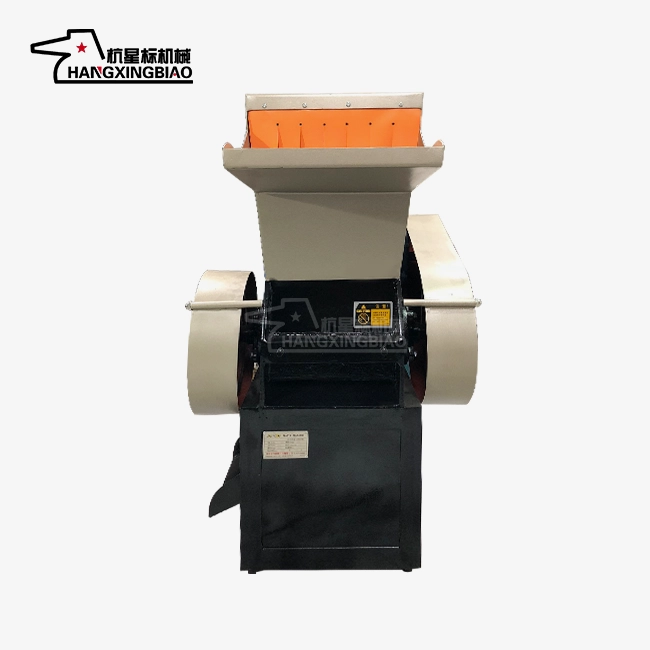
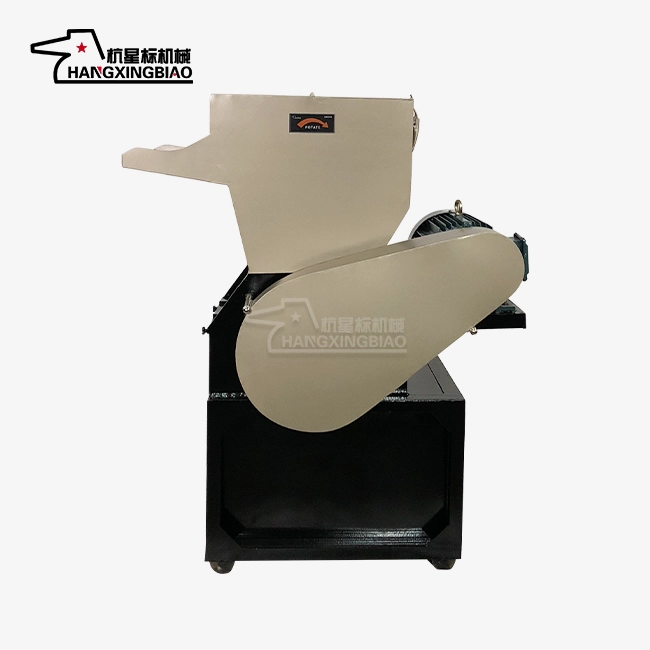
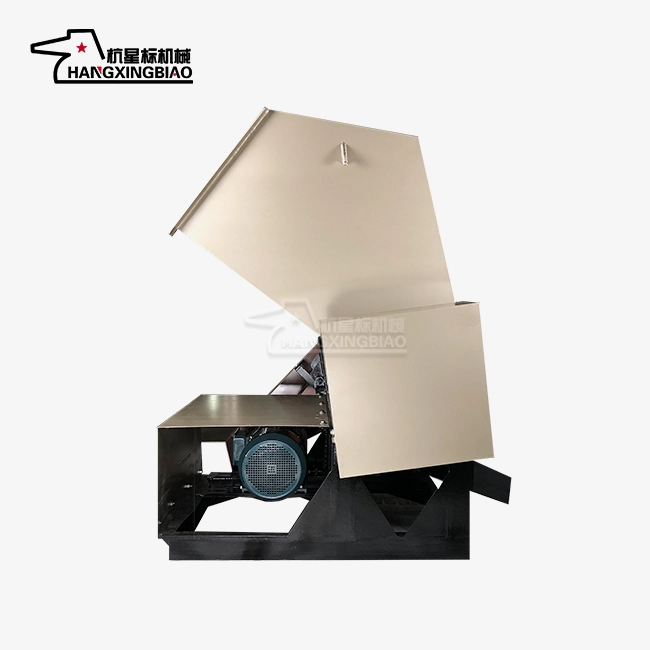
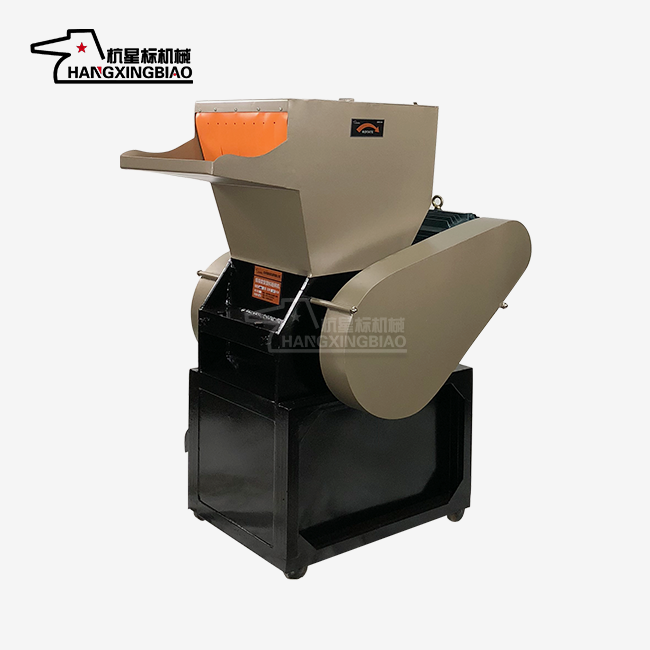
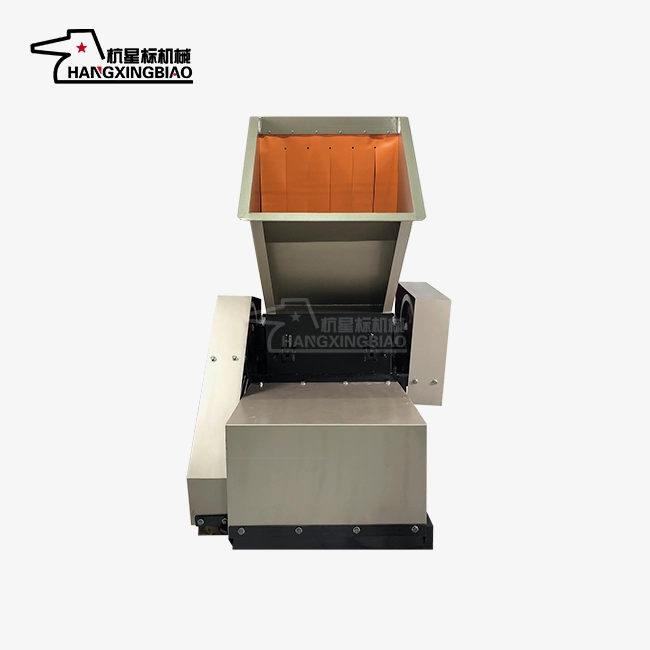
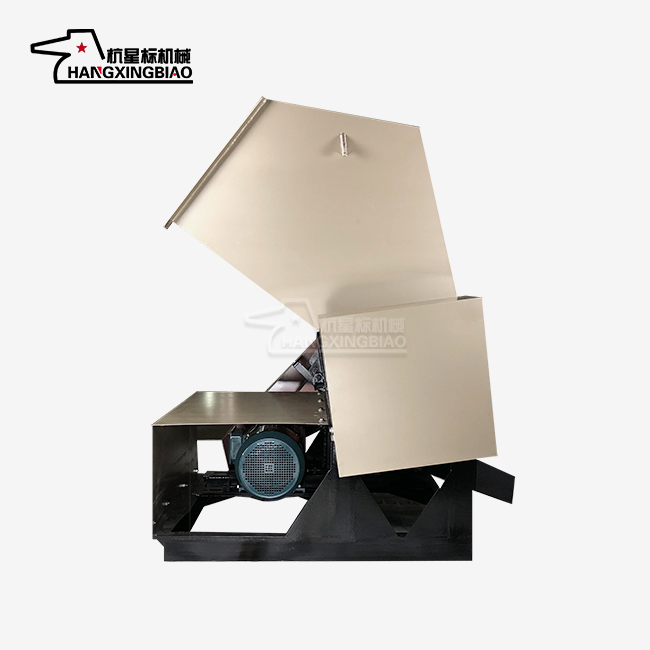
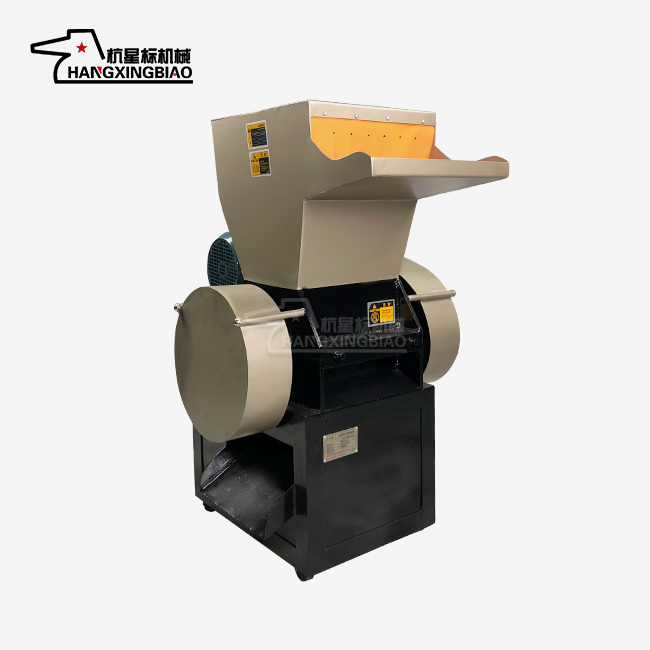
After 30 years of focusing only on making wholesale plastic particle crushers, Xingbiao has gained unique knowledge by dedicating itself to this type of equipment. Our machines use both tried-and-true tech and useful new ideas that have been improved through working with big companies. Every machine is built to last, with stress-relieved steel frames and SKD-11 blades that have been vacuum heat treated and processed in a freezer. This means that they will work reliably for years of hard use. When compared to traditional designs, efficiency gains of more than 20% mean lower running costs and a competitive edge.
Our research team works directly with customers to make sure that the equipment fits the job perfectly, no matter if it's handling hard injection molding waste, tangled films, or mixed waste streams. We keep a wide range of models, from specialized soft plastic crushers to heavy-duty units that can handle big parts. For special needs, we can also make the models fit your needs.
The full-service method includes professional help with choosing the right machine, help with installation, training for operators, and quick, ongoing technical support with a lot of extra parts on hand. Get in touch with Xingbiao at xingbiaocrusher@xingbiaocrusher.com right away to talk about your needs and find out how the right provider can make your production or recycling business more efficient and profitable.
References
1. Smith, J. & Martinez, R. (2023). Industrial Plastic Recycling Equipment: Selection and Performance Optimization. Manufacturing Technology Press.
2. Chen, L. (2024). "Energy Efficiency Standards in Plastic Processing Machinery." Journal of Sustainable Manufacturing, 18(2), 145-167.
3. Thompson, K. et al. (2023). Total Cost of Ownership Analysis for Recycling Equipment Procurement. Industrial Equipment Research Institute.
4. Williams, D. (2024). "Material-Specific Crushing Strategies for Plastic Waste Management." Recycling Today, 62(4), 34-41.
5. National Association of Plastics Recycling. (2023). Equipment Procurement Guidelines for Recycling Facilities. NAPR Technical Standards Committee.
6. Anderson, M. & Park, S. (2024). "Maintenance Best Practices for High-Volume Plastic Crushing Operations." Plant Engineering and Maintenance, 77(1), 58-65.
Learn about our latest products and discounts through SMS or email