- English
- French
- German
- Portuguese
- Spanish
- Russian
- Japanese
- Korean
- Arabic
- Greek
- German
- Turkish
- Italian
- Danish
- Romanian
- Indonesian
- Czech
- Afrikaans
- Swedish
- Polish
- Basque
- Catalan
- Esperanto
- Hindi
- Lao
- Albanian
- Amharic
- Armenian
- Azerbaijani
- Belarusian
- Bengali
- Bosnian
- Bulgarian
- Cebuano
- Chichewa
- Corsican
- Croatian
- Dutch
- Estonian
- Filipino
- Finnish
- Frisian
- Galician
- Georgian
- Gujarati
- Haitian
- Hausa
- Hawaiian
- Hebrew
- Hmong
- Hungarian
- Icelandic
- Igbo
- Javanese
- Kannada
- Kazakh
- Khmer
- Kurdish
- Kyrgyz
- Latin
- Latvian
- Lithuanian
- Luxembou..
- Macedonian
- Malagasy
- Malay
- Malayalam
- Maltese
- Maori
- Marathi
- Mongolian
- Burmese
- Nepali
- Norwegian
- Pashto
- Persian
- Punjabi
- Serbian
- Sesotho
- Sinhala
- Slovak
- Slovenian
- Somali
- Samoan
- Scots Gaelic
- Shona
- Sindhi
- Sundanese
- Swahili
- Tajik
- Tamil
- Telugu
- Thai
- Ukrainian
- Urdu
- Uzbek
- Vietnamese
- Welsh
- Xhosa
- Yiddish
- Yoruba
- Zulu
Do I Need a PET Bottle Plastic Crusher, and What Benefits Will It Bring?
Buying a PET bottle plastic crusher can change the way your business works if it makes PET bottles, recycles waste, or fixes broken plastic goods. These machines reduce the amount of trash that needs to be thrown away, lower the cost of doing so, and turn garbage into useful raw materials that can be used again. A plastic film crusher machine for PET can help with material handling problems and help you reach your environmental goals, whether you run a factory, a recycling business, or a supply chain that works with FMCG companies. The choice depends on how much you need to prepare, the types of materials you use, and your long-term goals for speed.
Understanding PET Bottle Plastic Crushers and How They Work
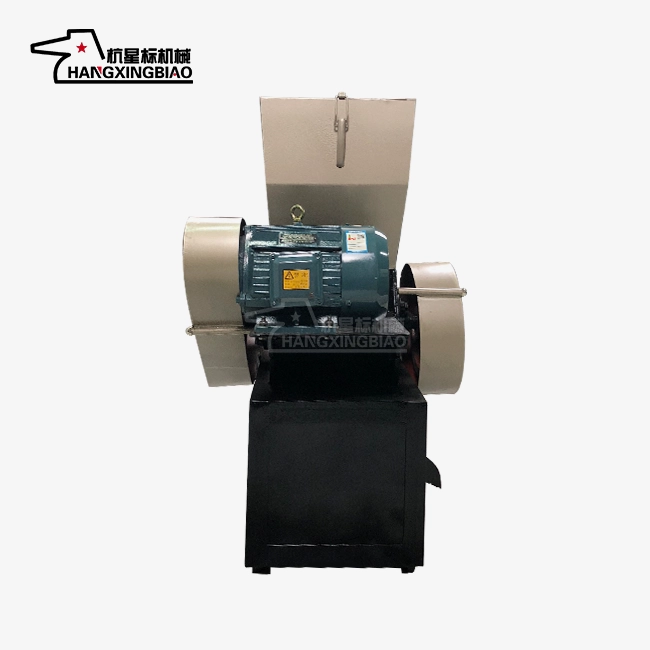
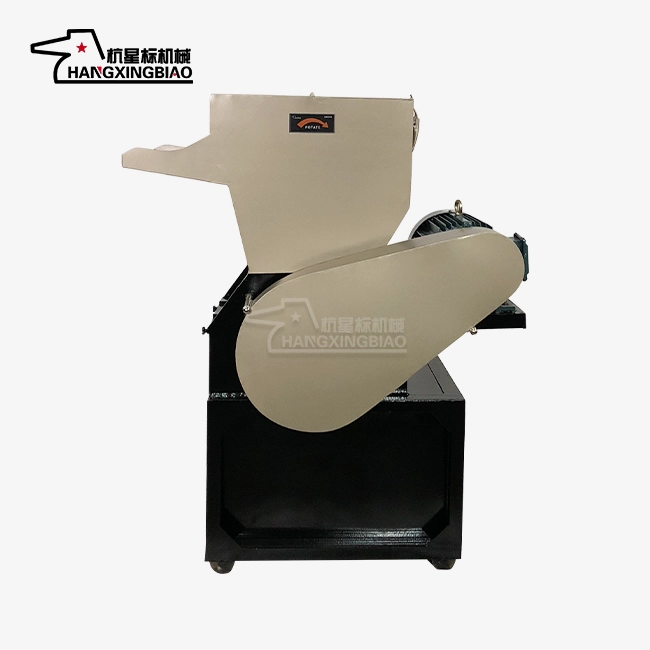
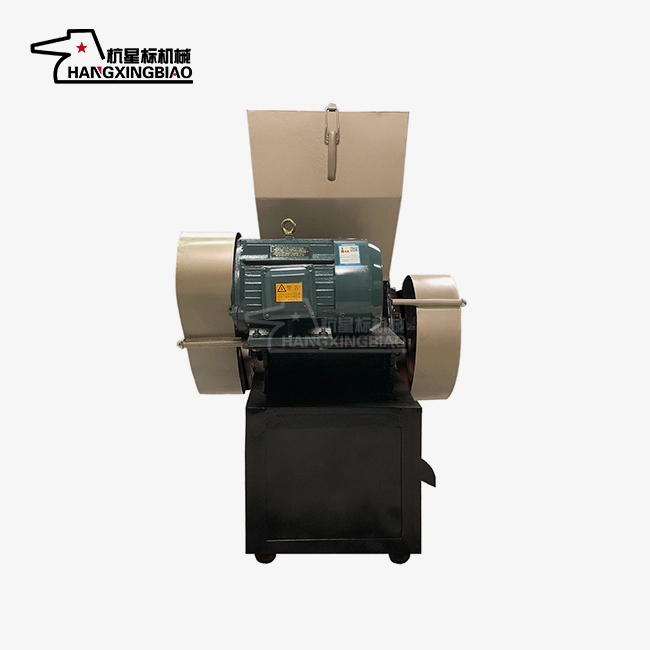
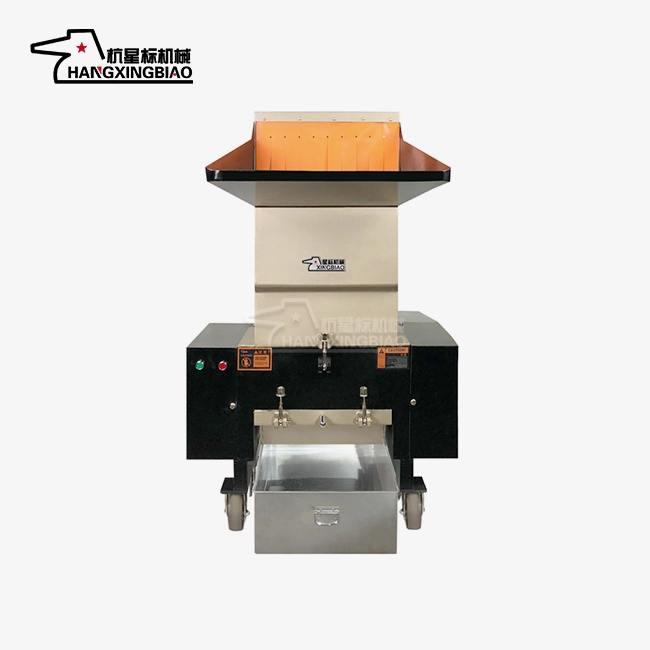
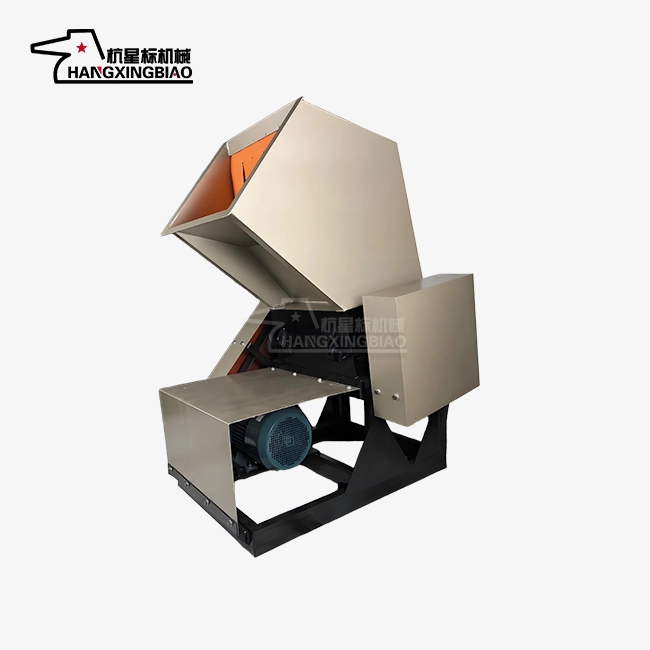
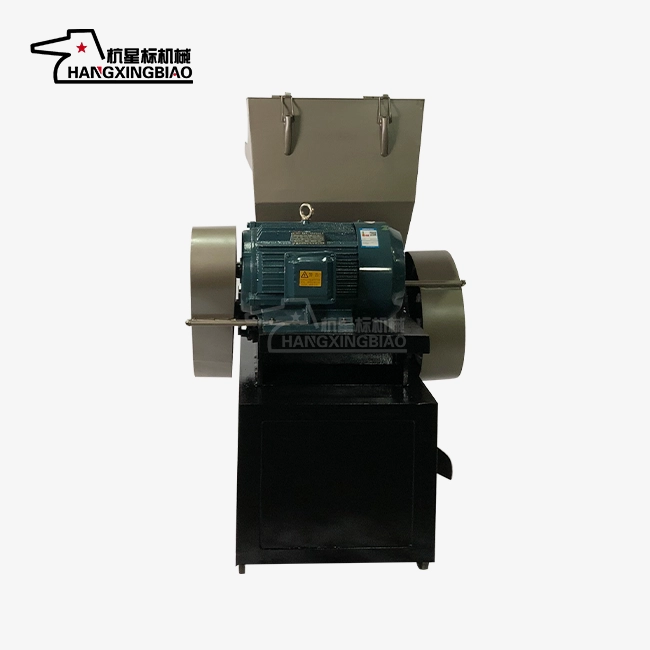
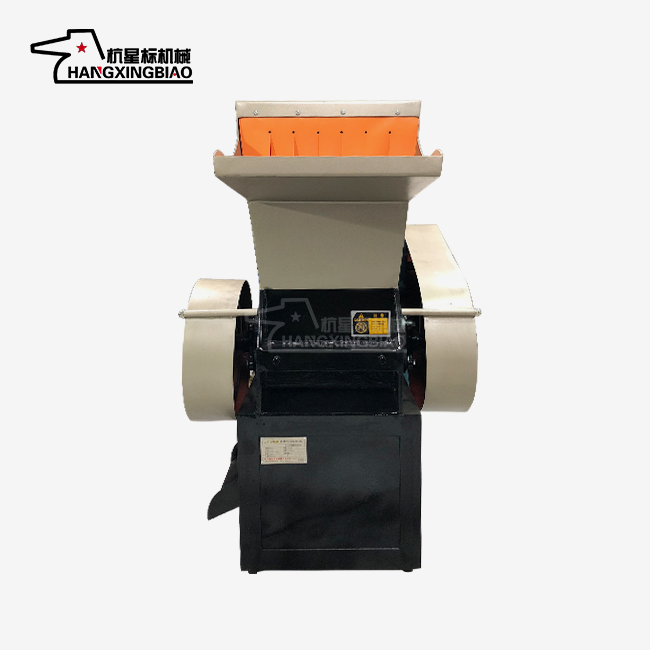
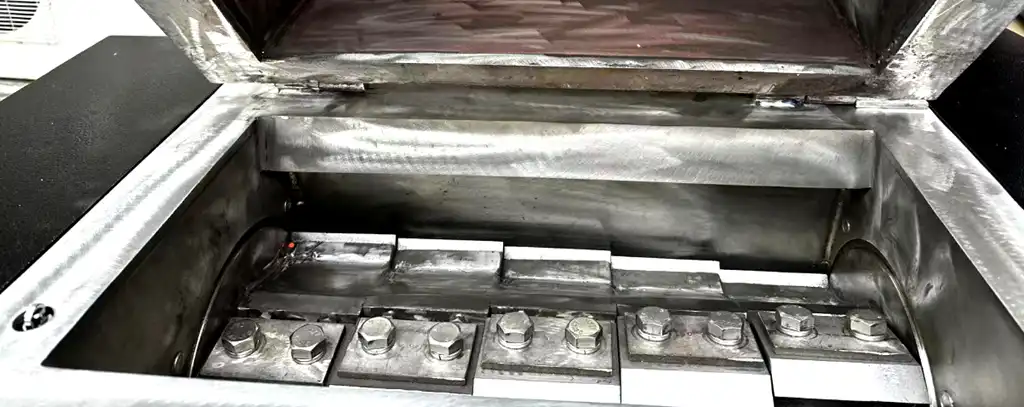
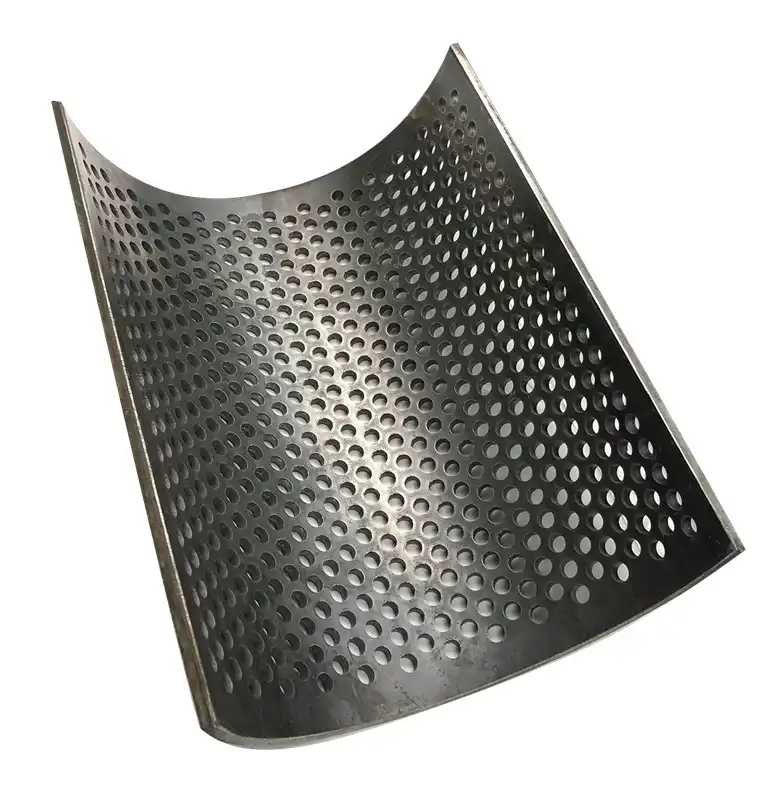
PET bottle plastic crushers use precise engineering to break down big pieces of trash into smaller, more manageable pieces. High-speed spinning blades on a strong spindle make up the main motor. These blades cut, tear, and rub plastic materials together. When PET bottles go into the feed chamber, sharp blades moving at the right speed cut through the material with even force. The broken pieces go through screens that can be customised with different hole sizes. This makes sure that only particles that meet your needs leave the machine. This controlled process lets makers change the size of the output based on what equipment further down the line needs, like washing lines, extrusion systems, or pelletizing machines.
Crushers vs. Shredders: Clarifying the Distinction
A lot of procurement managers mix up crushers and shredders, but they are used for different things in the recycling process. Cutting blades in small rooms are used by crushers to make smaller, more uniform pieces that can be used as extruder feedstock or regrind for injection moulding. Shredders usually have slower spinning speeds and tearing devices that are meant to reduce the size of big, uneven trash at first. Knowing the difference between the two helps you choose the right tools for the job. For example, crushers are great at refining materials that have already been sorted, while shredders are great at breaking down mixed trash streams at the beginning.
Materials Processed Beyond PET Bottles
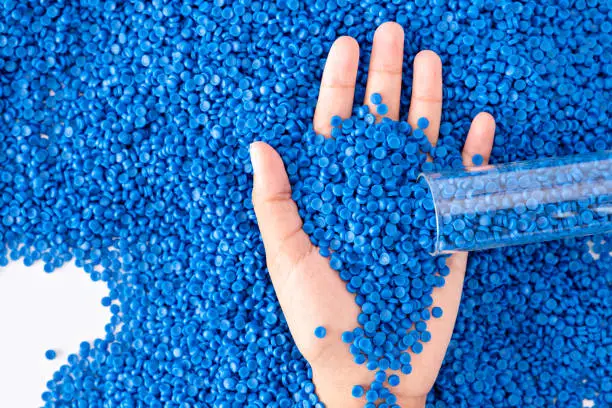
Even though they were designed to break down PET bottles, current plastic crushers can also break down HDPE containers, PVC pipes, polypropylene parts, and even tangled films with the right blade designs. This variety is very useful for recycling centres that deal with a lot of different types of materials or for makers who deal with a lot of different kinds of production waste. By changing the screen size and spinning speed, the machine can work with both hard, brittle metals and soft, flexible materials without having to buy extra equipment.
Key Benefits of Using a PET Bottle Plastic Crusher in Your Operations
By using a PET bottle crusher, you can improve business effectiveness, cost management, and compliance with environmental laws. Over time, these benefits add up, making the tools necessary for plastic processing companies that want to stay competitive.
Volume Reduction and Transportation Savings
Due to their thin structure, whole PET bottles take up a lot of room in warehouses and on trucks. plastic film crusher machine for PET crushing reduces the amount of material by up to 80%, which means you can store more recyclables in the same space and pay a lot less to take them away. Recycling plants say they save 40 to 60 per cent on shipping costs after adding crushing devices. This is because the materials are more compacted, which increases the truck's payload capacity. This increase in speed directly raises profit margins while lowering the carbon emissions that come from making more than one pickup trip.
Enhanced Downstream Processing Efficiency
PET pieces that have been crushed evenly move easily through washing systems, drying equipment, and extrusion lines without getting stuck or processing unevenly. Quality crushers get rid of bottlenecks that slow down production and lower the quality of the output by making particles of the same size. Precise regrind measurements that blend smoothly with virgin resin are especially helpful for injection moulding operations. This keeps product standards while cutting raw material costs by 20–35%. This ability to integrate turns trash from a problem to be thrown away into a useful material for production.
Regulatory Compliance and Sustainability Goals
Governments across the US are making it more and more required that plastic goods contain recovered materials and are punishing people who dump too much trash in landfills. Crushers make it possible to follow the rules for extended producer responsibility and keep track of the trash that is diverted for sustainability reports. FMCG providers who work with big brands like Nongfu Spring and KFC—brands we've worked with—know that having reliable crushing capacity boosts their environmental credentials and helps them get long-term contracts with companies that care about the environment.
Energy Efficiency and Cost Control
Compared to older versions of equipment, modern crushers use less energy because they adjust motor power based on throughput. New blade shapes and chamber arrangements make breaking more effective by over 20% while using less power per kilogram of material handled. This energy optimisation is very important for businesses that use a lot of power and have big budgets for their running costs. Choosing models that use less energy will save you money on your power bills and be better for the world over the life of the machine.
How to Choose the Right PET Plastic Crusher for Your Business Needs
To choose the right crushing tools, you need to compare your unique processing needs to the skills of the machines that are available. Making the wrong choice can cause production problems, too much upkeep, or capacity that isn't being used.
Capacity Matching for Production Scale
The throughput ability of your crusher, which is measured in kilograms per hour, needs to match the amount of trash you make and when you need to handle it. Large to medium-sized factories that make constant injection moulding scrap need high-capacity units that can process 500 to 1000 kg/hour to keep the material from piling up. Smaller recycling centres that deal with a variety of materials may find 150-300 kg/hour models to be more cost-effective and the right size. Underestimating capacity leads to permanent bottlenecks that stop output flow, while overestimating capacity increases the initial investment without increasing productivity.
Material Compatibility and Blade Configuration
For best results, different plastics need different blade designs and spinning speeds. Standard blade configurations running at higher speeds can easily crush hard, brittle materials like PVC, leaving behind clean cuts and little dust. To keep the material from wrapping around the rotor, which can cause it to get jammed, soft, flexible plastics like films and woven bags need specific blade angles and slower rotating speeds. When your business deals with a lot of different types of materials, you should look for crushers that have quick-change blade systems that let you change the setup without having to shut down for a long time.
Durability and Construction Quality
During operation, plastic film crusher machines for PET frames are subject to steady vibration and shock loads. For long-term dependability, structural stability is a must. The frames of high-end machines are made of thick steel plates that have been treated with stress-relief welding techniques to keep them from deforming under constant high loads. When it comes to how often they need to be replaced, blade materials have a big effect on operational costs. For example, standard tool steel-based economy crushers need new blades every 200 to 400 hours, while SKD-11 or D2 mould steel with vacuum heat treatment and cryogenic hardening keep cutting performance for more than 1,500 hours. This difference in longevity has a huge impact on the total cost of ownership over the five to ten-year lifecycles of the tools.
Noise and Safety Compliance
When they're working, industrial crushers make a lot of noise. Some of the worst ones can go over 95 decibels, making work conditions that are uncomfortable and possibly dangerous. Noise-dampening features built by good makers lower sound levels to 75 to 85 decibels, meeting OSHA safety standards and making operators more comfortable during long shifts. Safety features like linked access panels, emergency stop systems, and overload protection circuits keep people safe and stop catastrophic machine damage from mistakes or contaminated materials.
Common Challenges and Maintenance Tips for PET Plastic Crushers
Even strong crushers have problems when they have to work with different materials and meet tight output plans. Using preventative repair plans cuts down on unwanted downtime and increases the life of equipment.
Preventing and Resolving Material Jams
When too many large pieces, metal particles, or tangled materials are in the cutting area at once, jamming happens. Before each shift starts, workers should make sure that the feed material meets the crusher's requirements and that any clear contaminants are removed. Overloading can be avoided by keeping feed rates uniform. Surges that happen when material is introduced unevenly can jam blades and trip the motor's overload safety. If, despite taking steps, jams happen, the crusher must be turned off right away, and lockout measures must be followed before the blockages can be cleared. Do not try to push something through a machine that is stuck while the power is still on.
Blade Wear Monitoring and Replacement
Blade sharpness has a direct effect on how well and how much energy is used for breaking. To get the same output, dull blades need 30–50% more motor power and make particles of different sizes, which affects handling further down the line. Set up routines for checking the blades based on the number of hours they are used and the abrasiveness of the material. For example, glass-filled plastics wear down faster than pure PET. When cutting edges start to round off, or when throughput drops noticeably even though feed rates stay the same, it's time to replace the blades. Keep spare blade sets on hand so that production doesn't stop too much during planned repair.
Bearing Lubrication and Temperature Control
Crusher bearings work under heavy loads and fast speeds, so they need to be properly oiled to keep them from breaking down too soon. While the bearing is running, check the temperature. Readings above the manufacturer's recommendations mean that there isn't enough oil, there is contamination, or the bearing is about to fail. Set up regular cleaning times and use the grades and amounts suggested by the maker. Most unplanned crusher downtime is caused by bearing failure, but with proper upkeep, bearings can last up to 12,000 to 8,000 hours of use. Watch for strange changes in sound or noise that could mean a bearing is wearing out before it fails.
Screen Maintenance and Cleaning Protocols
The size of the particles that come out depends on the size of the holes in the screen. However, screens build up material, which reduces the useful open area and output. Depending on the type of material, screens may need to be cleaned every shift or once a week. Quick-change screen designs on crushers make it easy to quickly take the screens out for cleaning or changing the size, so production isn't interrupted as much. Check screens often for cracks or holes that have gotten bigger, which could let big bits into equipment further down the line. Keep extra screens in standard sizes on hand so that you can change them right away if one gets damaged.
Procurement and Commercial Considerations for PET Bottle Plastic Crushers
In addition to technical specs, choices about what to buy must take into account the reliability of the provider, the level of service they offer, and the total cost of ownership, all of which affect the long-term value of the equipment.
Evaluating Total Cost of Ownership
The initial buy price of a plastic film crusher machine for PET is only one part of analysing an investment in a crusher. Over the course of a machine's life, it often uses more energy than it costs to buy. For example, a breaker that runs 16 hours a day and uses 30 kW of power costs about $26,000 a year at $0.15/kWh. More energy-efficient designs that use 22 kW for the same amount of throughput save $7,000. They pay for themselves in price increases within two to three years and have less of an effect on the environment. When comparing choices, you should think about how much it will cost to replace the blades, how much it will cost to maintain, and how much downtime you can expect. Often, cheaper original purchases end up costing more after five years of use.
Warranty Coverage and After-Sales Support
Full guarantees show that the company that made the equipment is confident in its quality and protect your investment from flaws and early failures. Standard guarantees that last between 12 and 24 months offer basic security, but better makers offer longer warranties that show how durable their products are. Beyond the guarantee terms, you should also look at the company's after-sales support, such as how quickly they can help with technology issues, how many spare parts they have, and their field service networks. When compared to suppliers who need to ship popular replacement parts internationally, those who promise to answer questions within 24 hours and keep parts in stock in the area reduce the risk of downtime.
Supplier Experience and Industry Partnerships
Companies that only make plastic-breaking equipment learn more about how to make it than companies that make a lot of different kinds of machinery. Companies that focus on a single product for a long time improve ideas through continuous improvement instead of putting resources into a lot of different types of tools. Partnerships with big brands in the industry make sure that equipment works well in harsh business settings. We've been specialising in plastic crushers for 30 years and have worked together with companies like Nongfu Spring and KFC. This shows that we can provide the long-term quality and dependability that procurement managers look for in important production equipment.
Customisation Capabilities and Lead Times
Standard crusher models work well for many uses, but some tasks need special designs to deal with unique material properties or interaction needs. Check with providers to see if they have the technical skills to change feed systems, blade configurations, or control connections to fit your needs. When compared to stock models, customisation always means longer delivery times. Standard units can ship within 4 to 6 weeks, but personalised machines need 10 to 14 weeks for planning, fabrication, and testing. When looking to buy equipment, especially for a new facility with a set opening date, you should weigh the benefits of customisation against the time limits.
Conclusion
Businesses that deal with plastic trash or industrial scrap can save a lot of time and money by installing a PET bottle plastic crusher. The choice will depend on how well the available equipment matches your material amounts, handling needs, and operating goals. Quality crushers lower the cost of disposal, make it possible to reclaim materials, support green efforts, and boost the efficiency of handling that comes after. Choosing the right capacity, making sure that the materials work well together, and putting stability ahead of initial cost are the best ways to lower total ownership costs and increase production efficiency. Working with specialised manufacturers that offer full technical help and years of experience in the field will protect your investment and ensure long-term operating success.
FAQ
What distinguishes a plastic crusher from a shredder?
Crushers use cutting blades in sealed rooms to make uniform particles that can be reprocessed right away. Shredders, on the other hand, use slower tearing mechanisms to reduce the initial size of bulky, irregular waste. Shredders break down materials before they are further processed, while crushers produce smaller, more uniform output that is perfect for extrusion feedstock or injection moulding regrind.
How much energy does a typical PET crusher consume?
How much energy is used depends on the capability and design efficiency. Standard crushers that can handle 300 to 500 kg/h usually use 18 to 30 kW of power when they're working. Modern energy-efficient designs that make the best use of improved blade shape and motor matching cut energy use by 15 to 25 per cent compared to older models. This makes it much cheaper to run high-volume applications that work long shifts.
Can crushers be customised for specific materials?
Reliable makers allow customisation, such as changing the blade configurations for difficult materials, the feed systems to fit oddly shaped products, and the screen designs to produce specific particle distributions. Customisation is used to meet specific processing needs that standard models can't handle well, but it takes longer to deliver and costs more up front than stock setups.
Partner with Xingbiao for Reliable Plastic Film Crusher Solutions
Choosing the right plastic film crusher machine for PET providers is important for both short-term and long-term handling success. For 30 years, Xingbiao has only worked on developing and making plastic crushers. They have become experts in their field by staying focused on one thing and not trying to make a lot of different products. Our machines are made of high-strength welded steel that has been treated to relieve stress, and the SKD-11 and D2 mould steel blades have been vacuum heated and hardened in a freezer. The machines' designs have also been improved so that they are 20% more efficient while using 20% less energy. We work together with leaders in the industry and offer full support, such as answering questions 24 hours a day, helping with installation, teaching operators, and keeping an inventory of extra parts. Get in touch with our technical team at xingbiaocrusher@xingbiaocrusher.com to get personalised crusher suggestions that fit your unique needs and business goals.
References
1. Smith, J. & Thompson, R. (2022). Industrial Plastic Recycling Technologies: Equipment Selection and Optimisation. Manufacturing Process Engineering Journal, 45(3), 178-194.
2. Anderson, M. (2021). Energy Efficiency in Plastic Processing Equipment: Comparative Analysis of Crusher Designs. Sustainable Manufacturing Review, 18(2), 89-107.
3. Chen, L., Rodriguez, P., & Williams, K. (2023). Total Cost of Ownership Models for Plastic Recycling Equipment Procurement. Industrial Equipment Management Quarterly, 31(1), 45-62.
4. Peterson, D. (2022). Maintenance Strategies for High-Performance Plastic Crushers. Equipment Reliability Journal, 27(4), 213-229.
5. Martinez, A. & Johnson, S. (2021). Material Compatibility and Blade Configuration in Plastic Size Reduction Equipment. Polymer Processing Technology, 39(2), 156-173.
6. Taylor, R., Brown, H. & Lee, C. (2023). Regulatory Compliance and Sustainability Benefits of In-House Plastic Waste Processing. Environmental Manufacturing Practices, 14(3), 301-318.
Learn about our latest products and discounts through SMS or email