- English
- French
- German
- Portuguese
- Spanish
- Russian
- Japanese
- Korean
- Arabic
- Greek
- German
- Turkish
- Italian
- Danish
- Romanian
- Indonesian
- Czech
- Afrikaans
- Swedish
- Polish
- Basque
- Catalan
- Esperanto
- Hindi
- Lao
- Albanian
- Amharic
- Armenian
- Azerbaijani
- Belarusian
- Bengali
- Bosnian
- Bulgarian
- Cebuano
- Chichewa
- Corsican
- Croatian
- Dutch
- Estonian
- Filipino
- Finnish
- Frisian
- Galician
- Georgian
- Gujarati
- Haitian
- Hausa
- Hawaiian
- Hebrew
- Hmong
- Hungarian
- Icelandic
- Igbo
- Javanese
- Kannada
- Kazakh
- Khmer
- Kurdish
- Kyrgyz
- Latin
- Latvian
- Lithuanian
- Luxembou..
- Macedonian
- Malagasy
- Malay
- Malayalam
- Maltese
- Maori
- Marathi
- Mongolian
- Burmese
- Nepali
- Norwegian
- Pashto
- Persian
- Punjabi
- Serbian
- Sesotho
- Sinhala
- Slovak
- Slovenian
- Somali
- Samoan
- Scots Gaelic
- Shona
- Sindhi
- Sundanese
- Swahili
- Tajik
- Tamil
- Telugu
- Thai
- Ukrainian
- Urdu
- Uzbek
- Vietnamese
- Welsh
- Xhosa
- Yiddish
- Yoruba
- Zulu
Industrial crushers with automation and remote control features
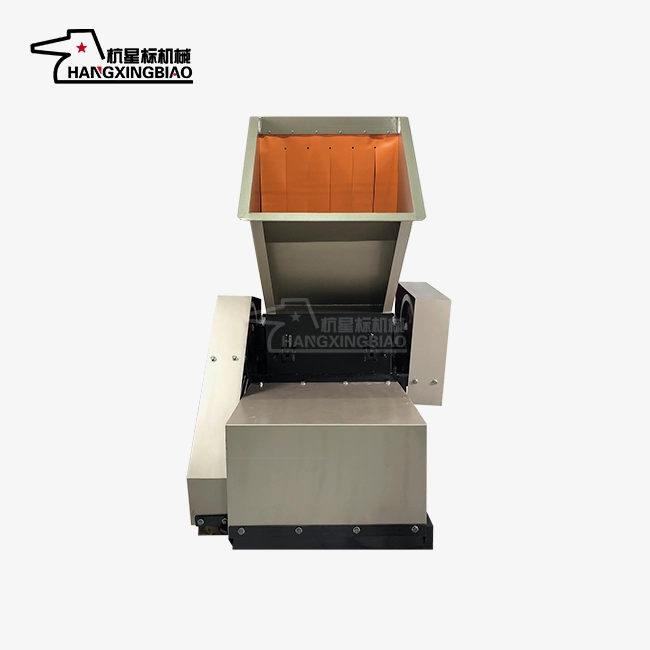
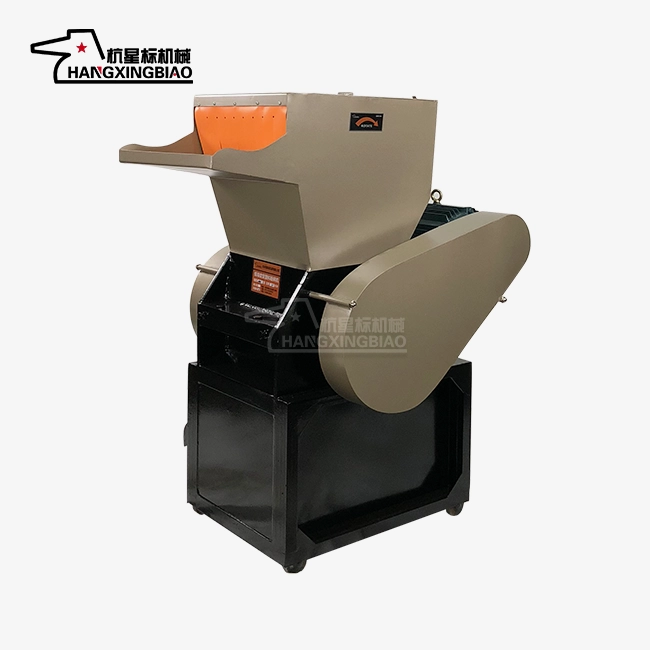
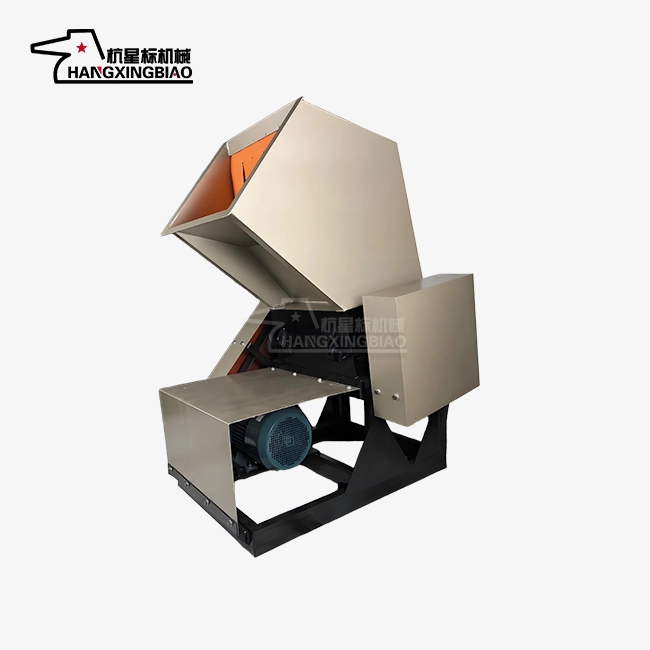
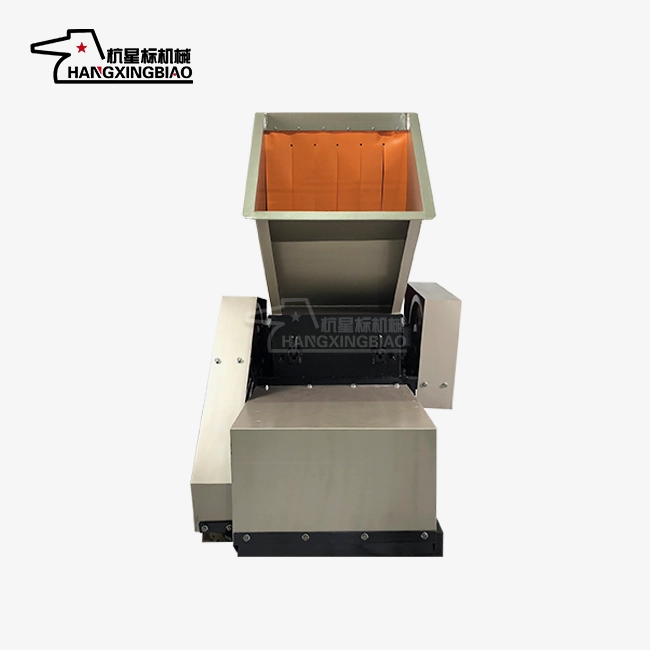
The next wave of material handling technology is industrial crushers with automation and remote control capabilities, which will change the way factories and recycling centers work. For a variety of material processing applications across many industries, modern Industrial crusher systems integrate advanced automation technologies like programmable logic controllers (PLCs), Internet of Things (IoT) sensors, and extensive remote monitoring capabilities to provide unprecedented operational efficiency, safety, and reliability.
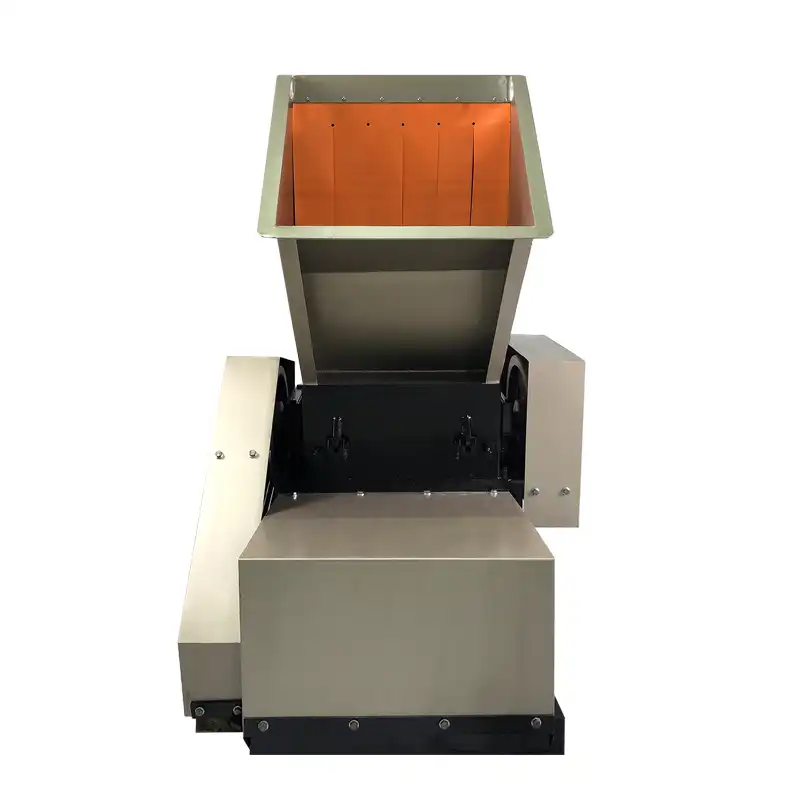
Understanding Industrial Crushers and Automation Technology
Modern crushing equipment is essential to many industrial processes because it uses mechanical force to lower the size of materials so that they can be processed further. Traditional hand-breaking systems need a user to be present and involved all the time, which can be dangerous and lead to uneven performance. Automation technology completely changes this scene by adding complex control systems that make breaking operations more efficient while requiring less human input.
Core Components of Automated Crushing Systems
There are several important parts that work together in automated braking systems to make them work better. Programmable logic controllers are like the brains of a machine; they handle all the other parts and react to things that happen in real time. IoT-enabled devices constantly check important factors like the rate of material feed, the amount of power used, the level of shaking, and changes in temperature. With remote tracking systems, operators can keep an eye on various crushing operations from centralized control rooms or mobile devices, giving them full oversight.
Transformative Impact on Traditional Operations
Adding automation technology greatly improves operational accuracy and speed compared to setups that are normally done by hand. Automated systems can quickly change the crushing settings based on the properties of the material and the output needs. This makes sure that the particles are all the same size and that the most energy is used. This new technology is especially useful in recycling processes, where the properties of materials change a lot from one handling cycle to the next.
Real-World Applications Across Industries
A wide range of industries use automation technology in a wide range of ways. Automated crushers are used in mining to precisely control the size of ore materials, and they are also used by building companies to make gravel. Automated material handling systems that can handle different types of trash are helpful for recycling centers. Chemical processing plants depend on automatic crushers to prepare the product consistently, which keeps the process stable further down the line. A recent case study from a large recycling facility demonstrated how automated crusher implementation reduced unplanned downtime by 35% while increasing overall throughput by 28%. These measurable productivity gains directly translate to improved profitability and competitive advantage in global B2B markets.
Advantages of Automated and Remote-Controlled Industrial Crushers
Integration of automation and remote controls leads to big changes in many areas of operations. These improvements in technology have real value because they make things more efficient, safer, and cheaper to run, and they also help reach environmental sustainability goals.
Efficiency and Throughput Enhancement
Through clever performance analytics, automated systems greatly reduce the amount of work that needs to be done by hand while increasing the speed of processing. Real-time tracking lets you change the settings of the crushing process right away, making sure that the best material flow and energy use happen. Predictive maintenance can find problems with equipment before they happen, so actions can be taken ahead of time to avoid costly production breaks. With remote operation, experienced workers can keep an eye on multiple breaking lines at the same time, which greatly increases the output of their work. Automated feed control systems make sure that the right amount of material is loaded at all times, so that neither too much nor too little is used, which would lower efficiency.
Safety and Compliance Benefits
Remote operation greatly improves worker safety by limiting their exposure to dangerous areas where crushing operations take place. Automated safety interlocks stop equipment from working when it's not safe to do so, and emergency remote shutdown features let you act right away in critical situations. These safety improvements help companies follow strict safety rules and lower their insurance costs and lawsuit exposure.
Sustainability and Cost Effectiveness
When compared to standard human processes, energy-efficient automation systems use a lot less power. Optimized breaking factors cut down on wasted energy and make tools last longer by reducing wear and tear. By making these changes, real cost savings are made, and environmental sustainability goals are met. When processing plants install automatic breaking systems, they use 15 to 25 percent less energy, which helps them save money and be better environmental stewards.
How to Choose the Right Automated Industrial Crusher for Your Business
To choose the right automatic crusher, you need to carefully consider your working needs, the properties of the material, and the system's ability to work with other systems. When making strategic choices about what to buy, you have to weigh current needs against long-term business goals and make sure that the new equipment will work with the old equipment.
Capacity and Material Considerations
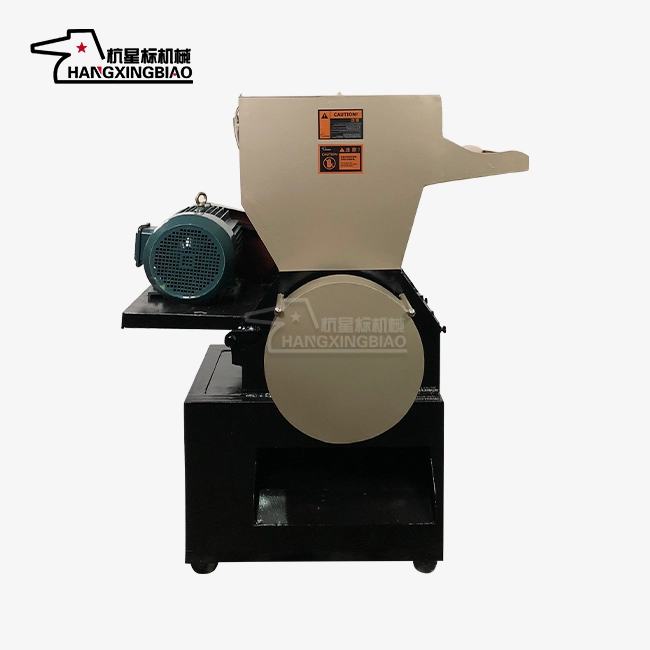
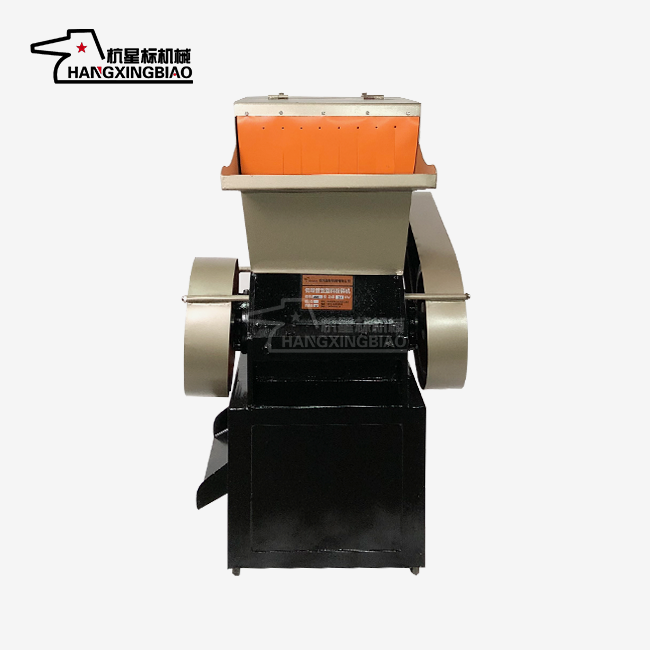
To choose the right crusher, you must first accurately measure the material's properties and the processing ability you need. Different types of crushers are better at certain jobs. For example, jaw crushers are great at breaking down big, hard materials, while cone crushers are great at controlling the size of the particles. When it comes to soft materials that need high reduction ratios, impact breakers work best. Modern Industrial crusher systems accommodate diverse material types, including plastic, rubber, wood, paper, cloth, foam, and various organic materials. New designs get around the problems that come with using only one material, so they can process almost any non-metallic material efficiently, except for rocks and metals. Adjustable screens let you choose the particle size for discharge, which usually falls between 2 and 50 mm. This makes sure that it works with the needs of downstream processing.

Vendor Evaluation and Selection Criteria
Manufacturers with a good reputation have track records that can be seen by their years of experience in the field and technical know-how. Leading companies like Hangzhou Xingbiao Machinery Co., Ltd. have been developing crushers exclusively for more than 30 years, so they know a lot about the field and can give you reliable equipment options. When judging a product, it's important to look at things like guarantee coverage, availability of extra parts, and full after-sales support. Long-term running costs are directly affected by technical details such as blade materials (SKD-11/D2 mold steel), heat treatment methods, and energy consumption rates. Good makers give you full performance data and examples of installations you can use to check their work.
Customization and Integration Capabilities
Crushing processes today need options that are flexible and work well with other production systems. Customization lets you make solutions that are specifically designed to solve your processing problems, like dealing with large amounts of trash or specific material tangling issues. Integrating upstream and downstream equipment makes sure that materials move smoothly through processing plants.
Maintenance and Safety Guidelines for Automated Industrial Crushers
For an automatic crusher to work at its best, it needs to follow strict safety rules and routine repair schedules. Automation is used in proactive maintenance methods to keep machinery from breaking down and to make sure it can be used safely in industrial settings.
Automated Diagnostic and Preventive Maintenance
The health and performance factors of modern Industrial crusher systems are regularly monitored by automatic diagnostic tools. Vibration monitors find patterns of worn bearings before they break, and temperature tracking finds situations where the machine might be too hot. With automated alerts, maintenance teams can plan their work for planned breaks instead of having to respond to problems that happen out of the blue. Checkpoints for essential upkeep include checking the state of the motor, making sure the belt is tight, and making sure the control system works. Automated systems make these tasks easier by including built-in diagnostics and maintenance alerts that are triggered by working hours and performance measures.
Safety Protocols and Emergency Procedures
Automated interlocks and emergency shutdown features that protect both operators and machinery are at the heart of comprehensive safety measures. Modern systems have safety screens, anti-rebound buffers, and automatic power cutoffs that keep things from going wrong and damage from happening to the equipment. Remote emergency stop features let people in safe places act right away in dangerous conditions.
Training and Operational Procedures
For mixed manual-automated settings to work smoothly, staff must be thoroughly trained before automation can be put in place. Normal operation processes, troubleshooting methods, and emergency reaction protocols should all be covered in training classes. By understanding how automation systems work together, workers can get the most out of their tools while keeping things safe.
Future Trends and Innovations in Automated Industrial Crushers
Industry 4.0 improvements that use AI, machine learning, and advanced analytics to make processes more efficient will be the key to the future of breaking technology. These changes in technology promise efficiency gains and tactical intelligence tools that have never been seen before.
Artificial Intelligence and Machine Learning Integration
New crusher systems use AI algorithms that learn from how they are used and automatically adjust the breaking settings to get the best results. With machine learning, you can do predictive maintenance that goes beyond simple tracking of thresholds and can figure out how complicated failure modes will happen based on small changes in patterns. Big data analytics looks through huge amounts of practical data to find ways to improve things that human workers might miss.
Advanced Remote Control Capabilities
With mobile apps and cloud-based platforms, next-generation remote control systems offer full operating control in addition to simple tracking. From anywhere with internet access, operators can change the settings for crushing, keep an eye on performance data, and get maintenance alerts. These features allow for centralized management of multiple sites while lowering the need for workers on-site.
Environmental and Energy Innovations
Energy recycling systems and eco-friendly ways to operate will be a big part of the plans for crushers that care about the environment. Regenerative braking systems collect energy when the vehicle slows down, and variable-speed drives adjust the amount of power used based on the properties of the material. Autonomous operation options reduce the need for human input while increasing the consistency of material handling and energy economy. These technological trends should be taken into account when making strategic procurement choices to ensure long-term competitiveness and operating efficiency. By investing in advanced automation capabilities, you can protect yourself against changing industry needs and get instant business benefits.
Conclusion
In terms of efficiency, safety, and operating sustainability, automated and remote-controlled Industrial crusher systems are a game-changer in the technology of material handling. These complex systems use cutting-edge automation technologies, like PLC controls, IoT sensors, and full tracking features, to make crushing processes more efficient while requiring less human input. In addition to instant changes in operations, the benefits include better safety rules, less damage to the environment, and high cost savings through energy efficiency and the ability to plan maintenance ahead of time. To get the best long-term performance and return on investment from automated crushing systems, you need to carefully consider your capacity needs, the properties of the material, and the vendor's abilities.
FAQ
How does automation reduce crusher downtime through predictive monitoring?
Automation cuts down on downtime by constantly checking important factors like temperature, sound, and power use patterns. Advanced monitors find problems before they cause equipment to break down. This means that maintenance can be done during planned downtime instead of having to be done quickly in an emergency. When compared to reactive maintenance methods, predictive algorithms look at past data to guess what maintenance needs to be done. This usually cuts down on unplanned downtime by 30 to 40 percent.
Can existing crushers be retrofitted with remote control systems?
Most modern crushers can be successfully modified with remote control features. The degree to which this is possible relies on the electrical and control systems that are already in place. As part of retrofit projects, communication links, tracking devices, and control panels that can be used from a distance are often installed. Usually, the investment pays for itself within 12 to 18 months by making operations more efficient and cutting down on the number of workers needed.
What metrics should be used to assess ROI for automated crusher solutions?
Some important measures of return on investment (ROI) are a drop in energy use (usually between 15 and 25%), lower maintenance costs through predicted maintenance, lower labor costs through remote operation, and higher productivity from better operation. Optimal working conditions can also lower insurance costs by making things safer and extending the life of tools, among other benefits. Most automatic crusher projects see a return on investment (ROI) within 18 to 24 months.
Contact Xingbiao for Advanced Industrial Crusher Solutions
Xingbiao offers automatic crushing technology that is state-of-the-art and will change the way you handle materials. Our Industrial crusher systems have advanced automatic and remote control features that make them as safe as possible for the user. With 30 years of experience making crushers, we can give you options that are exactly what you need for your handling needs. Get in touch with our engineering team at postmaster@xingbiaocrusher.com to talk about how our controlled crushing systems can help you make more money and run your business more efficiently. As a top Industrial crusher manufacturer, we promise full support from the first meeting to installation and ongoing upkeep.
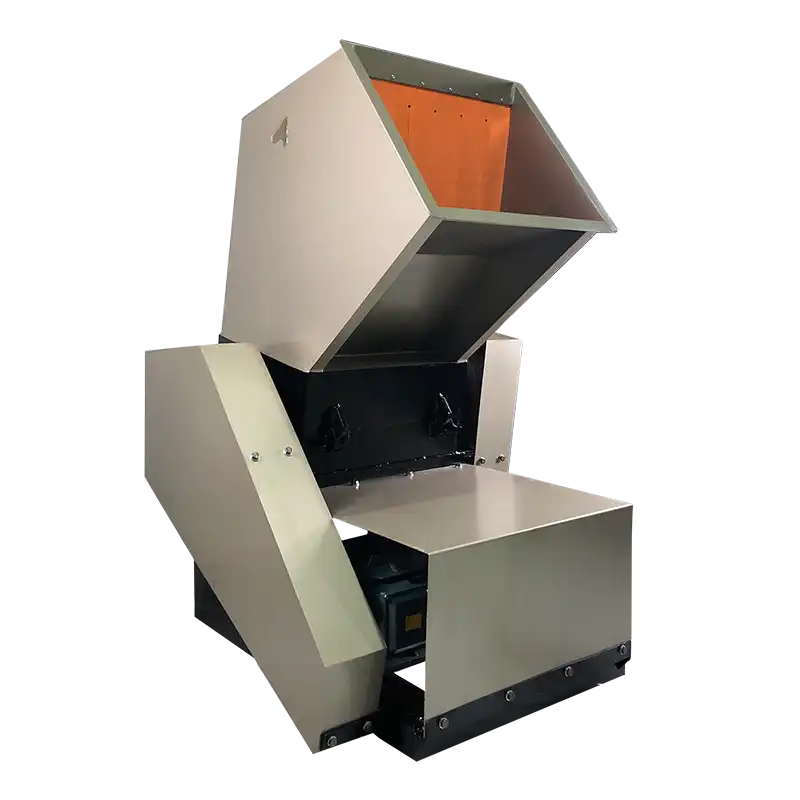
References
1. Smith, J.A., "Automation Technologies in Industrial Material Processing: A Comprehensive Analysis of Modern Crushing Systems," Journal of Industrial Engineering and Management, 2023.
2. Thompson, R.K., "Predictive Maintenance Strategies for Automated Crushing Equipment: Case Studies and Best Practices," International Conference on Industrial Automation Proceedings, 2023.
3. Chen, L.M., "Energy Efficiency Optimization in Automated Crushing Systems: Technical Approaches and Implementation Strategies," Industrial Equipment Review, 2023.
4. Anderson, M.B., "Safety Enhancement Through Automation in Material Processing Operations: Risk Reduction and Compliance Strategies," Occupational Safety in Industrial Operations Quarterly, 2023.
5. Rodriguez, C.P., "Remote Monitoring and Control Systems for Industrial Crushers: Technology Integration and Operational Benefits," Automation Technology Today, 2023.
6. Williams, D.R., "Future Trends in Intelligent Crushing Technology: AI, IoT, and Industry 4.0 Applications," Advanced Manufacturing Technology Journal, 2023.
Learn about our latest products and discounts through SMS or email