- English
- French
- German
- Portuguese
- Spanish
- Russian
- Japanese
- Korean
- Arabic
- Greek
- German
- Turkish
- Italian
- Danish
- Romanian
- Indonesian
- Czech
- Afrikaans
- Swedish
- Polish
- Basque
- Catalan
- Esperanto
- Hindi
- Lao
- Albanian
- Amharic
- Armenian
- Azerbaijani
- Belarusian
- Bengali
- Bosnian
- Bulgarian
- Cebuano
- Chichewa
- Corsican
- Croatian
- Dutch
- Estonian
- Filipino
- Finnish
- Frisian
- Galician
- Georgian
- Gujarati
- Haitian
- Hausa
- Hawaiian
- Hebrew
- Hmong
- Hungarian
- Icelandic
- Igbo
- Javanese
- Kannada
- Kazakh
- Khmer
- Kurdish
- Kyrgyz
- Latin
- Latvian
- Lithuanian
- Luxembou..
- Macedonian
- Malagasy
- Malay
- Malayalam
- Maltese
- Maori
- Marathi
- Mongolian
- Burmese
- Nepali
- Norwegian
- Pashto
- Persian
- Punjabi
- Serbian
- Sesotho
- Sinhala
- Slovak
- Slovenian
- Somali
- Samoan
- Scots Gaelic
- Shona
- Sindhi
- Sundanese
- Swahili
- Tajik
- Tamil
- Telugu
- Thai
- Ukrainian
- Urdu
- Uzbek
- Vietnamese
- Welsh
- Xhosa
- Yiddish
- Yoruba
- Zulu
Industrial Shredder Manufacturers in China: How to Choose?
When picking an industrial shredder from China, you should look at how well it is made, how long it will last, and how well you can get help after the sale. With the right crusher, you can turn all that plastic trash into useful resources while cutting down on the costs of processing materials. China's specialized makers offer affordable solutions, but you should know about quality indicators, technical specs, and service capabilities to make sure you buy machines that will work continuously. If you run a plastic recycling facility, a manufacturing plant, or a material recovery business, the tools you choose should be designed to meet your specific throughput needs and material properties. This will have a direct effect on your bottom line and your ability to keep running.
Understanding Industrial Shredders and Their Applications
Across many fields, industrial breaking equipment changes things for the better. Precision-engineered cutting systems in these strong tools break down big pieces of trash into smaller ones that are easier to handle.
How Plastic Crushing Systems Work
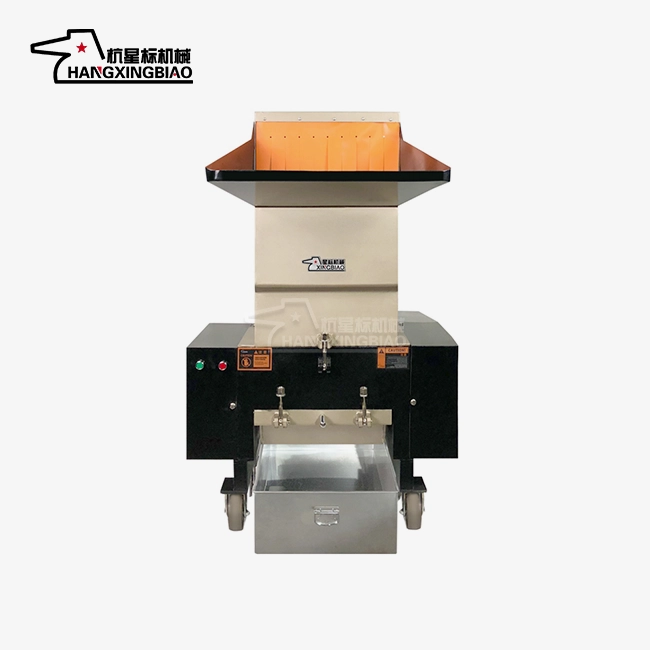
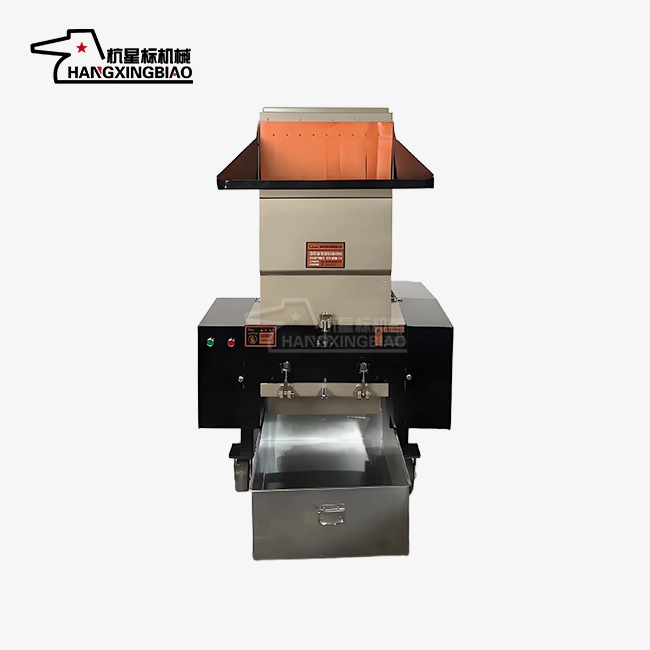
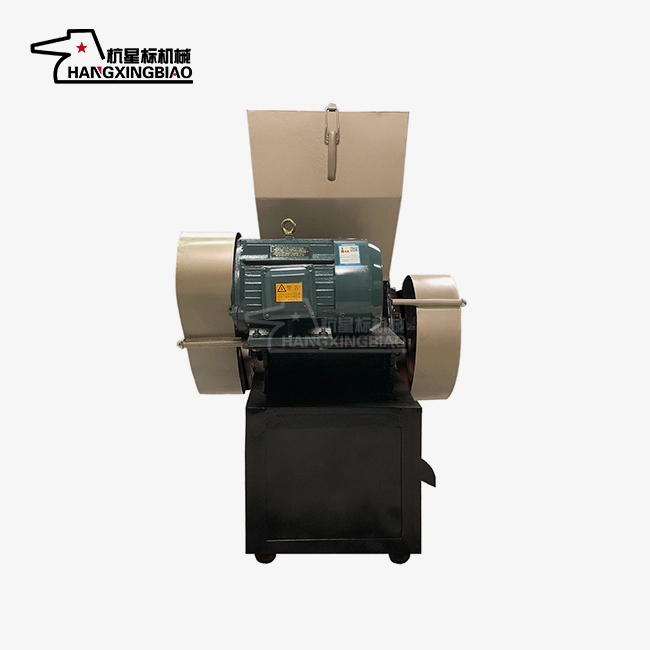
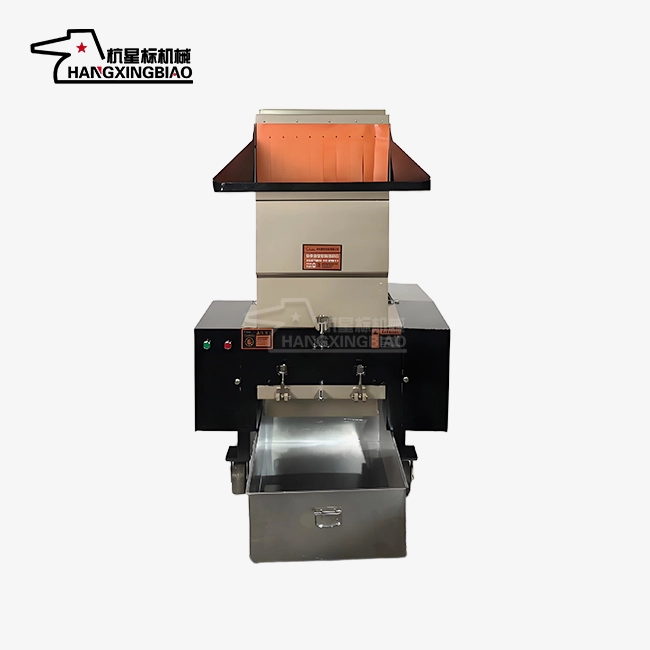
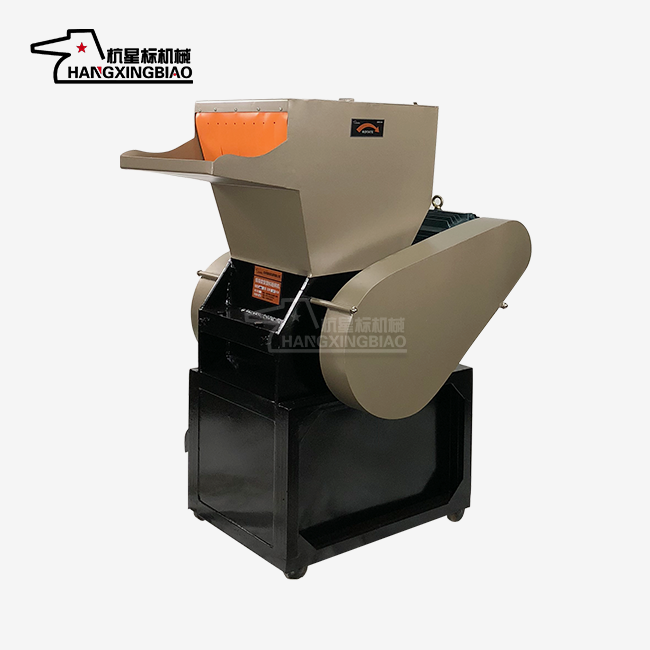
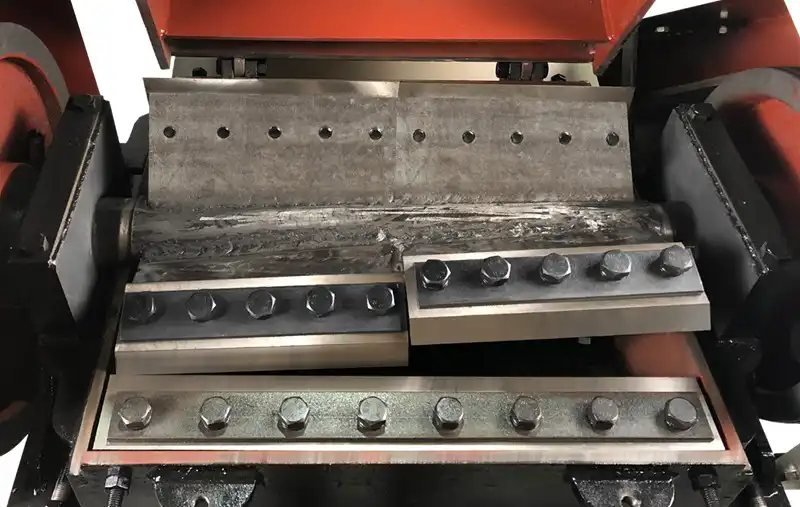
High-torque motors turn spinning blade sections in plastic crushers to cut materials into uniform pieces. The trash is moved into cutting rooms by feed hoppers. There, hardened steel blades cut through polymers at controlled speeds. Screen holes control the size of the discharge particles, which can be anywhere from 2 mm to 20 mm, based on the needs of the application. The geometric shape of the breaking box keeps materials from crossing and increases output. We've seen that places that deal with injection-molded waste need different blade designs than places that deal with twisted film waste. Knowing these mechanical differences helps buying teams choose equipment that is right for the density, brittleness, and amount of contamination of the material.
Material Processing Applications
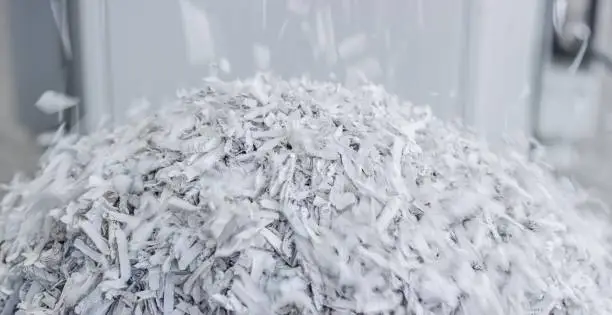
Crushing technology is used in different fields to get different results. Recycling centers cut cardboard boxes and plastic bottles into pieces that are 2 to 20 mm wide. This cuts down on shipping by 70% and gets the materials ready to be used again. Crushing rubber and broken plastic parts into 2–8 mm pellets that can be mixed directly with new materials saves manufacturers a lot of money on raw material costs. Ag businesses can use corn stalks and straw that have been crushed into 2–5 mm chunks that are easy to store and feed. This flexibility shows why matching the industrial shredder's abilities to the properties of the material is so important to the success of a project. When working with soft, tangled materials like woven bags, the blade shapes and chamber designs need to be different from those needed for crushing hard injection-molded parts.
Core Criteria for Choosing a Chinese Industrial Shredder Manufacturer
To choose the best provider, you need to carefully look at their success in different areas. Quality production practices, new technologies, and a wide range of support services set top makers apart from average ones.
Quality Standards and Certifications
Top Chinese makers of industrial shredders keep their quality control systems up to date with ISO 9001, make sure their products are safe with CE, and check their products with SGS. These certificates show that the company follows international rules for making things and making sure that its equipment is safe. Instead of taking direct promises as proof of compliance, we suggest asking for proof in the form of paperwork. When looking at blade building, being able to track down materials becomes very important. For cutting parts, high-end makers define accurate steel grades like SKD-11, D2 tool steel, or Cr12MoV alloys. With vacuum heat treatment and deep cryogenic processing, HRC55-60 hardness levels are reached, which means that blades can be used for an extra 3,000-5,000 hours with normal plastics. This means that over the life of the tools, it will cost 60% less to repair.
Equipment Durability Features
Heavy-duty construction decides whether crushers can handle ongoing high-load operation or break down too soon. Main frames made from high-tensile steel plates that have been treated to relieve stress keep the structure from deforming over time. Bearing kits, motor mountings, and blade retention systems that are designed to be resistant to shaking keep the equipment in perfect alignment for its entire life. The option to resharpen blades makes parts more useful. Quality blades can be resharpened 3-5 times before they need to be replaced. This greatly lowers the cost of consumables. This feature is especially helpful for businesses that deal with plastics that are rough or trash streams that are polluted.
Energy Efficiency Innovations
In continuous-duty uses, operating costs add up quickly. When compared to traditional designs, advanced blade shapes and improved cutting chamber geometries make crushing 20% more efficient. Motor matching technology makes sure that the power delivered matches the real load needs. This cuts energy use to 8-12 kWh per ton of processed plastic, which is 10-15% less than standard equipment. Over the years of running, these gains in efficiency add up. A facility that processes 50 tons of material every month saves about 600 kWh every month, which lowers running costs by a large amount and helps meet sustainability goals.
After-Sales Support Structure
Complete service plans protect the money you spend on tools. Outstanding makers promise to answer questions 24 hours a day, seven days a week, and offer remote troubleshooting help and on-site expert support when needed. Supervising the installation, teaching operators, and giving care instructions will help your team get the most out of the equipment from the time it's first used until it's retired. Long periods of downtime can be avoided by having spare parts on hand. When manufacturers keep wear parts like blades, screens, bearings, and drive belts in stock, they can make fixes quickly when upkeep is needed. Service agreements that spell out guarantee coverage terms, new part prices, and reaction times set clear standards that protect operations for the long run.
Comparing Leading Chinese Industrial Shredder Manufacturers
Systematic review of manufacturers shows differences in performance that affect the total cost of ownership and the dependability of operations. We looked at stars in the industry to find out what makes them unique.
Manufacturing Specialization Depth
Hangzhou Xingbiao Machinery has 30 years of experience in making and developing plastic crushers, which shows how focused their knowledge is. Diversified producers, on the other hand, spread their resources across a lot of different types of tools. Focused engineering attention leads to refinement depth, which includes polished cutting chamber shapes, optimized blade angles, and material-specific configuration choices that solve complex application problems. Specialized makers usually have better relationships with end users in their target businesses. Xingbiao's work with well-known names like KFC and Nongfu Spring shows practical engineering proof, which means that the equipment works well in tough real-world situations instead of just meeting theoretical requirements.
Technical Innovation Capabilities
Investing in research for an industrial shredder is what separates industry leaders from companies that just make tools. Manufacturers with dedicated engineering teams, like Xingbiao's 20-person senior engineer group, are always making ideas better based on feedback from users and new material handling needs. Industry-university-research relationships speed up the growth of technology by turning academic ideas into improvements to real-world tools. Innovation shows up in things like quick-change screen designs that cut the time it takes to change screens from 45 minutes to less than 10 minutes, which directly increases the freedom of production. Open-access designs make cleaning easier and cut down on the time needed between changing batches of materials. When added up, these small improvements add up to big gains in output.
Price-Performance Analysis
The price of equipment depends on how well it is made, what parts it has, and how long the company promises to provide service. We tell buying teams that they shouldn't just look at the original purchase price, but also the total cost of ownership. Cheaper equipment often has blades made of weaker materials that need to be replaced more often, motors that use too much energy, and little help after the sale, which makes using it frustrating. When comparing quotes, you should figure out how often the blades will need to be replaced, how much energy they will use each year at your flow levels, and how much downtime could cost. Within 18-24 months of operation, equipment that costs 15% more at first but has 25% longer blade life and 12% less energy use usually pays for itself.
How to Match Your Procurement Needs with Manufacturer Capabilities
When you choose tools wisely, you match the needs of the business with the strengths of the manufacturer. Different building sizes and types of applications need different provider skills.
Small to Medium-Sized Recycling Business
Standard crusher designs make it easy to process a wide range of materials at facilities that process 5-30 tons of material every month. Cost-effectiveness, ease of operation, and low upkeep needs are important to these activities. Standard types that are reliable work well in situations where investing in new equipment is hard because capital funds are limited. We suggest making sure that the tools you choose can handle the mix of materials you have. Standard crushers work best with trash streams that are mostly the same size, but they might have trouble with feed stock that is highly dirty or has very different particle sizes.
Medium-sized to large businesses that make things
For high-volume processes, equipment needs to be able to work with current lines of production. For continual sprue recycling, crushers that are placed next to injection molding machines need to have small footprints, make little noise, and have automatic feeding systems. Customized solutions, like big hoppers, heavy-duty drive systems, and automatic screen cleaning, are good for large processors because they are made to fit their building plans and the way they move materials. When installing complicated systems, manufacturers that let you change things become valuable partners. Custom engineering includes more than just changing the way something looks. It also includes integrating the control system so that breakers can talk to equipment upstream and downstream so that they can work together.
Specialized Material Processing Requirements
For some uses, there are special problems that need to be solved with specific tool setups. Normal plastics crushers get stuck when they come across materials like films, knitted bags, and farm fibers. Specialized blade designs, changed chamber shapes, and variable-speed drives stop bridging and keep the flow steady even when working with tough materials. Heavy-duty types with strengthened frames, high-torque drive systems, and wear-resistant alloy blades are better for processing very hard plastics, rubber compounds, or contaminated trash. By sharing specific information about the material's density, moisture content, contamination levels, and particle size distribution, makers can suggest the best equipment setup.
Logistics and Import Considerations
Coordinating shipments, clearing customs, and following rules for the industrial shredder are all parts of international buying. Reliable makers can help with export paperwork, packing requirements, and setting up freight. Budget shocks can be avoided by knowing the total landed costs of an item, which include the price of the item plus shipping, security, taxes, and installation. Delivery times change how work plans are made. Standard models usually ship between 2 and 4 weeks, but engineering and building special tools can take up to 6-10 weeks. Making production plans and shipping methods clear during the quote process keeps expectations from being misaligned.
Avoiding Common Pitfalls When Choosing a Manufacturer
Procurement risks happen when suppliers aren't checked out properly and when the terms of the deal aren't clear. Being aware of common problems protects investments and keeps operations running smoothly.
Verification of Manufacturer Credentials
Ask for proof that the quality system and safety standards are being followed through licensing paperwork. Genuine makers are happy to give you testing results, ISO certificates, and CE declarations. Not wanting to share credentials could be a sign of quality issues. Factory visits or video tours of factories show how things are made and how quality control is done. Watching how things are made, tested, and stocked gives you more trust in a supplier's skills than what they say on their marketing materials.
Transparent Pricing Structures
Equipment prices, basic accessories, optional features, and shipping figures should all be broken down into separate items in quotes. When you sign a contract with a less-than-honest provider, you may be hit with unexpected costs, like having to buy spare parts, pay for an installation supervisor, or have your insurance coverage cut short. We suggest that you ask for both pricing and full technical specs. It's hard to make a useful comparison when vague terms like "heavy-duty construction" or "high-efficiency motor" are used instead of specific steel grades, blade materials, or motor ratings.
Warranty and Support Clarity
For 12-24 months, comprehensive guarantees cover major parts like frames, motor assemblies, and gears. They also spell out how long they cover wear items like blades and screens. Find out what conditions will void the guarantee and whether on-site help is available or if the equipment needs to be shipped in for repairs. How long you own something depends on how easy it is to get help after the guarantee is over. Manufacturers that promise to keep providing tools and expert support keep customers long after the sale is over. This continuation is very helpful when dealing with unexpected operating problems years after the system was installed.
Safety and Environmental Compliance
Equipment needs to have the right safety features, like emergency stops, locking systems that stop operation when access panels are open, and guarding that keeps people from touching moving parts. Facilities that use equipment that doesn't follow the rules put workers at risk of getting hurt and could face fines from the government. Noise levels, dust control measures, and energy use are all environmental factors that need to be thought about. When equipment meets current environmental standards, it doesn't have to deal with legal problems in the future as rules change.
Conclusion
When buying an industrial shredder from Chinese companies, you need to find a balance between technical specs, manufacturing quality, and full support services. Specialized suppliers with decades of experience produce high-quality equipment that is designed to work continuously in a wide range of material handling tasks. You can be sure that your investment will give you solid performance and the lowest total cost of ownership by looking at blade construction, energy efficiency, customization options, and after-sales promises. Common buying mistakes can be avoided by carefully checking suppliers, looking at prices clearly, and fully understanding the terms of warranties. The right manufacturing partner can turn problems with plastic waste into practical benefits by making tools that fit your needs.
FAQ
What advantages do Chinese industrial shredder manufacturers offer?
Chinese makers offer low prices, a wide range of products, and quick cycles for coming up with new ideas. Suppliers who specialize in plastic breaking technology offer high-quality equipment that has been improved over many years of application-specific development. When you choose reliable makers with verified records, you can save money on manufacturing without sacrificing quality because they can do large quantities of work and have established supply lines.
How do I ensure equipment compatibility with my materials?
To make sure that materials work well together, you need to talk to makers in great detail about the types of polymers, particle sizes, levels of contamination, moisture content, and throughput amounts of the waste. Reliable providers ask for this information so they can suggest equipment that is set up correctly. When possible, sending samples of the material to be tested confirms the choice of tools before committing to buy them.
What after-sales support should I expect?
Full support includes help with installation, training for operators, regular upkeep advice, and quick technical help. Quality makers agree to set reaction times, usually 24 hours to acknowledge a request, and keep extra parts on hand so that repairs can be done quickly. Make sure these promises are in writing before you buy any tools to make sure you'll have long-term operating support.
Partner with Xingbiao for Industrial Shredder Solutions
Xingbiao can help you with your material handling problems because they have been crushing plastic for 30 years. By working together with top brands over and over again, our engineering team has improved tools and made crushers that always do a great job in tough situations. We know that factories that make things, material recovery plants, and places that recycle plastic need equipment that is reliable and works well.
Get in touch with our technical experts to get personalized equipment suggestions that are based on the properties of your materials and your throughput needs. Our standard and custom crusher setups can handle a wide range of materials, from hard injection-molded scrap to tough entangling films. We make sure that your investment gets the most value by giving you thorough quotes, application engineering help, and full after-sales service.
Email our team at xingbiaocrusher@xingbiaocrusher.com right now to talk about your needs with experienced industrial shredder makers at Xingbiao. We'll help you choose the best crushing options that will cut down on trash management costs and make your business run more smoothly. Let's use precision-engineered tools and dedicated expert help to turn your problems with plastic waste into competitive benefits.
References
1. Chen, W., & Zhang, L. (2021). Advances in Industrial Plastic Waste Processing Technology. Beijing: Chemical Industry Press.
2. International Association of Plastics Distributors. (2022). Global Plastic Recycling Equipment Market Analysis and Trends. Washington, DC: IAPD Publications.
3. Liu, H., Wang, S., & Zhao, M. (2020). "Performance Evaluation of Industrial Shredders in Plastic Waste Management." Journal of Cleaner Production, 278, 123-136.
4. Rodriguez, A., & Thompson, K. (2023). Procurement Best Practices for Industrial Processing Equipment. New York: Manufacturing Technology Institute.
5. Wu, J. (2022). "Evolution of Crushing Technology in Chinese Manufacturing." China Machinery Engineering, 33(4), 445-459.
6. Zhou, X., & Ma, Q. (2021). Industrial Waste Reduction Equipment: Design, Selection, and Operation. Shanghai: Shanghai Scientific and Technical Publishers.
Learn about our latest products and discounts through SMS or email