- English
- French
- German
- Portuguese
- Spanish
- Russian
- Japanese
- Korean
- Arabic
- Greek
- German
- Turkish
- Italian
- Danish
- Romanian
- Indonesian
- Czech
- Afrikaans
- Swedish
- Polish
- Basque
- Catalan
- Esperanto
- Hindi
- Lao
- Albanian
- Amharic
- Armenian
- Azerbaijani
- Belarusian
- Bengali
- Bosnian
- Bulgarian
- Cebuano
- Chichewa
- Corsican
- Croatian
- Dutch
- Estonian
- Filipino
- Finnish
- Frisian
- Galician
- Georgian
- Gujarati
- Haitian
- Hausa
- Hawaiian
- Hebrew
- Hmong
- Hungarian
- Icelandic
- Igbo
- Javanese
- Kannada
- Kazakh
- Khmer
- Kurdish
- Kyrgyz
- Latin
- Latvian
- Lithuanian
- Luxembou..
- Macedonian
- Malagasy
- Malay
- Malayalam
- Maltese
- Maori
- Marathi
- Mongolian
- Burmese
- Nepali
- Norwegian
- Pashto
- Persian
- Punjabi
- Serbian
- Sesotho
- Sinhala
- Slovak
- Slovenian
- Somali
- Samoan
- Scots Gaelic
- Shona
- Sindhi
- Sundanese
- Swahili
- Tajik
- Tamil
- Telugu
- Thai
- Ukrainian
- Urdu
- Uzbek
- Vietnamese
- Welsh
- Xhosa
- Yiddish
- Yoruba
- Zulu
Plastic Crusher Screen Applications in Plastic Recycling Plants
Plastic crusher screens are perforated plates or mesh structures that are put inside breaking equipment to control the size of the particles and keep contaminants out during the recycling process. The exact engineering of these screens' hole patterns determines the end output size while keeping working throughput high. Crusher screens make sure that recycled plastics meet certain granulation standards needed for later production processes by controlling the flow of material through specific holes.
Understanding Plastic Crusher Screens in Recycling Applications
Design Fundamentals and Operational Principles
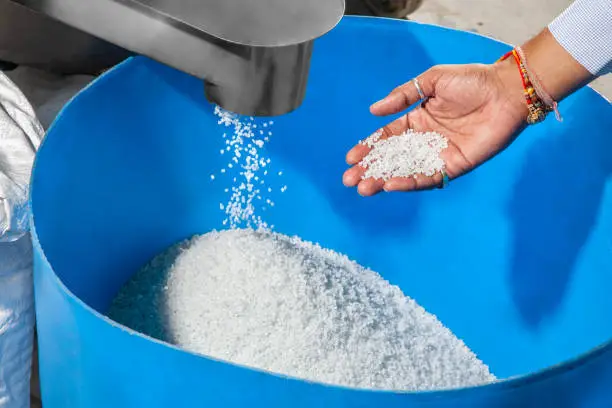
Crusher screens act as guards inside the crushing chamber, letting only bits of the right size out and keeping materials that are too big for further processing. The screen is placed below the spinning blades, making a divider that filters the output and keeps the quality uniform. The makeup of the material directly impacts how well the screen works. For example, perforation designs need to be stronger for harder plastics like HDPE than for lighter plastics like LDPE films.
Screen Varieties and Material Specifications
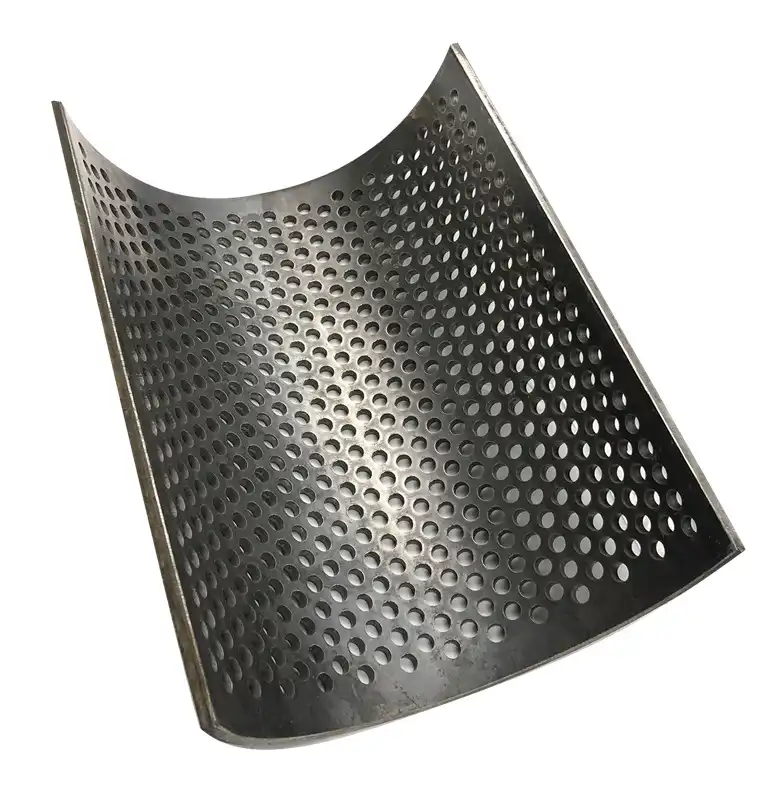
Most industrial recycling plants use perforated steel plates as screens because they are very durable and can handle a lot of work. Wire mesh screens are flexible when dealing with mixed plastic streams, but they need to be replaced more often. Because their tapered holes don't get clogged as easily as circular openings, wedge wire screens are great for processing fibrous materials like woven bags. Depending on the throughput rate and plastic properties, each design meets different operating needs.
Performance Parameters That Drive Efficiency
Processing capacity is based on the size of the screen's surface area. For example, bigger active screening zones allow for higher throughput rates without affecting the regularity of the particles. The shape of the hole pattern affects both the spread of output sizes and the amount of energy used. Patterns that are staggered usually work better than patterns that are lined because they reduce blade resistance. Material flow speed through the screen is affected by the percentage of open area. The best ranges for balancing output and structural stability are usually between 25% and 40%.
Advantages of Using Plastic Crusher Screens in Recycling Plants
Particle Size Uniformity and Quality Control
If you choose the right screens, you'll get regular granulation, which has a direct effect on how well downstream processing works. Even melting during extrusion or injection molding is made possible by particles of the same size. This stops flaws that can happen when heat is distributed unevenly. This regularity cuts down on wasteful material use in manufacturing and raises the quality of the finished product in all kinds of production situations.
For recycling centers that deal with post-industrial waste, exact size control is especially important because their output goes straight back into production lines that have very strict tolerances for size. The screen is a quality control point that stops particles that are too big from messing up later steps of processing.
Contamination Separation and Material Purity
Metal fasteners, wooden parts, and glass pieces that often get into plastic trash streams can be caught by plastic crusher screens. This filter keeps expensive equipment further down the line from getting damaged and makes the recovered material more pure. Higher levels of purity open up more market possibilities for recovered plastics because producers need cleaner feedstock for more important uses.
Being able to separate things is especially helpful when working with mixed commercial streams or plastic trash from cities, where pollution rates are usually higher than with industrial scrap. The screening process acts as a first line of defense and makes sorting easier in later steps of processing.
Energy Optimization and Cost Reduction
Choosing the right screen reduces muscle stress by keeping the material from piling up in the grinding chamber. When particles leave quickly after hitting the goal size, blade wear goes down, and power use goes down significantly. Operations say they saved 15% to 30% on energy costs after making changes to the screen specs to better fit their plastic streams. These efficiency gains directly lead to lower running costs and higher profit margins. This means that choosing a screen is more of a strategic investment than a choice that needs to be made every so often for maintenance.
How to Choose the Best Plastic Crusher Screen for Your Recycling Plant
Evaluating Material Characteristics and Processing Requirements
The main thing that affects screen specs is the type of plastic used. For example, rigid materials like PVC pipes need smaller hole sizes than bendable films in order to get the same output sizes. Processing traffic affects how long a screen needs to last; facilities that run operations all the time need larger gauge screens than batch processors. To avoid having to pay for cleaning, output size goals should match the needs of tools further down the line.
Critical Selection Criteria for Optimal Performance
The end particle size is directly affected by the size of the mesh hole. Tolerances are usually given in millimeters or mesh numbers. The type of material used for the screen affects how long it will last. For example, hardened tool steel is better at handling rough plastics than soft steel options. Specifications for thickness weigh the strength of the structure against the weight of the screen. Heavier screens last longer, but they may need stronger fixing systems. Compatibility with current crusher types keeps installation from being difficult and makes sure that the new crusher fits correctly into the existing crushing chamber.
Comparing Supply Options and Support Services
Original Equipment Manufacturer (OEM) screens promise compatibility, but they usually cost more than replacement screens. Custom manufacturing lets you match exact specifications for one-of-a-kind uses, but lead times are usually longer than standard options. The original costs should be weighed against the expected service life and how often the item will need to be replaced. Long-term operating reliability is greatly affected by a supplier's reputation for expert help and the availability of spare parts. This makes choosing a vendor just as important as choosing the right product specs.
Maintenance, Troubleshooting, and Longevity Tips for Plastic Crusher Screens
Preventive Maintenance Protocols
Regular inspections of the plastic crusher screen can find patterns of wear before the screen stops working and causes problems. We suggest eye checks every 40 hours of use, looking at the edges of the holes for signs of deformation or growth that mean replacement is about to happen. Fines that have built up should be removed by cleaning routines using compressed air or mechanical brushes, since buildup stops material flow and puts extra strain on motors. Keeping track of how well a screen works over time helps you figure out when to replace it and how to best handle your spare parts collection.
Common Issues and Diagnostic Solutions
Screen clogging usually happens when working with materials that have too much water in them or when trying to crush plastics that are too big for the screen's size range. When output drops without a clear mechanical problem, check for partial blocks caused by fibers getting tangled or melted plastic sticking to the edges of the holes. Early wear that is concentrated in certain areas usually means that the material inside the crushing chamber is not distributed evenly. This could mean that there are problems with the blade alignment or the feed rate mismatches that need to be fixed in a way that goes beyond just replacing the screen.
Strategic Replacement Planning
Keeping track of screen supplies cuts down on unplanned downtime during failures. Quick-change mounting systems make replacing much faster. Some designs let you switch screens in less than 15 minutes, while traditional bolt-on setups take hours. Keeping track of how often screens need to be replaced for different screen specs helps find the best options that balance cost and life for certain plastic streams.
Innovative Trends and Future Outlook in Plastic Crusher Screens for Recycling
Advanced Materials and Design Evolution
Composite materials with ceramic coats can make screens last up to 60% longer than steel screens, but they are more expensive at first, so they need to be carefully analyzed from an economic point of view. With modular screen designs, worn areas can be replaced in parts instead of the whole unit being thrown away. This cuts down on material waste and long-term running costs. More and more, manufacturers are making screens with perforation designs that can be changed. This lets facilities change the output specs without having to buy all new parts.
Smart Technology Integration
Now, screens with sensors can check wear rates and processing efficiency in real time and send that information to plant management systems so that they can plan repairs ahead of time. This connection lets replacements happen before they break down unexpectedly, which keeps production from stopping too often. Vibration monitors pick up on odd working conditions that could mean screen damage or improper material loading. They then send an alert to the workers, telling them to look into the problem before it gets worse.
Sustainability and Circular Economy Alignment
Plastic crusher screen screens made from recycled steel and intended to be easy to recycle at the end of their useful life were created with environmental concerns in mind. In response to customer demand for environmentally friendly equipment, suppliers are focusing more on lifecycle environmental effects along with standard performance measures. When screen makers and recycling centers work together, they can speed up the innovation process and come up with ideas that solve real-world problems while also helping the industry reach its sustainability goals.
Conclusion
Choosing the right crusher screens and keeping them in good shape is a strategic choice that affects how profitable a recycling plant is, how reliable it is, and the quality of the output. Procurement pros can make smart investments that pay off in a measurable way by learning about screen basics, weighing performance benefits, and using systematic selection criteria. Preventive repair practices keep screens in good shape and reduce the chance of them breaking down. As recycling technology changes, facilities that keep up with new screen innovations can take advantage of chances to become more efficient and environmentally friendly, which helps them compete in markets that are becoming more demanding.
FAQ
What mesh size works best for processing mixed plastic waste streams?
When recycling mixed plastic, screens with 8 mm to 12 mm holes work best because they let enough material pass through without getting too clogged by different thicknesses. This range works for both hard containers and flexible films, but facilities may need to make changes depending on the amount of contamination and the needs of the processing that comes after.
How often should crusher screens undergo replacement in continuous operations?
Replacement times rely on how rough the material is and how much it goes through, but for best performance, most industrial sites change the screens every 800 to 1,200 hours of use. Monitoring power use and output quality can help find performance problems before they become total failures.
Can standard screens effectively handle contaminated plastics containing metals?
Good crusher screens do a good job of catching metal particles, but too much metal can speed up wear and mean the screens need to be replaced more often. Using magnetic separation upstream lowers the stress on the screen, increases its service life, and makes the material more pure for later steps of processing.
Partner with Xingbiao for Superior Plastic Crusher Screen Solutions
Hangzhou Xingbiao Machinery Co., Ltd. has been a specialist in plastic crusher screen technology for 30 years and can help your recycling efforts. Our engineers use high-quality materials, like SKD-11 tool steel, to make screens. These screens are very resistant to wear, so they don't need to be replaced as often and cost less to run. We make crushers with quick-change screen systems that cut down on downtime for changeovers to less than 20 minutes. This keeps your production going smoothly. Whether you run a small recycling plant that handles 500 kg of trash every day or a big facility that handles several tons of trash every hour, we have basic solutions as well as solutions that are made to fit your needs. Email us at xingbiaocrusher@xingbiaocrusher.com to talk about your needs with experienced engineers who know how to deal with problems that come up when handling plastic. We answer all questions within 24 hours and help with everything from choosing equipment to installing it and keeping it in good shape.

References
1. Society of Plastics Engineers. (2021). "Plastics Recycling: Technical Considerations for Processing Equipment Selection." SPE Technical Papers Series, Volume 67.
2. Recycling Today Media Group. (2022). "Size Reduction Equipment Performance Standards in Plastics Recovery Facilities." Industry Equipment Guide, 8th Edition.
3. American Chemistry Council. (2023). "Best Practices for Plastics Recycling Operations: Equipment Optimization and Maintenance Protocols." ACC Plastics Division Technical Report.
4. European Plastics Recycling Association. (2022). "Screen Technology Advances in Polymer Waste Processing." EPRA Annual Technical Conference Proceedings.
5. Materials Recycling Federation. (2023). "Comparative Analysis of Crushing and Screening Systems for Post-Consumer Plastics." MRF Research Publication Series, Report 2023-04.
6. International Solid Waste Association. (2021). "Technical Guidelines for Mechanical Processing Equipment in Plastics Recycling Plants." ISWA Working Group on Recycling Technologies.
Learn about our latest products and discounts through SMS or email