- English
- French
- German
- Portuguese
- Spanish
- Russian
- Japanese
- Korean
- Arabic
- Greek
- German
- Turkish
- Italian
- Danish
- Romanian
- Indonesian
- Czech
- Afrikaans
- Swedish
- Polish
- Basque
- Catalan
- Esperanto
- Hindi
- Lao
- Albanian
- Amharic
- Armenian
- Azerbaijani
- Belarusian
- Bengali
- Bosnian
- Bulgarian
- Cebuano
- Chichewa
- Corsican
- Croatian
- Dutch
- Estonian
- Filipino
- Finnish
- Frisian
- Galician
- Georgian
- Gujarati
- Haitian
- Hausa
- Hawaiian
- Hebrew
- Hmong
- Hungarian
- Icelandic
- Igbo
- Javanese
- Kannada
- Kazakh
- Khmer
- Kurdish
- Kyrgyz
- Latin
- Latvian
- Lithuanian
- Luxembou..
- Macedonian
- Malagasy
- Malay
- Malayalam
- Maltese
- Maori
- Marathi
- Mongolian
- Burmese
- Nepali
- Norwegian
- Pashto
- Persian
- Punjabi
- Serbian
- Sesotho
- Sinhala
- Slovak
- Slovenian
- Somali
- Samoan
- Scots Gaelic
- Shona
- Sindhi
- Sundanese
- Swahili
- Tajik
- Tamil
- Telugu
- Thai
- Ukrainian
- Urdu
- Uzbek
- Vietnamese
- Welsh
- Xhosa
- Yiddish
- Yoruba
- Zulu
The Role of Heavy-Duty Shredders in Recycling Processes
Nowadays, heavy-duty solid waste shredder machines are an important part of recycling operations. They have changed how businesses deal with plastic waste and industrial waste. These powerful tools cut down on trash volume, make it easier to recover materials, and help circular economy efforts. Heavy-duty shredders help makers and recycling businesses turn troublesome materials like injection-molded flaws, tangled films, and big tire waste into resources that can be used again while also having less of an impact on the environment. Knowing what they can do, how they can be used, and how to choose them allows procurement workers to make smart investments that boost business efficiency and profits.
Understanding Heavy-Duty Solid Waste Shredders
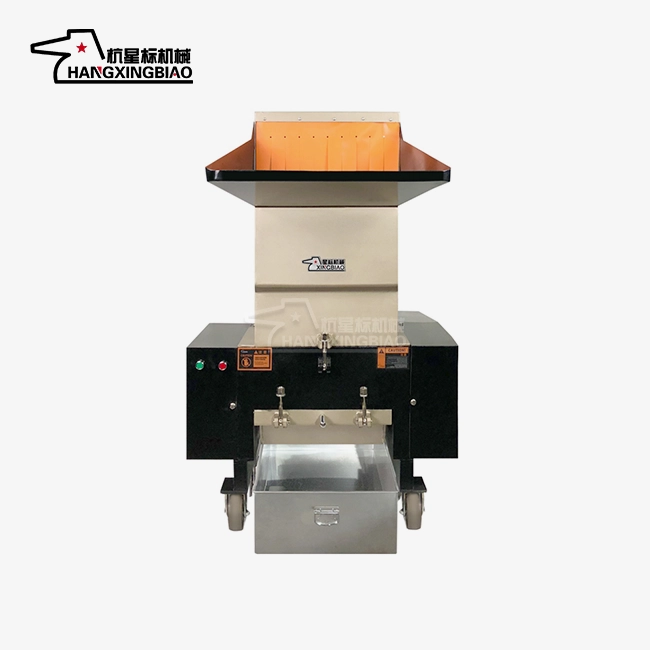
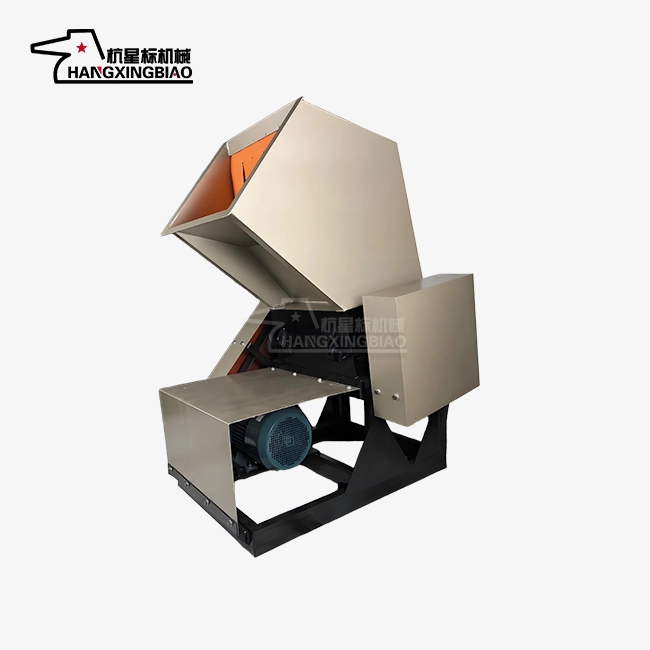
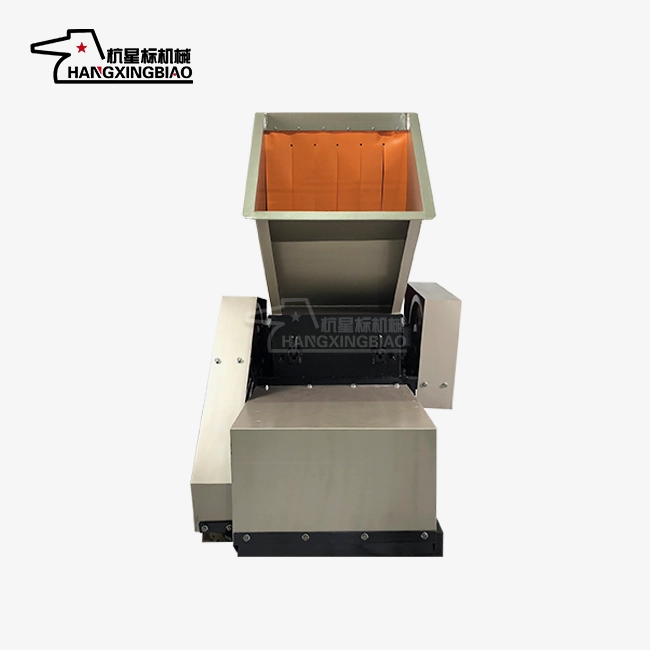
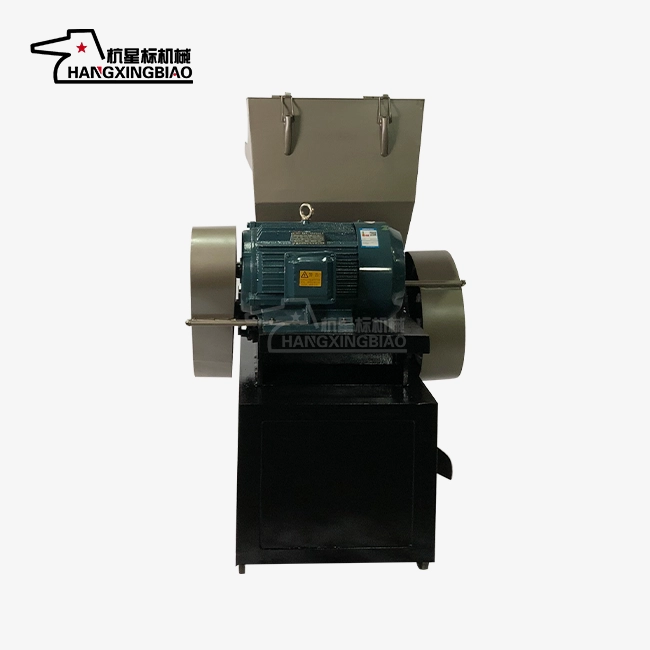
Heavy-duty shredders are specialized pieces of industrial equipment that are made to handle difficult trash streams that regular machines can't handle. These strong systems are made up of precision-engineered parts that are made to work continuously under high loads.
Core Components and Working Principles
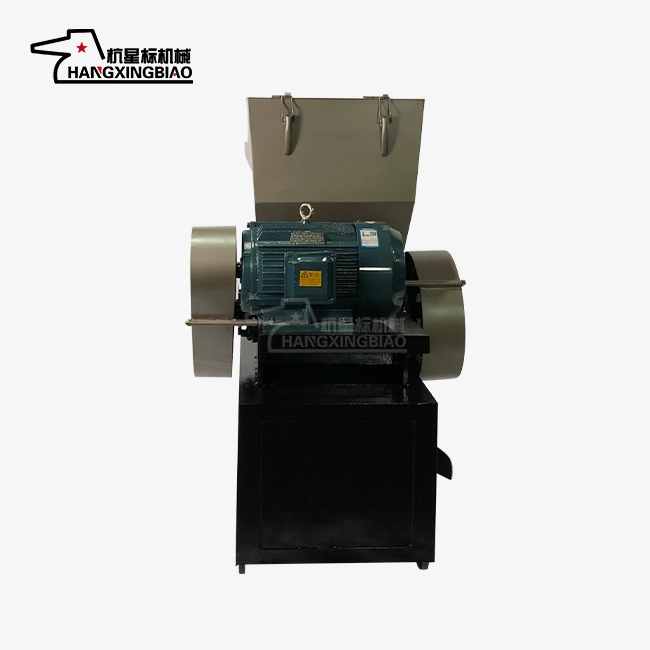
The basic structure of industrial cutting equipment is based on several important parts acting together. The spinning rods inside the cutting room have hardened steel blades that tear and shear materials into smaller pieces. Electric motors or hydraulic power units are used in drive systems to provide the force needed to overcome the resistance of the material. More advanced models have smart control screens that check the load and change the operating settings automatically to avoid overloading situations.
Material comes in through a bin or an automatic transport system. Rotating blades apply the right amount of force to the trash. The configuration of the blades affects the uniformity of the output and the speed of processing. Screen systems below the cutting area control the size of the particles, so only the right-sized material comes out while the bigger pieces are kept for more processing rounds.
Single-Shaft versus Double-Shaft Configurations
Single-shaft shredders are great for cutting through light to medium-duty materials like plastic bags, packaging trash, and plastics used in agriculture. Their design has a single rotor with cutting blades that work against counter-knives that stay in place. This makes regular output that can be used in reworking processes further down the line. Small to medium-sized recycling businesses may be interested in these units because they are easier to maintain and cost less to buy at first.
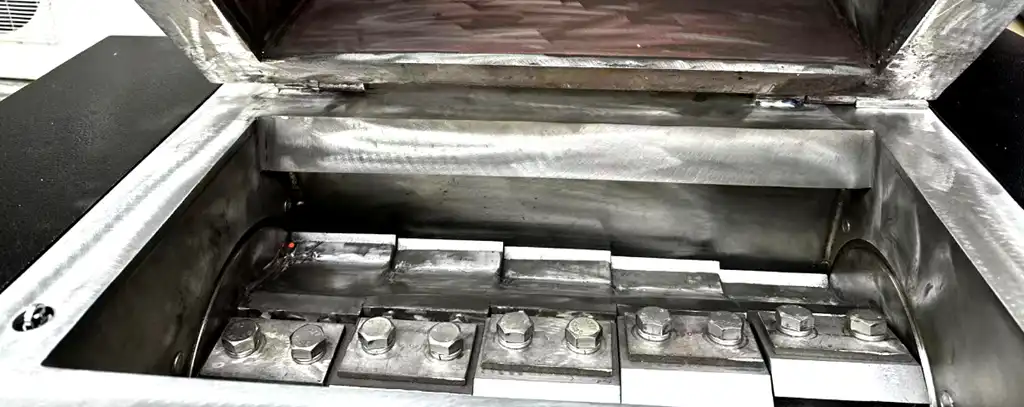
When it comes to tough materials like big pieces of plastic, old tires, and mixed industrial waste, double-shaft shredders work better. Two shafts that spin counterclockwise and have intermeshing blades create cutting forces that cut through tough, oddly shaped materials quickly and easily. This setup makes it last longer when used for longer periods of time and better handles contaminants, which cuts down on downtime due to jams or damaged blades.
Power Source Considerations
Solid waste shredder machine electric shredders are most often found in manufacturing plants and recycling centers, where they are installed permanently. Compared to hydraulic options, they offer consistent performance, less noise during operation, and lower upkeep needs. Modern electric systems use variable frequency drives to make the best use of energy based on the load factors at any given time. This saves money on running costs over the life of the equipment.
Hydraulic systems are better for mobile uses and places where maximum power at low speeds is needed. These setups are better at handling shock loads and come in handy when dealing with trash streams that are very different and contain contaminants or items that are too big or too small.
Benefits of Heavy-Duty Shredders in Recycling Processes
Industrial-grade shredding equipment has real benefits for the environment, operations, and finances that make it worth the initial investment.
Waste Volume Reduction and Material Recovery
The most obvious benefit of shredding processes is that they reduce the amount of paper that needs to be shredded. Cutting big pieces of trash into uniform pieces cuts down on storage needs by sixty to eighty percent. This lowers shipping costs and improves the efficiency of operations. When manufacturers handle injection molding scrap, they can get back valuable floor space that was once used to store waste.
Better rates of material return come from size reduction that works, which makes organizing and cleaning easier later on. Shredded plastic keeps the shape of the particles the same, which makes it easier to separate things in systems that use mass or light. Businesses that recycle say that their recovery rates go up by more than 15% when they follow the right burning procedures before recycling.
Environmental Impact and Sustainability
Keeping plastic trash out of landfills solves important environmental problems and helps companies keep their sustainability promises. When plastic is properly cut and reprocessed, it stops about two tons of carbon dioxide equivalent pollution that would have been released during the production of new plastic. Sustainability audits are becoming more common for companies that serve big FMCG and food service companies. Proven recycling skills affect buying decisions.
Designing shredders that use less energy is also good for the Earth. Optimized blade shapes and motor matching lower the amount of electricity used per ton handled. Leading systems can save twenty to thirty percent of the energy used by older equipment. This level of efficiency directly leads to lower greenhouse gas pollution from running the building.
Operational Reliability and Cost Efficiency
Strong construction with high-strength steel and blade materials that don't wear down provides consistent performance during long work shifts. Manufacturers who use ongoing processes along with injection molding lines or extrusion operations need equipment that stays up more than 95% of the time. These levels of dependability are usually reached by high-quality shredders that follow the right care steps.
Long-term cost analysis shows that the original investment in tools only makes up thirty to forty percent of all the costs that come up over the course of its life. The majority of practical costs come from things like energy use, upkeep needs, and repairing parts. Choosing equipment that is made to last and work efficiently gives you a better return on your investment over five to ten years than cheaper options that need to be fixed often and use too much electricity.
Choosing the Right Heavy-Duty Shredder for Your Recycling Needs
To make sure that the best performance is aligned, strategic equipment selection needs to include a thorough analysis of practical needs, material properties, and vendor skills.
Material Type and Throughput Assessment
The correct definition of tools starts with accurately describing the material. For example, blades need to be set up differently for hard plastics like injection-molded parts, pipes, and profiles than for soft plastics like films and knitted bags. Flows of mixed trash that contain both types of garbage need flexible double-shaft designs that can adjust to different input conditions.
The amount of daily flow determines how much computer power is needed. Medium-sized to large manufacturing companies that make several tons of scrap every hour need big systems with automatic feeding devices and built-in discharge conveyors. Standard models that are flexible and allow quick screen changes to meet changing output needs are good for smaller recycling operations that process different materials in batch modes.
Power Specifications and Energy Considerations
The size of the motor has a direct effect on both the starting cost of the equipment and the continued costs of running it. Power systems that are too small often experience overload situations that cause parts to break down early and cause too much downtime. On the other hand, motors that are much bigger than they need to be use more electricity than they need to and cost more to buy. Expert suppliers of tools and test materials to suggest the best power specs that match the needs of the processing.
Advanced energy management features, like soft-start systems and load-sensing settings, lower high-demand prices and increase the life of mechanical parts. Energy-efficient designs that save money over thousands of hours of operation each year are especially helpful for facilities that work multiple shifts.
Supplier Evaluation and Service Capabilities
In addition to the specs of the tools, the choice of supplier has a huge impact on the success of operations. When compared to companies that only sell shredders as one piece of equipment, companies that have been around for a while and have specialized knowledge produce better engineering quality. Hangzhou Xingbiao Machinery Co., Ltd. is a great example of focused commitment because they have been developing and making plastic crushers for only thirty years, not branching out into other types of equipment.
Comprehensive service support for a solid waste shredder machine is what sets great providers apart from average ones. During the pre-sales consultation, the application should be analyzed, the material should be tested, and a unique solution should be made to solve specific operating problems. Installation instructions, training programs for operators, and quick technical help make sure that commissioning goes smoothly and that the system continues to work at its best. After-sales promises about spare parts availability and servicing help keep machines from being down for long periods of time, which can mess up production schedules and income generation.
Maintenance, Safety, and Troubleshooting for Heavy-Duty Shredders
Systematic repair plans and strict safety rules make sure that equipment lasts as long as possible and keep workers safe from dangers in the workplace.
Preventive Maintenance Best Practices
Schedules for routine inspections find patterns of wear before a component fails and causes unplanned downtime. Checking the sharpness of the blades once a week or every two weeks, based on how rough the material is, lets you sharpen or replace them in time, keeping the process running smoothly and keeping the motor from being overloaded. Critical moving parts don't break down too soon when they are oiled according to the manufacturer's instructions.
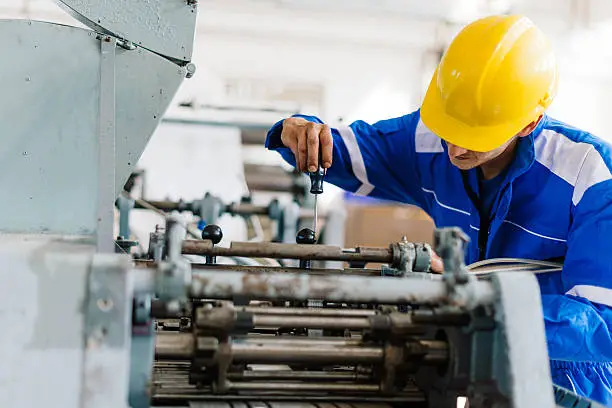
Monitoring the state of the screen makes sure that the output size stays the same and stops material escape, which lowers the quality of the product. Inspections of the structure make sure that operating pressures and vibrations haven't damaged the welds or mounting systems. Checking the quality of electrical connections keeps them from getting too hot, which can cause fires.
Equipment downtime can be kept to a minimum by building relationships with providers who keep large stocks of spare parts. Important worn parts, like blades, screens, and bearing systems, should be kept in stock on-site so that they can be replaced right away. Manufacturers of high-end tools offer thorough parts diagrams and ordering methods that make getting things easier.
Safety Protocols and Compliance
Industrial shredders are very dangerous and need to be protected in many ways. Putting emergency stop systems in easy-to-reach places around equipment lets it be turned off right away if something goes wrong. Cutting rooms that are closed off and have access doors that lock together keep operators from touching or moving blades while the machine is running. When machinery gets stuck, overload safety circuits stop it instantly so that parts don't get damaged or dangerous situations don't happen.
Full training programs for operators that cover normal operation, common problem-solving steps, and emergency reaction plans lower the risk of accidents and boost operating efficiency. During regulatory checks, proof that training was completed and regular refresher classes were attended shows a dedication to safety at work.
Following OSHA rules in the US and getting CE approval for tools going to Europe makes sure that everything is in line with established safety frameworks. Reputable makers make sure their products meet or go beyond these standards, and they provide paperwork to help with insurance funding and building safety checks.
Common Issues and Solutions
Material jams are the most common operating problem. They are usually caused by things that are too big, too fast of feed rates, or blades that aren't sharp enough. Most jams can be avoided by following the right feeding rules and keeping the cutting edges sharp. When jams happen, maintenance workers are kept safe by following lockout/tagout steps before entering cutting rooms.
Bearing wear, blade imbalance, or loose attachment systems can all be caused by too much shaking. An immediate investigation stops a major failure and the chance of damage. In the same way, strange noise patterns can be a sign of technical problems that need to be fixed before they damage major parts.
Knowing when to call a professional and when to do the work yourself can help you avoid making mistakes with fixes that void warranties or put people in danger. Service techs who are qualified and have been trained by the maker should handle complex problems with hydraulic systems, electrical controls, or the structure's stability.
Future Trends and Innovations in Heavy-Duty Shredding Technology
Industrial shredding capabilities are always changing as technology improves, allowing for better performance, intelligence, and operating freedom.
Automation and Smart Control Integration
More and more, modern solid waste shredder machine systems use sensor networks and smart control programs that constantly improve performance. Load tracking systems change feeding rates automatically based on real-time power use and material resistance. This makes sure that output is maximized and overloads are avoided. Predictive maintenance uses working data and vibration patterns to predict when parts will wear out. This lets you change parts before they break and stop production.
Through web-based dashboards, remote tracking systems let facility managers keep an eye on how equipment is working in different places. Alert systems let support staff know right away when operational factors go outside of normal ranges. This lets them move quickly, which reduces the impact of downtime.
Modular and Customizable Designs
Modular equipment meets the different needs of recycling businesses that deal with different types of waste. Quick-change screen systems let you change the output size quickly and without a lot of downtime. This helps facilities that work with different kinds of plastic that need different particle specs. Blade designs that can be changed allow the cutting pattern to fit the properties of the material. This makes the equipment more useful without having to be replaced completely.
Being able to customize something is useful for specific uses that present unique material difficulties. Collaboration between engineers that creates custom solutions that meet specific business needs is good for manufacturers that work with secret materials or serve niche markets. Businesses like Xingbiao use their decades of experience and study relationships with big companies to make sure that their custom crusher designs are the best ones for the job.
Market Growth and Strategic Partnerships
In North America and Europe, the need for more advanced recycling tools is growing because of stricter environmental laws and business sustainability efforts. Putting limits on single-use plastics and requiring recycled content in consumer goods through laws are strong business reasons to invest in processing facilities.
In this changing environment, having strategic partnerships with vendors that go beyond just buying tools gives you a competitive edge. Recycling businesses can adapt to new materials and government rules with the help of suppliers who offer ongoing technical advice, process optimization support, and equipment updates. The level of commitment to service after the sale is often a better indicator of long-term operating success than the initial equipment specs.
Conclusion
Heavy-duty cutting equipment is one of the most important technologies for making plastic recycling businesses profitable and long-lasting. Procurement professionals can make smart investment choices that help the business reach its goals when they know about the different types of tools, their practical benefits, selection criteria, and upkeep needs. Modern industrial shredders are made up of strong mechanical engineering, smart control systems, and full-service support that work together to meet the most demanding production needs. In a recycling market that is becoming more competitive and controlled, businesses can be sure of their long-term success by working with specialized makers who offer proven knowledge.
FAQ
How do I determine the appropriate shredder capacity for my recycling facility?
To figure out capacity, you must first accurately measure how much waste is made every day or every hour. Figure out peak production times instead of means to make sure you have enough working power during times of high demand. Material density and form factor have a big effect on productivity because loose waste is processed differently from compacted garbage. It is better to get capacity suggestions from equipment experts who can look at real samples of waste than to rely on theoretical estimates alone.
What differentiates industrial shredders from compactors in waste management?
By chopping and breaking, shredders break down materials into smaller pieces that can be recycled or used in other processes. Compactors use pressure to reduce the size of a material without changing its shape. They are mostly used to pack trash together so it can be moved and thrown away. For recycling activities, cutting is needed to get materials ready to be used again, while compaction is needed for trash that is going to be thrown away or burned.
Should I consider refurbished or used shredding equipment?
Refurbished equipment from reliable sellers can save money for businesses that are on a tight budget or don't know how much material they will need in the future. However, it is still important to carefully check the state of the blades, the strength of the structure, and the functioning of the control system. Careful thought needs to be given to warranty coverage and the availability of parts for older models. New equipment usually comes with the most up-to-date energy-saving features, a full guarantee, and a longer useful life. This often makes the higher starting cost worth it because it has better lifecycle economics.
Partner with Xingbiao for Advanced Solid Waste Shredder Solutions
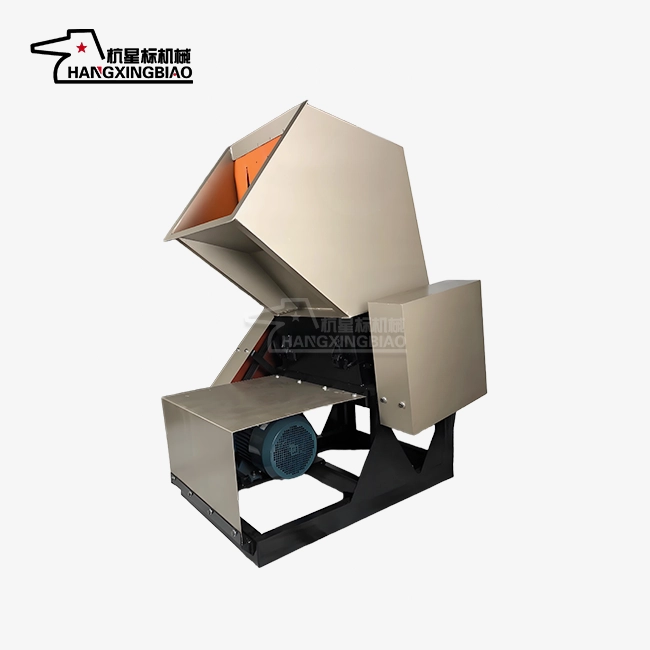
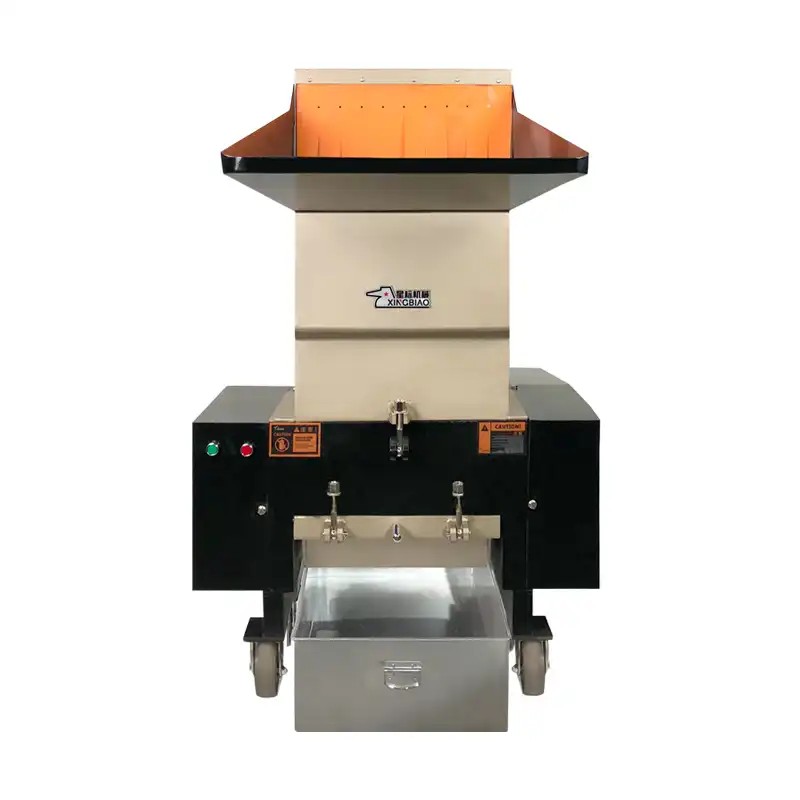
To solve tough problems with reusing plastic, you need more than just standard tools. You need specialized knowledge and a committed relationship. Hangzhou Xingbiao Machinery Co., Ltd. has been focused on innovation in plastic breaking technology for 30 years and has worked with industry players like Nongfu Spring and KFC. Our engineering team has created a wide range of crusher lines, including large-diameter systems for big parts, high-power units for integration with injection molding, standard crushers that work best with soft plastics, and special solutions that solve problems with specific materials.
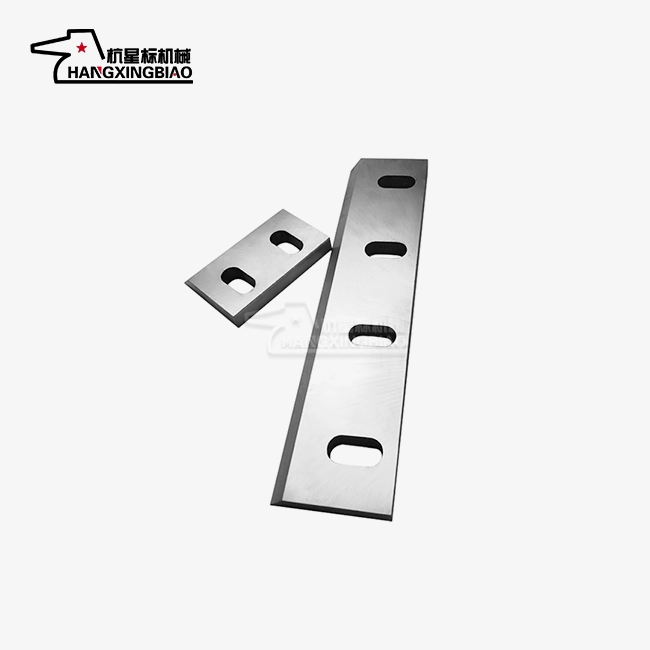
Our equipment is made of high-strength steel that has been treated with stress-relief to keep its shape while it is in constant use. Cutting blades made from SKD-11/D2 mold steel go through vacuum heat treatment and cryogenic processing, which makes them very resistant to wear and extends the time between repairs. When compared to other designs, our unique blade shape and chamber design make the work over twenty percent more efficient while using less energy.
As a reliable company that makes solid waste shredder machines, we offer full support, including advice before the sale, custom solution design, installation help, operator training, and quick service after the sale. As part of our promise, we will answer questions 24 hours a day, check on equipment regularly, and make sure that all extra parts are available so that production is interrupted as little as possible. Visit www.xingbiaocrusher.com or email our team at xingbiaocrusher@xingbiaocrusher.com to talk about how our custom crushing solutions can help you meet your sustainability goals and improve your recycling processes.
References
1. National Waste & Recycling Association. (2023). Industrial Shredding Equipment Standards and Best Practices for Plastic Waste Processing. Washington, D.C.: NWRA Publications.
2. Hopewell, J., Dvorak, R., & Kosior, E. (2022). Plastics Recycling: Challenges and Opportunities in Modern Waste Management Systems. Philosophical Transactions of the Royal Society B: Biological Sciences, 364(1526), 2115-2126.
3. European Commission Joint Research Centre. (2023). Best Available Techniques Reference Document for Waste Treatment Industries. Luxembourg: Publications Office of the European Union.
4. American Society of Mechanical Engineers. (2022). Safety Standards for Industrial Shredding and Size Reduction Equipment (ASME B20.1-2022). New York: ASME International.
5. McKinsey & Company. (2023). The Future of Plastics Recycling: Technology Innovation and Market Dynamics in North America. New York: McKinsey Sustainability Practice.
6. Recycling Today Media Group. (2024). Equipment Lifecycle Analysis: Total Cost of Ownership for Heavy-Duty Shredding Systems in Commercial Recycling Operations. Cleveland: GIE Media Inc.
Learn about our latest products and discounts through SMS or email