- English
- French
- German
- Portuguese
- Spanish
- Russian
- Japanese
- Korean
- Arabic
- Greek
- German
- Turkish
- Italian
- Danish
- Romanian
- Indonesian
- Czech
- Afrikaans
- Swedish
- Polish
- Basque
- Catalan
- Esperanto
- Hindi
- Lao
- Albanian
- Amharic
- Armenian
- Azerbaijani
- Belarusian
- Bengali
- Bosnian
- Bulgarian
- Cebuano
- Chichewa
- Corsican
- Croatian
- Dutch
- Estonian
- Filipino
- Finnish
- Frisian
- Galician
- Georgian
- Gujarati
- Haitian
- Hausa
- Hawaiian
- Hebrew
- Hmong
- Hungarian
- Icelandic
- Igbo
- Javanese
- Kannada
- Kazakh
- Khmer
- Kurdish
- Kyrgyz
- Latin
- Latvian
- Lithuanian
- Luxembou..
- Macedonian
- Malagasy
- Malay
- Malayalam
- Maltese
- Maori
- Marathi
- Mongolian
- Burmese
- Nepali
- Norwegian
- Pashto
- Persian
- Punjabi
- Serbian
- Sesotho
- Sinhala
- Slovak
- Slovenian
- Somali
- Samoan
- Scots Gaelic
- Shona
- Sindhi
- Sundanese
- Swahili
- Tajik
- Tamil
- Telugu
- Thai
- Ukrainian
- Urdu
- Uzbek
- Vietnamese
- Welsh
- Xhosa
- Yiddish
- Yoruba
- Zulu
How Can Industrial Crushers Improve Production Capacity?
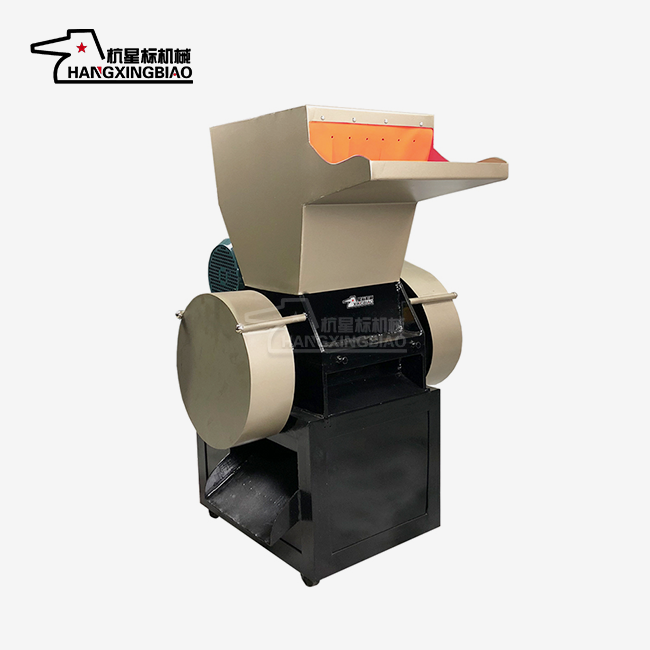
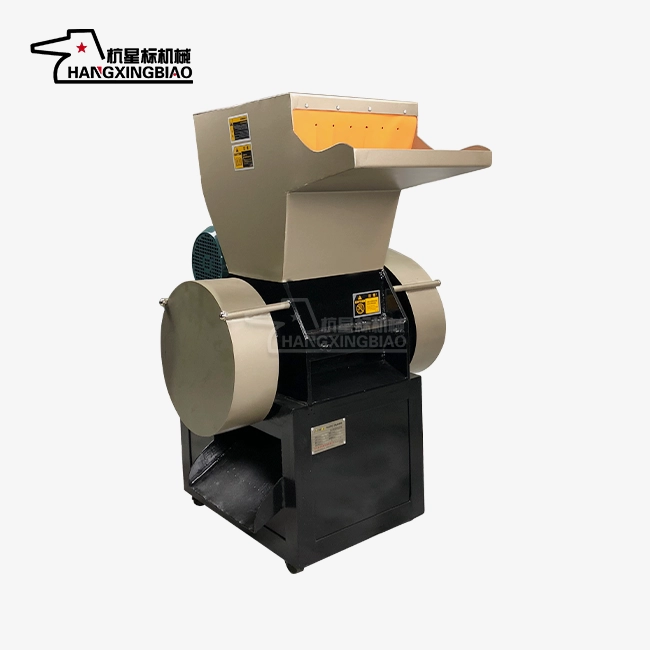
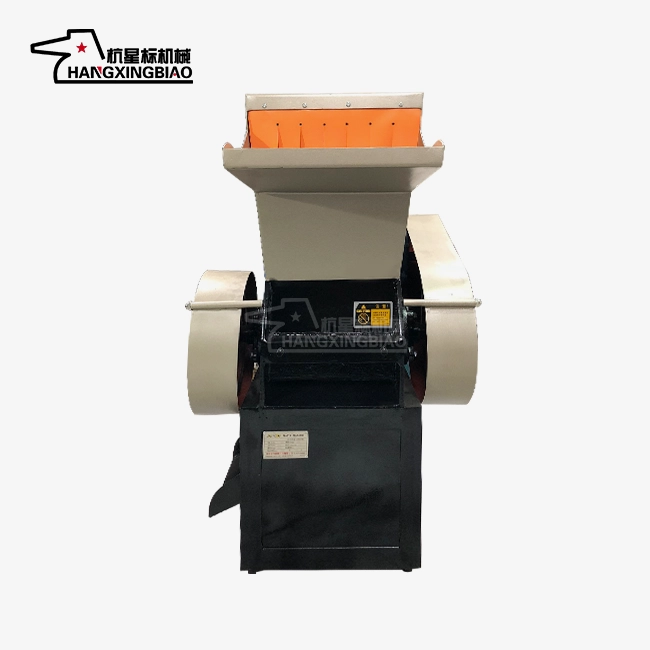
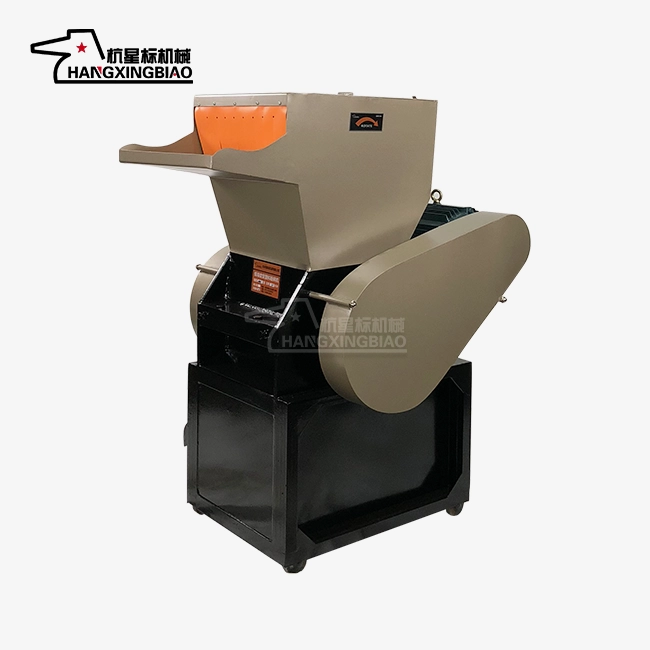
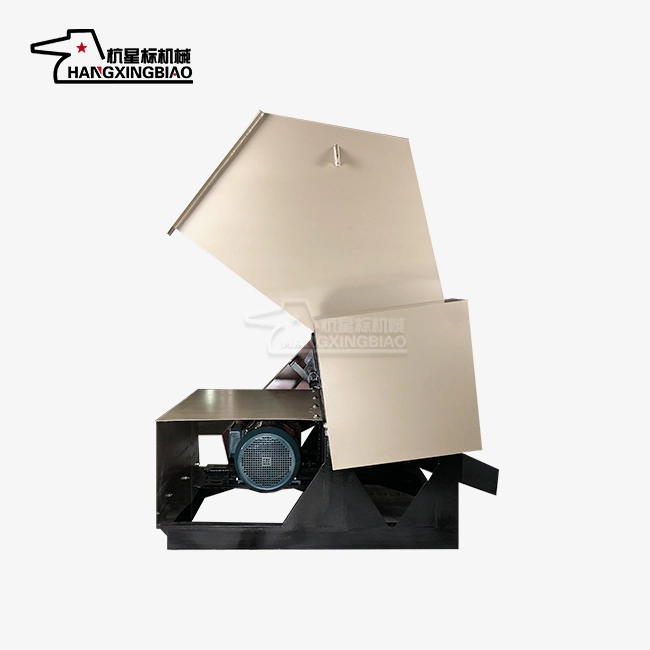
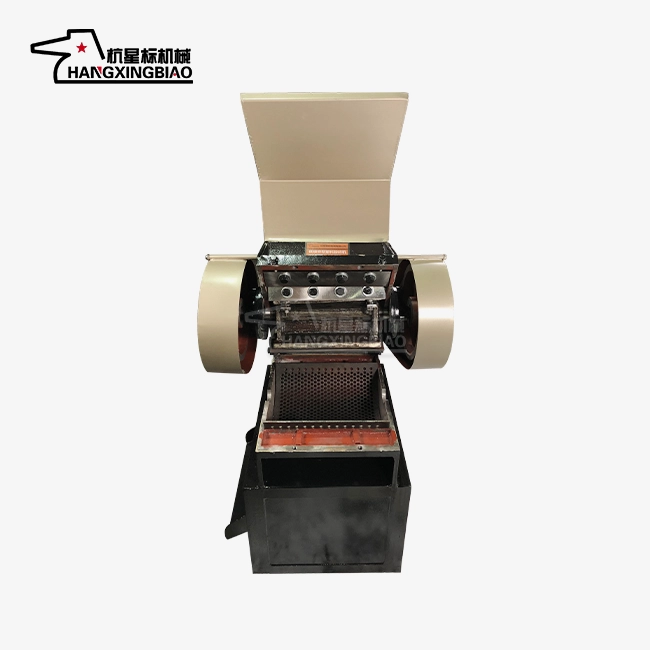
By speeding up the cycles of material processing, cutting down on the time it takes to handle waste, and allowing constant operation without human involvement, Industrial Crushers directly increase production capacity. In minutes instead of hours, these tools break down scrap materials like plastic bottles, industrial rejects, and mixed recyclables into regular pieces. Industrial Crushers get rid of bottlenecks that slow down production lines. They can handle processing rates from 50 kg/h to 10 t/h and can run nonstop for 24 hours. This leads to a noticeable increase in throughput, lower labour costs, and faster material turnover, which keeps your whole business running smoothly.
Understanding the Role of Industrial Crushers in Production Capacity
Companies that make things or recycle things today are always under pressure to handle more materials in less time. At the centre of this issue is crushing equipment, which is crucial for your facility's ability to meet production goals on time.
How Do Different Crusher Types Impact Throughput?
There are different ways to crush different types of materials. Jaw crushers are particularly effective for crushing thick-walled pipes and solid plastic parts because they use compression force to break up big, solid items. Impact crushers quickly break up tough materials with parts that spin at high speeds. Rotor-based crushers with special blade configurations are the most versatile type of equipment for plastic processing. They can handle everything from soft films to hard injection-moulded parts without having to change any other equipment.
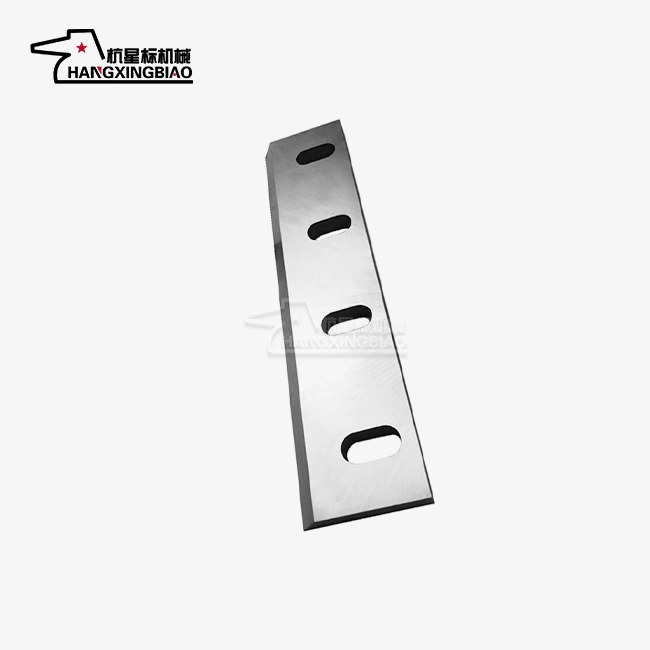
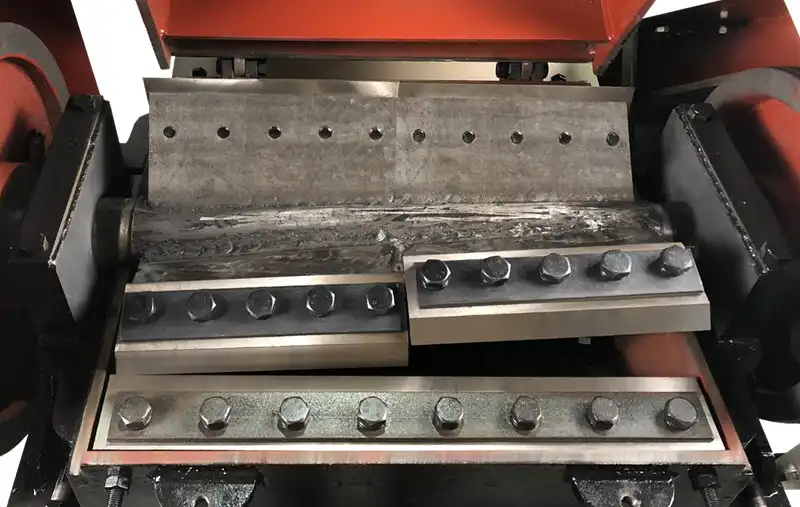
The design of the blades directly affects your hourly output. When compared to other designs, our unique blade shape and hole structure make crushing more than 20% more efficient. This difference in efficiency means real production gains when you're working with injection moulding scrap next to your machines or big loads of recycling.
Material Characteristics That Influence Crusher Selection
When something is crushed, it reacts in different ways. Soft plastics like PE and PVC films need features that keep them from getting tangled up with blades. Hard plastics like ABS and PC need very hard blades. Our SKD-11/D2 blades are HRC55–60 hard thanks to vacuum heat and cold treatment, and they can last 3000–5000 hours even when they're loaded with big things. For foams like EPS, the size needs to be reduced slowly so that there aren't too many fines. On the other hand, wide feed holes and strong construction are good for mixed trash like bottles, trays, and odd-shaped scraps.
Knowing these things about the material helps you choose equipment that will get the most out of your waste stream. When you choose the wrong crusher, work slows down, repair stops happen more often, and particle sizes aren't always constant, which affects operations further down the line.
Benefits of Consistent Size Management and Automation
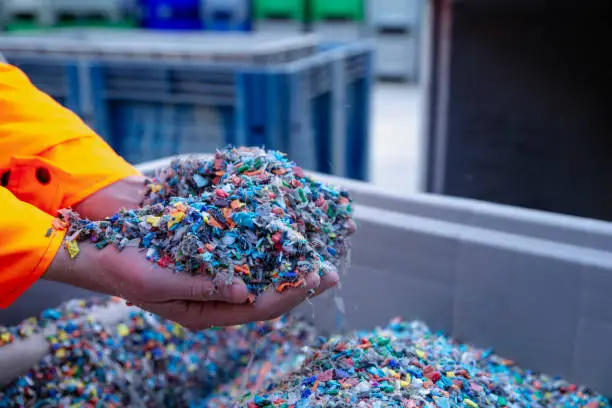
Most operators don't realise how important it is to have consistent particle sizes. When your crusher gives you over 90% uniformity in the 2–12 mm range, you don't have to do any extra screening, which takes time and work. By changing the mesh, our screening device can handle particles from 2 mm to 100 mm. There are no complicated changes or breaks in production.
Features that automate tasks further increase capacity. When machines are enclosed and have safety interlocks, workers can focus on giving materials instead of constantly watching the machines. Vibrations below 0.1 mm are kept low by precision bearings and hardened gears. This keeps parts from coming loose and cuts failure rates by 40%. Less rest means more hours of work and more work getting done generally.
Identifying Production Bottlenecks and Crusher Limitations
Improving production ability starts with a truthful look at how things are going now. Many facilities think that lower output is normal and don't see problems that can be fixed.
Key Performance Metrics to Evaluate Crusher Efficiency
To get a better idea of how well your crushing machine is working, keep an eye on these numbers: hourly throughput in kilograms, energy use per kilogram processed, percentage of downtime due to maintenance, and consistency of particle size distribution. When you compare your numbers to what the maker says they should be, big differences mean there are problems that need to be looked into.
Bottlenecks can also be seen in material flow patterns. Does material build up in front of the crusher when it's working hard? Do operators spend too much time changing screens or clearing jams? These operational indicators often show when capacity limits exist before the equipment breaks down.
Common Issues Reducing Crusher Output
Blade wear is the most common reason why effectiveness is going down. It takes more energy to process the same amount of material with dull blades, which slows down output and makes particles of different sizes. This problem gets worse faster when you use blades made of poor materials. Our Cr12MoV special steel blades keep their cutting-edge quality for a lot longer than regular blades.
Screens that are too small or too big cause false bottlenecks. Screens with openings that are too small for your needs make it necessary to cut the material more than once, which wastes energy and limits capacity. On the other hand, screens that are too big make particles that are too big for later processes, which takes time away from production.
Over time, maintenance gaps get worse. Loose mounting bolts, old bearings, and parts that aren't lined up right all slow things down until a catastrophic failure stops all production. Maintenance that is done on a regular basis saves money and keeps working capacity high.
Safety and Energy Inefficiencies Contributing to Downtime
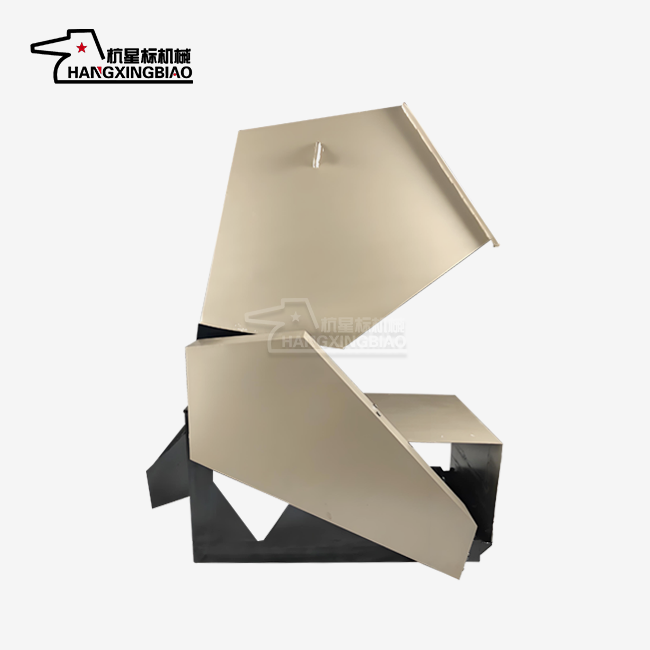
Older crushers that don't have the right safety features make workers hesitant, which slows down the feeding of materials and lowers the effective output. Our sealed designs with thick steel plates, anti-rebound baffles, and safety shields let you work at full capacity without worrying about damage. Some models have interlocking systems that turn off the power when the door is opened. This meets modern safety standards without making the doors less accessible.
Wasteful use of energy costs money and limits the amount of material that can be processed cheaply. Our equipment uses 10–15% less energy while still having full breaking power because the motors are matched better. Over months of continuous operation, these savings add up to a lot, both in terms of lower utility costs and more electricity that can be used to grow production.
Strategies to Improve Production Capacity Through Industrial Crushers
To increase capacity, you need to do more than just buy more equipment. You need to think strategically. Smart selection, working success, and adopting new technology are all parts of the right strategy.
Matching Crusher Type to Material Properties and Production Demands
Facilities that recycle plastic need different kinds of solutions than facilities that make plastic parts. Standard crushers made for soft plastics work well in recycling plants that deal with a variety of trash. Our anti-entanglement design fixes problems with film and woven bag processes that slow down standard equipment. For factories that make a lot of scrap from injection moulding machines, they need centralised feeding systems with a lot of power that work quietly with the production equipment.
Model selection is based on processing capacity needs. Small businesses that recycle 100 to 500 kg every day have different needs than big businesses that recycle several tonnes every hour. Our product range goes from 50 kg/h to 10 t/h, so you can be sure you get the right capacity without having to pay extra for bigger than you need.
For custom uses, you should get custom solutions. Taking care of big trash cans, tyre parts or other strange things? We design customised crushing solutions that meet all of your specific needs. The blade configurations, feed opening sizes, and motor sizes are all chosen to work best with your waste stream.
Preventative Maintenance Best Practices
Scheduled maintenance keeps the breaking capacity and stops breakdowns that come up out of the blue. Our open design and quick-change screen structure cut down on the time it takes to service. With our equipment, you can do repair jobs that would take hours with poorly designed equipment in minutes.
How often you need to check the blades depends on how rough the material is and how much you are processing. Set up a rotation schedule that changes the blades before they stop working as well. Keep extra sets of blades on hand so that the changes can happen during planned breaks instead of sudden stops. Our blades last 3000–5000 hours, which means they need to be replaced less often than cheaper options.
Small problems don't turn into failures that stop output when bearings are oiled, belt tightness is checked, and mounting bolts are double-checked. Keep track of maintenance tasks to find trends. If the same parts keep breaking, look into why they're breaking instead of thinking that fixes are normal.
Emerging Technologies for Enhanced Performance
The tools used in modern breaking equipment would have been unthinkable a few decades ago. Variable frequency drives change the speed and power use based on the feed rate and properties of the material. This is called optimised motor matching. This ability to adapt raises throughput when there are a lot of tasks to do and lowers it when there aren't many tasks to do.
Automated feed systems keep the flow of materials steady, so there are no production drops like there are when feeding is done by hand. Sensors check how full the chamber is and change the feed rates to keep the crusher working at its most efficient level all the time.
We know a lot about these tools because we've been breaking plastic for 30 years. We don't follow every trend; instead, we only use new technologies that help our users make more things. Because we only focus on one category, we are one of the few "single-category excellence" suppliers in a field where many companies pay attention to many product lines at once.
Enhancing Crusher Efficiency: Case Studies and Best Practices
The effects of crushing tools on output capacity are better shown by real-world examples than by academic talks. Manufacturers and recyclers in a wide range of fields have seen big changes after improving how they crush materials.
Measurable ROI from Crusher Upgrades
Our high-power centralised feeding systems for Industrial Crushers were used to replace old crushers at a medium-sized injection moulding plant that processed 800 kg of scrap every day. The Industrial Crushers upgrade cut the time it took to process scrap by 35%, so they could recycle materials and use them again the same day instead of storing them for later processing. This faster response from Industrial Crushers cut yearly purchases of raw materials by 12%. Within 18 months, the Industrial Crushers equipment paid for itself.
A company that recycles mixed plastic trash had trouble with film getting tangled, which stopped production several times a day. When we switched to our standard crushers that are made for soft plastics, 90% of the jams went away. Because of this, the uptime went up, and monthly output went up by 2.1 tonnes without adding shifts or staff.
These results show that the powers of the tools were carefully matched to the needs of the operations. The efficiency came from the crushers themselves, but what made the difference was choosing the right ones based on the material and the output goals.
Safety Compliance and Workforce Training
Safety features on equipment keep workers safe while keeping production going. Because our designs are sealed, flying objects don't hurt people, which would cause them to miss work or have their plans thrown off. Safety shields and interlocking devices meet OSHA standards without getting in the way of regular operations or upkeep.
When operators are properly trained, the equipment lasts longer and works more efficiently. As part of our standard service, we help with installation and train your staff on how to use the equipment. This way, your team will know how to feed the animals properly, spot early signs that maintenance is needed, and fix small problems without having to wait for outside technicians to come in. Operators who are well-trained make sure that crushers always work at full capacity.
After-Sales Support and Spare Parts Management
When important equipment is sitting around waiting for parts or technical help, production capacity drops by a huge amount. We promise to answer customer questions 24 hours a day, seven days a week, and keep enough extra parts on hand to keep downtime to a minimum. Our engineering team offers ongoing technical support to help you find the best settings for your crusher based on changing material flows or production needs.
Strategically stocking up on extra parts stops problems before they happen. Keep parts that will get worn down quickly, like blades and screens, close at hand. Because our designs are standardised, parts always fit right and work the same way. This keeps performance from dropping as it does with some stock aftermarket parts. This dependability directly leads to a steady output you can count on when planning your operations.
Procurement Considerations When Choosing Industrial Crushers
Choosing the right breaking tools is a big investment that will have long-lasting effects on production. To make smart purchasing choices, you need to look at more than just the initial buy price.
Essential Evaluation Criteria for B2B Buyers
The requirements for industrial crushers' capacity must take into account both current needs and expected growth. As production grows, Industrial Crushers that are too small become a bottleneck, and Industrial Crushers that are too big waste money that could be used to make other operational improvements. Our range of Industrial Crushers, from 50 kg/h to 10 t/h, can handle a wide range of building sizes, from small recycling centers to big factories.
Long-term running costs are greatly affected by how well you use energy. Find the total cost of ownership, which includes how much electricity the equipment will use over its expected lifetime. Our improved motor matching cuts energy use by 10–15%, which adds up to big savings over years of continued use.
Warranty terms and the reliability of the provider show that the company believes the product will last. Our stress-relieved, high-strength welded steel bodies and decades of specialised experience give you peace of mind that your equipment will work as expected for as long as it's in use.
Standard Versus Custom-Built Solutions
Standard models have a proven track record of working well and delivering faster results in common situations. Our basic film processing units, high-power systems, and large-diameter crushers can handle most of your plastic breaking needs without having to wait for customisation.
It makes sense to have crushers that are specially made for handling odd materials or fitting into specific production lines. We design custom solutions to solve specific problems, like dealing with oversized parts, working around installation restrictions, or meeting specific output needs. Our 20-person senior engineering team and partnerships between businesses, universities, and research centers make it possible for us to make complex custom designs that solve problems.
For buyers on a budget, refurbished units are another choice. We focus on making new equipment, but knowing about the refurbishment market can help buyers decide if used equipment is really worth the money or just a way to put off buying new equipment.
Delivery, Installation, and Onboarding Support
Logistics planning makes sure that the broken equipment is ready to use when it gets there. Make shipping plans clear as soon as possible. Planning production depends on knowing exactly when new capacity will be available. We know what paperwork, packaging, and handling are needed for safe foreign delivery because we've shipped tools around the world before.
Time-to-production is sped up by getting help with installation. We give you advice on how to prepare the foundation, connect the electricity, and set up the system for the first time. This way, your support team won't make the usual mistakes that slow down commissioning or lower performance. This help is especially helpful when putting in place crusher systems for the first time.
Onboarding is more than just installing something. During the ramp-up time, we do regular follow-up trips to make sure the equipment is working as it should and to answer any operational questions that come up. This long-term relationship makes sure that you get all the benefits of the increased output ability that your investment should bring.
Conclusion
Through faster processing, constant operation, and uniform output quality that removes rework, Industrial Crushers increase production capacity. The equipment's effects go beyond just throughput numbers. The right crushing solutions cut down on labour needs, energy costs, and the amount of material that can be recovered, which lowers the cost of raw materials. You can get all of these benefits if you choose crushers that are right for the materials you're crushing and the amount of work you need to do. Long-term capacity is kept up by strategic maintenance, and new technologies keep making things more efficient. Your business will stay ahead of the competition in a field where processing speed is becoming more and more important to market success if you make smart purchasing choices that take into account the total cost of ownership, the expertise of the provider, and a full range of support services.
FAQ
What materials can Industrial Crushers process effectively?
Modern tools for crushing can handle a wide range of materials, such as soft plastics like PE/PVC films, hard plastics like ABS/PC parts, foam materials like EPS/EVA, and odd-shaped materials like bottles and mixed pieces. What makes something compatible are the blade design, motor power, and feed configuration. Specialised crushers with anti-entanglement features can handle tough materials like woven bags and fibres.
How do I calculate the crusher size needed for my operation?
Find out how much material needs to be processed every day or every hour, and then choose equipment that can handle 20–30% more than that. Think about the density and properties of the material. Compressible materials can be worked with more quickly than rigid parts. Match the particle size needs to the screen choices. Talking to experienced suppliers will make sure that the right size is chosen.
What maintenance schedule maximizes crusher uptime?
Check the blades once a week during the first few weeks of use to find out how they normally wear, and then change the check-up times to fit your needs. Once a month, check the mounting bolts, belt tension, and grease on the bearings. Replace worn-out parts before they stop working properly. Keep track of repair tasks so you can find trends and guess how long parts will last. With regular maintenance, you can keep the crushing capacity and avoid sudden failures.
Can crushers integrate with existing production lines?
Good crushing tools can handle several different merging methods. For recovering scrap, centralised feeding devices can be put next to injection moulding machines. Material is automatically moved to and from breakers by conveyor connections. Ports for collecting dust are connected to ventilation systems in the building. Custom designs help with merging problems that are unique to each situation while still meeting safety standards.
Partner with Xingbiao for Superior Crushing Solutions
Hangzhou Xingbiao Machinery Co., Ltd. is ready to help you turn problems with handling materials into gains in production capacity. Because we've been experts in plastic crushing technology for 30 years, we know exactly what your business needs, whether you're recycling mixed trash, processing factory scrap, or working with unique materials. As a manufacturer of Industrial Crushers that only makes crushing solutions, we offer top-notch engineering and a full range of support services.
Plastic makers, recycling centres, and wholesalers all over the US use our equipment because they want it to be reliable, efficient, and long-lasting. We give your business the relationship it deserves, from the first consultation to installation, training, and ongoing expert support. Our promise of 24-hour response times and a sufficient stock of spare parts makes sure that your crushing capacity is always available when production needs it.
Get in touch with our team right away at xingbiaocrusher@xingbiaocrusher.com to talk about your unique needs. We will help you choose the best crushing solution that will increase your production and set your business up for long-term success. Check out our full line of products at www.xingbiaocrusher.com and see why makers all over the world trust Xingbiao for their most important crushing needs.
References
1. Anderson, M. R. (2021). Industrial Crushing Technology: Principles and Applications in Modern Manufacturing. Boston: Technical Publishing House.
2. Chen, L., & Roberts, P. (2022). "Optimising Material Processing Through Advanced Crusher Design." Journal of Manufacturing Engineering, 45(3), 178-192.
3. Global Industry Analysts. (2023). Plastic Recycling Equipment Market: Trends, Opportunities, and Forecast 2023-2028. San Jose: Research Publications.
4. Harrison, J. D. (2020). Production Capacity Management in Plastics Manufacturing. New York: Industrial Press.
5. Martinez, S., & Wong, K. (2022). "Energy Efficiency in Size Reduction Equipment: A Comparative Study." International Journal of Sustainable Manufacturing, 38(4), 267-283.
6. Thompson, R. E. (2023). Equipment Selection Strategies for Waste Processing Facilities. Chicago: Environmental Technology Publishers.
Learn about our latest products and discounts through SMS or email