- English
- French
- German
- Portuguese
- Spanish
- Russian
- Japanese
- Korean
- Arabic
- Greek
- German
- Turkish
- Italian
- Danish
- Romanian
- Indonesian
- Czech
- Afrikaans
- Swedish
- Polish
- Basque
- Catalan
- Esperanto
- Hindi
- Lao
- Albanian
- Amharic
- Armenian
- Azerbaijani
- Belarusian
- Bengali
- Bosnian
- Bulgarian
- Cebuano
- Chichewa
- Corsican
- Croatian
- Dutch
- Estonian
- Filipino
- Finnish
- Frisian
- Galician
- Georgian
- Gujarati
- Haitian
- Hausa
- Hawaiian
- Hebrew
- Hmong
- Hungarian
- Icelandic
- Igbo
- Javanese
- Kannada
- Kazakh
- Khmer
- Kurdish
- Kyrgyz
- Latin
- Latvian
- Lithuanian
- Luxembou..
- Macedonian
- Malagasy
- Malay
- Malayalam
- Maltese
- Maori
- Marathi
- Mongolian
- Burmese
- Nepali
- Norwegian
- Pashto
- Persian
- Punjabi
- Serbian
- Sesotho
- Sinhala
- Slovak
- Slovenian
- Somali
- Samoan
- Scots Gaelic
- Shona
- Sindhi
- Sundanese
- Swahili
- Tajik
- Tamil
- Telugu
- Thai
- Ukrainian
- Urdu
- Uzbek
- Vietnamese
- Welsh
- Xhosa
- Yiddish
- Yoruba
- Zulu
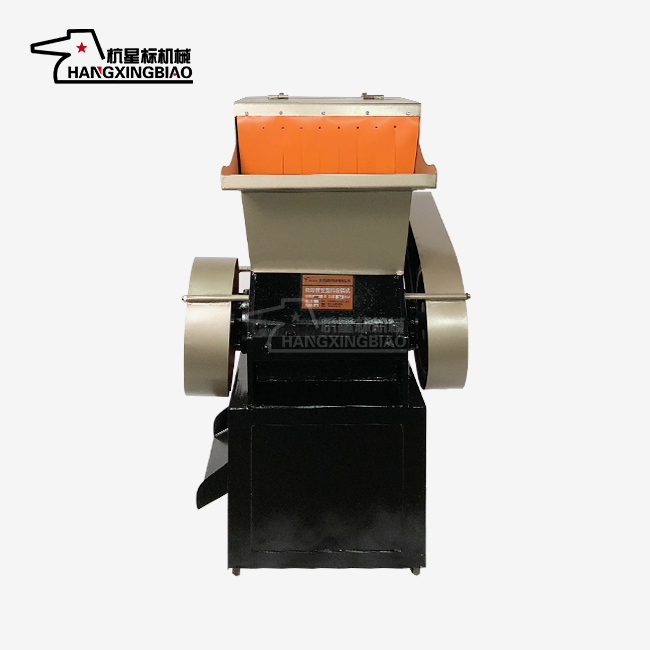
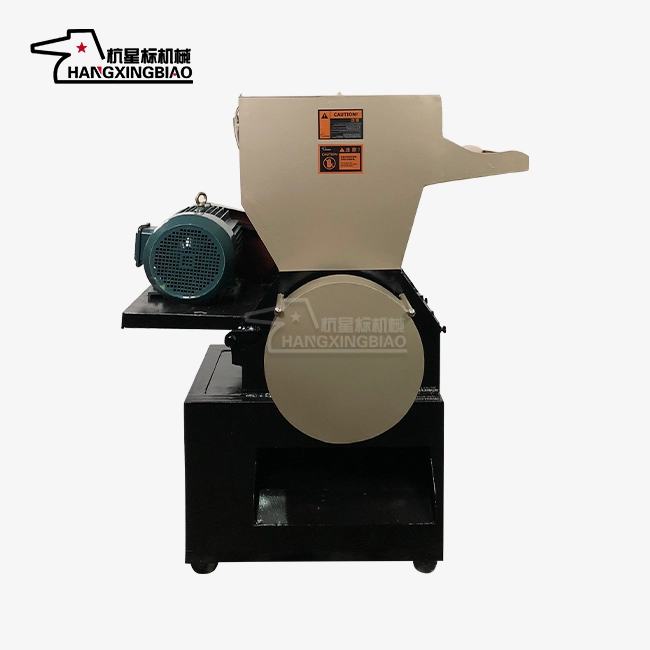
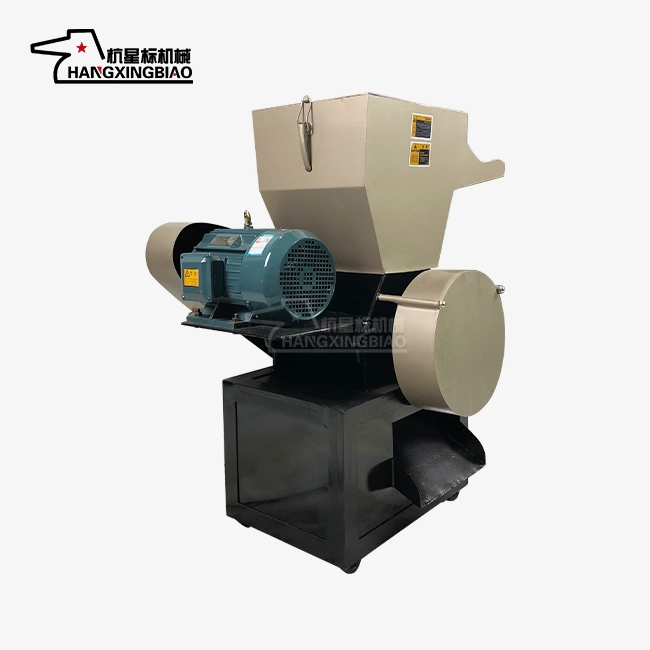
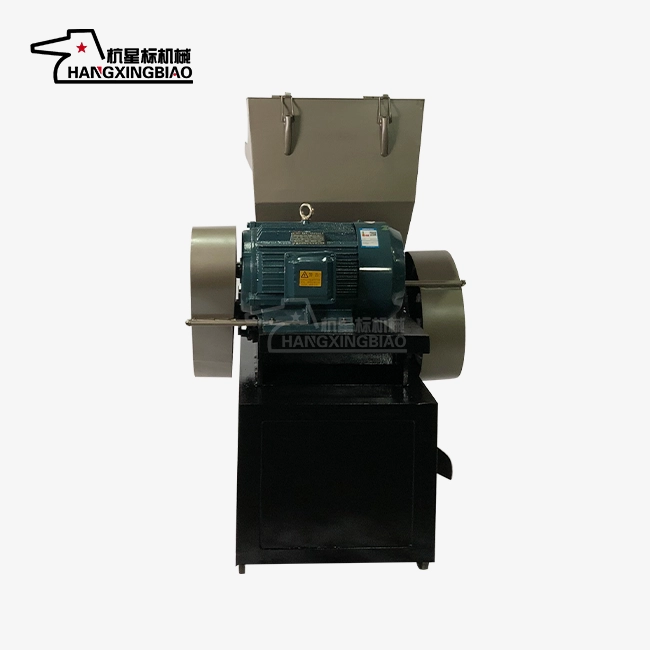
Plastic shredder Benefits: Save Costs & Boost Sustainability
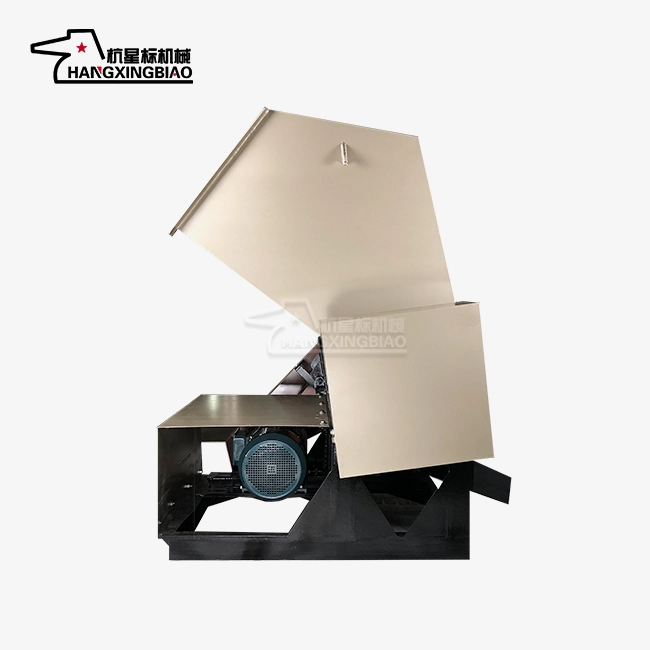
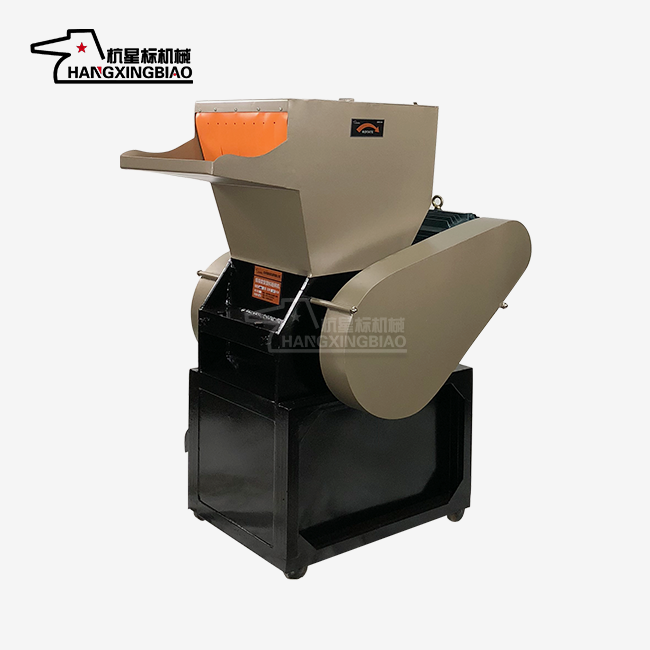
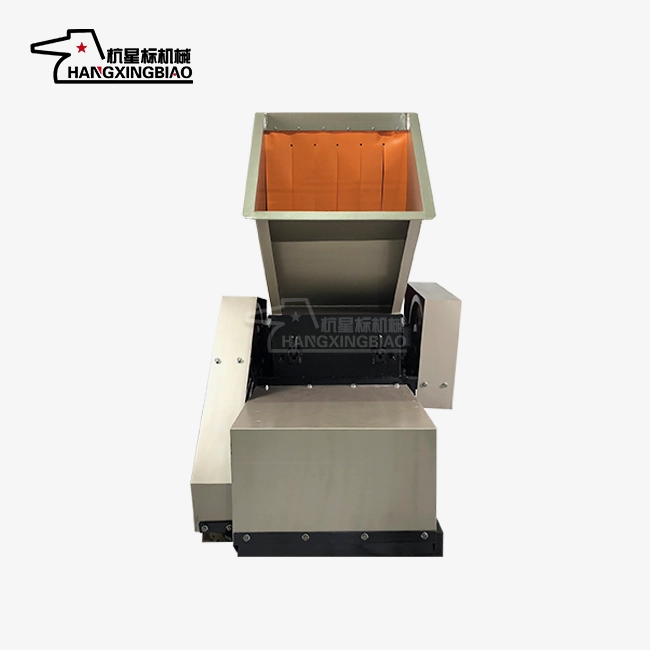
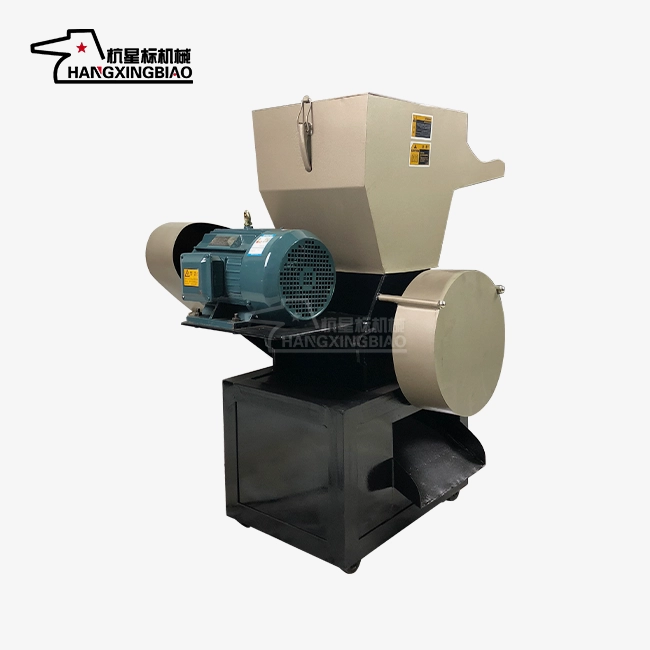
A Plastic shredder turns problems with managing waste into business possibilities by turning trash into resources that can be used again. By recovering materials, these tools do two good things at once: they lower running costs and help reach environmental sustainability goals. Modern shredding equipment does more than just reduce the size of documents. It now offers complicated production solutions that meet the needs of manufacturing, recycling, and industrial sectors. This makes them essential investments for companies that want to run efficiently and responsibly.
Understanding Plastic Shredders and Their Core Benefits
Plastic shredder technology has changed how businesses deal with plastic trash, turning problems with dumping into chances to make money. Through exact cutting, tearing, and shearing actions, these tools break down plastic into smaller, more regular pieces. The process gets the materials ready for further steps like washing, granulating, extruding, and pelletizing. This makes closed-loop systems that use resources efficiently and reduce waste.
Different Shredder Types for Varied Applications
A center rotor and a hydraulic pusher work together in a single-shaft shredder to feed material into the cutting chamber, where sharp blades cut it into uniform pieces. This design works great with flat plastics like HDPE lines, PVC profiles, and injection-molded parts. Single-shaft types are good for small and medium-sized businesses that want consistent performance without spending a lot of money on equipment. They strike a good mix between throughput, consistency, and cost.

Breaking Traditional Equipment Limitations
Xingbiao's creative designs go beyond the limitations of traditional single-material adaptation. Plastic, rubber, wood, paper, cloth, foam, traditional Chinese medicine, grain, feed, non-corrosive chemical raw materials, fruit and veggie residues, and waste cartons are just a few of the non-metallic materials that our tools can easily handle. Our tools can reliably do coarse and medium crushing processes above 2mm, no matter what shape the materials are in: block, flake, fiber, or other odd shapes.
How Plastic Shredders Save Costs and Improve Operational Efficiency
Cost reduction is what drives choices to adopt in both the production and recycling sectors. Plastic shredder technology saves money in a number of ways that work together to make the benefits bigger over the life of the equipment. Knowing these ways to save money helps to explain capital spending and make accurate predictions about when returns will happen.
Reducing Disposal and Transportation Expenses
Cutting down on volume is the most direct way to save money. By breaking up big pieces of plastic trash into smaller, easier-to-handle pieces, shredding greatly reduces the amount of room needed for storage and transport. Companies say their dumping costs dropped by more than 60% after they put in shredding systems, since hauling fees are directly related to volume. Less trucking means less fuel use and less carbon pollution, which is good for both the earth and the bottom line.
Converting Waste into Valuable Raw Materials
This closed-loop method protects companies from uncertain product markets where the price of petroleum-based resin changes without warning. Through internal material movement, companies can keep their supply chains stable and plan their budgets more accurately. Manufacturers who handle faulty products, runners, and sprue materials save a lot of money because these clean, single-polymer streams don't need much work before they can be used again in production.
Extending Equipment Lifespan Through Proper Maintenance
Shredders last longer and work better when they are maintained regularly. Regular checks of the blades find wear patterns before they break in terrible ways. By replacing the cutting edges on a regular basis, you can keep housing parts from getting damaged, which would cost a lot more to fix. Lubrication schedules make sure that bearings and drive systems work within their design limits, which keeps them from breaking down too soon.
Boosting Sustainability with Plastic Shredders: Environmental and Business Impacts
Responsibility for the environment has gone from being a nice thing for companies to do to being a competitive must. Around the world, regulations are getting stricter on how to handle plastic trash, and customers and business partners look closely at a vendor's green practices when choosing one. Plastic shredder technology lets businesses honestly meet these needs while also doing good things for the environment.
Diverting Materials from Landfills
The most obvious environmental benefit is diverting trash from landfills. Every ton of plastic that is shredded and recycled keeps the same amount of trash from going to a dump for hundreds of years. Companies that keep track of sustainability measures say that after putting in place full shredding programs, trash diversion rates went over 80%. These changes directly help the company's environmental goals and give numbers for reporting on sustainability.

Recycling not only keeps plastic out of landfills, but it also keeps plastic from polluting nature areas. When things go through the right routes for processing, they can't get into rivers, oceans, or ecosystems and do long-term damage there. As scientists and regulators pay more attention to microplastic pollution, this barrier becomes more important as a safety measure. Responsible trash management, like shredding, gives you a defense when you have to deal with environmental reports or public attention.
Meeting Regulatory Compliance Requirements
The rules about the environment are getting stricter in all areas. Many states have laws called "Extended Producer Responsibility" that make producers pay for managing the end of life of their goods. Recycling laws in California and similar laws in Northeastern states set clear goals and punishments for not meeting them. Companies that have strong shredding and recycling systems can easily meet these requirements, staying out of fines and showing leadership in environmental issues.
Industry-specific standards make it even more important to follow the rules. When it comes to packaging trash, food and drink companies are closely watched, while automakers have to keep track of how many parts of their cars are recycled. Documentation of shredding systems shows how much trash is processed, where it goes, and what percentage of it is recovered. This kind of proof is being asked for more and more by regulators and licensing bodies.
Getting Circular Economy Projects Moving Forward
The ideas behind the circular economy change the way things are made from "take-make-dispose" models to systems that can be used again and again. By ending material loops, plastic shredders play a crucial role in facilitating this change. When businesses work together with recycling centers, the trash from one center is used as raw material for another, creating regional circular systems that are good for everyone.
New tools are making the rewards of sustainability even better. Energy-efficient drive systems use less electricity while they're running, and noise-dampening designs keep factories from becoming noisy places to work.
How to Choose the Right Plastic Shredder for Your Business Needs
Choosing the right equipment has a huge impact on how well a business runs and how much money it makes. Mismatched specifications lead to poor performance, too much upkeep, and replacement before it's time, all of which are expensive mistakes that can be prevented by using systematic review methods. Professionals in procurement need to make sure that the capabilities of machines are in line with what the business needs, the properties of the materials, and growth forecasts for the Plastic shredder they select.
Matching the Size of the Equipment to the Scale of Production
Baseline capacity needs are set by throughput requirements. Large to medium-sized factories that deal with constant amounts of scrap from injection molding or extrusion lines need models with a lot of space and strong duty cycles. Xingbiao's large-diameter crushers can handle large amounts of material while keeping consistent output quality. They work well with basic production equipment to process scrap in real time.
Standard models that can handle different types of input without a lot of change are useful for small to medium-sized recycling businesses that deal with a variety of materials. These facilities look for tools that can easily switch between different batches of materials, putting adaptability over maximum output. Cost-effectiveness is still very important for businesses with limited funds, so value-oriented solutions with low upkeep needs are the best options.
Looking at the technical details and performance features
Processing power is directly related to motor power. Higher horsepower lets you move tougher materials and bigger things, but it also costs more and uses more energy. By matching motor specs to the real properties of the material, you can avoid spending too much on capacity that you don't need and make sure that you have enough power for tough jobs. The arrangement of the blades affects the size and consistency of the particles that come out, which are important factors when processes further down the line need specific material measurements.
The durability of tools depends on how long they can be used continuously. High-strength steel plates with stress-relief treatment are used by Xingbiao. This keeps the plates from deforming over time. Core blades are made from SKD-11, D2 mold steel, and Cr12MoV special steels that have been vacuum-heated and processed at very low temperatures. Compared to regular blade materials, these are much harder and less likely to wear down, so they last longer and need to be replaced less often.
Looking at how well suppliers can help and provide services
The buying of equipment is more of a long-term relationship than a one-time deal. When looking at a supplier, you need to think about the guarantee terms, the availability of extra parts, and how quickly the technical support team responds. Xingbiao's commitment to full service includes answering questions 24 hours a day, 7 days a week, helping with installation, teaching operation, making regular follow-up visits, and keeping an inventory of extra parts. This full-process support, which includes advice before the sale and promise after the sale, lowers production risks and safeguards capital investments.
The ability to customize models meets specific operating needs that standard models can't meet. Customized solutions are helpful for places that work with big items, materials that get jumbled up easily, like films and woven bags, or special tasks. With 20 top engineers and industry-university research partnerships with companies like Nongfu Spring and KFC, Xingbiao has been a specialist in breaking equipment for 30 years. This expertise helps them come up with new designs that solve problems that other suppliers can't solve as well.

Best Practices for Plastic Shredder Operation and Maintenance
The efficiency and life of equipment depend a lot on how well it is used and maintained. Machines that are well taken care of last for decades, while machines that aren't taken care of break down early and require a lot of downtime. Setting up thorough procedures for each Plastic shredder protects investments and makes sure that output capabilities are always the same.
Putting safety rules into action and training operators
Safety at work is the most important thing when using a shredder. Comprehensive training programs teach workers how to use machines, spot hazards, and handle emergencies. During normal activities, safety glasses, hearing protection, and the right clothes keep people from getting hurt. When emergency stop systems are placed in easy-to-reach places, they can be turned off right away if something goes wrong, keeping people and equipment safe.
Using lockout/tagout methods during maintenance keeps machines from starting up by mistake while techs are working on them. Clear communication rules make sure that everyone knows what's going on with the tools and can safely organize activities. Building a safety culture through training and repetition lowers the number of accidents that happen and makes the business run more efficiently overall. This is because workers who are confident in safety practices focus on doing a good job instead of trying to avoid accidents.
Setting up regular maintenance schedules
Preventive repair plans make equipment last a lot longer. Regular checks of the blades show wear patterns that need care before the cutting performance starts to lose its edge. Quick repair protects output quality and keeps drive parts from being overworked. Lubrication schedules make sure that bearings, gears, and other moving parts work easily, which cuts down on friction-related wear and heat production.
When material gets stuck, methods for moving jams cut down on downtime as much as possible. Knowing how materials move helps workers spot situations that are likely to lead to jams, so they can take action before they happen. Xingbiao's open-access designs make it easy to quickly check and clean tools, so when production is interrupted, they can get back to work quickly. Detailed maintenance logs keep track of service activities, part changes, and performance trends. This information is useful for figuring out the best time for maintenance and guessing how long a part will last.
Improving operational procedures to make equipment last longer
Correct operating methods have a big effect on how long technology lasts. Cutting devices and drive systems don't have to deal with too much stress when material is fed at the right rate. Material checking before handling gets rid of things that shouldn't be there—metal contaminants, oversized pieces, or materials that don't meet the equipment's requirements.
When manufacturers work together, customers can get expert help and technology support that speeds up the troubleshooting process. When strange things happen or speed issues come up, talking to tech teams directly leads to faster answers than using general troubleshooting methods. Because Xingbiao has specialized in 30 years, our technical staff has seen almost every possible working situation. They can solve problems with a level of deep knowledge that general equipment sellers can't match.
Conclusion
The system for breaking plastic has clear benefits in terms of money, operations, and the environment. Cutting down on waste, recovering materials, and improving upkeep all save money and help a business make more money. At the same time, being environmentally friendly meets government standards and meets the demands of stakeholders. Strategically choosing equipment that fits the needs of the business guarantees peak performance, and following strict operating procedures makes the most of investment returns. Companies that use good shredding systems get an edge in markets that value resource efficiency and environmental responsibility more and more. These companies gain competitive advantages that go beyond instant cost measures and affect their brand image and long-term survival.

FAQ
What distinguishes shredders from crushers in plastic processing?
By cutting, splitting, and shearing, shredders break down materials into small, uneven pieces that can be recycled or used in other processes. Crushers use grinding and impact forces to make particles that are more regular, and they are often used at different stages of the working chain. Shredders are great at reducing the initial size of big or dirty materials, while crushers improve the size of materials that have already been handled. Being aware of these changes in function helps you choose the right tools for different tasks and places in the workflow.
What factors have the most impact on shredder capacity and throughput?
Processing speeds are greatly affected by the density, thickness, and amount of contamination of the material. The ideal capacity of a machine is based on things like its blade configuration, motor power, and the shape of its cutting chamber. In the real world, output is affected by how it is operated. When compared to thin films or soft plastics, harder materials and bigger cross-sections need more cutting force, which slows down the process. Making sure that the tool specs are right for the material profiles ensures that performance standards are reasonable.
Can shredders handle different kinds of plastic at the same time?
Modern equipment works well with mixed plastic streams, but material suitability needs to be thought about. Whether mixed processing makes sense depends on how well it handles contamination and freezing points that are close to each other. The advanced designs at Xingbiao can work with a wide range of non-metallic materials, such as foam, plastic, rubber, wood, paper, and cloth, in block, flake, fiber, or random shapes. This versatility gets rid of limits based on a single material, so facilities can handle different types of waste without having to change their tools. This makes operations much more flexible and investments much more efficient.
Ready to Transform Your Plastic Waste Management?
When Xingbiao delivers a crushing solution, we bring 30 years of specific knowledge to the table. As a company that only makes plastic shredders, we can offer well-built machines, use little energy, and can cut a wide range of materials. Our tech team has created solutions for Nongfu Spring, KFC, and other industry stars. They will use tried-and-true innovations to solve your unique operational problems.
Our large-diameter, high-power, standard, and custom crushers give you measurable performance whether you run a high-volume manufacturing plant that needs integrated production-line processing or a recycling center that deals with a variety of material streams. Contact our team at xingbiaocrusher@xingbiaocrusher.com to talk about your needs with experienced engineers who will give you honest advice, offer low prices, and help you with everything from choosing the right machine to installing it and making sure it stays in good shape. Work with a plastic shredder provider that cares about your business's growth and long-term goals.
References
1. Smith, J. Also, Anderson, K. (2022). Technology and economic analysis of recycling plastic in industry. Press for making things.
2. Agency for Environmental Protection (2023). Best Practices for Industrial Facilities for Handling Plastic Waste. Printing Office for the Government.
3. Chen, L. (2021). In the Journal of Manufacturing Technology (45(3)), 178–194, it is written about "Mechanical Properties and Durability of Industrial Shredding Equipment."
4. National Coalition for Recycling (2023). Using the circular economy in manufacturing in North America. Set of Industry Reports.
5. Martinez, R. Also, Thompson, D. (2022). A look at the pros and cons of Integrated Waste Processing Systems. 38(2), 412–428 in Industrial Economics Quarterly.
6. Williams, P. Sustainable manufacturing practices: choosing the right equipment and planning how to run the business. Publishers of Industrial Engineering.
Learn about our latest products and discounts through SMS or email