- English
- French
- German
- Portuguese
- Spanish
- Russian
- Japanese
- Korean
- Arabic
- Greek
- German
- Turkish
- Italian
- Danish
- Romanian
- Indonesian
- Czech
- Afrikaans
- Swedish
- Polish
- Basque
- Catalan
- Esperanto
- Hindi
- Lao
- Albanian
- Amharic
- Armenian
- Azerbaijani
- Belarusian
- Bengali
- Bosnian
- Bulgarian
- Cebuano
- Chichewa
- Corsican
- Croatian
- Dutch
- Estonian
- Filipino
- Finnish
- Frisian
- Galician
- Georgian
- Gujarati
- Haitian
- Hausa
- Hawaiian
- Hebrew
- Hmong
- Hungarian
- Icelandic
- Igbo
- Javanese
- Kannada
- Kazakh
- Khmer
- Kurdish
- Kyrgyz
- Latin
- Latvian
- Lithuanian
- Luxembou..
- Macedonian
- Malagasy
- Malay
- Malayalam
- Maltese
- Maori
- Marathi
- Mongolian
- Burmese
- Nepali
- Norwegian
- Pashto
- Persian
- Punjabi
- Serbian
- Sesotho
- Sinhala
- Slovak
- Slovenian
- Somali
- Samoan
- Scots Gaelic
- Shona
- Sindhi
- Sundanese
- Swahili
- Tajik
- Tamil
- Telugu
- Thai
- Ukrainian
- Urdu
- Uzbek
- Vietnamese
- Welsh
- Xhosa
- Yiddish
- Yoruba
- Zulu
How to Optimize Industrial Crusher Performance and Output?
Optimizing an industrial crusher involves strategic assessment, proactive maintenance, and smart technology integration. Peak performance hinges on understanding throughput rates, energy consumption patterns, and operational bottlenecks that limit productivity. Modern industrial crushers equipped with advanced blade designs and optimized motor systems can increase efficiency by over 20% while reducing energy costs. Material characteristics—whether processing rigid plastics or fibrous waste—require tailored approaches to crushing parameters. Regular performance audits combined with predictive maintenance protocols ensure consistent output quality and extended equipment lifespan, directly impacting your bottom line.
Assessing Current Crusher Performance and Identifying Bottlenecks
Understanding where your equipment stands today forms the foundation for meaningful improvements. Without accurate performance data, you're essentially operating blind, unable to pinpoint specific issues draining efficiency from your operations.

Key Performance Indicators That Matter
Throughput capacity tells you how much material your crusher can break down in an hour, which is directly related to your production goals. How much energy your equipment uses per tonne of stuff handled shows how well it works or how much it loses. Tracking equipment downtime finds trends that point to bigger technical problems that need fixing. The uniformity of particle size shows if your crusher meets the quality standards needed for the processes that come after it. Monitoring these measures gives you a starting point to compare against after you've put optimisation methods into place. A lot of sites find that they're only working at 60–70% of their ideal capacity because they never took regular measurements of performance.
Common Bottlenecks Limiting Output
Blades that are worn out are the most common thing that slows down breaking activities. When cutting edges get dull, it takes more energy to process the same amount of material, and the particles aren't all the same size. When material builds up, or feeding methods aren't done right, it can cause blockages that force unplanned shutdowns that affect your whole production schedule. Another problem is that the feed rate isn't always the same. Too much feeding can cause jams and motor strain, while too little feeding loses capacity and raises the cost of processing each unit. When screening systems aren't good enough, particles that are too big get through. This means that the material has to be reprocessed, which uses twice as much energy.
Diagnostic Methods for Precision Issue Identification
Visual checks done on a regular basis find clear problems like broken frames, loose nuts, or too much shaking before they get worse and cost a lot to fix. Real-time sensor data keeps an eye on the temperature, shaking, and power use of motors all the time, letting workers know about problems that a person might miss. Pure data alone for an Industrial crusher can't give you the useful information that operator comments can. The person who works in your crusher every day hears small changes in the way it sounds, how the material flows, and how it acts that show problems are starting to appear. Structured feedback meetings make it possible to record this first-hand information before small issues turn into big breakdowns.
When you combine these testing methods, you get a full picture of the health of the machine and any performance gaps that need to be fixed.
Maintenance and Operational Best Practices to Boost Efficiency
Equipment longevity and consistent performance depend heavily on maintenance discipline and operational protocols that prevent problems rather than simply reacting to failures.
Scheduled Maintenance Components
Bearings and moving parts work smoothly thanks to lubrication plans that are based on what the maker says and how the machine is actually used. Compared to cheap options, high-quality oils greatly reduce friction, get rid of heat, and make parts last a lot longer. Replacing spare parts before they break completely stops unplanned downtime that throws off production plans. Instead of waiting for catastrophic failure, critical wear parts like blades, screens, and bearings should be logged and changed based on usage hours or eye inspection criteria. Calibration on a regular basis makes sure that the safety systems, feed rates, and motor speeds all work as they should. Calibration drift happens slowly, so it's important to check the factors of performance on a regular basis. These basic maintenance tasks build the stability that more complex optimisation methods are built on top of. Basic upkeep that isn't done can ruin even the best attempts to improve efficiency.

Practical Troubleshooting Techniques
Overheating usually means that there isn't enough oil, airflow is blocked, or the motor is overloaded because the blades aren't being fed properly or are dull. Instead of just cooling the equipment, getting to the root of the problem stops problems from happening again and motor damage from happening. Noise patterns that aren't normal can be caused by loose parts, worn bearings, or material hitting the walls of the building in the wrong way. Different sound frequencies indicate different problem areas. For example, high-pitched screaming means that the bearings aren't working right, while shaking means that nuts or parts are loose. Rotors that aren't adjusted, old bearings, or problems with the structure's positioning can all cause too much shaking. Vibration analysis tools can find the exact frequencies and amplitudes that show how a failure is happening. This lets you fix the problem in a way that makes it work smoothly again. Getting your workers better at fixing cuts down on reaction time and production interruptions when problems happen.
Safety Protocols and Training
Personal protective equipment (PPE) like safety glasses, hearing protection, gloves, and steel-toed boots keep workers safe while they do normal maintenance and operation tasks. Lockout/tagout methods keep equipment from starting up by mistake during maintenance, which gets rid of the risk of major injuries from moving parts. Full training for operators includes the right way to feed, how to shut down in an emergency, and how to fix simple problems. Staff who are well-trained notice danger signs earlier, use tools more efficiently, and get hurt less often than staff who aren't well-trained. Maintenance agreements with professional service providers add to what your company can do by giving you access to specialised knowledge for difficult fixes and regular thorough checks that catch problems that your team might miss.
Choosing the Right Crusher Type for Optimal Performance
Equipment selection fundamentally determines what performance levels become achievable. Matching crusher capabilities to material characteristics and throughput requirements establishes the ceiling for optimization efforts.
Overview of Main Crusher Types
By putting pressure on hard, coarse materials between set and moving plates, Industrial crusher jaw crushers are great for initial breaking. Their strong design lets them handle large feed sizes, but the product they make is usually rougher, making it good for additional processing. Through constant crushing action inside a cylindrical cylinder, cone crushers produce smaller particles. This makes them perfect for secondary and third crushing tasks that need uniform grade. Impact crushers use high-speed rotor contact instead of compression to make cubic particles, which are great for making aggregates and other uses that need specific particle forms. Hammer mills grind things fine by hitting them over and over with moving hammers. They are better at handling soft materials and making particles smaller than designs that use compression.
Material Characteristics Versus Throughput Needs
To keep up output without too much blade wear, strong cutting shapes and high-torque motors are needed for hard plastics like injection-molded parts. Soft materials, like films and knitted bags, need special designs to keep them from wrapping around wheels and getting stuck, which slows down production a lot. Fibrous trash is hard to deal with because it needs to be cut with a lot of force and have enough room in the chamber to avoid bridges and jams. Mixed material lines need tools that can handle a range of conditions without needing to be adjusted often or losing their effectiveness. The amount of moisture in a material changes how it flows and how it crushes. Wet materials tend to stick together, so different screen designs and maybe even warming rooms are needed to keep processing rates steady. If you know these material-specific requirements, you can choose equipment that is made for your unique materials instead of general specs that might not work well with your trash streams.
Energy Consumption and Noise Control Features
Variable frequency drives adjust the motor speed based on the current load. This saves energy during times of low load, when the motor would otherwise be running at full speed regardless of need. Energy-efficient motors that meet high efficiency standards work just as well as regular motors but use 3–8% less power, which saves a lot of money over the course of several years of use. Noise-reduction features, such as sound barriers and pressure dampening, protect workers' ears and make sure that safety rules are followed. Equipment that is quieter can also be put closer to production areas without affecting operations that are going on next to it.

Implementing Advanced Technologies to Enhance Crusher Output
Technology integration transforms crushing from a mechanical process into a smart, adaptive operation that continuously optimizes itself for maximum efficiency and minimal waste.
Automation and Real-Time Monitoring Systems
IoT sensors built into breaking equipment keep real-time records of the motor current, bearing temperature, shaking magnitude, and output rates. This constant flow of data lets problems be fixed right away, before they lead to crashes or quality issues. Predictive maintenance platforms look at trends in sensor data to predict when parts will break weeks before they do. They then schedule fixes for planned downtime instead of having to deal with problems that happen out of the blue and stop production at inconvenient times. Automated feed control systems change the amount of material that goes in based on the load on the motor and the level of filling in the chamber. This increases output while avoiding overflowing, which can lead to jams and extra wear. This optimisation happens all the time without any help from an expert, keeping the peak efficiency even when materials change. When factors move out of their ideal ranges, operators are notified. This lets them make proactive changes that keep performance levels at levels that could not be maintained with human tracking alone. Dashboards make complicated info easy to understand so that decisions can be made quickly.
Energy-Efficient Motors and Design Innovations
Variable frequency drives change the motor speed based on the load needs at any given time, instead of going at full speed all the time, no matter what. Processing light materials more slowly saves energy and increases the life of parts by lowering the mechanical stress on them. Energy recovery systems use waste heat or rotational energy to make other parts of your building more productive. This makes the whole business more efficient, not just the breaking process. New blade shapes and chamber designs lower resistance while keeping cutting efficiency high, allowing for higher flow with motors that are already in use. Optimised material flow lines reduce turbulence and backflow, which lose energy and don't help the breaking action. These new ideas give investors great returns because they lower energy costs and boost output from equipment that is already in place. A medium-sized recycling center that processes 10 tonnes of trash every day could save $2,000 to $4,000 a year just by making their energy economy better, while at the same time increasing their output by 15 to 25 percent.
Procurement Strategies for Industrial Crushers to Maximize ROI
Smart procurement extends beyond finding the lowest purchase price. Total cost of ownership over the equipment's operational life determines actual financial impact on your business.
Understanding Total Cost of Ownership
The price of the tools at the start is only one part of its total costs. Installation costs, such as electricity work, preparing the ground, and connecting to existing material handling systems, add up right away and depend a lot on how the building is set up and what the crusher needs. Replacement parts, fluids, regular service, and eventually rebuilding of parts for an Industrial crusher are all things that add up to maintenance costs over the life of an asset. These ongoing costs can be cut by using equipment that is easy to maintain. This is because it means faster service and longer breaks between big repair events. Warranty coverage shields against early breakdowns and flaws in the manufacturing process, shifting the financial risk to the maker during the coverage time. Full guarantees show that the company that made the product is confident in its durability and help keep costs down during the first few years of use. The amount of energy used over the course of 10 to 15 years of use is often more than the cost of buying the tools in the first place. Just 15% less energy-using equipment than options saves thousands of dollars a year, which adds up to big benefits over time that far outweigh any differences in the initial cost.
Evaluating Manufacturers and OEM Benefits
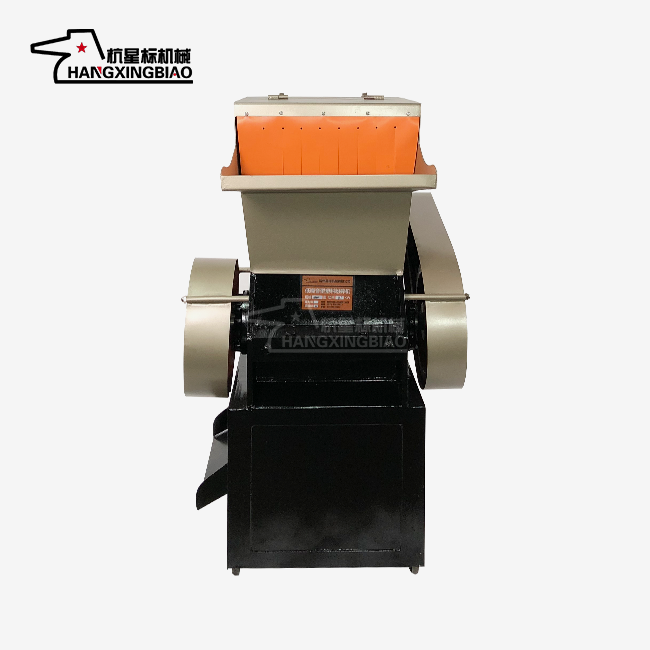
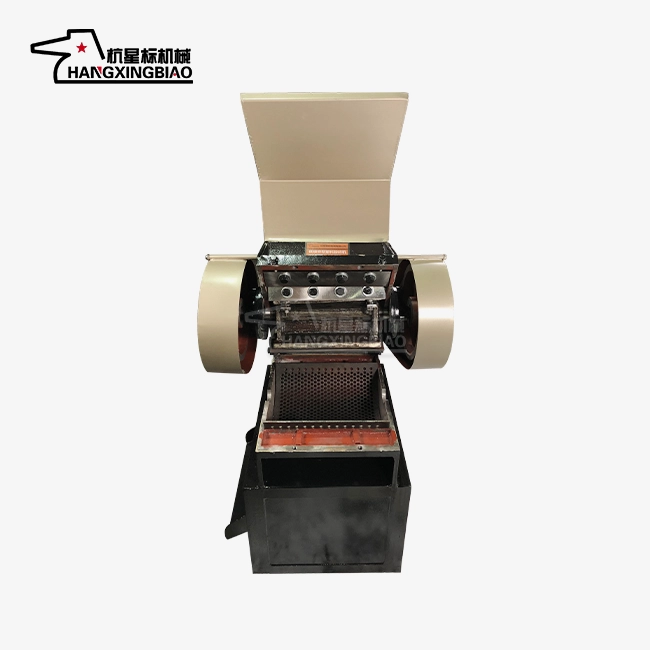
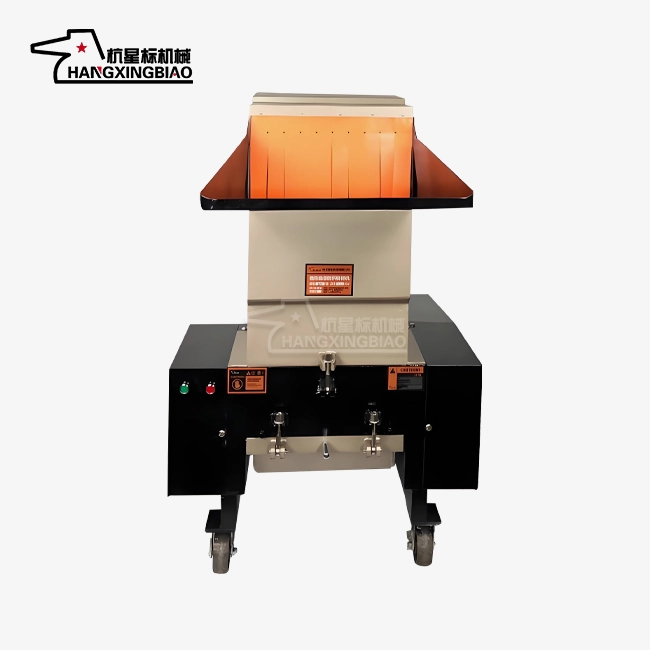
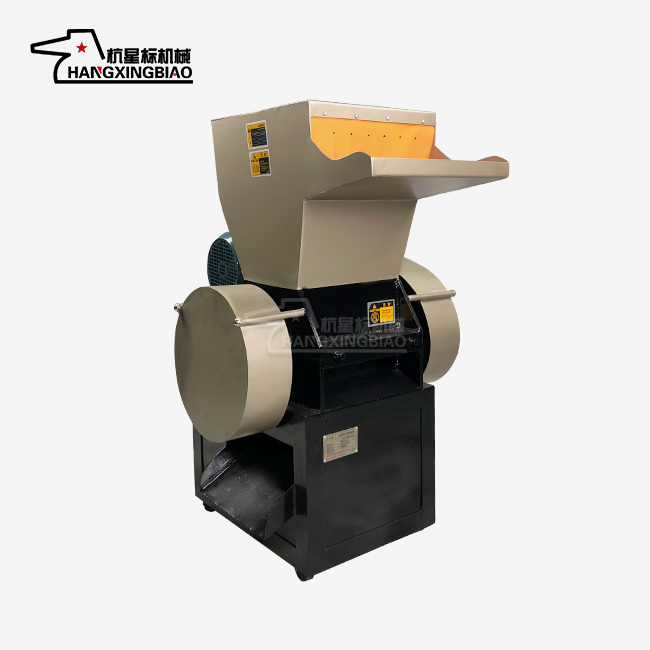
Manufacturers that have been around for a long time and have been specialising for decades bring a level of deep knowledge that general equipment sellers can't match. Hangzhou Xingbiao Machinery Co., Ltd. is a good example of this focused expertise method because it has spent 30 years improving the design and production of plastic crushers and not expanding into other types of equipment. Customisation lets you get equipment that is perfectly matched to your specific material properties and output needs, instead of having to settle for stock setups that don't work well for certain tasks. Custom solutions that deal with problems like trash that is very twisted or odd mixtures of materials give results that aren't possible with off-the-shelf options. The level of technical help changes a lot from one provider to the next. When choosing, installing, and running something, having responsive tech help stops mistakes that cost a lot of money and speeds up problem-solving when they do happen. We promise reaction times 24 hours a day, 7 days a week, because we know that downtime costs you money every hour that your equipment isn't being used.
How quickly you can fix problems with broken parts depends on how easy it is to get replacement parts. Manufacturers who keep large stockpiles can ship important parts within days instead of weeks, which keeps production from stopping for unplanned problems.

Best Practices for B2B Procurement
Supplier credential verification protects against unreliable vendors that deliver substandard equipment or disappear when warranty claims arise. Established business registrations, industry certifications, and customer references provide confidence you're partnering with legitimate, capable manufacturers. Detailed specifications prevent misunderstandings about equipment capabilities and performance expectations. Clear documentation of throughput rates, particle size ranges, power requirements, and material compatibility creates shared understanding that avoids disappointment after delivery. Logistics planning ensures equipment arrives undamaged and on schedule. International shipments require careful coordination of freight forwarding, customs clearance, and final delivery to your facility. Experienced manufacturers handle these complexities routinely, simplifying the process for buyers.
Conclusion
Optimizing crusher performance requires comprehensive attention spanning equipment selection, maintenance discipline, operational protocols, and technology integration. Systematic performance assessment identifies specific bottlenecks limiting your current output, while targeted improvements address root causes rather than symptoms. Proactive maintenance and operator training create operational stability that advanced technologies build upon. Strategic procurement decisions considering total ownership costs rather than just purchase price establish the foundation for long-term success. Material-specific equipment matching ensures capabilities align with actual processing requirements. Organizations implementing these integrated optimization strategies consistently achieve 20-30% performance improvements while reducing energy consumption and extending equipment life, delivering compelling returns on invested time and resources.
FAQ
How often should maintenance be performed to sustain peak crusher performance?
Maintenance frequency depends on operating intensity and material characteristics. Daily visual inspections catch obvious problems early, while weekly lubrication maintains bearing health under normal operating conditions. Blade inspection every 200-300 operating hours identifies wear requiring attention before performance degrades significantly. Comprehensive mechanical inspections quarterly verify structural integrity and identify developing issues. Heavy-duty operations processing abrasive materials require more frequent attention than lighter-duty applications. Establishing maintenance schedules based on actual operating hours rather than calendar intervals provides more accurate service timing aligned with real equipment wear.
What criteria influence choosing between different crusher types?
Material hardness, particle size requirements, and throughput volume represent the primary selection criteria. Hard, rigid plastics suit compression-based designs, while soft, fibrous materials require specialized cutting systems preventing entanglement. Target particle sizes below 5mm often require hammer mills or specialized fine-reduction equipment, whereas coarser output accommodates simpler crusher designs. Available facility space, power supply capacity, and noise restrictions also influence equipment selection, particularly in urban locations or multi-use facilities.
Do energy-efficient models justify higher upfront costs?
Energy-efficient equipment typically recovers cost premiums within 2-4 years through reduced utility expenses, particularly for operations running multiple shifts or processing large volumes. Equipment consuming 8-12 kWh per ton versus 15-20 kWh for standard designs saves $700-$1,400 annually per ton of daily capacity at typical industrial electricity rates. These savings compound over 10-15 year operational lives into substantial advantages exceeding initial cost differences. Environmental compliance benefits and potential utility rebates for efficient equipment further improve financial returns.
Partner With Xingbiao for Industrial Crusher Excellence
Optimizing your crushing operations starts with choosing the right equipment partner. Hangzhou Xingbiao Machinery Co., Ltd. brings three decades of specialized expertise exclusively focused on crusher technology, making us rare specialists in an industry filled with generalists. Our engineering team collaborates with major corporations including Nongfu Spring and KFC, developing solutions addressing real-world challenges in demanding industrial environments.
We manufacture crushers handling virtually all non-metallic materials—plastics, rubber, wood, paper, fibers—with particle size flexibility from 2-50mm meeting diverse application requirements. Our heavy-duty models process large components and profiles, while specialized soft material designs solve entanglement issues plaguing standard equipment. Energy consumption of just 8-12 kWh per ton and blade life supporting 3-5 regrinds deliver operational economics that directly improve your profitability.
Contact our team at xingbiaocrusher@xingbiaocrusher.com to discuss your specific requirements with experienced applications engineers who understand your industry challenges. Whether you need an industrial crusher manufacturer for custom solutions or standard models ready for immediate deployment, we provide comprehensive support from selection through installation and ongoing operation. Visit www.xingbiaocrusher.com to explore our complete equipment range and discover how specialized expertise translates into measurable performance advantages for your operation.
References
1. Mitchell, R.D. & Thompson, K.L. (2021). Industrial Size Reduction Equipment: Selection and Optimization Strategies. Manufacturing Technology Press.
2. Anderson, P.J. (2020). "Predictive Maintenance in Material Processing: ROI Analysis and Implementation Guidelines." Journal of Industrial Equipment Management, 34(2), 145-168.
3. Chen, W. & Rodriguez, M. (2022). Energy Efficiency in Size Reduction Operations: Technologies and Best Practices. Industrial Engineering Publishers.
4. National Safety Council. (2021). Safety Protocols for Industrial Crushing Equipment: Compliance and Training Standards. NSC Industrial Division.
5. Williams, T.A., Davis, S.R., & Park, J.H. (2023). "Material Characteristics and Crusher Selection: A Comprehensive Framework." International Journal of Recycling Technologies, 18(1), 67-89.
6. Foster, D.M. (2022). Total Cost of Ownership Analysis for Industrial Processing Equipment. Equipment Procurement Institute.
Learn about our latest products and discounts through SMS or email