- English
- French
- German
- Portuguese
- Spanish
- Russian
- Japanese
- Korean
- Arabic
- Greek
- German
- Turkish
- Italian
- Danish
- Romanian
- Indonesian
- Czech
- Afrikaans
- Swedish
- Polish
- Basque
- Catalan
- Esperanto
- Hindi
- Lao
- Albanian
- Amharic
- Armenian
- Azerbaijani
- Belarusian
- Bengali
- Bosnian
- Bulgarian
- Cebuano
- Chichewa
- Corsican
- Croatian
- Dutch
- Estonian
- Filipino
- Finnish
- Frisian
- Galician
- Georgian
- Gujarati
- Haitian
- Hausa
- Hawaiian
- Hebrew
- Hmong
- Hungarian
- Icelandic
- Igbo
- Javanese
- Kannada
- Kazakh
- Khmer
- Kurdish
- Kyrgyz
- Latin
- Latvian
- Lithuanian
- Luxembou..
- Macedonian
- Malagasy
- Malay
- Malayalam
- Maltese
- Maori
- Marathi
- Mongolian
- Burmese
- Nepali
- Norwegian
- Pashto
- Persian
- Punjabi
- Serbian
- Sesotho
- Sinhala
- Slovak
- Slovenian
- Somali
- Samoan
- Scots Gaelic
- Shona
- Sindhi
- Sundanese
- Swahili
- Tajik
- Tamil
- Telugu
- Thai
- Ukrainian
- Urdu
- Uzbek
- Vietnamese
- Welsh
- Xhosa
- Yiddish
- Yoruba
- Zulu
Custom Plastic Bottle Crusher Solutions for Industry
Getting rid of plastic trash has become a major problem for American factories and recycling centers. A plastic bottle crusher isn't just a simple machine; it's a smart purchase that turns trash management from an expense into an opportunity to make money. These industrial-grade systems cut the amount of trash by up to 90%, breaking down big bottles into small, regular pieces that can be recycled or reused. With processing speeds of 50 to 2000 kg per hour and the ability to run nonstop for 24 hours, today's crushing equipment can be used in a wide range of settings, from small recycling plants to big factories that deal with tonnes of scrap every day.
Understanding Plastic Bottle Crushers in Industrial Applications
Plastic waste processing demands reliable equipment that delivers consistent results under demanding conditions. Understanding how these machines function helps businesses make informed decisions that directly impact operational efficiency and environmental compliance.
Core Functions and Working Principles
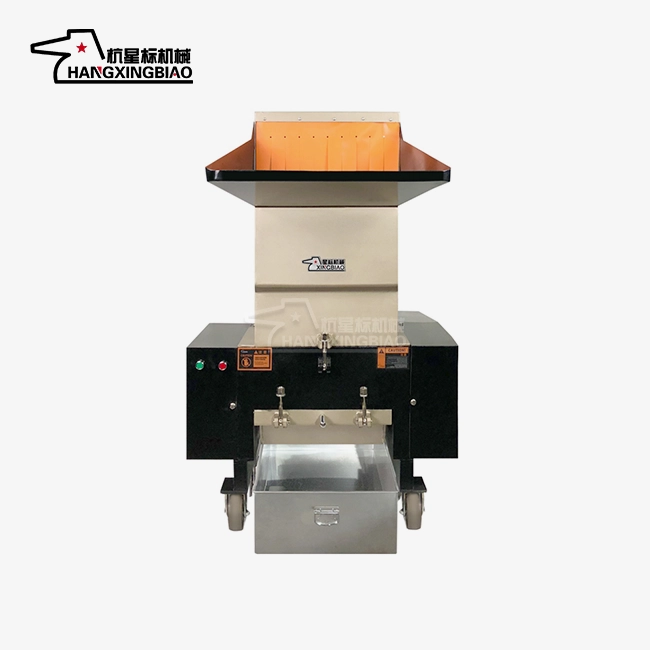
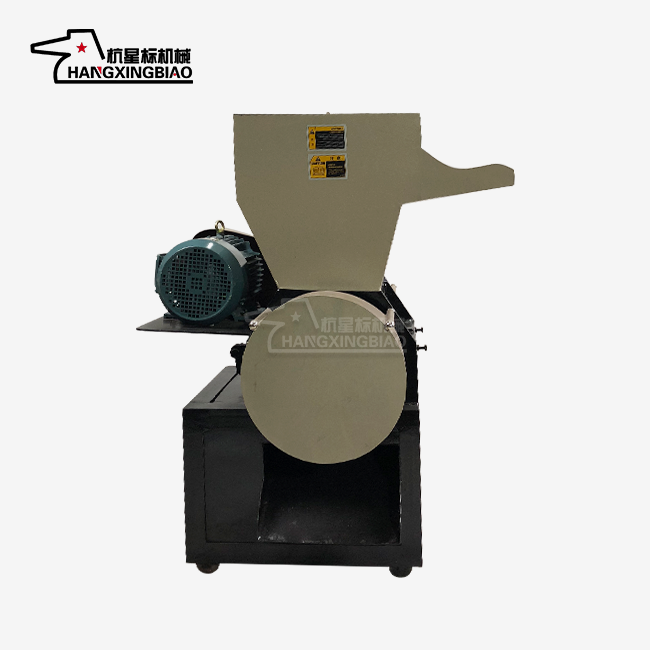
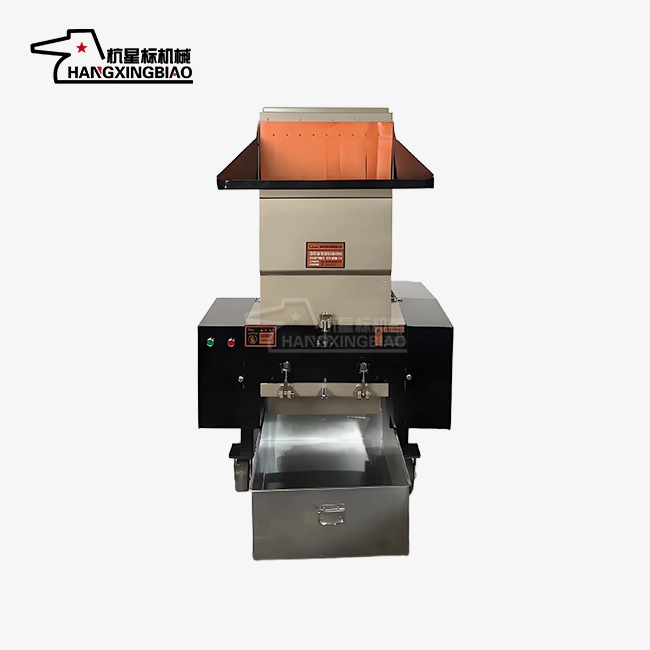
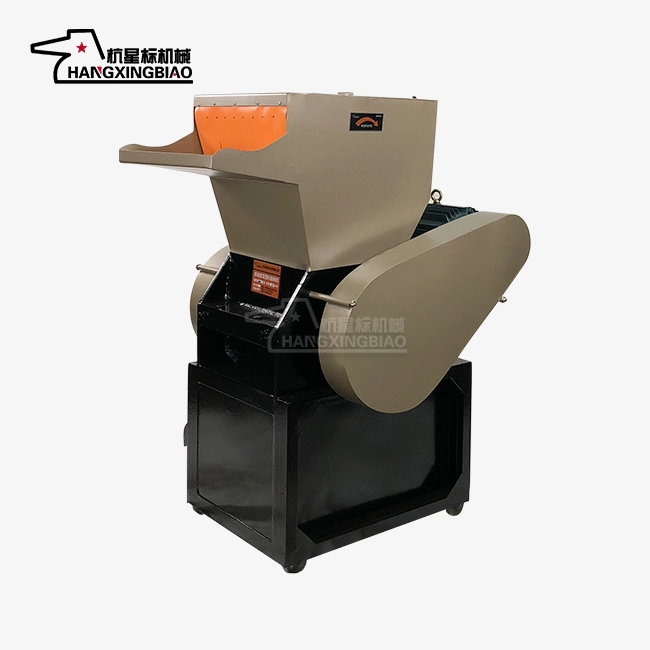
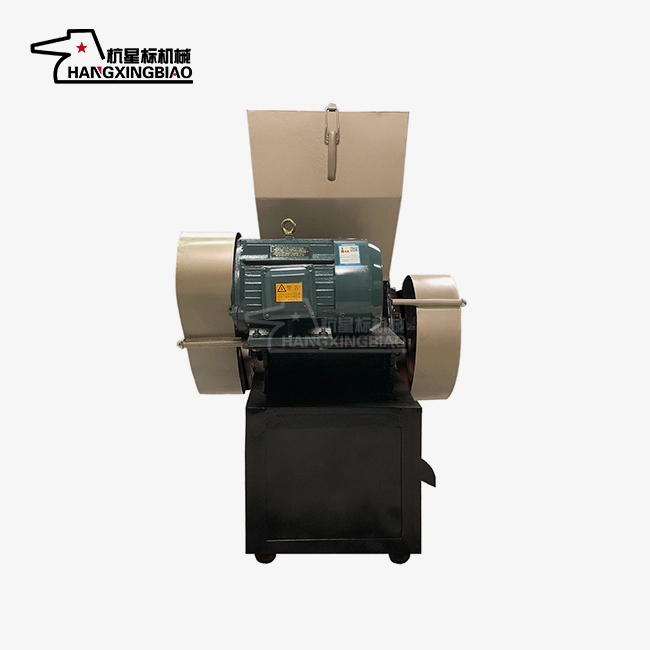
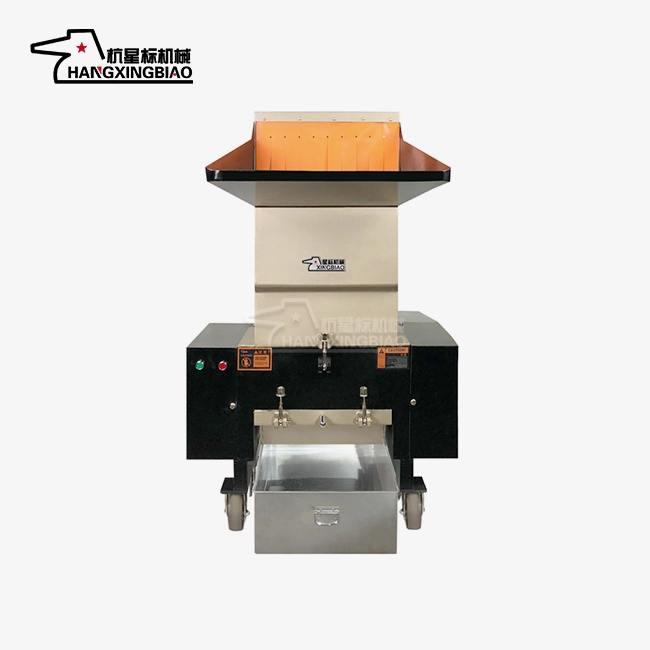
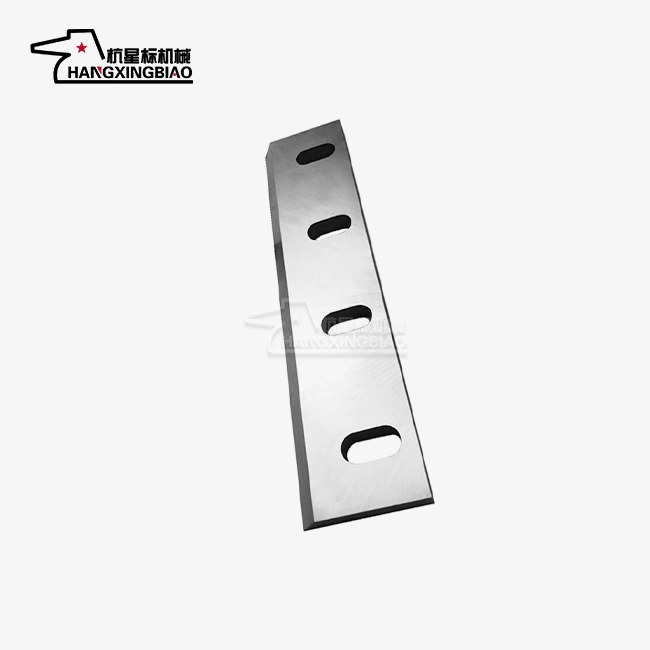
A breaking machine is made up of high-speed spinning blades made from special steel alloys such as SKD-11 and Cr12MoV. These blades cut and slice plastic through precisely designed holes. They break down bottles, containers, and other hard plastic items into controlled particle sizes. The material goes into a filling bin and meets the blade assembly, which is spinning at the right speed. This mechanical action breaks chemical bonds in the plastic structure, making uniform pieces that can go through different screening screens ranging from 2 mm to 100 mm, based on what needs to be done next. Modern industrial systems have several important parts: a strong steel-welded frame that can handle constant shaking; a strong motor that matches the needs of the processing; quick-change screen panels that let you change the particle size; and collection systems that keep material from being lost. The whole process takes place in a room that is completely sealed off. This keeps noise levels at or below 75dB and stops dust from spreading, which is an important factor for sites that have to follow strict environmental rules.

Equipment Categories and Capacity Differences
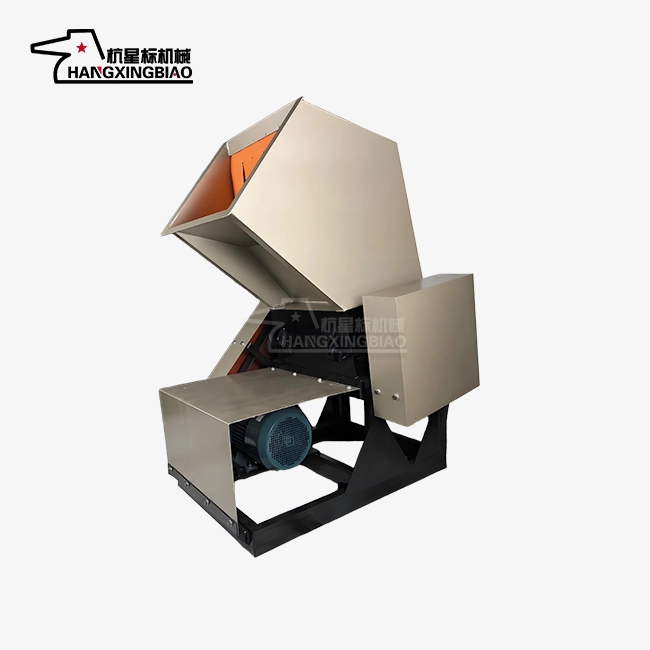
Different types of industrial breaking tools are used for different tasks. Standard crushers can handle a wide range of tasks. They can break down hard plastics like HDPE cases, PET bottles, and others at reasonable flow rates that are good for small to medium-sized recycling businesses. These units can handle different bottle sizes without needing to be changed a lot, which makes them a cost-effective choice for businesses that deal with a variety of trash streams. High-power crushers are used in factories to handle waste right away, while production lines are running. When put next to injection moulding machines, these units recycle running material, broken parts, and production trim in real time. This lets makers mix crushed material with new resin at up to a 50:50 ratio. This feature saves a lot of money on materials while keeping product quality standards high. Large-diameter crushers can handle large amounts of industrial trash, like pipes, profiles, and barrels that are too big to fit. Their larger hole sizes and stronger blade assemblies can handle materials with thick walls that would be too much for normal tools. Customised crushers are better because they are made to handle difficult materials like twisted films, woven bags, and stiff plastics that are hard for regular systems to handle well.
Environmental and Operational Advantages
Adding crushing systems to waste management plans has real benefits that go beyond just reducing the amount of garbage. Transportation costs drop by a huge amount when trash takes up 90% less room, which means that hauling services are used less often and less fuel is used. As the amount of stuff that needs to be stored decreases, valuable building space is freed up to be used for useful tasks instead of storing trash. The case for protecting the earth is just as strong. Processing plastic trash on-site cuts down on pollution caused by transporting it to faraway dumps. Crushed materials are used as raw materials in recycling processes, which supports the idea of a circular economy that turns trash into resources. This closed-loop method helps businesses meet ever-tougher green goals and show customers and partners that they care about the environment.
From an economic point of view, the benefits of a Plastic bottle crusher grow over time. Recycled plastic pellets are valuable on the market, which means that throwing them away could bring in money. Energy use in crushing operations is low—about 8 to 12 kWh per tonne processed—so the costs are good even for operations that work multiple shifts. These environmental and financial reasons make capital investments a good idea for companies that want to improve their trash management.
How to Choose the Best Custom Plastic Bottle Crusher for Your Industry Needs
Selecting appropriate equipment requires thorough evaluation of operational parameters, technical specifications, and supplier capabilities. The wrong choice leads to underperformance, excessive maintenance, and disappointing return on investment.
Assessing Throughput Requirements and Spatial Constraints
Start by doing exact estimates of the flow. Write down the types and weights of plastic trash your plant makes every day. A beverage bottling plant that makes 500 kg of PET waste per shift needs tools that can handle at least 250 kg of waste per hour in an acceptable amount of time. For factories that make things all the time, 800-1200 kg/hour devices might be needed to keep trash from building up. The physical area for installation is just as important. Check the available floor room, making sure to include areas for loading materials, upkeep, and placing collection containers. Height limits in current buildings may make it harder to get certain kinds of tools. A review of the utilities, such as the available electricity service, the need for air, and the structural floor loading capacity, can help keep installation costs from going over budget. Integration of the production line should be carefully thought out. When equipment is placed next to moulding machines to process scrap right away, it needs to have a small size and be quiet. When breaking is done centrally, bigger, more powerful units can handle large amounts of waste at once.
Evaluating Critical Machine Features
The choice of power source affects both efficiency and running costs. Three-phase electric motors are reliable and efficient for continual industrial use, but the amount of power they can handle must match the properties of the material. Cutting hard, rigid plastics takes more force than cutting soft films. Depending on production goals, motor specs can range from 5 to 75 horsepower. There are different levels of automation, from simple systems where you feed the material by hand to fully automatic ones that have a conveyor, metal recognition, and customisable settings. More technology means less work for people, but it costs more to start up. The right amount relies on how much work needs to be done and how many people are available.

Safety rules must be followed no matter what. OSHA requires that equipment have emergency stop controls, blade guards, and access doors that are linked and stop operation when opened. Built-in overload safety systems stop operations immediately when they find metal contaminants or conditions of overfeeding. This keeps workers safe and protects expensive blade sections from damage. Long-term running costs are directly affected by how easy it is to do maintenance. Compared to traditional designs, quick-access panels, blade sections that can be taken off, and easier screen changes cut downtime by 50%. Make sure that the seller has acceptable wait times for typical wear parts like blades, bearings, and screens.
Supplier Reliability and Service Considerations
Equipment is only half of the issue; long-term happiness depends on how well the provider supports the customer. Manufacturers should be judged on their knowledge and specialisation in the field. Hangzhou Xingbiao Machinery Co., Ltd. has been specialising in breaking technology for 30 years, which shows that they have a level of knowledge that other equipment sellers can't match. With this kind of specialised understanding, you can get better planning, ideas that work, and full expert help. Warranty coverage shows that the company that made the product is sure that it will last. Standard one-year warranties cover problems with the way the product was made, but longer warranties or performance promises show that the building was made with better quality materials. After-sales service, such as expert support, reaction times, installation help, operator training, and parts supply, is what sets good providers apart from average ones.
Ask for customer examples from businesses in the same industry and size as yours. Talking to current users gives you straight information about how well the equipment works, how reliable it is, and how quickly the seller is that sales materials never show. Site visits to sites that are already running show machines in their real-life settings, not just in idealised ones.
Optimizing Performance and Maintenance of Plastic Bottle Crushers
Equipment longevity and consistent performance depend on structured maintenance protocols and operational best practices that prevent problems before they disrupt production.
Routine Inspection and Preventive Maintenance
Establishing regular inspection schedules for a Plastic bottle crusher prevents minor issues from escalating into costly failures. Daily visual inspections should check for unusual vibration, abnormal noise patterns, and material buildup in the crushing chamber. Weekly examinations assess blade sharpness by inspecting particle quality—ragged, inconsistent fragments indicate dulling blades requiring attention. Monthly maintenance routines include bearing lubrication according to manufacturer specifications, belt tension verification on motor drives, and electrical connection inspections for signs of overheating or loosening. Quarterly deep cleaning removes accumulated dust and debris from motor housings and ventilation passages, preventing overheating that shortens component life.
Blade replacement timing depends on material characteristics and processing volumes. Hard, abrasive plastics dull blades faster than soft materials. Most operations require blade rotation or replacement every 500-1000 operating hours, though proper SKD-11 steel blades with vacuum heat treatment and cryogenic processing extend intervals significantly. Maintaining sharp blades reduces motor load, improves particle uniformity, and prevents excessive power consumption. Screen mesh integrity affects particle size consistency. Inspect screens for tears, enlargement of openings, or material buildup that blocks passages. Replace damaged screens immediately to maintain quality standards. Keeping spare screens on hand eliminates downtime waiting for replacement parts.

Operator Training and Safety Protocols
Well-trained operators prevent accidents and optimize equipment performance simultaneously. Comprehensive training programs should cover proper startup and shutdown procedures, appropriate feeding techniques that prevent overloading, and recognition of abnormal operating conditions requiring intervention. Personal protective equipment requirements include safety glasses to protect against ejected particles, hearing protection in operations exceeding 85dB, and appropriate gloves when handling materials or performing maintenance. Never remove or bypass safety guards and interlocks—these features exist because of documented accident risks.
Understanding material preparation improves results significantly. Remove metal caps, rings, and labels before crushing when possible, reducing contamination and blade damage. Feeding material at consistent rates prevents overloading that triggers automatic shutdowns. Avoid introducing wet or frozen materials that increase power requirements and reduce efficiency.
Performance Enhancement Strategies
Beyond routine maintenance, several strategies boost throughput and efficiency. Matching screen size to downstream processing requirements eliminates unnecessary fine crushing that wastes energy. A recycling operation requiring 10mm particles gains nothing from 5mm screens while consuming substantially more power. Consider blade geometry upgrades if processing challenging materials. Specialized blade profiles tackle tangled films and fibrous plastics more effectively than standard designs. Consulting with experienced suppliers like Hangzhou Xingbiao reveals optimization opportunities based on specific material characteristics.
Monitor power consumption trends to detect gradual performance degradation. Rising energy use for equivalent throughput often signals blade dulling, bearing wear, or motor issues requiring attention before complete failure occurs. Simple power meters provide this diagnostic information inexpensively.
Case Studies and Customer Experiences with Custom Plastic Bottle Crushers
Real-world implementations demonstrate the tangible benefits that proper equipment selection and supplier partnerships deliver to operations across diverse industries.
Manufacturing Environment Success Stories
A mid-sized injection molding manufacturer in Ohio faced escalating disposal costs from production scrap—runner material, startup rejects, and quality failures totaling 800 kg daily. Implementing a high-power beside-the-machine crusher from Xingbiao enabled immediate scrap processing and resin blending at 40% recycled content. Within six months, material costs decreased by $32,000 annually while disposal expenses dropped 85%. The quick-change screen system allowed particle size adjustment in under 10 minutes, accommodating different product requirements across multiple molding machines. A beverage contract packer processing various bottle sizes struggled with inconsistent crushing results from their aging equipment. Particle size variations caused downstream recycling complications and reduced material value. Upgrading to a customized large-diameter crusher with precision screening delivered 92% particle uniformity, increasing recycled material revenue by $0.08 per kilogram. The improved reliability—operating continuously for months without unscheduled downtime—eliminated production disruptions that previously cost thousands in labor inefficiency.
Supplier Support and Customization Capabilities
Equipment performance alone doesn't guarantee success; responsive support makes the critical difference when challenges arise. A recycling facility in Texas experienced persistent jamming when processing mixed plastic waste containing occasional aluminum cans. Xingbiao's engineering team analyzed the situation remotely, then traveled on-site to implement a customized metal detection and automatic reversal system. The modification eliminated jamming episodes while protecting expensive blade assemblies from damage. This level of technical problem-solving reflects the expertise that 30 years of specialization develops. Another operation required unusual particle specifications for a proprietary recycling process—7mm nominal size with minimal fines below 3mm. Standard screening options couldn't achieve these tight tolerances. Xingbiao fabricated custom screen assemblies and adjusted blade configurations for their Plastic bottle crusher to meet the specification, delivering equipment that performed exactly as needed. Such customization capability separates specialized manufacturers from commodity equipment suppliers.

Conclusion
Selecting and operating appropriate plastic crushing equipment directly impacts waste management costs, environmental performance, and resource recovery success for operations across manufacturing and recycling sectors. The combination of proper equipment specification, reliable supplier partnership, and structured operational practices creates sustainable competitive advantages that compound over years of operation. As regulatory pressures intensify and sustainability expectations grow, the strategic importance of efficient plastic waste processing continues increasing. Organizations that invest thoughtfully in crushing technology, support infrastructure, and operational expertise position themselves advantageously for long-term success in an increasingly resource-conscious industrial landscape.
FAQ
What distinguishes plastic bottle crushers from compactors in waste management applications?
Crushers reduce material size through cutting and shearing action, creating uniform particles suitable for recycling or reprocessing. Compactors compress material volume without size reduction, producing dense bales for transportation but not preparing material for manufacturing reuse. Crushing delivers higher value when material will be recycled; compaction suits disposal-focused operations prioritizing transportation efficiency.
How do safety regulations affect industrial crusher operation and what compliance requirements exist?
OSHA standards mandate emergency stop controls, blade guards preventing contact during operation, interlocked panels that disable machines when opened, and proper electrical grounding. Operators require training documentation, and facilities must maintain equipment inspection records. Built-in overload protection that automatically shuts down equipment when encountering metal contaminants addresses both safety and equipment protection simultaneously.
What cost advantages exist for bulk purchases or custom orders?
Volume purchasing typically yields 10-20% pricing reductions on multi-unit orders while custom engineering amortizes design costs across production quantities. Standardized modifications—specific screen sizes, motor configurations, or automation levels—cost substantially less than unique custom designs. Establishing relationships with specialized plastic bottle crusher manufacturers often unlocks priority service, extended warranties, and technical support advantages beyond simple price concessions.
Partner with Xingbiao for Superior Crushing Solutions
Transforming your plastic waste challenges into resource recovery opportunities starts with the right equipment partner. Hangzhou Xingbiao Machinery Co., Ltd. brings three decades of exclusive crushing technology expertise to your operation, delivering proven solutions that handle everything from small-scale processing to high-volume industrial demands. Our engineering team collaborates directly with your operation to specify equipment matching your exact requirements—throughput capacity, material characteristics, spatial constraints, and integration needs.
As a dedicated plastic bottle crusher manufacturer, we maintain comprehensive spare parts inventory, respond to technical inquiries within 24 hours, and provide installation guidance plus operator training that ensures optimal performance from day one. Our commitment extends beyond equipment delivery to long-term partnership supporting your evolving operational needs. Contact our specialists at xingbiaocrusher@xingbiaocrusher.com to discuss your specific requirements, request detailed specifications, or arrange a demonstration showing exactly how our crushing systems will perform with your materials under real operating conditions.
References
1. Smith, J.R. and Thompson, M.K. (2023). Industrial Plastic Waste Processing: Technologies and Best Practices. Manufacturing Engineering Press.
2. Anderson, L.P. (2024). Recycling Equipment Selection Guide for Modern Manufacturing Facilities. Industrial Sustainability Journal, 18(3), 142-167.
3. Chen, W. and Roberts, D.A. (2023). Comparative Analysis of Plastic Size Reduction Technologies in Industrial Applications. Polymer Processing Technology Quarterly, 29(4), 88-103.
4. Martinez, S.E. (2024). Economic Impact Assessment of On-Site Plastic Waste Processing Systems. Journal of Industrial Waste Management, 31(2), 201-219.
5. Federal Occupational Safety Standards for Industrial Crushing Equipment. (2023). U.S. Department of Labor, OSHA Publication 3170.
6. Williams, T.H. and Kumar, R.S. (2024). Emerging Trends in Sustainable Plastic Recycling Technologies. Environmental Engineering Advances, 15(1), 45-62.
Learn about our latest products and discounts through SMS or email