- English
- French
- German
- Portuguese
- Spanish
- Russian
- Japanese
- Korean
- Arabic
- Greek
- German
- Turkish
- Italian
- Danish
- Romanian
- Indonesian
- Czech
- Afrikaans
- Swedish
- Polish
- Basque
- Catalan
- Esperanto
- Hindi
- Lao
- Albanian
- Amharic
- Armenian
- Azerbaijani
- Belarusian
- Bengali
- Bosnian
- Bulgarian
- Cebuano
- Chichewa
- Corsican
- Croatian
- Dutch
- Estonian
- Filipino
- Finnish
- Frisian
- Galician
- Georgian
- Gujarati
- Haitian
- Hausa
- Hawaiian
- Hebrew
- Hmong
- Hungarian
- Icelandic
- Igbo
- Javanese
- Kannada
- Kazakh
- Khmer
- Kurdish
- Kyrgyz
- Latin
- Latvian
- Lithuanian
- Luxembou..
- Macedonian
- Malagasy
- Malay
- Malayalam
- Maltese
- Maori
- Marathi
- Mongolian
- Burmese
- Nepali
- Norwegian
- Pashto
- Persian
- Punjabi
- Serbian
- Sesotho
- Sinhala
- Slovak
- Slovenian
- Somali
- Samoan
- Scots Gaelic
- Shona
- Sindhi
- Sundanese
- Swahili
- Tajik
- Tamil
- Telugu
- Thai
- Ukrainian
- Urdu
- Uzbek
- Vietnamese
- Welsh
- Xhosa
- Yiddish
- Yoruba
- Zulu
Powerful Pulverizer Buying Guide: What You Need to Know
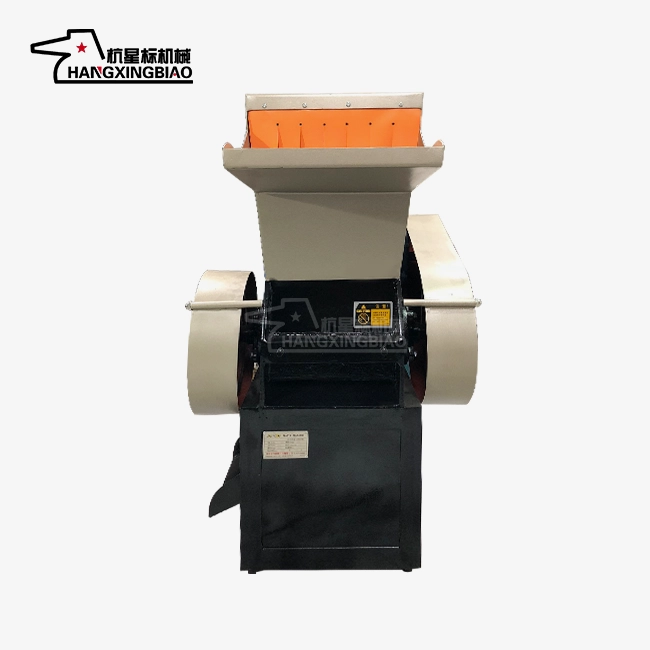
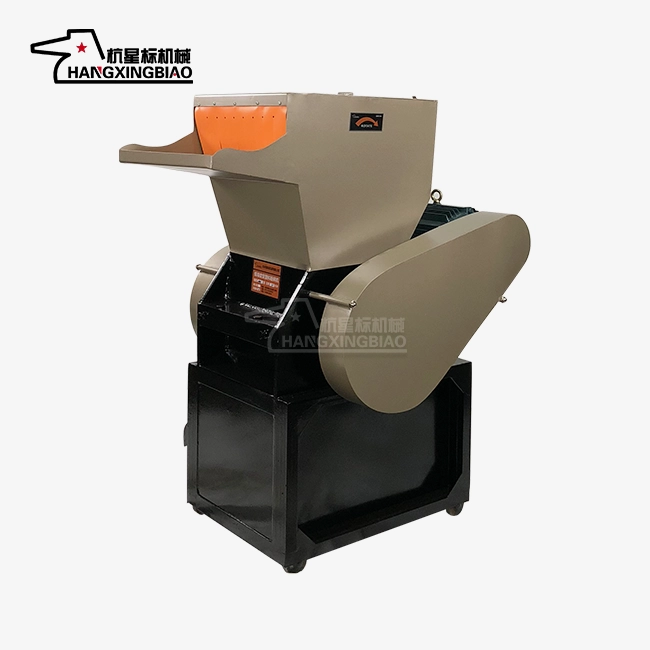
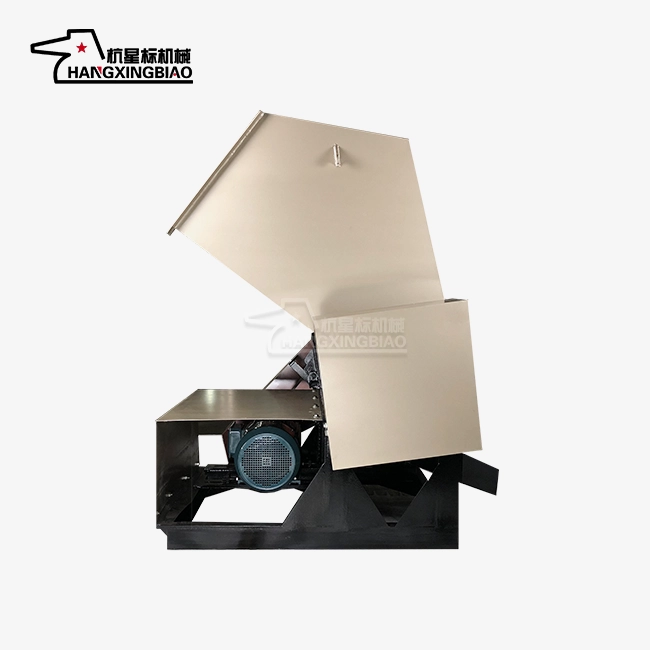
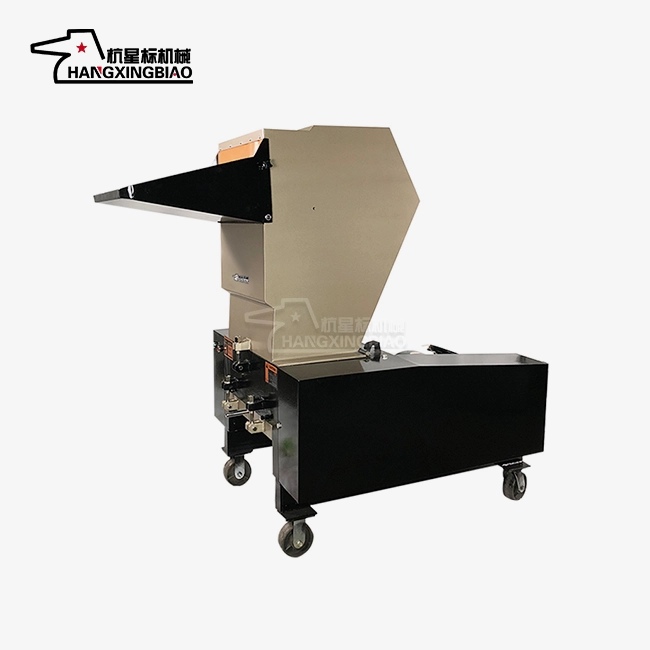
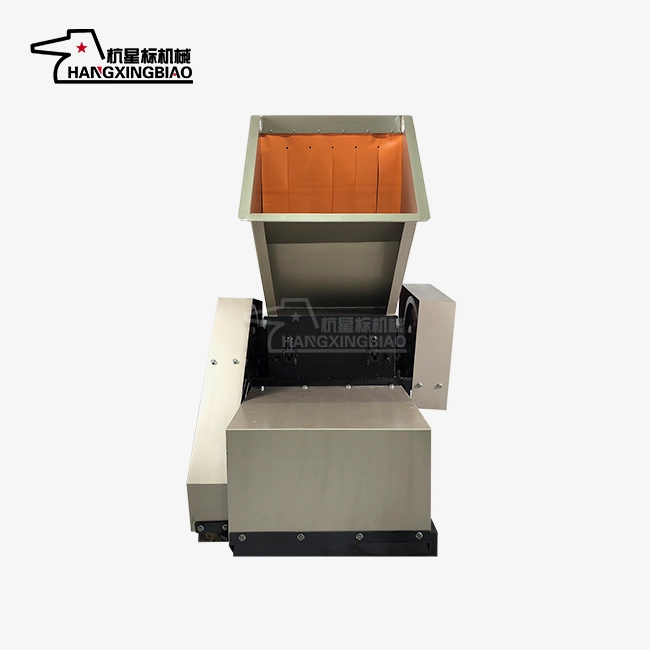
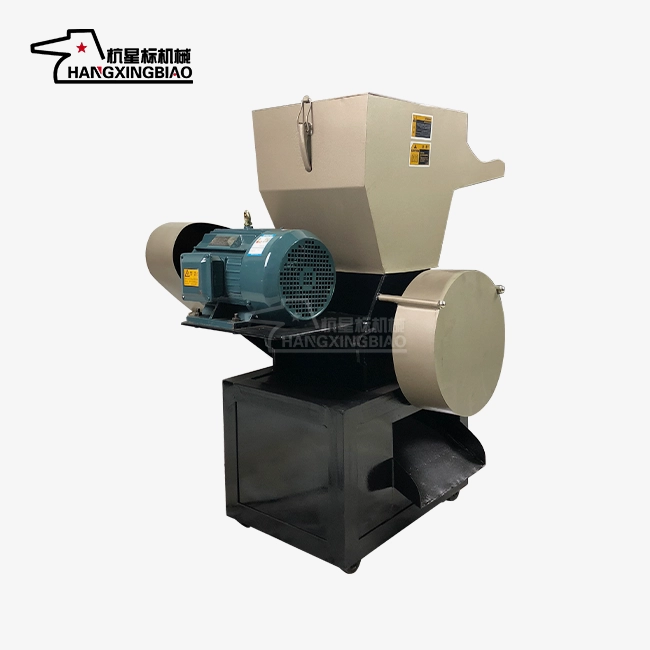
Picking the correct industrial breaking tools, like a powerful pulverizer, can greatly increase the output and profits of your business. A strong pulveriser breaks through old barriers by processing almost all non-metallic materials quickly and effectively, including rubber and plastics, as well as wood, paper, and industrial trash. Modern pulverising systems can easily handle blocks, flakes, fibres, and other odd shapes, while traditional crushers can only handle certain types of materials. They provide stable coarse and medium crushing with particle sizes that can be changed from 2 mm to 50 mm through replaceable screens. You will learn everything you need to know about choosing, using, and keeping industrial crushing equipment that meets your unique needs in this detailed buying guide.
Understanding Powerful Pulverizers: Types, Features, and Applications
Industrial pulverisers are a must-have for companies that need to reduce the size of materials in a variety of industries. These tools use spinning blades, hammers, or impact devices to break down large objects into smaller pieces that are easier to handle. This machine works by putting raw materials into a strengthened grinding cylinder. High-speed spinning elements break up the material as it goes through preset screens that decide the end particle size.

Primary Pulverizer Classifications
Material handling equipment comes in many different styles that are designed to work best in different situations. Hammer mills have moving hammers on a spinning tube that crush materials with high force. This is great for breaking up weak or medium-hard materials. Fixed and moving knife arrangements in blade-style crushers cut through materials with cutting action. This works especially well for plastics, films, and flexible trash. Impact pulverisers use rotational force to push materials against harder surfaces over and over again, which reduces their size. The choice of power source has a big effect on working freedom. Electric motor-driven units are most common in industrial settings with a steady power source because they allow for precise speed control and lower running costs. These systems work well with automatic production lines because they can work together with tools further up and further down the line. Mobile diesel-powered options can be used to crush things in rural areas or temporary project sites where power from the grid isn't available.
Industrial Applications Across Sectors
Businesses that make plastic use breaking equipment to reuse injection moulding pieces, broken products, pipes, and profiles. Recycling centers take in large amounts of plastic trash, like films, woven bags, containers, and auto parts. They turn trashed materials into materials that can be used again. Precision pulverisers are used in the pharmaceutical industry to break down plant drugs and chemical ingredients into the exact sizes needed for manufacturing. Food companies grind spices, dried fruits, and other ingredients to exact specs, while agricultural companies prepare grain, feed ingredients, and crop waste. Suppliers of building materials break down foam insulation, packing materials, and mixed trash so that it can be thrown away or used again. For every use, there are certain performance requirements, such as a certain amount of output, a consistent particle size, the ability to control dust, and the ability to avoid contamination.
Comparing Powerful Pulverizers: Making the Right Choice
Procurement success hinges on understanding how different equipment categories align with operational requirements. Standard crushers typically handle single material types with limited adjustability, while advanced pulverizing systems accommodate multiple material characteristics without configuration changes. This versatility eliminates the need for maintaining separate crushing equipment for different waste streams, reducing capital expenditure and floor space requirements.
Performance Metrics That Matter
The costs of output for a powerful pulverizer are directly affected by how well processes work. Basic units can handle 50 to 500 kg per hour and are good for small recycling activities or lab-scale uses. Mid-range industrial models can handle 1 to 3 tonnes of material per hour, which is enough for medium-sized factories that don't make a lot of trash. High-capacity systems can crush 5 to 10 tonnes per hour, which is enough for big recycling plants and places where work is always going on. To avoid delays or too much empty time, your throughput rate needs to match the rate at which you make materials. The amount of energy used is a big ongoing cost factor. Modern designs for tools use 10-15% less electricity than older designs because they have better aerodynamics, blade shape, and power transmission systems. With modern technology, processing one tonne of plastic garbage takes about 8 to 12 kilowatt-hours. This means that yearly production amounts can be cut down, which can be seen as a gain. The size of the motor should fit the properties of the material. For example, films and plastics that are softer need less power than hard rubber or cases with thick walls.
The accuracy of particle size affects the standard of processes that come after. Basic crushers make uneven output that needs to be screened again, but advanced systems with precision screens and blades that can be adjusted achieve over 90% grain consistency. This consistency gets rid of the need for extra steps in the making process, speeds up production, and raises the quality of the end product, whether it's regrind for extrusion, animal feed components, or biomass fuel pellets.
Brand and Supplier Evaluation Criteria
A manufacturer's name is based on how well their products have worked in a variety of customer setups. Established providers show their knowledge by having professional qualifications, industry relationships, and examples from past projects that went well. For thirty years, Hangzhou Xingbiao Machinery has only worked on developing and making plastic crushers. The company has formed partnerships between industry and universities to do research with big companies like Nongfu Spring and KFC. This specialised method makes sure that technical knowledge is deep, not spread out over a lot of different product groups. Customer feedback shows practical facts that go beyond what marketing promises. Realistic performance goals are based on documented case studies that show decreased downtime, achieved production rates, and true energy use. The length of the warranty shows how confident the maker is in the product. Full coverage for important parts like blade assemblies, drive systems, and structural elements shows that the product was built well and the engineering was sound.
Essential Buying Criteria and Procurement Considerations
Defining your operational requirements establishes the foundation for equipment selection. Material characteristics dictate crushing mechanism suitability—soft films and woven bags demand blade-style cutters that prevent tangling, while rigid plastics and thick-walled products require robust impact or hammer designs. Processing volume determines capacity requirements, accounting for peak demand periods rather than average throughput to avoid production constraints during high-volume scenarios.
Technical Specifications to Prioritize
Quality design of the chamber provides long life even in harsh working circumstances. The main parts of high-end tools are made from high-strength steel plates that have been treated with a stress-relieving process that stops them from deforming while they are in use. Xingbiao uses SKD-11/D2 mould steel and Cr12MoV alloy for core blades. Parts are vacuum heated and processed at very low temperatures. This scientific method gets HRC 55–60 hardness scores, giving tools 3,000–5,000 hours of use before they need to be sharpened again. Blades can be sharpened three to five times, which cuts down on replacement costs by 60% compared to basic carbon steel options. How the blades are set up affects both how well they work and how often they need to be maintained. Quick-change screen systems let you quickly change the particle size without taking the whole system apart. This gives you more production options when working with different materials or meeting different customer needs. Open-access designs make it easier to clean cavities during material or colour changes, which lowers the risk of contamination and shortens the time it takes to switch over. Maintenance spots that are visible can be inspected and oiled every day without having to take off protective covers or take apart major parts.

Safety features keep workers safe and meet legal requirements. Anti-rebound vents in reinforced steel tanks keep released particles inside and stop material from moving out of the processing zone. Protective guards on the outside make it impossible to get to spinning parts while they are working, and electrical interlocks turn off the power right away when access panels are opened. These safety systems meet OSHA standards and foreign safety rules. This lowers the risk of liability and makes workplaces safer.
Financial and Logistical Factors
The price of a powerful pulverizer building equipment is based on its quality, size, and level of technological complexity. Budget models can do simple breaking tasks, but they usually cost more in the long run because they need to change blades more often, use more energy, and can't be used in as many ways. Premium systems cost more at first, but they have better performance, longer-lasting parts, and more operating freedom, which lowers the total cost of ownership over 5 to 10 years of service. Coverage for warranties and service support has a big effect on how reliable operations are. Full guarantee plans that cover structural stability, drive components, and cutting elements protect your money against machines breaking down too soon. Responding quickly to technical problems reduces downtime. Companies that offer 24-hour help for questions, online tests, and fast delivery of extra parts show they care about their customers' success. Xingbiao helps with installation, trains operators, and makes regular follow-up trips. They also keep a collection of extra parts to make sure that any service needs are met quickly.
Lead times depend on how many models are available and how much customisation is needed. Standard designs usually ship between 2 and 4 weeks, but customised solutions with special features or changes to the capacity may need 6 to 12 weeks for design, manufacturing, and quality testing. Custom orders that need to work with current production systems or work with materials that aren't commonly used need detailed design development and sample testing before they can be made on a large scale.
Maintenance, Safety, and Troubleshooting
Preventive maintenance extends equipment service life and preserves performance capabilities. Routine inspection schedules should examine blade sharpness every 200-300 operating hours depending on material abrasiveness. Dull cutting edges increase energy consumption, reduce throughput, and generate excessive heat that accelerates wear on other components. Blade rotation or replacement restores processing efficiency and prevents cascading mechanical problems.
Systematic Maintenance Protocols
Managing lubrication stops bearings and drive systems from breaking down too soon. For normal use, precision bearings need to be oiled with clean, the right grade of grease every 500 hours, or as stated by the maker. Processing materials can make lubrication less effective, so it's important to clean everything well before applying new oil. When they get old, sealed bearings need to be replaced instead of just re-oiled, but they require less upkeep. Parts of a drive system like belts, chains, and gears need to be checked for proper tension, balance, and wear patterns on a regular basis. When they're loaded, loose drive belts slip, which makes grinding less effective and creates heat that breaks down belt material. When parts aren't lined up right, they cause uneven wear and shaking, which puts stress on fixing points and support structures. Dynamic balance testing during production makes sure that rotor parts keep their shaking amplitude below 0.1 mm. However, conditions in the field can cause problems that need to be fixed by a professional. Output quality and flow rates are directly affected by the state of the screen. Screens that are worn down or broken let big bits into the finished product and make the flow of materials less even, which slows down the processing. Regular screen checking finds wear patterns that show poor material distribution or blade mismatch that needs to be fixed. Keeping the right number of screens on hand for your production needs lets you change them quickly without stopping production.
Troubleshooting Common Issues
Excessive vibration often indicates rotor imbalance, loose mounting bolts, or bearing deterioration. Immediate shutdown prevents catastrophic failure that could destroy major components. Systematic inspection identifies the root cause—imbalance requires professional rebalancing, loose fasteners need retightening to specification, and worn bearings demand replacement before shaft damage occurs. Reduced throughput despite sharp blades suggests screen blockage, improper material feeding, or motor power deficiency. Screen cleaning restores normal flow when material buildup restricts passage. Feed rate adjustment prevents chamber overloading that overwhelms cutting capacity. Motor current monitoring during operation reveals whether electrical supply provides adequate power for processing demands. Unusual noise signals developing mechanical problems requiring prompt attention. Grinding sounds indicate metal-on-metal contact from bearing failure or blade-to-housing interference. Rattling suggests loose components vibrating during operation. Squealing points to belt slippage or bearing lubrication deficiency. Early detection and correction prevent minor issues from escalating into expensive repairs and extended downtime.
Why Choose Xingbiao for Your Crushing Equipment Needs
Three decades of exclusive focus on powerful pulverizer plastic crusher development establish Xingbiao as a specialized equipment provider with unmatched technical depth. Our engineering team, comprising 20 senior specialists, continuously refines designs based on real-world performance data and evolving customer requirements. Industry-university-research partnerships with major corporations validate our technology through demanding production environments, confirming reliability and performance claims.
Manufacturing excellence stems from rigorous quality control throughout production processes. High-strength steel plate selection and precise welding procedures create robust structural foundations. Vacuum heat treatment and cryogenic processing of cutting elements achieve superior material properties impossible through conventional methods. Dynamic balance testing of rotating assemblies ensures smooth operation and extended bearing life. These manufacturing practices produce equipment that withstands continuous operation under demanding conditions while maintaining performance specifications.
Our comprehensive product range addresses diverse crushing requirements across capacity levels and material types. Large-diameter crushers handle bulky components including pipes, profiles, and automotive parts. High-power low-noise units integrate beside injection molding machines for immediate scrap recycling. Standard configurations process general plastic waste with optimal cost-effectiveness. Specialized designs overcome challenges presented by films, woven materials, and tangled waste that defeat conventional crushers. Customized solutions accommodate unique materials or production scenarios requiring engineered approaches.
Technical support extends throughout the equipment lifecycle, beginning with application consultation. Our engineers analyze your materials, volume requirements, and operational constraints to recommend optimal configurations. Installation guidance ensures proper setup and integration with existing systems. Operator training develops skills for efficient operation and basic maintenance. Regular follow-up visits monitor performance and identify optimization opportunities. Responsive service addresses questions or concerns, with inquiry response within 24 hours and maintained spare parts inventory supporting rapid issue resolution.

Conclusion
Selecting appropriate crushing equipment requires balancing performance capabilities, operational costs, and long-term reliability. Modern pulverizing systems overcome traditional single-material limitations, processing diverse non-metallic substances from plastics and rubber to agricultural residues and pharmaceutical ingredients. Key decision factors include throughput capacity aligned with production demands, energy efficiency reducing operating expenses, and construction quality ensuring extended service life. Preventive maintenance preserves performance while safety features protect personnel and satisfy regulatory requirements. Partnering with specialized manufacturers offering proven technology, comprehensive support, and demonstrated expertise provides confidence that your investment will deliver sustained productivity gains and favorable economics throughout its operational lifetime.
FAQ
What crushing capacity do I need for my operation?
Capacity selection depends on your material generation rate and desired processing schedule. Calculate daily waste volume and divide by planned operating hours to determine minimum hourly throughput. Adding 20-30% capacity buffer accommodates production fluctuations and prevents bottlenecks during peak periods. Small operations generating under 500kg daily function well with compact units, while large manufacturing facilities producing multiple tons require industrial-scale equipment.
How do blade materials affect operational costs?
Premium blade alloys like SKD-11 and Cr12MoV maintain sharpness 3-5 times longer than basic carbon steel, reducing replacement frequency and maintenance labor. Although initial costs run higher, extended service intervals between sharpenings and multiple resharpening cycles deliver substantial lifetime savings. Sharp blades also consume less energy and produce more consistent particle sizes compared to dull cutting edges.
What determines energy consumption during crushing?
Material characteristics, throughput rate, and equipment design collectively influence power requirements. Soft plastics and thin films need less energy than dense rubber or thick-walled products. Higher throughput demands more power to maintain processing speed. Optimized blade geometry, efficient motors, and proper drive system design reduce energy waste. Expect 8-12 kWh per ton for plastic processing with contemporary equipment.
Contact Xingbiao for Expert Crushing Solutions
Xingbiao delivers specialized crushing technology backed by three decades of focused development and proven performance across demanding applications. Our engineering team provides personalized consultation matching equipment specifications to your material characteristics and production requirements. Whether you need standard configurations for general plastic recycling or customized solutions addressing unique processing challenges, we offer comprehensive options spanning 50kg/hour laboratory units to 10-ton/hour industrial systems. Quality construction using premium steels and advanced heat treatment ensures reliability throughout extended service life, while responsive technical support maintains productivity. Explore our complete product catalog and request detailed specifications for powerful pulverizer models that optimize your operation's efficiency and economics. Contact our specialists at xingbiaocrusher@xingbiaocrusher.com to discuss your crushing requirements with experienced professionals committed to your success. Discover why manufacturers and recyclers worldwide trust Xingbiao as their preferred powerful pulverizer supplier delivering exceptional performance and lasting value.
References
1. Smith, J. R., & Anderson, M. L. (2021). Industrial Size Reduction Equipment: Design Principles and Applications. Manufacturing Technology Press.
2. Thompson, K. E. (2020). Plastic Recycling Systems and Equipment Selection Criteria. Journal of Industrial Processing, 45(3), 178-195.
3. Wagner, D. P., & Chen, H. (2022). Energy Efficiency in Material Pulverizing Operations. Industrial Engineering Quarterly, 38(2), 112-129.
4. National Association of Manufacturing Equipment (2023). Standards for Industrial Crushing Equipment Safety and Performance. Technical Guidelines Publication Series.
5. Rodriguez, M. A. (2021). Maintenance Strategies for High-Performance Pulverizing Systems. Equipment Reliability Journal, 29(4), 267-283.
6. International Plastics Processing Federation (2022). Best Practices in Plastic Waste Size Reduction and Recycling. Industry Technical Report, Volume 17.
Learn about our latest products and discounts through SMS or email