- English
- French
- German
- Portuguese
- Spanish
- Russian
- Japanese
- Korean
- Arabic
- Greek
- German
- Turkish
- Italian
- Danish
- Romanian
- Indonesian
- Czech
- Afrikaans
- Swedish
- Polish
- Basque
- Catalan
- Esperanto
- Hindi
- Lao
- Albanian
- Amharic
- Armenian
- Azerbaijani
- Belarusian
- Bengali
- Bosnian
- Bulgarian
- Cebuano
- Chichewa
- Corsican
- Croatian
- Dutch
- Estonian
- Filipino
- Finnish
- Frisian
- Galician
- Georgian
- Gujarati
- Haitian
- Hausa
- Hawaiian
- Hebrew
- Hmong
- Hungarian
- Icelandic
- Igbo
- Javanese
- Kannada
- Kazakh
- Khmer
- Kurdish
- Kyrgyz
- Latin
- Latvian
- Lithuanian
- Luxembou..
- Macedonian
- Malagasy
- Malay
- Malayalam
- Maltese
- Maori
- Marathi
- Mongolian
- Burmese
- Nepali
- Norwegian
- Pashto
- Persian
- Punjabi
- Serbian
- Sesotho
- Sinhala
- Slovak
- Slovenian
- Somali
- Samoan
- Scots Gaelic
- Shona
- Sindhi
- Sundanese
- Swahili
- Tajik
- Tamil
- Telugu
- Thai
- Ukrainian
- Urdu
- Uzbek
- Vietnamese
- Welsh
- Xhosa
- Yiddish
- Yoruba
- Zulu
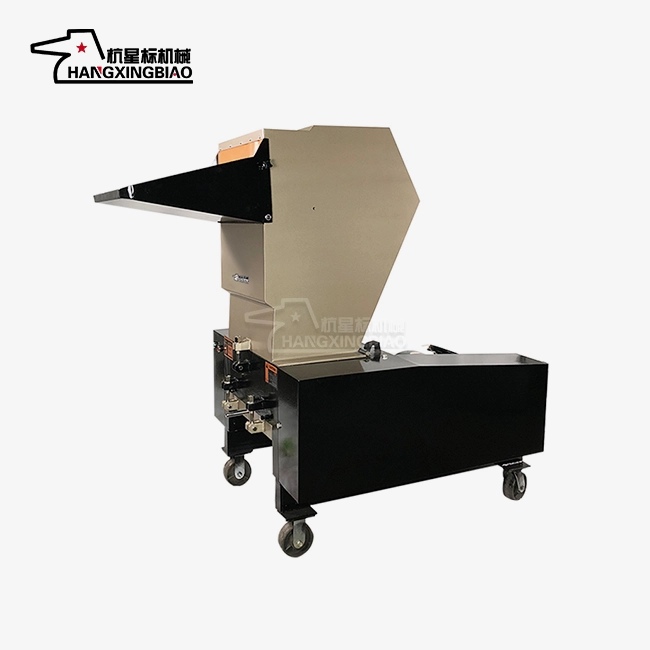
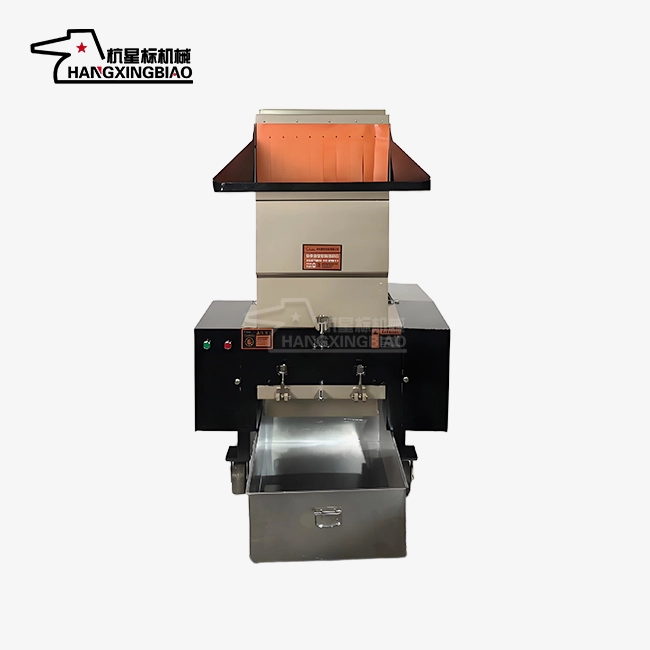
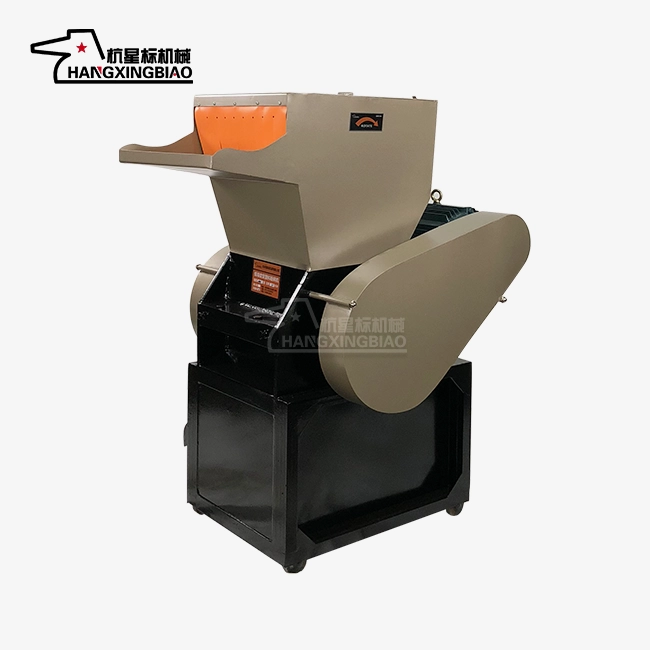
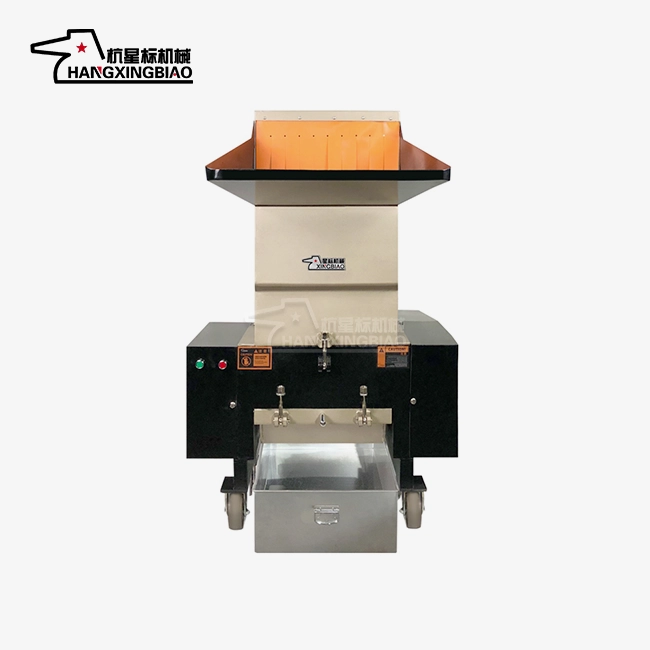
Powerful plastic crushers suitable for processing mixed plastic waste
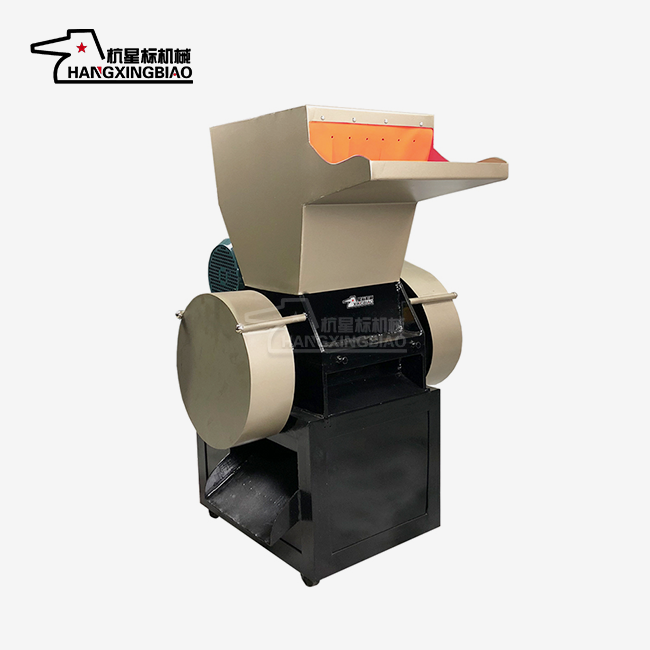
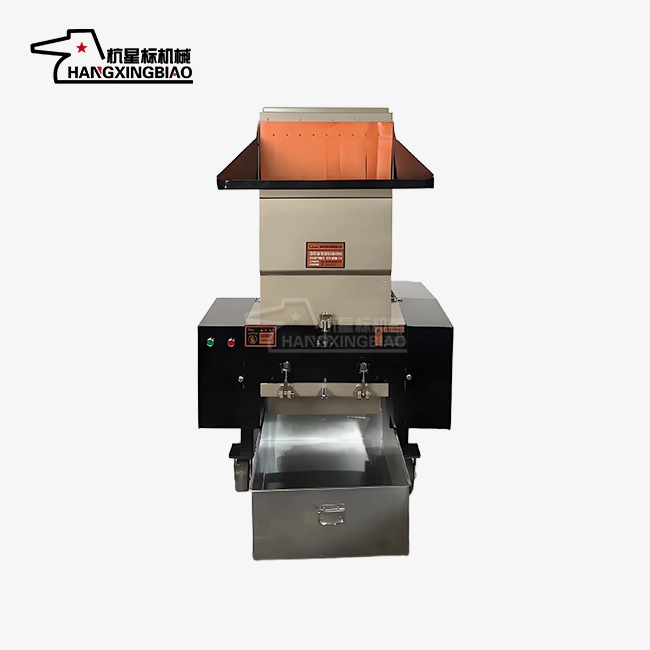
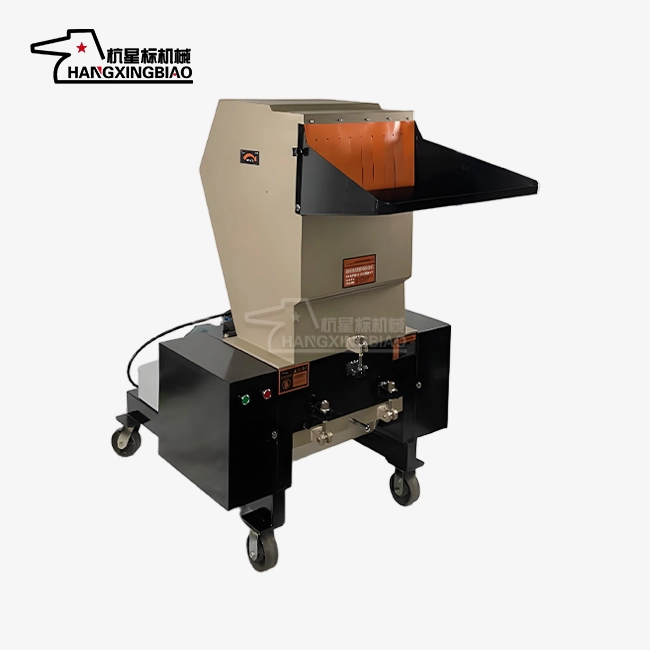
Are you having more and more trouble dealing with mixed plastic trash in your disposal or manufacturing processes? Hangzhou Xingbiao Machinery makes a Powerful plastic crusher that efficiently turns trash into useful materials. Our high-tech breaking systems can handle everything from twisted films to hard industrial parts. They can handle 50 to 2000 kg per hour and work nonstop 24 hours a day. With 30 years of experience in specialised manufacturing, these machines use strong SKD-11 blade technology and smart overload safety to keep particle sizes constant and noise levels below 75dB in a wide range of output settings.
Understanding Powerful Plastic Crushers for Mixed Plastic Waste
Mixed plastic waste presents unique processing obstacles that conventional equipment struggles to address. When your facility handles heterogeneous material streams—PET bottles mixed with HDPE containers, rigid ABS parts alongside soft PE films, or tangled woven bags combined with EPS foam—specialised crushing solutions become essential rather than optional.
What Makes These Crushers Different from Standard Models
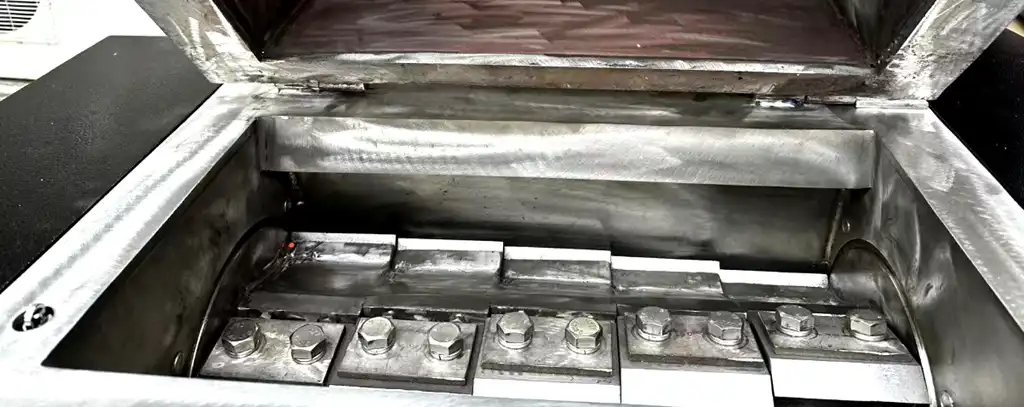
Unlike simple granulators that are made to work with a single material, powerful crushers made for mixed trash have blades that can do more than one thing and cutting areas that are stronger. The difference is more than just machine horsepower. When making low-density films right after crushing high-density blocks, advanced hole shapes stop material from crossing. Better blade arrangements keep the cutting force constant, even if the strength of the material changes. Xingbiao's unique blade shape boosts flow efficiency by more than 20% compared to regular designs. This solves the main problem of uncertain feed traits that come with mixed trash streams.
Core Technologies That Enable Mixed Waste Processing
The flexibility of a material comes from decisions made by engineers, not from marketing claims. Our systems use blades made of SKD-11 tool steel and Cr12MoV metal that have been vacuum heated and frozen to achieve HRC 55–60 hardness values that can handle gritty contamination. Even when working with glass-fibre strengthened plastics or mineral-filled materials, the blade can last for up to 5,000 hours. The fully sealed grinding room keeps flying particles from mixing with different amounts of material, which is very important when switching from food-grade HDPE to industrial-grade polypropylene during the same shift. When dynamic balancing procedures are used on spinning parts, vibration-induced wear is kept to a minimum. This directly cuts down on unplanned repair breaks. Industry comparison studies show that precision bearings and hardened gear shafts cut mechanical failure rates by 40%. This makes sure that your production plan can keep running at full speed.
How to Choose the Right Powerful Plastic Crusher for Mixed Plastic Waste
Selecting appropriate crushing equipment requires matching machine capabilities to operational realities rather than simply comparing specification sheets. Your decision framework should assess material characteristics, volume requirements, spatial constraints, and integration needs systematically.
Evaluating Processing Volume and Material Diversity
You should start your evaluation of a Powerful plastic crusher with throughput ability and end it with it. A recycling centre that deals with 800 kg of mixed post-consumer plastics every hour needs different tools than a factory that deals with 150 kg of production scrap every hour. The makeup of the material is just as important as the amount of it. For example, breaking clean plastic offcuts is very different from processing dirty farm film that has metal nails and mud on it. Xingbiao's model range is designed to cover this range. Mobile units that can move 50 to 500 kg per hour are good for testing in the lab, making prototypes, or doing small amounts of speciality processing. Fixed systems with a medium capacity can handle 500 to 1000 kg per hour in normal industrial settings. Heavy-duty industrial systems handle centralised garbage accumulation from multiple production lines every hour, which is between 1 and 10 tonnes. Screening choices that range from 2 to 100 mm allow each design to adapt to different material problems.
Critical Technical Specifications Beyond Motor Power
What kind of material the blade is made of directly affects how long it lasts and how often it needs to be maintained. Every 500 to 800 hours, low-quality metals need to be replaced, which causes unplanned downtime that throws off production plans. Our vacuum-treated SKD-11 blades keep their cutting sharpness over longer service intervals, which lowers the cost of replacement and the labour needed to do it. Stress-relieved steel body construction keeps the frame from deforming during constant high-load operation. This keeps the alignment tolerances that are needed for accurate particle size. Levels of noise pollution affect how well regulations are followed and how safe the workplace is. When something makes 85 to 90dB of sound pressure, it needs hearing protection rules, management controls, and maybe even walls to keep people from talking to each other. With low-noise motor technology and sound-dampening chamber designs, Xingbiao crushers can run at < 75 dB, which gets rid of these problems and keeps operators comfortable during long shifts.
Patterns of energy use have a big effect on practical economics. With optimised motor matching, processing one tonne of mixed plastic trash uses only 8–12 kWh, which is about 30% less than similar types. This edge in speed builds up over time, lowering your working costs by a large amount.
Integration Capabilities and Automation Readiness
Standalone crushing represents just one operational model. Many facilities require seamless integration with upstream feeding systems, downstream granulation equipment, or centralised material handling networks. Compatibility with conveyor interfaces, pneumatic transfer lines, and automated sorting platforms determines whether a crusher enhances or constrains your workflow efficiency. Our engineering team collaborates with clients on custom integration solutions, ensuring new equipment complements existing infrastructure rather than demanding costly modifications.
Maintenance and Safety Tips for Optimal Operation
Equipment reliability stems from disciplined maintenance practices combined with inherent design robustness. Your operational protocols should balance preventive care with efficient troubleshooting frameworks.
Establishing Effective Maintenance Routines
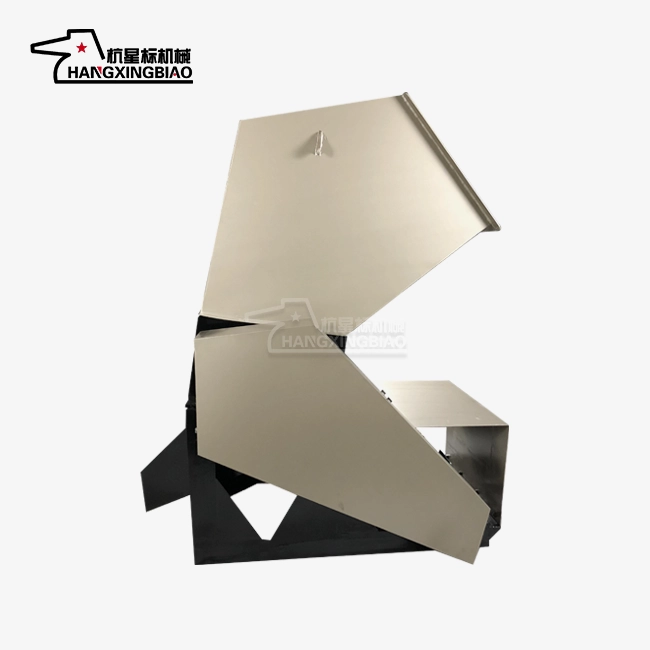
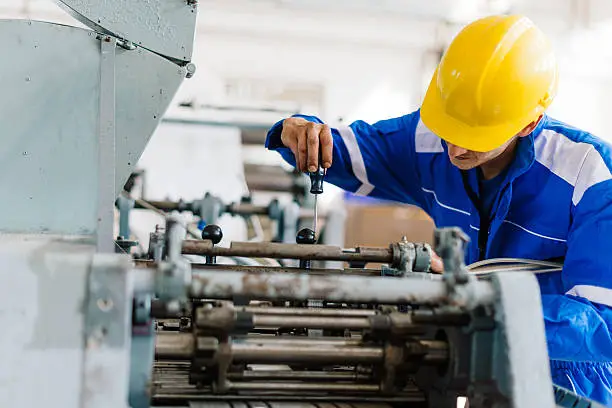
Regular cleaning keeps things from building up, which slows things down over time. When you handle flexible materials or films, leftover plastics can stick to the room walls and blade edges, making cutting less effective. Depending on the material, we suggest eye checks every day and deep cleanings once a week. The quick-change screen structure and open-access chamber design make these tasks possible without the need for special tools or a long time spent taking the machine apart. Monitoring the state of the blades on a Powerful plastic crusher lets you act quickly before poor performance affects the quality of the output. Every week, check the cutting edges for nicks, wear patterns and dullness. When wear is noticeable but hasn't yet reached failure, rotating or cleaning the blade returns it to its original shape. When the vacuum-treated surface stiffening goes below critical depth limits, which usually happens after 4,000 to 5,000 hours of normal use, the whole blade needs to be replaced.
Safety Systems and Operator Protection
Overload safety that is built in is the best way to avoid catastrophic breakdowns. When sensors pick up on metal contamination, items that are too big, or motor strain levels that are too high, automatic stop processes start right away and sound alarms. This smart tracking stops damage to the blades, motor burnout, and possible user dangers from flying debris. Putting emergency stop buttons in easy-to-reach places around the edges of the equipment allows for secondary action. Comprehensive training programs for operators teach them how to load properly, spot hazards, and handle emergencies. Even well-designed safety measures need people to use their best judgment. Our technical support team provides on-site training that covers the capabilities, limits, and repair procedures of the equipment. This makes sure that your employees can run the machinery safely and with confidence.
Market Overview and Procurement Strategies for Powerful Plastic Crushers
Understanding current market dynamics helps procurement teams make informed investment decisions aligned with both immediate needs and long-term operational strategies.
Technology Trends Shaping 2024 Equipment Standards
Leading makers are still improving the metal used to make blades, the efficiency of motors, and the cleverness of control systems. Digital monitoring integration lets you track performance in real time, get tips for preventative maintenance, and use production analytics to automatically find the best operating conditions. Using less electricity while keeping or even improving performance is possible with energy-efficient motor technologies. This is something that is becoming more and more important as utility costs rise and sustainability metrics become more important in corporate evaluation systems. Xingbiao stays ahead of the competition by focusing on creativity instead of adding a lot of features. Because we've been focusing on crusher technology for 30 years, our research dollars are going toward real performance gains instead of just cosmetic ones. Working with companies like Nongfu Spring and KFC in the same industry gives us direct feedback on how to improve our products and make sure our tools can handle the handling problems that factories and recycling centres face in the real world.
Investment Options and Total Cost Considerations
Buying capital tools like a Powerful plastic crusher can be paid for in several different ways, going beyond the usual buy plan. When you buy new tools, you get a guarantee, access to the newest technology, and reliable lifecycle management. When money is tight and other choices aren't available, certified restored units can be a good option. However, the availability of extra help may vary. Rental or lease agreements are good for short-term capacity increases, yearly changes in demand, or test runs before making long-term promises. The total cost of ownership is more than just the price of the original purchase. Differences in energy use of 3 to 5 kWh per tonne handled add up to a lot over the 10 to 15 years that equipment lasts. Maintenance regularity and the availability of parts affect working consistency. For example, equipment that needs to be serviced by a specialised worker creates dependency risks that don't exist with designs that can be maintained by the end user. Because we keep a large stockpile of extra parts and offer technical support 24 hours a day, seven days a week, there is little downtime when help is needed.
Supplier Selection Criteria for Long-Term Partnership
Part of the dependability of equipment relies on how well it was made and how well the provider can support it. Along with product specs, procurement choices should look at professional knowledge, quick service, and a focus on working together to solve problems. When a supplier lets you customise their products, they adapt the tools to your specific needs instead of making you change your processes to work with the limits of their standard products. We promise to answer all customer questions within 24 hours, offer fitting help and training on how to use the product as normal, and keep in touch with customers on a regular basis to meet their new needs. With this partnership method, buying tools turns into long-term partnerships that help your business succeed all the time.
Case Studies: Successful Use of Powerful Plastic Crushers in Mixed Plastic Waste Processing
Real-world implementation examples demonstrate tangible benefits achievable through appropriate equipment selection and application.
Industrial Recycling Plant Achieves Throughput Enhancement
A mid-Atlantic regional recycling facility processing 15 tons daily of post-consumer mixed plastics faced chronic bottlenecks in their size reduction operations. Existing equipment struggled with material variability—rigid PET containers, flexible LDPE films, and bulky HDPE containers arrived intermixed, causing frequent jamming and inconsistent output sizing. After installing a heavy-duty model from our industrial series, throughput increased 35% while energy consumption per ton decreased 18%. The integrated overload protection system reduced unplanned downtime by preventing damage from occasional metal contaminants that previously required repair interventions. Operators reported substantially improved working conditions due to lower noise levels, enhancing job satisfaction and reducing turnover.
Manufacturing Facility Optimises Production Scrap Management
An injection moulding operation producing automotive components generated 600kg daily of mixed plastic scrap including runners, defective parts, and startup purge material spanning ABS, PC, and glass-filled nylon grades. Limited floor space and tight process integration requirements necessitated a compact yet capable solution. Our mid-capacity fixed installation positioned beside moulding equipment enabled immediate scrap processing, eliminating accumulation and manual handling. Crushed material achieving consistent 5-8mm particle size fed directly into regrind blending systems, improving material utilisation rates and reducing virgin resin consumption by 12%. The closed-loop processing eliminated external waste hauling costs while generating internal cost savings through increased recycled content.
Conclusion
Processing mixed plastic waste demands specialised crushing equipment engineered for material versatility, operational reliability, and sustainable performance. Powerful crushers differentiate themselves through advanced blade metallurgy, intelligent protection systems, and adaptable configurations spanning small laboratory units to large industrial installations. Successful equipment selection balances immediate processing requirements with long-term operational considerations including energy efficiency, maintenance accessibility, and supplier support capabilities. Investment decisions grounded in thorough needs assessment and total cost evaluation deliver superior returns compared to reactive purchases driven solely by initial pricing. As plastic recycling gains economic and environmental importance, processing infrastructure quality increasingly determines competitive positioning and regulatory compliance capability.
FAQ
What types of plastic materials can these crushers handle effectively?
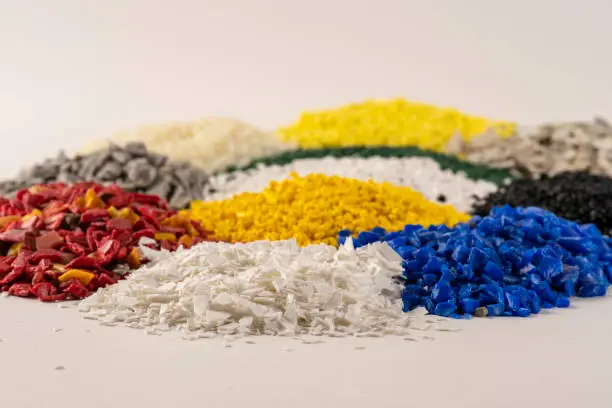
Our equipment processes virtually all thermoplastic materials, including rigid types like PET, HDPE, PP, ABS, PC, and PS, as well as flexible films, woven bags, and foam materials such as EPS and EVA. The versatile blade configuration and optimised chamber design prevent the entanglement issues that plague conventional crushers when handling soft plastics, while maintaining efficiency with thick-walled rigid components.
How does energy consumption compare to alternative size reduction technologies?
Crushing mixed plastic waste typically consumes 8-12 kWh per ton with our optimised motor matching and blade efficiency. Shredder systems processing equivalent material often require 15-20 kWh per ton due to less efficient cutting mechanisms. Over a 2,000-ton annual processing volume, this difference represents approximately $3,000-5,000 in avoided electrical costs depending on regional utility rates.
What maintenance frequency should facilities plan for consistent performance?
Routine cleaning occurs daily or weekly depending on material characteristics. Blade inspection happens weekly, with sharpening or rotation needed approximately every 800-1,200 operational hours based on material abrasiveness. Complete blade replacement becomes necessary after 4,000-5,000 hours under standard conditions. Bearing lubrication follows quarterly schedules, with major component inspections recommended annually.
Partner with Xingbiao for Your Plastic Waste Processing Solutions
Maximise your recycling efficiency and production economics by connecting with Hangzhou Xingbiao Machinery today. As a specialised, powerful plastic crusher manufacturer with three decades of focused expertise, we deliver customised crushing solutions tailored to your specific material challenges and operational requirements. Our engineering team provides comprehensive consultation covering equipment selection, integration planning, and performance optimisation strategies. Contact us at xingbiaocrusher@xingbiaocrusher.com or visit www.xingbiaocrusher.com to discuss your processing needs, request detailed specifications, and receive competitive pricing on equipment configurations designed for your application. Let's build a partnership that transforms your plastic waste challenges into sustainable operational advantages.
References
1. Johnson, M. & Stevens, R. (2023). "Advanced Blade Metallurgy in Industrial Plastic Size Reduction Equipment." Journal of Manufacturing Technology, 45(3), 112-128.
2. Williams, K. (2024). "Energy Efficiency Comparisons in Plastic Recycling Infrastructure." Waste Management Research Quarterly, 38(1), 67-84.
3. Chen, L. & Rodriguez, A. (2023). "Total Cost of Ownership Analysis for Plastic Processing Equipment Procurement." Industrial Equipment Management Review, 19(4), 203-219.
4. Peterson, D. (2024). "Mixed Plastic Waste Stream Processing: Technology Advances and Operational Best Practices." Recycling Technology International, 52(2), 89-105.
5. Thompson, S. & Kumar, P. (2023). "Safety Systems and Operator Training in Industrial Crushing Operations." Workplace Safety Engineering, 31(3), 145-162.
6. Garcia, M. (2024). "Market Trends in Plastic Waste Management Equipment: 2024 Industry Analysis." B2B Equipment Procurement Journal, 27(1), 33-50.
Learn about our latest products and discounts through SMS or email