- English
- French
- German
- Portuguese
- Spanish
- Russian
- Japanese
- Korean
- Arabic
- Greek
- German
- Turkish
- Italian
- Danish
- Romanian
- Indonesian
- Czech
- Afrikaans
- Swedish
- Polish
- Basque
- Catalan
- Esperanto
- Hindi
- Lao
- Albanian
- Amharic
- Armenian
- Azerbaijani
- Belarusian
- Bengali
- Bosnian
- Bulgarian
- Cebuano
- Chichewa
- Corsican
- Croatian
- Dutch
- Estonian
- Filipino
- Finnish
- Frisian
- Galician
- Georgian
- Gujarati
- Haitian
- Hausa
- Hawaiian
- Hebrew
- Hmong
- Hungarian
- Icelandic
- Igbo
- Javanese
- Kannada
- Kazakh
- Khmer
- Kurdish
- Kyrgyz
- Latin
- Latvian
- Lithuanian
- Luxembou..
- Macedonian
- Malagasy
- Malay
- Malayalam
- Maltese
- Maori
- Marathi
- Mongolian
- Burmese
- Nepali
- Norwegian
- Pashto
- Persian
- Punjabi
- Serbian
- Sesotho
- Sinhala
- Slovak
- Slovenian
- Somali
- Samoan
- Scots Gaelic
- Shona
- Sindhi
- Sundanese
- Swahili
- Tajik
- Tamil
- Telugu
- Thai
- Ukrainian
- Urdu
- Uzbek
- Vietnamese
- Welsh
- Xhosa
- Yiddish
- Yoruba
- Zulu
Looking for Industrial Shredder Suppliers Near You?
To find effective breaking equipment, you must first know what your business needs and then find providers who can give you both good equipment and long-term help. Depending on your needs, an industrial shredder can cut waste plastic, rubber, or organic matter into pieces that are easy to handle. The sizes of the pieces can range from 2 mm to 20 mm. These tools are used in many different fields, from recycling centres that deal with mixed trash like boxes and plastic bottles to factories that deal with production scrap. When you work with experienced makers who only make breaking technology, you can get equipment that was designed after decades of focused innovation and fixing problems in the real world.
Understanding Industrial Shredders and Their Importance
Material size reduction drives efficiency across multiple industrial processes. Shredding equipment converts bulky waste into uniform particles, enabling easier transportation, faster processing, and improved material handling throughout your production cycle.
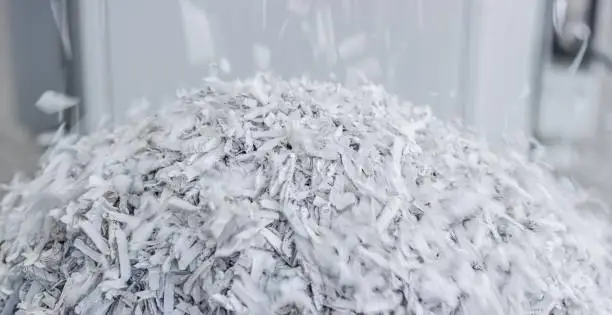
What Industrial Shredders Do
These machines break up materials into smaller pieces by using spinning blades and cutting areas that are carefully designed and built. Modern shredders use technology that combines torque, blade shape, and motor power to get steady output while keeping energy use in check. Different shaft configurations—single, dual, or quad—address different types of materials and production needs.
Core Applications Across Industries
Along with injection moulding tools, factories have shredders that quickly return raw material and broken parts back into production. Films, knitted bags, and containers are broken down into 2–8 mm bits that can be used again. Agricultural processes break down maize stalks and straw into 2–5 mm feed pieces that can be stored well and help animals eat better. Because of this, good breaking equipment is an important part of businesses that want to reduce trash and make the best use of their resources.
Measurable Business Benefits
Using good cutting technology can cut the cost of getting rid of trash by up to 70% while also making money from recovered materials. When garbage lines go through optimised size reduction systems, facilities say they can move materials 20 to 30 per cent more efficiently. Environmental regulations are easy to follow when businesses can show that they keep waste out of dumps by using documented recycling methods.
How to Choose the Right Industrial Shredder Supplier Near You
Procurement decisions require balancing technical specifications with supplier capabilities to ensure equipment performs reliably throughout its operational lifetime.
Defining Your Specific Requirements
Figure out the working power you need for an Industrial shredder by figuring out the daily amount of your materials. Figure out which of the materials in your trash stream are the toughest and most difficult to deal with. For example, soft films behave differently than rigid profiles or tangled fibres. Figure out whether you need to run your business on its own or connect it to other production lines. These factors help choose the right tools and keep machines from not meeting the needs of the job, which can be very expensive.
Evaluating Supplier Performance Metrics
Quality providers show their knowledge by giving clear performance data and technical standards that can be checked. Look for companies that give you a lot of information about the blades' materials, how hard they are, how often they should be serviced, and how much energy they use per tonne of material handled. Companies that have ISO certifications and well-established quality control systems usually make products that work better every time.
Local Versus Specialised International Suppliers
Being close geographically can help with reaction time and on-site service access. Even if they are based in a different country, specialised makers with deep technical knowledge can often provide better technical solutions. The most important thing is whether providers keep their contact lines open, keep enough extra parts on hand, and stick to clear service level agreements no matter where they are located.
Top Factors to Consider When Sourcing Industrial Shredders
Smart procurement examines both immediate costs and long-term operational value to identify equipment that truly serves business objectives.
Equipment Specifications and Configuration
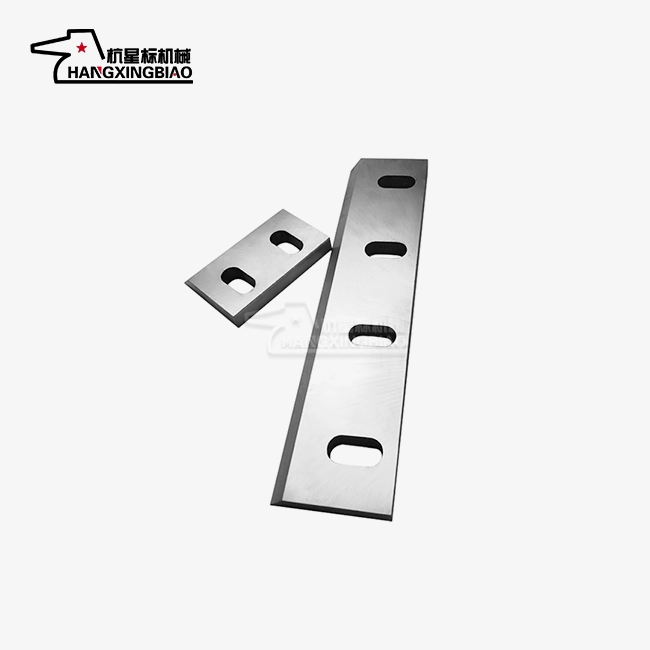
Blade technology decides how long they last and how often they need to be maintained. To get HRC55–60 hardness values, high-quality materials like SKD-11 and D2 mould steels go through vacuum heat treatment and cold processing. With standard plastics, these blades can work for 3,000 to 5,000 hours and can be sharpened three to five times. This means that they can be used for 60% less time and cost 60% less to replace than standard options. The size of the motor affects both the speed of processing and the amount of energy used. Optimised designs can handle one tonne of material with only 8–12 kWh, which saves 10-15% energy and adds up to big savings over years of use. How much material can be moved depends on how the shaft is configured. When dealing with twisted trash like films and woven bags, dual-shaft devices work best. Large-diameter types can handle big things like lines, profiles, and barrels. By knowing these differences, you can avoid practical difficulties and lost output.
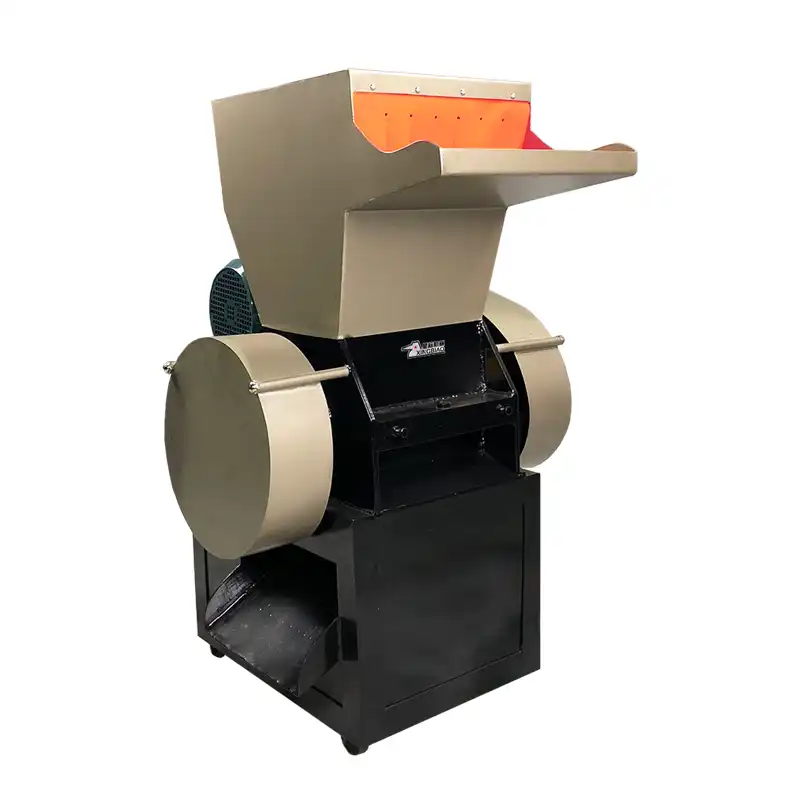
Balancing Cost and Operational Efficiency
The initial buying price is only one part of the total cost of owning. Divide the amount of energy used by the projected lifetime of the equipment. For example, a machine that costs $5,000 more at first but saves 15% on electricity may pay for itself in 18 months of continued use. When considering choices, think about how often the blades need to be replaced, how much repair work needs to be done, and how much downtime costs. When high-quality steel frames and stress-relieved welds are used to make equipment, it stays calibrated longer and needs fewer changes.
Comprehensive Supplier Support Systems
The success of equipment relies a lot on how well it is installed, how well operators are trained, and how well preventive upkeep is done. Reliable providers give you detailed instructions on how to install their products, train your repair teams in-person, and make sure that service plans are clearly written down. Uptime is directly affected by the supply of spare parts. For example, sellers who keep important parts in stock locally can ship them within 24 to 48 hours, while foreign orders can take weeks. The warranty should cover more than just fixing problems. It should also cover expert help during the crucial first few weeks of use, when staff are getting used to the new equipment.
Leading Industrial Shredder Brands and Trusted Suppliers in Your Region
The North American market includes both established multinational equipment providers and specialised manufacturers focused exclusively on crushing technology.
Identifying Specialised Expertise
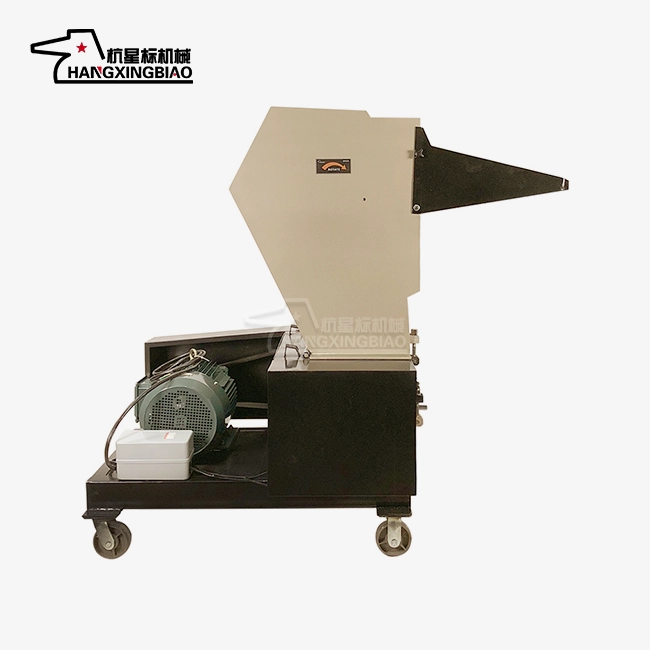
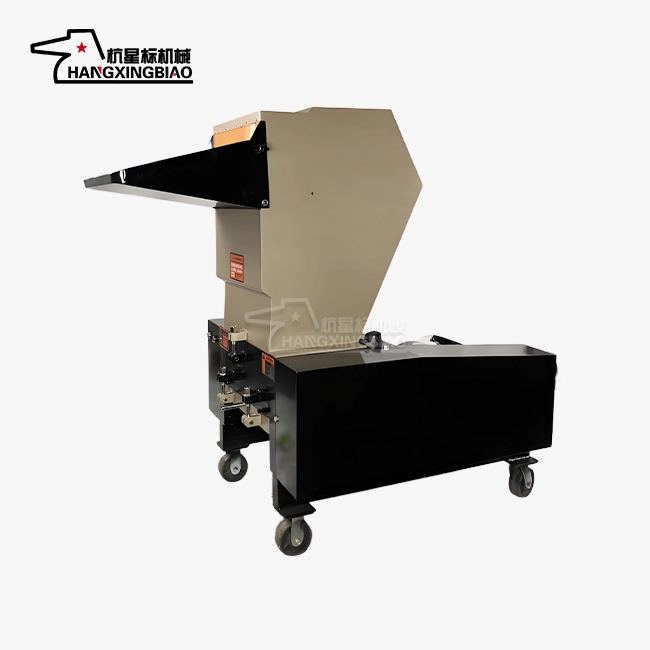
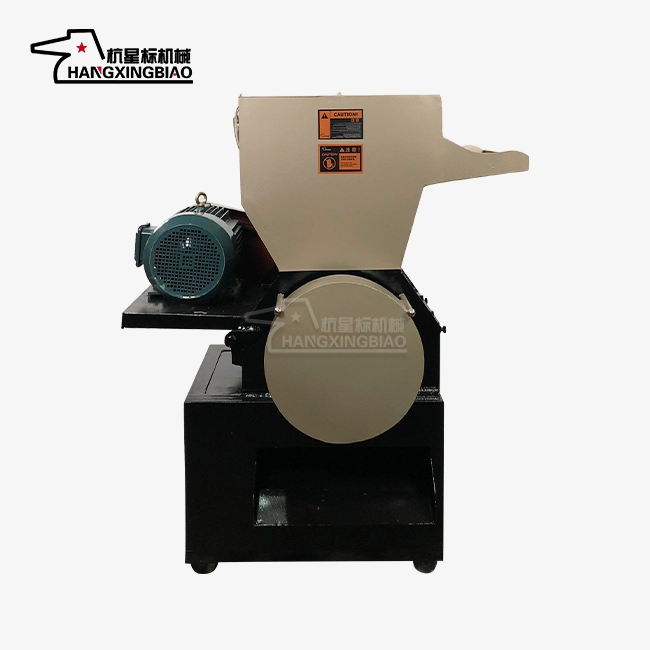
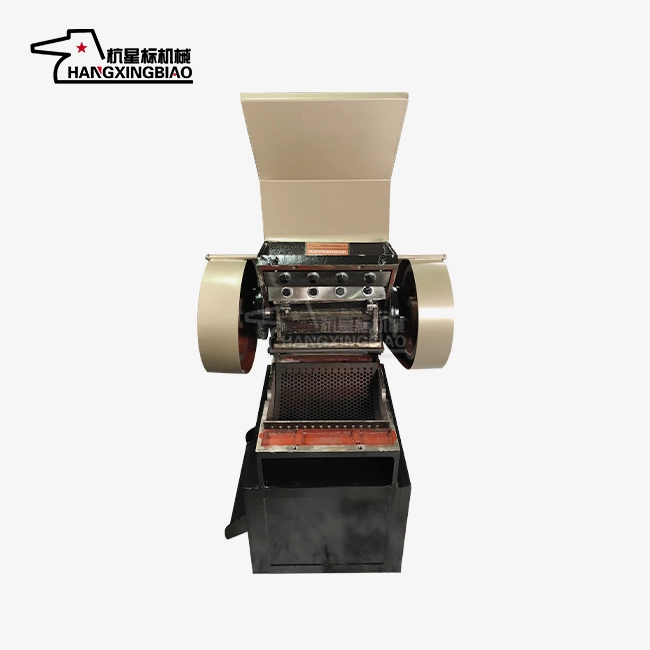
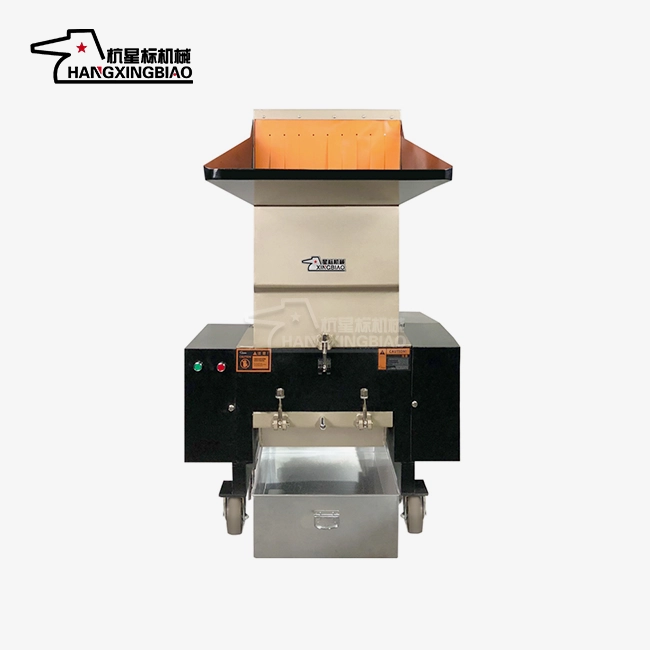
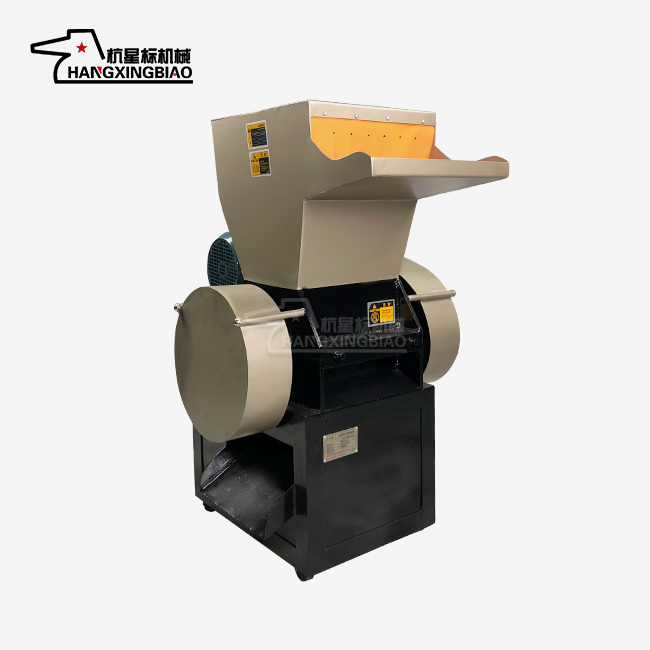
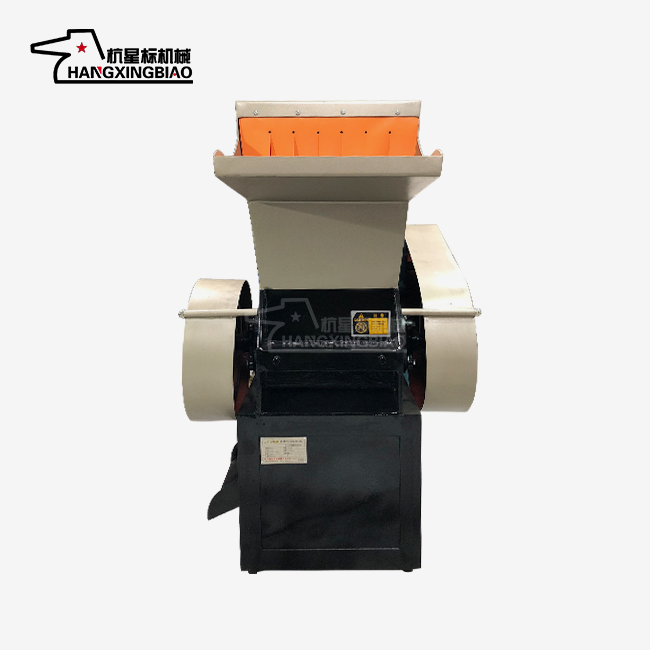
Hangzhou Xingbiao Machinery has been developing and making Industrial shredder plastic crushers for 30 years, which is an example of the "specialised" supply model. Because they only make one type of equipment, they can get better at it technically and learn how to run it in ways that other companies that make different kinds of equipment can't. The company's 20-engineer study team works directly with big companies like KFC and Nongfu Spring to make sure ideas solve problems in the real world instead of just following theoretical rules.
Verifying Supplier Credentials
Real producers are happy to show proof of their certifications, such as ISO quality management standards and safety certificates. Customer recommendations from businesses in the same industry can tell you a lot about how well machinery works and how quick a seller is. Suppliers that have been around for a while have professional websites with clear contact information, full technical specs, and case studies of how their products have been used. Be wary of sellers who can't give you verified installation references or who won't let you tour their facilities.
Custom Solutions and OEM Partnerships
Standard equipment works well for many tasks, but for more specialised tasks, it's better to have it set up in a way that fits their needs. If a supplier offers technical advice, they can change the designs of the blades, the holes in the screens, or the filling systems to fit the properties of each material. OEM ties make sure that new parts keep the same specs and work with the original equipment. This protects the safety standards and performance of the equipment for as long as it is in use.
Streamlining Your Procurement Process for Industrial Shredders
Efficient purchasing minimises the gap between recognising equipment needs and achieving operational improvements.
Requesting Detailed Quotations
Quotes that cover everything include full details about the equipment, how it needs to be installed, how operators will be trained, the terms of the guarantee, and the prices of replacement parts. If you want accurate offers, you should give sellers a lot of information about your products, working numbers, and integration needs. To really compare costs, you should ask for information on how much energy is used and how often upkeep needs to be done. Make it clear when the goods will be delivered and if the prices given include freight, clearing customs, and installation.
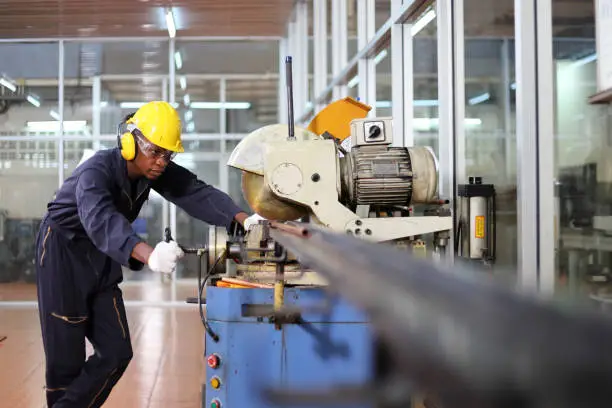
Understanding Delivery and Installation Expectations
Standard models of industrial shredders usually take between 4 and 8 weeks to make, while special designs take between 8 and 12 weeks. For international shipping, it takes an extra 3–4 weeks for ocean freight and 1–2 weeks for air freight. Professional providers will help you with the import paperwork, set up delivery, and watch over the installation to make sure it's done right. The first training for operators should happen during installation so that as much information as possible can be shared while technology experts are still on-site.
Building Long-Term Supplier Relationships
When there are constant professional partnerships, equipment works best. Set up regular ways to talk to the technical help team of your seller. Instead of waiting for performance to start to decline, follow the manufacturer's advice and schedule regular repairs. Write down the working factors and upkeep tasks so that you can find ways to improve them. Suppliers who truly care about their customers' success will give you practical tips on how to increase efficiency, extend the life of parts, and change your tools as your operations change. With the right provider relationship, buying tools goes from being a one-time deal to a long-term partnership that improves business performance all the time. This method builds value over time because as information builds up and processes are improved, productivity goes up year after year.
Conclusion
When choosing industrial shredding equipment, it's important to carefully look at both the machine's specs and the supplier's abilities. Pay attention to makers who show they have a lot of technical knowledge by specialising and having clear customer partnerships. Choose tools made from high-quality materials, like heat-treated metal blades and stress-relieved steel construction, that will last a long time and use little energy. Your investment is protected throughout the equipment's lifetime by full support from the provider, which includes installation, training, upkeep advice, and quick access to parts. In the end, the choice to buy is based on weighing the original cost against the total practical value. The best buyers choose partners committed to long-term performance over minimum purchase price.
FAQ
What Materials Can Industrial Shredders Process Effectively?
Modern shredding equipment handles diverse materials including rigid plastics (injection-moulded parts, pipes, profiles), soft plastics (films, woven bags), rubber products (tyres, industrial components), and organic materials (agricultural waste, feed preparation). Material-specific blade configurations and motor sizing ensure optimal performance across these categories.
How Do I Calculate Required Shredder Capacity?
Measure your daily waste volume in kilograms or tons. Divide by your planned operating hours to determine required throughput in kg/hour. Add 20-30% capacity margin to accommodate volume fluctuations and prevent continuous maximum-load operation that accelerates wear.
What Warranty and Maintenance Should I Expect?
Reputable manufacturers provide 12-24 month warranties covering manufacturing defects and component failures under normal operating conditions. Expect defined maintenance schedules specifying blade inspection intervals, bearing lubrication requirements, and screen replacement recommendations. Quality suppliers commit to 24-hour response times for technical inquiries and maintain spare parts inventory enabling rapid component replacement.
Contact Xingbiao for Your Industrial Shredder Solution
Xingbiao brings three decades of exclusive focus on plastic crushing technology to solve your material processing challenges. Our industrial shredder models—from large-diameter units handling bulky parts to specialised soft-plastic configurations—deliver consistent 2mm particle output with exceptional energy efficiency. We support your operation from initial consultation through installation, training, and ongoing technical assistance. Our engineering team provides customised solutions matching your specific materials and throughput requirements. Contact xingbiaocrusher@xingbiaocrusher.com today to discuss your needs with experienced industrial shredder suppliers who understand the demands of continuous production environments and can recommend equipment that optimises your operational performance and material processing costs.

References
1. Thompson, R. (2022). Industrial Waste Processing: Equipment Selection and Operational Optimisation. Manufacturing Technology Press.
2. Chen, M., & Rodriguez, A. (2023). "Comparative Analysis of Shredding Technologies in Plastic Recycling Operations." Journal of Sustainable Manufacturing, 15(3), 287-304.
3. Industrial Equipment Manufacturers Association. (2023). Standards and Best Practices for Material Size Reduction Equipment. IEMA Technical Publications.
4. Williams, J. (2021). The Complete Guide to Industrial Recycling Equipment: Selection, Installation, and Maintenance. Recycling Industry Publishing.
5. Zhang, L., et al. (2023). "Energy Efficiency Improvements in Industrial Shredding Systems Through Blade Geometry Optimisation." International Journal of Manufacturing Engineering, 41(2), 156-173.
6. American Society of Mechanical Engineers. (2022). Safety Standards for Industrial Size Reduction Equipment. ASME Technical Report B20.1.
Learn about our latest products and discounts through SMS or email