- English
- French
- German
- Portuguese
- Spanish
- Russian
- Japanese
- Korean
- Arabic
- Greek
- German
- Turkish
- Italian
- Danish
- Romanian
- Indonesian
- Czech
- Afrikaans
- Swedish
- Polish
- Basque
- Catalan
- Esperanto
- Hindi
- Lao
- Albanian
- Amharic
- Armenian
- Azerbaijani
- Belarusian
- Bengali
- Bosnian
- Bulgarian
- Cebuano
- Chichewa
- Corsican
- Croatian
- Dutch
- Estonian
- Filipino
- Finnish
- Frisian
- Galician
- Georgian
- Gujarati
- Haitian
- Hausa
- Hawaiian
- Hebrew
- Hmong
- Hungarian
- Icelandic
- Igbo
- Javanese
- Kannada
- Kazakh
- Khmer
- Kurdish
- Kyrgyz
- Latin
- Latvian
- Lithuanian
- Luxembou..
- Macedonian
- Malagasy
- Malay
- Malayalam
- Maltese
- Maori
- Marathi
- Mongolian
- Burmese
- Nepali
- Norwegian
- Pashto
- Persian
- Punjabi
- Serbian
- Sesotho
- Sinhala
- Slovak
- Slovenian
- Somali
- Samoan
- Scots Gaelic
- Shona
- Sindhi
- Sundanese
- Swahili
- Tajik
- Tamil
- Telugu
- Thai
- Ukrainian
- Urdu
- Uzbek
- Vietnamese
- Welsh
- Xhosa
- Yiddish
- Yoruba
- Zulu
What Factors Affect Powerful Crusher Machine Performance?
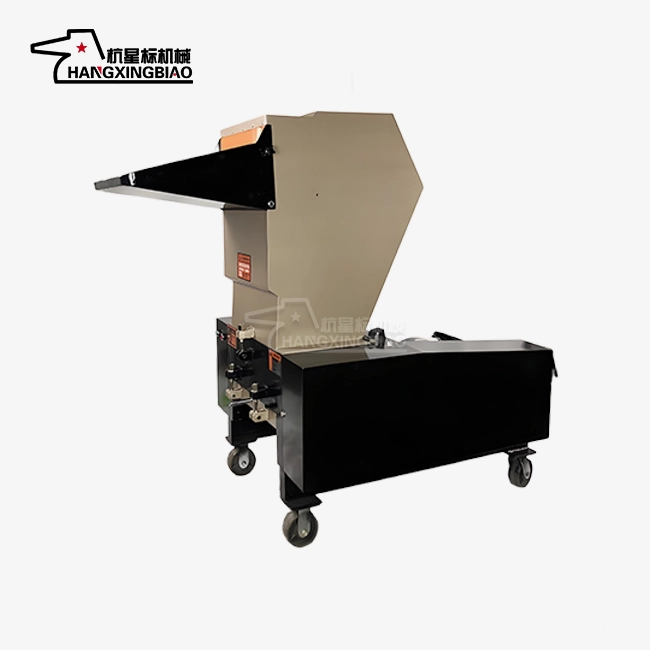
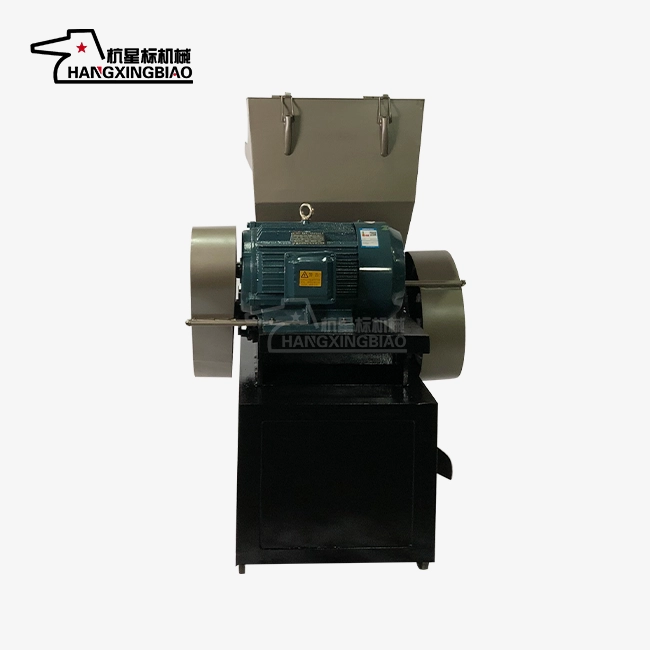
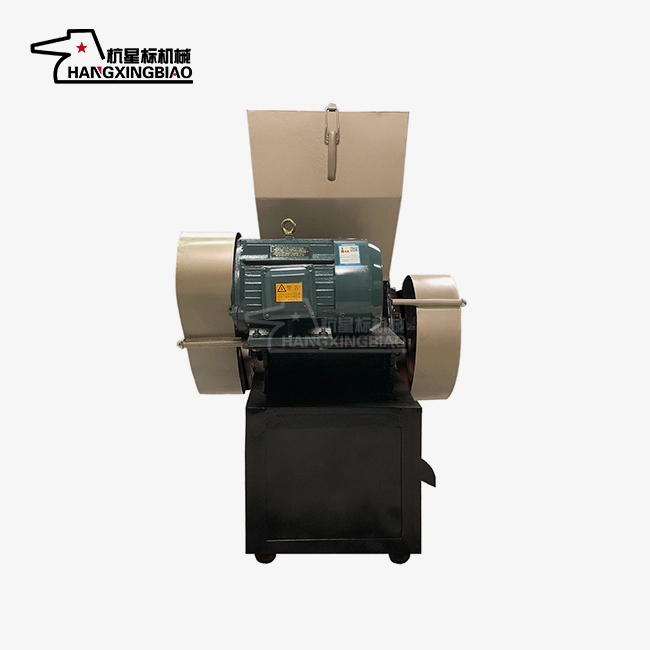
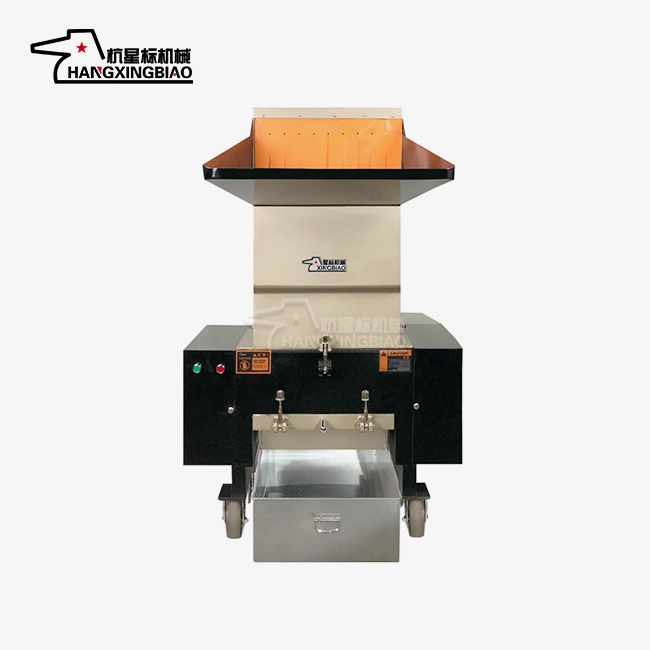
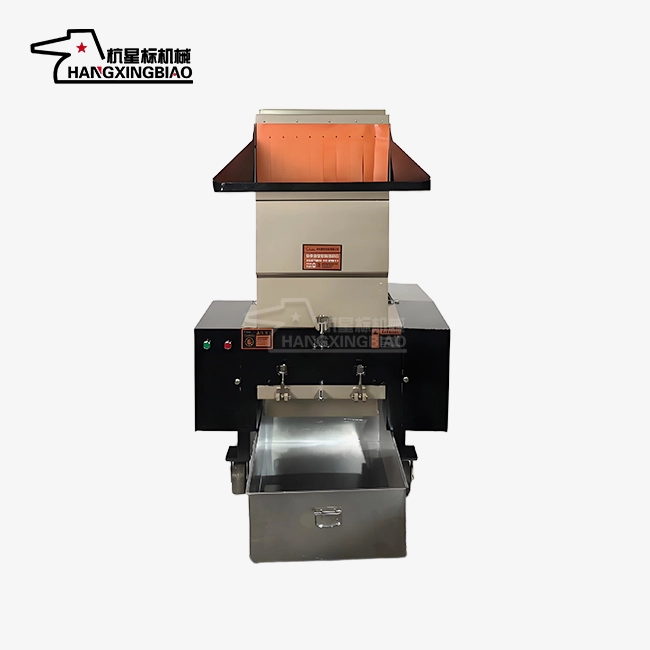
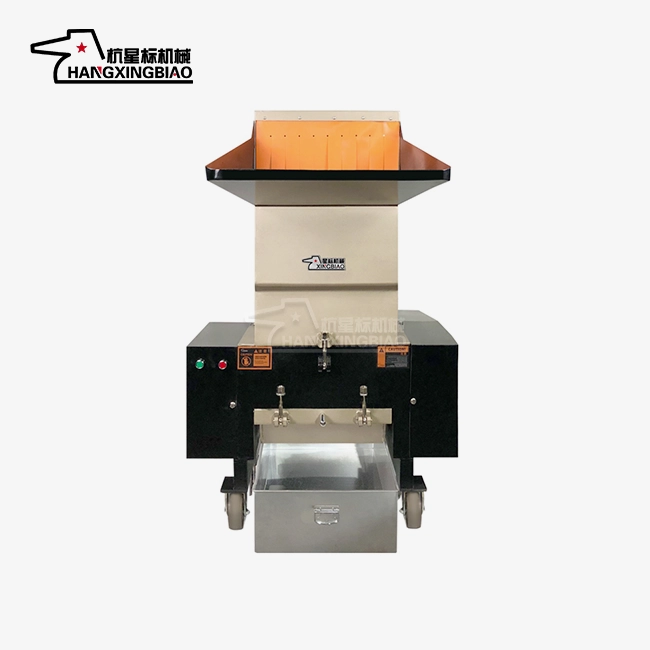
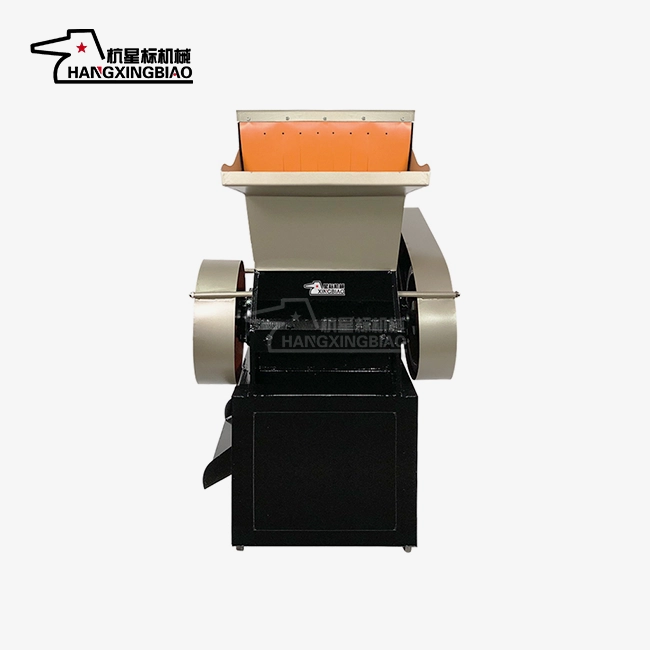
A powerful crusher machine's performance is affected by many interrelated factors, including blade material quality, motor power requirements, the traits of the material being fed, maintenance during use, and design elements such as cavity structure. Processing speeds range from 50 kg/h to 2000 kg/h, depending on how hard the material is, how much water is in it, and how the machine is set up. High-strength steel construction and blade materials like SKD-11 or Cr12MoV steels that can handle constant use make the tool last a long time. The amount of energy used is directly related to how well the motor works, how sharp the blades are, and how the load is managed. Safety features and noise control affect how reliably the machine works in a wide range of industrial settings.
Understanding Powerful Crusher Machine Performance
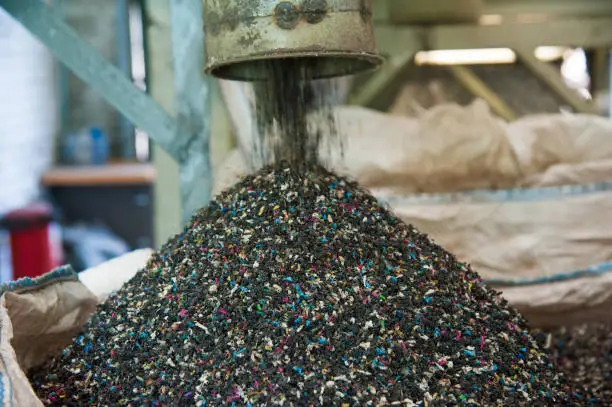
The performance measurements tell the real story of how well your Powerful Crusher Machine works. The Powerful Crusher Machine's throughput rate tells you how much material it can handle in an hour. This can be anywhere from 50 kg/h for lab use to 2000 kg/h for large-scale commercial recycling. This variation allows the Powerful Crusher Machine to be used for a wide range of tasks, from crushing small amounts of Chinese herbal medicine to recycling large volumes of plastic waste with particles between 2 and 10 mm in size.
Crushing efficiency shows how well the machine cuts down on the size of the material while wasting as little energy as possible. Compared to other models, our optimised blade shape and hollow structure design make it over 20% more efficient. This improvement directly leads to lower costs and faster processing of materials. When you can process a ton of plastic with only 8–12 kWh of energy, those savings add up over months and years of running the business continuously.
Energy use is still a big issue for businesses that want to keep costs down. How much electricity your crusher needs depends on its motor power, the design of its gearbox system, and how well it works mechanically. Compared to standard equipment, our improved motor matching cuts energy use by 10–15%. This level of speed is especially important for open businesses 24 hours a day, seven days a week. Even small percentage increases can save a lot of money.
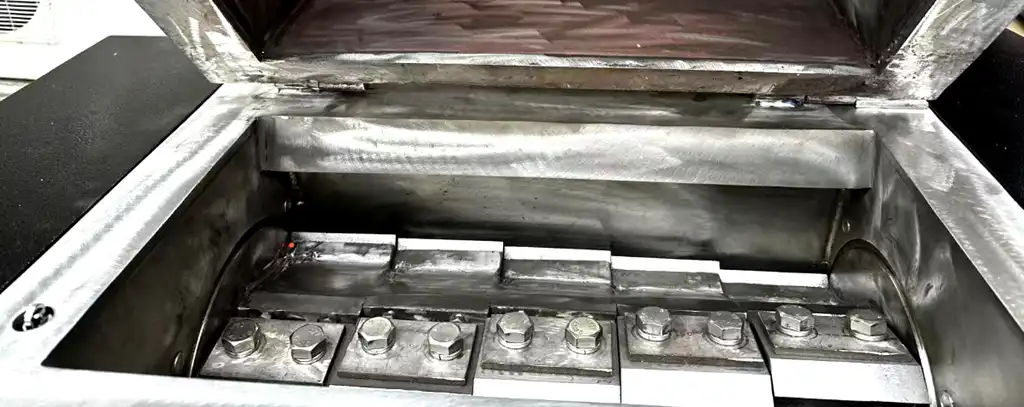
Your investment will last three years or fifteen years, depending on how durable it is. The main body is made from high-quality steel plates that are welded together. It goes through a stress relief treatment to keep it from deforming over time. Core blades made from SKD-11/D2 mould steel and Cr12MoV special steels are vacuum-heated and then frozen very cold, which makes them very hard and resistant to wear. These materials keep their cutting ability even after millions of rounds of breaking, which means that blade replacements and the downtime that comes with them happen less often.
Real-Time Monitoring Capabilities
Modern crushing systems have sensors and automated controls that allow for continuous monitoring of the entire process. These technologies provide real-time information about motor load, output rates, and possible technical problems. When hard impurities like metal get into the feed material, built-in overload safety devices shut down the machine and sound a warning. This keeps the equipment from breaking down, which could cost thousands of dollars in repairs and lost production time.
Noise and Environmental Compliance
Because they make less than 75dB of noise, you can use our tools in workshops, labs, and other places that care about the environment. The fully sealed hole design stops noise and dust from getting in, making sure your building meets safety and environmental standards. This feature is very helpful when you use crushers near areas where people work or in places that have to follow strict environmental rules.
Key Factors Influencing Crusher Performance
How well a crusher works depends on how well it was designed. How well the machine works with different materials depends on its blade shape, cavity structure, and rotor arrangement. Our special blade layout makes three grinding zones: coarse grinding, fine grinding, and ultra-fine grinding. This makes it straightforward for users to get the particle sizes they want. The gap between the stator and rotor can be adjusted to suit the material without extensive reconfiguration.
The properties of the material have a big effect on the results of processing. Soft plastics, like films and woven bags, don't behave the same way as hard plastics, like pipe sections or injection-moulded parts. How materials move through the grinding chamber and whether they clump or process easily depends on how much moisture they have. Tangled materials, like trash bags or tyres, need special blade configurations to keep them from getting stuck. Knowing these things about the material helps you choose the right crusher model and operating conditions.
How much size is lost in a single pass depends on the feed size and the reduction ratio. Large-diameter crushers can crush big things like big plastic parts and die head materials. High-power crushers, on the other hand, process sprue material right next to injection moulding machines, allowing for immediate recycling. By matching the feed size's capacity to the trash stream, you can avoid bottlenecks and keep the flow steady.
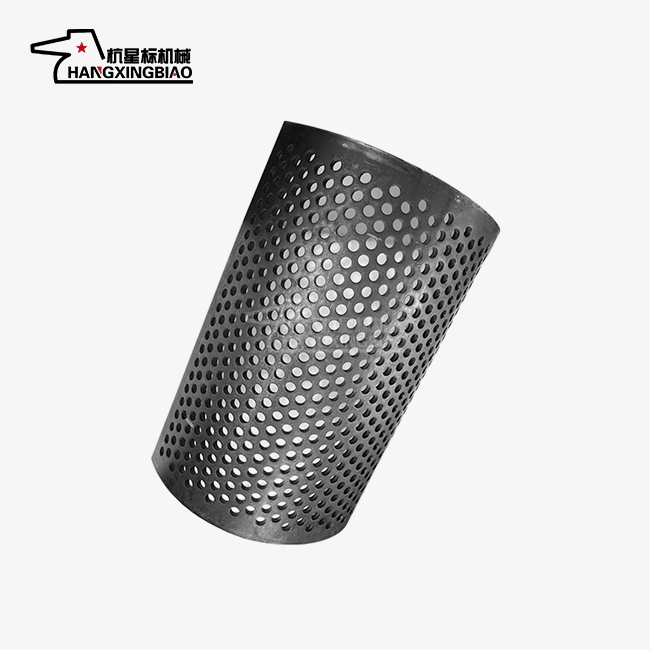
Maintenance methods have a direct effect on how well something works in the long run. Checking and replacing blades on a regular basis keeps them working well and stops heat buildup that breaks down plastic when it's crushed. When screens are clean, they keep particles at the right size and stop material from flowing backwards. Our quick-change screen structure and open design make it easy to clean, which cuts down on downtime during regular maintenance. Inspections of the blades once a week catch wear problems before they hurt performance, and professional maintenance every 3 to 6 months, depending on use, keeps everything running at its best.
Operator Expertise and Training
When workers don't get proper training, even the best equipment won't work as well as it should. Knowing the right feeding rates, spotting strange sounds that mean something is wrong, and knowing when to change operational settings are the differences between operations that work well and ones that don't. We provide your team with complete construction instructions and training on how to use the breaker so they can use it effectively from the start.
Energy Efficiency Strategies
In addition to the design of the equipment, the way you use it also affects how much energy it uses. Keeping the blades sharp lowers the stress on the motor, making sure the right amount of food is fed keeps the machine from overloading, and processing materials at the right moisture level cuts down on energy waste. During the original setup and continued consultation, our tech team helps customers put these strategies into action.
Comparing Powerful Crusher Machines – What to Consider Before Buying?
To choose the right Powerful Crusher Machine, you need to compare several types based on your unique needs. The most important thing to think about is the Powerful Crusher Machine's processing capacity. Making sure that the throughput of your Powerful Crusher Machine matches the amount of waste you produce stops undercapacity, which causes processing backlogs and overcapacity that wastes money on unused capacity. Our selection includes standard Powerful Crusher Machine models for general waste management and special units that can handle larger items, such as trash cans and tyres.
The total cost of ownership is much higher than the price of the car itself. Take into account how much energy the machine will use over its lifetime, the cost of repairs, the availability of extra parts, and the possible costs of downtime. Over the next five to ten years, a crusher that costs 15% more up front but uses 10-15% less energy and needs blade replacement less often is usually a better deal. To make smart comparisons, calculate the payback period based on your work volume and material costs.
The reliability of the supplier and the service system protects your investment. Buying from manufacturers with a history of quality, tech know-how, and quick help networks lowers the risks of buying something. We've been developing and making crushers for only 30 years, building a deep specialisation instead of branching out into different types of tools that aren't connected. Our 20-person senior engineering team can effectively solve difficult crushing problems thanks to their specialist knowledge.
Parts supply ensures that downtime is minimal when parts need replacing. Whether you get new blades in two days or two weeks depends on the authorised dealer networks and OEM parts supply chains. We keep enough spare parts on hand and promise to answer customer questions within 24 hours. We also offer installation help, operational training, and regular follow-up visits to make sure your equipment keeps working properly.
Safety licenses show that you obey the rules set by the government. Meeting OSHA standards in the US makes sure that the workplace is safe and protects against legal problems. Our heavy-duty steel tanks have anti-rebound baffles, external shields, and "open and stop" interlocks to keep workers safe and stop accidents from happening. These all-around safety features meet the safety standards for the workplace while keeping production high.
How well a crusher handles your garbage stream depends on how well it can specialise in different types of materials. For films and woven bags, soft plastic crushers have features that keep the material from getting tangled up. In contrast, units designed for hard plastics feature blade configurations that are optimised for rigid materials. By matching the type of crusher to the kinds of trash you usually have, you can get the most out of your processing and extend the life of your equipment.
Ensuring Safety and Longevity in Crusher Machine Operation
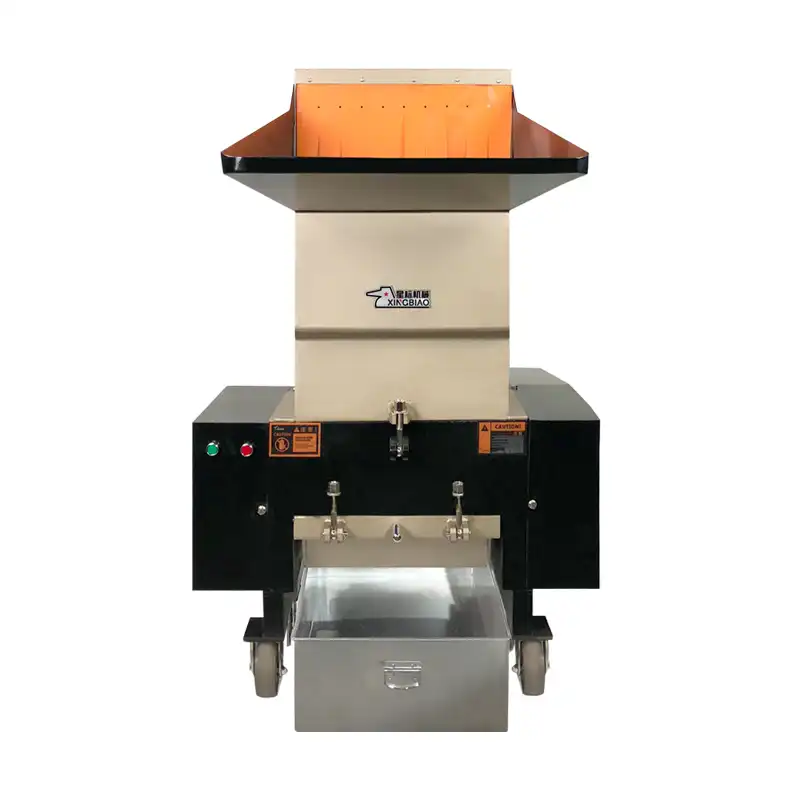
During crushing operations, safety rules protect both people and equipment. When dangers happen, emergency stop systems can shut down the machine right away. During operation, hazard zone controls keep people out of dangerous areas, and wearing the right safety gear protects operators from injury. Our interlocked designs make it so that machines can't work with access panels open, which gets rid of a lot of typical accident situations.
Routine inspections catch problems early on, before they become costly failures. You can tell when the blade needs sharpening or replacement by looking at the wear patterns on it once a week. Bearings should be checked once a month to find problems with greasing or signs of failure. Reviewing the electrical system every three months ensures that all the links are still safe and that all the parts work properly. When compared to reactive maintenance methods that wait until something breaks, these proactive inspections make machines last a lot longer.
Common technical problems have clear signs that they are happening. Unusual noises indicate uneven wheels or broken bearings that need fixing right away. Noise levels above average signal loose parts or damaged blades. It means that the blades are dull, the screen is clogged, or there are problems with the motor. Taking care of these signs right away keeps small problems from getting worse and causing major equipment damage or extended downtime.
Many operational problems can be avoided by feeding animals the right way. Avoiding metal contamination keeps blades from breaking or chipping, steady feed rates keep motors from overloading, and materials within certain moisture ranges help ensure processing goes smoothly. When solid impurities get into the machine, our overload safety turns it off immediately. This keeps the equipment from breaking down, which could stop production for days.
Scheduled lubrication keeps the bearings and gearbox system in good shape. You can avoid premature wear by following the manufacturer's suggestions for the type of oil to use and how often to change it. Our stress-relieved steel structure and choice of high-quality parts mean that our equipment needs less upkeep than equipment made with cheap materials and shortcuts.
Future Trends and Technology Advancements Impacting Crusher Performance
The Internet of Things changes how crushers work by letting them do predictive maintenance. Sensors that watch for changes in temperature, sound patterns, and power use can spot problems before they happen. This technology allows maintenance to be scheduled during planned breaks, rather than responding to unexpected breakdowns that require costly emergency repairs.
New designs that use less energy keep lowering costs and have a positive effect on the environment. New motor technologies, better gearbox systems, and optimised blade shapes all cut down on electricity use while keeping or even increasing output. Facilities that process several tonnes of plastic every day save a lot of money over time as they become more efficient. These improvements also help businesses meet corporate green goals and environmental rules that are getting stricter.
Different industries need different kinds of solutions, and modular and customisable ones work better than one-size-fits-all solutions. Recycling centers that deal with different kinds of trash can benefit from having blade configurations that can be switched out and processing parameters that can be changed. In factories, crushers are built right into the production lines and are used with custom feeding systems and material handling solutions. This allows tools to work most effectively and achieve the best return on investment in a variety of settings.
Crushers leave less of an impact on the environment when they use eco-friendly materials and design methods. Companies that care about the environment are putting in place better noise-cancelling technology, dust-containment systems, and reusable parts. Our fully enclosed cavity design and low-noise motors with a noise level below 75dB already meet these changing standards, putting our customers ahead of the rules.
Improvements in automation make it easier to run crushers and connect them to other systems in the facility. Automatic feeding systems, the ability to watch from afar, and programmable processing settings all cut down on the amount of work that needs to be done while improving consistency. These technologies are especially helpful for big businesses that have to manage many crushing units spread out over large sites.
Conclusion
A Powerful Crusher Machine's performance depends on many factors, including its build, material, usage, and maintenance. Choosing a Powerful Crusher Machine with a strong build, energy-efficient systems, and lots of safety features is the first step toward long-term dependability. Knowing how Powerful Crusher Machine blade materials, cavity design, and motor specs affect output and lifespan helps you make smart purchasing choices that meet the needs of your facility. Proper user training, regular Powerful Crusher Machine maintenance, and fixing problems ahead of time all help equipment last longer and reduce downtime costs. Keeping up with changes in Powerful Crusher Machine technology, such as IoT monitoring, better energy efficiency, and modular customisation, helps you stay ahead of the competition in businesses that recycle plastic and process waste.
FAQ
How often should crusher blades be replaced?
How often blades are replaced depends on their usage, the materials they cut, and their quality. For operations that crush for 8 to 10 hours a day, the blades should be sharpened every 3 to 6 months, and after 2 or 3 sharpenings, they should be replaced completely. Quality blades made of SKD-11 or D2 mould steel can handle many more rounds than those made of standard steel. By keeping an eye on cut quality and flow rates, you can tell when blade service is needed before performance drops significantly.
What factors most significantly influence power consumption?
Electricity use is mainly determined by the feed material, machine design, and operation. It takes more energy to make hard, rigid plastics than soft films. Compared to dull cutting edges, blades that remain sharp and in good shape put less strain on the motor. When feeding rates are right, overloading doesn't happen, which causes power use to spike. Our improved motor and gearbox systems naturally use 10–15 per cent less energy than standard designs. This lowers the overall cost of running the equipment over its entire life.
Can crushers process multiple material types?
Standard crushers are effective at dealing with different types of plastic trash, like bottles, boxes, pipes, and profiles. Specialised models are designed to handle specific problems. For example, soft plastic breakers keep film and bags from getting tangled, and large-diameter units handle big things. Different materials can be used with blade configuration and screen size adjustments, but extreme differences may need special equipment to get the best results. Talk to providers with a lot of knowledge to find a crusher that can handle the type of waste you have.
Transform Your Plastic Recycling with Xingbiao's Proven Crusher Solutions
To get the most out of your facility's waste processing, you need equipment that lasts and works well. Xingbiao's specialised crusher machines can process between 50 kg/h and 2000 kg/h and can run continuously 24 hours a day. They are backed by 30 years of focused innovation in crushing technology. Our relationships with big companies show that procurement managers can trust us to be a reliable, powerful crusher machine provider for mission-critical projects.
Email our engineering team at xingbiaocrusher@xingbiaocrusher.com for a personalised consultation on how to match a crusher's specifications to your exact needs. We look at the types of waste you have, how much you want to process, and the limitations of your facility to find the best solutions, whether they are standard models, high-power configurations, or fully customised systems. Our full support includes installation advice, training for operators, and quick delivery of spare parts to keep your equipment running smoothly for as long as possible. You can look at our whole line of products at www.xingbiaocrusher.com and ask for full technical specs that show why leaders in the industry trust Xingbiao for their plastic breaking needs.
References
1. Smith, J. & Thompson, R. (2022). Industrial Crushing Technology: Design Principles and Performance Optimisation. Manufacturing Engineering Press.
2.. Chen, L., Wang, M. & Martinez, A. (2021). Energy Efficiency in Material Processing Equipment: Comparative Analysis of Modern Crusher Systems. Journal of Industrial Machinery, 45(3), 178-195.
3. Peterson, K. (2023). Plastic Recycling Equipment Selection: A Procurement Manager's Guide to Total Cost of Ownership. B2B Industrial Publishing.
4. Anderson, H. & Kumar, S. (2022). Predictive Maintenance Technologies in Crushing Equipment: IoT Applications and Performance Impacts. International Journal of Manufacturing Technology, 38(2), 234-251.
5. Williams, D., Foster, P. & Lee, C. (2021). Safety Standards and Best Practices for Industrial Crushing Operations. Occupational Safety Research Institute.
6. Zhang, Y. & Roberts, M. (2023). Material Characteristics and Crushing Performance: Optimising Processing Parameters for Diverse Waste Streams. Recycling Technology Quarterly, 29(4), 412-428.
Learn about our latest products and discounts through SMS or email