- English
- French
- German
- Portuguese
- Spanish
- Russian
- Japanese
- Korean
- Arabic
- Greek
- German
- Turkish
- Italian
- Danish
- Romanian
- Indonesian
- Czech
- Afrikaans
- Swedish
- Polish
- Basque
- Catalan
- Esperanto
- Hindi
- Lao
- Albanian
- Amharic
- Armenian
- Azerbaijani
- Belarusian
- Bengali
- Bosnian
- Bulgarian
- Cebuano
- Chichewa
- Corsican
- Croatian
- Dutch
- Estonian
- Filipino
- Finnish
- Frisian
- Galician
- Georgian
- Gujarati
- Haitian
- Hausa
- Hawaiian
- Hebrew
- Hmong
- Hungarian
- Icelandic
- Igbo
- Javanese
- Kannada
- Kazakh
- Khmer
- Kurdish
- Kyrgyz
- Latin
- Latvian
- Lithuanian
- Luxembou..
- Macedonian
- Malagasy
- Malay
- Malayalam
- Maltese
- Maori
- Marathi
- Mongolian
- Burmese
- Nepali
- Norwegian
- Pashto
- Persian
- Punjabi
- Serbian
- Sesotho
- Sinhala
- Slovak
- Slovenian
- Somali
- Samoan
- Scots Gaelic
- Shona
- Sindhi
- Sundanese
- Swahili
- Tajik
- Tamil
- Telugu
- Thai
- Ukrainian
- Urdu
- Uzbek
- Vietnamese
- Welsh
- Xhosa
- Yiddish
- Yoruba
- Zulu
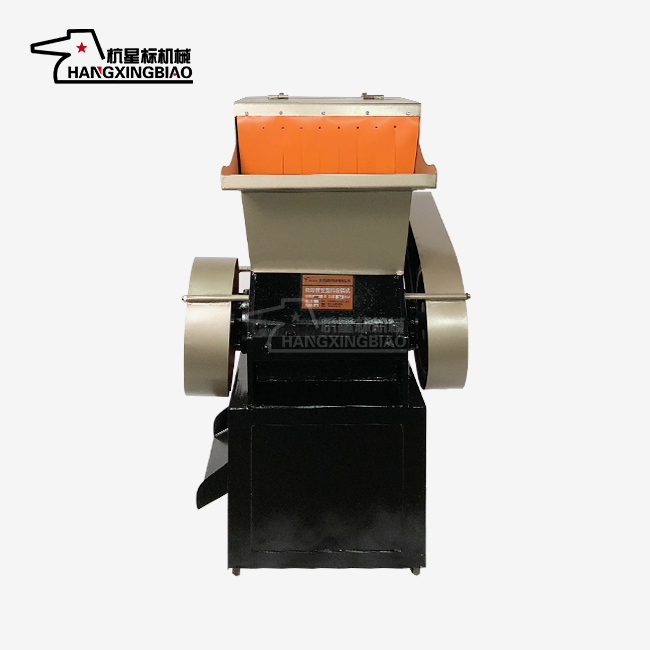
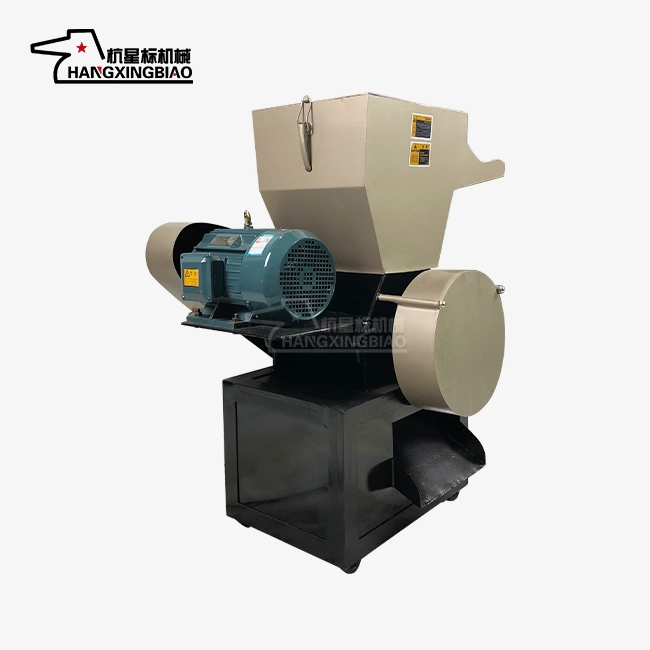
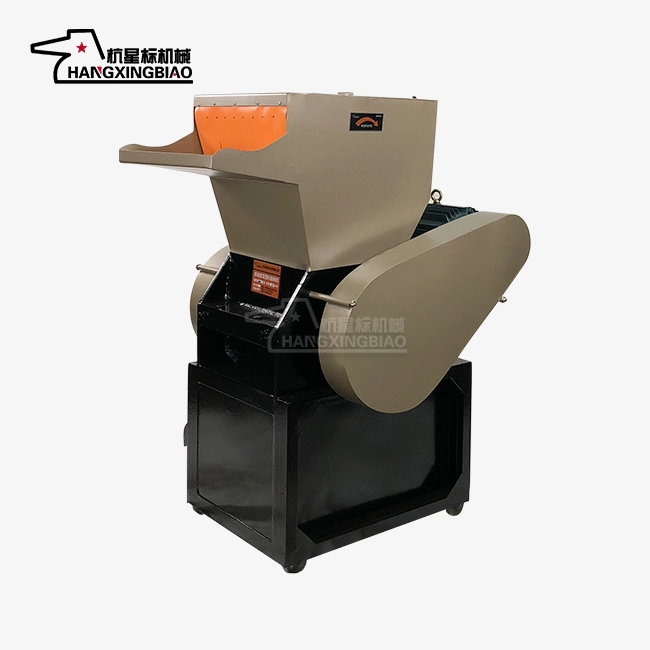
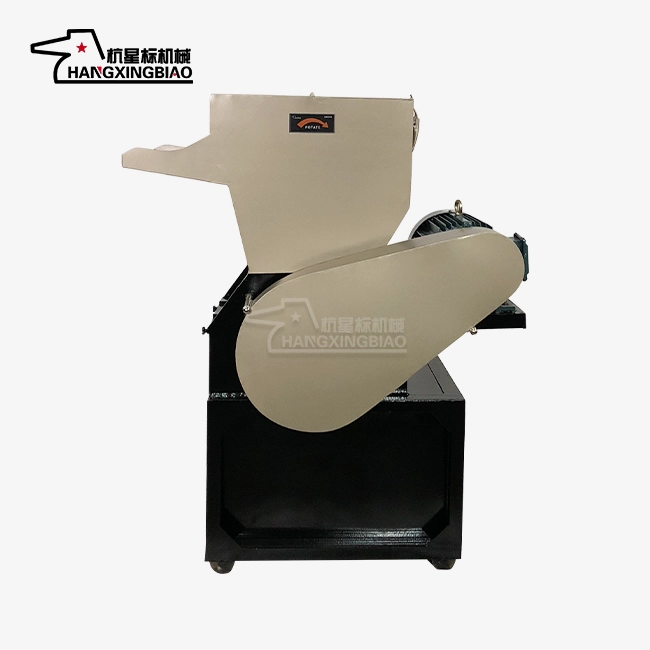
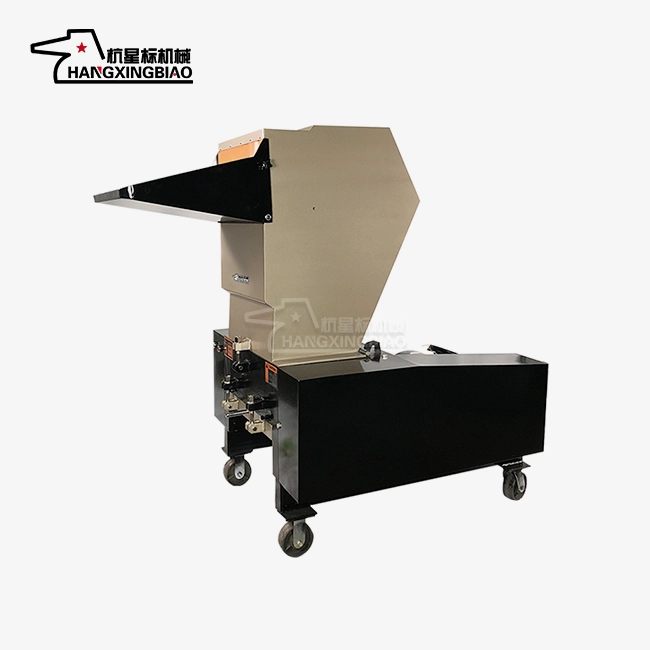
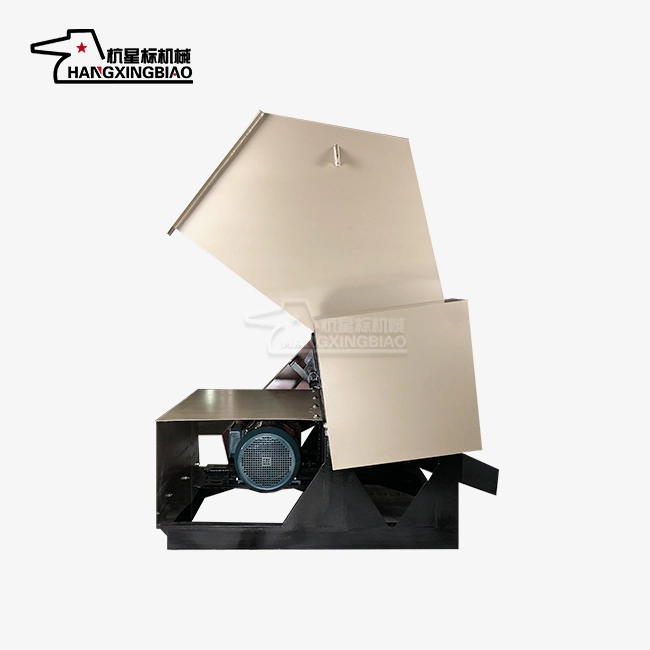
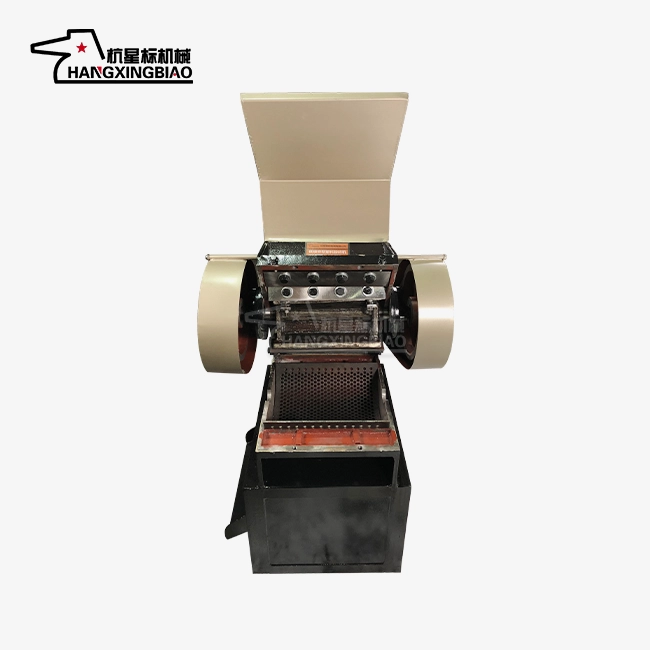
Why is a Plastic bottle crusher Important for Bottle Recycling?
By cutting the amount of trash by up to 90%, a Plastic bottle crusher completely changes the recycling process, making the subsequent steps much more effective. This machine breaks down big PET bottles, HDPE cases, and different kinds of plastic packages into uniform pieces that are 2mm to 100mm in size. This makes shipping easier, reduces the need for storage, and prepares materials for reuse in new products. Without the right crushing equipment, recycling centers run into problems that slow them down, raise costs, and go against their goals for sustainability.
Understanding the Role of Plastic Bottle Crushers in Recycling
In any full-scale recycling business, the most important step between collection and reprocessing is the use of crushing tools. When bottles get to facilities, they take up a lot of room in their original shape and don't have much material mass. A truck carrying bottles that haven't been crushed might only be able to carry 200 to 300 kilograms per load. But the same truck can carry several tonnes of crushed material, which changes the economics of recycling logistics in a big way.
Working Principles Across Crusher Types
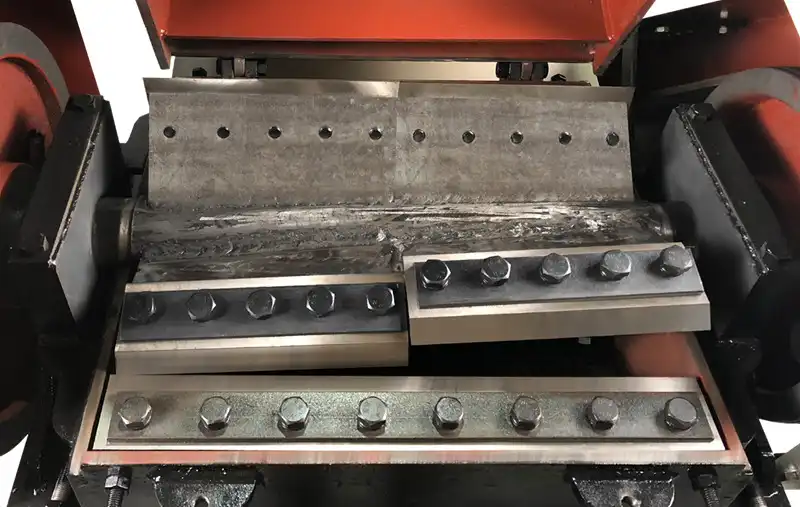
Manual crushers use lever-based compression devices that work well for small operations like labs or test projects that need to handle 50 to 100 kg per hour. Electric types have rotating blade systems with SKD-11 or D2 mould steel blades that break bottles into pieces at speeds of 200 to 800 kg per hour. Automatic feeding systems combine moving parts called conveyors with large storage chambers, allowing industrial-scale facilities to process more than 2000 kg per hour continuously.
The configuration of the blades determines how well they crush. Cutting edges that are spaced out in a way that looks like scissors make it easy to cut through tough plastics like PET and polystyrene. The spinning speed, which is usually between 400 and 800 RPM, creates enough kinetic energy to break bottles while keeping energy use low—between 8 and 12 kWh is needed to process one tonne of bottles.
Integration Within Recycling Workflows
In modern recycling systems, crushers are placed between the steps of cleaning and washing. Bottles are sorted by optical or physical means to get rid of any contaminants. They then go into rooms for crushing, which reduces their volume. When this process happens, the pieces move through washing systems better than whole bottles, because more surface area means better cleaning. After washing, particles of the same size make drying and pelletising more regular.
A medium-sized recycling center in the Midwest put in automatic crushing equipment and saw a 40% drop in the time it took to handle materials. Their facility moved goods 60% faster, needed half as much warehouse space, and saved them 35% on transportation expenses. These changes directly made them more competitive when they were bidding for jobs with big beverage companies.
Throughput Capacity Considerations
Matching the crusher's capacity to the working amount is crucial when choosing equipment. Standard electric types are enough for small recycling businesses that handle 500 to 1000 kg per day. Semi-automatic systems with powered feeding devices are useful for medium-sized sites that handle 3 to 5 tonnes of material every day. Large reprocessing plants that handle more than 20 tonnes of material every day need fully automated lines with multiple crushers working in parallel, along with dust collection systems and noise-cancelling enclosures that keep the noise level below 75 dB.
Key Benefits of Using Plastic Bottle Crushers for Recycling Operations
By using skilled crushing tools, you can see clear benefits in terms of operations, finances, and the environment. Over time, these benefits add up, giving recycling businesses long-term economic advantages.
Operational Cost Reduction
Recycling centers have to pay a lot of money for storage space. About 10 cubic meters of space are needed for every tonne of uncrushed bottles, while only 1 cubic metre is needed for every tonne of crushed material. This tenfold drop in output means that warehouse costs will go down by the same amount. Either fewer leased rooms can be used, or more processing can be done in the same area.
The costs of transport get a lot better. A regular truck carrying bottles that aren't broken down might have to make eight trips to move the same amount of stuff as a single batch of broken pieces. As carbon emissions go down, so do the costs of fuel, driver wages, vehicle maintenance, and repairs. These savings can be substantial. A plant that processes 50 tonnes of materials a month could save $3,000 to $5,000 a month just on transportation.
Environmental Sustainability Contributions
Crushing equipment helps the circular economy goals by increasing the rate of material recovery. Having uniform particle sizes makes it easier to separate mixed plastics when they are processed later. The rate of contamination goes down because smaller pieces wash better. The recycled pellets that are made meet better quality standards, which means they can be used in more industrial processes.
Profiles of energy use favour modern crushing technology. The energy used to crush bottles is better for the earth than the energy used to move and store whole bottles. The Plastics Industry Association did a lifecycle analysis and found that facilities with crushers cut their carbon footprint per tonne processed by 18–25% compared to facilities that didn't have dedicated crushing capacity.
Safety Standards and Maintenance Protocols
Professional breaking equipment has a lot of safety features built in. Overload protection systems stop operations automatically when they find metal contaminants or too much resistance. This keeps the blades from getting damaged and keeps operators safe. There are emergency stop mechanisms in easy-to-reach places that allow for immediate shutdown. Fully sealed crushing rooms stop trash from flying out, and built-in dust suppression systems keep the air clean.
With the right design, you can still meet maintenance needs. With quick-change screen devices, you can change the particle size without any tools, and it only takes minutes instead of hours. To replace blades, you only need basic hand tools and not any special equipment. When bearing sets are placed away from areas of contamination, repair intervals are increased to 2,000 to 3,000 hours of operation. These design features keep downtime to a minimum—usually less than 2% a year for well-maintained units.
How to Choose the Right Plastic Bottle Crusher for Your Business?
To choose the right crushing equipment, you need to carefully consider how it will be used, the properties of the material, and the total cost of ownership. When you don't match equipment properly, you can create problems like bottlenecks, high energy use, or early component failure.
Capacity and Throughput Evaluation
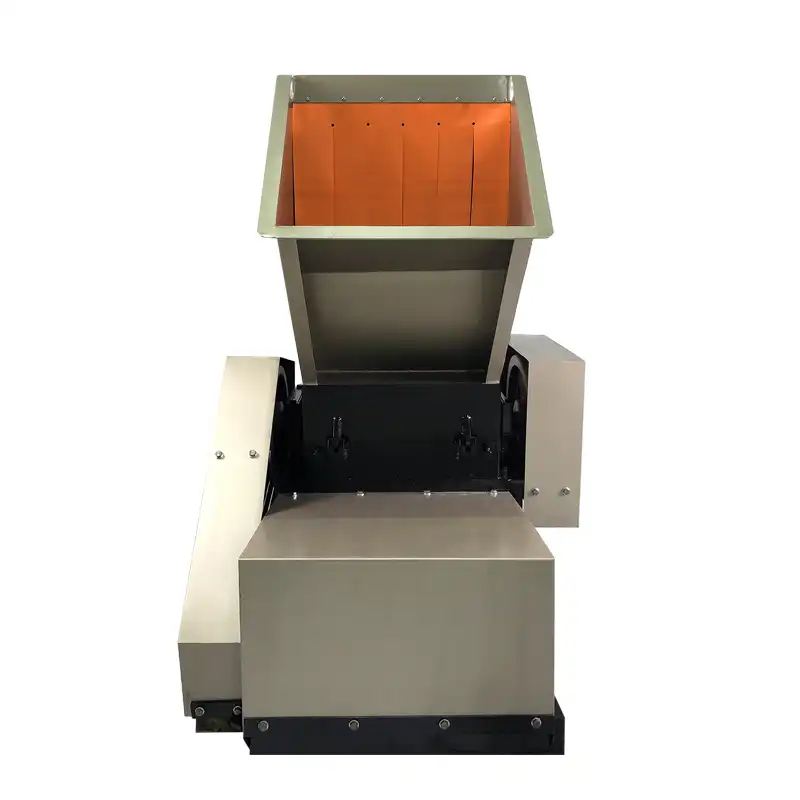
First, determine the average daily working amounts and the peak amounts for the Plastic bottle crusher. To account for changes in volume and maintenance downtime of the Plastic bottle crusher, add a 30–40% capacity buffer. A center that wants to handle 2 tonnes per day should ask for Plastic bottle crusher tools that can handle 2.8 to 3 tonnes per day. Hangzhou Xingbiao Machinery Co., Ltd. has Plastic bottle crusher models with processing speeds ranging from 50 to 2000 kg/h, so they can be used in various settings, from labs to factories.
For high-volume sites, the ability to run continuously is important. Equipment that can run 24 hours a day has stronger parts, better cooling systems, and heavy-duty motor units that can handle constant loads. Our crushers have frames made of stress-relieved steel that are welded from high-strength plate and have been vacuum-heated to make sure they stay the same size over long periods of time.
Power Source and Automation Analysis
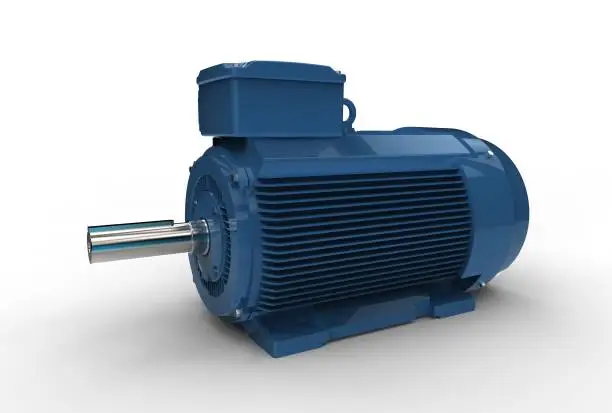
Manual systems work well for businesses that process less than 200 kg of goods every day and have irregular break schedules. Electric models can move 200 to 2000 kg per day in a single shift. Automatic feeding systems allow the processing of more than 5 tonnes of material every day, 24 hours a day. Power needs change based on the type of unit: manual units only need the work of a user, standard electric models use 3–15 kW, and industrial systems use motors that use 22–75 kW.
The level of automation affects how work is distributed. For material introduction during manual feeding, you need specialised workers. Batch filling is possible on semi-automatic systems, which frees up workers to do other things. Fully automatic lines connect to conveyor systems and only need to be watched over by a supervisor. Differences in the cost of labour often make investing in technology worth it within 18 to 24 months for sites that process more than 3 tonnes of material every day.
Supplier Reliability and Support Infrastructure
How long the equipment lasts depends a lot on how well the seller can support it. Check the guarantee terms. Full coverage should last between 12 and 24 months and cover both parts and labour. Responding quickly to after-sales service issues is very important when production is interrupted. We promise to answer your questions within 24 hours, help with fixing remotely, and keep regional parts stores stocked so that parts can be delivered the next day across North America.
Suppliers are distinguished by their technical know-how. Because they have been specialising in crushing technology for 30 years, our 20-person research team can come up with custom answers for any material problem. Our relationships with companies like Nongfu Spring and KFC in the same industry show that we can meet tough operating needs. This focused expertise—never branching out into different types of equipment—ensures that crusher design is always getting better.
Enhancing Crusher Performance and Longevity
To get the most out of your equipment investment, you need to be proactive about improving its performance and follow a maintenance schedule. When they are well taken care of, crushers work regularly for 10 to 15 years with only a few parts needing to be replaced.
Feeding System Optimization
Consistent material feed keeps operations from getting interrupted. Uneven feeding causes cyclical loading, which puts stress on the drive parts and shortens the life of the blades. To keep the flow steady, add hopper extensions or vibrating feeds. Sorting stations should be put upstream to get rid of oversized items or metal contaminants before they get to the breaking rooms. Install buffer storage between the sorting and crushing stages in places that deal with different types of bottles.
The amount of moisture in the material affects how well it crushes. Bottles with leftover fluids use more energy and make health issues more likely. 80–90% of the moisture is removed by pre-crushing draining stations, which are just simple tilted screens where bottles rest for a short time. This step makes the breaking work better while lowering the number of times it needs to be cleaned.
Preventive Maintenance Schedules
Every day, the Plastic bottle crusher's bearing temperature, blade state, and screen quality should all be checked. As part of weekly care for the Plastic bottle crusher, the motor housings are cleaned of dust, and the tightness of the belts is checked. As part of routine maintenance done once a month, Plastic bottle crusher bearing systems are oiled with the right kind of grease, and electrical connections are checked to make sure they are tight. Deep cleaning of the Plastic bottle crusher every three months gets rid of buildup in hard-to-reach places, and resharpening the Plastic bottle crusher blade once a year restores the cutting edge's geometry.
How often parts need to be replaced depends on how much they are being processed and how the material is made. Usually, blades need to be resharpened every 1,000 to 1,500 hours of use and replaced every 3 to 4 times. Screens usually need to be replaced every 2,000 to 3,000 hours because they wear out slowly. Bearings last between 5,000 and 8,000 hours if they are well-oiled and kept clean. Our quick-access system cuts the time it takes to change blades to less than 30 minutes, so work doesn't stop.
Compliance with Safety Regulations
According to OSHA rules, industrial breaking tools must have certain safety features. Some of the things that must be there are emergency stops that are easy for the user to reach, entry doors that stop the machine from working when they are opened, and guarding that keeps people from touching moving parts. Our fully sealed cavity design goes above and beyond these basic standards. It keeps debris inside and reduces working noise to 75 dB or less, which is much lower than OSHA's 85 dB action level.
Standard operating procedures for teaching operators should include the right way to feed, what to do in an emergency, how to fix basic problems, and regular maintenance chores. Keeping written records of training shows that you are following the rules and lowers the number of accidents that happen. During installation, we offer full training programs that include both hands-on instruction and thorough operating guides that cover normal use, common problems, and upkeep steps.
Future Trends and Innovations in Plastic Bottle Crushing Technology
Sustainability rules, new technologies, and changes in the makeup of waste streams are all pushing the crushing equipment industry to change quickly. Understanding new trends helps people make smart decisions about what to buy.
Smart Technology Integration
Internet-connected breakers with sensor arrays constantly check the machine's settings. Vibration sensors find worn bearings before they break. Motor overheating is found by keeping an eye on the temperature. Tracking power use shows that effectiveness is going down, which means that repairs need to be done. These data are put together by cloud-based analytics systems, which then send out predictive maintenance alerts and speed optimisation suggestions.
By finding problems quickly, these smart systems cut unexpected downtime by 40 to 60 per cent. Support workers can fix problems without having to visit the site, which speeds up the resolution process. Performance screens show utilisation rates, throughput trends, and energy-saving measures to management, which helps make practical changes based on data.
Energy Efficiency Innovations
Improvements in motor technology lead to big gains in efficiency. Variable frequency drives change the motor speed to match the flow of material. This saves energy when the load is light. When compared to regular induction motors, high-efficiency permanent magnet motors use 15 to 25 per cent less power. Optimised blade geometry lowers cutting resistance, which means less energy is needed to process each tonne.
These changes are good for both running costs and the environment. A plant that processes 1,000 tonnes of material a year could cut its energy use by 8,000 to 12,000 kWh a year, which would save $1,000 to $1,500 and keep 5 to 8 tonnes of CO₂ from being released into the air. As the price of energy goes up and rules about carbon emissions get stricter, the benefits of being more efficient become more important.
Modular and Flexible Designs
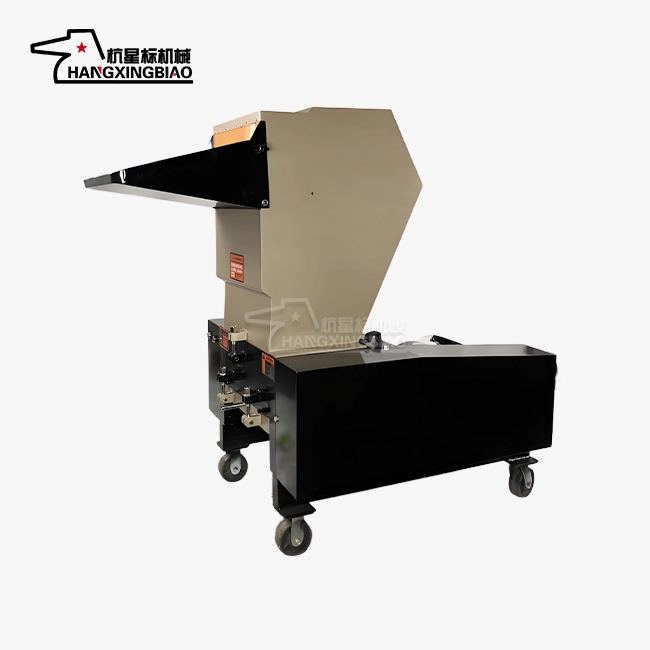
Modern crushing systems stress being able to adapt to different processing needs. Particle size changes can happen quickly with modular screen systems. Different types of plastic work best with blades that can be changed into different shapes. Mobile crusher units on wheels allow for flexible facility layouts or operations at more than one site.
This adaptability is especially useful as recycling centres take in more materials. At first, a facility might only process PET bottles. Later, it might add HDPE cases, and finally, it might include rigid packaging made from more than one type of plastic. Protecting capital investments and allowing business growth are two benefits of using equipment that can handle these changes without having to be replaced.
Conclusion
Investing strategically in professional bottle crushing equipment changes recycling operations in a big way by lowering costs, increasing throughput, and moving sustainability goals forward. A volume reduction of more than 90% greatly reduces the costs of storage and shipping, while also making things ready for more efficient processing later on. Modern Plastic bottle crushers work reliably 24 hours a day, 5 days a week, and can process different types of bottles with particles ranging in size from 2 mm to 100mm. They also have safety features that protect both operators and equipment. When choosing crushing options, the best long-term results come from matching equipment capacity to operating volume, looking at the benefits of automation, and working with experienced providers. As the recycling industry moves toward models of the circular economy, recycling technology is not only useful, it's also necessary for businesses to stay competitive.
FAQ
What distinguishes crushers from shredders in bottle recycling?
Plastic bottles are broken up into pieces about 2mm to 100mm in size by spinning blade systems that shear the bottles. Different types of shredders use different ways to cut paper into strips or chunks that aren't all the same size or shape. Crushing works better for recycling tasks that need uniform grain sizes for pelletising.
Can one crusher handle multiple bottle types effectively?
These days, crushers can break down different kinds of plastic bottles, like PET, HDPE, PP, and PS ones. Screen devices that can be adjusted can handle particles of different sizes. Throughput rates are affected by things like wall thickness and rigidity, but flexible models can handle mixed streams well. Help with choosing the right equipment makes sure that it works best with certain mixes of materials.
How frequently does crushing equipment require maintenance?
Daily quick checks take 5 to 10 minutes to make sure everything is working normally. Cleaning and checking things once a week takes 20 to 30 minutes. Lubrication and thorough checks take one to two hours per month. Major maintenance, like replacing blades, needs to be done every 1,000 to 1,500 hours of work, or three to four times a year for single-shift activities. When kept properly, crushers are up 98% of the time or more.
Partner with Xingbiao for Superior Bottle Crushing Solutions
Plastic bottle crusher manufacturer Hangzhou Xingbiao Machinery Co., Ltd. has been in business for 30 years and has worked with recycling operations of all sizes, from small regional sites to large international companies. Our range of tools can process between 50 and 2000 kg/h and can run continuously for 24 hours a day. It comes with vacuum-heated SKD-11 blades that are very durable. Each crusher has overload protection that keeps metal contaminants from doing damage, fully enclosed chambers that keep noise below 75 dB, and quick-change screens that let you quickly change the particle size. For personalised equipment suggestions based on your individual processing needs and volume goals, please contact our engineering team at xingbiaocrusher@xingbiaocrusher.com or visit www.xingbiaocrusher.com.
References
1. Johnson, M.R. & Stevens, P.A. (2022). Industrial Plastic Recycling Technology: Equipment Selection and Process Optimisation. Manufacturing Engineering Press.
2. American Plastics Council (2023). Best Practices in PET Bottle Recycling Operations. Industry Standards Publication Series, Volume 14.
3. Chen, L., Rodriguez, F. & Williams, K. (2021). "Comparative Analysis of Crushing Technologies for Post-Consumer Plastic Waste," Journal of Polymer Recycling, 28(3), pp. 412-429.
4. National Recycling Coalition (2023). Equipment Reliability Standards for Material Recovery Facilities. Technical Guidelines Document NRC-2023-08.
5. Thompson, D.H. (2022). Energy Efficiency in Waste Processing: A Technical Review of Crushing and Size Reduction Equipment. Environmental Technology Institute.
6. Plastics Recycling Association (2023). "Market Analysis: Crushing Equipment Demand Trends 2023-2028," Recycling Industry Quarterly, 19(2), pp. 56-73.
Learn about our latest products and discounts through SMS or email