- English
- French
- German
- Portuguese
- Spanish
- Russian
- Japanese
- Korean
- Arabic
- Greek
- German
- Turkish
- Italian
- Danish
- Romanian
- Indonesian
- Czech
- Afrikaans
- Swedish
- Polish
- Basque
- Catalan
- Esperanto
- Hindi
- Lao
- Albanian
- Amharic
- Armenian
- Azerbaijani
- Belarusian
- Bengali
- Bosnian
- Bulgarian
- Cebuano
- Chichewa
- Corsican
- Croatian
- Dutch
- Estonian
- Filipino
- Finnish
- Frisian
- Galician
- Georgian
- Gujarati
- Haitian
- Hausa
- Hawaiian
- Hebrew
- Hmong
- Hungarian
- Icelandic
- Igbo
- Javanese
- Kannada
- Kazakh
- Khmer
- Kurdish
- Kyrgyz
- Latin
- Latvian
- Lithuanian
- Luxembou..
- Macedonian
- Malagasy
- Malay
- Malayalam
- Maltese
- Maori
- Marathi
- Mongolian
- Burmese
- Nepali
- Norwegian
- Pashto
- Persian
- Punjabi
- Serbian
- Sesotho
- Sinhala
- Slovak
- Slovenian
- Somali
- Samoan
- Scots Gaelic
- Shona
- Sindhi
- Sundanese
- Swahili
- Tajik
- Tamil
- Telugu
- Thai
- Ukrainian
- Urdu
- Uzbek
- Vietnamese
- Welsh
- Xhosa
- Yiddish
- Yoruba
- Zulu
How can a crusher machine for plastic Reduce Production Waste?
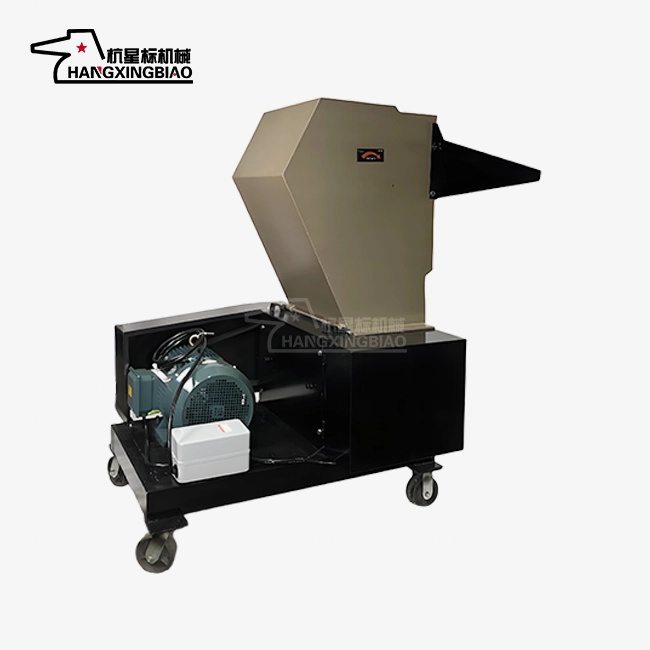
By turning scraps, broken parts, and offcuts into useful material right on the production floor, a crusher machine for plastic directly reduces production waste. This immediate processing by a crusher machine for plastic gets rid of the costs of disposal, recovers valuable raw materials, and has the least possible effect on the environment. Crusher machines for plastic systems close the loop in manufacturing cycles by turning waste products from production into granules that can be used again. This turns waste that would otherwise end up in a landfill into valuable resources that go back into production lines. The waste produced during the manufacturing process is a big problem for plastic output. When scraps, broken goods, runners, and edge trims are not handled properly, they add to running costs and damage the environment. B2B makers and wholesalers need cutting-edge technologies to cut down on waste, to be more environmentally friendly, and to make more money. Plastic crushing equipment is a tried-and-true option that turns industrial trash into reusable materials. This guide discusses the main features and advantages of plastic crushers to help buying workers make smart choices that meet the needs of today's businesses.
Understanding Production Waste in Plastic Manufacturing
Production waste includes many different kinds of materials that are thrown away during the process of making plastic. Material loss is caused by things like scraps from injection moulding machines, faulty products that don't meet quality standards, runners from moulding processes, and edge cuts from thermoforming. This waste directly affects the cost of production while also being harmful to the earth and making it harder to follow the rules.
Sources and Types of Manufacturing Waste
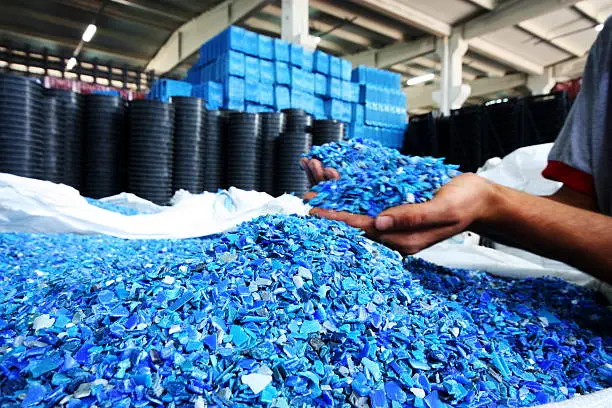
Several things happen in manufacturing sites that create waste. Every time an injection moulding operation runs, it produces sprues, runners, and gate remnants. Thermoforming makes edge trims and skeletal waste. During quality control, we throw away parts with mistakes in their dimensions, surface flaws, or inconsistent materials. When machines start up and shut down, they make more off-specification material. Each waste stream represents an investment in lost raw materials and an expense for disposal.
Economic Impact on Production Operations
Several ways in which making waste affects profits. When production yields go down, the cost of raw materials goes up. Disposal fees for going to a dump or recycling outside the business add to the costs of running it. Keeping trash in storage takes up important floor space in the plant. Transportation logistics for getting rid of trash take time and money away from more useful tasks. When companies face these problems, they need answers that deal with waste where it starts.
Environmental and Regulatory Considerations
Environmental laws require less and less waste and more and more material recycling. Many places limit what people can throw away because of landfill rules. Extended producer responsibility programs make companies take care of things that have reached the end of their useful life. Goals to cut down on carbon emissions force companies to use circular economy methods. In competitive manufacturing environments, knowing about these factors helps companies make the best use of their resources and lower their overall waste management costs.
How Do Plastic Crusher Machines Work to Reduce Production Waste?
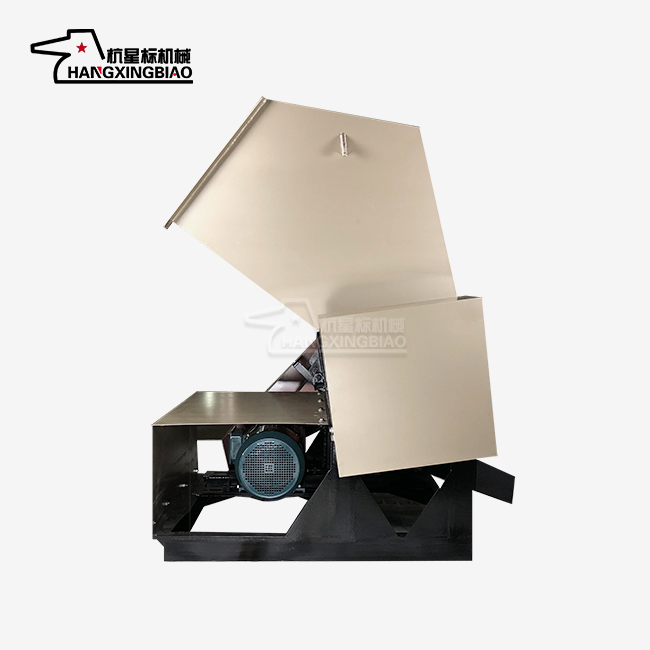
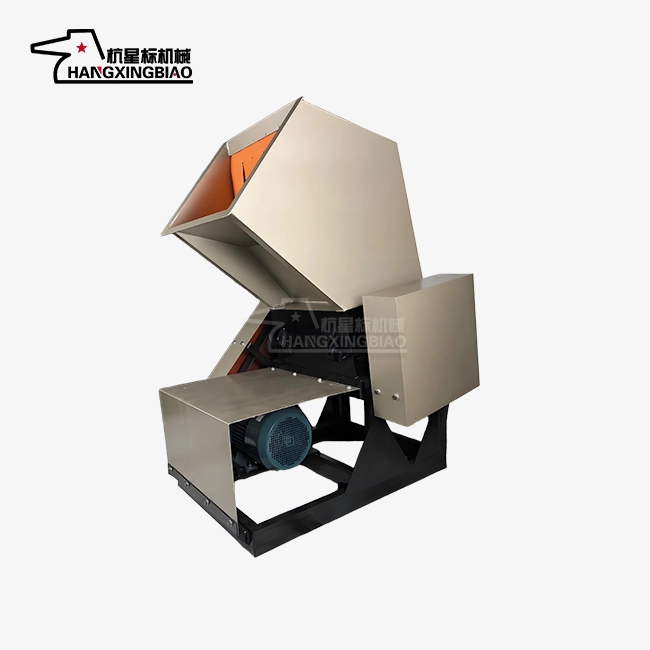
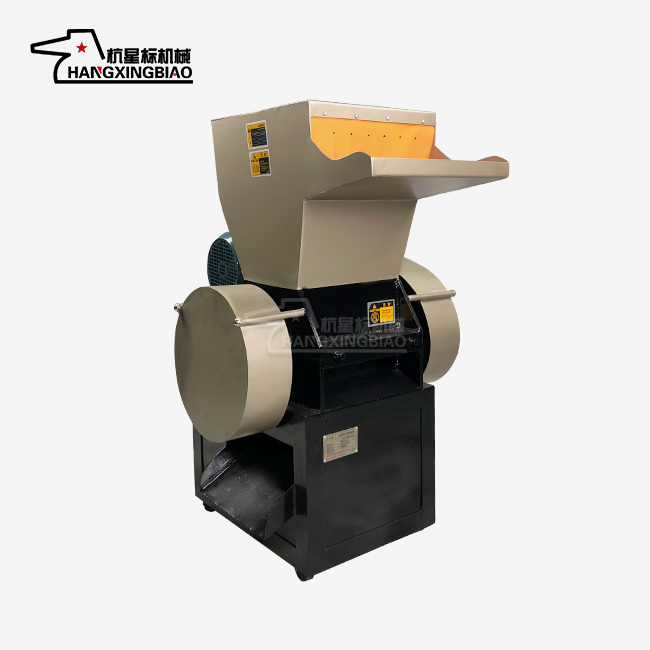
Plastic crushing equipment works by manually breaking down plastic trash into smaller, easier-to-handle pieces that can be recycled and used again in the same production cycle. To split and cut plastic, rotating blades on a shaft work with knives that stay in place. The crushed particles fall through screens that decide the final particle size. They are then collected in hoppers or bins, where they can be used immediately or taken to another step in the processing.
Core Operating Principles
The crushing process depends on the careful design of the blades and rotor. Materials are fed into the cutting chamber through feed hoppers. There, high-speed rotating blades and fixed knives work together to cut the materials. Plastics are broken into smaller and smaller pieces when shearing forces are stronger than the material's strength. Screens placed below the cutting chamber let particles of the right size escape while keeping pieces that are too big for further processing. This continuous cycle successfully handles waste sources without any help from a person.
Equipment Variations for Different Applications
Different sets of equipment are used for different tasks. Single-shaft crushers with hydraulic ram feeds can handle long and heavy materials. Models with two shafts and rotors that are powered separately can handle large amounts of film and flexible materials. Granulators with many rotating blades make particles that are all the same size for tough jobs. For rapid sprue recovery, beside-the-press crushers connect directly to injection moulding machines. Each design is made to fit a certain type of material and a certain amount of throughput.
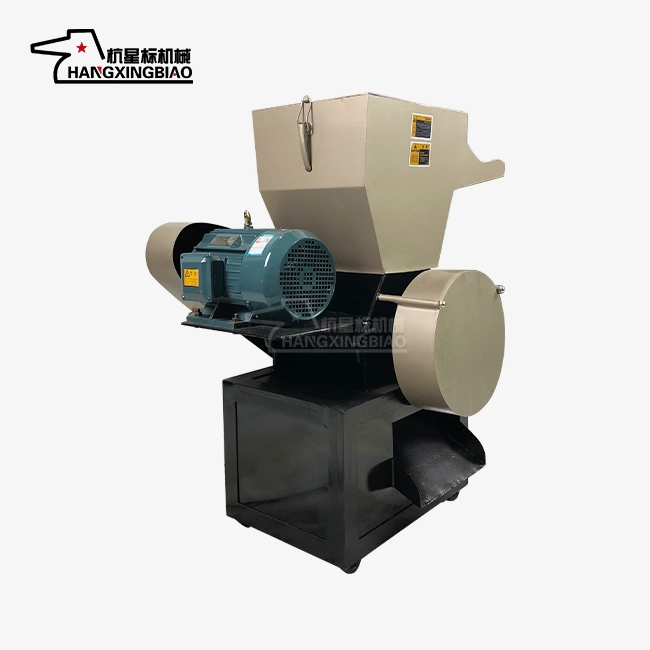
Hangzhou Xingbiao Machinery Co., Ltd. has been focusing on breaking technology for 30 years, and as a result, our machines can handle a wide range of thermoplastics, such as PE, PP, PVC, ABS, PC, and PET. The processing speeds range from 50 kg/h for lab use to 2000 kg/h for large-scale commercial use. The machines we sell can run nonstop for 24 hours a day, seven days a week. They have built-in overload protection systems that turn them off and sound a warning when they come across metal impurities or severe contaminants, keeping the machines safe and avoiding damage to them.
Material Processing Capabilities
Modern tools for crushing can handle a wide range of materials. Soft plastics like PE films, PVC sheets, knitted bags, and textile fibres need special blade shapes to prevent wrapping or clogging. Hard plastics like ABS parts, PC parts, thick-walled pipes, and rigid shapes need cutting tools that are strong and have high shear forces. EPS packing foam and EVA cushion foam are two types of foam that need to be processed carefully to keep the particle size under control. Adjustable feed systems and flexible blade setups are helpful for things with odd forms, like plastic bottles, trays, and mixed scraps.
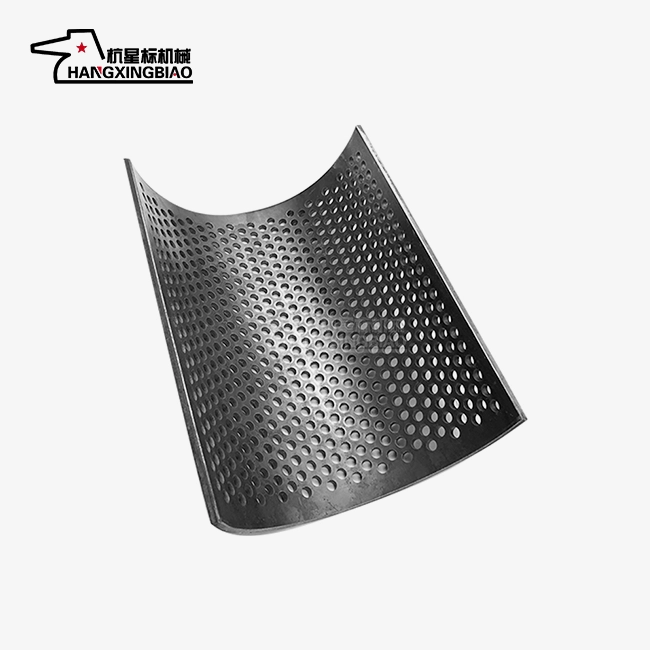
Our crusher machine for plastic equipment gives you precise control over particle size with screening systems that offer options for mesh sizes from 2 to 100 mm. Facilities can make pieces 5 to 50 mm in size for crusher machines for plastic pretreatment uses or particles 2 to 12 mm in size that can be used for granulation and direct moulding. Since the uniformity of the crusher machine for plastic particles is higher than 90%, there is no need for secondary screening, which accelerates the process of moving materials.
Benefits of Using Crusher Machines in Reducing Production Waste
Putting breaking equipment into production lines has real benefits that help both to make money and to protect the environment. These benefits go beyond just cutting down on waste; they also include improving operational efficiency, quality consistency, and strategic positioning.
Direct Cost Savings Through Material Recovery
Getting back production waste instantly lowers the cost of buying raw materials. During normal operations, factories usually make 5 to 15 per cent waste. Turning this trash into things that can be used again recovers a lot of value. It costs 30–50% less to buy recycled material than new resin. High-volume businesses that process several tonnes of materials every day see a quick return on their equipment investments just by saving money on materials.
Getting rid of disposal costs adds to the cash perks. When you handle trash in-house, you don't have to pay for landfill fees, transportation expenses, or the costs of managing garbage. Facilities in areas where dumping prices are high or where access to landfills is limited see especially strong economic benefits. The value of the material that is recovered and the cost of disposal are two strong business reasons to use crushing equipment.
Environmental Compliance and Sustainability Goals
Companies use crushers to help them meet stricter rules about ecology and their business responsibility obligations. Getting less trash into landfills directly helps reach waste recycling goals. Cutting down on the use of virgin materials lowers the carbon footprint that comes with making and transporting resin. Material recycling shows that the circular economy is being used, which is good for the earth and meets the needs of stakeholders.
With integrated waste processing, following the rules is easier. Environmental permits often have rules about reducing waste that can be met by using tools to crush things. For extended producer responsibility programs to work, they need a way to recycle materials, which can be done with local crushing. Companies that keep records of their efforts to reduce waste have an advantage when dealing with regulators and when they report to the public.
Operational Efficiency Improvements
In addition to saving money and the environment, grinding equipment makes output more efficient. Processing trash right away keeps things from piling up, which slows down work and takes up floor space. Getting rid of trash all the time keeps work areas clean and well-organised, which supports safety and quality standards. Less handling of heavy trash means less work for others and fewer chances of getting hurt at work.
When companies control their source of recycled materials, they have more production options. Companies can change the amount of recovered material based on the needs of the product and the state of the economy. The availability of materials is no longer dependent on schedules set by outside suppliers or recycling services. This freedom from practical constraints helps just-in-time and lean manufacturing ideas work.
Choosing the Right Plastic Crusher Machine for Your Production Needs
To choose the right crushing tools, you need to carefully look at the operational factors, the material's properties, and the limitations of your building. Professionals in procurement should look at several factors to find answers that meet the needs of output and the goals of the business.
Processing Capacity and Throughput Requirements
The amount of waste that is made must match the capacity of the crusher machine for plastic equipment. When crusher machines for plastic units are too small, they slow down the process and throw off production schedules. Oversized crusher machine for plastic units uses up capital and running costs that aren't needed. Accurately measuring the waste stream helps make the right-sized decisions for crusher machines for plastic equipment. Facilities should keep track of how much trash they make during different shifts, taking into account yearly changes and expected growth.
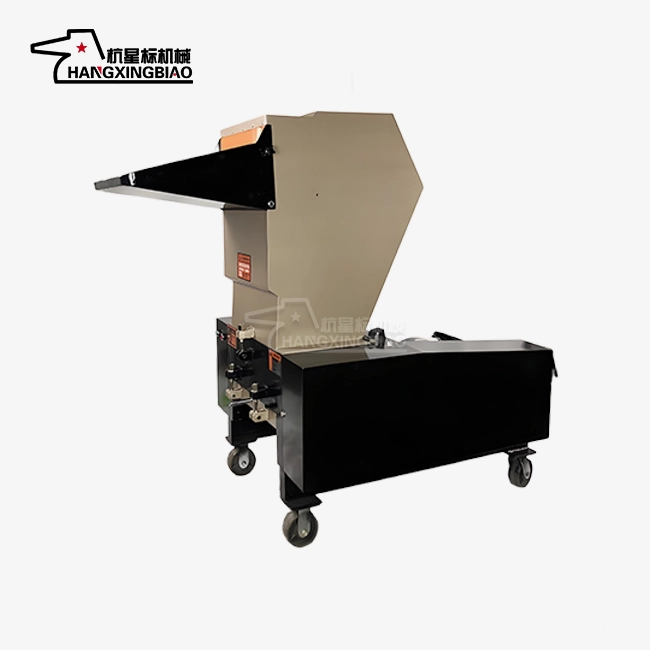
Our wide range of products meets a wide range of volume needs. For research sites and small-batch operations, compact laboratory types can handle 50–500 kg per hour. They are mobile and have universal wheels that let them be placed in different places. Standard production units can move 200 to 1000 kg per hour, which is more than enough for most manufacturing environments. They also run quietly at 75dB or less thanks to their fully enclosed cavity design. Heavy-duty industrial models can handle 1 to 10 tonnes per hour of big plastic parts and large amounts of waste. They can run continuously and have built-in overload safety.
Material Compatibility Assessment
Different kinds of plastic need to be processed in different ways. Standard blade designs make it easy to crush brittle materials like PS and stiff PVC. Flexible materials, like PE films and PP knitted bags, need special cutting shapes that keep them from getting wrapped. For high-performance engineering plastics like PC and nylon, you need high-quality blade materials and stronger cutting forces. Equipment that can handle a variety of materials without needing to be adjusted often is good for mixed trash streams.
The choice of tools is affected by the temperature. Some plastics get sticky or gummy when they are being processed, so they need special cooling features and chamber designs. Others make a lot of heat through friction, so they need to be built well and have good thermal management. Understanding how materials behave when they are crushed helps keep operations running smoothly and guarantees consistent performance.
Maintenance Accessibility and Downtime Minimization
Total ownership costs are affected by upkeep needs in a big way. Maintenance downtime is cut down by designs that make it easy to change the blades and the screen and to clean the machine. Access panels that don't need tools and designs for modular parts make service interventions go faster. When choosing tools, you should think about how easy it is to get wear parts and how much they cost to repair.
The open designs and quick-change screen layouts of our machines make them easier to clean and maintain. The optimised tool holder spreads the cutting forces across the blades, which increases the blades' shear performance and impact protection and makes them last longer. Alloy steel blades are heated specially and can be polished more than once to make them last longer. This lowers the long-term cost of operation.
Safety Features and Regulatory Compliance
When choosing equipment, operator safety is still the most important thing. Important safety features include emergency stops, safety interlocks that stop operation with chambers open, guards around external parts to protect them, and noise reduction measures. The equipment you use should be certified by the business and meet OSHA guidelines. At the feed inlets, anti-rebound shields stop material from ejecting. When access doors open during operation, automatic power cutoff systems turn off the power.
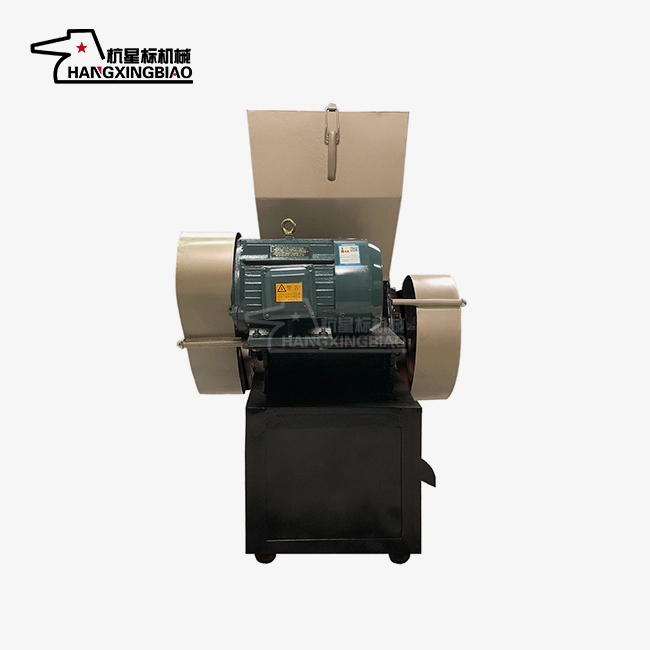
Our crushing equipment has many safety features, such as fully sealed crushing chambers made of reinforced steel, interlocking mechanisms that turn off the power automatically when the chambers open, and anti-rebound shields that keep material from flying out. Operating noise levels stay at or below 75dB, which meets safety standards for the workplace and allows it to be used in places that are sensitive to noise.
Best Practices and Maintenance Tips to Maximize Crusher Machine Performance
Following the right procedures for operation and maintenance will keep your equipment reliable and working at its best for a long time. Setting up systematic processes saves financial investments and improves the efficiency of trash processing.
Scheduled Maintenance Programs
Regular repair keeps things from breaking down when they're least expected and makes them last longer. Checking the blade alignment, screen condition, and bearing lubrication every day is important. Cleaning once a week gets rid of dust and material residue that can get in the way of performance. Every month, the cutting edges and screen areas are checked for signs of wear. During annual overhauls, worn-out parts are replaced before they break.
Keeping records of maintenance tasks helps with keeping track of performance and finding problems. Keeping service dates, component replacement dates, and conditions seen in maintenance logs can help find problems early on. Performance indicators like throughput rates, particle size consistency, and energy use show that the system is slowly breaking down and needs to be fixed.
Operator Training and Safety Protocols
Comprehensive training programs make sure that workers know what the equipment can and can't do and how to use it correctly. Training should cover how to start up and shut down the machine, how to improve the material feed rate, how to clear a jam, and how to handle an emergency. Operators need to have a good idea of the safety features and systems that keep them safe. Regular training classes keep people informed and emphasise the best ways to do things.
Possible dangers must be covered in safety rules, such as risks from moving parts, sharp blades, and moving materials. Hearing protection, safety glasses, and gloves that won't tear should be required personal protective equipment. Lockout/tagout procedures keep maintenance work from starting up by accident. Standards for housekeeping keep work areas clean so that people don't trip or slip.
Performance Optimization Strategies
Paying attention to practical matters is necessary to get the most out of your work. By optimising the feed rate, throughput is balanced against the risk of jamming and the quality of the particles. Preparing the material by taking off any metal fixings and sorting it by type of plastic makes the processing go faster. Screen picking that matches goal particle sizes gets rid of the need for extra processing. Regular sharpening of the blades based on the hardness of the material and the amount of work being done ensures good cutting performance.
When you work with reputable manufacturers or authorised suppliers, you can get professional help, warranty coverage, and help with fixing problems. Our team promises to answer customer questions within 24 hours and offers installation help, operation training, regular follow-up visits, and enough spare parts. Professional engineers give selection advice and unique solutions that are made to fit the needs of each operation. This helps ensure that the equipment works well and the operation is successful in the long run.
Conclusion
Crusher machine for plastic tools cuts down on production loss by turning scraps and broken parts into materials that can be used again right away. These crusher machines for plastic systems help the environment and meet sustainable and compliance goals while also providing real economic benefits, such as lower prices for raw materials and no longer having to pay for disposal. The best performance of the crusher machine for plastic is guaranteed by choosing the right tools based on capacity needs, material compatibility, and ease of upkeep. The return on investment of the crusher machine for plastic is highest when the best methods are used for operation and upkeep. Facilities that use a crusher machine for plastic equipment as part of their regular production processes have an edge over their competitors because they are more environmentally friendly and run their businesses more efficiently.
FAQ
What types of plastic materials can crusher machines process effectively?
Polyethylene (PE), polypropylene (PP), polyvinyl chloride (PVC), polystyrene (PS), acrylonitrile butadiene styrene (ABS), and polyethylene terephthalate (PET) are some of the thermoplastics that can be crushed. Machines work with rigid parts, flexible films, foamed materials, and scraps of different types. Different levels of hardness, levels of flexibility, and processing behaviours can be accommodated by material-specific designs. Different blade geometries and screen designs work best with different types of plastic.
How do crushers differ from shredders and granulators?
Crushers break down materials into smaller pieces by using cutting and impact forces on both moving and still blades. The resulting bits are usually between 2 and 50 mm in size. Shredders use cutting rollers or hooks to tear things into strips. They can handle bigger items and make pieces that aren't all the same size. Granulators use many blades with knives on them to make uniform, small particles less than 5 mm in size, which are perfect for straight moulding. Each technology meets different recycling needs based on the material, the particle size that is wanted, and the processing needs further down the line.
What safety features should B2B buyers prioritise?
Important safety features include emergency stop systems that allow for immediate shutdown; safety interlocks that stop operation with open access panels; protective guards around rotating parts and blade assemblies; noise reduction measures that meet workplace exposure limits; and safety certifications and OSHA standards that are met. Anti-rebound shields stopping material from ejecting, automatic power cutoff when chambers open, and overload safety systems finding metal contamination or too much material load are some other things to think about.
Partner with Xingbiao for Superior Plastic Waste Solutions
To cut down on production waste, you need to work with experienced crusher machines for plastic makers who know how hard it is to run your business. Hangzhou Xingbiao Machinery Co., Ltd. has been a trusted supplier of reliable, high-performance equipment to manufacturers for 30 years because we are experts in plastic crushing technology. Our machines are made of stress-relieved steel and have quality SKD-11/D2/Cr12MoV blades that have been vacuum-heated to make them very durable and long-lasting.
In addition to selling equipment, we also offer full support, which includes professional help with choosing the right equipment, guaranteed 24-hour reaction times, installation advice, user training, and ongoing technical support. Email our tech team at xingbiaocrusher@xingbiaocrusher.com to get solutions that are tailored to your unique processing needs. Xingbiao gives you the crushing power, energy efficiency, and dependability your business needs, whether you need small lab models or heavy-duty industrial systems. Visit www.xingbiaocrusher.com to see all of our products and learn how our knowledge can change the way you deal with trash.
References
1. Thompson, R.C., Moore, C.J., vom Saal, F.S., and Swan, S.H. (2019). "Plastics, the Environment, and Human Health: Current Consensus and Future Trends." Philosophical Transactions of the Royal Society B: Biological Sciences, 364(1526), 2153-2166.
2. Hopewell, J., Dvorak, R., and Kosior, E. (2009). "Plastics Recycling: Challenges and Opportunities." Polymer Degradation and Stability, 94(12), 2115-2126.
3. Al-Salem, S.M., Lettieri, P., and Baeyens, J. (2010). "The Valorisation of Plastic Solid Waste (PSW) by Primary to Quaternary Routes: From Reuse to Energy and Chemicals." Progress in Energy and Combustion Science, 36(1), 103-129.
4. Eriksen, M.K., Christiansen, J.D., Daugaard, A.E., and Astrup, T.F. (2019). "Closing the Loop for PET, PE and PP Waste from Households: Influence of Material Properties and Product Design on Plastic Recycling." Waste Management, 96, 75-85.
5. Garcia, J.M. and Robertson, M.L. (2017). "The Future of Plastics Recycling: Chemical Advances Are Expanding the Range of Recyclable Plastics." Science, 358(6365), 870-872.
6. Ragaert, K., Delva, L., and Van Geem, K. (2017). "Mechanical and Chemical Recycling of Solid Plastic Waste." Waste Management, 69, 24-58.
Learn about our latest products and discounts through SMS or email