- English
- French
- German
- Portuguese
- Spanish
- Russian
- Japanese
- Korean
- Arabic
- Greek
- German
- Turkish
- Italian
- Danish
- Romanian
- Indonesian
- Czech
- Afrikaans
- Swedish
- Polish
- Basque
- Catalan
- Esperanto
- Hindi
- Lao
- Albanian
- Amharic
- Armenian
- Azerbaijani
- Belarusian
- Bengali
- Bosnian
- Bulgarian
- Cebuano
- Chichewa
- Corsican
- Croatian
- Dutch
- Estonian
- Filipino
- Finnish
- Frisian
- Galician
- Georgian
- Gujarati
- Haitian
- Hausa
- Hawaiian
- Hebrew
- Hmong
- Hungarian
- Icelandic
- Igbo
- Javanese
- Kannada
- Kazakh
- Khmer
- Kurdish
- Kyrgyz
- Latin
- Latvian
- Lithuanian
- Luxembou..
- Macedonian
- Malagasy
- Malay
- Malayalam
- Maltese
- Maori
- Marathi
- Mongolian
- Burmese
- Nepali
- Norwegian
- Pashto
- Persian
- Punjabi
- Serbian
- Sesotho
- Sinhala
- Slovak
- Slovenian
- Somali
- Samoan
- Scots Gaelic
- Shona
- Sindhi
- Sundanese
- Swahili
- Tajik
- Tamil
- Telugu
- Thai
- Ukrainian
- Urdu
- Uzbek
- Vietnamese
- Welsh
- Xhosa
- Yiddish
- Yoruba
- Zulu
Industrial Shredder Maintenance Tips for Long-Term Operation
If you properly maintain your Industrial shredder, it will either become an expensive problem or a long-term advantage. If you take good care of these strong machines, they can handle plastic waste, rubber scrap, and other materials for years without any major problems. Maintenance stops expensive breaks, improves the life of blades, and makes sure that the quality of output stays the same. Structured maintenance protocols protect your investment, increase crushing efficiency, and lower material processing costs. This is true whether you're working with cardboard boxes, plastic bottles broken into 2-20 mm pieces for easy transport, or rubber and plastic broken into 2-8 mm particles for direct mixing with new production materials.
Understanding the Importance of Industrial Shredder Maintenance
Running a shredding system without doing the right maintenance is like driving a car without changing the oil—it will break down eventually. We've been specialising in plastic crushing technology for 30 years and have seen that companies that do preventative maintenance have 70% less unexpected downtime than companies that do reactive maintenance.
Recognizing Early Warning Signs
Equipment tells you about problems before they become very bad. When something is working, strange noises are often a sign of worn bearings or blade imbalances. Strange noises, like grinding, hitting, or screaming, can mean that parts are out of place or that garbage is building up. Changes in the shredding capacity, like slower processing speeds or particles of different sizes, show that the blades or motor are getting worn out. When your Industrial shredder has trouble with things it used to handle easily, you need to fix it right away.
Keeping an eye on these signs will help keep your production process safe. During routine checks, a recycling plant in Pennsylvania found that there was too much vibration. This showed that the mounting bolts were worn out before the whole shaft broke. This early finding kept them from having to shut down for three weeks and saved them $18,000 in repair costs. These kinds of situations show how important it is for procurement workers and engineers to understand upkeep requirements as ways to protect investments.

Connecting Maintenance to Equipment Lifespan
There are direct links between the regularity of maintenance and the operating life that can be seen in recorded performance data. Industrial shredders that get regular maintenance last about 15 to 20 years, while ones that don't get maintenance usually break down within 5 to 7 years. Our SKD-11 and D2 mould steel blades are HRC55–60 hard thanks to vacuum heat treatment and cryogenic processing. They can be used with normal plastics for 3,000–5,000 hours. With proper care, these blades can be resharpened three to five times, which cuts the cost of replacement by sixty per cent and greatly increases the return on investment.
The effect on money goes beyond repair savings. When compared to alternatives that aren't well taken care of, well-maintained equipment uses 8–12 kWh per tonne of plastic, which is 10–15 per cent less energy. Over months and years, these organisational savings add up to have a big effect on your bottom line.
Key Industrial Shredder Maintenance Practices
Setting up routine repair plans for equipment changes its unreliability into something that can be predicted. Programs that work well balance regular checks, thorough cleaning, and exact lubrication schedules to keep things from wearing out or rusting. Maintenance teams need useful models before they can use new techniques. Our rules were made by using them in real-life situations in places like farms, recycling centres, and factories that make plastic. Here are the main care steps that will ensure the best performance:
Daily Operator Inspections: Problems can be seen before activities begin, which helps find them quickly. Operators should check the hopper for foreign objects, make sure the safety interlocks work, listen for strange noises when the machine starts up, and make sure the material is moving properly. These five-minute checks find 40% of possible problems early on, before they get worse. Our sealed design made of thick steel plates makes these visual exams easier and safer for staff.
Weekly Cleaning Protocols: A buildup of debris lowers performance and speeds up wear and tear. As part of weekly maintenance, the cutting chamber needs to have any leftover material cleaned off, screen surfaces need to be inspected and cleared, and plastic buildup around seals needs to be checked for. We use a quick-change screen layout and an open design so that these jobs can be done without special tools. This keeps downtime to less than 30 minutes.
Monthly Lubrication Schedules: Proper lubrication increases the life of bearings and lowers the number of failures caused by friction. As part of the monthly tasks, grease bearing housings according to the manufacturer's instructions, lubricate drive chains or belt systems, check the hydraulic fluid levels in models that need it, and look for leaks in seals. Using lubricants that the manufacturer recommends keeps problems from happening that could void warranties.
These organised methods make operations consistent. When maintenance teams know exactly what needs their attention and when they need to step in, they feel more confident.
Blade Maintenance for Sustained Cutting Efficiency
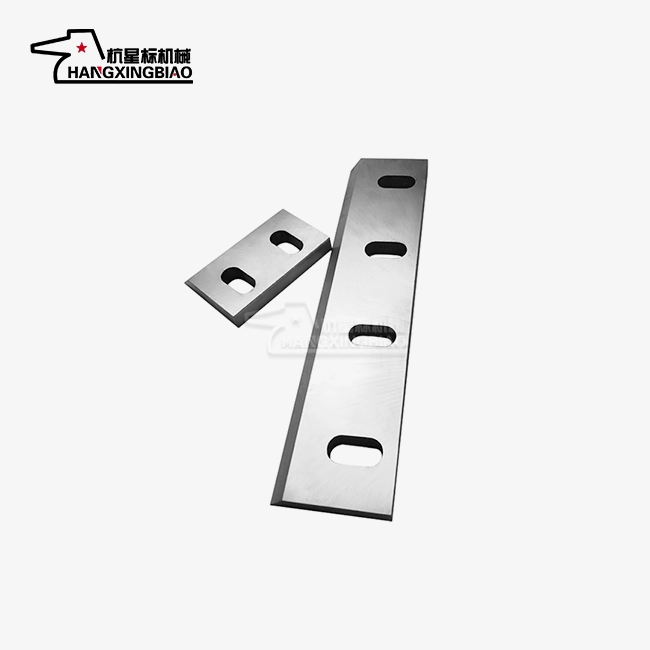
The blades are the most important and sensitive part of the Industrial shredder. Even though our Cr12MoV special steel blades keep working very well, even high-quality materials need care. Every month, check the sides of the blades for chips, cracks or too much wear. Dull blades use 25–30% more power and make particles of different sizes, which makes handling later more difficult.
When and how often the blades are sharpened depend on the materials being handled. Waste that is made of metal or glass-filled composites wears down faster than soft plastics like films and woven bags. Write down when the blades are changed and link that to the types of materials that were handled. This information helps you figure out how often to repair things, so you can plan maintenance for planned breaks instead of emergency shutdowns.
Electrical and Hydraulic System Evaluations
In addition to mechanical parts, electrical systems need to be checked every three months. Check all the connections to make sure they are tight and free of rust. Check the motor current draw to find loads that aren't normal. Look for dust on the control screens and test the emergency stop functions. These reviews keep working reliability high and stop safety risks.
The same care needs to be taken with heavy-duty models' hydraulic systems. While the machine is running, monitor the temperature of the fluid; look for worn or bulging hoses and leaks in the cylinder seals; and make sure the pressure relief valves work. Because hydraulic problems can stop work right away and pose major safety risks, these checks must be done.
Troubleshooting Common Industrial Shredder Problems
Even with careful maintenance, operational problems can still happen. Knowing about common problems and how to fix them cuts down on downtime and keeps small issues from turning into big costs.
Diagnosing Blade Jams and Blockages
About 35% of Industrial shredder stops are caused by material getting stuck. Most of the time, these are caused by overfeeding, things that are too big for the chamber, or materials that get tangled up, like films wrapped around shafts. When jams happen, turn off the power right away and follow lockout/tagout steps before looking into what happened.
Clear jams in a planned way by taking out material from the bin that can be reached, turning shafts by hand (if the design allows it), and looking for broken parts that could have caused the jam. Some ways to stop this from happening are to teach workers the right way to feed the animals, set up metered feeding systems for ongoing operations, and sort the materials ahead of time to get rid of any that are too big or don't work with each other.
Addressing Motor and Drivetrain Faults
Problems with motors show up as less power, strange heating, or complete failure. Some common reasons are not enough cooling because airflow is blocked, worn bearings causing too much friction, belt slippage lowering power transfer, and electrical issues in the wires or controls. Even though these risks are kept to a minimum by our optimised motor and gearbox design, environmental factors can still cause problems.
Regularly check the motor's temperature—too much heat means there are problems that need to be fixed right away. Check the tension and wear patterns of the drive belts. Make sure that the electrical links are still safe and free of rust. If a motor's performance drops below what is considered normal, you should call an experienced service worker instead of trying to fix it yourself.
Managing Overheating and Performance Degradation

When they are working, Industrial shredders make a lot of heat, especially when they are shredding dense materials. Overheating usually happens because of not enough lubrication, which causes friction, clogged cooling systems that stop airflow, using too much of the machine at once, or extreme temperatures in the facility.
Take care of burning by diagnosing it in a planned way. Make sure the lube systems work right, clean all the air holes and cooling fins, lower the feed rates to match the equipment's requirements, and think about installing environmental controls if the building's temperature regularly rises above 90°F. Overheating that doesn't go away hurts motors, bends parts, and speeds up wear all over the system.
Best Practices for Industrial Shredder Safety and Compliance
Maintaining equipment is directly related to safety at work and following the rules. In the US, strict monitoring is provided by OSHA rules for manufacturing and recycling operations. This means that safety measures are not just nice to have; they are necessary for doing business.
Implementing Essential Safety Protocols
Safety for workers starts with giving them the right training and gear. Personal protective tools like safety glasses, hearing protection, cut-resistant gloves, and steel-toed boots must be worn by all repair workers. Our fully enclosed design with anti-rebound baffles and safety shields protects you naturally, but you still need to be careful.
Lockout/tagout procedures keep equipment from starting up by accident while it's being serviced. Before you touch any part of the Industrial shredder, you need to turn off the power, use locking devices to keep it from turning on again, and test to make sure there is no energy left in the machine. Even though these steps seem simple, many accidents that could have been avoided happen every year in industrial sites because people don't follow them.
Aligning Maintenance with Warranty Requirements
Manufacturer warranties protect the money you spent on new equipment, but they only cover you if you follow the maintenance instructions exactly. Write down the dates of all service activities, the procedures that were done, the parts that were changed, and the names of the technicians who did them. This paperwork shows that you followed the guarantee if you needed to make a claim.
Our promise to respond within 24 hours and provide full after-sales support helps you keep your guarantee coverage and make sure the equipment works efficiently. We help with installation, teach you how to use the equipment, do regular follow-up trips, and make sure you have enough extra parts. These services go beyond the basics of the guarantee and help you keep your business running in the long term.
Optimizing Maintenance to Support Procurement Decisions
The total cost of ownership is greatly affected by strategic planning for maintenance. When purchasing shredding equipment, procurement professionals should look at both the price and the maintenance needs. They should know that the costs of running the equipment over its lifetime are much higher than the initial cost of buying it.
Evaluating Service Contracts and Warranty Options
Comprehensive service agreements lower operating risk by making sure that help is always available. When comparing equipment providers, you should look at their service infrastructure, such as their reaction time promises, the qualifications and training of their technicians, the number and availability of spare parts, and the scope and length of their warranties.
We've built our name on "specialised excellence" by working on plastic crushing technology for 30 years straight. Because they are experts in this area, our 20-person tech team really gets your problems. Working with companies, like big drink makers, on industry-university research projects has helped us improve our equipment and service delivery to meet the needs of demanding production environments.
Customizing Maintenance Based on Equipment Type
Different Industrial shredder configurations need different ways of being maintained. Those with electric drives need to pay attention to the state of the motor and the electrical connections. Those with hydraulic drives need to pay attention to the quality of the fluid and the pressure systems. Large-diameter crushers that work with pipes and profiles wear in different ways than high-power units that work with raw material on injection moulding machines.
Material properties also affect how often repairs need to be done. Normal crushers that work with soft plastics like films and woven bags need to be cleaned more often than those that work with rigid materials because these materials are more likely to get tangled. Because trash cans and tyres contain a lot of different contaminants, customised crushers that deal with large amounts of waste need strong blade inspection procedures.
Processing one tonne of material gives you a good starting point for planning your repair schedule. Track the state of the blades, how much power they use, and the quality of the output across all tonnes handled instead of just calendar intervals. This method matches upkeep with how the equipment is actually used, which improves both performance and service prices.
Selecting Suppliers with Robust After-Sales Support
How long the equipment lasts depends a lot on how well the seller and buyer work together. Long-term value is measurably higher for manufacturers who offer full support than for those who only offer limited engagement after the sale. When looking at possible suppliers, you should see how easy it is to get technical help, how quickly spare parts are delivered, whether they offer upkeep training, and how close their service technicians are.
Our full-process service model includes everything from consultations before the sale to ongoing promises after the sale. Professional experts can help you make the right choice based on the materials you have and how you want to make them. We answer customer questions within 24 hours because we know that downtime on your equipment has a direct effect on your profits. Keeping enough spare parts on hand makes sure that problems are fixed quickly when parts need to be replaced.

Conclusion
In conclusion, Industrial shredders are transformed into key production tools through effective maintenance of mechanical equipment. Systematic checks, proper blade care, tracking of the electrical system, and following safety rules are all examples of practices that create operating reliability that protects your investment and gets the most out of it. When businesses see maintenance as an investment instead of a cost, they consistently get a lower total cost of ownership, longer equipment life, and more efficient production. After 30 years of specialising in crushing technology, we've seen that working with knowledgeable suppliers makes these benefits even greater. They can offer advice and help that you can't get from doing your own maintenance.
FAQ
How frequently should industrial shredders receive professional maintenance?
How often maintenance is done relies on how busy the business is and what materials are being used. Professional checks should be done every three months at high-volume operations that run multiple shifts every day. Checks can be done every six months at moderate-use sites. No matter what their plan is, operators should do eye checks every day and cleaning once a week to keep problems from building up between professional services.
Do different materials cause varying blade wear rates?
Material properties have a big effect on how long a blade lasts. Soft plastics, like polyethylene films, don't wear down quickly, so you can usually go 4,000 to 5,000 hours without sharpening them. Glass-filled plastics, reinforced rubber, or trash that is contaminated with metal pieces can shorten the life of blades to 1,500 to 2,000 hours. Following the types of materials that are processed helps accurately guess what repairs will be needed.
Can regular maintenance reduce operational noise levels?
Industrial shredders that are well taken care of are much quieter than those that aren't. Noise is caused by worn bearings, loose parts, and blades that aren't balanced. Maintenance can get rid of this noise. Regularly greasing, fixing, and adjusting blades can lower the noise level of operations by 15 to 20 decibels, making workplaces safer and more comfortable and showing that the equipment is in good shape.
Partner with Xingbiao for Expert Industrial Shredder Support
Your Industrial shredder needs the kind of specialised care that can only come from someone who works in the field full-time. With 30 years of experience specialising in plastic crushing technology, Xingbiao offers complete solutions that are suited to your unique processing needs. Our Industrial shredder models, which range from large-diameter crushers that can handle pipes and profiles to specialised units that can handle trash cans and tyres, feature high-quality SKD-11 and D2 mould steel blades and energy-efficient designs that cut costs by 10-15%. We are a reputable Industrial shredder manufacturer, and as such, we offer genuine spare parts, quick technical support, and maintenance advice that helps you get the most out of your equipment. Email us at xingbiaocrusher@xingbiaocrusher.com to talk about your repair problems and find out how our engineering team can help you run your crushing activities more efficiently so they last for a long time.
References
1. Smith, J. & Thompson, R. (2022). Industrial Waste Processing: Equipment Maintenance and Operational Efficiency. Manufacturing Technology Press.
2. Anderson, M. (2021). "Predictive Maintenance Strategies for Heavy-Duty Shredding Equipment," Journal of Industrial Machinery Management, Vol. 34, Issue 2, pp. 145-167.
3. Environmental Protection Agency (2023). Best Practices for Recycling Facility Equipment Management. EPA Publication 530-R-23-002.
4. National Safety Council (2022). Machine Guarding and Maintenance Safety in Industrial Operations. NSC Industrial Division Guidelines.
5. Williams, K., Chen, L., & Rodriguez, P. (2023). Total Cost of Ownership Analysis for Material Processing Equipment. Industrial Economics Quarterly, Vol. 18, No. 3, pp. 78-94.
6. Occupational Safety and Health Administration (2023). Machinery and Machine Guarding Standards Compliance Guide. OSHA Publication 3170.
Learn about our latest products and discounts through SMS or email