- English
- French
- German
- Portuguese
- Spanish
- Russian
- Japanese
- Korean
- Arabic
- Greek
- German
- Turkish
- Italian
- Danish
- Romanian
- Indonesian
- Czech
- Afrikaans
- Swedish
- Polish
- Basque
- Catalan
- Esperanto
- Hindi
- Lao
- Albanian
- Amharic
- Armenian
- Azerbaijani
- Belarusian
- Bengali
- Bosnian
- Bulgarian
- Cebuano
- Chichewa
- Corsican
- Croatian
- Dutch
- Estonian
- Filipino
- Finnish
- Frisian
- Galician
- Georgian
- Gujarati
- Haitian
- Hausa
- Hawaiian
- Hebrew
- Hmong
- Hungarian
- Icelandic
- Igbo
- Javanese
- Kannada
- Kazakh
- Khmer
- Kurdish
- Kyrgyz
- Latin
- Latvian
- Lithuanian
- Luxembou..
- Macedonian
- Malagasy
- Malay
- Malayalam
- Maltese
- Maori
- Marathi
- Mongolian
- Burmese
- Nepali
- Norwegian
- Pashto
- Persian
- Punjabi
- Serbian
- Sesotho
- Sinhala
- Slovak
- Slovenian
- Somali
- Samoan
- Scots Gaelic
- Shona
- Sindhi
- Sundanese
- Swahili
- Tajik
- Tamil
- Telugu
- Thai
- Ukrainian
- Urdu
- Uzbek
- Vietnamese
- Welsh
- Xhosa
- Yiddish
- Yoruba
- Zulu
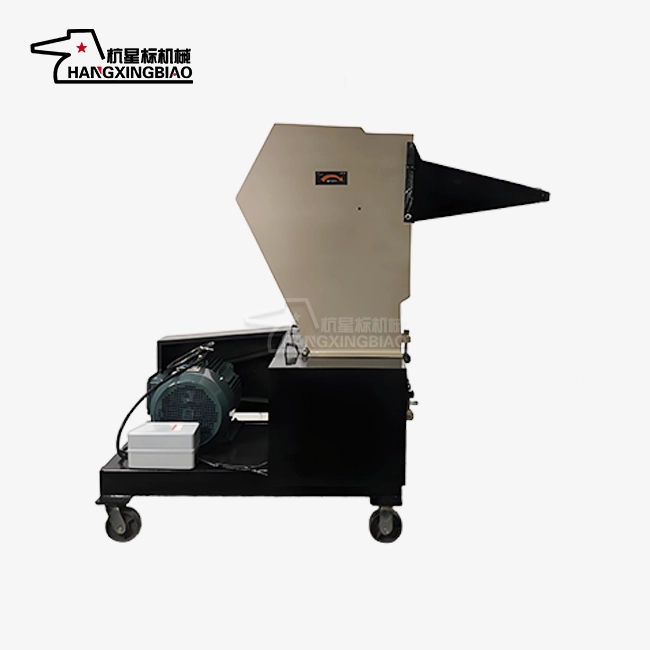
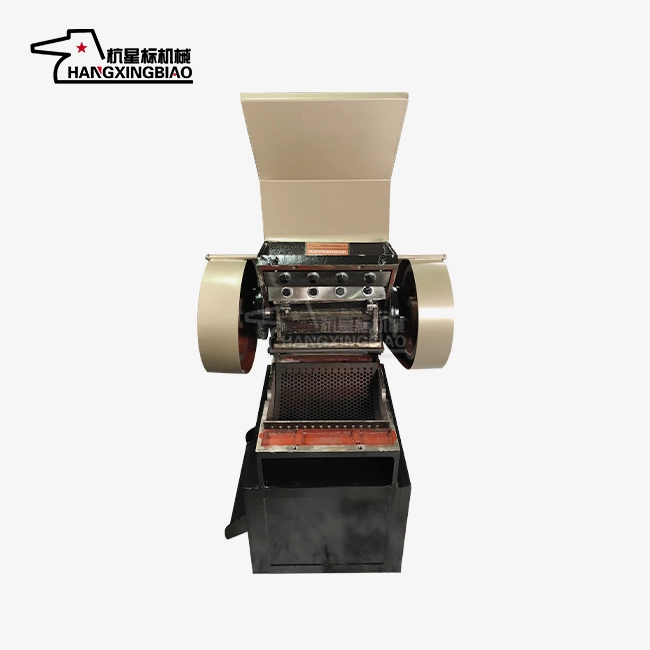
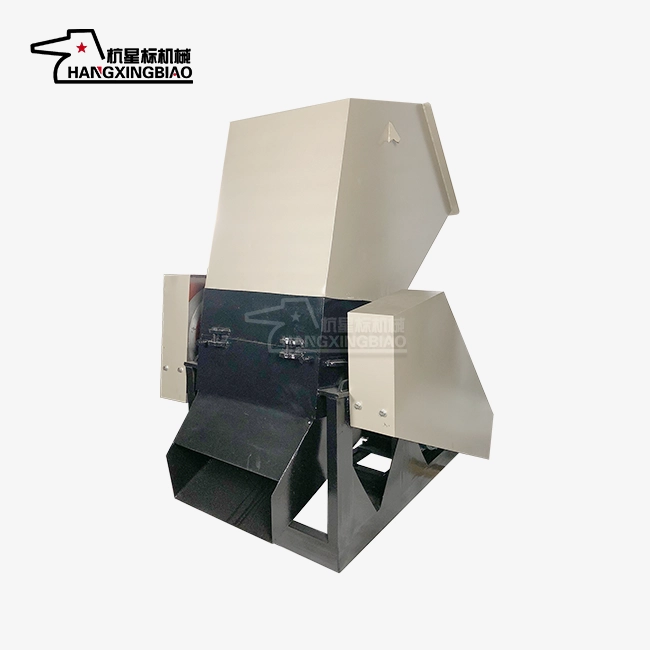
Mineral Water Bottle Crusher for High-Volume Plastic Waste Reduction
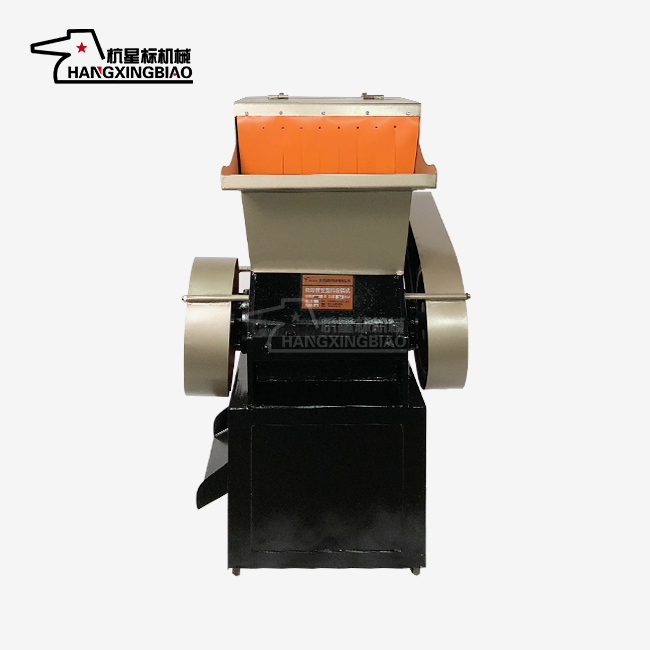
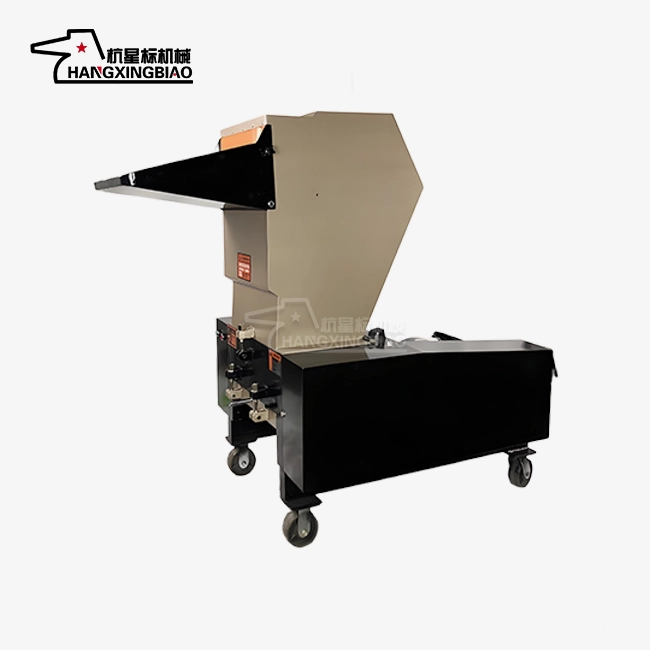
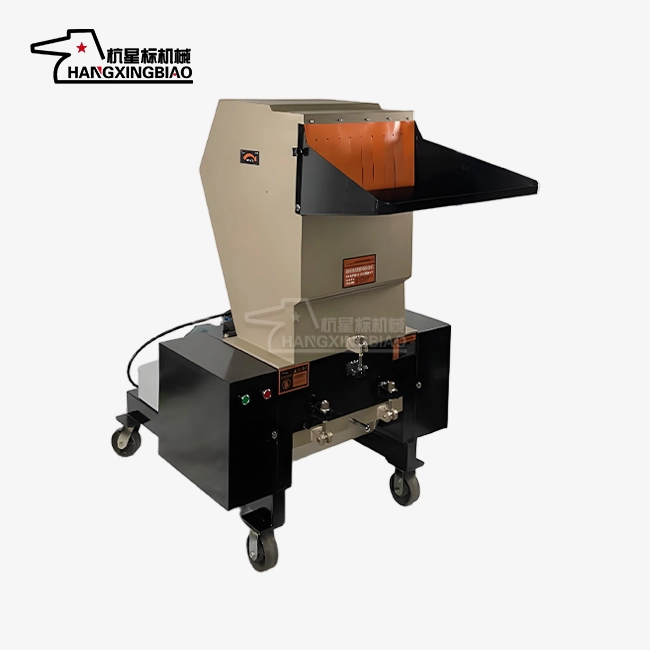
Across the United States, recycling centres and factories are always having trouble dealing with large amounts of plastic bottle trash. By breaking down large bottles into small bits that can be reused, a Mineral water bottle crusher provides a tried-and-true answer. These special machines cut the amount of trash by up to 85%, which saves a lot of money on transportation costs and speeds up the whole recycling process. Advanced crushers can handle different types of bottles, like PET, HDPE, and thick-walled containers, while still producing uniform powder sizes that are required for washing and pelletising processes later on.
Understanding Mineral Water Bottle Crushers and Their Environmental Benefits
The first and most important step in modern recycling is using equipment to break down plastic bottles. These machines use rotating blade assemblies to cut bottles into even flakes that are usually between 2 and 50 millimetres thick, but the thickness depends on how the screen is set up. The process differs significantly from low-speed shredders, which are designed solely to reduce volume. Crushers make exact particle sizes that make cleaning later more efficient and raise the quality of the material.
Types of Bottle Crushing Equipment
Based on their throughput needs, industrial operations usually choose between compact and full-scale crushing systems. Small to medium-sized recycling centers can use small units to handle 50 to 500 kilograms per hour. These machines take up little floor space and work reliably in places that handle localised collection streams. Full-sized industrial crushers can handle between 1 and 10 tonnes per hour and can work continuously next to production lines or in recycling plants. Both types use similar blade technology; the main differences are the motor power, hopper size, and structural support.
How Crushing Mechanisms Reduce Environmental Impact
Cutting down on volume is the most obvious environmental effect. Crushed bottle flakes take up about one-sixth the storage space of whole containers, so they need to be moved less often and require fewer warehouses. Fewer pickup trucks directly means less fuel use and lower carbon emissions throughout the supply chain. Improving processing speed has even more positive effects on sustainability. When flake sizes are uniform, washing works better, getting rid of contaminants with less water and energy. As a result, clean material flows easily into pelletising equipment, cutting down on trash and energy use throughout the entire cycle of the circular economy.

Energy Consumption Considerations
Modern crusher designs put a lot of emphasis on using less power by making the blade shape and motor match perfectly. Well-designed systems use 15% less electricity than older tools while still getting more work done. Procurement teams can accurately figure out operational expenses when they know how many kilowatt-hours are needed based on processing capacity. When you use equipment with variable frequency drives, the motor speed changes based on the flow of materials. This keeps energy from going to waste when the load is low. This feature is especially useful in places where the number of bottles coming in changes all the time.
Key Features and Advantages of Mineral Water Bottle Crushers for High-Volume Use
When choosing crushing equipment for tough industrial settings, it's important to look closely at its performance specs and build quality. Hangzhou Xingbiao Machinery has worked hard over the past 30 years to improve these important parts, making systems that solve the real problems that recycling professionals face on the job.
Exceptional Processing Capacity and Material Versatility
Our braking systems can handle anywhere from 50 kg to 10 tonnes of material per hour, so they can be used by recycling centers in small towns to large factories. The machine can handle all types of bottles, including PET, HDPE, polypropylene, and speciality containers with thick walls, without the need for changeovers or special setups. This ability to handle more than one material gets rid of the "single material adaptation" problem that plagues regular crushers. Mineral water bottle crusher, juice cases, milk jugs, and even twisted items like plastic films or woven bags can all be cut down with this one machine. Facilities benefit from equipment that can be used in a variety of ways and can adapt to changing waste streams without the need to buy new equipment.
Superior Construction and Blade Longevity
The reliability of a crusher during continuous high-load operation depends on how well its structure is maintained. The main body is made up of high-strength steel plates that are welded together and then given extra support to keep them from deforming over time. Core-cutting parts are made from SKD-11 and Cr12MoV steels that have been vacuum-heated and processed at very low temperatures. This metalworking method gets Rockwell hardness values of 55 to 60, which means it can be used for 3,000 to 5,000 hours without needing to be serviced. Blades can be regrinded three to five times before they need to be replaced, which greatly lowers the long-term cost of consumables. This longer wear resistance is especially helpful for operations that handle rough or dirty bottles.
Intelligent Design Delivering Operational Efficiency
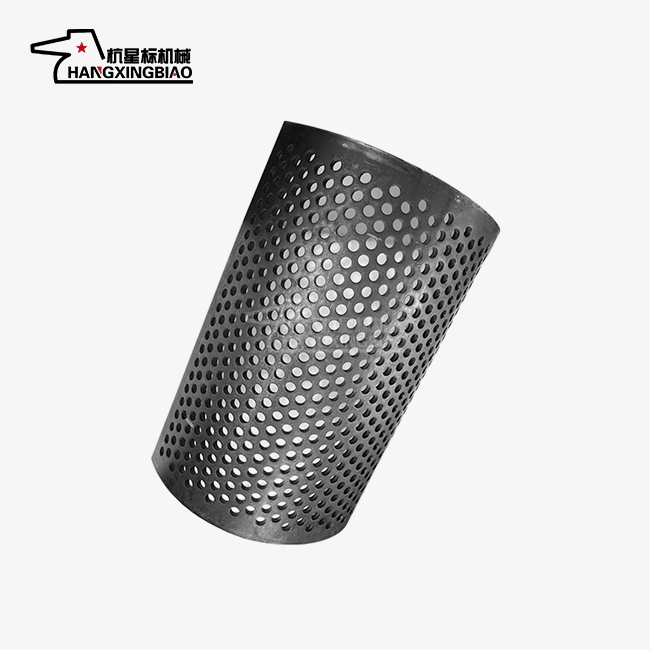
Improvements in engineering directly lead to less downtime and easier upkeep. The quick-change screen structure lets operators switch mesh sizes in minutes instead of hours, which makes it easy to switch between product specifications quickly. Open-frame design lets you get to the inside parts without any problems, which makes cleaning easier between runs of material. Safety interlocks and protective shields meet OSHA standards and keep the operator accessible during regular checks. Cavity geometry and blade positioning improve material flow and get rid of jamming problems that happen with bad designs. Compared to standard layouts, this thoughtful plan cuts energy use by 15% while increasing hourly output by more than 20%.
These engineering benefits directly address problems that recycling operations have found, such as equipment that lasts longer when used continuously, better processing efficiency, and easy upkeep that keeps production running smoothly. Facilities improve their dependability so they can meet the needs of challenging 24/7 operating schedules.
How to Choose the Best Mineral Water Bottle Crusher for Your Business?
Systematic evaluation of operational needs matched with equipment capabilities helps inform purchasing decisions. By understanding your specific situation, you can avoid costly mistakes where machinery doesn't meet the needs of your application.
Assessing Volume, Space, and Budget Parameters
Figure out how many bottles you use each day and how much processing power you need at busy times. Figure out the average and highest hourly flow needs, taking into account changes in the seasons or expected growth. Check the floor area, ceiling height, and ease of entry for adding materials and removing flake. When making a budget, you should think about the original cash outlay, the costs of installation, any changes that need to be made to the electrical infrastructure, and the expected upkeep costs over the lifetime of the equipment. These basic factors narrow the search to the right types of crushers and model setups.
Comparing Specifications and Manufacturer Capabilities
Technical datasheets tell you important things like the motor's power, the size of the hopper, how the blades are configured, and the screen options. Compare the listed flow rates with the kinds of materials your business deals with. Manufacturers often list "ideal conditions", which may not accurately reflect how well their products work in real life when they are used with soiled or mixed bottle streams. Warranty coverage shows that the maker is sure of the quality of the build. Full warranties that cover structural parts, blade assemblies, and electrical systems are a sign of good engineering and quality control. Support after the sale is also crucial. Manufacturers who offer 24-hour response times, on-site technical help, operator training programmes, and spare parts that are easy to get reduce the risk of disruptions.
Prioritizing Service and Support Infrastructure
How long a piece of equipment lasts depends a lot on how well the maker can support it after the sale. Hangzhou Xingbiao Machinery has service teams that help customers make decisions, assist with installation, and provide ongoing expert support. Our 20-person engineering team works with big names in the industry, like Nongfu Spring and KFC, to make sure that our ideas are based on real-world needs rather than theoretical requirements. We keep large stockpiles of spare parts so you don't have to wait for long periods of time to get new parts. Follow-up visits on a regular basis find potential problems before they get so bad that they stop production. This service-oriented method keeps your operations running smoothly and saves your capital investment.
Installation, Operation, and Integration in Your Waste Management System
Choosing the right tools for a crusher deployment is only the beginning. Planning the implementation and integrating the process are also important. Whether machinery works at its best depends on the quality of its installation and the training of the operator.
Professional Installation and Operator Training
As part of our construction services, we make sure that crushers are set up on properly prepared foundations that have the right power links and safety systems. Before handing over, technical teams check practical factors like throughput rates, particle size distribution, and how well dust control works. Full training for operators includes how to start up the machine every day, the best way to feed materials, how to maintain the screen, and how to resolve common problems. Well-trained staff can make tools last a lot longer while still meeting safety standards and working efficiently. Investing in training pays off many times over because it cuts down on mistakes, speeds up problem-solving, and raises production rates.

Integration with Complementary Processing Equipment
Bottle crushers work best when they are part of coordinated recycling workflows that include systems for moving and collecting materials. Conveyor belts manage bottle feeding, keeping the flow of materials steady and increasing output while lowering the need for human labour. Dust collection systems catch the flying debris that is created when things are crushed, keeping the workplace clean and protecting the health of the people who work there. When the output specs of the crusher meet the needs of the next processing stage, equipment like washing tanks, centrifugal dryers, and pelletising extruders can work together flawlessly. This system's method turns separate tools into production lines that work together smoothly, making them more efficient and improving the quality of the materials.
Real-World Implementation Results
After properly integrating a Mineral water bottle crusher, recycling processes in both the US and Europe show measurable gains. A medium-sized California plant that processes mixed beverage containers saw a 40% rise in output and a 22% drop in energy use after installing better Mineral water bottle crusher equipment. A plastics reprocessor on the East Coast cut contamination rates by 35% by making Mineral water bottle crusher flake sizes more consistent. This directly improved the quality of cleaned material and the price of pellets further down the line. These results show that current Mineral water bottle crusher technology can benefit recycling businesses that are already operating.
Future Trends and Innovations in Mineral Water Bottle Crushing Technology
The recycling tools market is still changing quickly, thanks to new technologies and stricter rules. Procurement workers can make smart investment choices by keeping up with new trends.
Automation and Smart Monitoring Systems
Internet of Things sensors are built into the next generation of crushers. These sensors monitor vibration patterns, bearing temperatures, motor current draw, and throughput rates in real time. Connected systems send operating data to cloud platforms, which enables remote analysis and advanced repair planning. Maintenance teams get automated alerts before parts break. This keeps downtime from happening without warning and makes the most of service intervals. Data analytics finds ways to make things more efficient by showing the best way to work with certain types of materials or by noticing slow but noticeable performance loss that needs attention. These features greatly lower operational costs and increase the useful life of equipment.
Regulatory Compliance and Sustainability Requirements
Tougher environmental rules are changing how people handle plastic trash all over the world, including in North America. More and more, laws that require "Extended Producer Responsibility" are requiring higher recycling rates and higher amounts of recycled materials in new goods. Because of these needs, there is a high demand for processing equipment that works well and produces high-quality materials. New guidelines require crushers to have better dust control, lower noise levels, and better energy-saving certifications. When procurement teams choose equipment that is in line with regulatory trends, they avoid it becoming obsolete too soon and put operations in a good position as compliance requirements get stricter.
Material Science and Blade Technology Advances
The metallurgical study that is still going on makes blade materials that are more resistant to wear and need less maintenance. Coating technologies that use ceramic or diamond-like carbon layers make cutting edges even more durable when working with rough or dirty materials. Using computer modelling to optimise the shape of the blades makes cutting more efficient and uses less power. Over the lifecycles of pieces of equipment, these small improvements lead to significant cost savings and better performance compared to older designs.
Conclusion
Mineral water bottle crushers are an important piece of equipment for businesses that recycle a lot of plastic because of rising waste loads and stricter environmental rules. To choose the right equipment, you need to carefully consider its working power, build quality, and the manufacturer's help options. There are tried-and-true solutions from Hangzhou Xingbiao Machinery, which has been developing specialised crushers for 30 years and has a full-service infrastructure. Our methods solve some of the most important problems that facilities face, like long-lasting equipment, efficient processing, a wide range of materials, and straightforward upkeep. This lets facilities meet their sustainability goals while still making money. Installing equipment correctly, training operators, and integrating it into the process are all things that can help recycling operations be successful in the long run.
FAQ
What maintenance schedule ensures optimal crusher longevity?
Every day, check the blades, screen, and lubrication in the bearings. Deep cleaning the cutting cells and material paths once a week gets rid of the buildup of dust. Every month, the blades are checked to see if they need to be sharpened or rotated because of wear patterns. Full service every three months includes replacing bearings, checking electrical connections, and checking the motor's condition. If you follow this structured maintenance protocol, your equipment will last lfor more than 15 years and continue to work at the same level.

Can crushers process bottles with caps and labels attached?
Good breaking tools can handle bottles with caps, labels, and small amounts of contamination without needing to clean them first. Blade designs can handle various materials, but getting rid of too many contaminants raises the quality of the flake and lowers the need for washing further downstream. Facilities that focus on throughput maximise their resources by processing mixed streams directly, while facilities that focus on quality recycled material typically use simple sorting.
How do I determine the appropriate crusher capacity for my operation?
Find the average daily bottle intake amount and split it by the number of operational hours to get an idea of the minimum hourly needs. Add a 30% capacity buffer to account for maintenance downtime and busy times. Compare this flow need with the manufacturer's specs, making sure that the numbers are based on the types of bottles you have and not on ideal lab conditions.
Partner with Xingbiao for Your Plastic Recycling Solutions
Hangzhou Xingbiao Machinery can help you reach your goals for reducing plastic trash by providing the best crusher technology and full-service support. As a company that only makes Mineral water bottle crushers, we bring 30 years of focused experience to every job. Our engineering team provides personalised advice by assessing your operational needs and suggesting the best ways to set up your equipment. We offer full solutions that include supplying the crusher, installing it professionally, teaching operators, and providing ongoing technical support to protect your investment throughout its useful life. We don't just sell machines; we also help our clients build recycling businesses that are reliable and rewarding. Email our team at xingbiaocrusher@xingbiaocrusher.com for specific pricing information, application help, and detailed specifications tailored to the needs of your facility.
References
1. Smith, J.R., & Thompson, M.K. (2022). Industrial Plastic Recycling Equipment: Design and Application Principles. Manufacturing Technology Press.
2. Environmental Protection Agency. (2021). Advancing Sustainable Materials Management: Facts and Figures Report. Washington, D.C.: U.S. EPA.
3. Chen, L., Anderson, P., & Rodriguez, F. (2023). "Energy Efficiency Improvements in Plastic Waste Processing Equipment." Journal of Recycling Technologies, 45(3), 287-304.
4. National Recycling Coalition. (2022). Best Practices for Plastic Bottle Processing Facilities. Washington, D.C.: NRC Publications.
5. Williams, D.H. (2021). "Economic Analysis of High-Volume Plastic Crushing Systems in North American Recycling Operations." Waste Management Research Quarterly, 38(2), 156-173.
6. International Society of Plastics Engineers. (2023). Technical Guide to Size Reduction Equipment for Post-Consumer Plastics. Brookfield, CT: SPE Technical Publications.
Learn about our latest products and discounts through SMS or email