- English
- French
- German
- Portuguese
- Spanish
- Russian
- Japanese
- Korean
- Arabic
- Greek
- German
- Turkish
- Italian
- Danish
- Romanian
- Indonesian
- Czech
- Afrikaans
- Swedish
- Polish
- Basque
- Catalan
- Esperanto
- Hindi
- Lao
- Albanian
- Amharic
- Armenian
- Azerbaijani
- Belarusian
- Bengali
- Bosnian
- Bulgarian
- Cebuano
- Chichewa
- Corsican
- Croatian
- Dutch
- Estonian
- Filipino
- Finnish
- Frisian
- Galician
- Georgian
- Gujarati
- Haitian
- Hausa
- Hawaiian
- Hebrew
- Hmong
- Hungarian
- Icelandic
- Igbo
- Javanese
- Kannada
- Kazakh
- Khmer
- Kurdish
- Kyrgyz
- Latin
- Latvian
- Lithuanian
- Luxembou..
- Macedonian
- Malagasy
- Malay
- Malayalam
- Maltese
- Maori
- Marathi
- Mongolian
- Burmese
- Nepali
- Norwegian
- Pashto
- Persian
- Punjabi
- Serbian
- Sesotho
- Sinhala
- Slovak
- Slovenian
- Somali
- Samoan
- Scots Gaelic
- Shona
- Sindhi
- Sundanese
- Swahili
- Tajik
- Tamil
- Telugu
- Thai
- Ukrainian
- Urdu
- Uzbek
- Vietnamese
- Welsh
- Xhosa
- Yiddish
- Yoruba
- Zulu
Strong Plastic Crusher Selection Guide for Global Buyers
Picking a strong plastic crusher is an important choice for modern businesses that recycle and make things out of plastic. This equipment turns plastic garbage into materials that can be used again. This has a direct effect on how well operations run, how costs are managed, and how environmentally friendly the business is. Whether you run a recycling center that processes thousands of tonnes of trash every month or an injection moulding plant that deals with production waste, knowing what a crusher can do will help you get the most out of your investment. This guide walks global B2B buyers through technical specs, performance benchmarks, and buying strategies for equipment that is both long-lasting and great at its job.
Understanding Strong Plastic Crushers: Basics & Key Features
Industrial plastic crushing equipment has changed a lot over the years. It used to be simple grinding tools, but now it's more complex processing systems that are designed to handle different types of materials.
Core Components and Working Principles
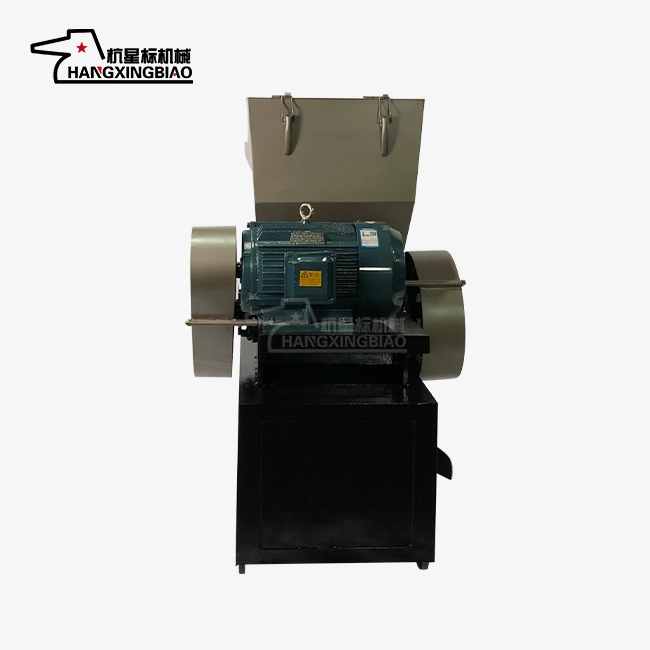
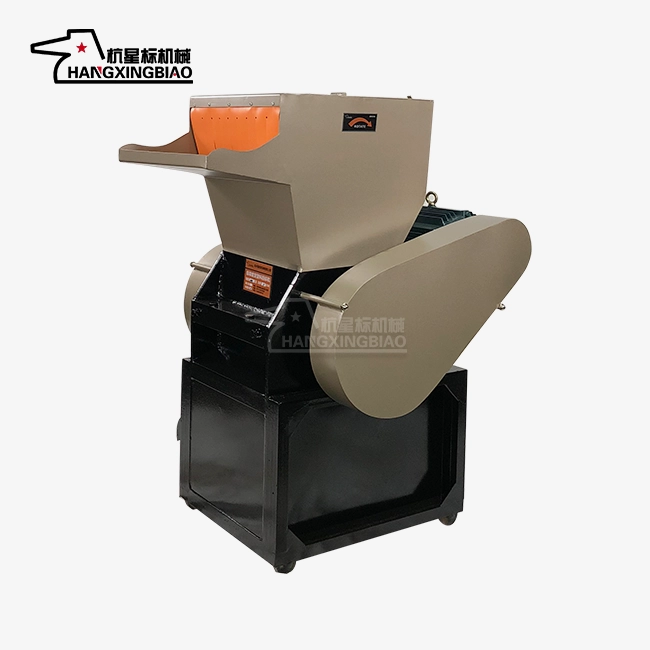
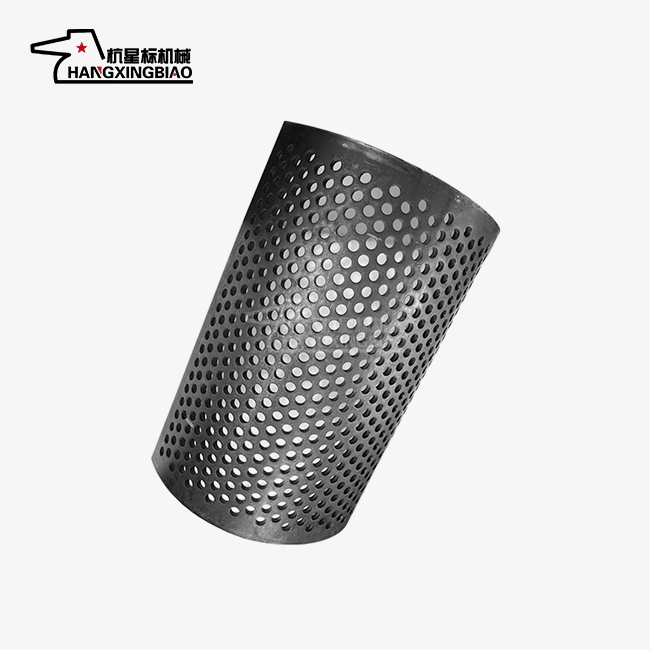
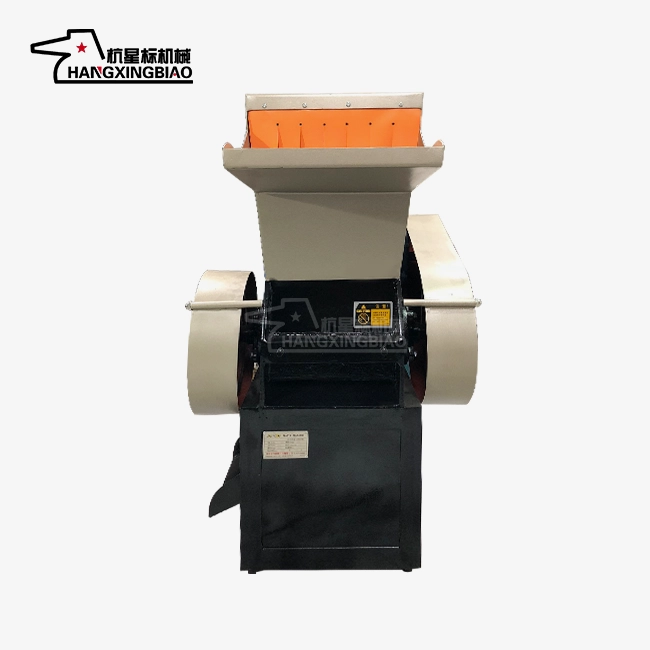
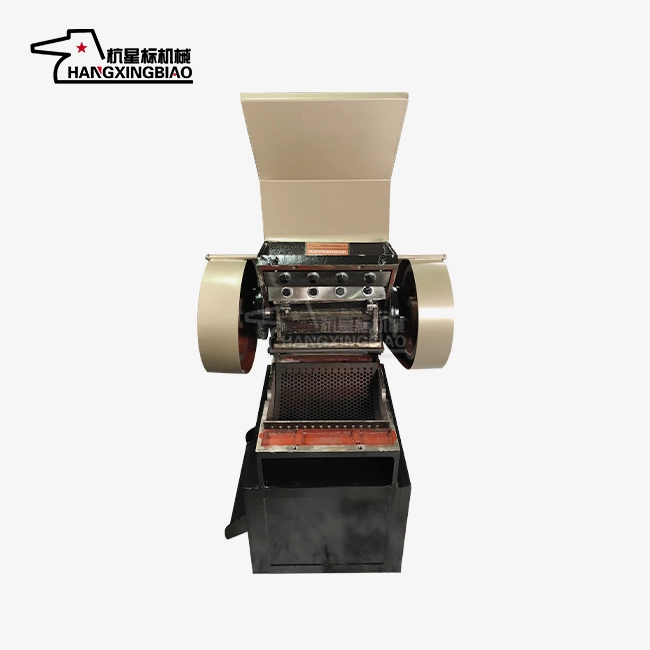
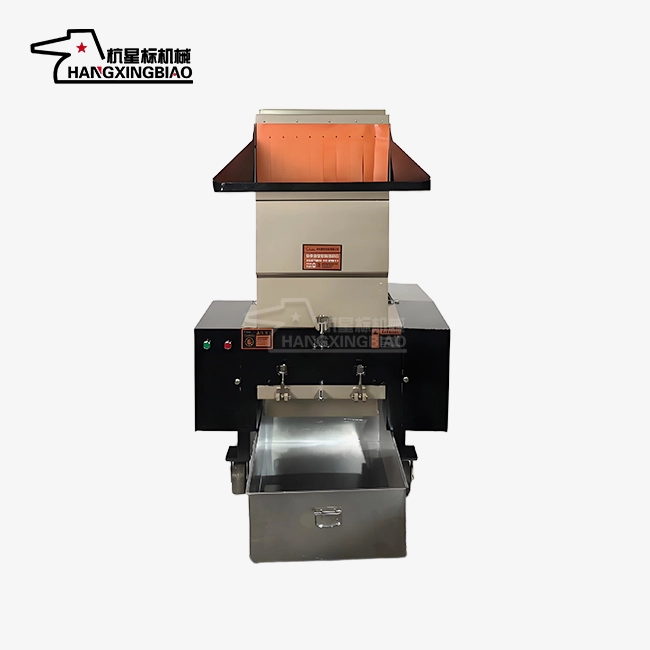
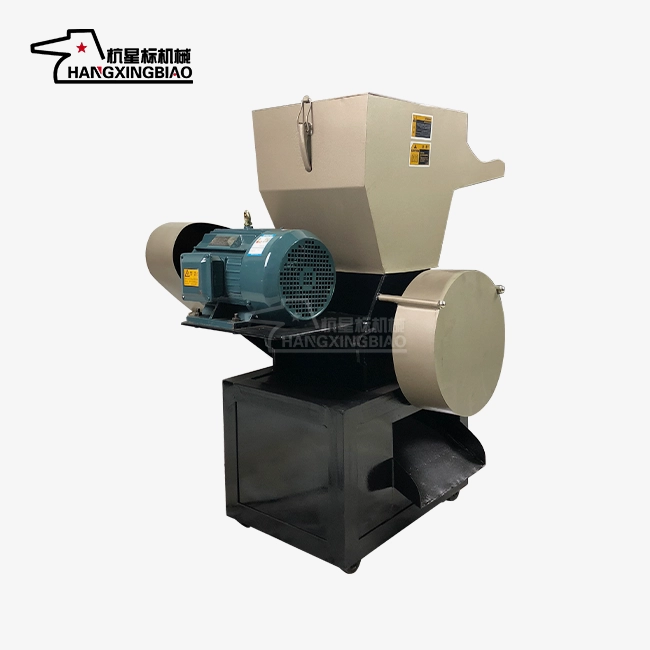
Modern strong plastic crushers use mechanical systems that are carefully tuned to work. An extremely well-designed rotor with special cutting blades grouped smartly is at the center. When plastics go into the crushing chamber, they are hit by two types of forces: shearing forces from spinning blades and impact forces from controlled crashes. This mix effectively reduces the size of the material while keeping the integrity of the particles. The optimal geometry of the crushing cylinder leads the flow of materials, stops too much powder from being made, and ensures uniform output quality. Below the cutting zone, final particle sizes are controlled by interchangeable screens. This lets operators change output specifications without having to change the equipment.
Advanced Engineering Choices That Matter
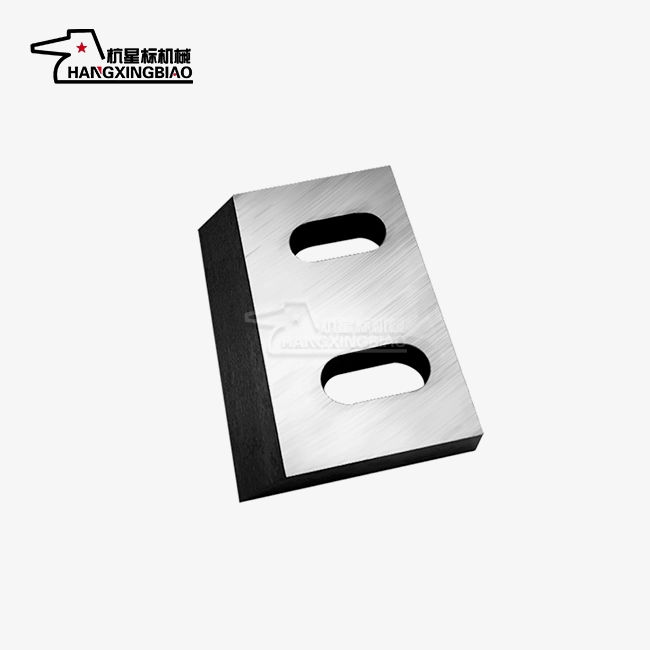
The choice of blade material has a big impact on how long equipment lasts and how often it needs to be maintained. Blades made of SKD-11 or D2 mould steel that have been vacuum-heated and frozen are used in high-end crushers. These blades keep their cutting edges for up to 3,000 hours of use and can be resharpened multiple times, which greatly lowers the cost of replacement. The building of the main body needs just as much attention. Stress-relieved high-strength steel frames keep the alignment precise, which is necessary for reliable performance.

Performance Benefits for Industrial Operations
Cost-effectiveness is directly linked to higher production rates. Well-designed crushers break down materials 20 to 30 per cent faster than regular ones, but they use less energy per tonne they break down. This efficiency comes from blade shape and cavity structures that have been optimised to reduce friction and lost motion. Another big benefit is that maintenance needs are lower when equipment is made with service points that are easy to reach and durable parts. This cuts down on downtime, which keeps production schedules on track and labour costs low.
How to Choose the Right Strong Plastic Crusher for Your Procurement Needs?
To match the powers of a crusher to the needs of an operation, it is necessary to carefully look at several scientific and business factors.
Assessing Capacity Requirements
The tools you choose will depend on how much output you need. Small injection moulding shops that make 50–200 kg of scrap every hour need different solutions than recycling plants that handle hundreds of tonnes of scrap every day. Figure out the highest rates of material production instead of the averages. The tools must be able to handle the highest amounts without stopping production. It's also important to think about how the business will grow in the future. Buying a crusher with 30–40% extra capacity lets the business grow without having to replace it too soon.
Material Characteristics and Processing Challenges
Different types of plastic need different ways to be crushed. Soft materials, like polyethylene films and knitted polypropylene bags, tend to get stuck on standard equipment when they wrap around moving parts. This problem can be solved by adding anti-winding comb teeth to the cutting chamber. This lets fibrous materials be processed continuously without any help from an operator. For ABS, polycarbonate, and thick-walled HDPE, which are all hard plastics, you need high-torque systems with blades that can break rigid structures neatly.
Energy Consumption and Operating Economics
Over the life of an item, electricity costs add up to a lot. Modern crushers with improved motor systems use 8–12 kWh per tonne of material they break down, which is 10–15 percent less energy than older designs. Figure out how much energy you use each year based on how much you process. For example, a plant that crushes 50 tonnes of material every month could save $800 to $1,200 a year by using energy-efficient equipment. These savings add up over the 10 to 15 years that most equipment lasts, making the return on investment much higher.
Maintenance Accessibility and Support Infrastructure
Downtime for equipment has a direct effect on profits. Maintenance time is cut by 40–50% for crushers with quick-change screen systems, accessible blade assemblies, and open-frame designs that make them easy to clean. Carefully look at the manufacturer's support options. A technical response time of 24 hours, a full store of extra parts, and a local service presence all help keep things running smoothly when problems do happen. Warranty terms that go beyond the standard one-year coverage show that the manufacturer is confident in their product and give you extra protection for your investment.
Market Comparison: Strong Plastic Crusher vs Alternatives
Knowing the different types of tools helps buyers choose the right ones for each job.
Distinguishing Crushers from Shredders
Crushers and shredders are used for different kinds of processes. Strong plastic crushers turn materials into regular particles within certain size ranges. These particles are perfect for going into granulation or straight treatment. The shear-plus-impact system makes clean cuts with little dust and particles that are all the same shape. Shredders, on the other hand, use pulling and ripping to make uneven pieces that can be used to reduce the amount of material before it is further processed. Crushers are the best tools for tasks that need exact powder sizing and little contamination.

Performance Benchmarks Across Equipment Classes
Standard crushers can handle most types of plastic waste, but they have trouble with harder materials. Anti-winding features make equipment that works with soft plastics 60–70% faster than regular models because they don't stop when they get jammed. Another important measure is discharge uniformity. Premium crushers get a particle consistency of 90% or more, so they don't need to do expensive extra screening. This consistency is very important when crushed material goes straight into extrusion or injection moulding processes, where differences in particle size can affect the quality of the finished product.
Evaluating Manufacturer Reputation and Track Record
Supplier selection is more than just choosing the right tools. Companies that only make breaking technology usually have better engineering and customer service than companies that make a lot of different kinds of gear. Companies that focus on a single type of product for decades gain more knowledge, which shows in the dependability and innovation of their tools. Customer reviews from related industries can be very helpful. For example, setups that have worked well at big FMCG companies or recycling centers that have been around for a while show that the technology works.
Procurement Insights: Where and How to Buy Strong Plastic Crushers Globally
To do strategic buying, you need to know how to negotiate and how global supply networks work.
Identifying Reliable Manufacturers and Distributors
Quality equipment sources usually have a lot of different products with a wide range of capacities, which shows that their development plans are well-established. Manufacturers who offer customisation show that their engineers are flexible, which is useful for a wide range of uses. Certifications like CE, ISO 9001, and safety standards show that the product meets foreign quality standards. Support available is affected by geography; sellers with established service networks in your area will respond faster and make it easier to get parts.
Securing Competitive Pricing and Terms
The amount bought has a big effect on how prices are set. People who buy one unit usually pay the list price, but if they buy more than one unit or sign a long-term supply agreement, they can get 15–25% off. Ask for detailed quotes that include information about the equipment configuration, any accessories that come with it, the warranty coverage, and the delivery terms. Total cost of ownership estimates should include how much energy is used, how often the blades are expected to need to be replaced, and how much upkeep will be needed. Lower starting prices can hide higher operational costs.
After-Sales Support and Parts Availability
The life of equipment depends a lot on how well it is maintained. Before you buy, make sure that spare parts are available, especially for parts that wear out quickly, like blades, screens, and bearings. Manufacturers who keep a lot of spare parts on hand can ship replacements within 48 hours, which cuts down on lengthy downtime. The level of technical support varies a lot. For example, vendors who offer installation help, operator training, and ongoing advice are much more valuable than vendors who only do transactions.
Maintenance, Troubleshooting, and Safety Best Practices for Strong Plastic Crushers
Taking good care of your tools will make them last longer and keep up their performance standards.
Routine Maintenance Protocols
Cleaning every day keeps things from building up, which hurts performance and poses a fire risk. Clean up the dust and plastic that has built up in the crushing chamber, on the screens, and in the area around them. Inspections of the blades once a week find wear patterns before they affect the quality of the output. Finding wear patterns early lets replacements happen during planned downtime instead of having to be done in an emergency. Lubrication plans for bearings and drive parts are set by the maker and usually need to be checked every 200 to 300 hours of operation.
Common Operational Issues and Solutions
When blades are dull, they produce fewer particles, use more energy, and have uneven particle sizes. Performance can be restored by switching the positions of the blades or adding new cutting edges. Feed system jams happen when material exceeds the chamber's capacity or includes large items. To stop this from happening again, control the input flow and sort the materials ahead of time. Too much shaking means that the bearings are wearing out or the rotor isn't balanced, which needs to be fixed right away to avoid more damage.
Safety Features and Operator Protection
Fully sealed crushing rooms stop material from flying out and hurting workers. When access doors open, interlock systems turn off equipment automatically, so workers don't have to touch moving parts while they're working. Anti-rebound baffles placed at the feed holes block any materials that are pushed up by the cutting action. Safety training regularly makes sure that operators know the right way to feed, lock out, and shut down in an emergency.

Conclusion
To choose the right industrial plastic crushing tools, you need to carefully look at the technical specs, the needs of the business, and the supplier's skills. Strong plastic crushers with anti-winding features, dual-action grinding, and precise particle control improve productivity, uniformity, and the cost of doing business. When making your choice, you should think about both short-term performance needs and long-term support needs. Keep in mind that equipment dependability and maker responsiveness affect profits throughout the ownership lifecycle. By using the frameworks in this guide, procurement teams can confidently choose solutions that make their plastic processing operations run more smoothly and build relationships with suppliers who are committed to long-term success.
FAQ
What capacity crusher should I select for my facility?
Figure out your highest rate of material production and add 30 to 40 percent as a margin. Facilities that produce 300 kg of scrap per hour should look for crushers that can handle 400 to 500 kg per hour. This buffer stops problems during times of high traffic and makes room for future growth without having to buy new equipment too soon.
Which blade materials offer optimal durability and value?
When vacuum heat is applied to SKD-11 and D2 mould steels, they work exceptionally well and keep their sharp edges for more than 3,000 operating hours. When compared to normal steel, these materials can be resharpened three to five times, which increases the total blade life to 10,000 hours or more and significantly lowers long-term tooling costs.
Can one crusher effectively process mixed plastic types?
Yes, properly designed, strong plastic crushers can handle a wide range of materials without any changes. Soft plastics like films can be crushed along with hard plastics like ABS and polycarbonate by crushers that have anti-winding features. With interchangeable screens, the output size can be changed to meet the needs of different downstream processes without having to change any equipment.
Partner with Xingbiao for Superior Plastic Crushing Solutions
In the thirty years that Hangzhou Xingbiao Machinery has been engineering and making plastic crushers, they have gained unmatched expertise in this field. Working with big names in the business, like Nongfu Spring and KFC, proves that we are technically sound and reliable. We keep a study team of twenty engineers working on improving crushing technology all the time to keep up with changing market needs.
The advanced dual-action shear-plus-impact process described in this guide is built into our equipment. It makes the particles 90%+ uniform and gets rid of the need for secondary screening. Each crusher is made of stress-relieved steel and high-quality blade materials that guarantee service intervals of 3,000 hours or more. We have a wide range of models, from 50 kg/hour units for injection moulding to multi-tonne systems for industrial recycling facilities. For special uses, we can also make any model we sell just the way you want it.
As a top maker of strong plastic crushers, we offer full support, from the first meeting to installation, training, and ongoing service. Our promise to respond 24 hours a day and our large collection of extra parts keep your operations running smoothly. Email us at xingbiaocrusher@xingbiaocrusher.com to talk about your specific needs and get detailed technical advice. You can look at our approved products at www.xingbiaocrusher.com and learn how Xingbiao tools can help you process plastic better.
References
1. Chen, L., & Wang, H. (2023). Advanced Technologies in Industrial Plastic Waste Processing. International Journal of Recycling Technology, 45(3), 234-251.
2. Johnson, M. R. (2022). Equipment Selection Strategies for Plastic Recycling Operations. Industrial Processing Press.
3. Martinez, S., Thompson, R., & Lee, K. (2024). Energy Efficiency in Modern Plastic Crushing Systems. Journal of Sustainable Manufacturing, 18(2), 112-128.
4. Peterson, D. A. (2023). Blade Metallurgy and Wear Resistance in Crushing Applications. Materials Engineering Quarterly, 31(4), 89-106.
5. Roberts, E. J., & Kumar, P. (2022). Global Trends in Plastic Recycling Equipment Markets. B2B Industrial Equipment Review, 27(1), 56-74.
6. Zhang, Y., & Anderson, T. (2024). Safety Standards and Best Practices for Industrial Crushing Equipment. Occupational Safety in Manufacturing, 12(3), 145-162.
Learn about our latest products and discounts through SMS or email