- English
- French
- German
- Portuguese
- Spanish
- Russian
- Japanese
- Korean
- Arabic
- Greek
- German
- Turkish
- Italian
- Danish
- Romanian
- Indonesian
- Czech
- Afrikaans
- Swedish
- Polish
- Basque
- Catalan
- Esperanto
- Hindi
- Lao
- Albanian
- Amharic
- Armenian
- Azerbaijani
- Belarusian
- Bengali
- Bosnian
- Bulgarian
- Cebuano
- Chichewa
- Corsican
- Croatian
- Dutch
- Estonian
- Filipino
- Finnish
- Frisian
- Galician
- Georgian
- Gujarati
- Haitian
- Hausa
- Hawaiian
- Hebrew
- Hmong
- Hungarian
- Icelandic
- Igbo
- Javanese
- Kannada
- Kazakh
- Khmer
- Kurdish
- Kyrgyz
- Latin
- Latvian
- Lithuanian
- Luxembou..
- Macedonian
- Malagasy
- Malay
- Malayalam
- Maltese
- Maori
- Marathi
- Mongolian
- Burmese
- Nepali
- Norwegian
- Pashto
- Persian
- Punjabi
- Serbian
- Sesotho
- Sinhala
- Slovak
- Slovenian
- Somali
- Samoan
- Scots Gaelic
- Shona
- Sindhi
- Sundanese
- Swahili
- Tajik
- Tamil
- Telugu
- Thai
- Ukrainian
- Urdu
- Uzbek
- Vietnamese
- Welsh
- Xhosa
- Yiddish
- Yoruba
- Zulu
How Does a Mineral Water Bottle Crusher Work in Recycling Systems?
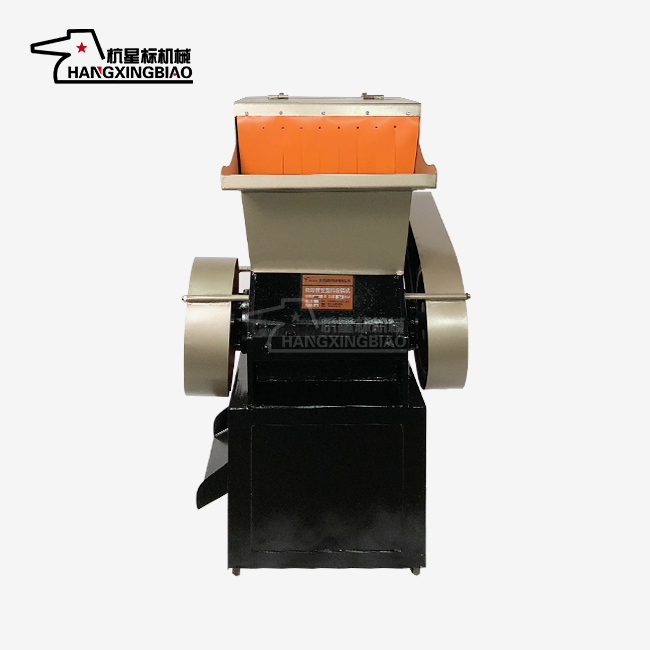
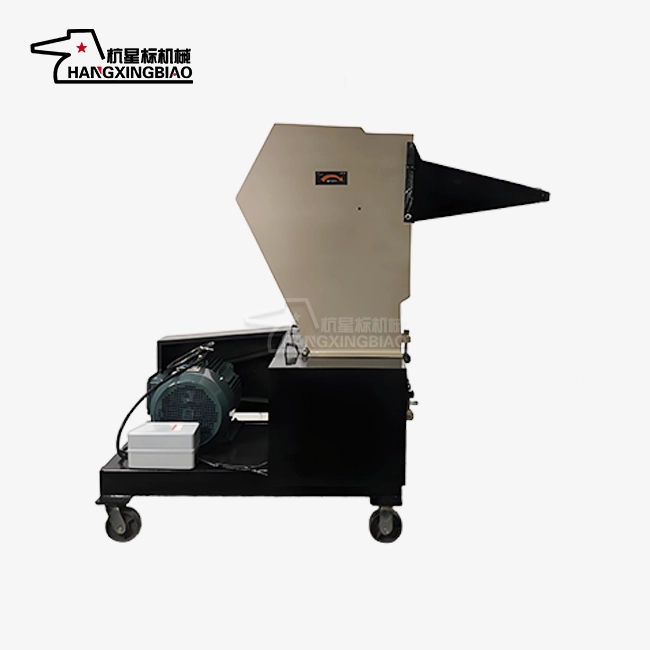
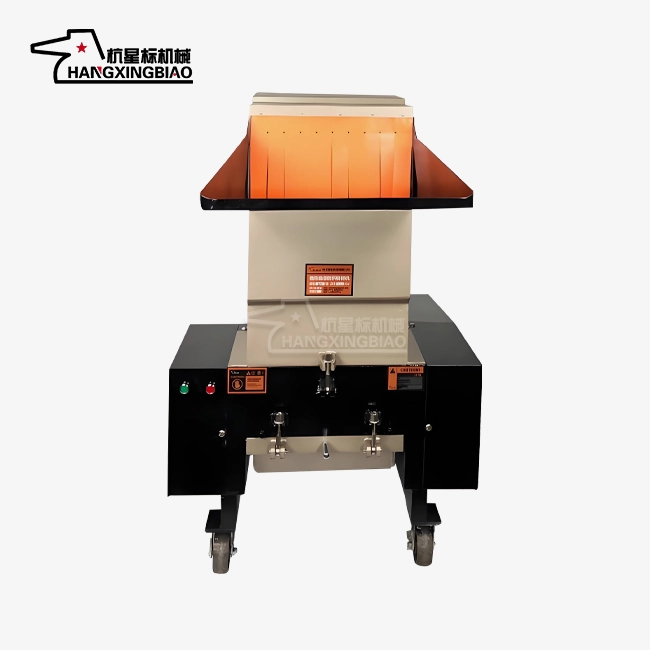
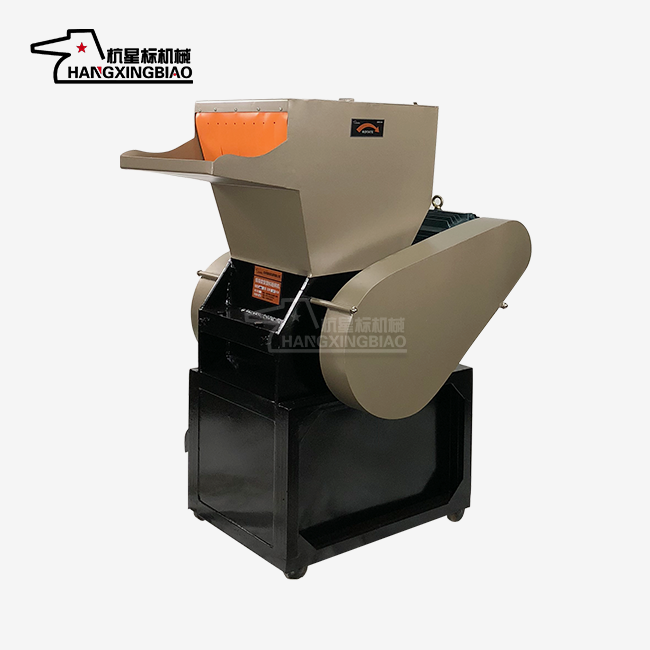
Plastic bottles are quickly cut and sheared into uniform flakes by high-speed rotating blades mounted on a rotor shaft in a Mineral water bottle crusher. Bottles are fed into a room where angled blades cut through the material against stationary knives. Depending on the screen mesh that is installed, the machine breaks the bottles into pieces that are between 2 and 50 mm in size. This mechanical granulation method is very different from low-speed shredding because it focuses on making flake sizes that are uniform, which is important for washing and reprocessing later on. Modern bottle crushers have motors, control systems, and safety features that all work together to break down big bottles into smaller pieces that can be moved to the next step in the recycling process.
Understanding Mineral Water Bottle Crushers: How Do They Work?
Core Mechanical Process
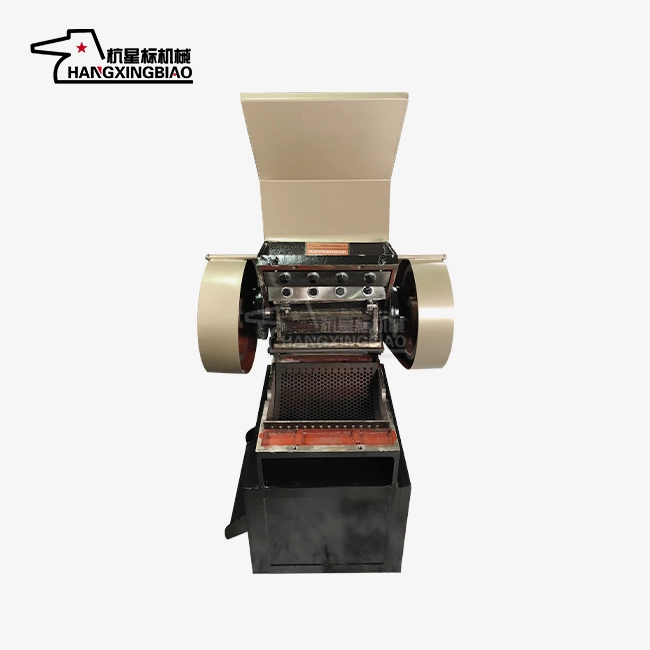
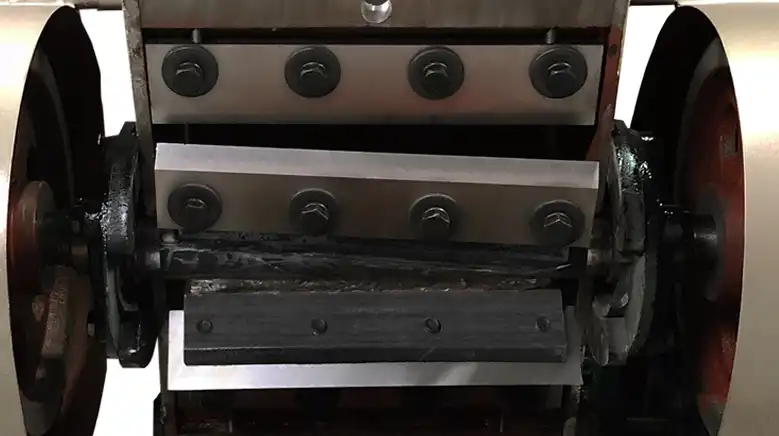
The crushing mechanism relies on the speed difference between the moving and stationary cutting edges. Every time a bottle goes into the feed hopper, it falls into the cutting room by itself. A rotor with blades that spin at 400 to 600 RPM cuts plastic against fixed knives that are attached to the walls of the chamber. This action, which looks like scissors, cuts bottles into smaller and smaller pieces until the particles can fit through the opening in the screen below.
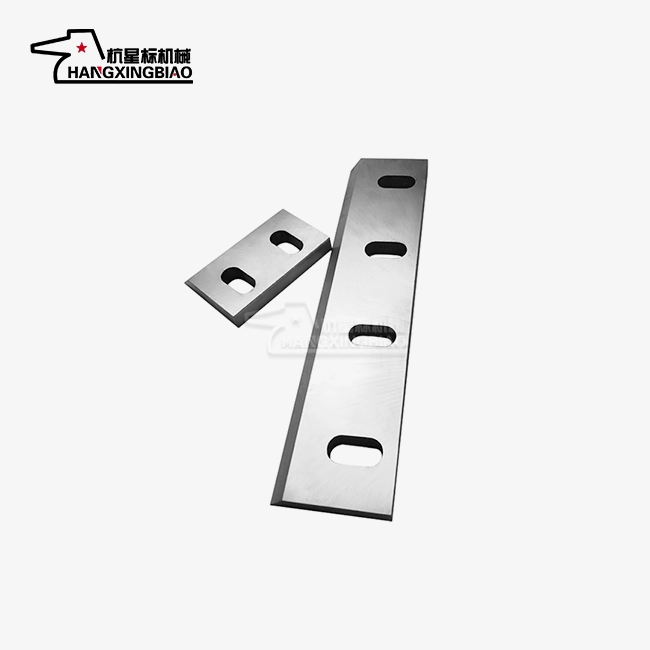
The cutting shape is crucial. The best machines have V-shaped or spiral blades that pull the material in while they cut. This keeps the bottles from bouncing off without being crushed. The blade slope is usually between 30 and 45 degrees, which is the best mix between cutting quickly and making the blade last a long time. Only when pieces reach the right size do they fall through the screen. This makes sure that the sizes of all the particles that come out are the same.
Essential Components and Their Functions
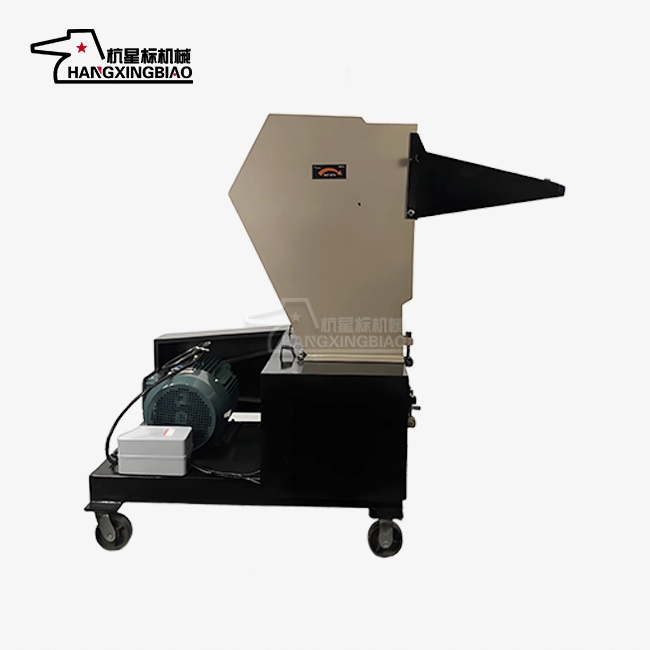
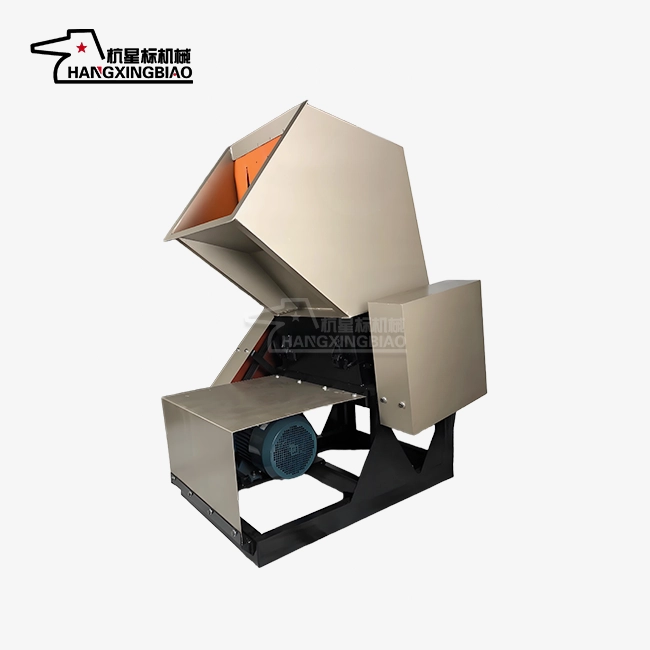
The motor gives the machine power. It can handle anywhere from 5HP for small units to 150HP for industrial systems that process several tonnes of material every hour. While direct-drive designs are simpler, belt-driven designs are better at reducing vibrations and making maintenance easier. Operators can change the spinning speed with variable frequency drives based on the material and the output they want.
The construction of the crushing chamber determines how long it will last when used continuously. The housing is made of heavy-gauge steel plates that are bonded together. Reinforcement bars keep the housing from bending when it's hit hard. The plan of a chamber affects how materials move through it. Open-structure layouts make it easier to clean between types of materials, while enclosed chambers do a better job of keeping dust and noise inside.
Integration into Recycling Workflows
Automatic systems place breakers close to injection moulding machines to process output trash immediately. Conveyor belts carry rejected parts to the crusher hopper. Bins collect crushed material for extruders. This closed-loop system eliminates shipping expenses and pollution hazards and recovers material value within minutes of manufacturing.
Recycling plants that handle multiple types of waste should be semi-automatic. First, operators classify bottles by resin type and colour. They then put the material into the breaker in groups. Discharge chutes send crushed flakes to storage bins or washing line conveyors. This workflow is efficient and flexible since it can manage varied volumes of input throughout different shifts.
The control panel controls safety interlocks and operating settings. Emergency stop buttons and magnetic switches halt the machine and rotor in seconds when the entry doors open. Modern machines automatically clear jams by spinning the rotor backward for a short time and then returning to normal operation without user intervention.
Types of Mineral Water Bottle Crushers and Their Optimal Use Cases
Standard Electric Crushers for General Applications
Standard versions can handle 50–500 kg/hour, enough for small to medium-sized recycling operations. These devices' single-shaft rotors and changeable blade cartridges simplify maintenance for the company's technical team. Hopper holes are normally 300–500 mm, which fits common beverage bottles without cutting.
The operation noise is 75–85 decibels, which is fine for minimal soundproofing. Tiny at 1.2m x 0.8m x 1.5m, they can be put in tiny spaces. Standard industrial electrical service uses 220-380V three-phase lines. This prevents costly infrastructure upgrades.
Crushers for mineral water bottles handle constant streams of bottles without contamination. Beverage bottling facilities recycle drink trash, small-scale collection centers gather recyclables from homes, and packaging providers recycle thermoforming trimmings. It works for bottles, containers, cosmetic boxes, and other hollow PET products.
Industrial-Grade Heavy-Duty Systems
High-capacity crushers can handle between 1,000 and 10,000 kg/hour and are made to work nonstop in big recycling centers. With two shafts, you get double the cutting power, so you can grab and pull material even if it's dirty with labels, caps, or leftover liquid. Containers with thick walls and waste that isn't a normal shape can't damage reinforced construction.
Better safety features include starting routines that can be controlled with two hands, exterior guarding that meets OSHA standards, and interlocked access panels that keep the rotor from touching the panels during maintenance. At operator stations, sound-dampening enclosures keep operational noise below 70 decibels, which improves the workplace and meets government standards. Central vacuum systems can connect to dust collection ports to keep work areas clean and collect fine particles for further processing.
These systems work well for large recycling operations that process bales of used bottles, factories that make a lot of scrap, and material recovery facilities that get ready to feed materials into pelletizing lines. The strong design can handle different kinds of bottles at the same time, like PET water bottles, HDPE milk jugs, and PP yoghurt containers, without having to separate the streams or make any changes to the way the machine is operated.
Specialized Crushers for Unique Materials
Soft plastic breakers remove film and fibre tangles from around the rotor blades. A new blade form with wider gaps and stronger hook profiles pulls light materials into the cutting zone instead of wrapping around. Rotor speeds between 200 and 350 RPM generate less heat for melting thermoplastic films. This method binds particles.
It can process shrink wrap, shopping bags, woven polypropylene sacks, and agricultural films. These crushers usually use open-grate screens instead of solid grated plates. This design prevents material from packing and blocking the output. Recycling centers that handle mixed city trash or used packaging with film components need the design.
Heavy-duty breakers can destroy trash cans, storage bins, and automobile bumpers. Oversized feed apertures over 800 mm can accept complete items without manual resizing. High-power hydraulic rotors may shear thick-walled objects that halt typical machinery at low speeds. Replaceable wear plates protect chamber sides from tainted or stronger plastics.
Working with several materials is the breakthrough. In addition to bottles and other plastics, modern crushers may break down rubber, wood, paper, linen, foam, and farm trash. Screen holes from 2mm to 50mm can accommodate downstream processing operations. Flexible machines mean facilities don't need separate machines for each material. Savings on equipment and floor space are significant.
Benefits of Using Mineral Water Bottle Crushers in Recycling Systems
Environmental Impact Reduction
Volume reduction is the most obvious benefit. Crushed bottles take up 20% of their original space; therefore, vehicles may carry five times more every journey. This consolidation immediately reduces transportation fuel and carbon emissions. Crushing reduces transportation-related CO₂ emissions by 15 to 20 tonnes at a recycling plant that processes 50 tonnes of waste per month.
Material returns improve. Recycling whole bottles is discouraged since remaining liquids, labels, and caps taint cargo. Crushing increases surface area, making cleaning easier. This improves detergent and rinse water contaminant removal. Cleaner flake will cost more to reprocess, affecting your facility's revenue.
Mineral water bottle crushers go beyond recycling in circular economy concepts. When flake sizes are constant, float-sink density separation helps automatic sorting systems accurately distinguish between resin types. This accuracy prevents PET, HDPE, and PP streams from mixing. High-purity feedstocks can be used for food rather than for park benches or drainage pipes.

Operational and Economic Advantages
When crushing technology replaces manual consolidation, labour expenses drop significantly. Two workers hand-pressing bottles for four hours a day is expensive. Unsupervised, an automatic crusher reduces the amount. This lets personnel focus on quality control or equipment repair. Processing volume determines payback times, which are usually 8–18 months.
Storage optimisation affects several cost centres. When material storage decreases, the building must be smaller, and fire insurance and rental prices decrease. Instead of adding temporary storage during busy times, facilities with annual volume changes maintain existing storage space. Small boxes move stock faster than large containers, improving material turnover.
Processing ability determines earnings. Eliminating bottlenecks lets facilities accept more material from sellers, increasing their buying power and bargaining leverage. A 2,000-kg-per-hour crusher can process 32,000 kg in two shifts, which is too much for humans to handle. Throughput scaling lets a business grow without hiring more people or adding space.
Safety and Compliance Benefits
Bottle-handling can cause repeated strain injuries. These injuries decrease with automated braking. Container lifting, shifting, and packing no longer take hours. Workers' compensation claims decrease as workplace safety improves. Operators may add materials easily with ergonomic feed hopper heights and shielded release systems that prevent them from touching crushed material edges.
Tools make following workplace safety requirements easy. Interlocks, emergency stops, and defensive systems fulfil OSHA regulations without modification. Dust management meets air quality standards. When handling bottles with product remnants or crushed labels that emit particles into the air, this is crucial.
Unified materials reduce fire risk. Air gaps emerge when bottles are haphazardly packed, spreading fires faster. Crushing items lowers oxygen levels. Due to the lesser risk, several insurance companies offer lower premiums for mechanical consolidation centers over open storage. Regular repair and operator training records demonstrate your commitment to safety.
Key Considerations When Purchasing a Mineral Water Bottle Crusher
Capacity and Performance Metrics
The standard is based on throughput. Determine how much data you process daily, then add 30–50% for expansion and busy periods. Too-small equipment causes overtime or material backlogs, while too-large equipment wastes energy and money. Mineral water bottle crushers are rated by how many kilograms they can handle per hour, but check the specs to see if they presume light PET bottles or heavier mixed plastics.
Particle size consistency affects downstream processes. Ask for shows on crushing samples of your desired materials. Flake distribution—even size without too many particles – indicates good blade design and screen selection. Irregular pieces or dust formation may indicate poor cleaning or material loss while handling.
Energy efficiency affects equipment lifetime costs. Modern crushers better match motors and blades, saving 15–25% energy. Check the motor's kilowatt-hours per tonne processed as well as its nameplate power. Variable frequency drives reduce beginning current spikes and help you tailor speed to material flow, making the system more efficient.
Crusher Versus Compactor Technology
Knowing the differences between functions helps you match tools to application needs. Hydraulic rams in compactors squeeze bottles into thick bales without reducing their size. This makes the material good for transport but not good for washing lines. Granulation is done by crushers, which make flakes that are ready for further processing. For places that need to do both, they need either different tools or specialised combination units that can do the processing in order.
When used with pelletising lines, injection moulding regrind systems, or when selling materials to reprocessors that need specific particle sizes, crusher technology works well. Compactor technology is used for pure collection tasks, moving things to outside computers. Which method gives you the best return on your investment depends on where you are in the recycle value chain.
Supplier Selection and Support Infrastructure
Reputable companies offer replacement components, skilled assistance, and warranty support. Recall the equipment's use. Manufacturing crushing equipment for 20–30 years gives organisations engineering knowledge that other machine manufacturers don't. Hangzhou Xingbiao Machinery has focused on crusher development from its founding, demonstrating this type of targeted understanding.
After-sales service is as crucial as equipment quality. You should check technical response times, field service engineer availability, and spare parts inventory locations. Continuous-production facilities can't afford to stop down for days to replace blades or fix motors. Reliable dealers stock parts in the US rather than shipping them worldwide for jobs.
Warranty terms show that the manufacturer trusts the item to last. Better warranties cover rotors and drive systems for more than 12–18 months. Read the warranty's exclusions—some manufacturers won't cover issues caused by unlawful materials or exceeding capacity. Learn the warranty maintenance requirements.
Maintenance Tips and Safety Practices for Long-Term Use
Routine Maintenance Procedures
Daily 10- to 15-minute checkups prevent costly problems. Listen for odd sounds that may indicate loose parts and inspect the blade edges for damage or wear. Examine for screen tears or large gaps that let particles through. Prevent backups that force the rotor to work under heavy loads by emptying the collection bins. Remove anything blocking the hopper feed.
Weekly cleaning keeps processes going smoothly and prevents material mixing. Turn off the apparatus using lockout/tagout, then remove the access panels for the chamber check. Use compressed air to dust blade edges and sides. Replace drive belts with cracks or glazing before they snap. Monitor tension and wear. Lubricate the bearing points according to the manufacturer's directions and prevent over-greasing, which can cause impurities to stick.
Monthly rotation prolongs cutting-edge life. Remove blade parts and flip or shift them to distribute wear patterns. Most rotor designs allow many blade orientations before professional resharpening. List rotation schedules to track operating hours. Blades should be sharpened every 800–1,200 hours, depending on abrasiveness. Replace cracked, chipped, or deformed blades instead of regrounding.
Safety Protocol Implementation
Start-up, emergency shutdown, and jam clearing must be taught in operator training. Never bypass safety locks or use equipment without guards. Restrict access to safety glasses, hearing protection, and steel-toed shoes. Loose garments and jewels cause entanglement. Before operating machinery, personnel should tie back long hair and remove accessories.
Lockout/tagout prevents accidental maintenance starts. Both the control screen and disconnect switch should be off. Workers should use personal locks and "work in progress" tags and keep the keys. To drain electricity, press the start button after disconnecting. A voltage meter should show zero energy before touching any internal elements.
To clear a jam, be careful and follow the steps. Avoid entering the crushing chamber while the electricity is on. After locking down and shutting down, remove obstructions with long tools. Help your employees detect the proper material flow rates and avoid overfeeding, which causes blockages. When properly activated, the automatic reverse on more complex machines can clear blockages without assistance.
Troubleshooting Common Issues
If output drops despite regular operation, the blades may be dull and need sharpening or replacement. As they circle over, cutting blades lose efficacy and require greater effort to shear. If hourly working volumes reduce by 15–20%, repair is needed. Screen obstruction from melted plastic or packed particulates limits discharge, so clean or replace it.
An unbalanced rotor or damaged bearings might produce excessive vibration. Vibration normally increases over time, but sudden changes require immediate attention. Turn off the machinery and inspect for broken blades, missing rotor pieces, or uneven mass distribution from material growth. Replacement is needed when the bearing housing temperature rises, creates vibrations, or unusual noises during operation.
Mechanical resistance or electrical issues cause the motor to overheat or trip the circuit breaker. Material clogs that stress the motor should be checked. Please check the motor voltage and phase at the control panel. Slippage in drive belts makes motors work harder but reduces rotor output. Long-term overloading damages motor windings, requiring expensive rewinding or replacement.
Hire skilled services as needed. Normal maintenance cannot fix structurally damaged crushing chambers, bent rotor shafts, or broken gear reducers. Repairing challenging issues without the necessary knowledge and instruments typically worsens the damage. Field service engineers from well-known organisations, such as Xingbiao, can accurately diagnose problems and implement long-lasting solutions, reducing downtime compared to individual repairs.
Conclusion
Knowing how Mineral water bottle crushers work in full recycling systems lets you make smart decisions about equipment that improves the revenue and sustainability of your site. The mechanical granulation process turns big barrels into uniform pieces that you can wash and reuse. Reducing the volume also significantly lowers the cost of shipping and storage. The best way to get the most out of your investment is to choose the right crusher type for your operational scale, material properties, and integration needs. Regular repair and following safety rules help tools last longer and keep workers safe. When purchasing managers and facility engineers look at crushing solutions for plastic recycling operations, this article gives them the technical information they need.
FAQ
What energy consumption should we expect from electric bottle crushers?
The amount of energy used depends significantly on the size and efficiency of the crusher's design. Small crushers that can handle 100 to 300 kg/h usually use 5 to 15 kW, which is about 0.03 to 0.05 kWh per kilogram of material they break down. Industrial systems that move more than 2,000 kg/hour need 45 to 75 kW, but they use only 0.02-0.03 kWh/kg of energy per kg, which is better because the machines are more efficient. Use the electricity rates in your area to figure out how much it costs to run the business. For example, a 30 kW crusher that runs 16 hours a day at $0.12/kWh would cost about $690 a month in energy. Modern designs with better blade geometry and motor matching use 15 to 20 per cent less energy than older machines.
Can these crushers process mixed plastic waste streams efficiently?
Good crushers can handle several plastic resins at once without needing adjustment, but for the best results, the stream should remain fairly consistent. Mixing PET bottles with HDPE cases and PP cups works well in industrial-grade machines made for working with different kinds of materials. When you mix very soft films with rigid bottles, you run into problems because the different properties of the materials mean that the blade speeds and chamber designs need to be different. Most facilities do simple sorting, like separating flexible films from rigid cases, and then use the right tools to crush each type. Not only can they crush bottles, but they can also crush plastic lumber, auto parts, electronic housings, and packaging materials as long as the size of the item fits through the hopper.
What certifications ensure equipment quality and safety compliance?
Motors and control systems made by reputable companies get UL or ETL electrical safety approval, which indicates that they meet North American electrical codes. If something has a CE mark on it, it means it meets European safety standards. This certification is important for foreign items. Getting ISO 9001 approval shows that you handle quality in a planned way throughout the whole manufacturing process. More FDA compliance paperwork is needed for equipment used in recycling that comes into contact with food. Please request copies of the certifications during the buying process. Reliable suppliers will easily give you the paperwork, but evasive answers could mean that the quality isn't satisfactory. Check that the safety features, such as emergency stops, guarding, and lockout-tagout rules, meet OSHA standards.
Upgrade Your Recycling Operations with Xingbiao Crushing Technology
Choosing the right manufacturer for your plastic bottle crusher will affect how well your business does for years to come. Xingbiao has only been designing and making crushers for 30 years, so they have a lot of specialised knowledge that other machinery companies can't match. Our study relationships with big companies like KFC and Nongfu Spring show that we can apply our technical skills in tough real-world situations. This specialised knowledge directly affects the dependability of the tools you're building.
Our Mineral water bottle crusher systems can handle anywhere from 50 kg to 10 tonnes per hour and are available around the clock. The SKD-11 and Cr12MoV blade materials are vacuum-heated and have a service life of 3,000 to 5,000 hours with three to five resharpening rounds. This greatly reduces your repair costs and downtime. Quick-change screen structures let you change the particle size from 2 mm to 50 mm in minutes, so you can meet the needs of different downstream processing steps without stopping production.
We offer full help, from the first consultation to installation, operator training, and ongoing expert support. Our engineering team answers questions within 24 hours, and we keep enough parts in stock to ensure we send out replacement parts quickly. If you're a Mineral water bottle crusher provider looking for reliable tools for your customers or an end-user trying to get the most out of your recycling operations, Xingbiao has tried-and-true solutions backed by real experience.
Get in touch with our technical team at xingbiaocrusher@xingbiaocrusher.com to discuss your unique processing needs and get suggestions that are tailored to your business scale and goals.
References
1. Miller, J. (2021). Industrial Plastic Recycling Systems: Equipment Design and Operational Efficiency. Manufacturing Technology Press.
2. Thompson, R. & Davidson, K. (2020). "Mechanical Processing Technologies for Post-Consumer Plastic Waste." Journal of Recycling Engineering, 15(3), 234-256.
3. American Plastics Council. (2022). Best Practices Guide for Plastic Bottle Recycling Facilities. Industry Standards Publication.
4. Chen, L. (2019). "Comparative Analysis of Size Reduction Equipment in Polymer Recycling." International Journal of Sustainable Manufacturing, 8(2), 112-134.
5. National Recycling Coalition. (2023). Equipment Selection Criteria for Material Recovery Facilities. Technical Report Series.
6. Rodriguez, M. & Williams, P. (2020). Crushing and Granulation Technology: Principles and Applications in Waste Processing. Environmental Engineering Publishers.
Learn about our latest products and discounts through SMS or email