- English
- French
- German
- Portuguese
- Spanish
- Russian
- Japanese
- Korean
- Arabic
- Greek
- German
- Turkish
- Italian
- Danish
- Romanian
- Indonesian
- Czech
- Afrikaans
- Swedish
- Polish
- Basque
- Catalan
- Esperanto
- Hindi
- Lao
- Albanian
- Amharic
- Armenian
- Azerbaijani
- Belarusian
- Bengali
- Bosnian
- Bulgarian
- Cebuano
- Chichewa
- Corsican
- Croatian
- Dutch
- Estonian
- Filipino
- Finnish
- Frisian
- Galician
- Georgian
- Gujarati
- Haitian
- Hausa
- Hawaiian
- Hebrew
- Hmong
- Hungarian
- Icelandic
- Igbo
- Javanese
- Kannada
- Kazakh
- Khmer
- Kurdish
- Kyrgyz
- Latin
- Latvian
- Lithuanian
- Luxembou..
- Macedonian
- Malagasy
- Malay
- Malayalam
- Maltese
- Maori
- Marathi
- Mongolian
- Burmese
- Nepali
- Norwegian
- Pashto
- Persian
- Punjabi
- Serbian
- Sesotho
- Sinhala
- Slovak
- Slovenian
- Somali
- Samoan
- Scots Gaelic
- Shona
- Sindhi
- Sundanese
- Swahili
- Tajik
- Tamil
- Telugu
- Thai
- Ukrainian
- Urdu
- Uzbek
- Vietnamese
- Welsh
- Xhosa
- Yiddish
- Yoruba
- Zulu
What Features Define a High-Performance Plastic Crusher?
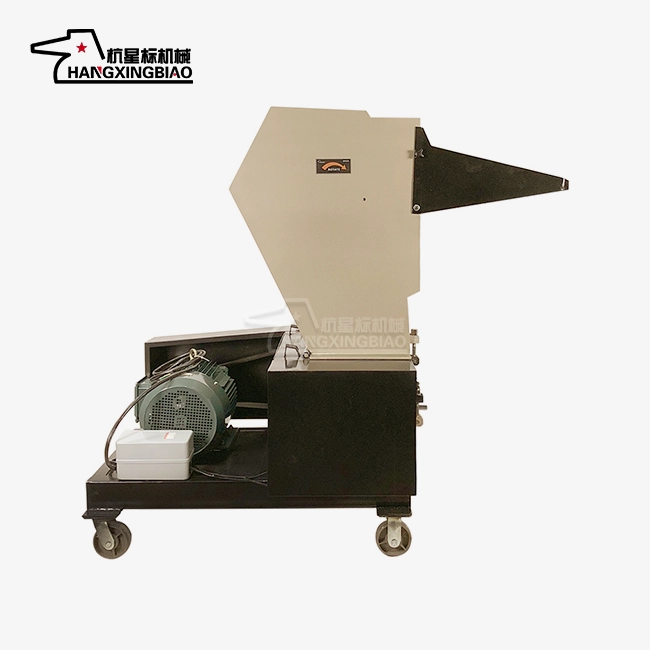
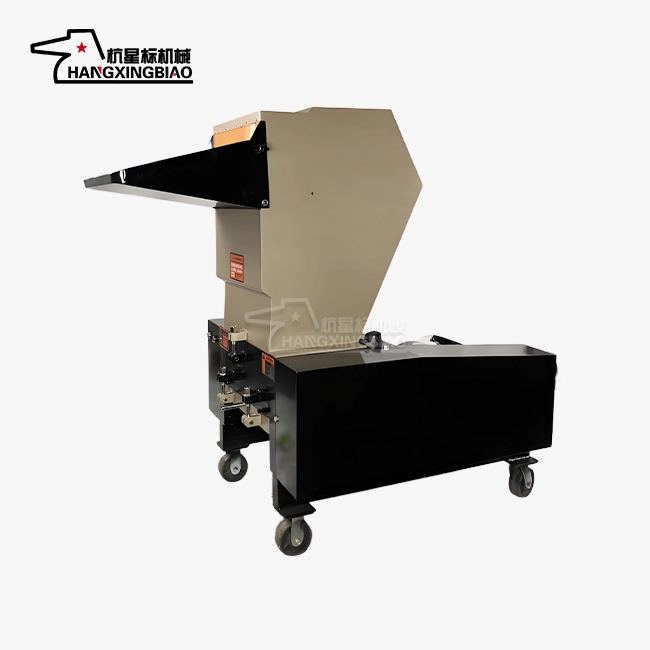
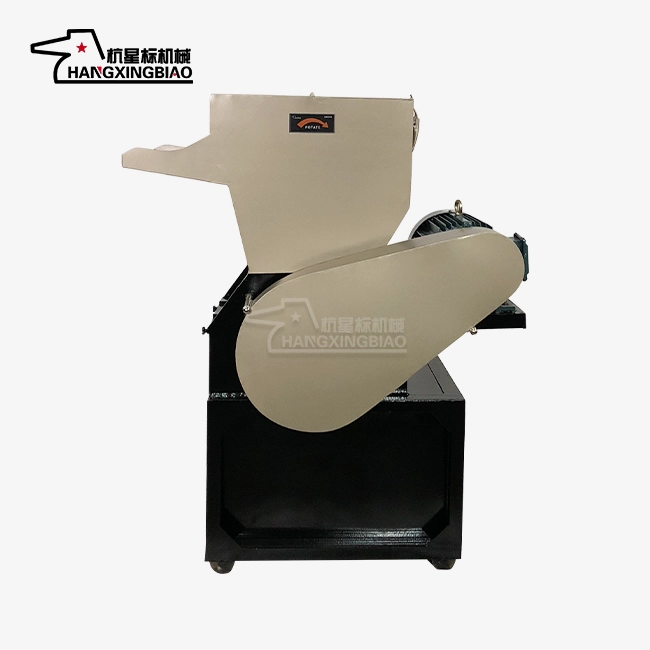
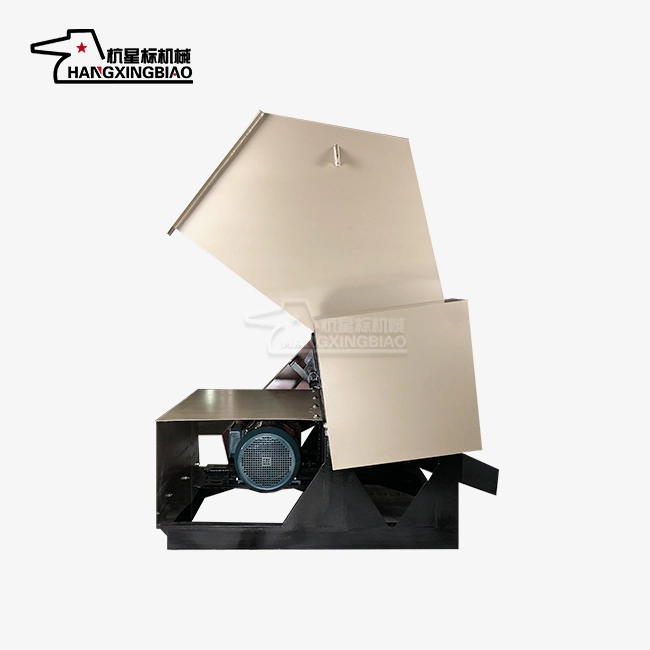
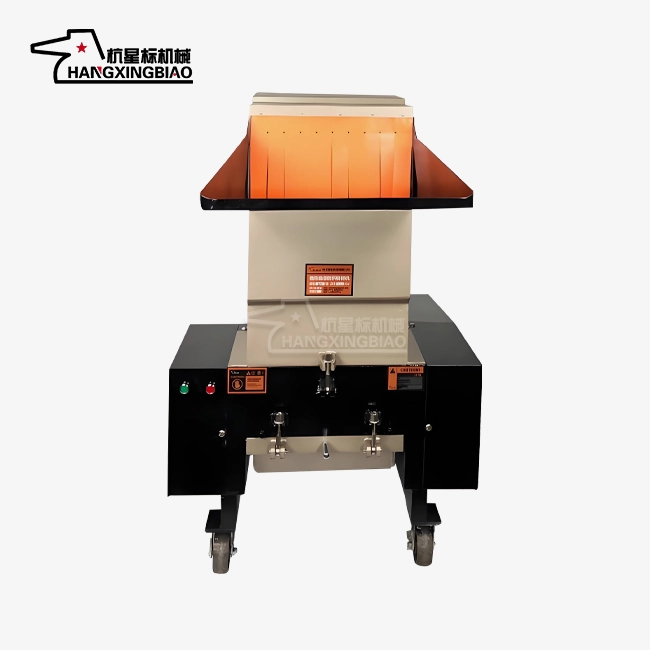
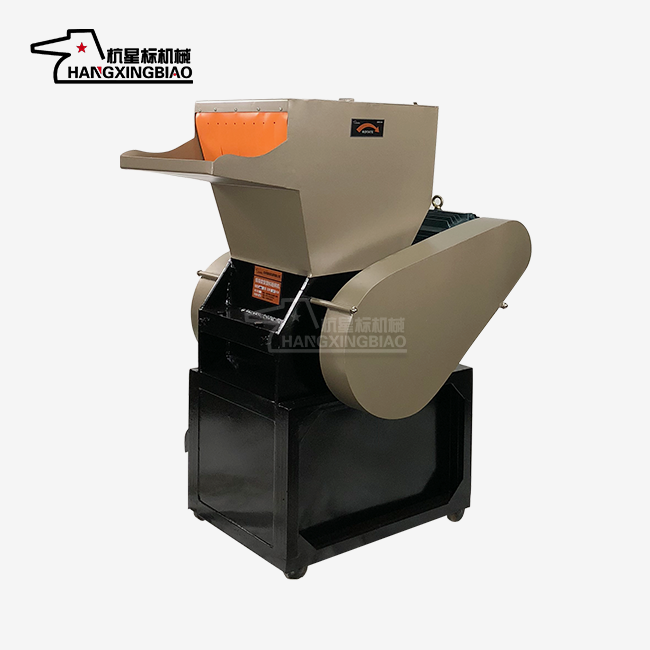
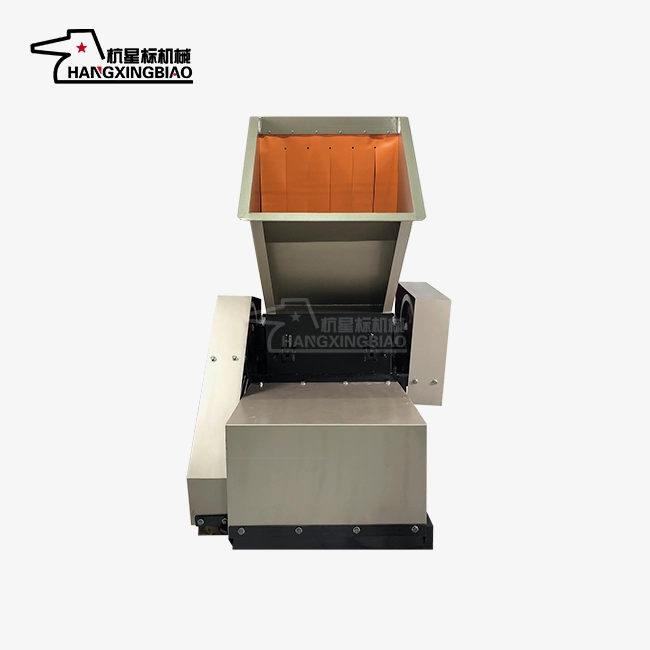
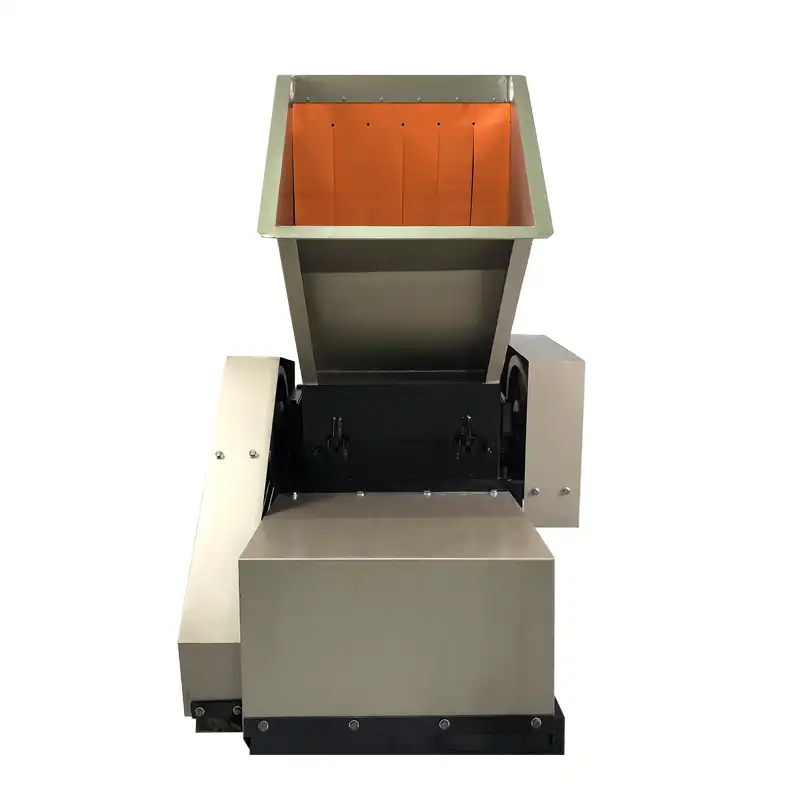
A high-performance Plastic crusher is a well-thought-out device with cutting tools that break down plastic trash into small, uniform pieces. These industrial workhorses are built to last, have motors that use less energy, and are smartly designed to keep up with work while minimising downtime. Strong blade systems, optimised chamber design, anti-jamming technology, and the ability to work with a wide range of materials, from hard injection-moulded parts to tangled films, are some of the things that make this machine unique. By knowing these basic traits, procurement teams can choose equipment that balances how well it crushes, how much it costs to run, and how reliable it is over time for both manufacturing and recycling operations.
Understanding the Core Features of a High-Performance Plastic Crusher
A well-balanced mix of mechanical design and material science is at the heart of every good crushing system. High-performance models have cutting chambers that were carefully designed so that spinning blades interact with knives that stay still to make an exact shearing action. This basic process is very different between simple Plastic crushers and heavy-duty machines that are made to work all the time.

The most obvious way to measure efficiency is by looking at the throughput ability. A well-thought-out machine for processing PET bottles should be able to keep the feed rates steady without stopping, providing particles of the same size that can be used for extrusion or pelletising further down the line. Capacity measurements, however, provide only a partial view. The real test of quality is how well the equipment handles different types of material, like twisted stretch film that gets stuck in less-than-stellar machines, thick-walled containers that wear down less-than-stellar blades, and mixed waste streams that make screening systems work harder.
Differences in performance between types of crushers are crucial for planning purchases. Heavy-duty industrial units designed for recycling are very different from granulators that work next to injection moulding machines. The first one focuses on processing a lot of different materials quickly, while the second one is all about quickly getting rid of production waste in factories with limited space. By understanding these operating contexts, you can better match the capabilities of tools with the needs of production
Critical Design and Operational Features That Define Performance
Robust Structural Construction and Material Selection
Frame building is the first step in making a Plastic crusher last a long time. Premium machines use full-penetration welding to join high-strength steel plates together. They then go through a stress relief treatment that stops the steel from warping after years of vibration and mechanical stress. This engineering method makes the service life much longer than lighter-duty options. This is especially important for places that work multiple shifts or work with rough materials.
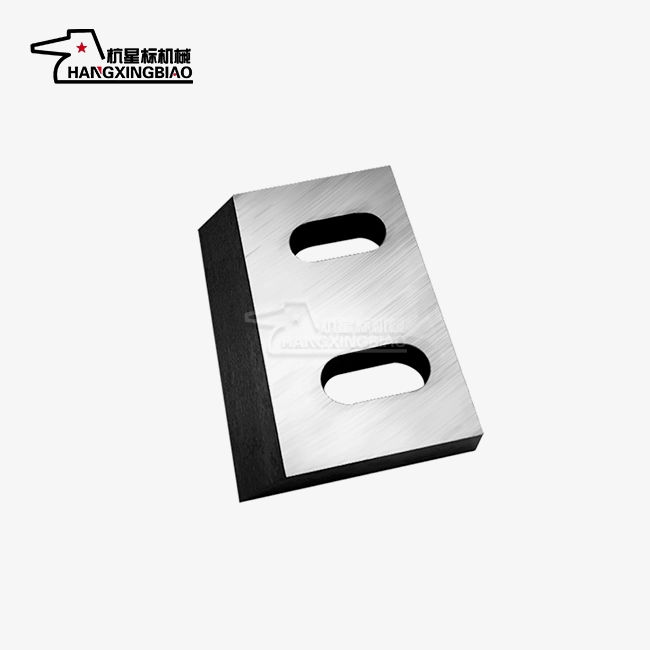
The materials used for blades are another important factor that determines how well they work. When working with fibre-reinforced plastics or dirty waste streams, standard carbon steel cutters wear out very quickly. Instead, high-performance machines use special tool steels like SKD-11 or D2-grade metals that have been heated in a vacuum and then frozen. These advanced mechanical treatments give cutting edges that are very hard and don't break easily when they get hit. This means that blades can be used for more than 3,000 hours in tough situations. When you compare how often the blades need to be replaced, it's clear to see how they affect the economy: better blades may cost more at first, but they have much lower running costs per tonne over their longer service intervals.
Advanced Cutting Mechanisms and Chamber Geometry
Thoughtful mechanical design makes the crushing process itself a lot better. Top manufacturers use a "shear plus impact" dual-action method. It combines slicing force with compressive energy. This method works especially well for mixes of waste streams that have both rigid and flexible parts. Hard materials, like HDPE barrels, are broken down quickly and efficiently by cutting, while impact forces help break down softer materials without making too many fines.
Optimising the chamber geometry has a direct effect on the quality of the output and how much energy is used. When machines are properly built, the blade spacing and screen positioning are carefully thought out so that particles meet specific size requirements—usually 2 mm or bigger for most recycling applications—without being over-crushed, which creates dust and lowers the value of the material. We've seen that well-designed systems achieve output consistency above 90%, which eliminates output consistency above 90%, which gets rid of the need for extra screening steps that make material handling more expensive and difficult.
Anti-Jamming Technology for Problematic Materials
Processing soft plastics, films, and fibre-contaminated trash comes with its own set of problems that set apart high-end equipment from basic models. Standard Plastic crushers often get stuck when film materials wrap around the rotor shafts or get tangled up in the cutting chamber. Some high-performance units have special anti-winding comb teeth that sit in specific places inside the barrel. These mechanical features keep flexible materials moving into cutting zones while preventing them from building up on moving parts.
This engineering method has real practical benefits for places that handle post-consumer trash, farm film, or packing materials. Operators spend a lot less time clearing jams, call out repair crews for fewer emergencies, and can predict flow rates more accurately. In the first few months of operation, the extra cost of more advanced designs is often worth it because they make things run more smoothly overall.
Energy-Efficient Drive Systems and Motor Optimization
The choice of motor and the way power is transmitted have a big effect on both the cost of running the equipment and its dependability. Modern, high-performance Plastic crushers have motor rates that are carefully matched to ensure they have enough power for peak loads without using too much energy when they're not in use. Integrating a variable frequency drive lets workers change the rotor speeds based on the properties of the material, which finds the best balance between power usage and output.
Improvements in energy efficiency of 15–25% compared to older designs directly lead to lower power costs over the decades that the equipment lasts. For facilities that process hundreds of tonnes of materials every month, these savings lead to significant reductions in operating costs. Not only does using less energy save money, but it also helps companies reach their sustainability goals and may even help them get green manufacturing incentives or certifications that brand-conscious customers value more and more.
Maintenance, Operational Efficiency & Troubleshooting Tips
Preventive Maintenance Protocols
To keep a Plastic crusher working at its best, it needs planned care rather than fixes that are done when something goes wrong. Operations that run smoothly have regular inspections that assess the sharpness of the blades, the condition of the bearings, the integrity of the screen, and the tension on the drive belt. Finding wear trends early on lets you change parts during planned downtime instead of having failures happen during production runs.
Maintenance on the blades should receive extra attention because it has a direct effect on how well they crush and how much energy they use. Dull cutters need more motor power to cut through materials, produce too much heat, and make particles of different sizes. Setting blade movement times based on the amount of material being cut instead of random time intervals improves both cutting performance and tool life. Many facilities keep extra sets of blades on hand so that they can be quickly switched out while used blades are sharpened by professionals away from the facility.
Common Operational Issues and Solutions
Even well-maintained equipment can still have problems. Material jams usually happen when there is too much material, bad material presentation, or when trying to handle things that are bigger than what was intended. Using the right feed rate controls and teaching operators how to prepare materials greatly lowers the number of jams that happen. When jams happen, following the correct steps for shutting down and cleaning the blades helps prevent accidents and damage.
Not enough cooling airflow, too much friction in the bearings, or an overloaded motor often cause overheating problems. Cleaning the cooling fins and airflow holes on a regular basis keeps the thermal management working properly. Unusual vibration patterns could mean that the blades aren't balanced, the bearings are wearing out, or the mounting hardware is loose. You should fix these problems right away to avoid catastrophic failures and long downtime.
Energy Optimization Strategies
Aside from the equipment itself, operational practices also have a big effect on how much power is used. When Plastic crushers are loaded to their ideal levels, which are usually 70 to 85% of their maximum rated capacity, they work at a balance between throughput and energy efficiency. Coordinating the operation of the Plastic crusher with the preparation of materials upstream and the handling of materials downstream stops inefficient start-stop cycles that waste energy and put stress on mechanical parts.
Keeping an eye on specific energy use measures, like kilowatt-hours per tonne of material handled, gives you useful information for comparing performance. Gradual rises in energy use often signal the need for repairs before other symptoms show up. This lets you take action before they get worse.
How To Choose the Right Plastic Crusher For Your Business Needs?
Assessing Production Requirements and Material Characteristics
Before you can choose the right Plastic crushers, you need to be honest about what you need them for and not just what you want them to do. Determine how much material is actually processed each week or month, taking into account seasonal changes and expected business growth. It's also important to know what the materials are made of. For example, a facility that only processes clean production scrap has very different needs than one that handles contaminated post-consumer waste.

The properties of the material directly affect the specs of the tools. Things with hard, thick walls need stronger motors and heavier rotor systems than bottles or film with thin walls. When trash has metal fasteners, labels, or dirt in it, it needs stronger construction and maybe even magnetic separation systems. Designs that can handle different amounts of input without frequent changes work well for mixed waste streams.
Evaluating Space Constraints and Integration Requirements
Physical installation issues often limit the types of tools that users can use more than they think. Carefully measure the available floor space, making sure to include the space needed for material feed, discharge conveyors, and maintenance access. Ceiling height restrictions may prevent certain hopper layouts, and special designs may be necessary. Integration with current material handling systems, like conveyors, storage hoppers, or granulating equipment further downstream, can affect the choice of machine and may require special building.
Installations next to the press that serve injection moulding operations need to be small, make little noise, be able to change materials quickly, and sometimes be able to connect to machine control systems. At centralised recycling centres, getting the most recycled materials through quickly and easily is more important than making the best use of the space. You can avoid mismatches between skills and real needs by matching equipment features to operational situations.
Comparing Models and Supplier Capabilities
There are many manufacturers of crushing equipment, and their products are of different types and levels of quality. Established suppliers with decades of focused experience usually offer more refined designs, higher-quality parts, and better technical support than general machinery vendors. Looking at the history of a manufacturer shows some important differences: companies that only make crushing equipment usually do a better job than companies that make many different things and treat crushers as an afterthought.
With a 30-year history of developing and producing Plastic crushers, Xingbiao Machinery is a prime example of the specialised approach. This single focus made it possible to keep improving blade designs, chamber shapes, and anti-jamming features by testing them in the real world and getting feedback from customers. Working with big companies like Nongfu Spring and KFC gave us chances to find the best ways to make tools work better in tough production settings. These insights directly improve the dependability of all customers.
Evaluating Total Cost of Ownership
The purchase price is only one part of analysing a tool investment. When you do a realistic total cost of ownership estimate, you take into account things like energy use, replacement parts, upkeep labour, and downtime. A cheaper machine that needs to have its blades changed more often and uses more energy usually ends up costing a lot more over its lifetime than more expensive equipment with parts that last longer and use less energy.
How well a supplier can provide service greatly affects long-term costs and operational dependability. When problems happen, manufacturers who offer fast shipping of spare parts, remote expert help, and on-site service keep costs down. Companies that offer training for operators, help with installations, and assistance from application engineers add extra value, lowering execution risks and speeding up productivity gains.
Case Studies and Real-World Applications
Large-Scale Recycling Operations
Municipal recycling centers handling various types of post-consumer plastic waste demonstrate the importance of strong, flexible crushing equipment. A regional recycling center in the Northeast recently switched from basic crushers to high-performance models with anti-winding technology and better blade designs. Within the first six months, the building saw a 34% increase in output and a 40% drop in downtime caused by jams. Improving the uniformity of the output particles got rid of the need for secondary screening, which sped up work even more and cut costs.
The higher level of reliability was especially beneficial during peak collection times, when the amount of material suddenly increases. The old equipment often had to be shut down in the middle of a shift to clear out jams or do emergency repairs, which caused processing delays and cost extra money for overtime labour. Modern Plastic crushers kept working even when demand went up, which was good for the facility's bottom line and lowered the safety risks and anger of the people who had to do it all the time.
Manufacturing Integration Applications
A company that makes parts for cars that handles rejected injection-moulded parts and drive systems shows different application goals. Because there wasn't a lot of room near the moulding presses, small equipment with low noise levels that could run continuously in production settings was needed. The factory put in granulators next to the presses that have quick-screen-change systems that let them change the particle size when moving between types of material without having to wait a long time.
Integration with the moulding machine's control system made the Plastic crusher start up automatically when the reject bins reached certain levels. This eliminated the need for manual material handling and ensured there was always regrind to mix with new resin. Adding more breaking units to the plant didn't increase electricity costs much because the motors used less energy. Material recovery improvements cut the need to buy raw resin by 12%, which paid for the equipment investment in just 18 months and helped the company meet its green goals.
Custom Solutions for Specialized Materials
A company that recycles tyres and works with big, highly strengthened rubber parts needs specially designed crushing equipment. Standard machines did not have enough power or blade durability for this tough job. The engineers at Xingbiao came up with a special high-torque design with carbide-reinforced blades and bigger chambers that can handle thick feed material. The method produced 15-mm chips from whole tyres for further processing. This process turned a trash stream that was previously a problem into useful recycled material.
This ability to be customised shows how important it is to work with makers who have a lot of experience with your application and flexible technical resources. Specialised needs rarely get the best results from off-the-shelf equipment, and suppliers who can make custom solutions get much better results for tough applications.
Conclusion
High-performance Plastic crushers stand out due to their durable design, cutting-edge technologies, clever anti-jamming features, and energy-efficient operation. Precision-engineered blade systems, optimised chamber geometry, and the choice of long-lasting parts work together to keep the quality of the particles constant while lowering both the cost and the need for upkeep. For procurement managers and site operators, knowing these traits helps them choose technology that fits their specific needs instead of just meeting general standards.
Buying better crushing equipment pays off over and over again as it lasts longer and works more reliably for decades. Less downtime, less energy use, lower upkeep costs, and better output quality all lead to returns that far exceed the difference in the original purchase price. Working with specialised manufacturers that offer full technical support and application knowledge improves both operational success and the long-term value of equipment.
FAQ
What distinguishes a plastic crusher from a shredder?
Plastic crushers usually have high-speed rotating blade assemblies that cut materials against fixed knives. This makes granules that are pretty uniform and can be used again or turned into pellets. Shredders use cutting systems that move more slowly but with a lot of torque to make output that is rougher and less even. This type of output is suitable for reducing volume or for primary processing before further size reduction. The best method for a given application depends on the properties of the material and the needs for processing afterwards.
How often should crusher blades be replaced?
Blade service life varies greatly with material type, usage, and blade quality. When machines are well taken care of and processing clean production scrap, premium metal blades can last for more than 3,000 hours. On the other hand, basic carbon steel cuts that handle dirty waste streams may require replacement every 500 hours. Random plans are not as good as monitoring particle quality, energy use, and throughput rates to decide when to change something.
Do energy-efficient crushers justify their higher initial costs?
The cost of energy use is a big one that stays with the tools for a long time. Modern, energy-efficient designs that cut power needs by 15–25% usually pay for themselves in two to four years, based on how often they are used and how much electricity costs where they are located. Value propositions become even stronger when you add extra benefits like lower mechanical stress and less need for cooling. This makes energy efficiency one of the most economically justified premium features available.
Partner with Xingbiao for Superior Plastic Crushing Solutions
In every connection with a Plastic crusher maker, Xingbiao Machinery adds 30 years of specialised experience to the table, providing equipment designed especially for your needs. We focus exclusively on crushing technology and never sell unrelated products. This way, we can keep improving blade designs, chamber geometries, and anti-jamming systems by testing them in real-world situations and working with customers.
Our engineering team works directly with your business to find the best designs that balance material handling, energy savings, and throughput capacity. Whether we're dealing with clean production waste next to injection moulding machines or mixed post-consumer waste streams in high-volume recycling plants, we offer custom solutions backed by full installation support, operator training, and quick technical service.
Learn how the unique Plastic crusher designs from Xingbiao can improve your material recycling processes. Email our application engineers at xingbiaocrusher@xingbiaocrusher.com to discuss your unique needs and look into equipment choices that will improve performance and give you a good return on your investment. Visit www.xingbiaocrusher.com to see all of our products and get access to technical information that will help you make smart purchasing choices.
References
1. Thompson, R.C. & Swan, S.H. (2023). Industrial Plastic Recycling: Technologies and Economic Models. Cambridge University Press.
2. Martinez, J. (2024). "Energy Efficiency Standards in Size Reduction Equipment." Journal of Polymer Processing Technology, 45(3), 178-192.
3. Industrial Equipment Manufacturers Association. (2023). Best Practices for Plastic Waste Processing Equipment Selection. IEMA Technical Report 2023-08.
4. Chen, W. & Anderson, K. (2024). "Blade Metallurgy and Service Life in Plastic Size Reduction Applications." Materials Engineering Quarterly, 31(1), 56-71.
5. European Recycling Equipment Standards Committee. (2023). Safety and Performance Standards for Industrial Crushers. Brussels: ERESC Publications.
6 Davidson, P.L. (2024). Total Cost of Ownership Analysis for Recycling Equipment: A Procurement Manager's Guide. New York: Industrial Press.
Learn about our latest products and discounts through SMS or email