- English
- French
- German
- Portuguese
- Spanish
- Russian
- Japanese
- Korean
- Arabic
- Greek
- German
- Turkish
- Italian
- Danish
- Romanian
- Indonesian
- Czech
- Afrikaans
- Swedish
- Polish
- Basque
- Catalan
- Esperanto
- Hindi
- Lao
- Albanian
- Amharic
- Armenian
- Azerbaijani
- Belarusian
- Bengali
- Bosnian
- Bulgarian
- Cebuano
- Chichewa
- Corsican
- Croatian
- Dutch
- Estonian
- Filipino
- Finnish
- Frisian
- Galician
- Georgian
- Gujarati
- Haitian
- Hausa
- Hawaiian
- Hebrew
- Hmong
- Hungarian
- Icelandic
- Igbo
- Javanese
- Kannada
- Kazakh
- Khmer
- Kurdish
- Kyrgyz
- Latin
- Latvian
- Lithuanian
- Luxembou..
- Macedonian
- Malagasy
- Malay
- Malayalam
- Maltese
- Maori
- Marathi
- Mongolian
- Burmese
- Nepali
- Norwegian
- Pashto
- Persian
- Punjabi
- Serbian
- Sesotho
- Sinhala
- Slovak
- Slovenian
- Somali
- Samoan
- Scots Gaelic
- Shona
- Sindhi
- Sundanese
- Swahili
- Tajik
- Tamil
- Telugu
- Thai
- Ukrainian
- Urdu
- Uzbek
- Vietnamese
- Welsh
- Xhosa
- Yiddish
- Yoruba
- Zulu
Why Choose an Industrial crusher machine for plastic Recycling?
For businesses that care about efficiency and sustainability, using an industrial crusher machine for plastic recycling is more than just a smart operational choice. Modern recycling centers need machines that consistently make particles of the same size, can handle different kinds of plastic, and can work reliably on continuous production schedules. Industrial crushers are more precise and have automated controls that turn plastic waste into high-quality materials for recycling. This technology is different from basic shredders or manual processing methods. Hangzhou Xingbiao Machinery has been working on this technology for 30 years to improve it, so we know exactly what factories need from their crushing equipment.
Understanding Industrial Plastic Crusher Machines
Core Components and Functionality
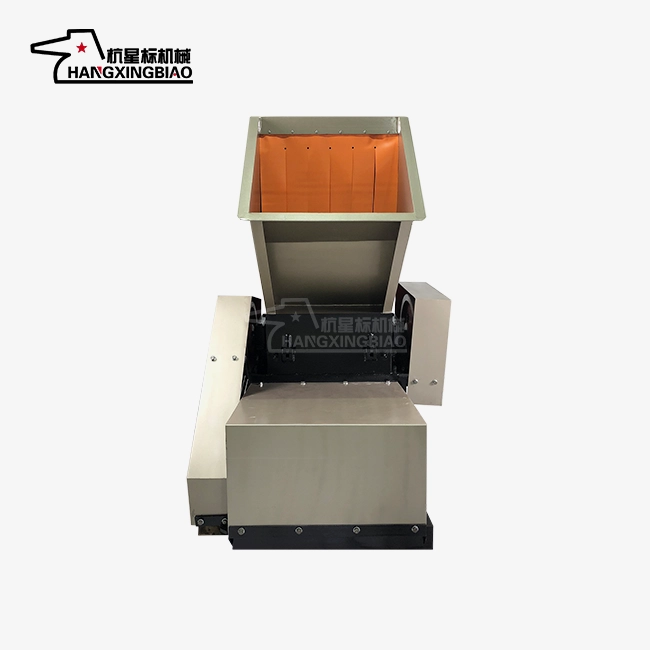
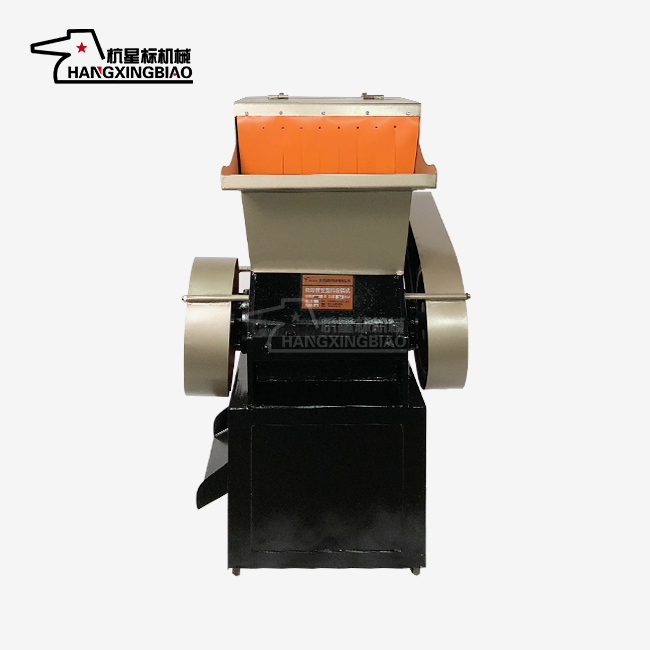
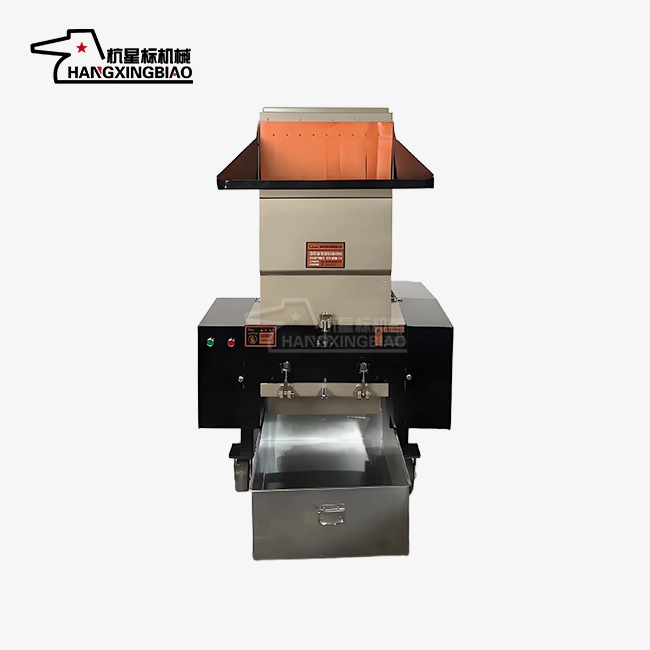
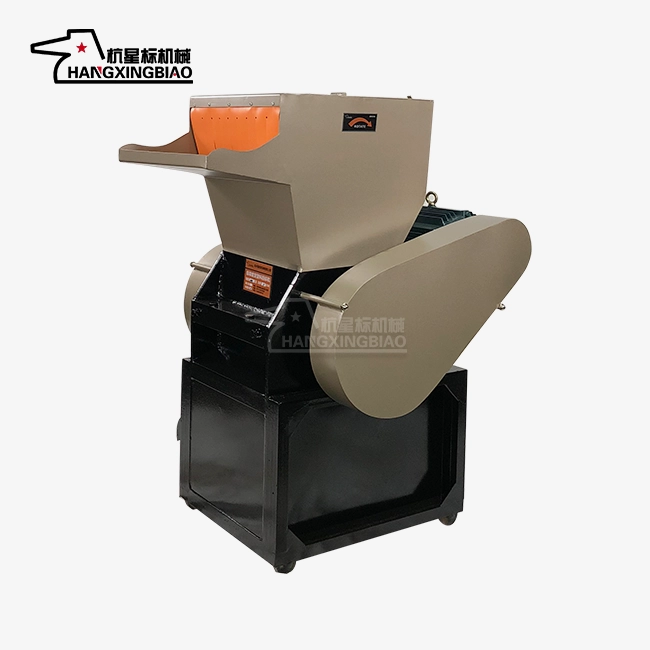
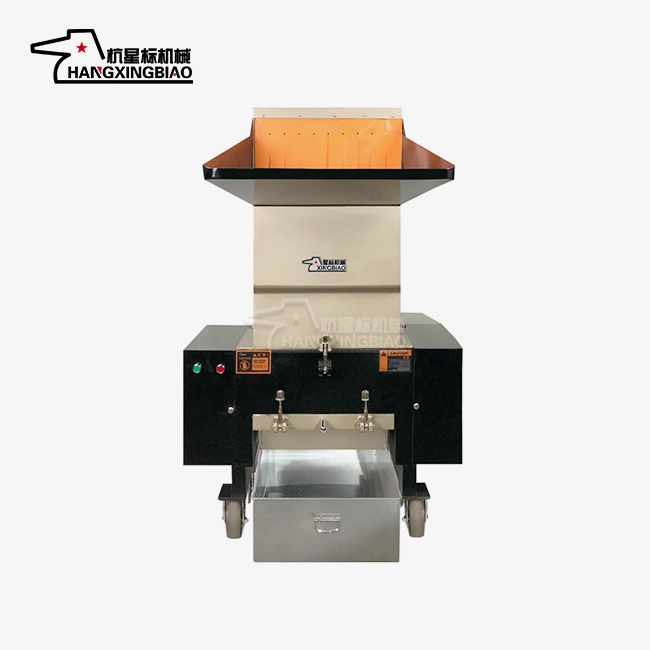
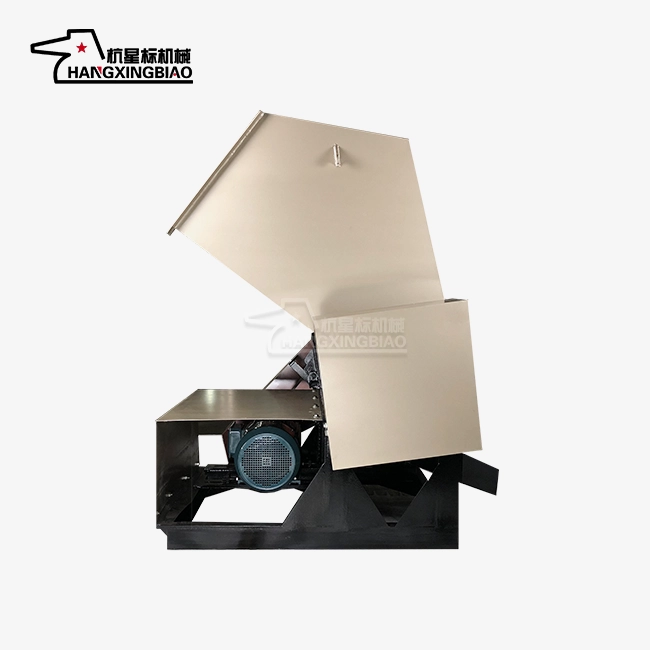
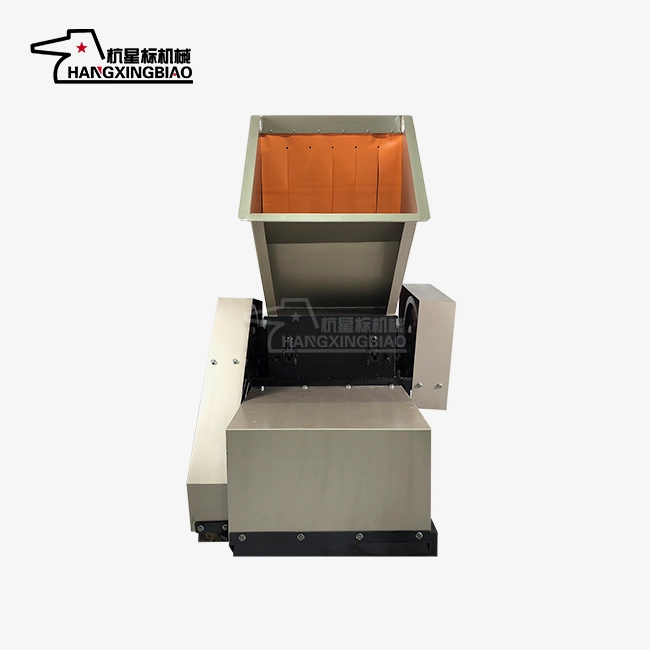
At the heart of every industrial plastic crusher is a rotor unit with sharp blades for cutting. These spinning blades rub against stationary blades in the crushing chamber, making a cutting action that cuts plastic material down quickly and efficiently. At the bottom of the chamber, there is a screen through which the pieces fall. This controls the final particle size. The material that doesn't make it through the screen stays in the cylinder and is processed further until it gets the right size.
These days, crushers have strong motors (usually between 5 and 75 horsepower, based on the size) that keep the blades moving at the same speed even when they are loaded with heavy things. Reinforced steel is used to build the housing so that it can handle the constant shaking and impact forces that are created during operation. More advanced models have soundproofing padding and dust collection holes to help with worries about the work environment.

Machine Categories and Applications
Different types of plastic and ways of making them need different types of crushers. Single-shaft crushers are great at breaking down solid objects like bottles and containers because they use a pusher method to move the material against the rotor. Two opposing shafts in a double-shaft crusher pull material into the cutting zone. This makes them perfect for processing big, heavy items and materials that need to be fed continuously. When it comes to tough materials like thick-walled pipes and heavily contaminated waste streams, four-shaft systems are the best way to reduce their size.
Different types of crushers are not all compatible with all types of materials. Most systems can easily crush PET bottles, but twisted films need special rotor designs that keep them from wrapping. Standard blade designs work well with rigid plastics like HDPE and PP, but different cutting angles work better with softer materials like LDPE. Knowing these differences helps workers match the capabilities of their equipment to the flows of materials they are working with, which ensures the best handling results and the fewest operating problems.
Why Are Industrial Crushers Better Than Traditional Plastic Processing Methods?
In the past, processing plastic waste mostly involved sorting it by hand, using simple shredders and cutting tools that didn't always work properly and required a lot of work. These older methods had trouble meeting the needs for output, made particles of different sizes that made handling later more difficult, and often made too much noise and dust that made the workplace unsafe.
Precision and Consistency Advantages
Traditional methods can't get particles as uniform as those made by industrial crushers. When recycling used plastic for injection moulding or extrusion, the uniformity of the particles has a direct effect on how well the material flows and the quality of the finished product. Our machines keep particle consistency above 90% by using carefully designed screen systems and blades with the best possible shape. Because of this regularity, there is no need for extra screening, which adds time and money to the recycling process.
Industrial crushers are better at keeping the properties of materials than high-impact shredders because they cut materials more precisely. Too much heat during handling can break down some plastics, making them less useful for high-quality uses. Modern crushers keep the material's structure during the size reduction process by using efficient cutting mechanisms and making sure the room has enough air flow.
Operational Efficiency Improvements
Energy use is a big part of the costs of running plastic recycling businesses. Industrial crushers use 30–40% less energy per tonne of material they process than regular shredders. This is because they have better motor matching and more efficient blade designs that lower parasitic losses. Recycling businesses can make more money and use less energy, which directly lowers their running costs.
Industrial crushers are different from older generations of equipment because they can reduce noise. Traditional shredders often make 90 to 100 decibels of noise when they're working, which means you need to wear a lot of hearing protection, and the working conditions aren't great. Modern industrial crushers keep noise levels at 75 dB or less by using sealed chambers and sound-dampening systems. This makes workplaces safer and more comfortable and meets OSHA standards for industrial facilities.
Key Benefits of Using Industrial Crusher Machines in Plastic Recycling
Industrial plastic breakers have real benefits that have an effect on how well businesses run and how much money they make. Knowing these benefits helps procurement teams and building managers set reasonable goals for equipment performance and support equipment purchases.
Enhanced Production Capacity and Scalability
How much material your facility can handle and how quickly you can adapt to changing production needs are both based on its processing ability. Our crusher models are very different. We have small lab units that can handle 50–500 kg per hour, all the way up to large industrial systems that can handle 1–10 tonnes per hour. This makes it possible for businesses to choose equipment that meets their current needs and can be expanded as they grow in the future.
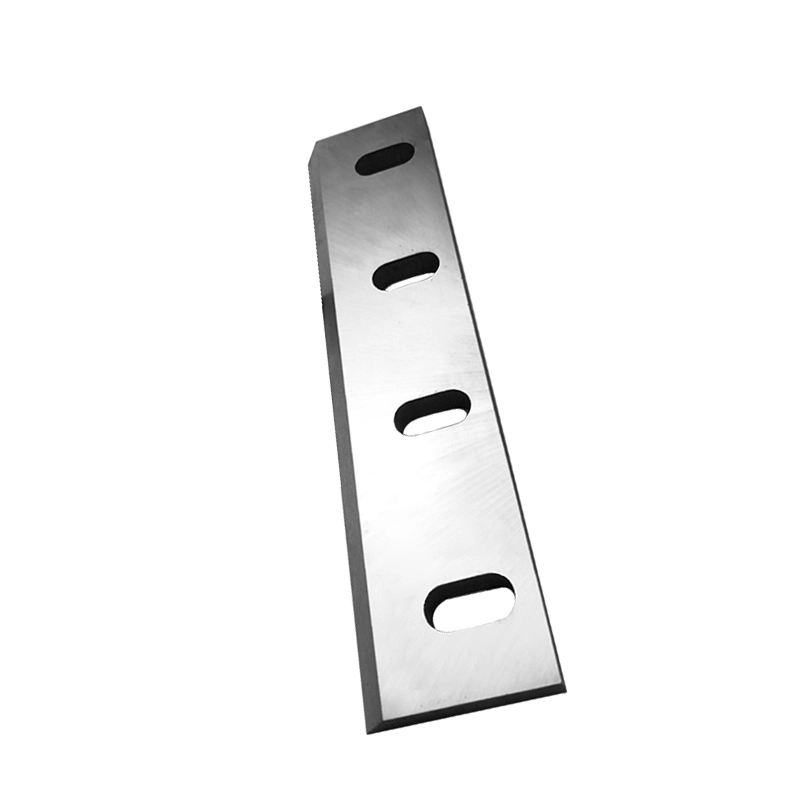
Continuous running is very important for places that handle a lot of work. Our machines can work 24 hours a day because they are built to last and have thermal management systems that keep them from getting too hot during long runs. Stress-relieved steel frames stay in place even when they are vibrating all the time, and expensive SKD-11 and D2 steel blades keep their cutting edges after millions of rounds. This makes the equipment last longer, which cuts down on unplanned breaks that delay output and make the equipment less useful overall.
Cost Efficiency Through Energy Optimization
Energy costs take up a big chunk of the budgets for recycling operations. When compared to standard setups, our new blade plan ideas and cavity structure designs make crushing more than 20% more efficient. Because of these changes, you can process more material with less electricity, which lowers your cost per tonne of recycled plastic. Optimised motor matching makes sure that the drive system works at its most efficient level, so no energy is lost when motors are too big or not properly matched to their loads.
Another important cost factor is how well maintenance is done. With quick-change screen designs, workers can switch between mesh sizes in minutes instead of hours, cutting down on the time it takes to switch between goods. Open chamber designs make it easy to clean and inspect, which cuts down on the time that equipment needs to be left idle for routine maintenance. These design features lower your total cost of ownership while increasing the amount of time you can spend working.
Safety and Environmental Compliance
Environmental compliance is more than just recycling plastic. When you crush plastic, the dust can harm your lungs and make cleaning up afterwards harder. Our completely sealed hollow design and low-noise motors (that run at ≤75 dB) keep dust inside and lower noise pollution. Built-in dust collection ports make it easy to connect to building ventilation systems, making sure that your business meets EPA air quality standards and OSHA safety standards for the workplace. Because of these environmental concerns, workshops, labs, and production sites that care about the environment can use our tools.
How to Choose the Right Industrial Plastic Crusher Machine for Your Business?
To choose the best plastic crushing tools, you need to carefully think about your working needs, the properties of the material, and your business goals. If you make the wrong choice, you could end up with too little capacity, too much downtime, or running costs that are too high for no reason.
Assessing Your Processing Requirements
Start by figuring out how much material you need to move. Figure out how much plastic trash your plant makes every day or how many tonnes of plastic need to be processed for your recycling business plan to work. Compare this number to the specs of the equipment you want to use. Our standard production units can handle 200 to 1000 kg per hour, which is great for mid-sized manufacturing sites that need to deal with production scrap. Heavy-duty models that can process 1 to 10 tonnes per hour are best for larger recycling operations. Our smaller models that can process 50 to 500 kg per hour are perfect for research labs and small-batch operations.
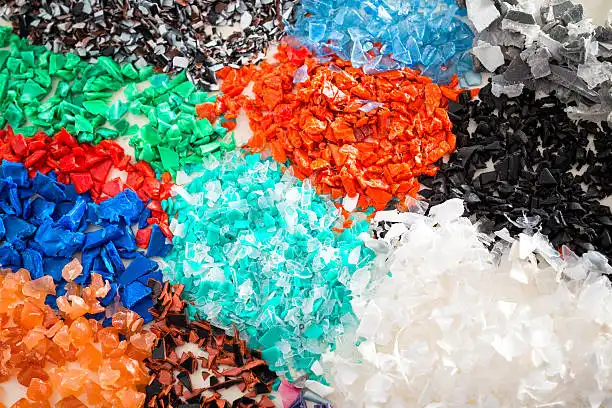
The properties of the material have a big impact on the choice of equipment. Soft plastics like PE films, PVC sheets, and woven bags need special rotor shapes so that the material doesn't get wrapped around the blades. Hard plastics like ABS parts, PC parts, and pipes with thick walls work well with standard blade setups, but they need stronger construction and more motor power. Certain screen patterns are needed for foam materials like EPS packing and EVA buffer foam so that they don't get clogged. Shapes that aren't round, like plastic bottles, trays, and mixed scraps, work better with bigger feed openings and aggressive rotor geometries that grab and pull material into the cutting zone quickly.
Technical Specifications and Integration Capabilities
The size of the particles you get depends on the screen mesh you choose. Our systems have mesh options from 2 to 100 mm, which gives you exact control over the end sizes. For pretreatment that needs 5–50 mm pieces, coarser screens are used to get the most output. For filling granulation lines, which need 2–12 mm pieces, finer mesh setups are used. Being able to quickly switch screens gives facilities that work with different types of materials or end-use applications more operational flexibility.
Integration with existing production tools makes the whole process more efficient. When placed next to injection moulding machines, crushers recover runners and clear material right away, which is then used in production. Automated feeding systems cut down on the amount of work that needs to be done and improve the consistency of throughput. Adding dust collection guards the air quality and keeps equipment clean. When hard contaminants enter the material stream, metal detection systems that shut down automatically protect expensive blades from damage. Our built-in overload protection devices shut down and sound an alarm when they encounter metal impurities, saving you from having to replace expensive equipment and blades.
Evaluating Supplier Reliability and Support
Reliability of equipment depends on more than just how it was designed. It also depends on how committed the manufacturer is to customer success. Look for suppliers with a lot of experience in the field. For example, we've been creating and making plastic crushers for 30 years, giving us a level of knowledge that other makers can't match. Because we focus on a specific area, we can understand the subtle problems that recyclers and manufacturers face and come up with answers that work in the real world.
Full-service support keeps your investment safe and increases uptime. We offer professional experts to help you make decisions and come up with solutions that are perfect for your needs. Our promise to respond within 24 hours means that you will get expert help quickly when problems or questions come up. Installation help and training in how to use the equipment help your team do their best right from the start. Follow-up visits on a regular basis find potential problems before they become major ones, and having an adequate supply of spare parts makes sure that repairs can be made quickly when maintenance is needed. With this full-service approach, from consulting before the sale to ongoing help after the sale, you can be sure that your equipment investment will be worth it in the long run.
Troubleshooting, Safety, and Best Practices
Even well-designed tools can have problems from time to time. Knowing about common problems and how to fix them cuts down on downtime and keeps processing running smoothly.
Common Operational Issues and Solutions
The most common problem in plastic crushing operations is that materials get stuck. This usually happens when the feed rate is too high, when the material gets tangled around the rotor, or when big pieces get stuck in the cutting chamber. Feed rate control is important to keep the machine from getting stuck. Keep an eye on the flow of material and slow down the input speed if the crusher sounds strained or the motor current rises. For materials that get twisted, like films and bags, make sure you choose a model that is made for soft plastics and has the right rotor shape. By cutting pieces that are too big before feeding them, you can avoid blockages that stop production.
Uneven particle size output means that the screen is broken, the blades are worn out, or the screen wasn't installed correctly. Check the screen often for holes or other damage that would let particles that are too big through. Check the state of the blade. Cutting edges that are dull or chipped make ragged cuts and uneven sizes. Replace blades when the maker says to, taking into account the number of hours the machine has been used and the materials it has cut. Make sure the screen fits properly in its fixing frame and that there are no gaps that let material pass through.
Safety Protocols and Training Requirements
Comprehensive training for operators is the key to safe crusher operation. The people who work there need to know the right way to start up and shut down machines, spot strange sounds or noises, safely clear jams, and know what to do in an emergency. Do not let anyone touch the breaking area while the machine is running, even if it looks like something is stuck. Before you touch any internal parts, you should always turn the power off fully and follow lockout/tagout procedures.
It is important to keep the emergency stop features clear at all times and test them regularly. Place stops where operators can easily reach them so they can stop the machine right away if something goes wrong. Check that the interlocking safety systems work properly. When the chamber access doors are opened, they should automatically turn off the power, which will keep the blades from touching by accident. Keep all safety shields and guards in place while the machine is running. Removing protective barriers to make entry easier creates unacceptable harm risks that break safety rules and put people in danger.

Conclusion
FAQ
What crusher machine for plastic types works best for HDPE materials?
Double-shaft crushers with slow blade speeds work well with HDPE. Because the material is tough, it needs blades that are sharp and last a long time. We use SKD-11 steel that has been vacuum heat-treated and cryogenically treated to keep its edge for longer. HDPE recycling usually works best with screen sizes between 8 and 15 mm, which makes pieces that are great for pelletising and reprocessing into new goods.
How often should I keep up with the upkeep on my tools for crushing plastic?
As part of daily maintenance, you should look for missing parts, strange noises, and blades that don't work right. Cleaning the screen and lubricating the bearings that can be reached are weekly tasks. For monthly maintenance, the blades must be carefully checked for damage or wear, and they must be replaced based on the condition of the cutting edge rather than on a set schedule. Conditions of operation have a big effect on how often maintenance needs to be done. For example, rough materials and high-volume operations wear down faster and need more frequent attention than smooth materials processed at moderate rates.
Can one machine handle different kinds of plastic trash well?
Modern industrial crushers can handle mixed streams pretty well, but the properties of the materials are important. Mixing similar plastics, like different rigid types, works well, but mixing soft films with hard parts can make processing more difficult. The important thing is to choose tools with the right rotor design and enough power. Mixed-stream recycling needs tools that can handle a wide range of materials, such as soft plastics like PE films and woven bags, hard plastics like ABS components and PC parts, foam materials, and forms that aren't round or square.
Partner with Xingbiao for Superior Plastic Crushing Performance
The quality of the tools and the relationship with the provider often make the difference between good and great plastic recycling performance. If you need a specialised crusher machine for plastic, Xingbiao has 30 years of experience and has worked with industry players like Nongfu Spring and KFC to come up with solutions that meet the most stringent operating needs. Our engineering team of twenty top specialists is constantly improving ideas to meet the everyday problems our customers face. We don't just sell equipment; we offer full solutions that include professional help with choosing the right equipment, special setups for specific uses, and full after-sales support with 24-hour response times and enough spare parts on hand. Our product range has systems that can process 50–2000 kg/h and are durable and accurate enough for your needs, whether you need small lab models or heavy-duty commercial systems. Email our team at xingbiaocrusher@xingbiaocrusher.com to talk about your unique needs with experienced crusher machine for plastic suppliers who understand the problems your business is facing and can suggest the best ways to solve them.
References
1. Anderson, M. (2021). Industrial Plastic Recycling Technologies: Equipment Selection and Process Optimisation. Manufacturing Technology Press.
2. Chen, L., & Roberts, K. (2020). "Comparative Analysis of Size Reduction Equipment in Plastic Waste Processing." Journal of Recycling Technologies, 45(3), 178-195.
3. Green, T. (2022). Sustainable Manufacturing: Plastic Waste Recovery Systems for Industrial Facilities. Environmental Engineering Publications.
4. Harrison, D., Mitchell, S., & Park, J. (2021). "Energy Efficiency in Industrial Plastic Crushing Operations: A Technical Review." Industrial Processing Engineering, 38(2), 234-251.
5. Martinez, R. (2023). Equipment Safety Standards for Plastic Processing Facilities. Occupational Safety Institute.
6. Williams, P., & Thompson, A. (2022). "Material Properties and Processing Requirements in Plastic Recycling." Polymer Processing Science, 52(4), 412-429.
Learn about our latest products and discounts through SMS or email