- English
- French
- German
- Portuguese
- Spanish
- Russian
- Japanese
- Korean
- Arabic
- Greek
- German
- Turkish
- Italian
- Danish
- Romanian
- Indonesian
- Czech
- Afrikaans
- Swedish
- Polish
- Basque
- Catalan
- Esperanto
- Hindi
- Lao
- Albanian
- Amharic
- Armenian
- Azerbaijani
- Belarusian
- Bengali
- Bosnian
- Bulgarian
- Cebuano
- Chichewa
- Corsican
- Croatian
- Dutch
- Estonian
- Filipino
- Finnish
- Frisian
- Galician
- Georgian
- Gujarati
- Haitian
- Hausa
- Hawaiian
- Hebrew
- Hmong
- Hungarian
- Icelandic
- Igbo
- Javanese
- Kannada
- Kazakh
- Khmer
- Kurdish
- Kyrgyz
- Latin
- Latvian
- Lithuanian
- Luxembou..
- Macedonian
- Malagasy
- Malay
- Malayalam
- Maltese
- Maori
- Marathi
- Mongolian
- Burmese
- Nepali
- Norwegian
- Pashto
- Persian
- Punjabi
- Serbian
- Sesotho
- Sinhala
- Slovak
- Slovenian
- Somali
- Samoan
- Scots Gaelic
- Shona
- Sindhi
- Sundanese
- Swahili
- Tajik
- Tamil
- Telugu
- Thai
- Ukrainian
- Urdu
- Uzbek
- Vietnamese
- Welsh
- Xhosa
- Yiddish
- Yoruba
- Zulu
Industrial Crushers Applications Across Multiple Industries
Problems with material handling happen in every manufacturing operation. Picking the right breaking equipment is what makes the difference between making the most money and losing resources. By turning waste and raw materials into useful resources, Industrial Crushers support a wide range of industries. These tools reliably reduce the size of a wide range of materials, from soft films to tough parts. They are used in both plastic recycling plants and manufacturing plants that deal with production scraps. Understanding how crushing technology is used in different fields can help you make smart choices about tools that have a direct effect on your bottom line, whether you run a small recycling business or a big production line.
Understanding Industrial Crushers and Their Core Applications
Modern crushing equipment serves many different industries, each with its own specific material processing needs. Manufacturing companies, recycling centres, and farms all need reliable size reduction equipment to keep their processes running smoothly.
Primary Types of Crushing Equipment
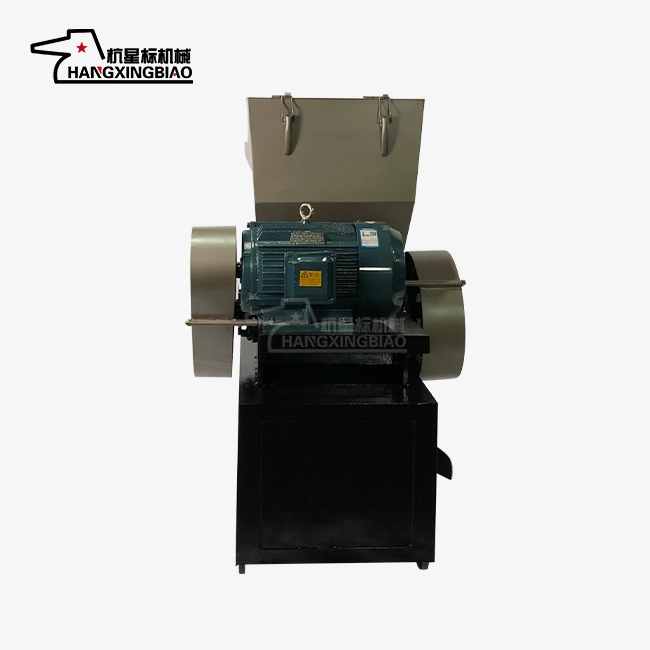
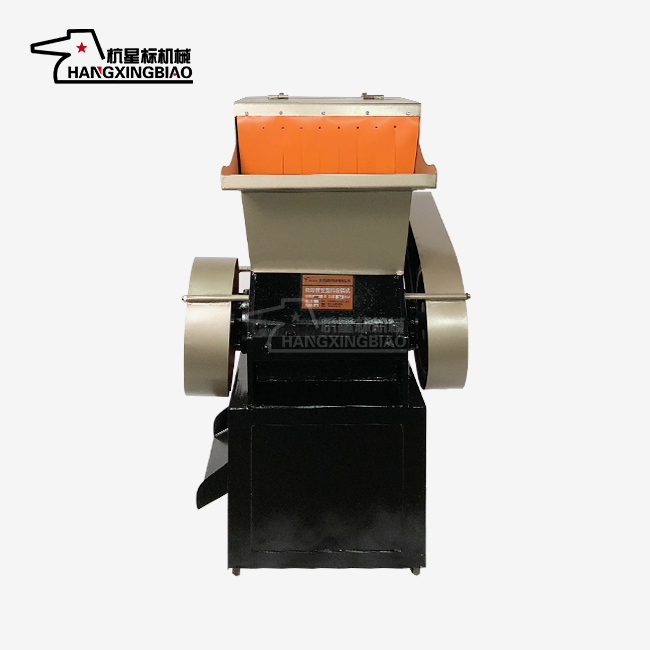
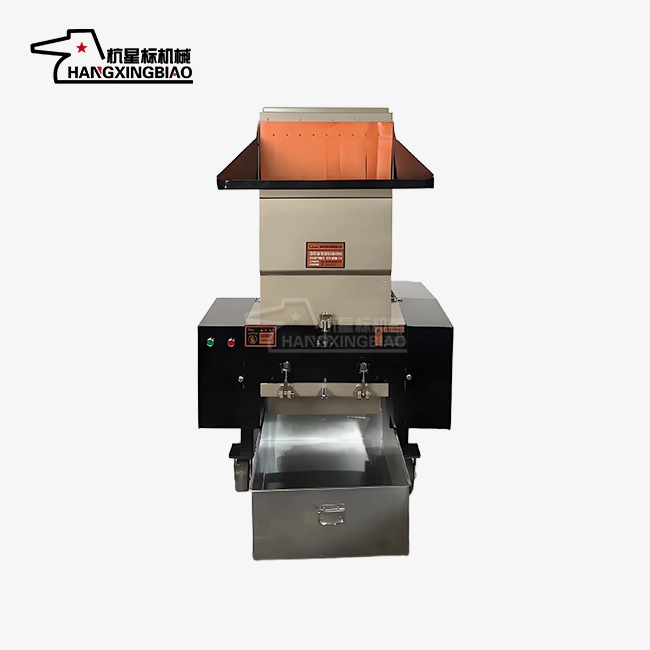
Different crushing methods are used for different types of materials. Using force between set and moving plates, jaw crushers are particularly effective at breaking down hard materials for the first time. Cone crushers use gyrating action to ensure that the particles are all the same size during secondary and tertiary crushing of medium- to hard materials. Impact crushers work by crashing into things at high speeds, which makes them good for soft materials and for producing an even spread of size. Hammer mills work by hitting things over and over again. They are particularly effective for fibrous and semi-soft materials. Each design takes into account a different way that a material behaves, such as brittle fracture or elastic distortion.
Material Processing Workflow
The process of breaking works in a planned way that makes sure the quality of the end product is always the same. Material enters through carefully measured feed holes that prevent the machine from overloading. When the blades or striking surfaces are properly designed, shear, compression, or impact forces inside the crushing chamber reduce the size of the particles. Screen systems separate finished goods from oversized ones, which are sent back to be processed further. This closed-loop method keeps the particles uniform while increasing the throughput.
Design Principles for Operational Excellence
Thoughtful building choices make equipment last a long time. The building is made of high-strength steel, which can handle constant mechanical stress over long working cycles. Blade materials are heated in a special way to make them harder, to a level between HRC 55 and HRC 60. This makes them last longer than 3,000 hours of use. Bearing systems and drive parts need to be able to handle different loads without wearing out too quickly, which cuts down on unexpected upkeep. Interlocking guards and emergency shutoffs are some of the safety features that keep workers safe while still meeting output standards.
Choosing the Right Crushing Solution for Your Operation
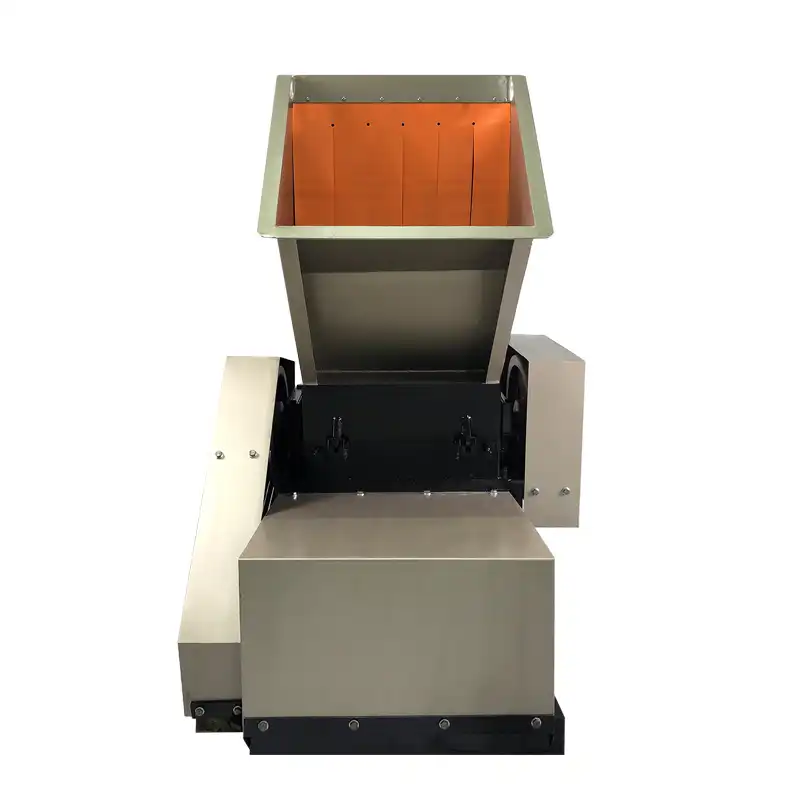
When choosing equipment, you need to compare your individual manufacturing needs to what the crusher can do. If you make the wrong choice, your machine will break down often, produce uneven results, and use too much energy.
Comparing Crushing Technologies
Industrial crusher jaws and cone crushers serve very different purposes. Jaw Industrial Crushers can handle bigger feed sizes and rough materials, but they make more noise and need strong foundations. Cone Industrial Crushers are designed to handle larger loads and smaller particles, but they require careful preparation of the feed. Industrial Crusher shear-cutting action breaks down mixed materials without making too many fines, which is particularly beneficial for recycling. For working with metal and stone, you need Industrial Crusher forms that are based on compression and can withstand wear from rough materials.
Stationary Versus Compact Models
The size of the production and room limitations affect how the equipment is set up. Stationary installations work with conveyor systems and storage silos to allow for high-volume, continuous processing. These permanent setups make large manufacturing operations that produce steady amounts of materials as efficient as possible. Compact models are flexible for smaller sites or businesses that deal with a wide range of materials. Processing speeds can be anywhere from 50 kg/h to several tonnes per hour, but greater mobility and space efficiency make up for lower throughput.
Material-Specific Considerations
The features of the tools you need depend on the things you're processing. Soft plastics like PE and PVC films need anti-wrap designs to keep material from building up around parts that are moving. To keep the particle size the same, tougher plastics like ABS and PC parts need blades with a strong shape and more motor power. For foam materials like EPS, the rotating speed needs to be smaller so that dust doesn't form. Flexible designs that can handle different material qualities without frequent changes work well for mixed waste streams.
Maintenance, Troubleshooting, and Safety Guidelines
Taking good care of your equipment will help it last longer and keep working well. When you don't do regular upkeep, things break down without warning, which stops output and raises the cost of repairs.
Scheduled Inspection Routines
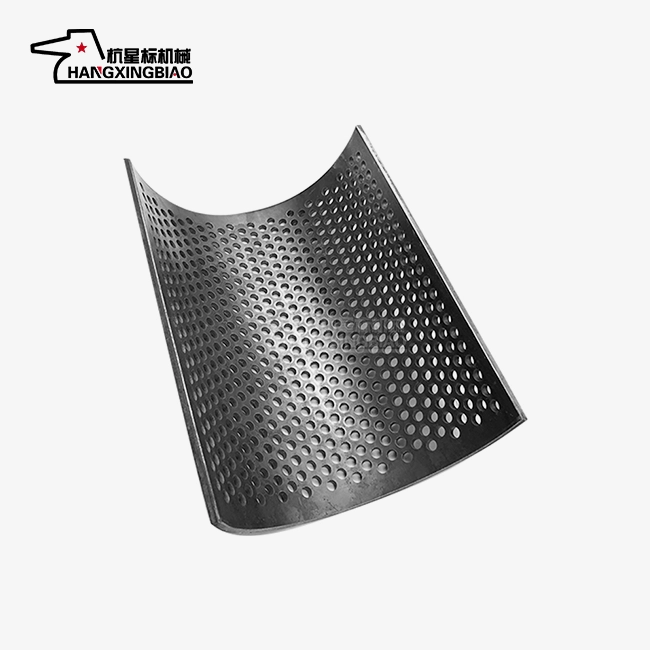
Wear is found before it causes equipment to break down by checking it regularly. Checking the condition of a blade shows if the edges are dulling or chipping, which makes cutting less effective. Temperatures and the amount of shaking in bearings show that mechanical problems are starting to occur. Lubrication systems need to be watched over to make sure they have the right amount and type of oil. The regularity of particle size and flow rates depends on how well the screen mesh is made. Writing down what was found during an inspection makes a maintenance history that lets you guess when to replace a part.
Common Problems and Solutions
Usually, oversized material or incorrect feeding rates cause feed chambers to become blocked. To safely clear blockages, you must follow lockout steps before you can reach internal parts. Old blades, clogged screens, or slipping motor belts often cause a drop in throughput. Strange sounds can mean that the bearings are worn out, the fasteners are loose, or a foreign object has entered the system. Taking care of these problems right away stops further damage and keeps production plans on track.
Safety Protocol Implementation
Multiple safety layers must work together to protect the operator. Equipment guards keep people from touching moving parts while the machine is running. When access doors open, interlocking devices turn off the power, which gets rid of startup risks. Emergency stop settings let you shut down right away from several places. Wearing safety glasses, hearing protection, and steel-toed shoes lowers the risk of injury. Adhering to OSHA rules and maker instructions improves workplaces and meets government requirements.

Procurement Insights for Crusher Acquisition
To make smart buying choices, you need to know how the market works, what the supplier can do, and the total cost of ownership, not just the price.
Identifying Reliable Suppliers
Authorised makers offer designed solutions that are backed by technical know-how. Companies that only sell certain types of crushers have a more profound understanding of their products than general equipment distributors. When evaluating a supplier, you should look at their production capabilities, quality control methods, and certifications in the field. References from past customers show how well the service and results work in real life. Custom modifications from suppliers help with special material problems that standard models can't handle well.
Financing and Equipment Options
Buying capital tools can put a strain on running budgets, which is why flexible ways to buy things are useful. For established businesses, direct buying gives them full control and depreciation benefits. Leasing equipment protects cash and keeps you up to date on technology, which is especially helpful for businesses that are growing. Rental choices are good for short-term jobs or testing materials before committing to long-term installations. Each option has different financial effects that your accounting team should look at based on tax and cash flow issues.
After-Sales Support Value
Complete service plans protect the money you spend on equipment for as long as it works. In addition to basic defects, warranties should cover wear parts and efficiency promises as well. Repair turnaround time depends on how quickly spare parts can be sourced. Having parts in stock in the United States cuts down on downtime compared to sending parts from other countries, which can take longer. Installation instructions and training for operators make sure that the equipment is set up and used correctly from the start. Follow-up trips on a regular basis find problems as they arise before they become failures, which keeps production capacity stable.
Real-World Applications Across Key Industries
Successful implementations show that choosing the right crusher can solve specific problems in the industry and lead to measurable improvements in operations.
Plastic Manufacturing and Recycling Operations
Plastic processors are always under pressure to keep product quality high while lowering the cost of materials. Sprue and runner waste are made during injection moulding. These are crushed into uniform-sized particles so that they can be put back into production hoppers right away. This closed-loop recycling gets rid of wasteful new materials and lowers the cost of raw materials. Industrial Crushers are used by recycling centers that deal with used plastics to get mixed trash streams ready for sorting and reuse. Films, solid cases, and flexible packaging must be handled by equipment that can handle different material thicknesses and compositions without having to be adjusted often.
Soft plastics are hard to work with technically in ways that regular crushing designs can't handle. Films and woven bags often get caught on rotating parts, which slows them down and causes jams. Specialised blade configurations and chamber designs keep materials from getting tangled up while still cutting well. This anti-wrap technology makes it possible to process PE films, PVC materials, and textile-reinforced plastics continuously, which is something that other breakers can't do effectively.
Construction Material Processing
A lot of concrete, brick, and asphalt are made during demolition projects, and they need to be broken down into smaller pieces before they can be moved or used again. These materials are crushed on-site by mobile units that turn building trash into aggregate that can be used as road base, fill material, or to make new concrete. This method cuts down on waste that ends up in landfills while also making money from things that were once thought to be useless. Stationary crushing plants that make concrete provide uniform material sizes that meet the needs of structural uses.
Agricultural Feed Preparation
Particle size control is important for farmers and feed manufacturers to make sure animals get the best nutrition and storage. Corn, hay, and crop residues need to be cut down to the right sizes so they can be digested and mixed better. Big materials are broken down into uniform bits that can easily move through handle systems and storage structures by crushing them. When feed is the right size, it reduces waste from selective feeding and increases nutritional supply. Agricultural equipment has to be able to handle fibrous materials and changes in yearly wetness levels without breaking down or needing too much upkeep.
Conclusion
Choosing the right Industrial Crushers equipment affects how well an operation works, how much materials cost, and how reliable the output is in all fields. Knowing how different types of Industrial Crushers handle different types of materials lets you make smart choices that get the most out of your tools and your investment. Whether you're processing plastic waste, building materials, or agricultural products, making sure that the Industrial Crushers' capabilities match your needs will help you get consistent particle sizes, less downtime, and lower operating costs. Your equipment investment in Industrial Crushers is protected for as long as it lasts with full support from the supplier, which includes installation advice, operator training, and responsive maintenance services.
FAQ
What materials can Industrial Crushers process effectively?
Modern equipment for crushing a wide range of materials, such as rigid plastics (ABS, PC parts, and pipes), foam materials (EPS and EVA), construction waste (concrete and bricks), and agricultural products (corn and straw). Material-specific designs solve problems like the desire to wrap, the roughness, or the flexible structure. Mixed waste streams need flexible setups that can handle different material qualities without having to be changed often.
How do I determine the right crusher size for my operation?
Figure out how much processing power you need based on the amount of data and the plan of operations. Match this flow need with the crusher's specs, taking into account the maximum feed size and the desired particle output. Think about the density and make-up of the material because these affect the actual processing rates. Facilities that work nonstop need equipment that can handle 24-hour job cycles and has enough safety gaps to avoid overloading.
What maintenance schedule keeps crushers operating reliably?
Visual checks every day find obvious problems like loose screws or strange noises. Checks should be done once a week to see how the blades are doing, how hot the bearings are, and how much oil is in them. Every month, thorough inspections record wear patterns and the breakdown of parts. Depending on how rough the material is, major parts like blades usually need to be replaced every 3,000 to 5,000 hours of use. By following the manufacturer's maintenance instructions, you can keep your equipment in good shape and make sure it works the same way throughout production cycles.
Partner with Xingbiao for Superior Crushing Performance
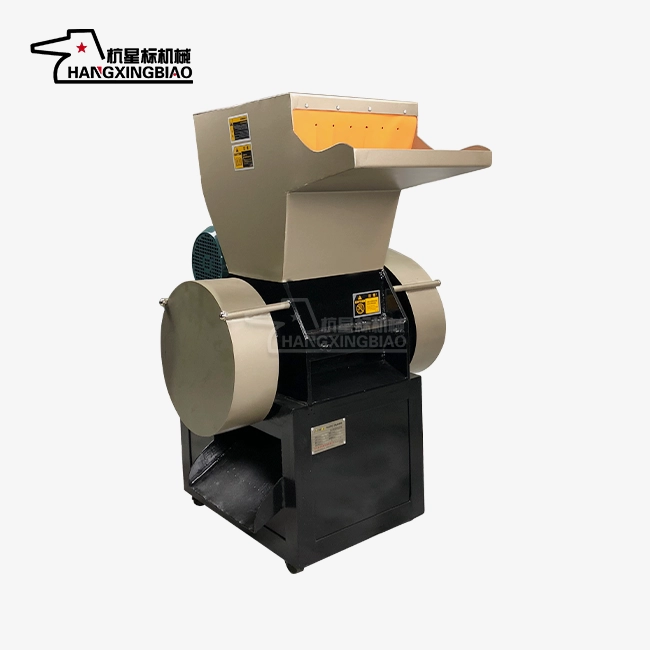
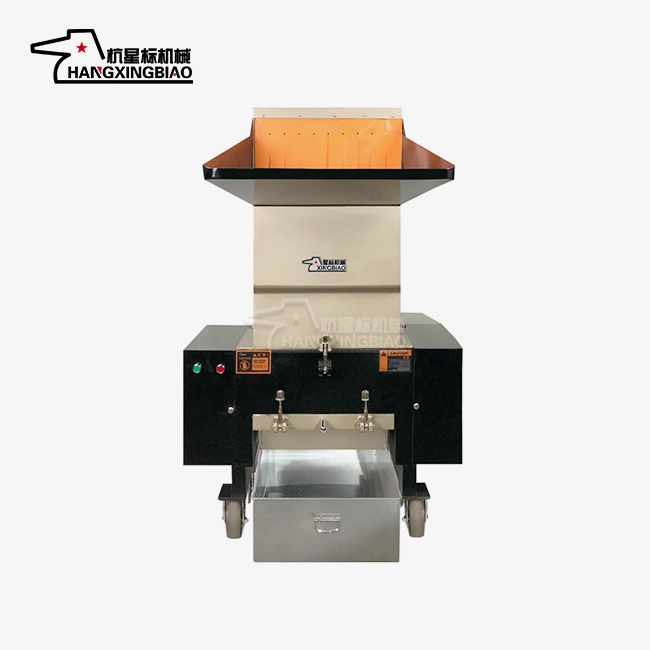
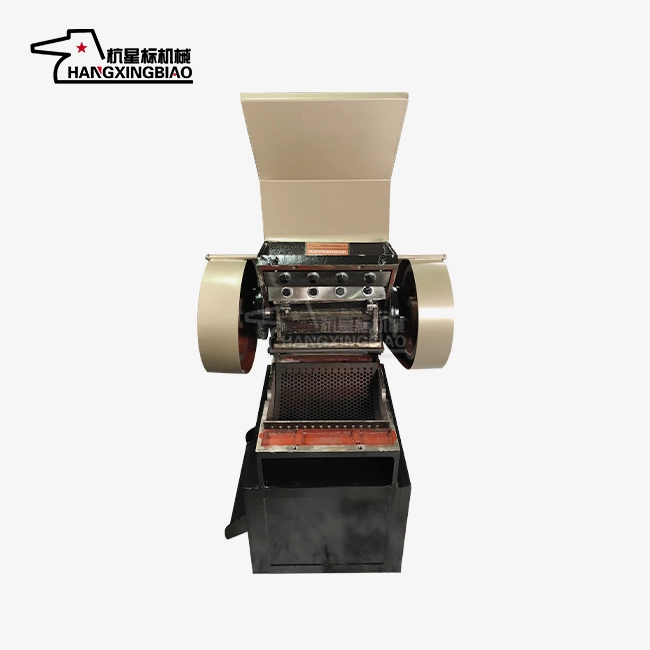
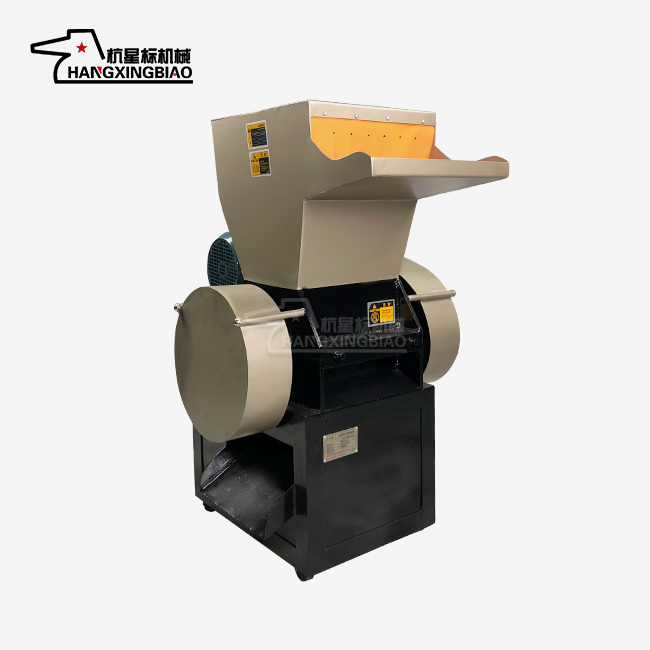
For thirty years, Hangzhou Xingbiao Machinery Co., Ltd. has only been developing and making plastic-breaking technology. As an industrial crusher supplier, our main goal is to provide equipment that is specifically designed for tough tasks that need to be run continuously and with consistent particle sizes. We provide crushing devices that turn trash into useful materials for plastic factories, recycling centres, and mixed-waste producers across North America.
Our tech team works directly with clients to set up machines that are perfect for their materials and output needs. The SKD-11/D2 blade steel and stress-relieved welded bodies of these crushers make them stable for longer production runs. Processing speeds that range from 50 kg/h to 10 tonnes/h allow for operations of all sizes. If you email our technical experts at xingbiaocrusher@xingbiaocrusher.com, you can talk about the problems you're having with processing materials and get custom crushing solutions that come with full installation support and quick service after the sale.
References
1. Chapman, A. & Morrison, R. (2021). Industrial Crushing Equipment: Design, Operation, and Maintenance. Technical Press International.
2. Henderson, M. (2020). Plastic Recycling Technologies and Material Processing Systems. Manufacturing Engineering Journal, Vol. 47, pp. 112-128.
3. Industrial Equipment Standards Committee (2022). Safety Guidelines for Size Reduction Machinery in Manufacturing Operations. American Society of Mechanical Engineers.
4. Liu, S. & Thompson, K. (2023). Energy-Efficient Material Processing: Advances in Crushing Technology. Materials Handling Review, Vol. 35, Issue 2, pp. 45-61.
5. National Recycling Coalition (2021). Best Practices for Plastic Waste Processing and Material Recovery. Waste Management Technology Series.
6. Rodriguez, P. & Stevens, B. (2022). Equipment Selection Criteria for Material Processing Operations. Industrial Engineering Quarterly, Vol. 29, pp. 78-94.
Learn about our latest products and discounts through SMS or email