- English
- French
- German
- Portuguese
- Spanish
- Russian
- Japanese
- Korean
- Arabic
- Greek
- German
- Turkish
- Italian
- Danish
- Romanian
- Indonesian
- Czech
- Afrikaans
- Swedish
- Polish
- Basque
- Catalan
- Esperanto
- Hindi
- Lao
- Albanian
- Amharic
- Armenian
- Azerbaijani
- Belarusian
- Bengali
- Bosnian
- Bulgarian
- Cebuano
- Chichewa
- Corsican
- Croatian
- Dutch
- Estonian
- Filipino
- Finnish
- Frisian
- Galician
- Georgian
- Gujarati
- Haitian
- Hausa
- Hawaiian
- Hebrew
- Hmong
- Hungarian
- Icelandic
- Igbo
- Javanese
- Kannada
- Kazakh
- Khmer
- Kurdish
- Kyrgyz
- Latin
- Latvian
- Lithuanian
- Luxembou..
- Macedonian
- Malagasy
- Malay
- Malayalam
- Maltese
- Maori
- Marathi
- Mongolian
- Burmese
- Nepali
- Norwegian
- Pashto
- Persian
- Punjabi
- Serbian
- Sesotho
- Sinhala
- Slovak
- Slovenian
- Somali
- Samoan
- Scots Gaelic
- Shona
- Sindhi
- Sundanese
- Swahili
- Tajik
- Tamil
- Telugu
- Thai
- Ukrainian
- Urdu
- Uzbek
- Vietnamese
- Welsh
- Xhosa
- Yiddish
- Yoruba
- Zulu
How Does a Plastic Shredder Work in Recycling Plants?
Using a mechanical cutting process, a Plastic shredder can break down large pieces of plastic trash into more manageable, regular pieces for further recycling. At its heart, the machine has one or two shafts with spinning blades that connect with fixed knives to cut, tear, and shear plastic. The product that has been shredded goes through a screen with fixed opening sizes, usually between 2mm and 50mm, which makes sure that the particle sizes are all the same. In recycling plants, this process of reducing the size of plastic trash is very important because it gets hard containers, flexible films, and tangled materials ready for the next steps of washing, sorting, and reprocessing, which turn scrap into useful raw materials.
Understanding Plastic Shredders and Their Role in Recycling Plants
Plastic waste is one of the biggest environmental problems that modern business has to deal with. Recycling plants solve this issue by turning trash into resources that can be used again, and Plastic shredders are the first and most important step in this process. These strong tools break down big pieces of plastic into smaller, easier-to-handle pieces, which makes the recycling process run more smoothly.
The Fundamental Purpose of Plastic Shredders
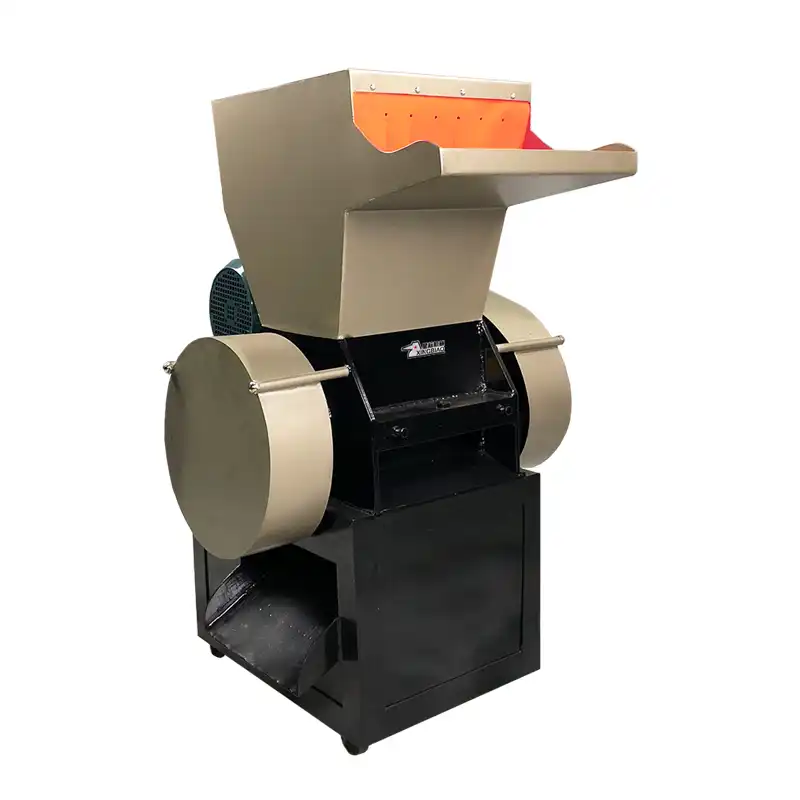
Plastic shredders are like guards at the entrance to a recycling plant. They get raw waste ready to be refined. When injection-moulded rejects, broken pipes, or post-consumer packaging get to a facility, their odd shapes and sizes make it hard to move things around. These problems are taken care of by Plastic shredders, which turn different kinds of plastic into uniform flakes or strips that can easily move through belts, washing tanks, and grinding machines.
Shredding is fundamentally different from granulating or pulverising in terms of how it works mechanically. Plastic shredders cut and tear by rotating blades, while granulators use high-speed blade impact to make fine bits, and crushers use compression forces. This method works especially well for plastic streams that are dirty or mixed up, which would normally clog or damage more sensitive equipment.
How Shredding Enables Downstream Processing
Plastic pieces are washed to get rid of dirt, labels, and glue after they have been shredded. Because the Plastic shredder makes all the pieces the same size, water and cleansers can reach all the surfaces evenly and clean them well. After cleaning, optical sorters or flotation tanks separate the different types of polymers based on density. For this process to work correctly, the particle sizes must be uniform.
After the plastic has been cleaned and sorted, it goes into extruders, which melt it into pieces. In the end, these pellets are used to make new goods, which closes the recycling loop. Without good shredding at the beginning, this whole chain would fail because of material jams, uneven processing times, and contamination that gets passed on.
Types of Plastic Shredders and Their Applications in Recycling
To choose the right shredding tools, you need to know how the different types of machines handle different types of trash. Single-shaft and dual-shaft designs are mostly used in the recycling business. Each is made to meet specific operating needs.
Single-Shaft Shredders: Precision and Throughput
Single-shaft shredders have one powered rotor with cutting blades that are placed on the machine body and work against knives that stay in place. Material is fed into the cutting chamber by a hydraulic ram. The rotating rotor's force pulls the plastic against the fixed blades, making the cutting action like a pair of scissors. A screen put under the rotor makes sure that only particles of the right size come out. Particles that are too big stay in the chamber for more passes.
This design works great with rigid plastics like PVC pipes, acrylic sheets, and injection-moulded parts. When working with thick-walled materials, the controlled feeding mechanism keeps the machine from getting stuck, and the screening system produces very regular output that can be used right away for grinding. Single-shaft machines are very useful for factories that make a lot of production waste because they can be put right next to injection moulding machines to make closed-loop material recovery systems.
Dual-Shaft Shredders: Heavy-Duty Performance
Dual-shaft shredders have two shafts that rotate anticlockwise and have interlocking blades that grab and tear plastic. In contrast to single-shaft designs, these machines don't have screens. Instead, the particle size is determined by the distance between the blades. Due to the intermeshing action, which creates huge power at low spinning speeds, dual-shaft shredders are perfect for tough jobs.
Dual-shaft technology is needed in recycling plants that deal with mixed municipal waste, contaminated industrial scrap, or materials that are very tangled, like fishing nets and woven bags. The strong construction can handle foreign items like metal bolts or inserted parts that would damage lighter equipment. While the output size distribution isn't as even as with single-shaft options, the higher flow and lower upkeep needs more than make up for this in high-volume operations.
Granulators and Crushers: Complementary Technologies
In the recycling environment, granulators do something different. Through impact cutting, these fast tools make pieces that are usually less than 10mm in size. They work best with plastics that have thin walls, like bottles, packaging films, and runners for injection moulding. A lot of recycling plants use a two-step process: first, Plastic shredders break down big things into smaller pieces, and then granulators make the smaller pieces even smaller.
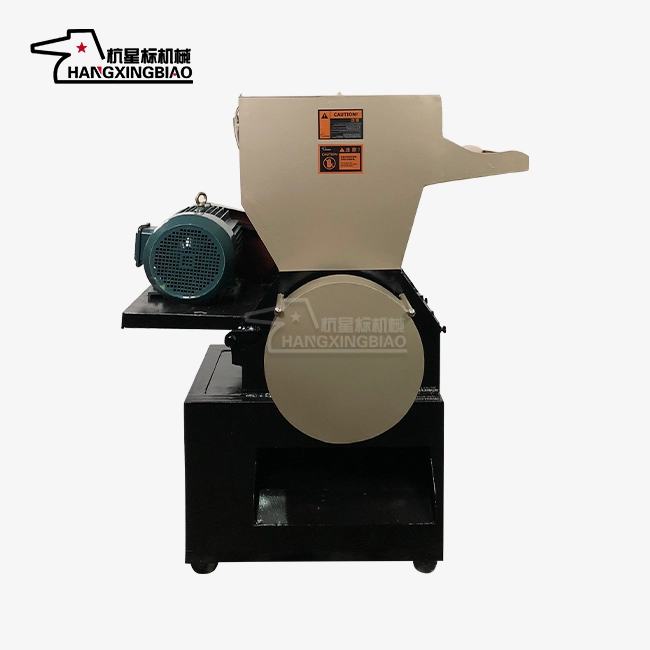
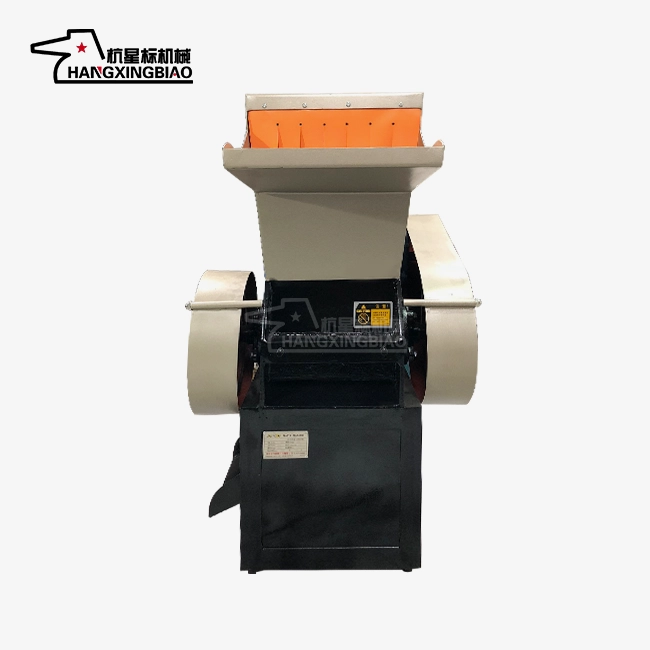
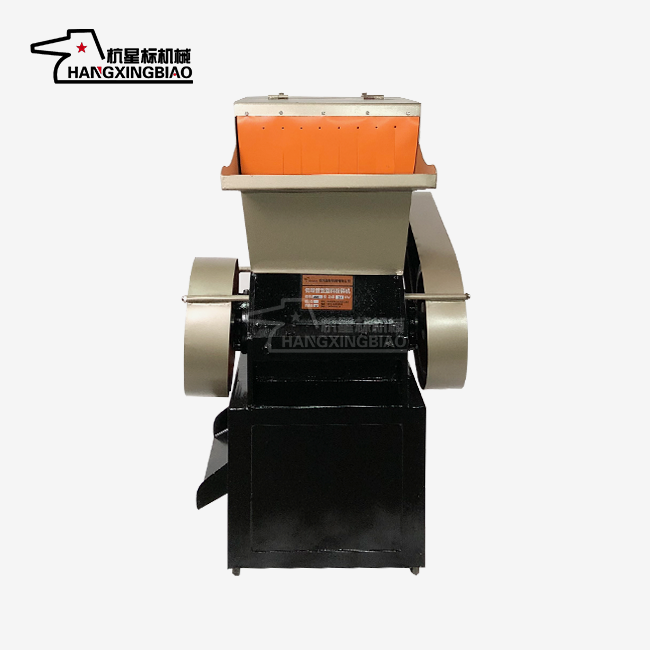
Crushers, especially those made by specialized companies like Xingbiao, have changed beyond what they used to be able to do. Modern crushers can break down more than just plastic. They can also break down rubber, wood, paper, and other non-metallic materials. This adaptability solves a major problem for recycling centers that deal with different types of waste, as it gets rid of the need for multiple specialized machines.
Key Performance Factors of Plastic Shredders in Recycling Plants
Buying choices are based on performance metrics that can be measured and have a direct effect on how profitable the plant is and how well it follows environmental rules. Operations managers can get the most out of their equipment purchases by understanding how capacity, energy use, and output all work together.
Capacity and Throughput Considerations
The Plastic shredder's capacity, which is usually given in pounds or kilos per hour, tells you how much material it can shred in a certain amount of time. Light-duty models can handle up to 500 kg/hour and are good for small recycling businesses or factories that don't make a lot of scrap. Medium-duty machines can handle 500 to 2,000 kg/hour of trash, which is enough for medium-sized businesses with steady waste loads. Heavy-duty industrial Plastic shredders can cut through more than 5,000 kg of trash per hour and are made for big recycling plants that take care of city collections or the consolidation of trash from across the area.
Throughput depends not only on raw capability, but it also relies on the properties of the material. Rigid plastics, like polycarbonate housings, take longer to work with than soft, bendable plastics, like polyethylene strips. Levels of contamination also affect throughput. For example, clean production scrap moves quickly through the system, but mixed waste with labels, caps, and other foreign materials needs to be fed more slowly to avoid getting stuck.
Energy Consumption and Efficiency
The amount of motor power needed depends on the material's strength and capacity. For light-duty tasks, a 15-horsepower motor is enough. For heavy-duty Plastic shredders, 100-horsepower drives or more are needed. Energy costs make up a big part of operating costs, so economics is a very important factor in choosing a supplier.
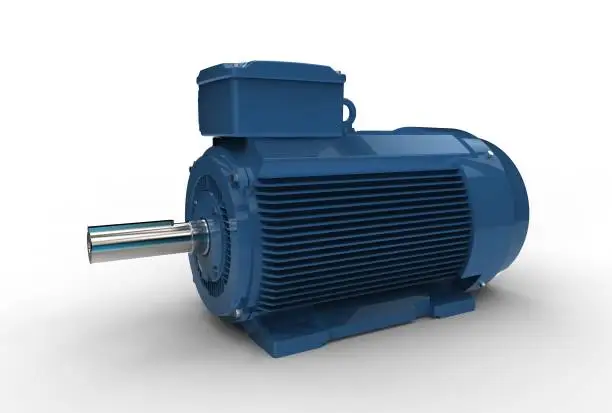
Xingbiao's method of engineering shows how careful planning can cut down on power use. The company's unique blade layout and cavity geometry make cutting over 20% more efficient than with regular setups. This is because the cutting angles have been optimised to lower the force needed to break the material. Also, the flow patterns of the material have been improved to reduce friction losses. The result is lower energy costs and a smaller carbon footprint, which are in line with companies' efforts to be more environmentally friendly and improve their bottom line.
Balancing Speed with Quality
While faster shredding speeds make things more productive, going too fast can cause heat that breaks down some polymers or makes particle sizes less uniform. The best speed relies on the type of plastic and the size of the particles you want to make. Teams in charge of buying things should look for speed controls that can be adjusted so that workers can fine-tune performance for different materials.
The choice of screen is also very important. Finer screens make particles that are smaller and more uniform, but they also use more energy and lower the throughput. In order to solve this problem, Xingbiao has come up with quick-change screen designs that let plants change output specifications without having to take long periods of time off.
Operational Best Practices: Maintenance and Safety Guidelines
To get the most out of tools and keep people safe, it's important to stick to maintenance plans and safety rules. When you tear plastic, the high forces and sharp parts make it a dangerous job that needs to be handled with care.
Routine Maintenance Protocols
The most important maintenance job is to check and change the blades. Wearing out blades makes cutting less effective, uses more energy, and generates too much heat. Every day, workers should do visual checks to look for chips, cracks, or too much wear. Depending on how rough the material is and how many hours they've been used, blades usually need to be sharpened every 200 to 500 hours and replaced every three to five sharpenings.
Blades made by Xingbiao are made from SKD-11 and D2 tool steels that are heated in a vacuum and then frozen. With this special treatment, a dense, even layer of carbide is formed that lasts much longer than regular blade materials. This leads to longer service gaps, which lowers the cost of upkeep and the time that production is stopped.
Manufacturers tell you how often to grease your bearings, and most of the time, you need to use new oil every 500 to 1,000 hours. To keep hydraulic systems from breaking down because of contamination, the fluid needs to be checked often, and the filters need to be replaced. To keep them from breaking while they're working, drive belts need to have their tightness adjusted and replaced every so often.
Safety Compliance and Training
Several safety features must be built into industrial shredding equipment by American and European law. Operators should be able to easily reach emergency stop buttons, and the machine shouldn't work when access doors are open, thanks to interlocks. Proper guarding around spinning parts keeps people from accidentally touching them, and sound-dampening enclosures keep noise out.
Operator training includes learning how to feed the machine correctly so that it doesn't get too heavy; how to recognise strange sounds or vibrations that mean something is wrong with the machine; and how to do safe repair tasks using lockout/tagout processes. Regular repeat training makes sure that employees stay up to date on the latest regulations and best practices.
Minimizing Downtime Through Proactive Management
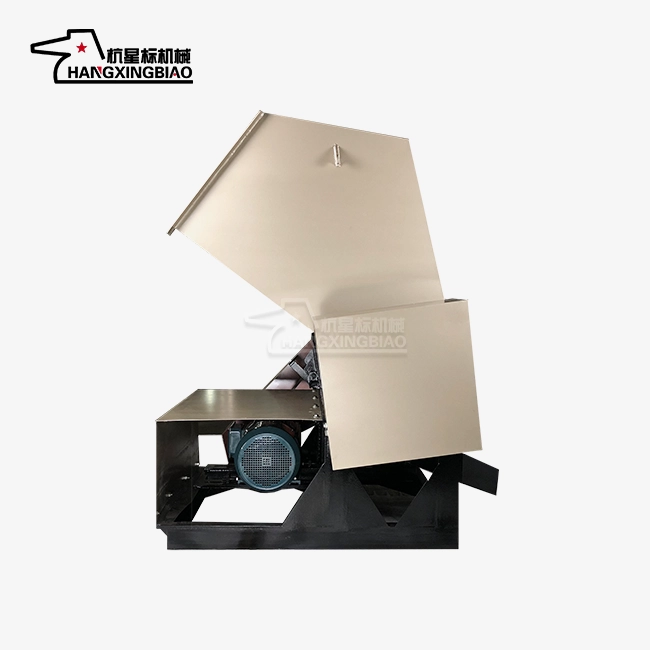
The open-design layout of Xingbiao makes it easy to do quick repair work. Technicians can quickly do regular maintenance because bearing housings, screen frames that swing away, and blade parts that bolt on are all easy to get to. The company keeps a large stock of spare parts and promises to respond to customer questions within 24 hours. This lowers the chance of long production stops due to parts not being available.
How to Choose the Best Plastic Shredder for Your Recycling Plant?
To find your way around the equipment market, you need a structured evaluation framework that compares technical specs to working needs and price limits. The choice will affect the plant's efficiency, the quality of its products, and its place in the market for a long time.
Assessing Your Processing Requirements
To start, describe your waste stream. Write down what kinds of plastics you deal with, such as stiff and flexible plastics, thin-walled and thick plastics, and clean industrial scrap and contaminated post-consumer trash. Find out how much trash you produce every day and whether it comes in a steady stream or in groups. This knowledge helps you decide what kind of Plastic shredder you need and how much space it needs.
Material suitability isn't just about plastic. Facilities that deal with mixed trash that includes rubber parts, paper labels, and textile fibres need tools that can handle these materials without getting stuck. Xingbiao's multi-material crushers meet this need for flexibility by processing almost all non-metallic materials effectively, except for rock and metal. These machines can handle block, flake, fibre, or odd shapes and can consistently crush them into coarse- or medium-sized pieces. The output sizes can be changed from 2mm to 50mm using replaceable screens.
Evaluating Construction Quality and Durability
The structural integrity of Plastic shredder parts directly affects how well they work and how long they last. High-quality machines are made of welded high-strength steel that has been treated with stress relief to keep the frame from deforming while it is working continuously at high loads. When welding isn't done right or there isn't enough stress relief, the rotating and stationary parts become misaligned over time. This speeds up wear and eventually causes a catastrophic failure.
Because Xingbiao has only made breaking equipment for 30 years, they have a lot of experience with structure design and materials engineering. The company's main frames go through strict stress-relief methods that get rid of the forces that form inside them during welding. This attention to detail makes sure that the dimensions stay the same even after years of hard use, which protects your investment.
Considering Service and Support Infrastructure
The performance of equipment depends on both how well it was made at the start and how well it is taken care of over its lifetime. Check out potential suppliers based on how quickly they respond, how well they can help with technical issues, and how many parts they have available. A provider in another country with little to no local influence may offer good prices, but if your equipment breaks down, they could leave you stranded.
Xingbiao offers a full range of services, including advice before the sale, help with installation, training for operators, and preventative maintenance programs. The 20 top engineers who work for the company have a lot of experience with applications and are supported by partnerships with big companies in the same field. Within 24 hours, spare parts are sent out, and technical help is provided, so work isn't interrupted too much.
Budget Considerations and Total Cost of Ownership
The price of the tools is only one part of their total cost. Over the course of a machine's typical 10 to 15-year life, the costs of energy use, repairs, replacement parts, and lost productivity during downtime far outweigh the initial investment.
Although higher-quality equipment costs more, it saves you money in the long run because it uses less energy, lasts longer, and needs less maintenance. When weighing your options, don't just look at the purchase price; instead, figure out the net present value of the expected running costs. This study often shows that higher-quality tools provide better financial returns, even though they cost more up front.
Conclusion
Plastic shredders are the building blocks of recycling operations because they turn different types of trash into uniform materials that can be processed further down the line. Knowing about the workings of machines, the different kinds of machines, and what affects their performance helps buyers make smart choices that boost business output and profits. Single-shaft and dual-shaft designs each have their own benefits that make them better for certain tasks. Modern multi-material crushers, on the other hand, can process more materials than ever before. Paying attention to safe maintenance practices and following the rules saves both the tools and the people who work on it. Recycling plant managers can choose shredding equipment that works well and helps the business grow in the long term by carefully considering processing needs, construction quality, supplier support capabilities, and total ownership costs.
FAQ
What distinguishes plastic shredders from granulators?
Plastic shredders use low-speed, high-torque cutting to break up big things into small pieces. They are good at dealing with mixed waste that is too big to fit in one bag and dirty materials. Granulators use high-speed impact cutting to turn thin-walled, clean plastic into fine, uniform bits. A lot of places use Plastic shredders to reduce the size of the pieces first and then granulators to make the particles even smaller.
How often should shredder blades be replaced?
Material abrasiveness, working hours, and blade quality all affect how long a blade lasts. Standard blades need to be sharpened every 200 to 500 hours and replaced every three to five sharpenings. Premium tool steel blades with a special heat treatment, like those made by Xingbiao, can last a lot longer between replacements, which saves money on repairs and downtime.
Can plastic shredders process mixed waste streams containing multiple material types?
Modern multi-material crushers can break down a wide range of non-metallic materials, such as textiles, plastic, rubber, wood, and paper. This versatility gets rid of the need for separate, specialized equipment. This lowers the cost of capital and floor space while making operations easier for sites that deal with different types of garbage.
Partner with Xingbiao for Superior Plastic Crushing Solutions
To make your recycling business as productive as possible, you need equipment that is built to last and be reliable. For 30 years, Xingbiao has only worked on developing and making crushers. This has given them unique industry-specific knowledge. Our machines can handle almost any non-metallic material, and their output sizes can be changed from 2mm to 50mm, so they can easily adapt to changing business needs.
Our engineering team is always making improvements to the shape of the blades and the design of the cutting chamber so that it works more efficiently than other options by more than 20%. Strong high-strength steel construction with stress-relief treatment keeps the dimensions stable during constant high-load operation, and SKD-11 and D2 tool steel blades are very resistant to wear. Open-access designs and quick-change screen systems cut down on repair downtime, keeping your production plans safe.
If you run a large-scale recycling centre, make plastic products, and need to get back your production scrap, or work with big consumer goods companies that need solid material recovery, Xingbiao can help. They offer custom solutions and quick expert support. Our promise to answer your questions 24 hours a day and our large collection of extra parts protect your operations from unplanned delays.
Email our application engineers at xingbiaocrusher@xingbiaocrusher.com to talk about your unique processing needs. We offer equipment that turns routine problems into competitive advantages through superior performance and reliable service support as a reputable Plastic shredder maker serving the global recycling industry.
References
1. Thompson, R. C., et al. (2019). "Plastic Recycling Technologies and Market Applications." Journal of Industrial Ecology, 23(4), 892-908.
2. Martinez, F., & Johnson, K. (2021). "Mechanical Size Reduction Equipment for Plastic Waste Management." Waste Management Research, 39(6), 754-769.
3. Anderson, P. L. (2020). "Design Optimisation of Dual-Shaft Shredders for Industrial Recycling." Engineering Design and Technology, 18(2), 234-251.
4. Chen, Y., & Williams, D. (2022). "Energy Efficiency in Plastic Waste Processing Equipment." Resources, Conservation and Recycling, 178, 106042.
5. Roberts, S. M., et al. (2018). "Safety Standards and Operational Best Practices for Industrial Shredding Equipment." Safety Science, 112, 45-58.
6. Wilson, J. P. (2021). "Total Cost of Ownership Analysis for Recycling Plant Equipment Procurement." Journal of Cleaner Production, 289, 125782.
Learn about our latest products and discounts through SMS or email