- English
- French
- German
- Portuguese
- Spanish
- Russian
- Japanese
- Korean
- Arabic
- Greek
- German
- Turkish
- Italian
- Danish
- Romanian
- Indonesian
- Czech
- Afrikaans
- Swedish
- Polish
- Basque
- Catalan
- Esperanto
- Hindi
- Lao
- Albanian
- Amharic
- Armenian
- Azerbaijani
- Belarusian
- Bengali
- Bosnian
- Bulgarian
- Cebuano
- Chichewa
- Corsican
- Croatian
- Dutch
- Estonian
- Filipino
- Finnish
- Frisian
- Galician
- Georgian
- Gujarati
- Haitian
- Hausa
- Hawaiian
- Hebrew
- Hmong
- Hungarian
- Icelandic
- Igbo
- Javanese
- Kannada
- Kazakh
- Khmer
- Kurdish
- Kyrgyz
- Latin
- Latvian
- Lithuanian
- Luxembou..
- Macedonian
- Malagasy
- Malay
- Malayalam
- Maltese
- Maori
- Marathi
- Mongolian
- Burmese
- Nepali
- Norwegian
- Pashto
- Persian
- Punjabi
- Serbian
- Sesotho
- Sinhala
- Slovak
- Slovenian
- Somali
- Samoan
- Scots Gaelic
- Shona
- Sindhi
- Sundanese
- Swahili
- Tajik
- Tamil
- Telugu
- Thai
- Ukrainian
- Urdu
- Uzbek
- Vietnamese
- Welsh
- Xhosa
- Yiddish
- Yoruba
- Zulu
What Features Make an Industrial Crusher High Performance?
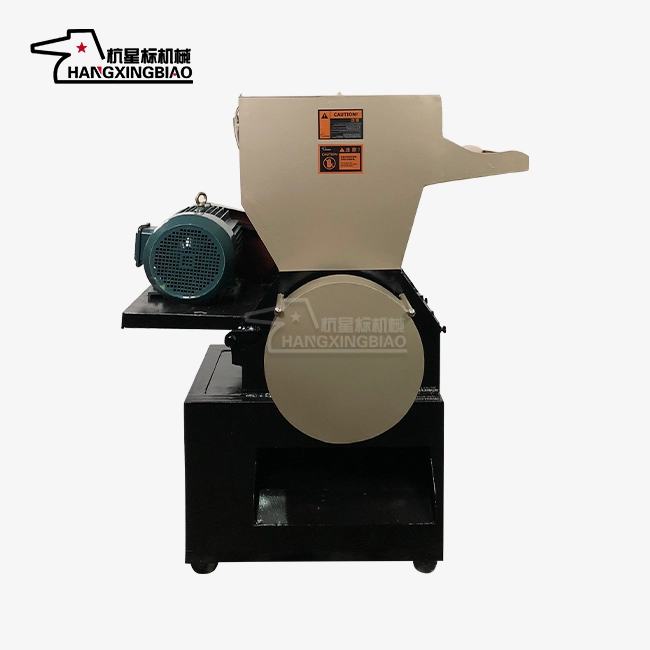
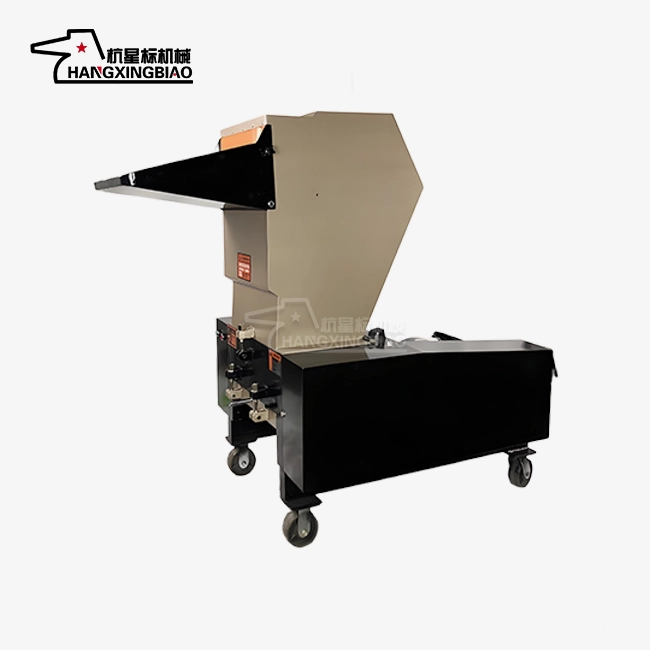
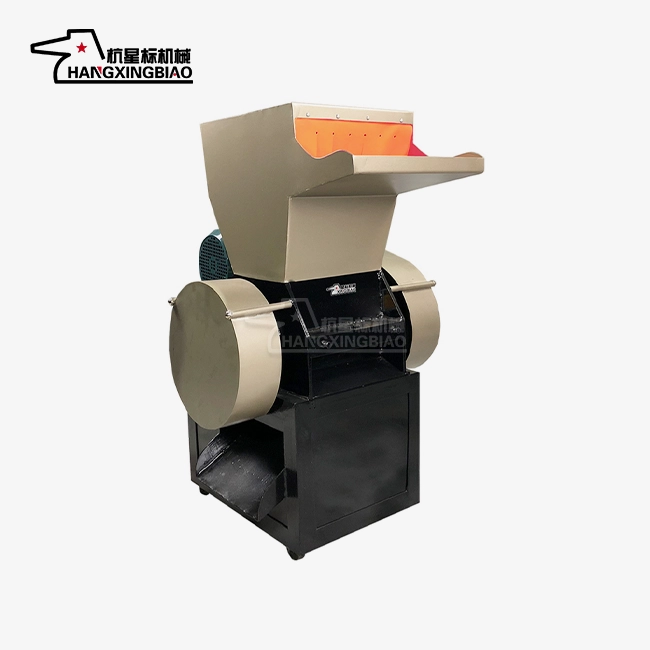
Industrial crushers with high performance are built to last, have smart engineering, and are easy to use. An Industrial crusher that is designed to work better consistently delivers high throughput, uses little energy, and stays reliable even in tough production environments. These tools use wear-resistant materials, optimised blade designs, and smart control systems that can adapt to different material properties. The best crushers have the right amount of breaking power and safety features. They are also easy to maintain, which cuts down on downtime and saves your investment over the years of use.
Understanding Industrial Crusher Performance: Key Concepts and Operating Principles
When looking at crushing equipment, knowing what makes it work helps you make a better buying decision. Performance isn't just about how much power an Industrial crusher has; it's also about how well it turns that power into useful work while staying safe and reliable.
What Defines High Performance in Material Processing Equipment?
Measuring performance is more than just counting throughput. The quality of the output is always the same, even if the materials used change, the equipment stays stable during long production runs, and it gives expected results that work well with processes that come after it. Energy economy is also very important because the costs of running your business have a direct effect on your bottom line. A machine that works quickly but uses too much electricity or needs to be fixed a lot will cost more in the long run than one that was well designed.
Core Mechanical Principles Behind Effective Crushing
Crushing is done by three main types of mechanical forces: compression forces, which squeeze materials between surfaces; impact forces, which break materials when they hit each other; and shear forces, which tear materials apart when they move in opposite directions. Depending on the type of Industrial crusher, different mixtures of these forces are emphasised. Jaw crushers work by compressing materials, hammer mills work by impacting them, and some special models work by shearing materials. The most flexible crushing equipment uses all of these ideas together in a smart way, changing how much force is used based on the properties of the material. Knowing about these mechanics will help you choose the right equipment for your needs.
Throughput Capacity and Material Versatility
Throughput capacity, which is usually given in tonnes or pounds per hour, shows how much material an Industrial crusher can break down in a certain amount of time. High-performance crushers keep their stated capacity even when they are crushing different types of material without having to be adjusted all the time. As recycling plants deal with more types of trash, materials that can be used in different ways become more valuable. These days, crushing devices can easily work with a wide range of materials, from rigid injection-moulded parts to flexible films, so you don't need many different tools. This flexibility cuts down on capital costs and makes operations easier for sites that deal with different kinds of materials.
Critical Features That Elevate Industrial Crusher Performance
Some design choices and engineering choices are what make the difference between good tools and truly excellent Industrial crusher technology. These parts work together to make tools that are better than other options.
Before looking at individual features, keep in mind that good performance doesn't come from a single part. It comes from how well-engineered parts work together as a whole. The following features are the building blocks of advanced breaking technology.
Reinforced Structural Components
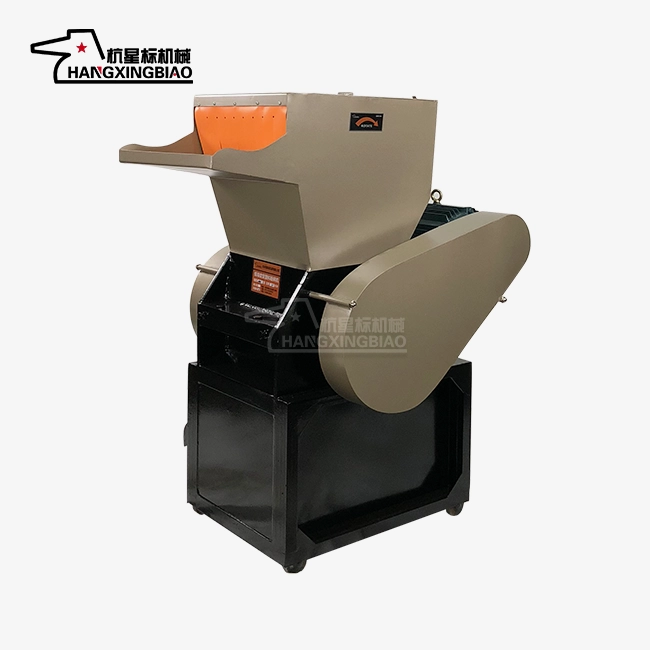
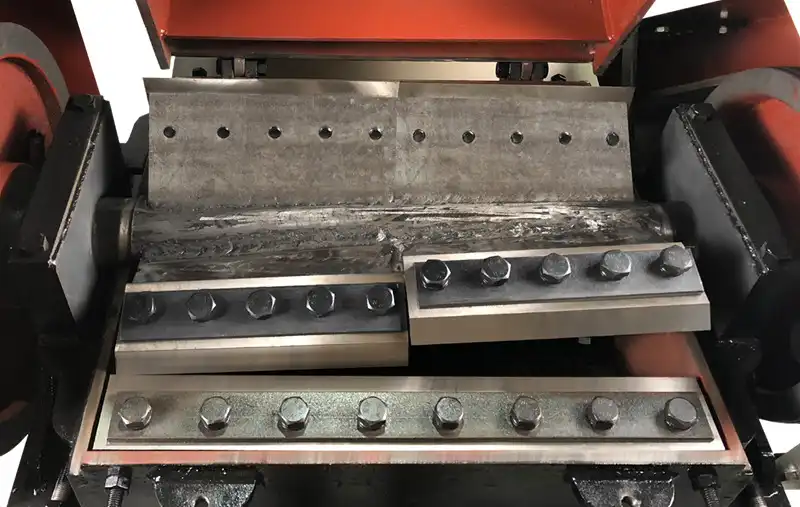
Long-term durability and dimensional stability depend on how the main body is built. High-strength steel plates are made into rigid frames in high-end Industrial crushers. The frames are then given a stress-relieving heat treatment that keeps them from bending over the years of use. This way of building gets rid of the shaking and misalignment problems that happen with lighter-duty tools. When grinding, rooms keep their exact shape, and blade gaps stay the same. This makes sure that particles are all the same size and extends the life of parts. The structural integrity allows the operation to go on at full load for a long time without performance dropping.
Advanced Blade Materials and Geometry
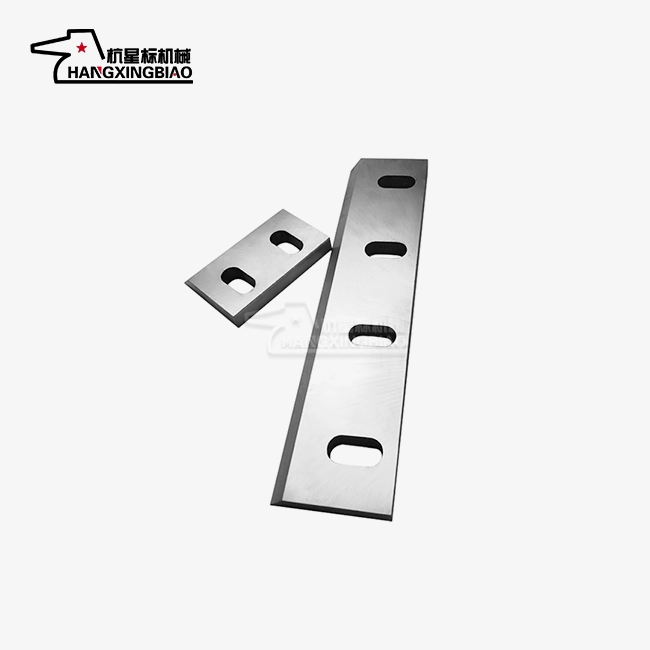
Blade composition has a direct effect on both the cost of operations and the consistency of the processing. Specialised tool steels like SKD-11, D2, or Cr12MoV alloys are used in high-performance Industrial crushers. These steels are heated in a vacuum and then frozen. The hardness of these materials ranges from HRC55 to HRC60, which means they are very resistant to wear. Good blades can be regrinded three to five times before they need to be replaced. This means that they are more than half as expensive to replace as normal carbon steel blades. The shape of the blade is also important. Cutting curves and spacing arrangements that are just right can boost efficiency by 20% or more compared to regular designs.
Intelligent Drive Systems
Motors and gearbox parts turn electricity into a force that can crush things. When matched to the needs of the application, high-torque motors keep the machine from bogging down under load and keep energy from going to waste during light processing. Variable frequency drives give users more control by letting them change the speed of the machine to work with different materials. Belt drive systems are better than direct-drive systems because they can handle shocks better and are easier to maintain. When designed correctly, drive systems work reliably for years and use 8–12 kWh per tonne of material processed, which is a lot less than less efficient options.
Customizable Crushing Chambers
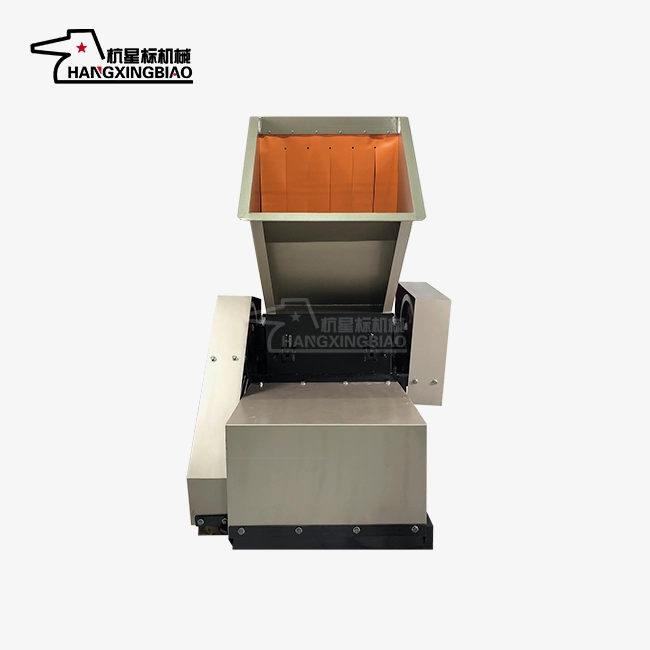
The design of the chamber affects both the ability to handle and the spread of particle sizes. Adjustable screen systems let workers change the output size from 2 mm to 50 mm, so they can meet the needs of different downstream processes without having to change any equipment. Different chamber setups are used for different types of materials. For example, when processing films and woven bags, deeper chambers with better blade shapes stop bridging. For processing hard materials like pipes and profiles, strengthened designs are used. This ability to be configured gets rid of the "single material adaptation" barrier that limits regular tools.
These features work together to make crushing devices that can easily break down a wide range of materials while keeping costs low and maintenance to a minimum.
Safety Integration and Operator Protection
Safety engineering keeps your employees safe and stops accidents that cost a lot of money. Complete safety systems have fully enclosed crushing rooms that hold materials while they are being processed, anti-rebound baffles that keep pieces that are too big from being ejected, and emergency stop devices that can be reached from multiple places. When access doors open, interlock devices instantly turn off the power, protecting moving parts from damage. These features are essential to professional equipment and set it apart from cheaper alternatives; they are not extras that can be chosen.
Maintenance Accessibility and Service Efficiency
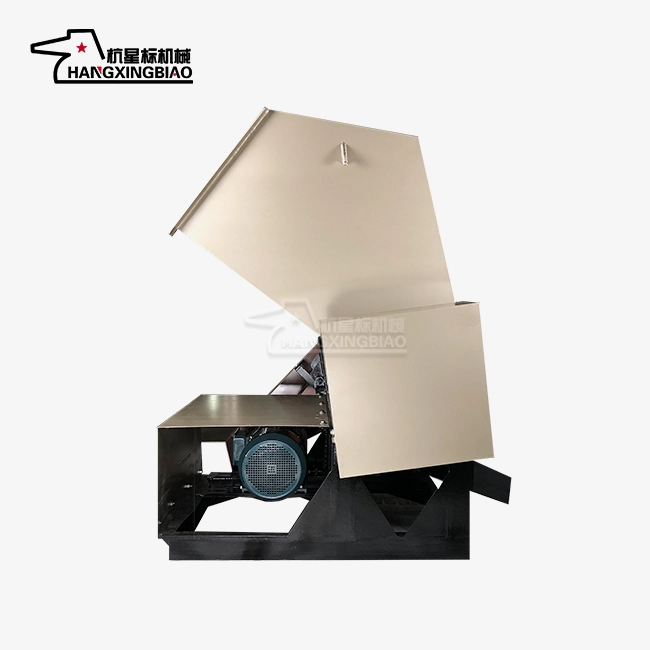
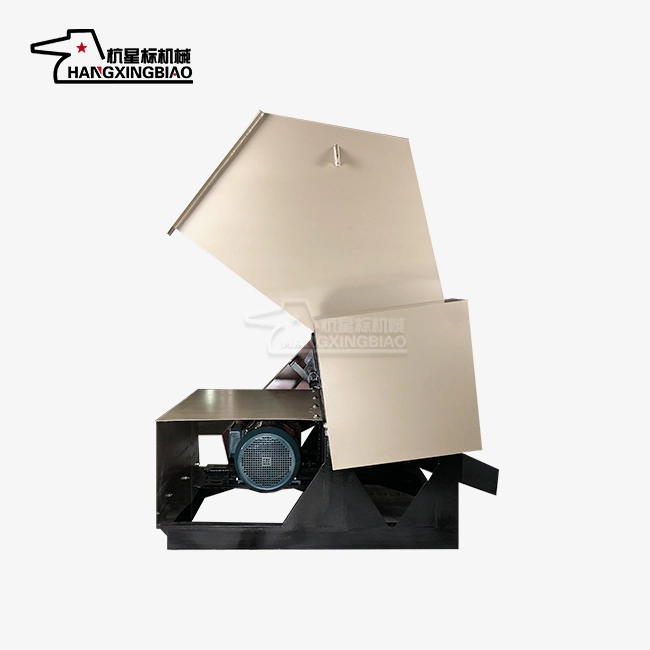
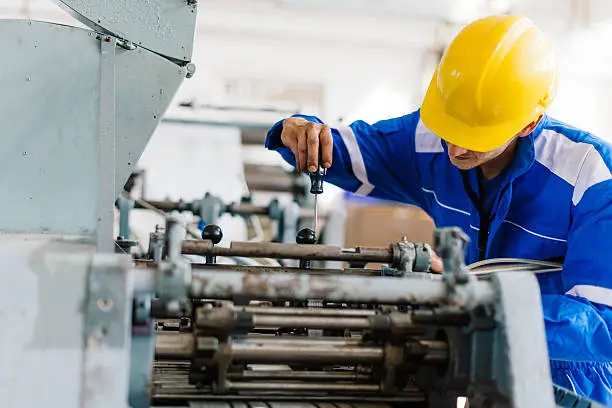
Demands for maintenance have a direct effect on costs and productivity. Well-designed Industrial crushers have breaking areas that can be reached without tools, so they can be cleaned quickly between batches of material. Swing-open chamber designs let you check out and change blade assemblies without taking apart major parts. Placing bearing housings outside of material contact zones makes it easier to grease and replace them. These design choices cut down on repair time by half compared to equipment that needs to be taken apart into large pieces, which means that production stops less often.
Comparing High-Performance Industrial Crushers: What to Consider When Buying
When looking for the right Industrial crusher, you need to think about more than just the price. Smart procurement looks at the total cost of ownership, the ability to run the business, and the level of provider assistance.
Capacity Requirements and Production Integration
Make sure the processing power of your equipment matches your actual needs. Too-big Industrial crushers take up too much floor space and energy, and too-small ones slow things down. Peak processing demands should be taken into account instead of average loads. Your equipment should be able to handle your busiest production times without any problems. It's just as important to integrate with current production lines. When placed next to injection moulding machines, crushers need to be quiet and take up little space. Central recycling systems that serve many production areas need to be able to handle more materials at once and have strong ways to feed them. Be clear about what you need to do before looking at different pieces of equipment.
Energy Consumption and Operating Economics
Over the life of an item, electricity costs add up to a lot. Compare how much energy each Industrial crusher model uses per tonne of stuff that is handled. Designs that are more efficient use a lot less power while keeping the same output. Find out how much energy you use each year by multiplying your working volume by 12. Differences in efficiency that seem small can add up to thousands of dollars over many years of use. When figuring out the total operating costs, you need to include the cost of replacing the blades and the need for regular maintenance. Equipment that costs less to buy usually costs more in the long run because it uses too much energy and needs to have parts replaced more often.
Brand Reputation and After-Sales Support
As much as the quality of your tools, the knowledge of your suppliers affects how well your business runs. Companies that only make Industrial crusher technology usually have more understanding and better customer service than makers that make a lot of different kinds of products. Check the service response times. They say they will keep 24-hour question-answer times and easy access to extra parts, which keeps problems from causing long periods of downtime. Installation instructions and training for operators help your team get the most out of the tools right from the start. Having relationships with experienced suppliers is always useful because they can give you application advice and help with troubleshooting as your equipment lasts.
Customization Options and the Opportunity to Grow in the Future
Standard equipment works well for most tasks, but for unique needs, it often needs to be customised. Suppliers who offer engineering upgrades can change equipment to meet specific needs, such as processing unusually big items, moving materials with a lot of tangles, or connecting to automated systems. This freedom keeps people from making concessions that slow down operations. Think about future growth when you choose tools. Modular designs let you add more units to increase capacity instead of replacing the whole thing. When you have long-term relationships with suppliers, you can easily grow your business as your needs change.
Maintaining High Performance: Best Practices for Industrial Crusher Operation and Upkeep
To keep working at its best, even the best Industrial crusher needs to be taken care of properly. Setting up regular repair schedules will protect your investment and keep it from breaking down when you least expect it.
Scheduled Inspection and Maintenance
Inspections done on a regular basis find problems before they get bad enough to cause breakdowns. Visual checks of blade health, bearing operation, and belt tightness once a week only take minutes but save hours of unplanned downtime. Every month, a thorough checkup should be performed to check how the motor works, the electrical connections, and the safety system's functioning. Do not wait for worn parts to break; instead, replace them before they fail based on inspection results. Before edge damage makes breaking less effective, blades that show a lot of wear should be regrinded. Bearings that are making more noise or getting hotter need quick care. It is much cheaper to replace worn-out things before they break than to fix damage that was caused by a failed component.
Operational Practices That Extend Equipment Life
How workers use tools has a big effect on how long it lasts. Don't put too much in the hoppers; this puts stress on the drive parts and makes the grinding less effective. Feed the material slowly instead of all at once, which can cause power spikes. Clear out the crushing chambers completely between types of materials to keep them from getting dirty and to keep the quality of the output consistent. Watch how much power is being used—sudden jumps often mean that technical problems are starting to happen and need to be looked into. Teach workers to spot strange sounds, movements, or changes in performance that mean repair is needed. If you catch problems early, they don't get worse and need major repairs.
Optimizing Energy Efficiency Without Sacrificing Output
Choosing the right industrial crusher is the first step in optimising energy use, but making changes to how things are run can also save money. Process similar materials in groups to cut down on the power needed for motor cycling and starting up. Change the rotor speeds to match the properties of the material. For example, softer materials can be processed more efficiently at slower speeds that use less energy. Regularly regrinding your blades will keep them sharp, since dull blades need more power to do the same job. Screens should be cleaned often to keep them from getting clogged, which makes motors work harder. In the long run, these habits add up to lower costs while keeping output high.
Real-World Applications and Case Studies: High-Performance Crushers in Action
Results that have been seen to work in real production settings are more important than theoretical abilities. Looking at how well modern Industrial crusher technology works in various fields shows its usefulness.
Plastic Manufacturing and Scrap Recovery
Runners, sprues, and broken parts are just some of the waste materials that come from injection moulding. How well you recover scrap has a direct effect on the cost of materials and the economics of production. When high-performance Industrial crushers are placed next to moulding machines in factories, scrap is processed right away, and the recycled material goes straight into mixing systems. Low-noise operation lets it be put in production areas where it won't bother workers. One medium-sized car provider cut their yearly material costs by 12% after buying specialised crushing equipment that handled mixed rigid plastics more quickly and produced uniform particle sizes that made the regrind better.
Recycling Operations and Waste Processing
Recycling centers deal with a lot of different kinds of materials that have different physical features. Processing capacity and operating freedom are based on how flexible the Industrial crusher equipment is. A regional recycling center that processes used plastics got rid of three specialised crushers and replaced them with one high-tech system that can handle hard containers, flexible films, and fibrous materials without having to switch between them. Compared to the old equipment, the new equipment can process 35% more data while using 18% less energy. The simpler operation cut down on the amount of work that needed to be done and the complexity of upkeep, which increased profits even though it had to deal with difficult material mixes.

Industry Partnerships and Innovation
Innovation that solves real-world problems is driven by collaboration between companies that make tools and people who use them. A big beverage company worked with experts in Industrial crusher technology to come up with custom ways to handle multilayer packaging materials. The changes that were made to the tools made it easier to separate the different layers of plastic, which increased the value of the salvaged material. These kinds of partnerships show how specialised suppliers can help clients improve their operations and find solutions to unique processing problems by providing more than just equipment.
Conclusion
High-performance Industrial crushers provide dependable material processing under difficult conditions by combining solid construction, clever engineering, and operating efficiency. Better machines have blades made of materials that don't wear down easily, optimised crushing chambers, efficient drive systems, and full safety features built in. When choosing the right Industrial crusher, you shouldn't just look at the price; you should also think about how much energy it uses, how good the supplier's support is, and how much customisation it can do. Proper maintenance and training for operators protect investments in equipment and keep it running at its best for years of nonstop use. The type of crushing equipment you pick will have a direct effect on your operating costs, the speed of your production, and your place in the market.
FAQ
How do I determine the right crusher size for my operation?
To escape capacity problems, figure out your peak working numbers instead of your average rates. Think about the biggest pieces of material you'll be working with and make sure that the holes in the hopper and the size of the breaking chamber can handle them without having to be cut first. Take into account the integration needs—equipment that is placed in production lines needs to have a small size, while central recycling stations can use bigger, higher-capacity Industrial crusher models. Talk to suppliers with a lot of experience. They will be able to help you choose the right-sized equipment based on the materials you use and how you make things.
What safety features should I prioritise when purchasing crushing equipment?
Some important safety features are fully enclosed crushing chambers that stop material from ejecting, emergency stop buttons that can be reached from multiple places, and systems that turn off the power automatically when access doors open. Anti-rebound shields keep workers safe from oversized pieces that kick back. Check to see if the Industrial crusher equipment meets the necessary safety standards and has full guarding around any moving parts. No matter how tight the budget is, safety shouldn't be sacrificed.
How often should industrial crushers undergo maintenance inspections?
Visually check the blades, any strange noises, and the tightness of the belt once a week. Plan to check the bearings, motor operation, and electrical connections in great detail every month. Plan a full repair every three months, which should include servicing the lubrication system and checking the safety mechanisms of the Industrial crusher. Instead of waiting for performance to go down, replace the blades as soon as you can see that they are worn. Preventative maintenance keeps expensive breakdowns from happening and greatly increases the life of equipment.
Partner with Xingbiao for Superior Industrial Crusher Solutions
Hangzhou Xingbiao Machinery Co., Ltd. has been developing and making plastic crushers entirely for 30 years, giving them a level of knowledge that other companies can't match. Because we only focus on one thing, every detail of our Industrial crusher is based on what we've learned from installing thousands of systems in a wide range of situations. We work with big names in the industry, like Nongfu Spring and KFC, to keep improving the design of our equipment by using real-world data to make it more reliable and improve performance. Our 20-person engineering team can help you with any processing problems you have, whether you're dealing with hard injection-moulded scrap, tangled films, or mixed material streams. When you work with a committed Industrial crusher supplier, you get access to tried-and-true technology, quick expert help, and spare parts that keep your business running. Email our team at xingbiaocrusher@xingbiaocrusher.com to talk about how Xingbiao breaking equipment can help you process materials more quickly and cheaply.
References
1. Smith, J.R. & Chen, L. (2021). Advanced Materials in Industrial Crushing Equipment: Performance and Durability Analysis. Journal of Manufacturing Technology, 45(3), 127-143.
2. Peterson, M.K. (2022). Energy Efficiency in Material Processing: Comparative Study of Industrial Crusher Designs. International Journal of Sustainable Manufacturing, 18(2), 89-106.
3. Thompson, R.W. et al. (2020). Safety Engineering in Industrial Machinery: Best Practices for Crushing Equipment. Industrial Safety and Ergonomics Review, 33(4), 201-218.
4. Garcia, A.M. & Liu, H. (2023). Maintenance Optimisation Strategies for High-Volume Processing Equipment. Production Engineering Quarterly, 29(1), 56-74.
5. Anderson, K.T. (2021). Material Versatility in Modern Crushing Systems: Engineering Solutions for Mixed Waste Streams. Recycling Technology Advances, 12(3), 145-162.
6. Williams, D.P. & Zhang, Y. (2022). Total Cost of Ownership Analysis for Industrial Material Processing Equipment. Journal of Industrial Economics and Operations, 38(2), 178-195.
Learn about our latest products and discounts through SMS or email