- English
- French
- German
- Portuguese
- Spanish
- Russian
- Japanese
- Korean
- Arabic
- Greek
- German
- Turkish
- Italian
- Danish
- Romanian
- Indonesian
- Czech
- Afrikaans
- Swedish
- Polish
- Basque
- Catalan
- Esperanto
- Hindi
- Lao
- Albanian
- Amharic
- Armenian
- Azerbaijani
- Belarusian
- Bengali
- Bosnian
- Bulgarian
- Cebuano
- Chichewa
- Corsican
- Croatian
- Dutch
- Estonian
- Filipino
- Finnish
- Frisian
- Galician
- Georgian
- Gujarati
- Haitian
- Hausa
- Hawaiian
- Hebrew
- Hmong
- Hungarian
- Icelandic
- Igbo
- Javanese
- Kannada
- Kazakh
- Khmer
- Kurdish
- Kyrgyz
- Latin
- Latvian
- Lithuanian
- Luxembou..
- Macedonian
- Malagasy
- Malay
- Malayalam
- Maltese
- Maori
- Marathi
- Mongolian
- Burmese
- Nepali
- Norwegian
- Pashto
- Persian
- Punjabi
- Serbian
- Sesotho
- Sinhala
- Slovak
- Slovenian
- Somali
- Samoan
- Scots Gaelic
- Shona
- Sindhi
- Sundanese
- Swahili
- Tajik
- Tamil
- Telugu
- Thai
- Ukrainian
- Urdu
- Uzbek
- Vietnamese
- Welsh
- Xhosa
- Yiddish
- Yoruba
- Zulu
Powerful plastic crusher for High-Volume Plastic Recycling Plants
Are you having trouble dealing with plastic waste in your production line? The crushing power your recycling business needs to properly handle large amounts of plastic trash is provided by a Powerful plastic crusher. From soft PE films to rigid ABS injection-moulded parts, these industrial tools break them down into uniform particle sizes that are ready to be used again. Modern crushers can handle a wide range of materials and can run continuously 24 hours a day, seven days a week. They can process between 50 and 2000 kg of material per hour and are very reliable, which has a direct effect on your bottom line.
Understanding Powerful Plastic Crushers for High-Volume Recycling
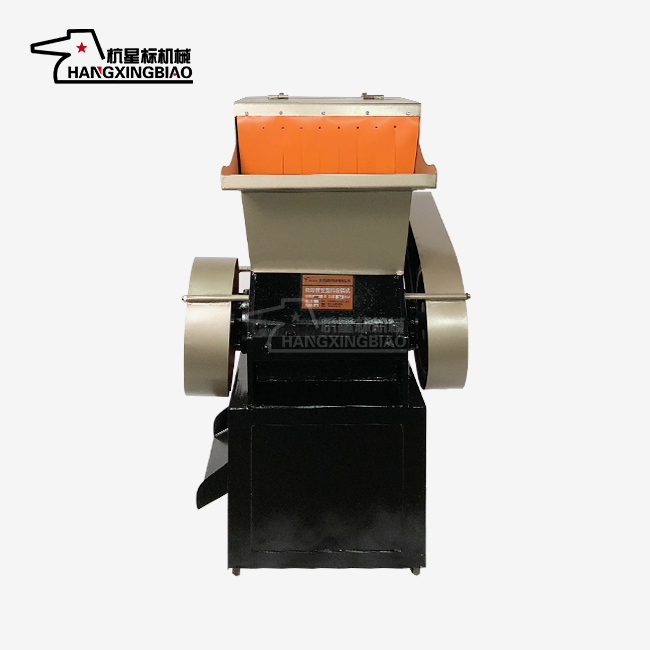
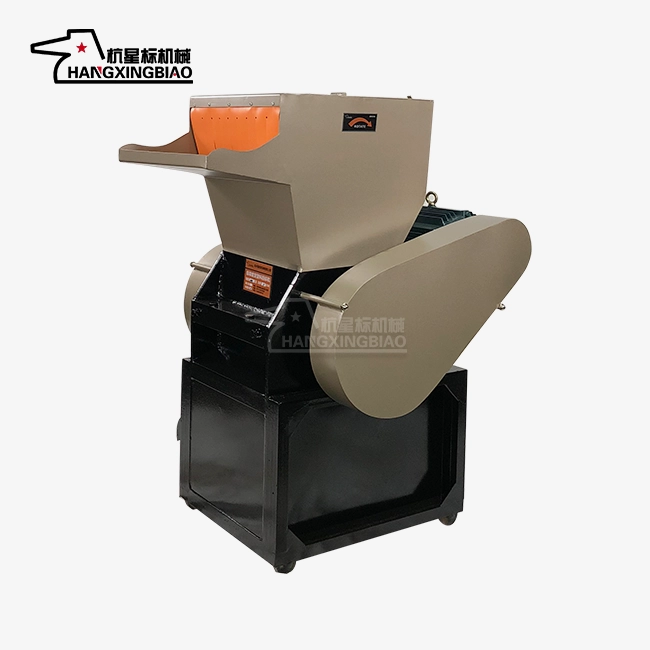
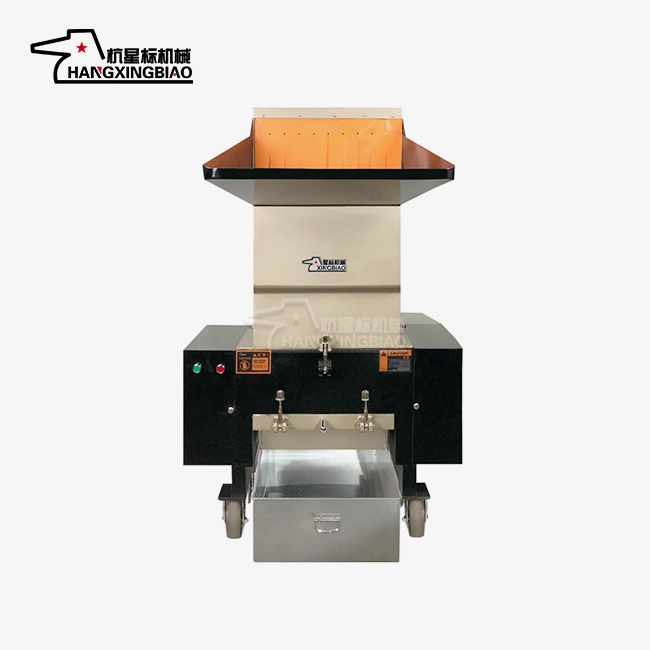
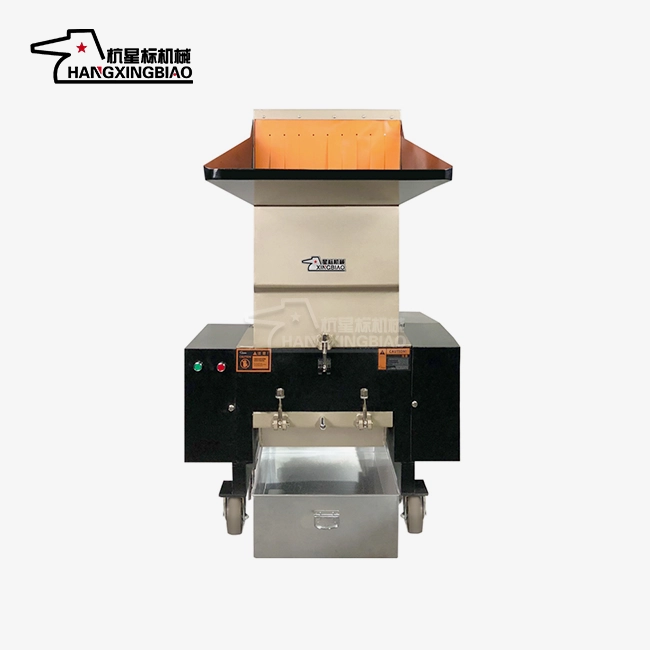
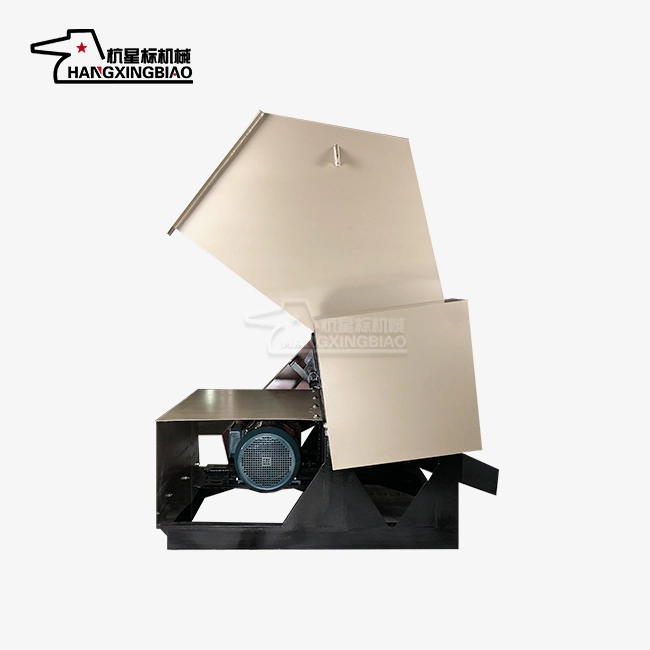
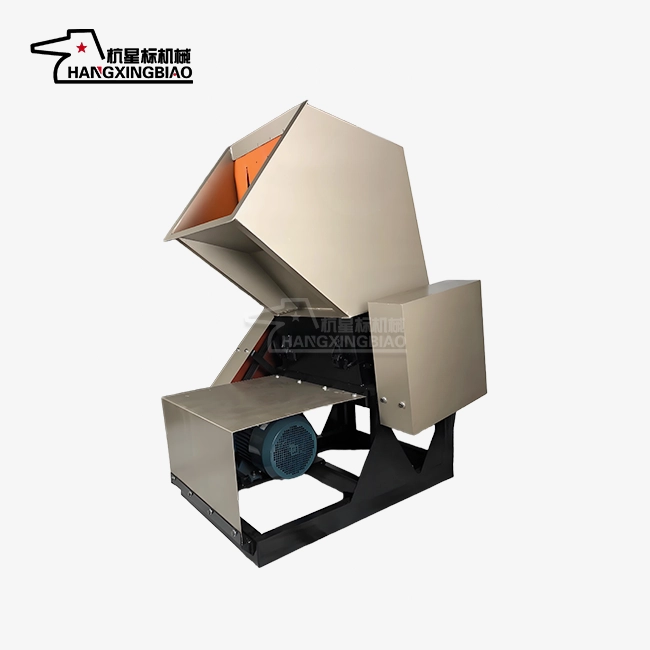
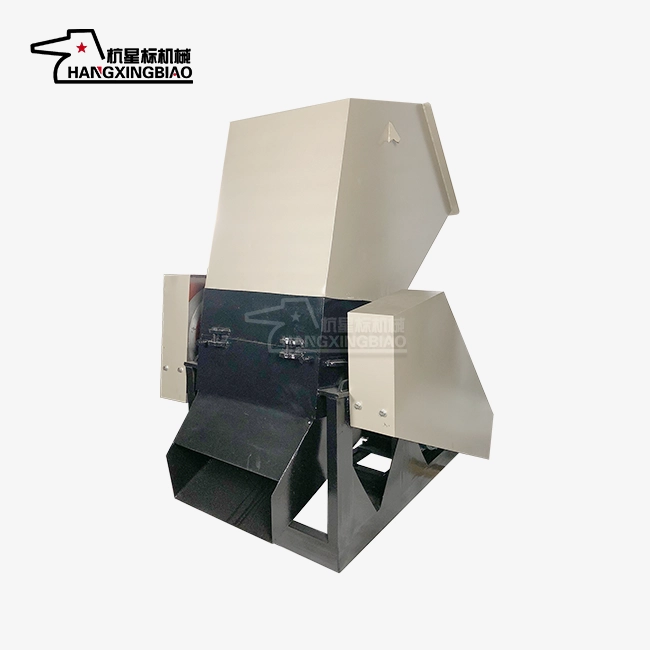
Large plastic recycling plants need strong crushing equipment that can regularly turn trash streams into raw materials for reuse. The workings of these machines are based on high-speed spinning blades rubbing against fixed cutting edges to smash plastic into specific particle sizes. The materials go into a bin that is fed by gravity. The blade system then uses cutting force to reduce the size of the particles before they go through screens that are precisely the right size.
Core Mechanical Principles Behind Industrial Crushing
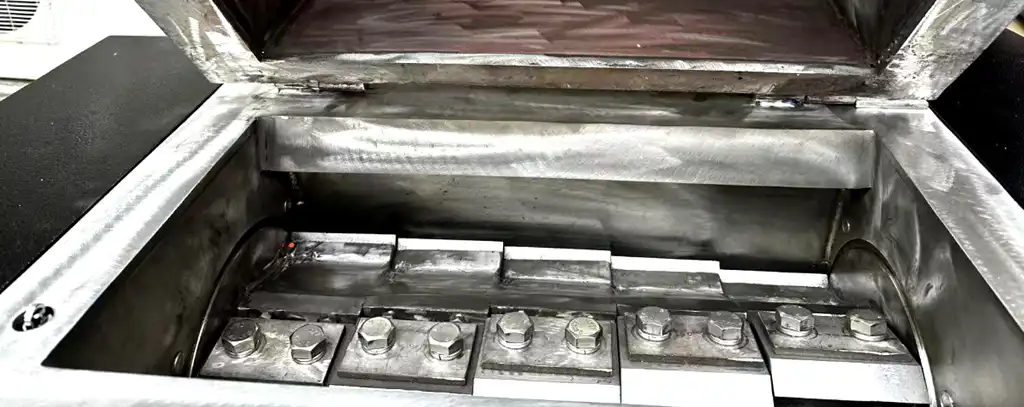
For the crushing process to work, the shape of the blades, their speed, and the design of the chamber must all work together. When plastic enters the chamber, blades on a central shaft spin and cut against fixed blades on the chamber walls to shear the plastic. This cutting motion, which looks like scissors, makes particles that, when they reach the right size, fall through holes in the screen. The screen mesh, which comes in sizes from 2 mm to 100 mm, decides the end particle sizes. This provides operators with exact control over the output specs for processes like extrusion or injection moulding that come after.
Comparing Crusher Types for Different Applications
Different types of crushers are better for different types of recycling processes. Single-shaft crushers are great for working with parts and shapes with thick walls because they have strong cutting action. Double-shaft types can cut through twisted things like films and woven bags without the materials getting caught on the blades. Granulators produce uniform small particles suitable for immediate reprocessing. Knowing these differences can help you match the powers of your tools to the properties of your materials and the amount of work you need to do. A factory that makes rigid PET bottles needs blades that are set up differently from a factory that makes PE agricultural film.
Material Compatibility Across Plastic Types
How well a crusher handles your specific waste streams depends on how flexible its processing is. PE and PP materials are often used in films and packages. They need blade shapes that keep the materials from wrapping around each other. PET bottles need cutting edges that are very sharp and can easily cut through rigid walls. ABS and PC engineering plastics need blades that are hardened and can stay sharp even when they come into contact with rough surfaces. For foams like EPS to be compressed before they can be cut, they need a certain room shape. The best crushers can handle different types of plastic without having to change the blades. This cuts down on downtime when handling mixed trash streams.
Critical Factors to Consider When Selecting a Plastic Crusher
When you choose Powerful plastic crusher equipment, you have to think about how much it will produce, how much it will cost to run, and how reliable it is. All of these things affect how efficiently you can make things with Powerful plastic crusher equipment. You should make sure that the specs of the Powerful plastic crusher equipment you buy match the capacity needs of the plant, and you should also think about the long-term costs of running the plant and its upkeep needs.
Evaluating Crusher Capacity and Throughput Requirements
How much capacity you need depends on how much trash you produce every day and how long you want to process it. For a plant that makes 5 tonnes of scrap every day, the equipment needs to be able to handle at least 200–250 kg/hour of material per shift. Adding capacity backups, on the other hand, keeps things from getting backed up during times of high production. Crushers that can work nonstop 24 hours a day give sites that make different amounts of waste more options. Throughput is also affected by the density of the material. For example, rigid parts process differently than low-density foam, so rated capacities should take your specific mix of materials into account.
Energy Consumption and Operational Cost Analysis
Using less energy has a direct effect on how much it costs to process over the life of the equipment. Modern crushers with better motor matching use only 8 to 12 kWh of electricity per tonne of material they break down. Power needs are affected by motor efficiency rates, belt drive methods, and the shape of the blades. To figure out running costs, multiply the amount of energy used per hour by the cost of power in your area and the number of hours you run each year. At $0.12/kWh, a 15-kW breaker that is used 2,000 hours a year costs $3,600 just in power. The higher cost of energy-efficient designs is quickly recouped by lower operating costs in the first few years of use.
Safety Features and Compliance Standards
Safety rules at work demand industrial crushing tools to have certain safety features. When an emergency stop device is activated, the blades must stop turning within seconds. During running, safety interlocks keep people from getting into the room. Overload protection finds metal contamination or material jams and turns off the equipment before it does any damage. Our crushers have built-in overload security systems that shut them down automatically when hard impurities like metal screws enter the chamber. This keeps the blades from getting damaged and keeps people safe. Following safety rules set by CE, OSHA, and ISO shows that the maker cares about protecting workers.
Maintenance Requirements and Equipment Longevity
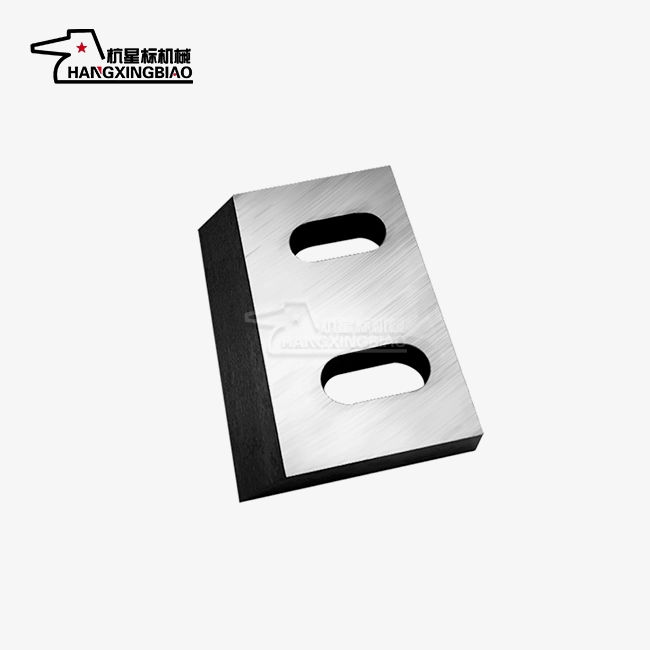
How long something lasts depends on how well it was built and how easy it is to maintain. Stress-relieving treatment on high-strength steel bodies keeps them from deforming under constant loads. Blade materials like SKD-11 tool steel and Cr12MoV alloy steel are vacuum-heated and frozen to hit HRC 55–60 hardness levels. This makes the blades last up to 5,000 hours of use. When precision bearings are used with the right greasing methods, they cut down on friction and heat production. Maintenance downtime is kept to a minimum with quick-change screen designs and easy-to-reach blade mounting systems. Unplanned shutdowns that mess up production schedules can be avoided by setting up regular inspection schedules that find wear patterns before they break.
Comparing Powerful Plastic Crushers with Alternative Solutions
Knowing how the different types of breaking tools work in different situations can help you choose the best one for your recycling needs. Depending on the type of material and the output specifications, each machine category has its own unique benefits.
Functional Distinctions Between Crushers and Shredders
In dismantling processes, crushers and shredders do different things. Crushers turn materials into uniformly small particles by cutting them precisely against set screens. These particles are perfect for materials that are going to be extruded or injected. Shredders reduce the size of large amounts of material by breaking it without using screens. They can handle dirty trash and items that are too big for the machine. The output from shredders usually needs to be crushed again to make it uniform. Shredders are often used to reduce the volume first, and then crushers are used to make the final pieces. This two-stage method works well with tough materials like whole trash cans or car bumpers that a single-stage method can't handle well.
Granulators for Fine Particle Production
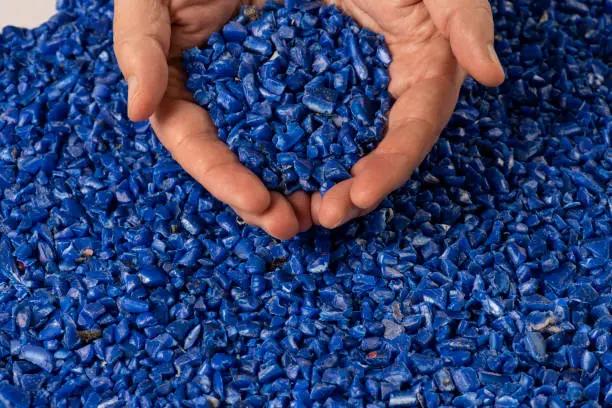
Granulators are a type of specialised crushing equipment that is made to make uniform small pieces between 2 and 10 mm in size. These machines have smaller screen holes and blades that are closer together than most crushers. The design of the grinding chamber makes more cutting actions per turn, which makes the particles more uniform and within the goal size ranges by over 90%. Granulators are preferred by factories that use regrind directly in their production processes because they keep the particle size uniform, which ensures that the melting and material properties are also uniform. As a trade-off, they have slightly lower output rates than crushers that handle bigger particles.
Scalability from Small Operations to Industrial Scale
Scalable equipment works for facilities that are in different stages of operation. Mobile units on wheels that can only handle 50 to 500 kg/hour work well in pilot plants, labs, or small manufacturing lines that don't make a lot of trash. These small machines have fully sealed spaces and low-noise motors that run at less than 75dB, which meets the needs for workspace in crowded facilities. Heavy-duty industrial models that can handle 1 to 10 tonnes per hour are used in recycling plants and large factories. When operations grow, modular designs let you add more units to increase capacity instead of replacing all the equipment.
Procurement Guide: How to Buy the Right Powerful Plastic Crusher
A successful, powerful plastic crusher equipment purchase includes more than just technical specs. It also includes how reliable the Powerful plastic crusher provider is, how well they can service the equipment, and how valuable the relationship will be in the long run. The Powerful plastic crusher supplier you choose is just as important as the tools themselves when it comes to working successfully.
Evaluating Supplier Credentials and Manufacturing Experience
The track record of a supplier shows that they can provide effective tools and support. Hangzhou Xingbiao Machinery has been developing and making crushers only for more than 30 years, which is a very high level of specialisation in the industrial equipment sector. Diversified manufacturers can't match the technical knowledge that this single-category excellence approach provides. Our research team of 20 senior engineers keeps industry-university partnerships with big companies going. This makes sure that designs take into account how things work in the real world. You can trust a supplier's skills by checking their manufacturing experience, safety certifications, and reference installs.
Warranty Coverage and After-Sales Support Systems
A full warranty shields your investment in tools against flaws in the manufacturing process and breakdowns that happen before they should. Standard warranties that cover 12 to 24 months are a good starting point for safety, but choices for longer coverage offer even more peace of mind. How quickly working problems are fixed depends on how good the after-sales help is. We promise to answer customer questions within 24 hours and offer installation help, operator training, and regular follow-up visits. Because we keep extra parts in stock, we can ship blade replacements and wear parts right away, so there is no need to wait for foreign deliveries for a long time. Setting up clear service level agreements before the buy stops disagreements during key operating times.
Customization Options and Integration Capabilities
Standard models of equipment work for most uses, but sometimes unique needs call for customisation. Large-diameter crushers can handle pipes and profiles that are too big for standard chambers. Film-specific designs keep materials from getting tangled up, which can jam regular blade setups. For integration with current conveyor systems, centralised feeding networks, or injection moulding machines, the mounting measurements and control ports must be suitable. Our engineering team comes up with special solutions that work with the unique properties of the materials or the limitations of the building. To make sure that the delivered equipment works well with current operations, procurement specifications should make integration requirements and special handling needs very clear.
Future Trends and Innovations in Plastic Crusher Technology
The recycling equipment business keeps moving forward thanks to new technologies that are being developed in response to goals for sustainability and operating efficiency. These new developments will affect what the next generation of crushing systems can do.
Smart Monitoring and Predictive Maintenance
Adding IoT sensors lets you keep an eye on your tools in real time, which stops problems before they happen. Vibration sensors find patterns of wear on bearings that mean they are about to break. Temperature monitoring finds problems with lubrication or motors that are getting too hot. Blade force sensors measure increases in cutting resistance that show that the blade is becoming less sharp. Systems that are tied to the cloud look at operational data to figure out when repair is needed based on how things actually wear out instead of just picking any old time frame. This predictive approach cuts down on unplanned downtime and increases the life of parts by stopping them from being used when they aren't working at their best.
Energy-Saving Motor Technology and Noise Reduction
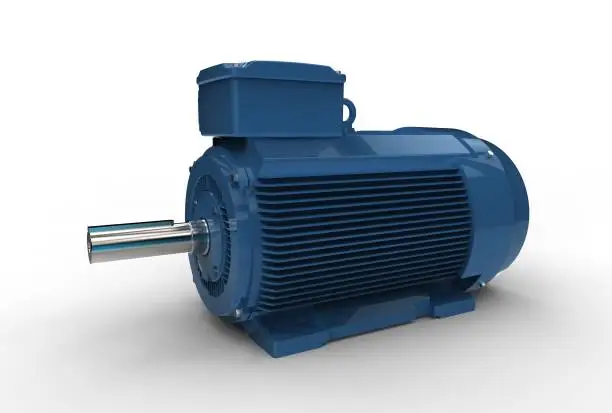
Instead of going at full speed all the time, variable frequency drives (VFDs) adjust the motor speed to meet the needs of the load at any given time. This adaptive operation lowers the amount of energy used when there isn't much to do, which often happens when processing variable material feeds. Motor designs that meet the IE3 and IE4 standards are very efficient and reduce electricity losses by using better magnetic materials and winding arrangements. At the same time, motor enclosures and sound dampening used in acoustic engineering lower operating noise to levels that are acceptable in the workplace. Our fully enclosed cavity design and low-noise motors keep the noise level at 75dB or less, which is suitable for crowded industrial areas and facilities that are used for more than one thing.
Sustainability-Focused Equipment Design
Environmental laws are having a bigger effect on the specs of equipment that do more than just cleaning. Designs with a smaller carbon footprint use less energy and waste less material over the life of the equipment. Recyclable building materials make it possible to get rid of old tools without hurting the earth. Plastic particles in the air can be harmful to your health and make cleaning harder with dust control devices. These eco-friendly features are in line with the company's environmental goals and meet changing rules that affect running permits for facilities and sustainability checks for customers.
Conclusion
To choose the best Powerful plastic crusher equipment, you need to carefully look at the technical specs, the supplier's skills, and the equipment's long-term operating costs. Today's Powerful plastic crusher systems have the throughput capacity, material versatility, and dependability that recycling plants need. Equipment with improved blade materials, power systems that use less energy, and a lot of safety features is needed for Powerful plastic crusher recycling businesses to be successful. During the buying process, you should focus on how experienced the Powerful plastic crusher supplier is, how good the after-sales service is, and how the equipment can be customised to fit your specific operational needs. As rules about recycling get stricter and people expect businesses to be more environmentally friendly, buying strong, powerful plastic crusher technology will give your business a long-term edge over the competition.
FAQ
What types of plastic materials can industrial crushers process effectively?
Almost all plastic materials that are used in manufacturing and recycling can be broken down by industrial tools. Soft plastics, like PE films, PP woven bags, and flexible packaging, can be processed without the blades getting tangled up as long as the equipment has the right chamber geometry. Flexible plastics, such as PET bottles, ABS housings, PC panels, and HDPE containers with thick walls, can be easily crushed with standard blade sizes. For foam materials like EPS packaging and EVA padding to work, they need special chamber designs that squeeze the material before cutting it. Mixed plastic streams with different types of polymers can be processed, but sorting before crushing increases the value of recycled materials for tough uses.
How frequently does crushing equipment require maintenance and blade replacement?
How often maintenance is done relies on how long the equipment is used, how rough the materials are, and how well it is made. When properly heated, high-quality blade materials like SKD-11 tool steel keep their cutting edges for 3,000 to 5,000 hours of use before they need to be replaced. Blades are usually replaced every year in places where workers work eight-hour shifts five days a week. Following the manufacturer's instructions, bearings should be oiled every 500 hours of use. Checking and cleaning the screen stops the buildup that slows down throughput. Visual checks every day to find any loose bolts or strange vibrations that need to be fixed. Because they are made with more precision and better materials, our crushers require 40% less maintenance than standard industrial equipment.
Partner with Xingbiao for Your Industrial Crushing Solutions
Hangzhou Xingbiao Machinery is ready to help your large-scale plastic recycling projects with tested crusher technology that has been improved over 30 years of specialised production. Our wide range of products can handle processing speeds from 50 to 2000 kg per hour, making them suitable for small manufacturing lines to recycling centers. Powerful plastic crushers are made with high-quality SKD-11 and Cr12MoV blade materials, energy-efficient motor systems, and overload safety to avoid expensive downtime. When you work with a skilled plastic crusher maker whose only goal is to make the best product possible, you get access to technical knowledge that you can't get from suppliers who make a lot of different products. Get in touch with our expert team at xingbiaocrusher@xingbiaocrusher.com to talk about your specific material handling problems and get personalised equipment suggestions that will help you run your crushing activities more efficiently.
References
1. Plastic Recycling Equipment Performance Standards. International Society of Plastics Engineers, 2024.
2. Industrial Crusher Safety and Operational Guidelines. American Equipment Manufacturers Association, 2023.
3. Energy Efficiency in Plastic Processing Equipment. Journal of Cleaner Production, Vol 412, 2024.
4. Blade Metallurgy and Heat Treatment for Industrial Cutting Applications. Materials Science and Engineering Review, 2023.
5. Comparative Analysis of Size Reduction Technologies in Plastic Recycling. Waste Management Research Quarterly, 2024.
6. Practices for Industrial Equipment Procurement in Manufacturing Operations. B2B Industrial Purchasing Guide, 2024.
Learn about our latest products and discounts through SMS or email