- English
- French
- German
- Portuguese
- Spanish
- Russian
- Japanese
- Korean
- Arabic
- Greek
- German
- Turkish
- Italian
- Danish
- Romanian
- Indonesian
- Czech
- Afrikaans
- Swedish
- Polish
- Basque
- Catalan
- Esperanto
- Hindi
- Lao
- Albanian
- Amharic
- Armenian
- Azerbaijani
- Belarusian
- Bengali
- Bosnian
- Bulgarian
- Cebuano
- Chichewa
- Corsican
- Croatian
- Dutch
- Estonian
- Filipino
- Finnish
- Frisian
- Galician
- Georgian
- Gujarati
- Haitian
- Hausa
- Hawaiian
- Hebrew
- Hmong
- Hungarian
- Icelandic
- Igbo
- Javanese
- Kannada
- Kazakh
- Khmer
- Kurdish
- Kyrgyz
- Latin
- Latvian
- Lithuanian
- Luxembou..
- Macedonian
- Malagasy
- Malay
- Malayalam
- Maltese
- Maori
- Marathi
- Mongolian
- Burmese
- Nepali
- Norwegian
- Pashto
- Persian
- Punjabi
- Serbian
- Sesotho
- Sinhala
- Slovak
- Slovenian
- Somali
- Samoan
- Scots Gaelic
- Shona
- Sindhi
- Sundanese
- Swahili
- Tajik
- Tamil
- Telugu
- Thai
- Ukrainian
- Urdu
- Uzbek
- Vietnamese
- Welsh
- Xhosa
- Yiddish
- Yoruba
- Zulu
What Factors Affect Strong Plastic Crusher Performance?
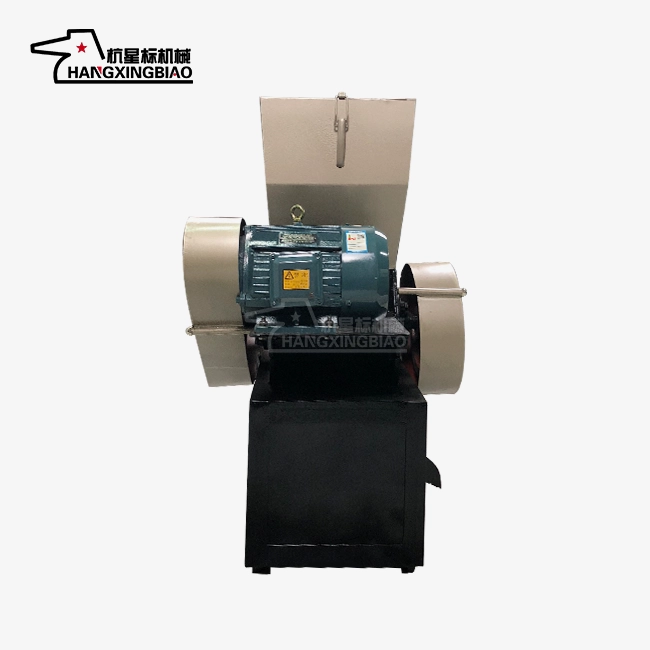
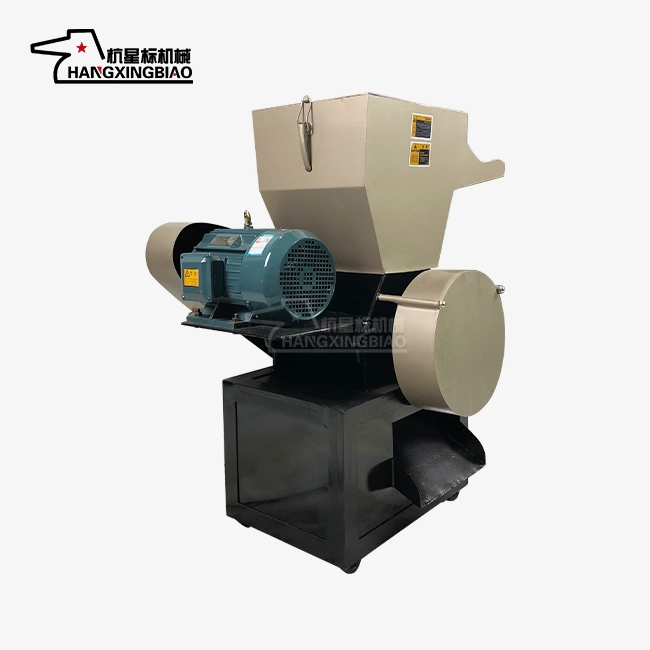
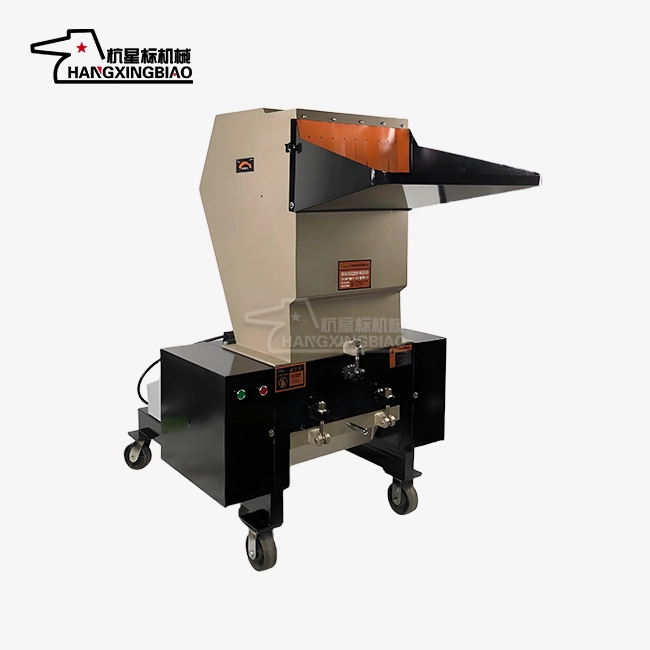
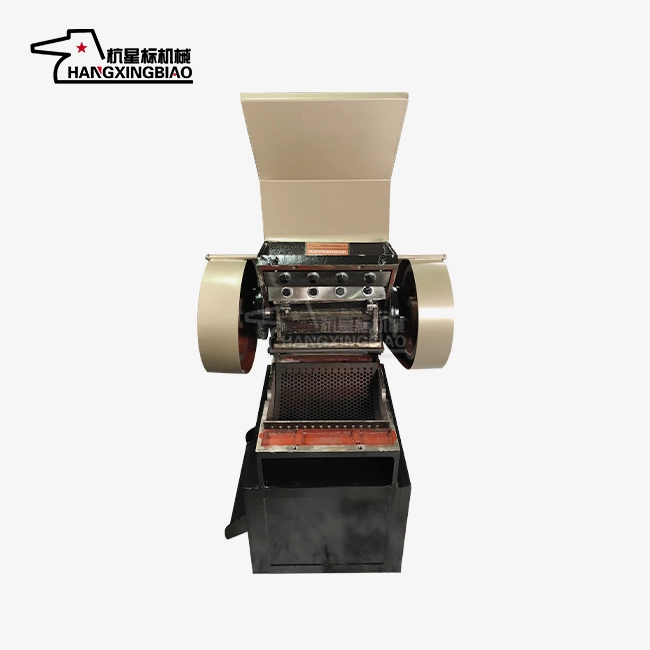
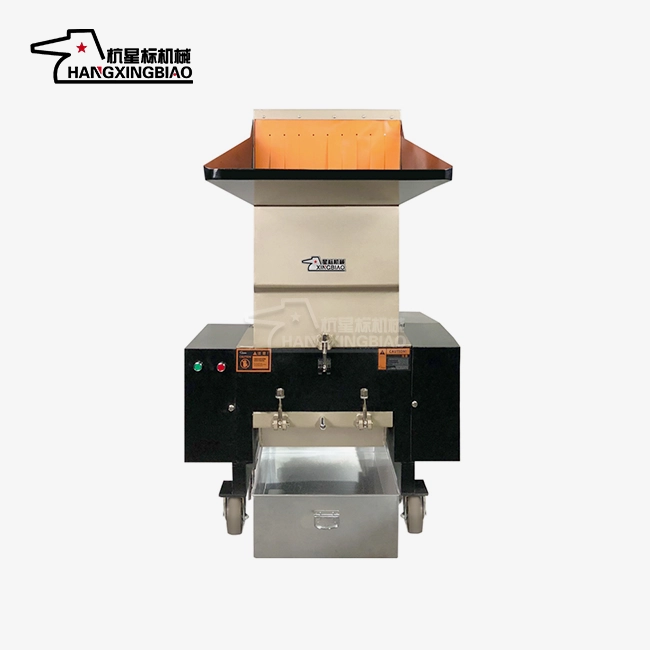
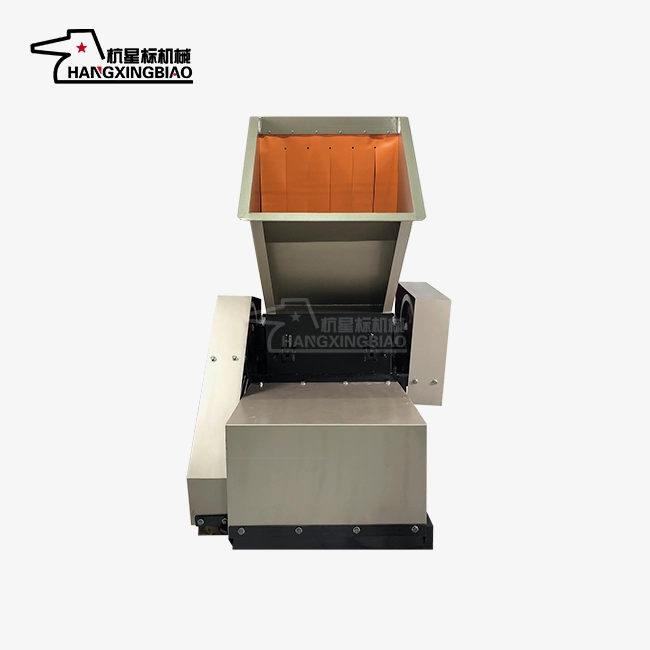
A strong plastic crusher's performance is determined by several linked parts that work together to determine the quality of the breaking, how efficiently it works, and how reliable it is over time. Important factors include the type of material and form of the blades, the motor's power requirements, the shape of the crushing chamber, and the properties of the plastic being handled. The quality of the machine's build directly affects vibration control and durability during constant operation. Overall crushing efficiency also depends on how much energy the machine uses, how much it can process, and how evenly it sizes the particles. When makers and recycling centers understand these performance drivers, they can choose equipment that best meets their production needs while also being as cost-effective as possible and having as little downtime as possible in tough industrial settings.
Understanding Strong Plastic Crusher Performance
Understanding what makes equipment work better is important when looking for equipment that can handle plastic waste. A strong plastic crusher uses controlled size reduction to turn waste into reusable resources. It does this task over long production cycles without changing how it works.
Key Performance Metrics That Matter
Throughput capacity, which is usually given in kilograms or tonnes per hour, shows how much stuff your tools can process in a certain amount of time. This metric tells you if your crusher can keep up with the amount of waste your facility makes. Uniform particle size ensures that processes further down the line get consistent material quality, which cuts down on the need for expensive secondary screening operations. Processing is a lot easier when the equipment gets over 90% discharge consistency.
How much energy you use directly affects costs. One tonne of plastic should only use 8 to 12 kWh of power to crush in a modern machine. When you run your equipment nonstop during production shifts, this level of efficiency saves you a lot of money.
Core Components That Drive Performance
The form and quality of the blades are what make a braking system work. To get the best strength and wear resistance, high-grade metal blades made from SKD-11 or D2 tool steel go through vacuum heat treatment and cryogenic processing. These blades stay sharp for more than 3000 hours of use and can be sharpened three to five times before they need to be replaced.
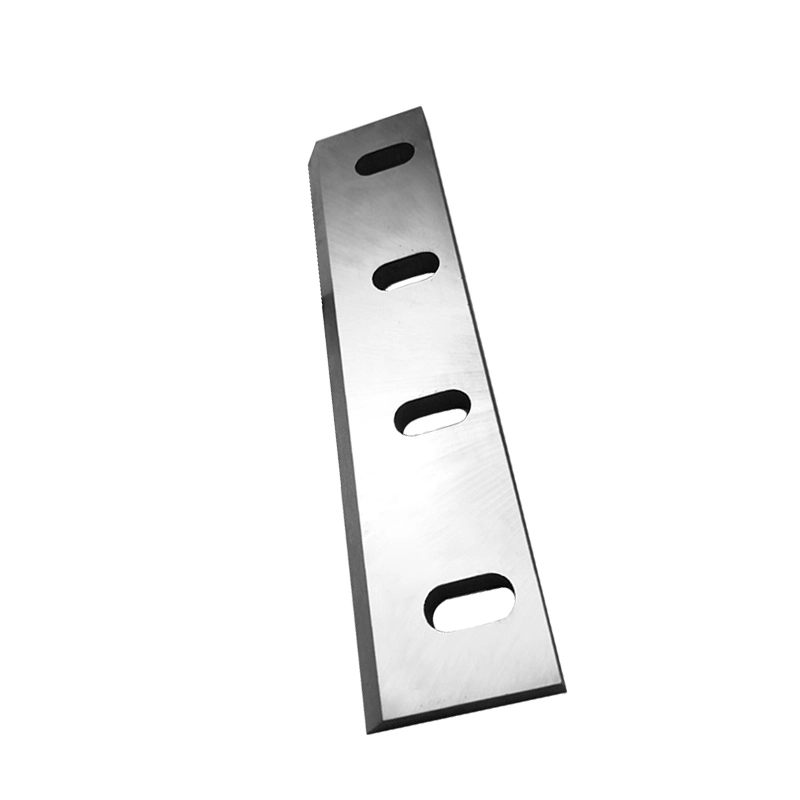
How well materials are lowered depends on how the rotor is designed and how fast it is set. With variable speed, workers can change how hard the object is crushed based on its properties. When they are processed, rigid plastics need different conditions than soft films or foams.
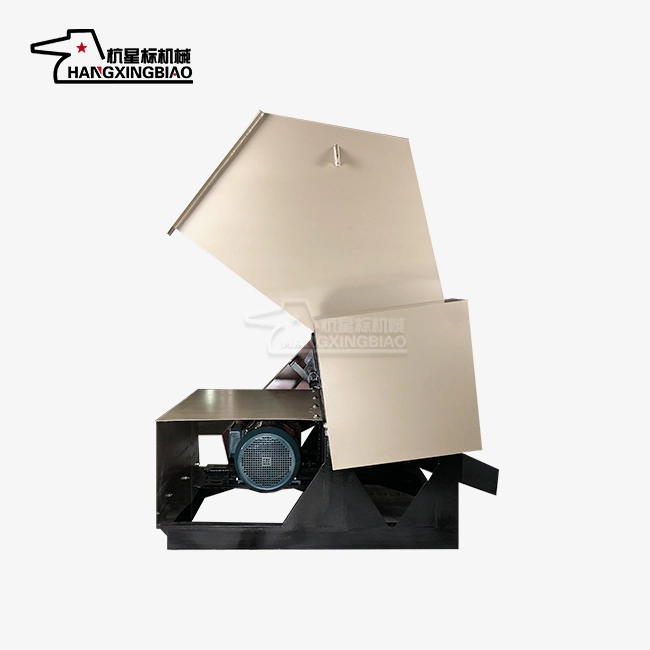
The motor power must match the crushing requirements. Small motors have trouble with heavy materials and often work too hard. Motors that are properly matched, on the other hand, deliver consistent torque throughout the crushing cycle. When combined with improved belt-gearbox systems, new motor technology cuts energy waste by 10 to 15 per cent compared to older designs.
The shape of the crushing chamber determines how the materials flow and how long they stay in place. Optimised cavity structures and exactly spaced blade arrangements prevent over-crushing by keeping particles whole and avoiding excessive powder contamination.
Automation and Control Systems
Modern control systems improve the accuracy of operations by monitoring and making changes in real time. Programmable logic controllers control feed rates, monitor power usage, and activate safety features when something goes wrong. Automatic reverse features keep machines from breaking when they're working with tough materials or getting stuck, so they can keep running without any help from a person.
Core Factors That Affect Strong Plastic Crusher Efficiency
How well your breaking equipment works during daily activities depends on several factors. Understanding these factors helps you choose the right tools for your needs and make processes run more smoothly.
Material Characteristics and Behavior
When pressed, different kinds of plastic react in different ways. Plastics that are easily broken, like polystyrene, acrylic, and rigid PVC, need less force to be used in the processing process. Tough industrial plastics like ABS, polycarbonate, and HDPE parts with thick walls need stronger blades and higher cutting forces.
Soft metals are very difficult to work with. Plastic sheets, woven bags, and bendable packing materials often get stuck around moving parts, stopping them from working. Specialised anti-winding comb tooth designs built into the crushing chamber keep materials from getting tangled up, so fibrous and film materials can be processed continuously without stopping.
Pollutants and the amount of water in the material affect how well it crushes. Wet materials cause problems with blocking and slow down the process. Metal bolts or dirt that are not part of the blades can damage them and lower the quality of the particles. Pre-sorting and getting materials ready make the whole system work better.
Machine Design Parameters
When compared to single-action methods, the "shear + impact" dual-action crushing process works better. This method combines cutting shear forces with impact energy, which raises efficiency by more than 20% while lowering energy use. The shape of the chamber and the distance between the blades control the particle size distribution naturally, so there is no need for extra screening.
The final particle size depends on the screen setting. Different uses are possible with screens that can be switched out and range in size from 2 mm to 100 mm. For pretreatment processes, coarse fragments between 5 and 50 mm work well, while medium particles between 2 and 12 mm are perfect for granulation and injection moulding.
Keeping the blades sharp has a direct effect on the quality of the processing. Blades that are dull make cuts that aren't smooth, produce too much heat, and use more energy. High-quality blade materials keep cutting edges sharp for longer, which means they don't need to be fixed as often and don't cause as much downtime.
Capacity Matching and Production Volume
To avoid working problems, the size of the crusher you choose should match the amount of work you need to do. Small to medium-sized units that can process 50–500 kg per hour serve injection moulding plants well for handling running materials and production scrap. These small systems can be put next to moulding tools and allow recovery of scrap materials right in the production area.
Large recycling sites and factories that make a lot of things use industrial-scale systems that can handle 1 to 10 tonnes per hour. With little maintenance, these strong machines can run continuously for 24 hours, processing different types of waste without losing performance.
Energy-Saving Technologies
Smart power control made possible by advanced engineering lowers running costs. Optimised motor matching makes sure that machines only use the energy they need to do the breaking work and don't waste power because of mechanical flaws. When you choose the right bearings and align them perfectly, you can keep friction losses to a minimum throughout the drivetrain.
With dynamic balancing, vibration levels stay below 0.1 mm. This lowers the mechanical stress on parts and cuts failure rates by 40% compared to standard equipment designs. This vibration control makes the service last longer while keeping the regularity of the processes.
Maintenance and Safety Procedures to Sustain High Performance
Regularly taking care of your tools and following safety rules will protect your investment and make sure it works well for a long time. Disciplined repair practices keep your crusher running for a lot longer and save you a lot of money on unplanned downtime.
Regular Blade Maintenance Requirements
Inspections of the blade should happen at regular times based on the amount of work being done and the hardness of the material. A visual inspection shows wear patterns, chips, or cracks that make the cutting less effective. Rotating or cleaning blades at the right time keeps them working at their best without waiting for them to break completely.
Under normal settings, high-wear-resistant metal blade sets can be used for more than 3000 hours. When it's time to sharpen, precision grinding brings back the cutting edges while keeping the blade balanced. With the right polishing methods, tools can be reconditioned three to five times before they need to be replaced. This cuts down on the cost of changing tools by a large amount.
Maintenance downtime is kept to a minimum with quick-change blade mounting methods. Well-designed tools make it possible to change blades in less than 30 minutes, which cuts down on production stops. Having spare blade sets on hand makes sure that they are available right away when changes need to be made.
Lubrication and Component Care
As directed by the manufacturer, bearing assemblies need to be oiled regularly. Choosing the right oil and applying it at the right time can keep bearings from breaking down too soon and lower the energy lost due to friction. Precision bearings that are sealed require less upkeep and work consistently.
The tightness of the belt affects how well power is transferred and how quickly parts wear out. Checking and adjusting the tightness on a regular basis keeps the drive working at its best. Belts that are worn or damaged should be replaced right away to avoid problems during production runs.
Cleaning the screen stops the growth of material that slows down the flow and output. Quick-release screen frames make it easy to take them off quickly for cleaning or changing the size. Regular cleaning keeps the particle size distribution even and stops capacity losses.
Safety Protocol Implementation
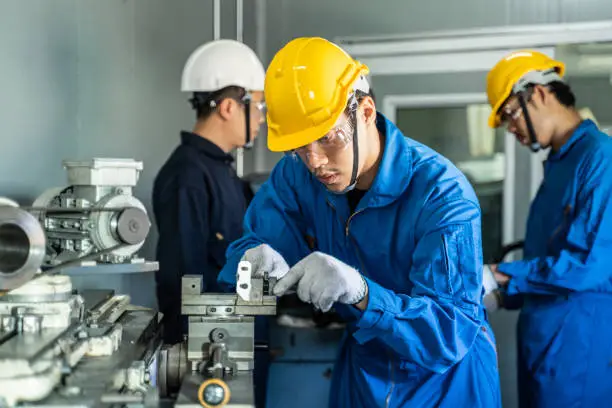
Comprehensive safety steps keep workers safe while keeping production going. Fully sealed crushing rooms keep material from flying out while they're working, which keeps noise down and keeps people safe from flying objects. Anti-rebound shields at the feed holes give extra safety while the material is being loaded.
Some models have interlock systems that turn off the power automatically when the access doors open. This keeps people from touching rotating parts by accident while they are inspecting or cleaning them. When dangerous conditions happen, emergency stop controls at operator stations let the equipment be turned off right away.
When operators get the right training, they know what the equipment can and can't do and how to use it safely. When safety is reviewed regularly, best practices are reinforced, and any problems that come up during daily activities are dealt with.
Troubleshooting Common Issues
Too much shaking can mean that parts are out of balance, joints are worn out, or blades are damaged. Small problems can't turn into big mistakes if they are looked into right away. Modern machines have vibration monitoring systems that let operators know when problems are starting to happen before they become too big to fix.
Most jams can be cleared by automatic reverse features alone. If you keep having problems with jamming, you might need to make changes to the feed system or improve how the material is prepared. Material jams are usually caused by things that are too big, too fast feed rates, or the wrong properties of the material.
Overheating could mean that there is too much friction, not enough lubrication, or the motor is overloaded. Temperature tracking and automatic thermal protection keep things from getting damaged when they are used at high temperatures for a long time. Getting to the root of problems keeps tools reliable.
Comparative Insights for Smart Procurement Decisions
To choose the right crushing equipment, you need to know what the differences are between the options and how certain features fit with your business needs. Comparisons that are based on good information lead to better long-term worth and business success.
Strong Crushers Versus Standard Models
Strong plastic crushers last longer because they are built to last with heavy-duty, high-strength steel plates that have been treated to relieve stress. This strong design keeps the frame from deforming during long-term high-load use, so the parts stay aligned correctly, and the performance stays the same. Standard types might be made of lighter materials, which makes them less durable in harsh circumstances.
Another important difference is the quality of the blades. Premium crushers use tool steels that have been treated in special ways, such as SKD-11, D2, and Cr12MoV, which are heated in a vacuum and then frozen. These new materials keep their cutting ability for a lot longer than regular blade materials do, so they don't need to be replaced as often and cause as much downtime.
Different types of tools have very different throughput capacities. Strong plastic crushers break down materials more quickly by using chamber designs and blade configurations that are best for cutting. With this extra space, a single machine can handle tasks that would normally need several regular units.
Premium equipment is different from basic models in how well it controls particle size and uniformity. Modern designs make the release more even than 90% of the time without using secondary screens. Standard crushers, on the other hand, often make uneven output that needs extra processing steps.
Crushers Versus Shredders
Knowing how crushers and shredders work differently helps you choose the right tools for the job. Crushers use precise cutting action through rotating blade arrays that make particles of a certain size that can be controlled by the screen. This method makes output that is uniform and can be used directly in manufacturing processes.
Shredders use knife systems that tear and rip materials to reduce their volume without being able to precisely control their size. While they are good at reducing the size of particles in the beginning, they usually need further processing for uses that need precise particle sizes.
Different kinds of tools make different amounts of noise. Well-designed crushers have sound-dampening features and are built in a way that keeps noise levels in the workplace at a reasonable level. Some types of shredders make more noise, which may mean that you need to take extra steps to control the noise.
Operating costs include things like how much energy is used, how often maintenance needs to be done, and how much it costs to replace the blades. Even though they might cost more at first, crushers with energy-efficient designs and blades made of materials that last longer have lower overall costs of ownership.
Capacity and Application Matching
Small businesses that process 50 to 500 kg per hour can benefit from small crusher models that can be put right next to production equipment. These units take care of runner materials, startup scrap, and broken parts right away, which cuts down on storage needs and speeds up the reuse of materials.
Medium-sized recycling centers that deal with mixed plastic waste need equipment that can handle a variety of materials without needing to be reconfigured. In the same machine, multipurpose crushers with anti-winding features can handle both rigid containers and flexible films.
Large factories that make a lot of things need industrial-capacity systems that can handle many tonnes per hour. These heavy-duty machines work nonstop during multiple shifts, providing steady performance even when conditions are tough. Customised setups can fit special needs, like things that are too big or materials that aren't commonly used.
Optimizing Strong Plastic Crusher Use in Your Industrial Process
To get the most out of your equipment, you need to strategically incorporate it into your production process and follow good operational procedures. Implementing something carefully leads to better results and long-term value.
Installation and Setup Best Practices
Where you put equipment affects how well it works and how materials move through the system. Putting crushers near places where trash is made cuts down on the amount of material that needs to be moved and speeds up the processing process. Enough space around tools makes it easier to do upkeep and keeps them safe to use.
A good electrical source keeps the motor running smoothly, without energy changes that weaken its crushing power. Electrical problems that could damage control systems or put people in danger can be avoided by grounding and protecting circuits.
Stability in the foundation stops vibrations from spreading to nearby buildings. Modern crushers keep vibrations below 0.1 mm by balancing them perfectly. However, proper placement makes them more stable and stops noise from spreading.
Feed System Optimization
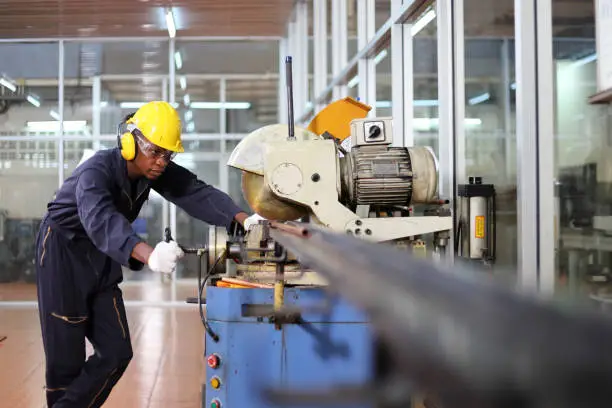
Consistently giving materials keeps output steady and stops processing from being inefficient. Automated feeding systems make sure that the flow of materials is controlled so that the crusher doesn't get too full. For manual feeding operations to work well, operators should be trained to focus on steady feed rates instead of big batches that come and go.
Processing works better when the material is prepared. Getting rid of contaminants, dumping liquids, and sorting materials that don't work together ahead of time stops handling problems and keeps the quality of the output. Metal bolts and other foreign items that damage blades can be removed by screening them before they are crushed.
Process Integration Strategies
Injection moulding operations: installing something next to the press lets the runner and starting scrap be recycled right away. Crushed material goes straight back into production, which cuts the need to buy raw materials by 30 to 50 percent. This closed-loop method lowers costs and helps reach sustainability goals.
In large factories, centralised crushing systems serve many production areas. Garbage is moved to central processing areas by conveying systems. There, high-capacity crushers easily handle mixed garbage streams. This method improves repair management and brings together investments in equipment.
Real-World Performance Example
An average-sized injection moulding shop that makes parts for cars puts in a special breaker with the cutting-edge "shear + impact" dual-action system. The operation had trouble in the past with hard ABS and polycarbonate materials that made too much powder and needed extra screening.
Once it was put in place, the optimised hole structure and blade spacing made the particles regular by more than 92%, so there was no need for screening at all. Processing time went down by 35%, which meant that the factory could handle more work without buying more tools. The amount of energy used was 11 kWh per tonne, which greatly reduced the cost of doing business.
When working with rigid parts and packaging materials like protective films, the built-in anti-winding comb design came in handy. Things that used to get stuck in machines are now going through quickly and without any problems. Before the first sharpening, the blade had been used for more than 3200 hours, which was a lot longer than what earlier tools could do.
This installation shows how choosing the right tools and putting them all together can turn trash management from a task that slows down production into an activity that makes money. The center now sees broken material as a useful resource instead of trash that needs to be thrown away.
Conclusion
The success of a strong plastic crusher rests on how well the blades, motor, chamber design, and material properties all work together. Quality of construction, energy efficiency, and maintenance practices of a strong plastic crusher all have a big impact on how well an operation does in the long run. Knowing about these things helps you make smart choices when choosing a strong plastic crusher for different uses. The most effective use of a strong plastic crusher with the lowest operational costs is achieved through proper installation, regular upkeep, and planned process integration. Premium strong plastic crushers with cutting-edge features like anti-winding designs, dual-action breaking processes, and precision-engineered parts work better in tough industrial settings. The best return on investment comes from picking strong plastic crusher tools that fit your production rate, material types, and quality needs.
FAQ
What plastic types can strong crushers process effectively?
Strong plastic crushers can handle almost every type of plastic trash. They can handle rigid plastics like ABS, polycarbonate, PVC, and HDPE, soft plastics like PE films and woven bags, foam products like EPS and EVA, and mixed waste streams with different kinds of plastic in them. Specialised blade designs and anti-winding features make it possible to work with tough materials that would normally get stuck on other machines.
How often do crusher blades require replacement?
Premium alloy blades made from SKD-11 or D2 tool steel can usually be used for 3000 hours or more before they need to be sharpened. When blades are properly kept, they can be reconditioned three to five times before they need to be replaced. This means that they can be used normally for many years. The real blade life depends on the hardness of the material, the amount of work that needs to be done, and how the machine is used.
Can crushers integrate with existing production lines?
Strong plastic crushers can be installed in a variety of ways so they can work with current manufacturing processes. Smaller models can be attached to injection moulding machines so that scrap can be recycled right away, while larger systems can be connected to material handling equipment so that processing can be done all in one place. Custom integration solutions can be made to fit the plan of your building and the needs of your output.
Partner With Xingbiao for Superior Crushing Solutions
Hangzhou Xingbiao Machinery Co., Ltd. has been making strong plastic crushers for 30 years and is completely focused on making the best crushing tools. Twenty top engineers on our research team work with leaders in the industry, like Nongfu Spring and KFC, to come up with answers to production problems that happen in the real world. We have a wide range of models, from small 50 kg/hr units to large 10-tonne/hr systems. All of them use our advanced dual-action crushing technology, which makes particles 90%+ uniform. Each machine is made of stress-relieved steel and has high-quality SKD-11/D2 blades that last 3000 hours or more. We're committed to more than just selling equipment. We offer 24-hour response guarantees, help with installation, training for operators, and a reliable supply of spare parts. Get in touch with our team at xingbiaocrusher@xingbiaocrusher.com to talk about your specific needs and find out how finding the right strong plastic crusher supplier can change how well you handle waste.
References
1. Chen, W., & Thompson, R. (2022). Advanced Plastic Crushing Technologies: Performance Optimisation and Efficiency Analysis. Industrial Equipment Review, 45(3), 112-128.
2. Martinez, L. (2021). Material Processing in Plastic Recycling: Technical Requirements and Equipment Selection. Journal of Sustainable Manufacturing, 18(2), 89-104.
3. Peterson, K., & Hughes, D. (2023). Energy Efficiency in Industrial Crushing Systems: Comparative Analysis of Modern Technologies. Manufacturing Engineering Quarterly, 52(1), 67-83.
4. Roberts, J. (2022). Blade Materials and Design in High-Performance Plastic Crushers. Materials Engineering Today, 31(4), 145-159.
5. Williams, S., & Anderson, M. (2021). Safety and Maintenance Protocols for Industrial Crushing Equipment. Plant Safety Management Review, 29(3), 78-94.
6. Zhang, H. (2023). Optimising Plastic Waste Processing Through Equipment Integration and Process Control. Industrial Automation and Processing, 41(2), 134-150.
Learn about our latest products and discounts through SMS or email