- English
- French
- German
- Portuguese
- Spanish
- Russian
- Japanese
- Korean
- Arabic
- Greek
- German
- Turkish
- Italian
- Danish
- Romanian
- Indonesian
- Czech
- Afrikaans
- Swedish
- Polish
- Basque
- Catalan
- Esperanto
- Hindi
- Lao
- Albanian
- Amharic
- Armenian
- Azerbaijani
- Belarusian
- Bengali
- Bosnian
- Bulgarian
- Cebuano
- Chichewa
- Corsican
- Croatian
- Dutch
- Estonian
- Filipino
- Finnish
- Frisian
- Galician
- Georgian
- Gujarati
- Haitian
- Hausa
- Hawaiian
- Hebrew
- Hmong
- Hungarian
- Icelandic
- Igbo
- Javanese
- Kannada
- Kazakh
- Khmer
- Kurdish
- Kyrgyz
- Latin
- Latvian
- Lithuanian
- Luxembou..
- Macedonian
- Malagasy
- Malay
- Malayalam
- Maltese
- Maori
- Marathi
- Mongolian
- Burmese
- Nepali
- Norwegian
- Pashto
- Persian
- Punjabi
- Serbian
- Sesotho
- Sinhala
- Slovak
- Slovenian
- Somali
- Samoan
- Scots Gaelic
- Shona
- Sindhi
- Sundanese
- Swahili
- Tajik
- Tamil
- Telugu
- Thai
- Ukrainian
- Urdu
- Uzbek
- Vietnamese
- Welsh
- Xhosa
- Yiddish
- Yoruba
- Zulu
Where to Buy a Durable, Powerful Pulverizer for Your Factory?
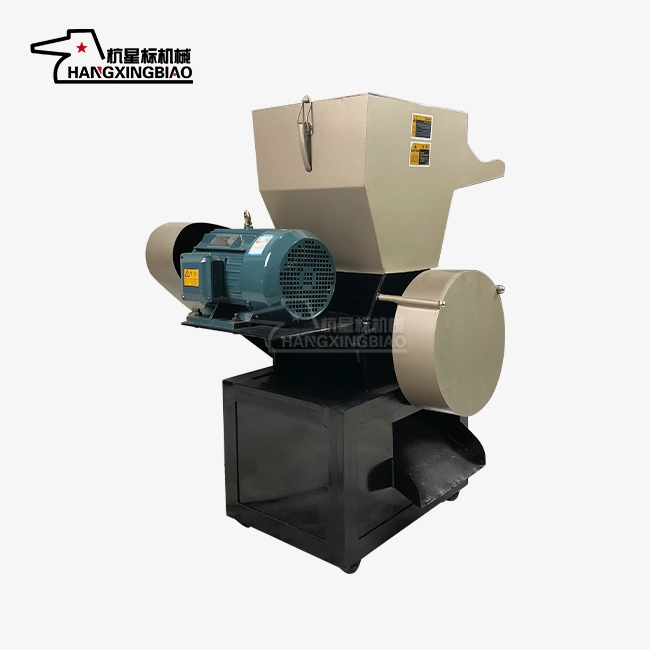
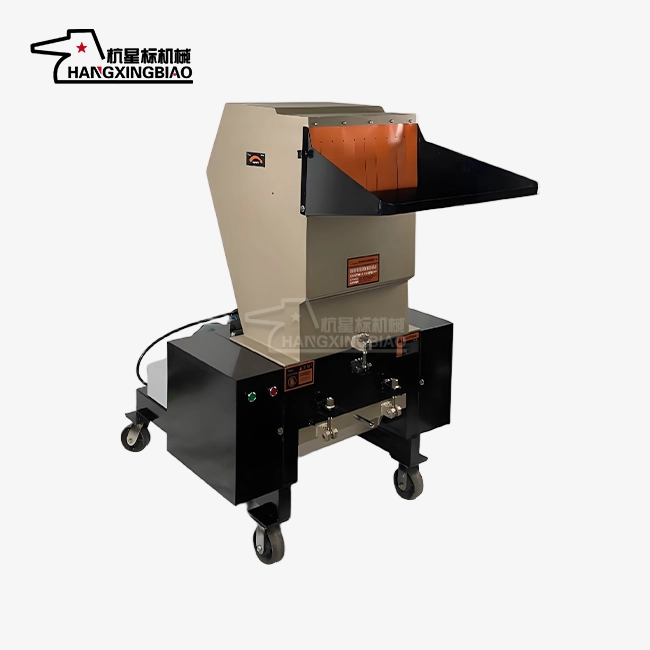
It can be difficult to figure out what crushing tools you need for your business. When looking for a strong, powerful pulverizer, you need a dependable supplier who offers both high-quality equipment and full service. Specialised makers with a track record of success, authorised distributors selling original equipment, and business-to-business (B2B) sites that connect you directly with verified providers are your best options. Hangzhou Xingbiao Machinery Co., Ltd. is a well-known company that makes crushing equipment. They have 30 years of experience specialising in plastic processing technology and offer industrial-grade pulverisers that are perfect for tough work settings in the US market.
Understanding Powerful Pulverizers and Their Importance in Your Factory
These days, factories need crushing solutions that do more than just reduce the size of things. With the right tools, waste can be turned into wealth while output stays steady.
What Makes a Pulverizer Truly Powerful?
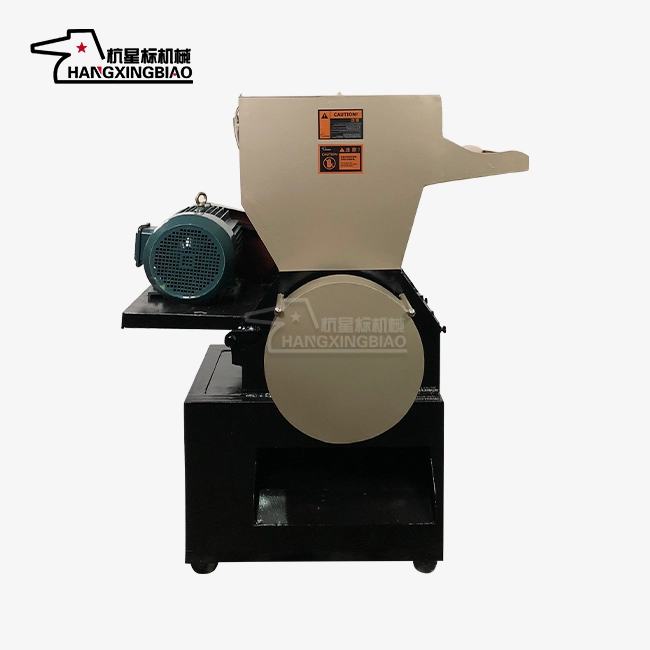
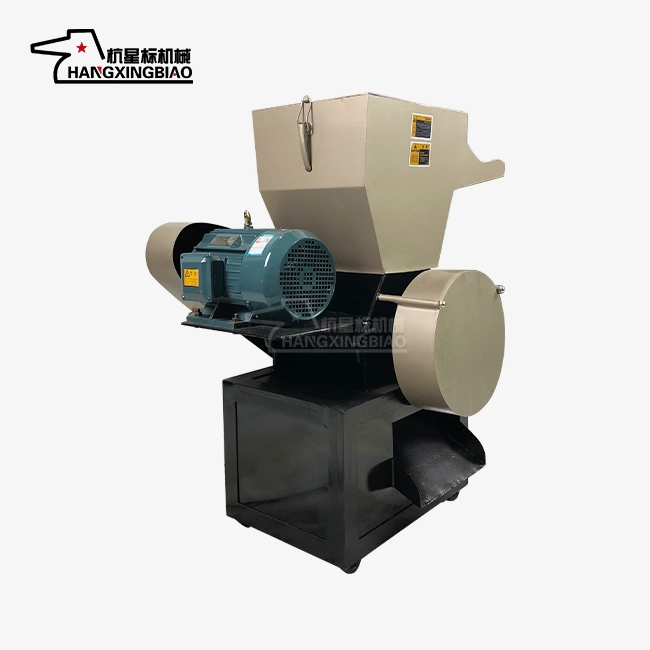
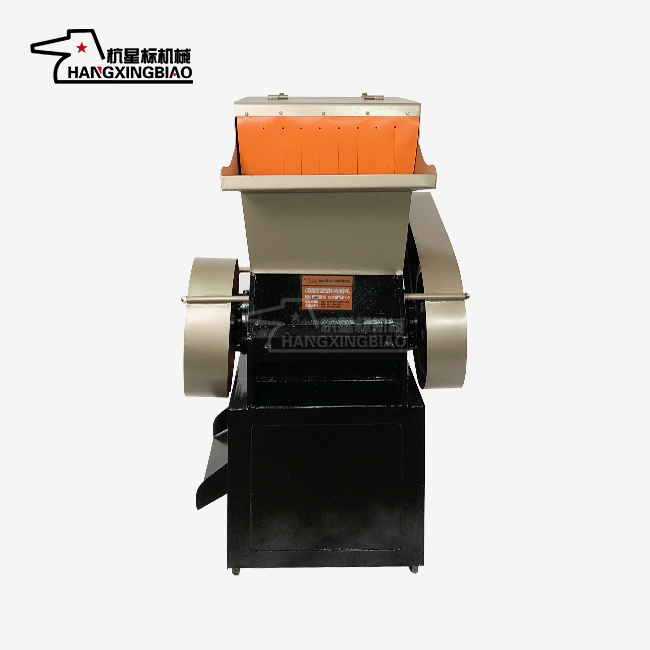
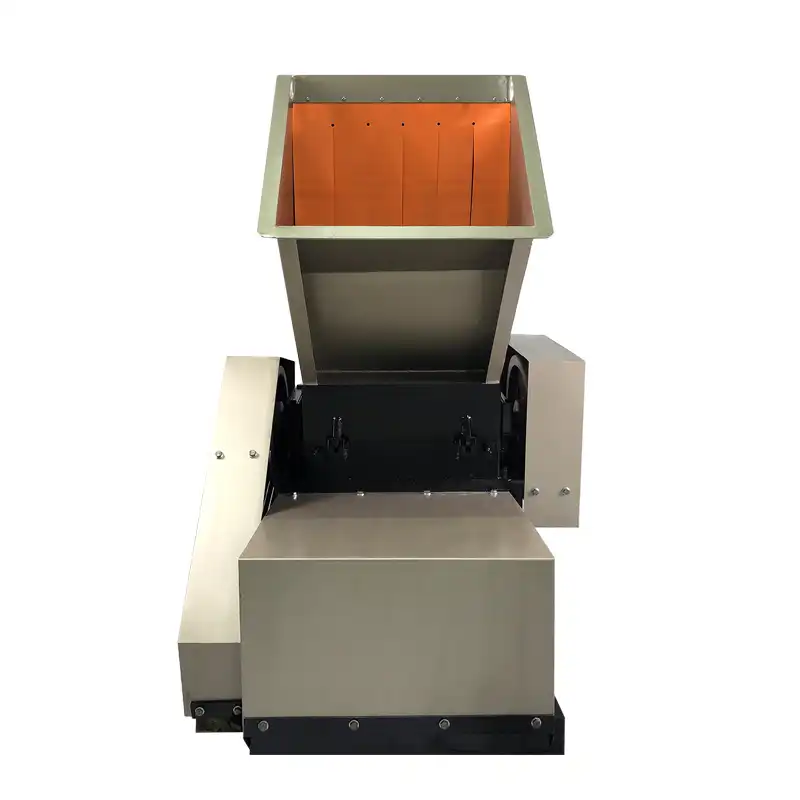
A forceful breaking machine has many different technical parts that work together. Power comes from high-torque motors and carefully designed rotor units that keep the speed steady even when they are loaded with big things. Advanced grinding systems are different from basic grinders because they are made of strengthened steel and have blades that are perfectly shaped to handle a wide range of materials without lowering the quality of the output. Our equipment goes beyond the usual limits of only being able to work with one material. It can quickly and effectively work with plastics, rubber, wood, paper, cloth, foam, and industrial waste.
Core Working Principles
Depending on the properties of the material, powerful pulverizer industrial breaking equipment works in a number of tried and true ways. Centrifugal force is used in powerful pulverizer impact-based systems to break up fragile materials that hit solid surfaces. Powerful pulverizer blade-type crushers use sharp, rotating knives to cut through soft and slightly stiff materials with little energy loss. The design of the powerful pulverizer grinding cylinder controls the flow of material, making sure that every particle is crushed enough before it is released. Powerful pulverizer screen systems below the cutting zone control the final particle size. The openings can be adjusted from 2 to 50 millimetres to meet various production needs.
Why Durability Matters for Factory Operations?
According to studies in the business, American manufacturers lose an average of $260,000 per hour every time their equipment breaks down. Durable building directly affects your bottom line by increasing the time your business is open and decreasing the cost of repairs. When compared to cheaper models, machines made with high-quality parts like SKD-11 tool steel blades and stress-relieved frames last three to five times longer. When you buy things that have been shown to last, your business will have fewer interruptions in production, steady quality output, and upkeep schedules that you can count on year after year.
How to Choose the Right Powerful Pulverizer for Your Factory Needs?
When choosing crushing equipment, you need to make sure that the machine's powers match your unique needs and the properties of the material you're working with.
Assessing Your Material Properties
There are different ways to crush different types of materials. Soft plastics that feel like film tend to wrap around regular blades, so they need to be designed in a special way with sharp blade angles and open rotor setups. When it comes to rigid materials, like injection-moulded parts, standard crushing chambers with closer blade spacing work well. Fibrous trash, like braided bags, needs tools that don't get tangled and have bigger throat holes. Before you buy, you should look at your main materials to see how hard they are, how much moisture they contain, how flexible they are, and whether they come in uniform or irregular shapes. This test helps you find tools that can handle your problems without needing constant changes or causing annoying issues.
Matching Capacity to Production Volume
The crushing capacity should match your throughput needs and provide a buffer for operations. Small to medium-sized recycling centers that process 50 to 500 kilograms per hour can benefit from small models that work with their current tools. Medium-sized factories that make one to three tonnes of goods per hour need medium-sized industrial units with automated feeding systems. Heavy-duty machines with continuous-duty motors and strong drive trains are needed in large recycling centers that process five to ten tonnes per hour. Always ask for a little more ability than your normal production rate so that you can handle times of high demand without slowing down your work.
Evaluating Key Performance Features
Professional-grade equipment is different from basic types in more ways than just their ability to crush things. Energy efficiency has a direct effect on operating costs. Look for motor-to-rotor matching that is optimised to cut power use by 10 to 15 per cent compared to older designs. When buildings are occupied, noise levels are important. Well-balanced rotors and sound-dampening shelters keep performance below 85 decibels. The speed at which the screen changes affects how easily you can switch between particle sizes. Quick-release designs cut the time it takes to change screens from hours to minutes. Overload security, safety interlocks, and emergency stops keep crashes and damage to equipment from happening when things go wrong.
Comparing Equipment Categories
There are a lot of different types of powerful pulveriser-breaking tools, and each one is great for a different job. Powerful pulverizer hammer mills are great for breaking up hard materials like ceramics, minerals, and dry chemicals into fine powders. They do this by using swinging hammers. Powerful pulverizer ball mills are great for laboratories and other places that need micron-sized bits because they grind very finely by spinning. With their rotary blade shapes, powerful pulverizer standard crushers can handle a wide range of materials, from soft packaging to hard cases, all in one machine. Knowing these basic differences helps procurement teams choose powerful pulverizer equipment that fits the needs of the business instead of pushing materials through gear that isn't meant to do that.
Where to Find Reputable, Powerful Pulverizer Suppliers and Manufacturers?
When buying industrial equipment, you need to carefully evaluate the suppliers you work with to make sure you get good products and solid help for the whole life of the equipment.
Identifying Certified Manufacturers
For industrial crushing equipment, getting it directly from the manufacturer is the best way to save money and get help. Companies that only make breaking technology usually have better engineering than companies that make a lot of different kinds of tools. Look for suppliers who are constantly coming up with new ideas by showing this through patents, technical papers, and awards from the industry. Hangzhou Xingbiao Machinery Co., Ltd. is a great example of focused skill because it has been developing plastic crushers for 30 years straight and has a 20-person engineering team and relationships with big companies like Nongfu Spring and KFC. Because of this level of specialisation, equipment is made to deal with problems that come up in real factories, not with general crushing tasks.
Evaluating Brand Reputation
The track record of a maker shows how reliable their products are, better than any advertising claims. Look into customer reviews that focus on long-term results rather than first thoughts. Real durability is shown by equipment that is still working well after five to ten years. Industry examples from businesses in the same line of work can tell you a lot about how well similar products work. Quality certifications, such as ISO 9001, show that the manufacturing process is organised, and export certifications show that the product meets foreign safety standards. If you can, talk to current customers directly to get specific information about maintenance needs, parts availability, and how quickly the manufacturer responds to technical issues.
Verifying Service Capabilities
Support after the sale decides whether the equipment stays useful or turns into an expensive problem. Before you buy, make sure the seller gives full technical support, such as help with installation, training for operators, and fixing problems. Parts must be available. Suppliers should keep enough blades, screens, and bearings in stock so that they can ship replacements within 24 to 48 hours. The length of the warranty shows how confident the manufacturer is in the product; strong warranties that cover major parts for two to three years show that the construction is good. When urgent help is needed, regional service networks or partnerships with local technical firms make it easy to get help without having to wait for international shipping.
Purchasing Options and Cost Considerations for Your Factory's Pulverizer
When you buy crushing equipment, you have to weigh the initial costs against the long-term operating value and efficiency gains.
Understanding 2024 Pricing Landscape
The price of industrial crushing equipment depends on its size, the quality of its construction, and how advanced its technology is. Entry-level units that are good for small recycling businesses start at around $3,000 to $8,000 and have simple features but not much automation. Industrial types in the middle range that are more durable and have higher throughput usually cost between $12,000 and $35,000. These are a better deal for businesses that are growing. Heavy-duty production systems with automatic controls and built-in lines cost $40,000 to $100,000 or more. They are worth it because they can run continuously with little need for supervision. Customised solutions that deal with specific material problems or limited space cost more but don't have to make compromises that slow down work.
Comparing Acquisition Methods
When powerful pulverizer tools will be used for five years or more, buying them outright has the lowest total cost of ownership. Leasing powerful pulverizer equipment is good for businesses that don't have a lot of money or don't know what their long-term needs will be, but the total payments usually end up being 20 to 40 per cent more than the purchase price. When you buy a lot of powerful pulverizer units at once, you can usually get a 10–15 per cent discount and make sure that all of the factories are consistent. You can save 40 to 60 per cent on used powerful pulverizer equipment, but it needs to be carefully inspected and usually doesn't come with a full warranty. Take a look at your finances, operational timeline, and plans for growth to figure out the most cost-effective way to move forward with powerful pulverizer equipment.
Navigating International Procurement
Buying crushing equipment from overseas manufacturers can save you a lot of money and give you access to advanced technology that isn't available in the United States. Knowing how to import things can help you avoid delays and costs that you didn't expect. Find out about the tariff codes and duty rates that apply. Depending on the place of origin and trade deals, industrial machinery usually has 0 to 5 per cent duties added to it. The size of the item being shipped and how it is shipped affect the freight costs. For heavy machines, shipping by water takes longer but costs much less than shipping by air. To make sure you get the right commercial invoices, packing lists, and certificates of origin, work with suppliers who know how to handle export paperwork. Think about using freight forwarders. They can handle clearing customs and delivering goods within the United States, making operations easier and making sure you follow all U.S. import rules.
Maintaining and Safely Operating Your Powerful Pulverizer for Long-Term Performance
Good repair and operating discipline make tools last longer, keep workers safe, and keep the level of output consistent.
Essential Maintenance Practices
Systematic maintenance keeps small problems from getting worse and costing a lot to fix. Every day, you should check the state of the blades, the screen, and any strange sounds or vibrations that could mean problems are starting to form. Bearings and drive components should be oiled once a week according to the manufacturer's instructions to stop them from wearing out too quickly. Tightening mounting bolts, checking electrical connections, and cleaning dust off motor cooling fins are all things that need to be done once a month. For every three months of care, the blades should be sharpened or replaced if they stop cutting as well as the screen if the holes get bigger, and a full shaking test should be done. Keeping detailed service logs helps find patterns and guess when parts will need to be replaced before they stop working for no reason.
Safety Protocols for Crushing Operations
Without the right safety measures and training for the operators, industrial breaking tools can be very dangerous. Before doing any repair or clearing out jammed materials, everyone on staff should know how to use the lockout/tagout process. Safety interlocks that stop operation when access doors are open protect people from coming into contact with moving parts. Even though they are enclosed, eye and hearing protection are still required in crushing areas. Set up clear rules for how to handle unplanned events, like materials that are too big or alien items that could damage equipment. Safety checks should be done on a regular basis to make sure that guards are still placed correctly, warning signs are still visible, and emergency stop buttons still work. These rules keep workers safe and stop accidents that could put companies at risk of being sued or cause production to stop.
Troubleshooting Common Issues
Knowing how to fix common machine problems quickly cuts down on downtime. Too much shaking is usually a sign of unstable rotors caused by uneven blade wear or material buildup. Stopping the machine right away keeps the bearings from getting damaged. If the output goes down even though the motor is working normally, it means that the blades are dull and need to be replaced, or the screen size is too small for the material. Motors can get too hot when there isn't enough airflow, when too much material is fed at once, or when worn bearings cause more friction. Material crossing in the feed throat is usually caused by bad material flow or a poorly designed hopper. Improving the skills of operators to recognise these signs and take corrective action keeps equipment working well between maintenance visits.
Conclusion
Where you buy powerful pulverizer industrial breaking equipment has a big effect on how productive and profitable your business is. When you work directly with specialised makers like Hangzhou Xingbiao Machinery, you can get powerful pulverizer technical help, tried-and-true equipment designs, and all-around support that you can't get from generic suppliers. Instead of just looking at price, you should judge possible powerful pulverizer providers based on their focus on manufacturing, technical skills, customer references, and service infrastructure. When buying powerful, long-lasting pulveriser equipment, you should carefully think about the total ownership costs, which include how much energy it uses, how often it needs to be maintained, and how reliable it is in the field. Making smart choices now will keep you from making mistakes that cost a lot of money and set up your factory for long-term operational success.
FAQ
What capacity pulverizer does my factory need?
How you choose a capacity depends on how much material you have and when you need to make it. Find your average hourly throughput and add 20 to 30 per cent more capacity to account for busy times and repair needs. Small businesses that process less than 500 kilograms per day can use compact models. Large businesses that process more than 10 tonnes per day need industrial-grade equipment that can run nonstop. Matching capacity correctly stops delays and keeps equipment costs from going up for no reason.
How long do pulverizer blades typically last?
Blade life depends on the type of material and the quality of the steel. When used on normal plastics, premium SKD-11 or D2 tool steel blades usually last between 3,000 and 5,000 hours before they need to be replaced or sharpened again. Materials that are rougher last less long, while materials that are softer last longer. Good blades can be resharpened three to five times, giving them a total of 12,000 to 20,000 hours of use before they need to be replaced for good.
Can one machine handle multiple material types?
By changing the screens, blade configurations, and working speeds, advanced crusher systems can handle a wide range of non-metallic materials. Plastic, rubber, wood, paper, and foam can all be processed with our equipment without having to be changed. When different particle sizes are needed, material change only needs replacing the screen, which can be done in 15 to 30 minutes with quick-release designs.
Contact Xingbiao for Your Powerful Pulverizer Supplier Needs
Hangzhou Xingbiao Machinery Co., Ltd. makes industrial breaking equipment that is designed to work in tough plant settings. Because we've been making plastic processing equipment for 30 years, we can make machines that work reliably under nonstop production schedules while using the least amount of energy and needing the least amount of upkeep. We build our equipment with high-strength steel and high-quality SKD-11 tool steel, which makes it last and helps you reach your long-term working goals. Our engineering team can help you find the right equipment based on the properties of your materials and the amount you need to make. Email our team at xingbiaocrusher@xingbiaocrusher.com to talk about your crushing needs and get expert advice that is suited to your factory's needs.

References
1. Industrial Equipment Maintenance Association. "Cost Analysis of Manufacturing Downtime in U.S. Factories." Annual Manufacturing Report, 2023.
2. Thompson, R. and Martinez, J. "Material Processing Equipment Selection Guidelines for Plastic Recycling Operations." Journal of Industrial Engineering, 2022.
3. American Society of Mechanical Engineers. "Safety Standards for Industrial Size Reduction Equipment." ASME Technical Publication, 2023.
4. Chen, L. "Comparative Analysis of Crushing Technologies for Polymer Waste Processing." International Journal of Recycling Technology, 2023.
5. National Association of Manufacturers. "Equipment Procurement Best Practices for Mid-Size Manufacturing Enterprises." Industry White Paper, 2024.
6. Peterson, D. "Lifecycle Cost Analysis of Industrial Crushing Equipment: A Twenty-Year Study." Manufacturing Equipment Review, 2023.
Learn about our latest products and discounts through SMS or email