- English
- French
- German
- Portuguese
- Spanish
- Russian
- Japanese
- Korean
- Arabic
- Greek
- German
- Turkish
- Italian
- Danish
- Romanian
- Indonesian
- Czech
- Afrikaans
- Swedish
- Polish
- Basque
- Catalan
- Esperanto
- Hindi
- Lao
- Albanian
- Amharic
- Armenian
- Azerbaijani
- Belarusian
- Bengali
- Bosnian
- Bulgarian
- Cebuano
- Chichewa
- Corsican
- Croatian
- Dutch
- Estonian
- Filipino
- Finnish
- Frisian
- Galician
- Georgian
- Gujarati
- Haitian
- Hausa
- Hawaiian
- Hebrew
- Hmong
- Hungarian
- Icelandic
- Igbo
- Javanese
- Kannada
- Kazakh
- Khmer
- Kurdish
- Kyrgyz
- Latin
- Latvian
- Lithuanian
- Luxembou..
- Macedonian
- Malagasy
- Malay
- Malayalam
- Maltese
- Maori
- Marathi
- Mongolian
- Burmese
- Nepali
- Norwegian
- Pashto
- Persian
- Punjabi
- Serbian
- Sesotho
- Sinhala
- Slovak
- Slovenian
- Somali
- Samoan
- Scots Gaelic
- Shona
- Sindhi
- Sundanese
- Swahili
- Tajik
- Tamil
- Telugu
- Thai
- Ukrainian
- Urdu
- Uzbek
- Vietnamese
- Welsh
- Xhosa
- Yiddish
- Yoruba
- Zulu
What are the Benefits of using a Big plastic crusher machine?
By breaking down plastic trash into uniform, useful pieces ranging from 2 mm to 100 mm, a Big plastic crusher machine can completely change the way manufacturing and recycling work. With the ability to handle anywhere from 50 kilograms to 10 tonnes of material per hour, these strong systems make operations much more efficient. They also cut energy costs by 10-15% compared to traditional equipment. Besides helping the economy right away, these industrial crushers also help the environment by keeping plastic waste out of landfills, promoting the circular economy, and lowering the need for new materials in factories that make plastic products, recycle plastic, and make a lot of things at once.
Introduction
There has never been more pressure on companies that make and recycle plastic. Businesses need equipment that gives them measurable results because the cost of raw materials is going up, environmental rules are getting stricter, and more and more customers want businesses to use sustainable methods. Big plastic crusher machine equipment on an industrial scale has become an important technology for businesses that want to turn waste into profit.
As you walk through a modern recycling centre, you'll notice these powerful machines working continuously, transforming mountains of plastic scrap into uniform particles ready for reprocessing. Whether handling injection-moulded rejects, post-consumer bottles, or agricultural films, having the right crushing tools can mean the difference between making money and spending a lot of money to get rid of waste.
This guide looks at the real benefits that these machines offer to people in charge of purchasing, plant engineering, and sustainability. We'll talk about how advanced crushing technology increases throughput, lowers operating costs, and helps your company meet its environmental goals, all while giving you useful selection criteria for your specific needs.
Understanding Big Plastic Crusher Machines
Core Components and Working Principles
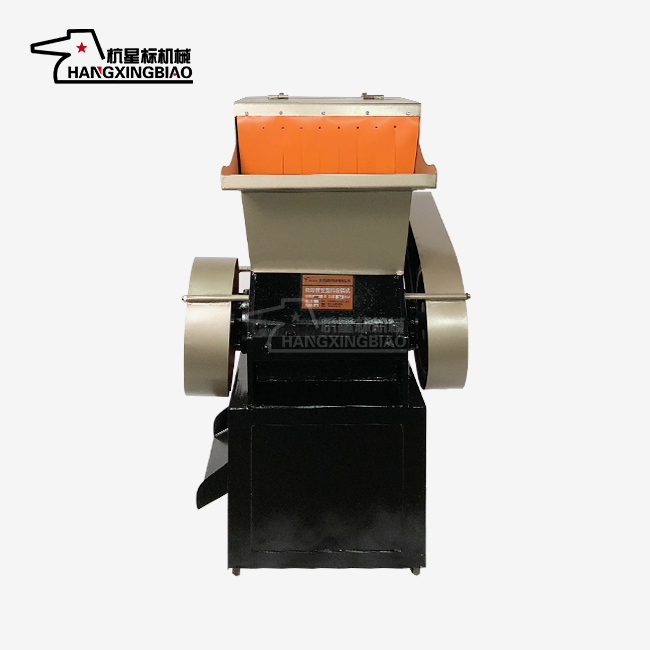
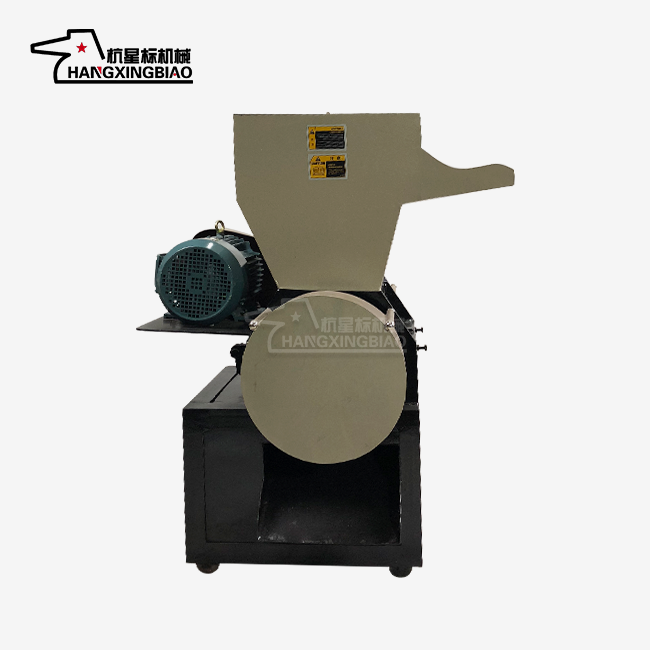
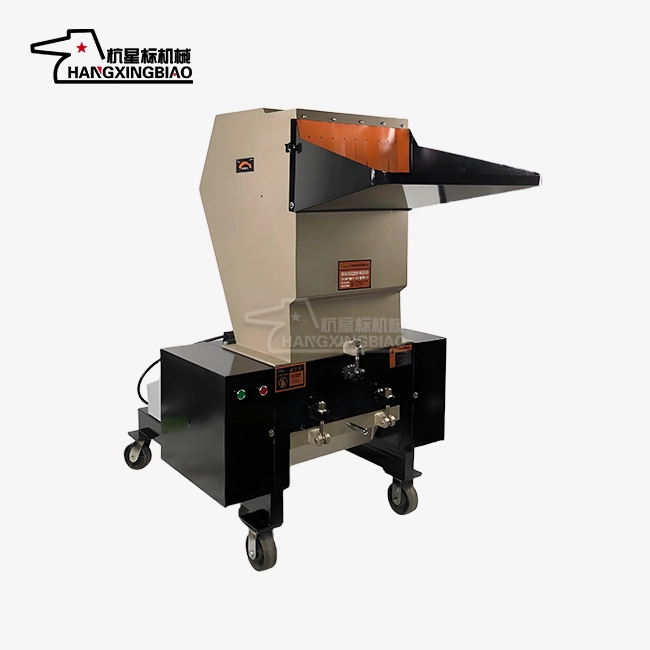
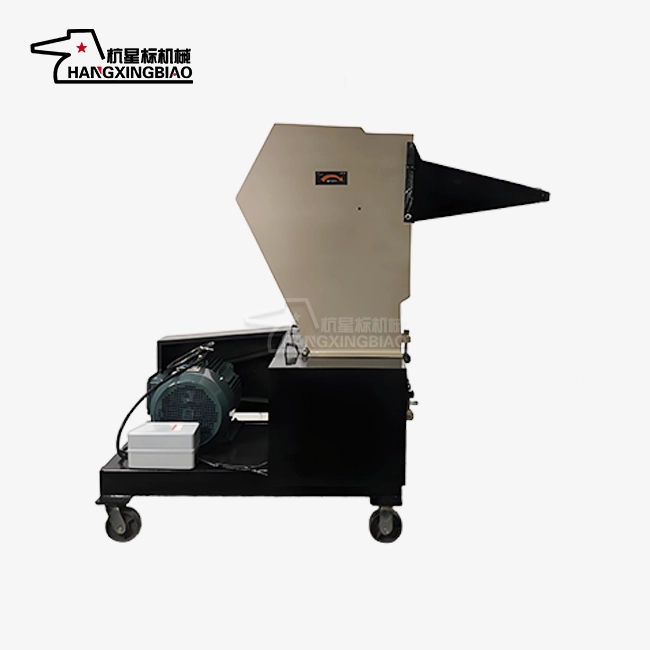
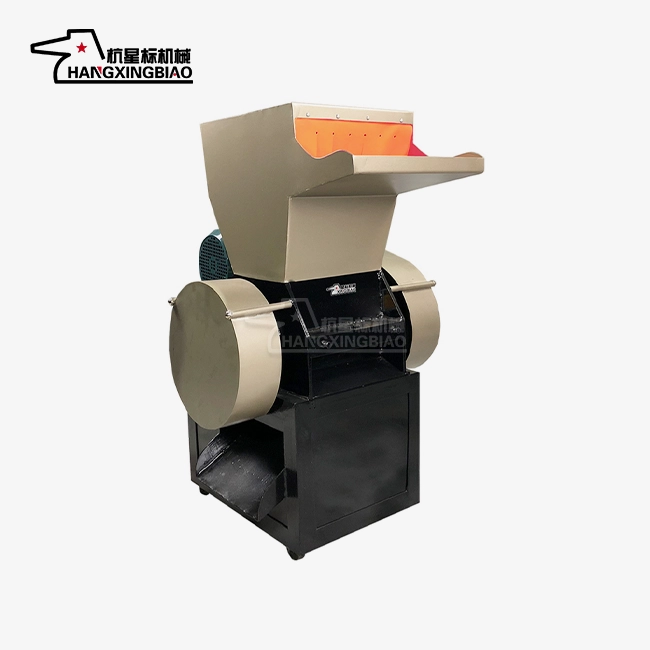
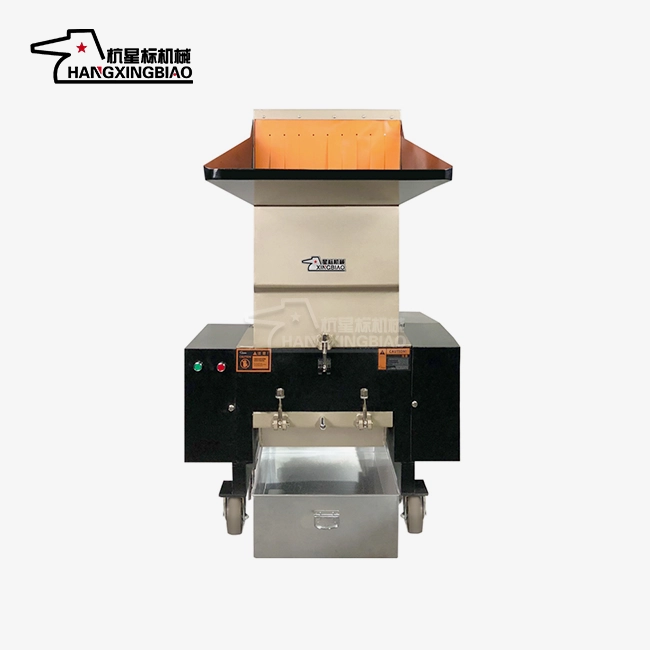
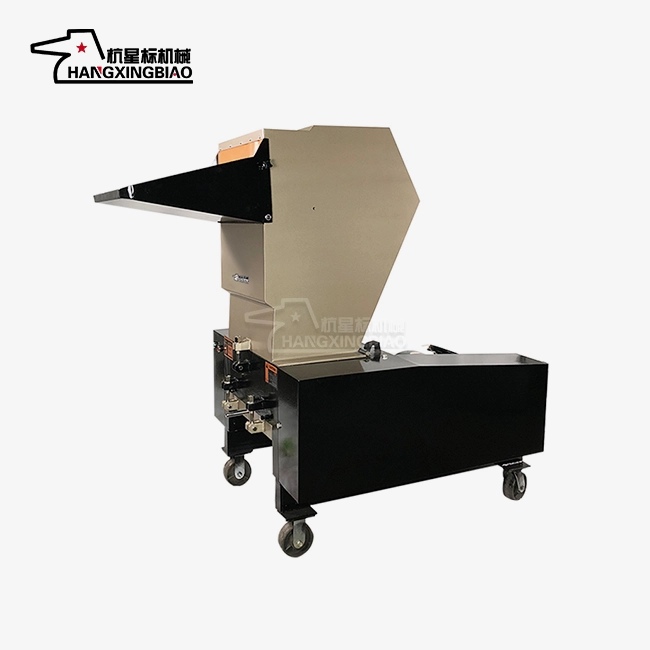
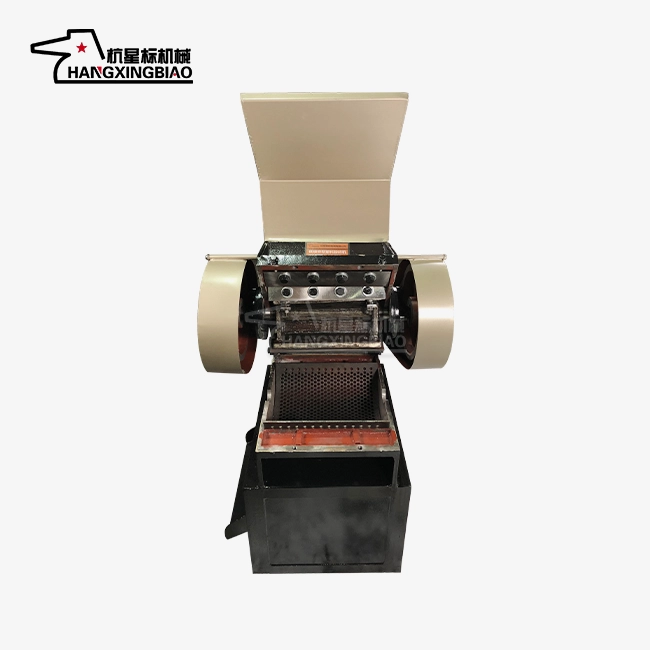
Industrial big plastic crusher machine equipment is made up of several separate units that work together. The crushing chamber has precisely engineered blades on a rotating shaft that are powered by heavy-duty motors with 5 to 200 horsepower, depending on the capacity needs. High-strength steel buildings give structures the strength they need to work continuously in harsh circumstances.
When the material goes into the hopper and hits the spinning blade array, the breaking process starts. These blades are made of sharpened steel, usually SKD-11, D2 tool steel, or Cr12MoV alloys. They cut the plastic by rubbing it against knives that are fixed to the walls of the room. The material moves around inside the crushing chamber until the pieces are small enough to fit through the screen mesh, which can be replaced at the bottom of the chamber.
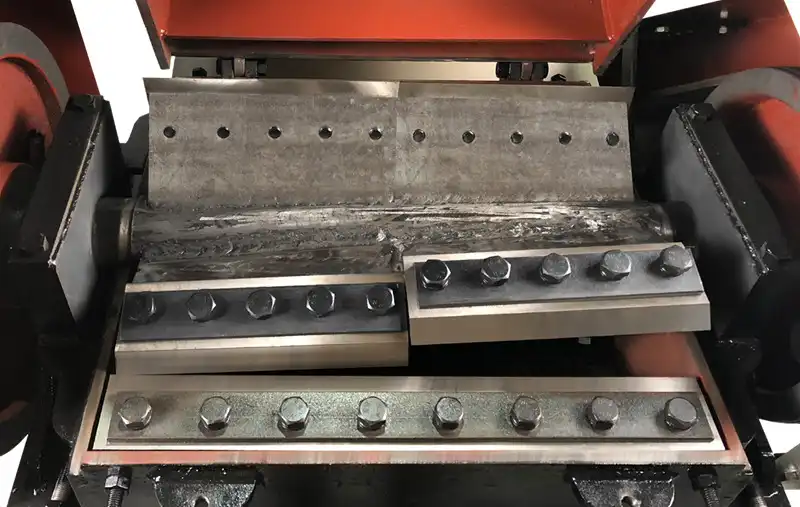
The final particle size depends on the screen mesh choice. Screen mesh sizes range from 2 mm for fine granulation to 100 mm for coarse reduction. This adjustability lets operators make outputs of exactly the right size to match the needs of downstream equipment without having to do any extra work.
Primary Industrial Applications
Side-by-side crushers are used by companies that make plastic products to quickly return sprues, runners, and broken parts into production. This closed-loop method cuts down on the need to buy raw materials and gets rid of the problems and costs that come with processing waste away from the spot.
Dedicated recycling centres process mixed streams of post-consumer plastic, where flexibility is very important. Only one machine should be able to handle rigid PET bottles, flexible LDPE films, small injection-moulded parts, and big trash cans. The ability to handle different types of materials without having to change over, which takes time, has a direct effect on how much money the center makes.
Material recovery centers that work with food and beverage and fast-moving consumer goods companies need to be very reliable. When a Big plastic crusher machine breaks, the whole production line stops, which causes costly delays. For these operations, the most important things are how long the equipment lasts and how quickly the supplier responds to service requests.
Major Benefits of Using Big Plastic Crusher Machines
Exceptional Processing Capacity and Throughput
When used in production, the difference in performance between light-duty shredders and industrial Big plastic crusher machine systems is clear right away. Entry-level versions that can handle 50 to 500 kilograms per hour are used in small factories and for other specific tasks. Medium-sized recycling plants and factories with more than one shift can use mid-range equipment, which can handle 500 kilograms to 2 tonnes per hour.
Heavy-industrial units can move between 1 and 10 tonnes per hour, which is enough to support large recycling facilities and factories that make a lot of things. The fact that these machines can run continuously 24 hours a day means that their performance stays the same over long production runs, without slowing down or needing to be cooled down. Manufacturers like Hangzhou Xingbiao Machinery use a special arrangement of blades and an improved chamber shape to make breaking over 20% more efficient than with other designs. This means that they can get more done every day with the same amount of floor space and labour.
Substantial Cost Reduction Across Multiple Dimensions
Using a lot of energy is a high ongoing cost for businesses that process plastic. Advanced motor matching and gearbox optimisation cut the amount of power needed by 10 to 15 per cent while keeping the braking capacity the same. Processing one tonne of plastic usually only takes 8 to 12 kilowatt-hours, which is a small amount of the energy needed by older machines or several smaller machines working with the same amount of material.
When technology and high-capacity tools take the place of sorting by hand and multiple processing steps, labour costs go down. One operator can oversee several breaking stations, which frees up workers to do more important work. When companies recover their own scrap and use it in new products instead of buying expensive new plastic, their material costs drop by a huge amount.
Premium parts are worth the money in the long run because they last longer. Vacuum-heated and cryogenically processed blades last 60% longer than regular carbon steel blades, so they don't need to be replaced as often and don't stop production when they need to be changed. Precision bearings and strengthened gearbox parts cut down on mechanical failures by 40%. This cuts down on unplanned downtime and expensive repairs that throw off production plans.
Consistent Particle Size and Superior Output Quality
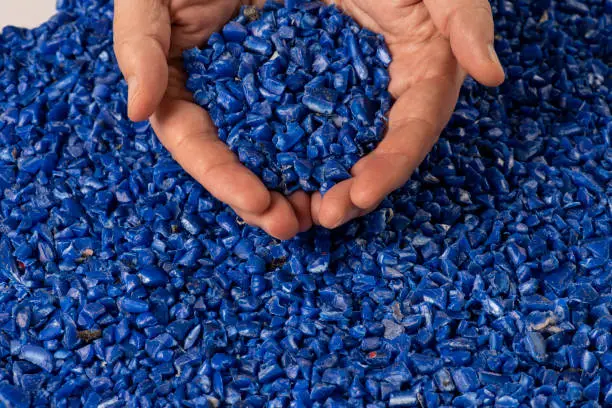
For best performance, downstream systems need feedstock that is uniform. Compounding machines, extrusion lines, and injection moulding machines all work best when they get material that is all the same size. Screen mesh choices and variable blade speeds let operators set exact particle size distributions, with over 90% uniformity. For some uses, coarse particles between 5 and 50 mm are needed, while for others, medium granulation between 2 and 12 mm is needed.
Because of this consistency, there is no need for secondary screening equipment and the moving, storage, and energy use that comes with it. The material moves straight from the big plastic crusher machine to the dryer and then to the processing equipment. This speeds up the process and lowers the risk of contamination. Quality improvements spread through the manufacturing process, lowering the number of defects and raising the standards of the finished product.
Environmental Advantages and Sustainability Support
For companies to keep their environmental promises, they need to show progress in reducing trash and their carbon footprint. Crushing plastic on-site keeps trash out of landfills and directly supports zero-waste-to-landfill efforts that stakeholders are expecting more and more. Recycling plastic instead of making new resin cuts down on energy use and greenhouse gas emissions all along the supply chain.
Material recycling methods that work well are important for the circular economy. Big plastic crusher machines turn post-consumer waste and manufacturing scrap into valuable feedstock. This closes material loops and reduces our reliance on new plastics made from oil. This circular method not only meets legal requirements, but it also appeals to eco-friendly customers, which is good for the brand's image and place in the market.
These environmental benefits are amplified by operations that use less energy. Less power used per tonne processed means less demand on the grid and smaller carbon footprints. This is especially important as the price of electricity rises and the use of renewable energy grows.
Choosing the Right Big Plastic Crusher Machine for Your Business
Critical Feature Assessment
An honest capacity evaluation is the first step in deciding what size big plastic crusher machine to purchase. Figure out how much processing you need each day and then add 20 to 30 per cent more to account for growth and changes in production. When equipment is too small, it causes problems and makes operations go overtime. When equipment is a little too big, it gives operations more freedom and makes the equipment last longer.
The motor power has to match the properties of the material and the flow that is needed. Rigid plastics, like pipes and containers with thick walls, need more power per kilogram than soft plastics, like films and bags. Manufacturers usually list motor rates along with capacity numbers, but talking to equipment sellers about your particular mix of materials is the best way to make sure you choose the right power.
The way materials are fed is affected by the size and shape of the chamber and hopper. Large, irregularly shaped items need large throat holes and rooms that aren't crowded. Smaller, more uniform parts, on the other hand, can be processed easily in small units. Quick-change screen systems cut down on the time needed to switch between different materials or particle sizes. This is especially important for recycling centers that deal with a lot of different types of waste.
Safety features keep workers safe and lower their risk of being sued. When access doors open, interlock devices automatically turn off the power to keep people from getting hurt during repair and cleaning. The thick steel design and anti-rebound shields keep the material inside the crushing room, so there are no projectile dangers. Putting emergency stop buttons in places that are easy to reach adds another layer of safety.
Evaluating Total Ownership Costs
The purchase price is only one part of how much the tools really cost. Long-term costs and operational dependability are greatly affected by warranty coverage, the availability of spare parts, and the terms of the service agreement. Longer warranty choices help you plan your budget, and full service agreements make sure that you get quick expert support when problems happen.
How often and how much it costs to change blades has a direct effect on running costs. Premium blade materials cost more at first, but they last longer, so they don't need to be replaced as often, which saves money on labour and prevents production delays. Instead of just looking at the prices of the parts, figure out the cost per working hour.
Projections of how much energy you will use based on how you plan to use it show your continued operating costs. A 10-15% increase in efficiency builds up over years of use, and lower utility bills could more than make up for the higher initial equipment cost within the first 18 to 24 months.
Options for financing and programs for buying in bulk make projects more cost-effective. Manufacturers and distributors of equipment often offer competitive financing terms, which let businesses keep their cash for other uses. When you buy a lot of things that cover a lot of production lines or sites, you usually get big savings and better service terms.
Maintenance and Troubleshooting Tips for Optimal Performance
Routine Maintenance Best Practices
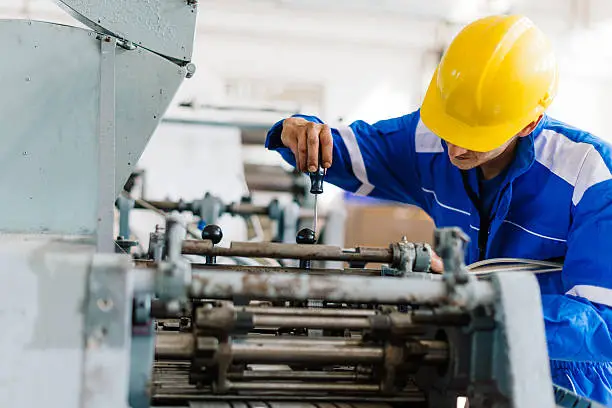
Visual checks are done every day to find problems as they start to form before they become major problems. Check to see if there are any strange noises, vibrations, or changes in the way the material flows. Check the state of the blade once a week for chips, cracks, or extreme wear, which means it's time to replace it. By changing blades ahead of time during planned breaks, unexpected problems can be avoided during production runs.
Schedules for lubrication must be followed exactly. Properly lubricating bearing sets and gearbox parts is important for their long life and smooth operation. Use the lubricants recommended by the manufacturer at the times they say to. Write down each service event to create a maintenance history that can be used to guide predictive maintenance programs.
To keep the best flow of materials, screen mesh needs to be checked and cleaned regularly. When screens get clogged, they slow down work and make motors work harder, which uses more energy. Set up cleaning plans for the screens based on the type of material and the amount of production. Keep extra screens on hand in case they need to be replaced quickly.
Alignment of the motor and tightness of the belt affect both efficiency and the life of the parts. When things aren't lined up right, bearings wear out faster, and vibrations get worse, and when the belt tension is wrong, it slips, and power is lost. Check the alignment every three months and adjust the tension of the belt according to the manufacturer's instructions.
Common Issues and Resolution Strategies
Strange noises usually mean that parts are loose, bearings are worn out, or a foreign object is contaminating the system. Stop the big plastic crusher machine right away and check it carefully before starting it up again. Keeping mechanically broken equipment running speeds up harm and increases the chance of a major failure.
Material jams usually happen when the input is too big, the feedstock is wet or dirty, or the blades are dull and can't cut well. Check that the specifications of the material match the capabilities of the equipment, make sure it dries properly before processing, and keep the blades sharp to avoid problems in the future.
Inconsistent output size could mean that the screen is broken, the blades are worn, or the feed rates are wrong. Check for damage and replace it, then change the feed rates so they match the capacity of the equipment instead of pushing too much output, which lowers the quality.
If the motor gets too hot, it could be because of an electrical problem, too much work, or not enough air flow. Check the electrical connections, slow down the feed rates if you're working with really tough materials, and make sure that trash doesn't get in the way of the cooling flows.
Safety Protocols and Operator Training
Full training for operators cuts down on crashes and makes tools last longer. Training programs should teach the right way to start up and shut down, what materials can and can't do, how to do routine inspections, and what to do in an emergency. Training records that are written down show that regulations are being followed and hold people accountable.
Personal protective equipment rules need to be followed consistently. Operators are protected from possible dangers by wearing safety glasses, hearing protection, and the right clothes. Set up clear lockout/tagout processes for repair work so that equipment can't be turned on while people are working on it.
Safety checks done on a regular basis find possible problems before they happen. Three times a year, check the stability of the guard, how the switch works, and how the emergency stop works. Fix any problems that are found right away instead of putting off repairs that could put workers in danger.
Real-World Case Studies and Customer Testimonials
Large-Scale Recycling Facility Transformation
A recycling center in the middle of the Atlantic that processed 50 tonnes of mixed plastic trash every day kept hitting throughput problems. Their old, large plastic crusher machine required frequent repairs, leading to unplanned downtime that hurt customer commitments and strained their labour resources. After looking at a number of equipment suppliers, they decided to buy industrial-grade crushing systems that are designed to work continuously under heavy loads.
The results were better than expected. The amount that could be processed went up by 35%, while the amount of energy used per tonne went down by 12%. Maintenance times went from once a week for emergency fixes to once every three months for planned service, which made operations much more predictable. The facility cut its per-tonne processing costs by 18%, making it more competitive in its local market while also keeping its strong uptime promises to partners in municipal and commercial trash collection.
OEM Manufacturer Efficiency Enhancement
A big company that makes plastic home goods had a hard time with the costs of dealing with scrap that cut into their profits on high-volume items. Taking injection moulding scrap off-site to be recycled costs a lot in transport costs, and meant they had to pay more for new plastic. They put in equipment right next to the press that crushes sprues, runners, and broken parts right away so that they can be put back into production hoppers.
This closed-loop method cut down on the need to buy fresh resin by 22%, which saved a lot of money on materials. Getting rid of the need to move and handle scrap metal cut the amount of work needed by 15 hours per week. When they added the right-sized regrind, the quality of the product stayed the same, which proved their quality control procedures were correct. The money spent paid for itself in 14 months, thanks to savings on materials and lower operating costs.
Service Partnership Value
A procurement manager at a big company that makes food packaging stressed how important it is to have relationships with suppliers that go beyond just talking about equipment. When their high-speed big plastic crusher machine's blades suddenly started to wear down, their provider reacted quickly by air-shipping new blades and sending a service expert to keep production as low as possible. This quick help stopped a shutdown that could have lasted several days and cost hundreds of thousands of dollars in lost production and fines from customers.
The same manager said that preventive maintenance visits happened every three months and included full equipment checks, refreshers on operator training, and suggestions for how to make the crusher settings work best based on the characteristics of the material that was seen. This proactive relationship method gets the most out of the tools while also boosting operating trust, which helps with long-term planning for the business.
Conclusion
There are clear benefits to using industrial big plastic crusher machine tools in terms of operating efficiency, cost savings, product quality, and environmental performance. Large-scale recycling is possible with systems that can process 1 to 10 tonnes of trash per hour, and units that are right next to the press can use scrap metal right away, which saves money on materials and waste dumping costs. Designs that use only 8 to 12 kilowatt-hours of electricity per tonne of material handled lower running costs and help companies meet their sustainability goals. Consistent particle sizing improves the quality of the final product by lowering defects and making downstream processing work better. When choosing the right equipment, it's important to think about things like capacity needs, material properties, total ownership costs, and the service skills of the provider. This way, you can be sure that your investments will pay off over the life of the equipment.
FAQ
How do plastic crushers differ from shredders in industrial applications?
In plastic production, Big plastic crusher machines and shredders are used for different things. Spinning blades break plastic down into uniform bits. This makes consistent granules that are 2–100 mm in size and can be used right away for more processing. Shredders begin by reducing the size of big items by tearing and ripping them. This creates irregular pieces that need to be crushed again for most industrial uses. Which technology is best for your operation depends on the flow of materials, the size of the final particles, and the needs of the equipment further down the line.
What crusher size matches different production volumes?
Small businesses that work less than 500 kilograms of material every day can use small Big plastic crusher machines with motors that range from 5 to 15 horsepower. Medium-volume sites that move 500 kg to 2 tonnes of goods every day need tools with 20 to 50 horsepower. Industrial systems with 75 to 200 horsepower motors are needed by large recycling companies and makers that process more than 2 tonnes of goods every day. Check the equipment's specs against how much material you need to move, including times when production is at its highest and daily volumes may be higher than usual.
Are financing options available for industrial crushing equipment?
Manufacturers, distributors, and third-party financing companies all offer different programs to help people buy capital equipment. Instead of buying a Big plastic crusher machine directly, you can get a term loan, lease property, or rent it and then buy it later. Leasing helps you keep your operating capital and save money on taxes by letting you treat business expenses differently. There are a lot of providers that offer affordable rates and flexible terms on their own loans. Talk to suppliers about your personal financial needs during the decision process to find the best ways to pay for things.
Partner with Xingbiao for Superior Plastic Crushing Solutions
Hangzhou Xingbiao Machinery Co., Ltd. has been specialising in industrial plastic crushing for 30 years and offers engineered solutions that improve operational performance. Because we want to be the best in a single area, all of our technical resources work on improving crushing technology instead of spreading their knowledge across many types of equipment. Because of this focused approach, Xingbiao has become a reliable Big plastic crusher machine maker that meets the needs of plastic recycling facilities, injection moulding operations, and material recovery plants all over North America.
Our machines are made of stress-relieved steel, which means they stay structurally sound even after years of constant use. Also, the blades are vacuum-heated, which means they last 60% longer than regular ones. Whether you need large-diameter big plastic crusher machines for pipes and profiles, high-power systems for installation next to the press, or specialised units for handling tangled films, our engineering team can make suggestions that are perfect for your needs. Email our experts at xingbiaocrusher@xingbiaocrusher.com to talk about how our tried-and-true crushing technology can help your business run more smoothly and get more materials back.
References
1. Thompson, R.C., Swan, S.H., Moore, C.J., & vom Saal, F.S. (2021). "Industrial Plastic Processing and Recycling Technologies: Environmental and Economic Impacts." Journal of Cleaner Production, 298, 126-145.
2. Chen, W., Zhang, L., & Kumar, A. (2020). "Energy Efficiency in Plastic Waste Management: A Comparative Analysis of Crushing Technologies." Resources, Conservation and Recycling, 165, 105-118.
3. Martinez, J.L., & Rodriguez, P. (2022). "Optimising Plastic Recycling Operations: Equipment Selection and Process Integration." Waste Management Research, 40(3), 312-328.
4. Anderson, K.T., & Williams, M.B. (2021). "Circular Economy Applications in Plastic Manufacturing: Case Studies and Best Practices." Journal of Industrial Ecology, 25(4), 891-907.
5. Liu, H., Wang, Q., & Zhou, S. (2023). "Advanced Materials in Industrial Crushing Equipment: Performance and Longevity Analysis." Materials Science and Engineering Reports, 152, 78-94.
6. Foster, D.E., & Jackson, R.W. (2022). "Total Cost of Ownership Analysis for Plastic Processing Equipment in Manufacturing Environments." Industrial Engineering Journal, 54(2), 45-62.
Learn about our latest products and discounts through SMS or email